

Review · SOUTH AFRICA
Cape Town: Langa Township Walking Tour
Langa is not a polished sightseeing district. It is a living Cape Town community, and that is exactly what makes this 150-minute walking tour worthwhile. A local guide leads you through its apartheid-era history, creative work, small businesses, and daily life, with stops at Guga S’thebe, the Langa Heritage Museum, a local home, and Langa Art Gallery on 16.
I like two things right away: your money goes to a Langa-based tour operation, and the guides make the visit personal rather than delivering a memorized speech. Guides such as Wanda, Mike, Thando, and Mzukisi have shared local history, personal stories, and practical insight into community projects. The main consideration is that this is a serious walking tour through an unequal community, not a light sightseeing stroll, so comfortable shoes and a thoughtful attitude matter.
Key points to know before you book

- Meet at Guga S’thebe Arts & Cultural Centre, a useful starting point for understanding Langa’s creative life.
- Walk with a local English-speaking guide, with guides such as Wanda, Mike, Thando, and Mzukisi tailoring conversations to visitors’ questions.
- See both history and present-day life, from apartheid-era institutions to new social enterprises and youth projects.
- Expect local interaction, including a visit to one local home, community initiatives, art spaces, and possible food or cultural demonstrations.
- Bring small cash, since tips, donations, food, and crafts may be separate from the $37 tour price.
- Confirm accessibility before booking, because the activity information says it is wheelchair accessible in one place but also lists it as unsuitable for wheelchair users.
Why Langa adds something important to a Cape Town visit
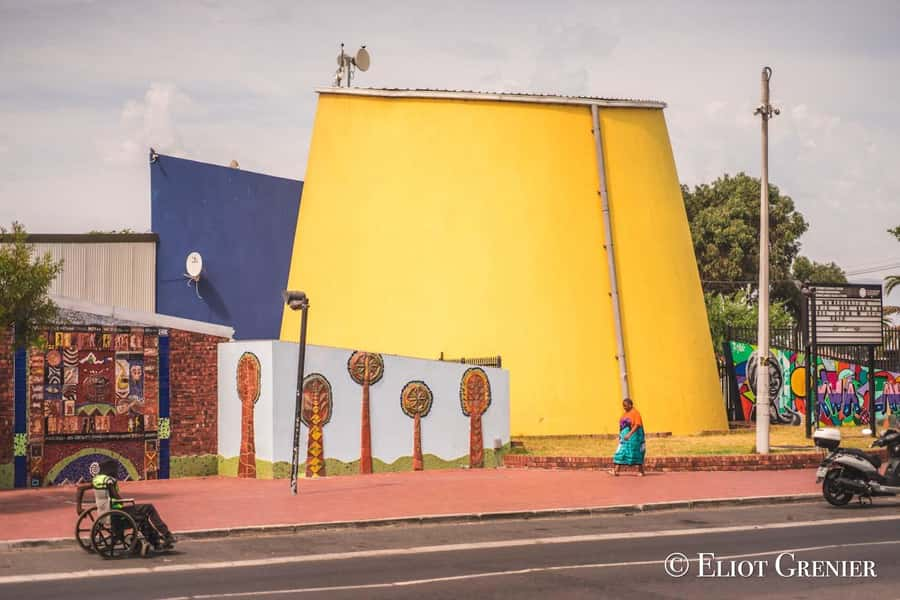
Cape Town can be easy to experience through beaches, mountain views, wine estates, and attractive central neighborhoods. Those places are worth seeing, but they do not explain how the city was shaped by forced separation, housing inequality, and the long afterlife of apartheid.
Langa was established in the 1920s and is one of South Africa’s oldest townships. Its name means sun in Xhosa. On this walk, the past is not kept behind museum glass. It appears in the streets, buildings, community organizations, family stories, and the contrast between different types of housing.
That contrast is one reason I would place this tour early in a Cape Town visit. Once you understand more about Langa, you look at the city’s geography differently. You start to notice how close wealthy and poor areas can be, and how much history sits behind a simple road or neighborhood boundary.
The tour does not reduce Langa to hardship. You will hear about social and economic problems, but you will also see artists, entrepreneurs, educators, cooperatives, and residents working to improve the area. The point is not to collect shocking photographs. It is to listen, ask sensible questions, and understand how a community is shaping its own future.
More walking tours around the world:
- Magical London: Harry Potter Guided Walking Tour
★ 4.7 · 22,044 reviews - Reykjavik Food Walk – Local Foodie Adventure in Iceland
★ 5.0 · 18,952 reviews - History and Hauntings of Salem Guided Walking Tour
★ 5.0 · 14,564 reviews
Starting at Guga S’thebe Arts & Cultural Centre
The meeting point is Guga S’thebe Arts & Cultural Centre at 42 King Langalibalele Drive. This is more than a place to gather the group. It introduces you to Langa’s role as a center for art, performance, crafts, and local activity.
The itinerary allows time for an arts and crafts market visit and a traditional dance show. Depending on the day, you may also encounter drumming or another cultural activity. One especially useful feature is that the guide can explain the meaning behind the activity instead of leaving you to watch it as a staged display with no context.
Guga S’thebe also helps set the tone for the walk. You are not being dropped into an unfamiliar area and left to work out what you are seeing. Your guide gives you background first, then connects that background to the streets beyond the center.
The market is a chance to look at locally made items, but crafts are not included in the tour price. Buy something only if you genuinely want it. You do not need to treat every stop as a sales opportunity, and a respectful conversation is often more valuable than another souvenir.
The history walk: apartheid, resistance, and daily survival
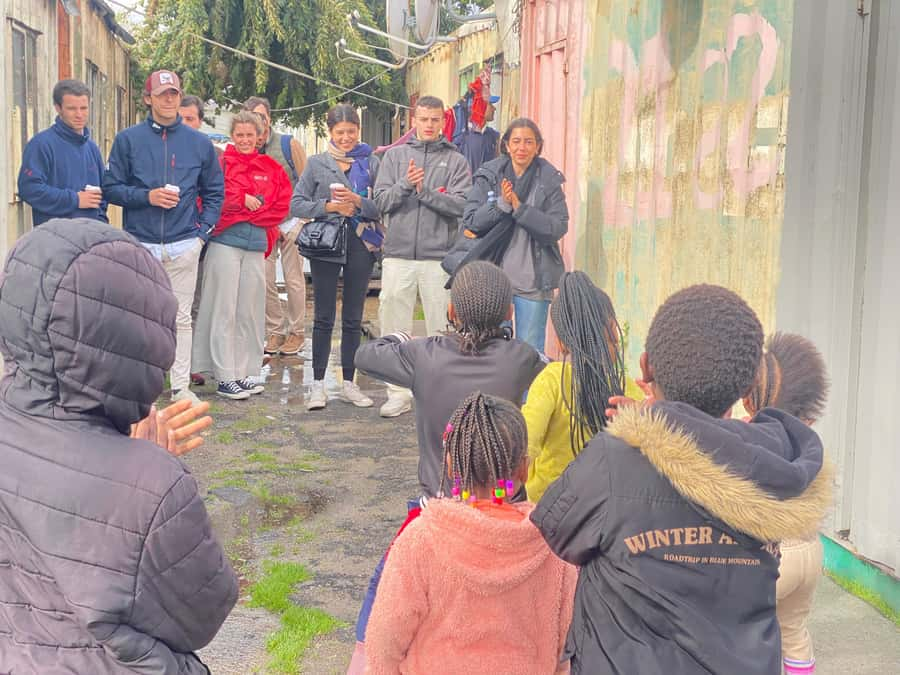
The first major part of the walk focuses on Langa’s past. Your guide explains how townships were created and controlled, including the laws and systems that restricted Black South Africans during apartheid.
A useful stop may include the old dompas office and courtroom, places connected with the pass system. The dompas was the document used to control the movement of Black people under apartheid. Seeing where these systems operated helps turn a broad history lesson into something physical and understandable.
Your guide may also discuss the social and economic pressures that still affect township residents. That can include housing, employment, education, and access to services. The discussion is not designed to offer a quick solution. It gives you a clearer picture of why development takes time and why local projects matter.
I appreciate the guides’ ability to move between national history and personal experience. Mzukisi, for example, has been described as someone who grew up in Langa and still lives there. Wanda has been praised for knowing the area and its people closely. Other guides, including Thando, Mike, and Luvuyo, have also built the tour around conversation rather than a fixed lecture.
Guide assignments can change, so do not book expecting one particular person unless the operator confirms it. The consistent advantage is the local viewpoint. You can ask what an old building means, how a project works, or how younger residents are trying to make changes.
Meeting people and seeing community projects
The most useful part of the tour is often the move from history to present-day community work. You may visit cooperatives, educational projects, craft workshops, social enterprises, and other local initiatives.
These stops show Langa as a place where people are not waiting for outside help to solve everything. Small businesses and community organizations create jobs, teach skills, support young people, and keep local activity moving. A project may look modest, but the guide can explain what it provides and why it matters.
The tour includes a visit to one local home. This can offer a more personal sense of life in Langa, but it is also the point where good manners matter most. Follow your guide’s instructions, ask before taking photographs, and remember that a home is not a public attraction.
The same applies to childcare or youth-related projects. If a visit involving children is included on the day, do not take photographs unless you have clear permission. A better contribution is often a donation through the project or the tour’s local contacts, rather than handing out sweets, pencils, or toys directly.
One guide has specifically advised against bringing gifts for children because children may argue over them and continue approaching visitors. If you want to help, ask your guide which local initiative can use support and how to give it responsibly.
Same streets, a different story:
- New Orleans Premier Ghost, Voodoo and Vampire Walking Tour
★ 4.5 · 12,856 reviews - Amsterdam Anne Frank: Small-Group Walking Tour & Local Guide
★ 4.8 · 12,789 reviews - Edinburgh: Harry Potter Magical Guided Walking Tour
★ 4.8 · 11,944 reviews - Edinburgh Castle: Guided Walking Tour with Entry Ticket
★ 4.7 · 11,699 reviews
Art, murals, and Langa Art Gallery on 16

Langa’s art is not decoration added for tourists. Murals and public artworks reflect political memory, local pride, hopes for the future, and the daily life of the community.
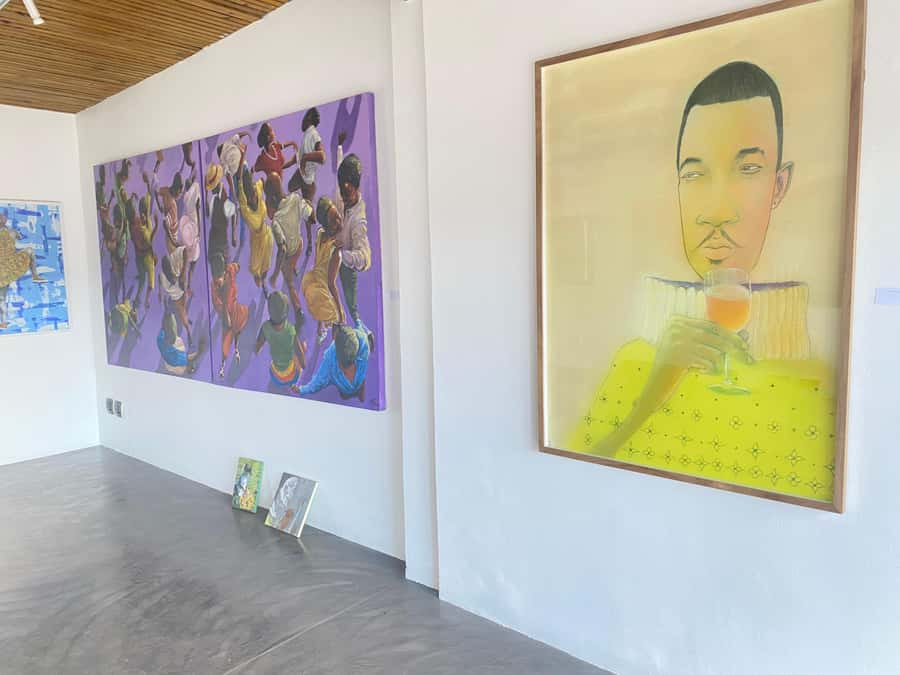
The walk includes Langa Art Gallery on 16, along with art and cultural activity connected with Guga S’thebe. These stops balance the heavier history sections. You see how artists respond to the same pressures discussed by the guide, but through color, design, music, and storytelling.
The gallery also gives you a chance to support local artists if you find something you like. Art and crafts cost extra, so bring cash if you plan to buy. Do not feel pressured to purchase. Listening to the artist or asking about the work is enough to make the visit worthwhile.
Street art can be easy to miss when you are driving through a township. Walking slows you down. You can notice murals, signs, workshops, informal businesses, and the small details that a vehicle tour passes in seconds.
Food, music, and everyday culture

Food may be part of the walk, depending on the route and the local businesses operating that day. Possible examples include bunny chow, braai, koeksisters, or food from a local eatery. Some tours have included dishes such as samp and chakalaka, and one guide shared a fried liver sandwich with a visitor.
The food stop is valuable because meals explain community life in a way a museum cannot. You learn what people eat, how food fits into gatherings, and which small businesses serve local residents. Food is not necessarily included in the $37 price, so carry cash and ask your guide before ordering.
Traditional Xhosa practices may also feature through dress, music, dance, or language. You may learn a few local words and, if available, take part in a drum or dance session. Participation should be invited rather than assumed. You can watch respectfully if that feels more comfortable.
The tour is conducted in English. The guides named in the experiences have been able to explain history and culture clearly, though individual speaking styles will differ. Ask questions. The format works best when you treat it as a conversation rather than a performance.
Safety, photographs, and the right attitude
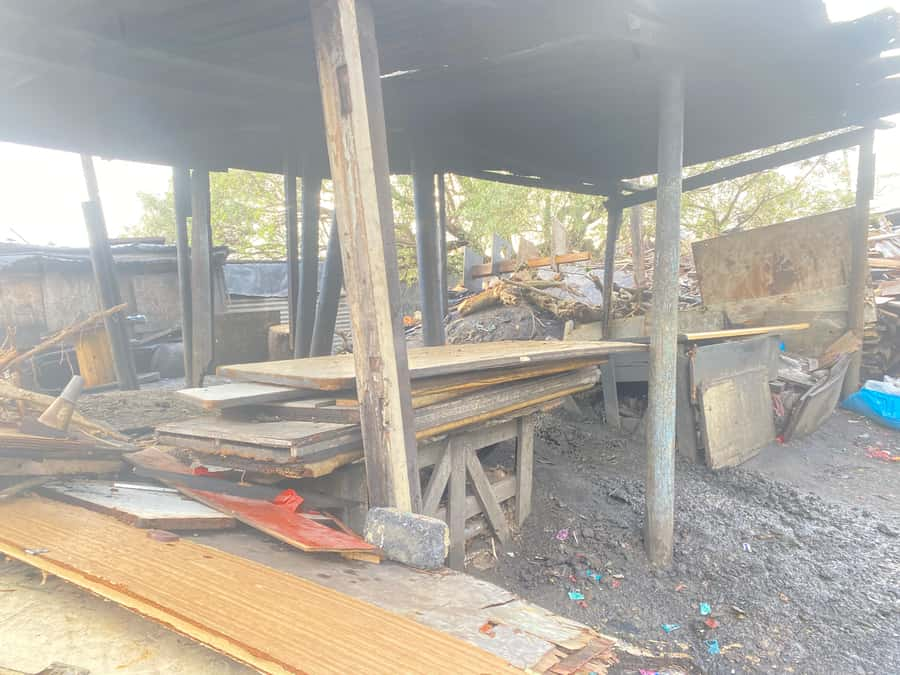
Safety is a fair concern when visiting any unfamiliar part of a large city. The guide keeps the group together and knows the area, and the strongest reports describe visitors feeling safe and welcomed throughout the walk.
That does not mean you should ignore ordinary city sense. Keep your belongings secure, follow the guide’s route, and ask before photographing people, homes, children, or businesses. Avoid turning hardship into a backdrop for a quick social media image.
The tone of the visit matters just as much as the route. You will see difficult conditions, but Langa is not a human exhibit. Look for permission, conversation, and context. A good question can open a door. A careless camera can close one.
I also like that the local guides can adjust the conversation. A solo visitor may have a long discussion about history and housing. A family might spend more time on art, food, or music. One private booking became a tailored walk because the visitor explained what they wanted to understand.
Walking demands and practical details
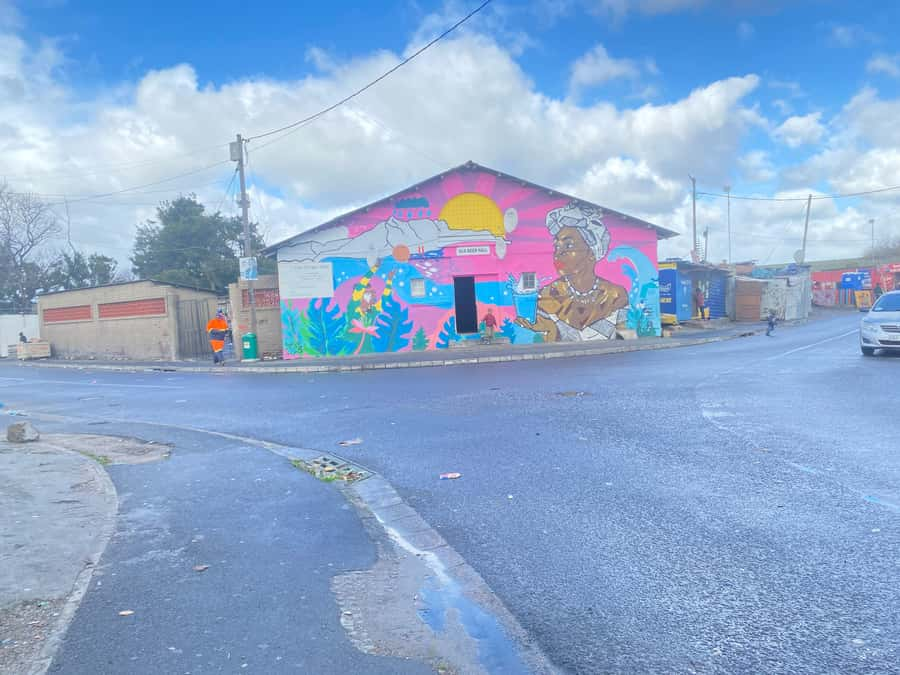
The tour lasts 150 minutes, including about two hours of guided walking, a short arts and crafts market visit with traditional dance, and a photo stop of about ten minutes. The pace is not described as strenuous, but there is plenty of walking, and some sections may feel uneven or exposed to the weather.
Wear comfortable shoes and simple, comfortable clothing. This is not the place for formal clothes or shoes chosen only for appearance. Carry water, sun protection, and a small amount of South African cash.
The meeting point is Guga S’thebe Arts & Cultural Centre. If you drive, parking directly near the meeting point has been described as convenient, with a police station and CCTV nearby. If you use a taxi, the guide may help you arrange your return, but confirm your transport plan before the walk begins.
The activity is advertised with free cancellation up to 24 hours before departure and a reserve-now, pay-later option. At $37 per person, the price is modest for a 2.5-hour guided visit, especially since it supports a local operation and includes access to places you would be unlikely to understand on your own.
Still, the price does not cover crafts, food, or tips. Set aside extra cash if you want to buy artwork, eat locally, or thank your guide. Tipping is specifically encouraged, and it is a direct way to recognize the time and personal knowledge your guide brings.
There is a contradiction in the accessibility information. One section says the activity is wheelchair accessible, while another says it is not suitable for wheelchair users. Because this is a walking tour through an active township, contact the operator before booking if you use a wheelchair or have limited mobility.
Who will get the most from this walk
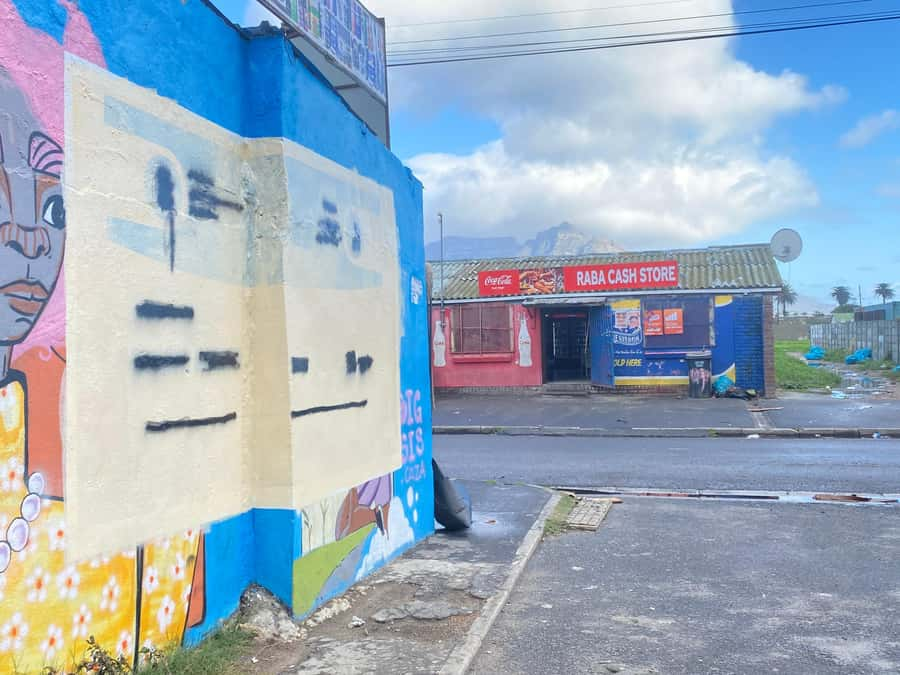
I would recommend this experience to first-time Cape Town visitors who want more than scenic views and central attractions. It suits adults, families with older children, students, and anyone interested in South African history, community development, art, food, or local business.
The tour can work well for teenagers because it connects history with real places and current issues. A family with children aged 12 and 15 found the length manageable, but younger children may tire or find the serious subjects difficult.
It is less suited to anyone looking for a quick, polished sightseeing stop. You will not spend the whole time taking photographs or moving from one attraction to another. You will spend time listening, walking, and thinking about what you see.
You should also skip it if you are unwilling to follow photography rules or if you expect poverty to be presented as entertainment. Langa offers warmth, humor, creativity, and welcome, but the tour asks you to face hard facts too.
Should you book the Langa Township walking tour?
Yes, if you want to understand Cape Town beyond its postcard views. The combination of a local guide, historic sites, community projects, art, food, and conversation gives you a fuller picture of the city.
Book it with realistic expectations. You may see cramped housing, economic struggle, and services under pressure. You may also meet artists, entrepreneurs, educators, and neighbors proud of what they are building. That mixture is the point.
Bring comfortable shoes, small cash, and patience. Ask your guide about the best way to support local projects, avoid handing out gifts to children, and request permission before taking photographs. At $37, this is one of the more useful-value experiences in Cape Town, provided you are ready to listen as much as you look.
FAQ
Where does the Langa walking tour begin?
The meeting point is Guga S’thebe Arts & Cultural Centre at 42 King Langalibalele Drive.
How long does the tour last?
The experience lasts 150 minutes, or 2.5 hours. The guided walk takes about two hours, with an arts and crafts market visit, traditional dance show, and photo stop included in the route.
What language is the tour conducted in?
The tour is conducted in English with a live guide.
What places are included?
The experience includes Guga S’thebe Arts & Cultural Centre, Langa’s heritage and community areas, a visit to one local home, Langa Art Gallery on 16, and community projects. The exact route can vary.
Is food included in the price?
Food is not listed as included. You may have the chance to eat at a local stall or restaurant, but you should pay separately for anything you order.
Are arts and crafts included?
No. Arts and crafts are not included in the tour price. You can choose to buy items at the local market or gallery.
Is the tour suitable for wheelchair users?
The activity information gives conflicting guidance. One section says it is wheelchair accessible, while another says it is not suitable for wheelchair users. Contact the operator before booking to confirm the route and current conditions.
New walking tours around the world
- Niagara Falls, Canada: White Water Walk Entry Ticket★ 4.5 · 147 reviews
- NYC: Walking Tour with Local Guide and 30+ Top NYC Sights★ 4.5 · 248 reviews
- Zadar: Food Tasting & Old Town Walking Tour★ 5.0 · 94 reviews
- Niagara Falls: Walking Tour, Journey Behind Falls, & Cruise★ 4.8 · 773 reviews
- NYC: History of Slavery & Underground Railroad Walking Tour★ 4.7 · 87 reviews
- New York City’s Hell’s Kitchen: Walking Food Tour★ 4.8 · 200 reviews
- New York City: Gangsters and Ghosts 2-Hour Walking Tour★ 4.7 · 615 reviews
- New York City: Central Park Walking Tour★ 4.7 · 82 reviews
South Africa Walking Tours, side by side.

Soweto: Walking Tour with a Local Guide and Lunch
Read our review →
Plettenberg Bay: Bungee Jumping with Zipline and Sky Walk
Read our review →

Cape Town Walking Tour: Bo-Kaap & City Highlights
Read our review →

Cape Town: Bo-Kapp Walking Tour and Malay Cooking Class
Read our review →Lists this walk sits on