
Review · SOUTH AFRICA
Durban: Local Markets and Culture Guided Walking Tour
Durban’s most revealing sights are not behind a museum door. They are in the Warwick markets, where traders sell food, spices, crafts, and traditional medicines, and where the city’s many cultures meet in close quarters. Guide Johnny takes you there by local minibus taxi, a small adventure in itself.
I like the way this tour connects everyday life with Durban’s past, and I like that it ends with bunny chow on the beachfront. Johnny’s long ties to the markets help you move through places that can feel hard to read on your own. The trade-off is simple: you must be comfortable with crowds, local transport, about 8,000 steps, and a market setting that can be loud and confronting.
Key points to know before you go
- Markets beyond the usual tourist circuit: Walk through the Early Morning Market, Bridge Market, Indian markets, African market, Victoria Street Market, and the Muti market.
- A guide with strong local ties: Johnny has led this kind of Durban tour for more than 14 years and is greeted by traders along the way.
- Real public transport: Local combi taxis are part of the experience, not just a way to get from point A to point B.
- Food with a Durban identity: Your included lunch is bunny chow, a hollowed loaf filled with meat, served near North Beach.
- A slow, active morning: Plan on roughly 8,000 steps, comfortable shoes, sun protection, water, and cash for purchases.
- Good value for curious visitors: At $68 per person, the price covers your guide, walking tour, two minibus rides, and lunch, but not drinks or personal shopping.
Starting near Florida Road with a city view
The tour begins at Tekweni Backpackers, at 169 Ninth Avenue in Morningside, just off Florida Road. Meet your guide inside the property. If you drive, safe parking is available there, which makes this meeting point easier than a downtown curbside pickup.
Before entering the markets, you get an introduction to Durban’s past and present. The first viewpoint offers a photo stop and a chance to see the city from above before the day turns toward street-level Durban. That change in scale matters. You start with an overview, then move into the places where people shop, work, commute, and make a living.
I would use this opening to ask Johnny what you are seeing and how the different parts of the city connect. His strongest quality is his ability to explain history, politics, food, culture, and local customs in plain language. The tour works best when you treat it as a conversation rather than a string of photo stops.
More Market Walking Tours around the world:
- Bangkok: City Highlights Temple and Market Walking Tour
★ 4.5 · 3,990 reviews - Tokyo Tsukiji Fish Market Food and Culture Walking Tour
★ 5.0 · 3,184 reviews - Air Raid Shelter + St. Nicholas Market Walking Tour
★ 5.0 · 1,950 reviews
Riding Durban’s combi taxis
One of the tour’s defining features is the use of local minibus taxis, often called combis. The first ride takes about 15 minutes, and another public transport journey of about 15 minutes links the markets with the beachfront part of the day.
This is not polished sightseeing transport. You use the same kind of minibus that many Durban residents use, with the practical uncertainty that comes with local public transport. Johnny explains how it works and helps you navigate it, which is useful because the system is not obvious to a first-time visitor.
I like this part because transport becomes part of the lesson. You are not sealed away from the city in a private vehicle. You see how people move around Durban and get a small taste of the rhythm of daily life. It also pushes you slightly outside your normal travel routine, so it suits people who want contact with the city rather than a carefully controlled ride.
Bad weather can make waiting for a combi less pleasant. If you strongly prefer air-conditioned private transport, this is not the right tour. You could ask about using an Uber or taxi, but the included experience is based on local minibus travel.
Warwick’s markets, one layer at a time
The main morning is a guided walk through the Markets of Warwick. This area brings together several market zones, each with its own feel and purpose. The exact order can vary, but expect the Early Morning Market, Bridge Market, Indian markets, African market, Victoria Street Market, and the traditional medicine market.
The Early Morning and Bridge markets
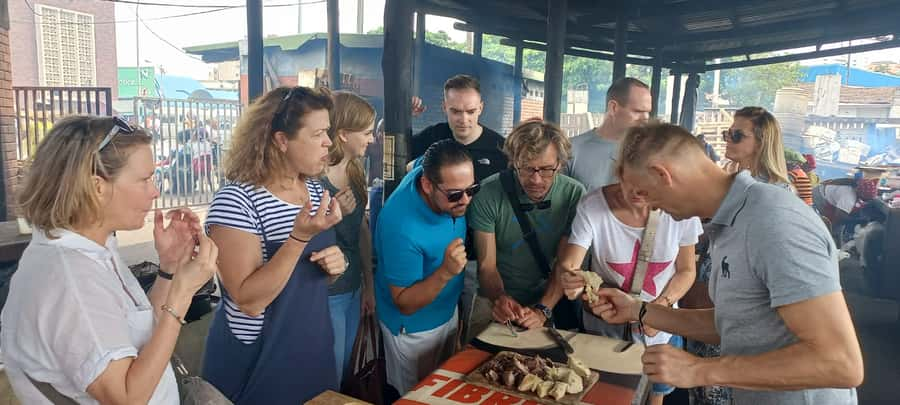
The Early Morning Market gives you a direct look at food trading and local shopping. Depending on the day, you might find produce, spices, and other everyday goods. It is a working market first, so keep your attention on where you step, give traders room, and ask before taking close-up photographs.
The Bridge Market adds another piece to the area’s story. Here, the value is less about one famous object and more about seeing how the market network functions. Johnny’s role is important because he can explain what you are looking at instead of leaving you to guess.
More Cultural Walking Tours around the world:
- Savannah First Squares Culinary & Cultural Walking Food Tour
★ 5.0 · 3,229 reviews - New Orleans French Quarter, Voodoo and Culture Walking Tour
★ 4.5 · 2,961 reviews - Amsterdam: Cultural Highlights Walking Tour
★ 4.9 · 2,629 reviews - Anne Frank Walking Tour Amsterdam Including Jewish Cultural Quarter
★ 5.0 · 1,879 reviews
Indian and African market areas
Durban’s Indian and African influences are visible in the goods, food, customs, and people you encounter. The tour does not reduce the city to one neat cultural label. Instead, it moves through different market areas and lets you see how communities and trading traditions overlap.
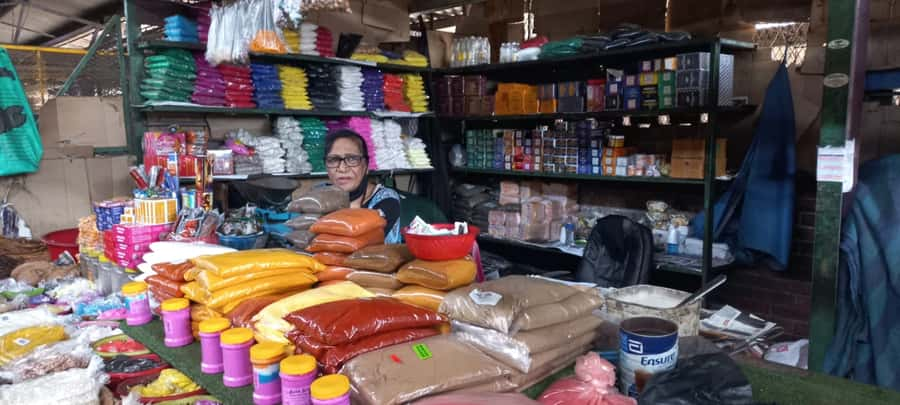
This is a good place to buy spices, small gifts, and local goods. One practical tip is to save some shopping money for this morning. Prices can be lower than in more polished tourist shops, and Johnny can help you spot useful buys. Bring cash and a roomy bag, especially if you want spices or several souvenirs.
Do not expect a quiet browsing experience. You may be approached by sellers, and the market can feel intense if you are used to orderly retail streets. Stay curious, move at the group’s pace, and let Johnny handle questions that need local context.
Victoria Street Market
Victoria Street Market is one of Durban’s best-known market stops. It is a natural place to browse food, spices, crafts, and gifts, but the tour gives it more context than a quick independent visit would.
I like that the shopping is tied to the wider market walk. You see the difference between a market aimed partly at visitors and the working stalls where local people buy everyday items. That comparison helps you make smarter purchases and keeps the visit from becoming a simple souvenir stop.
If you plan to shop, keep your budget in mind. The tour includes time for buying things, but personal expenses are not covered. Also remember that beverages are not included with lunch, so carry enough cash for drinks and anything else you want along the way.
The Muti market and traditional healing

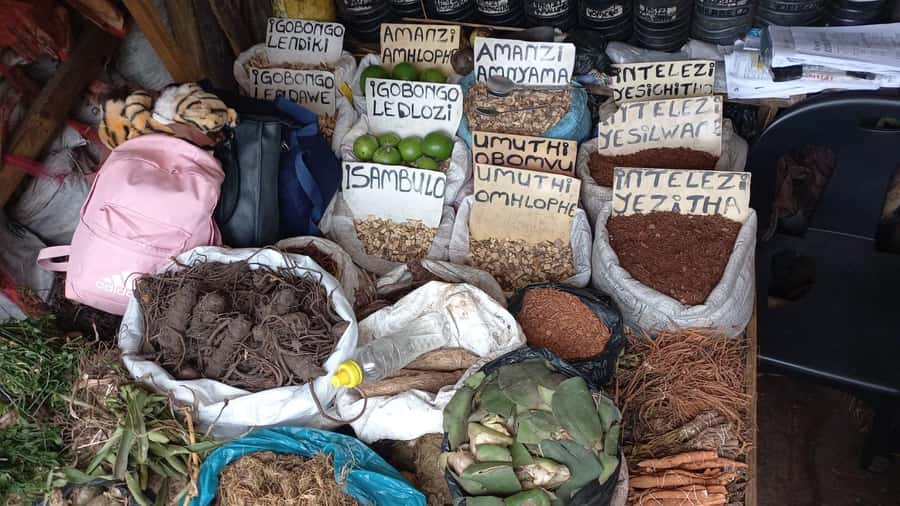
The African medicine, or Muti, market is likely to be the most unfamiliar stop. Traditional healers sell herbs, powders, oils, and items associated with local healing practices. Some stalls may also display animal products connected with traditional medicine.
This part needs a respectful attitude. You do not need to accept every claim made about a product, and you should not treat the market as a costume set for photographs. Listen to the explanations, ask sensible questions, and follow Johnny’s guidance about what is appropriate.
For me, this stop offers useful insight into the fact that modern cities can contain several systems of health, belief, and trade at once. It may also be confronting. If you are sensitive to animal products or prefer only conventional shopping, you may find this portion difficult.
Photography deserves extra care here and throughout the markets. Ask before taking pictures of people, stalls, or products. Johnny’s relationships with traders help create a more comfortable setting, but basic courtesy still matters.
Why Johnny changes the experience

A market tour depends heavily on the person leading it. Johnny is the guide named for this experience, and his local connections are central to the day. He knows many traders, is welcomed in the market areas, and has watched them change over more than 14 years.
That matters in practical ways. You can ask about the history of Durban, local politics, food, transport, cultural traditions, or a product on a stall. Johnny also helps you feel more at ease in places you might not choose to enter alone.
His style appears to be enthusiastic and flexible. The planned route includes the main market areas and the beach lunch, but the timing can shift. A stop may take longer if you are shopping, asking questions, or dealing with rain. One reported outing lasted much longer than the advertised period because the guide adapted to the group.
That flexibility is a benefit if you enjoy conversation. It is less useful if you need a tightly timed schedule for a flight, cruise departure, or another fixed booking. I would keep the rest of the day open.
Bunny chow at North Beach
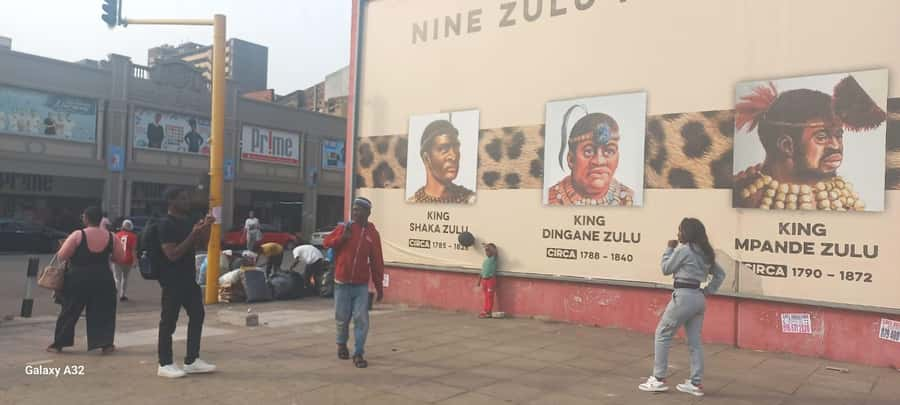
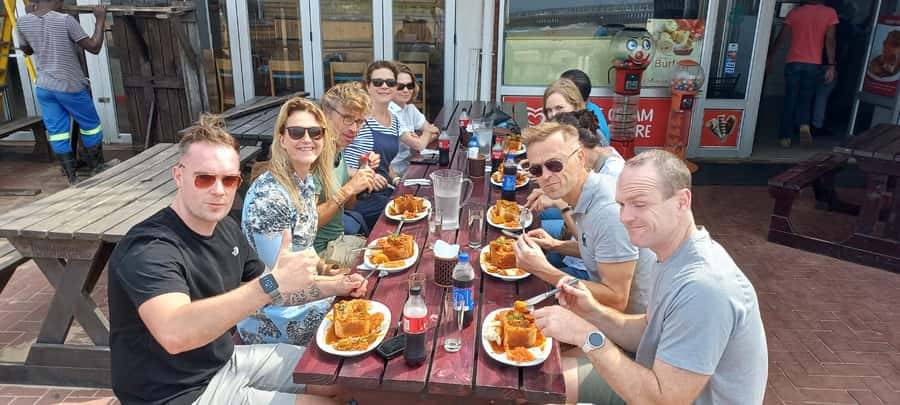
After the market walk, the route continues through Durban on foot and by public transport before ending at North Beach. Lunch is bunny chow, a Durban specialty made by hollowing out a loaf of bread and filling it with meat.
The dish is filling, portable, and closely tied to the city’s food culture. It is also a better finish than stopping at a generic restaurant because the meal keeps the focus on Durban. Expect lunch to take about an hour, with the beach promenade providing a change of pace after the crowded markets.
Drinks are not included, so plan to pay for those separately. If you have food restrictions, ask about the lunch before booking, since the supplied details only specify bunny chow with meat and do not give alternatives.
The official finish is North Beach. You may want to arrange your next activity from there rather than assuming you will return to Morningside. One useful detail is that Johnny has sometimes walked people back to their hotel, but that should not be treated as a guaranteed part of every departure.
Price, time, and what you receive

The price is $68 per person. That is fair value if you want a guided market experience rather than a short city walk. Your fee covers Johnny’s guiding, the walking tour, local minibus transport from the meeting point to the markets, transport from the markets to the beachfront, and lunch.
The value comes from access and interpretation. You could visit Victoria Street Market independently, but it would be harder to understand the full group of markets, use the combis with confidence, or know how to approach the traditional medicine market. The guide also adds local introductions and helps with shopping decisions.
The published duration is 330 minutes, or five and a half hours, while the practical guidance describes the tour as four to five hours. Set aside at least five hours and avoid booking anything immediately afterward. Weather, questions, shopping, and the group’s pace can extend the day.
At a slow pace, the walk totals about 8,000 steps. Wear supportive shoes, light comfortable clothing, sunglasses, a hat, and sunscreen. Carry water and cash. The tour is not suitable for wheelchair users, and the supplied information lists an upper age limit of 95.
Free cancellation is available up to 24 hours before the start for a full refund, and you can reserve now and pay later. Those policies are useful if your Durban plans are still changing.
Who will enjoy this Durban walk
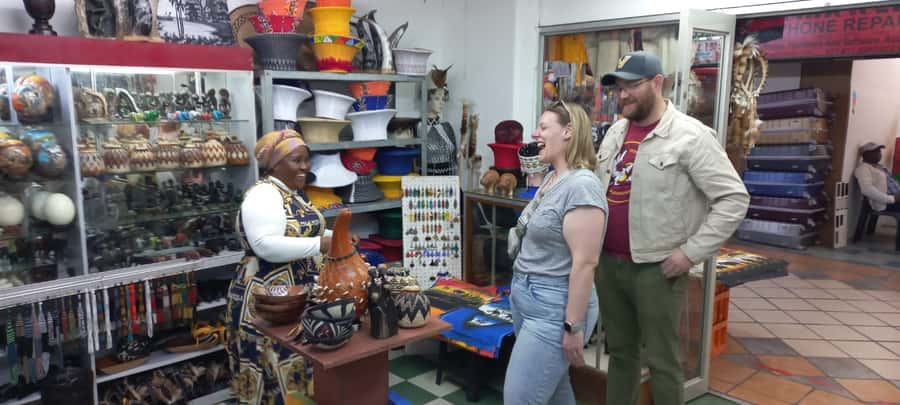
I would choose this tour if you want to understand how Durban works beyond its beachfront. It suits first-time visitors who want a local introduction, independent-minded visitors who are curious about public transport, and shoppers looking for spices, crafts, and small gifts at local market prices.
It also suits solo visitors who want company and guidance in an unfamiliar part of the city. The guide’s local relationships add reassurance, especially for anyone who would feel uncertain entering the markets alone.
I would skip it if you want a quiet, polished sightseeing tour, dislike minibus taxis, have limited walking ability, or need a fixed finish time. The market areas are not designed as a calm retail promenade, and the Muti market may be challenging for some people.
Should you book it?
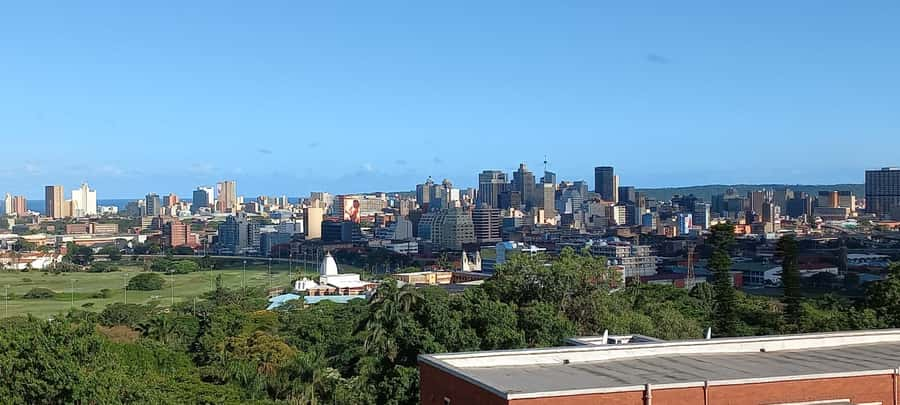
Book this tour if your idea of a good Durban day includes questions, local transport, market noise, cultural context, and a meal that belongs to the city. Johnny’s local ties are the main reason to choose this experience over a standard city circuit.
Bring curiosity, cash, water, and comfortable shoes. Leave your schedule open, ask before taking photographs, and expect the markets to show you both the warmth and the economic pressures of everyday Durban. If that sounds worthwhile, $68 buys a substantial half-day with access you would be unlikely to arrange as easily on your own.
FAQ
Where does the Durban market tour start?
It starts at Tekweni Backpackers, 169 Ninth Avenue in Morningside, just off Florida Road. The guide waits inside the premises.
Where does the tour finish?
The tour finishes at North Beach, on the beachfront promenade, after lunch.
How long does the experience last?
The stated duration is 330 minutes. The practical guidance describes the tour as about four to five hours, though timing can vary.
What markets are included?
The route includes the Early Morning Market, Bridge Market, Indian markets, African market, Muti market, and Victoria Street Market.
Is local public transport included?
Yes. The tour includes local minibus combi transport from the meeting point to the markets and from the markets to the beachfront.
What is included for lunch?
Lunch is bunny chow, a traditional Durban meal made with bread and meat. Beverages are not included.
How much walking is involved?
The walk is about 8,000 steps at a slow pace. Comfortable shoes are recommended.
What should I bring?
Bring comfortable shoes, sunglasses, a sun hat, sunscreen, water, comfortable clothing, and cash for shopping and drinks.
Is the tour suitable for wheelchair users?
No. The experience is not suitable for wheelchair users. It is also listed as unsuitable for people over 95 years old.
New walking tours around the world
- Niagara Falls, Canada: White Water Walk Entry Ticket★ 4.5 · 147 reviews
- NYC: Walking Tour with Local Guide and 30+ Top NYC Sights★ 4.5 · 248 reviews
- Zadar: Food Tasting & Old Town Walking Tour★ 5.0 · 94 reviews
- Niagara Falls: Walking Tour, Journey Behind Falls, & Cruise★ 4.8 · 773 reviews
- New York City: Gangsters and Ghosts 2-Hour Walking Tour★ 4.7 · 615 reviews
- NYC: History of Slavery & Underground Railroad Walking Tour★ 4.7 · 87 reviews
- New York City’s Hell’s Kitchen: Walking Food Tour★ 4.8 · 200 reviews
- New York City: Central Park Walking Tour★ 4.7 · 82 reviews
South Africa Walking Tours, side by side.

Soweto: Walking Tour with a Local Guide and Lunch
Read our review →
Plettenberg Bay: Bungee Jumping with Zipline and Sky Walk
Read our review →
Cape Town Walking Tour: Bo-Kaap & City Highlights
Read our review →

Cape Town: Bo-Kapp Walking Tour and Malay Cooking Class
Read our review →Lists this walk sits on