
Review · STRASBOURG
Strasbourg: Guided Historical Neighborhoods Walking Tour
Strasbourg’s story is easiest to grasp on foot, and this tour connects the city’s grand squares with its crooked old lanes in one well-paced walk. You begin at Place de la République, hear how Strasbourg changed through centuries of French and German rule, and finish beneath the soaring facade of Notre Dame Cathedral.
I like the small groups of no more than 10 and the guide’s lively delivery. Davide, also called David, is praised for clear storytelling, humor, and useful advice about coffee, restaurants, bars, and places to visit later. The main drawback is simple: two and a half hours outdoors can feel long in cold, hot, or wet weather, and the cathedral interior is not part of the tour.
Key points at a glance
- A useful first-day orientation: The route links Neustadt, the central squares, Grand’Rue, Petite France, and the cathedral.
- A guide with personality: Davide, known to some participants as David, brings historical facts to life with jokes and anecdotes.
- Small-group format: The group is limited to 10, making it easier to hear, ask questions, and keep moving through narrow streets.
- A strong mix of old and newer Strasbourg: You see imperial-era Neustadt beside medieval lanes and half-timbered homes.
- Practical local advice: Expect suggestions for coffee, food, bars, and other sights to visit after the walk.
- No cathedral admission: The tour ends outside at Place de la Cathédrale, so plan a separate visit if you want to go inside.
Strasbourg in 150 minutes, from imperial squares to medieval lanes
This is a history tour with plenty of walking, but it is not a lecture with Strasbourg as a backdrop. The route gives you a working map of the city. You move from the broad, formal spaces of Neustadt into the older center, then through Petite France before ending at the cathedral.
That order matters. Strasbourg can seem like several different cities stitched together: a German-influenced district with broad avenues, a central area built around elegant public squares, and an older quarter of canals and half-timbered houses. This walk helps you see how those parts fit together.
The tour costs $35 per person. For 150 minutes with a live guide and a group capped at 10, I consider that a fair price if you want context rather than a quick list of photo stops. You are paying for explanation, route planning, and local recommendations, not admission to an attraction. Since no entrance fees are included, budget separately for the cathedral or any other site you choose to visit afterward.
The tour is offered in English or Italian. That makes it a practical choice for international visitors who want a spoken introduction before exploring on their own. It is also wheelchair accessible, though the amount of walking and the historic streets mean you should still consider your own comfort and mobility needs.
More History Walking Tours in France
- Paris: Dark History and Ghostly Guided Walking Tour
★ 4.7 · 1,000 reviews - Vieux Lyon Cultural & Historical Walking Guided Tour (English)
★ 5.0 · 942 reviews - Paris City of Fashion History Private Guided Walking Tour
★ 5.0 · 221 reviews
Starting at Place de la République and entering Neustadt
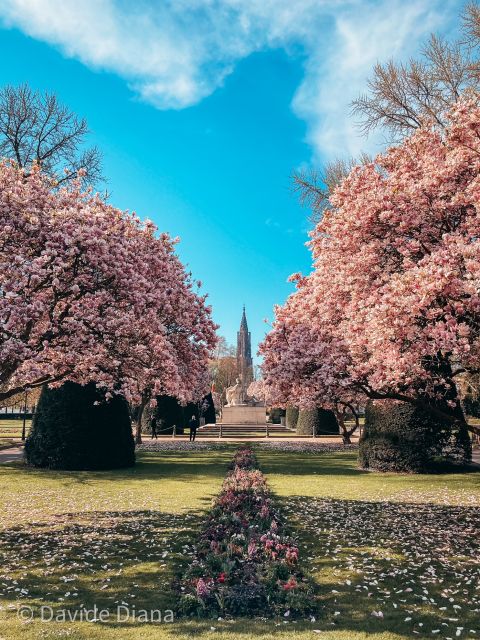
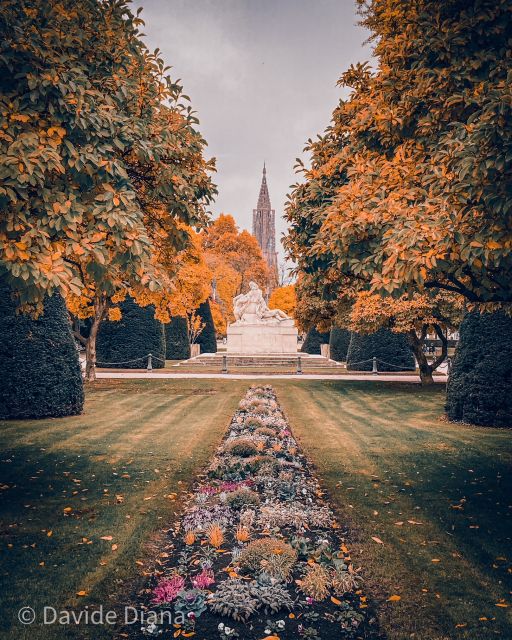
Meet your guide in the center of Place de la République, in front of the war memorial. This is an easy landmark to identify, but give yourself enough time to find the square without rushing. The meeting point is outdoors, so dress for the forecast from the start.
The opening section takes you through Neustadt, Strasbourg’s newer imperial district. Newer is a relative term here. This part of the city reflects the period after Strasbourg became part of the German Empire, and its broad streets and monumental buildings feel quite different from the medieval center.
The guide uses Place de la République to explain the city’s shifting political identity and the marks left by war. That background is valuable because Strasbourg’s past is not a straight French story or a straight German story. The city’s character comes from its position on the Rhine and its repeated changes in government and culture.
Expect about 30 minutes of guided walking in this area. You will see a more formal side of Strasbourg, with space to look at buildings and public planning rather than only old houses. I like this beginning because it prevents the rest of the tour from becoming a postcard walk through Petite France. You get some political and urban context before the most photographed streets arrive.
Place Broglie and the city’s public stage
The route continues to Place Broglie, with around 10 minutes set aside for a visit. This square adds another layer to Strasbourg’s civic history and gives you a break from the tighter streets of the old center.
The stop is short, so do not expect a long architectural study here. Its value comes from the way it links the larger Neustadt area with the central squares that follow. Your guide can point out details you might pass without noticing and explain how public spaces were used across different periods.
This is also a good point to listen for recommendations about the rest of your stay. Several participants appreciated getting advice on food and drink, and those tips are most useful when you receive them early enough to shape your plans. Keep a note on your phone, or use a small notebook if you prefer to collect suggestions as you walk.
Place Kléber and Strasbourg’s Christmas tradition
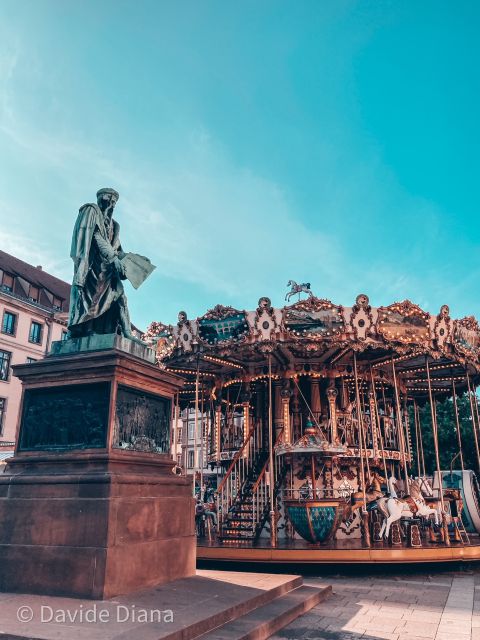
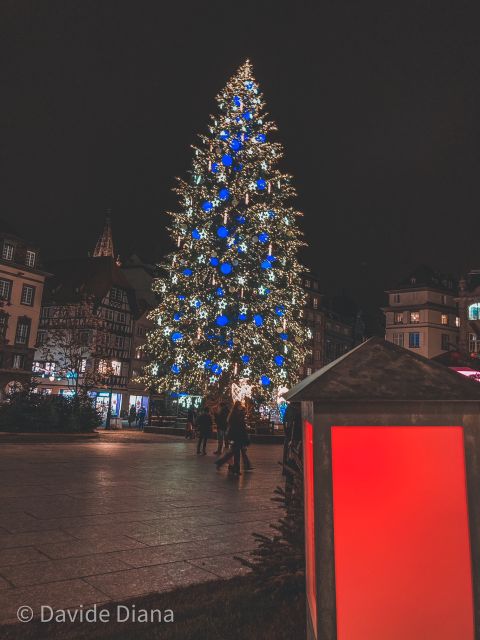
Place Kléber is the city’s main square and one of the key stops on the route. You spend about 20 minutes here with the guide, learning about the square and its famous Christmas tree.
In winter, Place Kléber becomes central to Strasbourg’s Christmas season. The guide explains the tradition of the large tree and the role of the city’s winter market, widely regarded as one of France’s best-known Christmas markets. If you visit during the holiday period, this context can help you understand why the square feels so important to local festive life.
The square is also a useful contrast with Neustadt. Here, the city’s commercial and public life comes into sharper focus. The tour does not treat Place Kléber as just a place to take a picture. It gives you a reason to notice how Strasbourg uses its central spaces and how seasonal traditions shape the city.
A small-group guide can make this stop more rewarding than trying to gather the same information from a plaque or guidebook. With a maximum of 10 people, questions are easier to handle, and you are less likely to lose the group while looking up at the buildings.
Same streets, a different story:
- Authentic Parisian Gourmet Food Tour with 10 Local Dishes & Wines
★ 5.0 · 4,754 reviews - Paris Top Sights Half Day Walking Tour with a Fun Guide
★ 5.0 · 2,893 reviews - Montmartre Hidden Gems and Scenic Highlights Walking Tour
★ 5.0 · 2,684 reviews - Montmartre Hill French Gourmet Food and Wine Tasting Walking Tour
★ 5.0 · 2,588 reviews
Grand’Rue and the shift into the old center
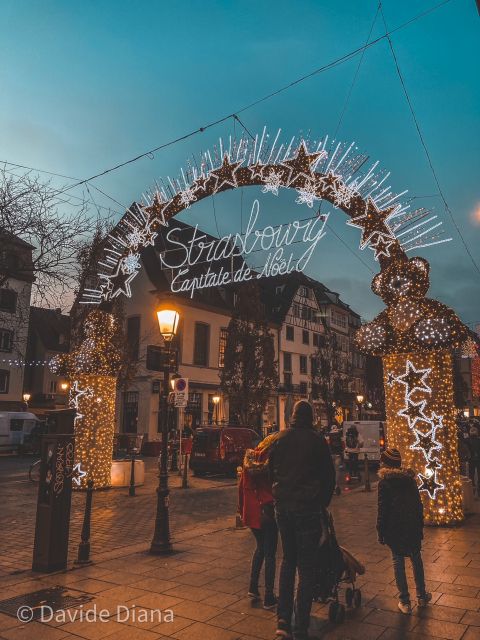
From Place Kléber, you continue along Grand’Rue for roughly 10 minutes of guided touring. This section helps bridge the central square and Petite France.
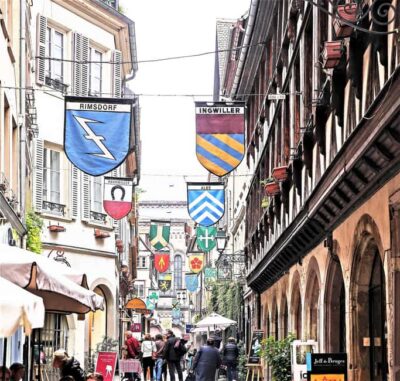
Grand’Rue is not the kind of stop that needs a long formal presentation. It works as a street-level introduction to the old center, where shops, buildings, and everyday city life share the same narrow route. The guide can point out details in the facades and explain how the street fits into Strasbourg’s older layout.
This is where comfortable shoes begin to matter. The tour is not a race, but you are on your feet for most of 150 minutes. Wear shoes that handle extended walking and historic paving comfortably. The route includes photo stops and pauses, but it remains an active tour rather than a sightseeing bus experience.
Petite France, half-timbered homes, and a name with a story
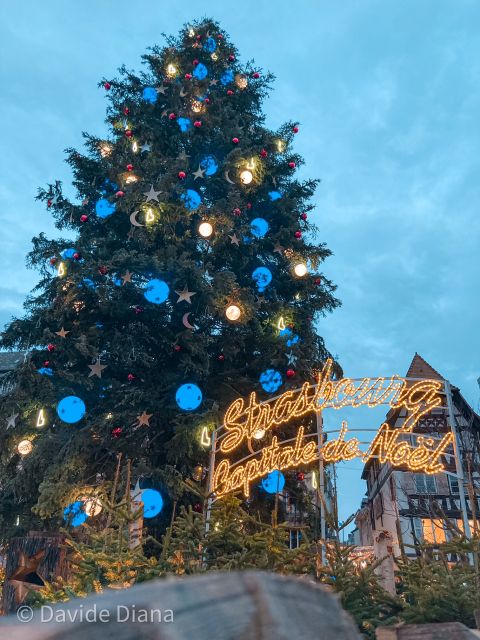
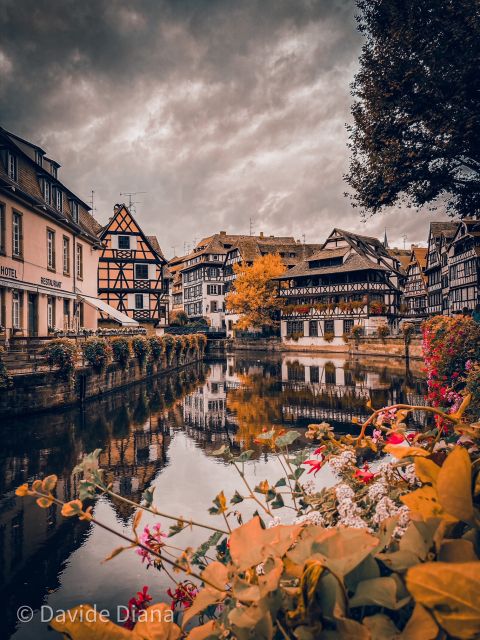
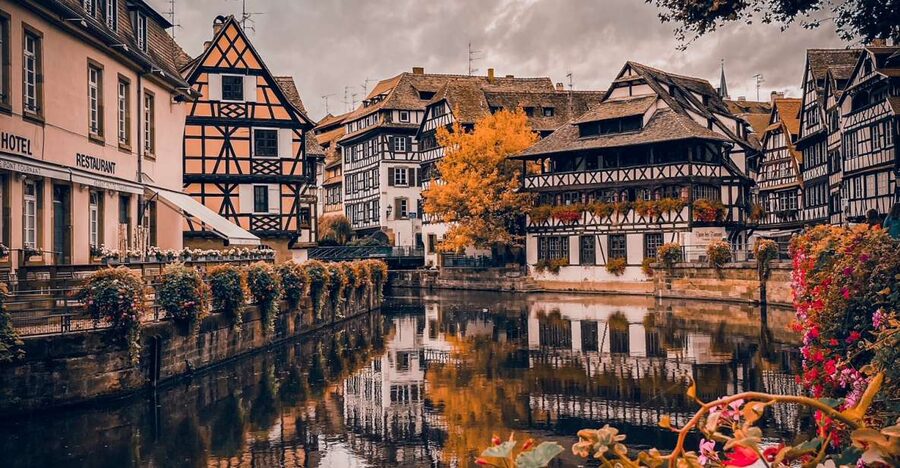
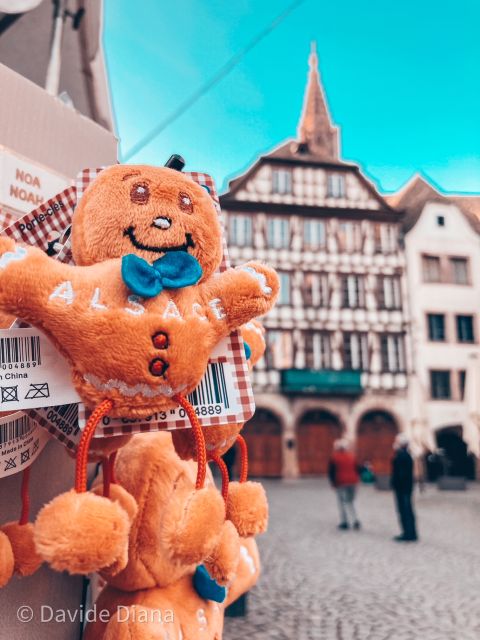
Petite France receives about 30 minutes, including a photo stop and guided sightseeing. For many people, this is the visual high point of the walk. The quarter is known for canals, narrow streets, and original half-timbered homes that make Strasbourg look instantly recognizable.
The guide explains where the name Petite France came from and how the neighborhood changed over the centuries. That story gives the area more weight than its good looks alone. You are not simply photographing a row of old houses. You are hearing how a working part of Strasbourg became one of its best-known historic quarters.
I especially like having this stop after the broader squares. The contrast is strong. Place Kléber and Neustadt show the city through grand public architecture, while Petite France brings you close to timber frames, water, lanes, and smaller buildings. The route lets you compare the city’s scale and mood within one afternoon.
Allow time for photographs, but listen while you walk. The stop is only about 30 minutes, and Petite France can tempt you into looking at every facade. If you want a slower visit, return later on your own. The tour’s job here is to explain the quarter and show you the key areas, not to give you unlimited time at every canal or house.
The weather matters most in Petite France because much of the appeal is outdoors. Summer sun can make a long walk tiring, while winter cold can quickly take the edge off a stop. A few people found that cold conditions made standing still less pleasant, while warm-weather groups benefited from pauses. Bring weather-appropriate clothing, as advised, and do not treat the tour as an indoor activity.
Notre Dame Cathedral and the final view
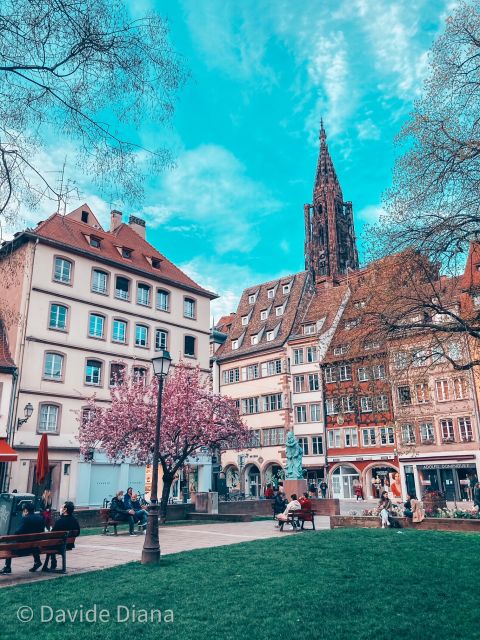
The final major stop is Strasbourg’s Notre Dame Cathedral, where you spend around 20 minutes on a guided visit and photo stop. The tour highlights the cathedral’s Rayonnant Gothic architecture, a style known for its elaborate stonework, tall vertical lines, and emphasis on light.
Strasbourg Cathedral is a fitting place to end. After hearing about wars, political changes, public squares, and neighborhood life, you arrive at the city’s most powerful visual landmark. The guide shares stories about the building and its place in Strasbourg, then the walk concludes at Place de la Cathédrale.
Keep one important detail in mind: cathedral admission is not included. You see the exterior as part of the tour, but you need to arrange and pay for entry separately if you want to explore the interior. This is not a flaw, but it affects your planning. If going inside matters to you, leave time after the walking tour rather than assuming the guide will take the group through the doors.
Ending here is convenient for continuing your day. You are already in the cathedral area, close to the historic center and within easy reach of other sights, cafes, and restaurants. The guide’s recommendations can help you decide what to do next.
A guide who keeps the history moving
The strongest part of this experience is the guide’s presentation. Davide is described as an Italian guide living in Strasbourg, and many bookings identify him as David. One entry also refers to a guide named Danny, so the exact guide may vary, but the recurring qualities are clear: lively delivery, strong command of Strasbourg’s past, and a generous supply of practical tips.
I value the balance between facts and humor. Strasbourg’s story includes war, changing borders, and political tension. A guide who can explain those subjects without making the walk feel heavy is useful. Davide’s style is animated and impartial, with stories that help you remember the larger points.
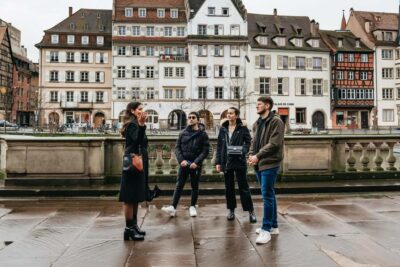
The small group improves the experience. A limit of 10 people makes it easier to hear on city streets and easier for the guide to respond to individual questions. It also helps the group move through narrow parts of the old town without the slow shuffle that can affect a large walking tour.
The pace appears steady rather than rushed. You cover a lot of ground, but there are pauses, photo stops, and, according to several accounts, opportunities for a short coffee or bathroom break at a local cafe. That break is not listed as a formal included feature, so treat it as something that may happen rather than a guaranteed part of the schedule.
What the $35 price really buys you
At $35, this is not the cheapest possible way to walk around Strasbourg. You can visit the squares and neighborhoods without paying for a guide. The value comes from getting the city’s story in the right order and hearing details you might miss alone.
I would consider the price worthwhile if this is your first visit, if you enjoy history, or if you want restaurant and coffee advice from someone who knows the city. The tour also helps you decide where to return. Petite France may deserve a slower second visit, while the cathedral interior requires separate planning.
The value is less certain if you already know Strasbourg well or prefer to spend two and a half hours at your own pace. The route covers major sights rather than offering extended entry to museums or monuments. Since admission is not included, this is best viewed as a guided orientation, not an all-inclusive sightseeing package.
Who should book, and who should think twice
This tour suits first-time visitors who want to get their bearings fast without giving up historical detail. It is also a good fit for couples, families, and solo visitors who prefer a small group and want a lively guide rather than a recorded audio route.
History fans will appreciate the movement from the city’s beginnings through modern conflicts. Food-minded visitors may also benefit from the local suggestions, especially if they want ideas beyond the most obvious tourist spots.
You should think twice if you dislike walking, standing outdoors, or following a fixed route. Pregnant women are listed as not suitable for this activity, and the full duration can be demanding in poor weather. Comfortable shoes and sensible clothing are not optional extras here.
The tour is wheelchair accessible, which is useful, but the practical ease of any historic-center walk can depend on the streets and conditions that day. If you have specific mobility concerns, confirm the details before booking.
Should you book this Strasbourg walk?
I would book it early in a Strasbourg stay, ideally on your first day or near the beginning. The route covers the essential central areas, gives you a clear sense of the city’s divided past, and ends at the cathedral, where you can continue exploring independently.
Book it for clear storytelling, a genuinely small group, and useful local advice. Skip it if you want cathedral entry included, a slow architectural study, or a mostly indoor activity. At $35, it offers solid value for a lively 150-minute introduction, especially when Davide or David is leading and the group benefits from his humor and practical suggestions.
FAQ
Where does the Strasbourg walking tour begin?
It begins at Place de la République. Your guide waits in the center of the square, in front of the war memorial.
Where does the tour finish?
The walk finishes at Place de la Cathédrale, outside Notre Dame Cathedral.
How long does the walking tour last?
The tour lasts 150 minutes, or two and a half hours. Starting times depend on availability.
Which languages are available?
The live guide can conduct the tour in English or Italian.
Is cathedral admission included?
No. The tour includes a guided look at the cathedral from outside, but entrance fees are not included.
How large is the group?
The tour is limited to 10 participants, making it a small-group experience.
Can I cancel my booking?
Yes. You can cancel up to 24 hours in advance for a full refund. You can also reserve now and pay later.
New walking tours around France
- Montmartre Walking Tour with a Local Guide★ 4.9 · 478 reviews
- Paris: Montmartre Small Group Guided Walking Tour★ 4.8 · 139 reviews
- Paris: Montmartre Hidden Gems and Highlights Walking Tour★ 4.7 · 378 reviews
- Montmartre & Sacré Coeur: 2.5-Hour Walking Tour★ 4.9 · 71 reviews
- Mont Saint Michel: Walking Tour & Optional Abbey Ticket★ 4.3 · 562 reviews
- Montmartre for Art Lovers – Walking tour with Expert Guide★ 5.0 · 456 reviews
- Mont Saint Michel: Village History and Legends Walking Tour★ 4.8 · 96 reviews
- Mont-saint-Michel : Walk in the heart of the Bay★ 4.7 · 167 reviews
Strasbourg Walking Tours, side by side.
Strasbourg: Traditional Food Walking Tour with Tastings
Read our review →Lists this walk sits on