
Review · STRASBOURG
Strasbourg: Traditional Food Walking Tour with Tastings
Strasbourg is at its best when you can eat your way through it. This three-and-a-half-hour walking tour links the old town’s sights with hearty Alsatian food, stopping for bretzels, cured meats, cheese, choucroute garnie, wine, beer, and sweets. It is less a quick tasting crawl than a generous moving meal.
I like two things in particular: the small group size, capped at 12, and the mix of places, from a traditional cheese shop and historic eateries to newer cafes. Guides such as Raphael, JP, Loubna, and Nahama also add city history and practical restaurant advice. The main drawback is simple: the portions can be enormous, and the $116 price may feel high if you hoped for small samples rather than lunch-sized servings.
Key points to know before booking
- Four or more food stops: You receive at least one serving at each stop, with the exact menu changing by season and partner availability.
- A full Alsatian meal: Choucroute garnie can include sauerkraut and several smoked sausages, so arrive hungry and skip a large breakfast.
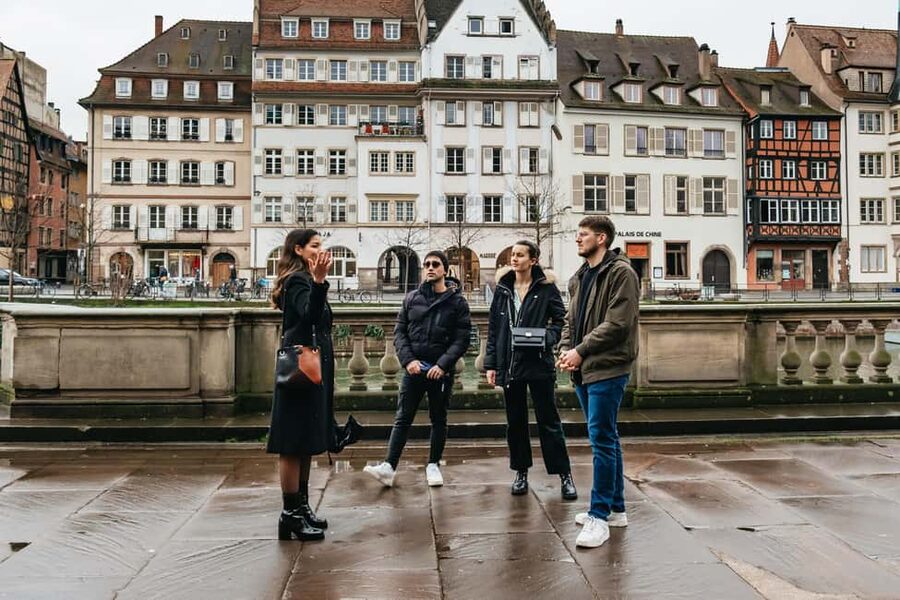
- Old-town sightseeing included: The route runs from Place d’Austerlitz through Rue des Grandes Arcades and on to Petite-France.
- Drinks are part of the price: Water and at least one alcoholic drink are included, with wine or beer depending on the stop and current selection.
- Small groups help: The maximum is 12 people, and some departures may become very intimate if only a few people book.
- Plan for easy walking, not full accessibility: The route is generally flat, but the activity is not suitable for people with mobility impairments.
Why Strasbourg makes a good food-walking city
Strasbourg sits in Alsace, a French region with strong German influence. That mix shows up on the plate: sauerkraut with sausages, soft pretzels, cured pork, local cheese, sweet spices, yeast cakes, and crisp Alsatian wines.
A food walk is useful here because many local specialties are filling and unfamiliar. You may recognize sauerkraut, but choucroute garnie is more than a side dish. It is a substantial plate built around sauerkraut and smoked meats. You may know gingerbread, but Alsatian pain d’épices has its own place in the region’s food traditions.
I also like the way this tour uses food to explain the city. You are not simply handed a bite and sent along. The guide connects the dish to local customs, shops, vineyards, and Strasbourg’s past. The sightseeing never disappears, but food gives the walk a clear purpose.
The tour lasts 210 minutes, so plan it as a major part of your day. It works especially well on your first full day in Strasbourg, when you can use restaurant suggestions from the guide for later meals.
More Food Walking Tours in France
- Authentic Parisian Gourmet Food Tour with 10 Local Dishes & Wines
★ 5.0 · 4,754 reviews - Montmartre Hill French Gourmet Food and Wine Tasting Walking Tour
★ 5.0 · 2,588 reviews - Private Montmartre Food Tour with Wine, Cheese & Pastries
★ 5.0 · 1,027 reviews
Starting at Place d’Austerlitz
Meet at Place d’Austerlitz, in front of the miniature of Strasbourg. This is a practical starting point near the center, but allow extra time to find the exact meeting spot.
Directions have caused confusion for some people because map apps can point to an unrelated address or guide you through the park without making the miniature easy to spot. I would not arrive at the last minute. Find Place d’Austerlitz first, then look for the miniature rather than relying only on a business address.
The tour requires at least two people to operate and accepts no more than 12. A small group makes a difference on a food walk. You can hear the guide, ask questions, and fit into small shops more easily. If the minimum is not reached, the departure can be rescheduled, so keep that possibility in mind if your schedule is tight.
Bretzels, charcuterie, and cheese at the first stops
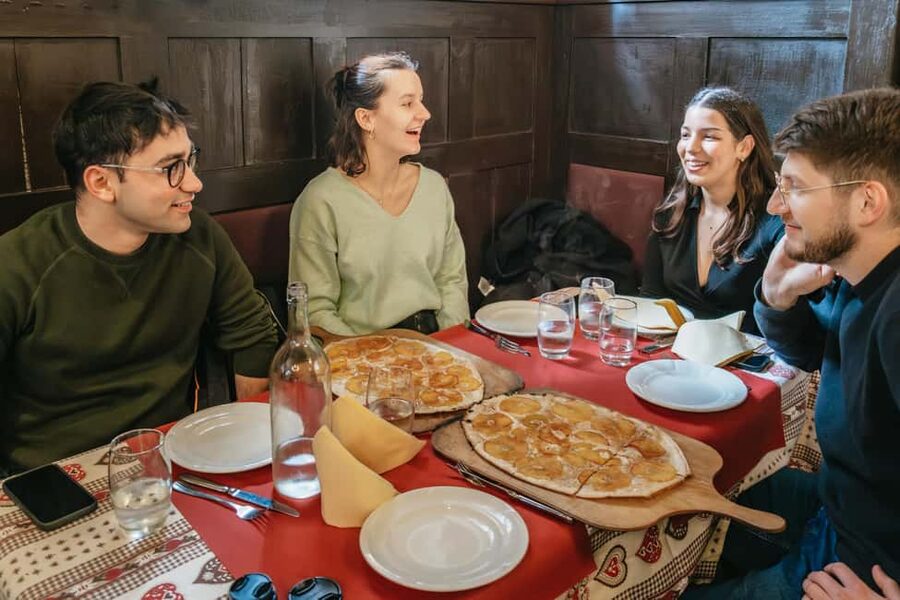
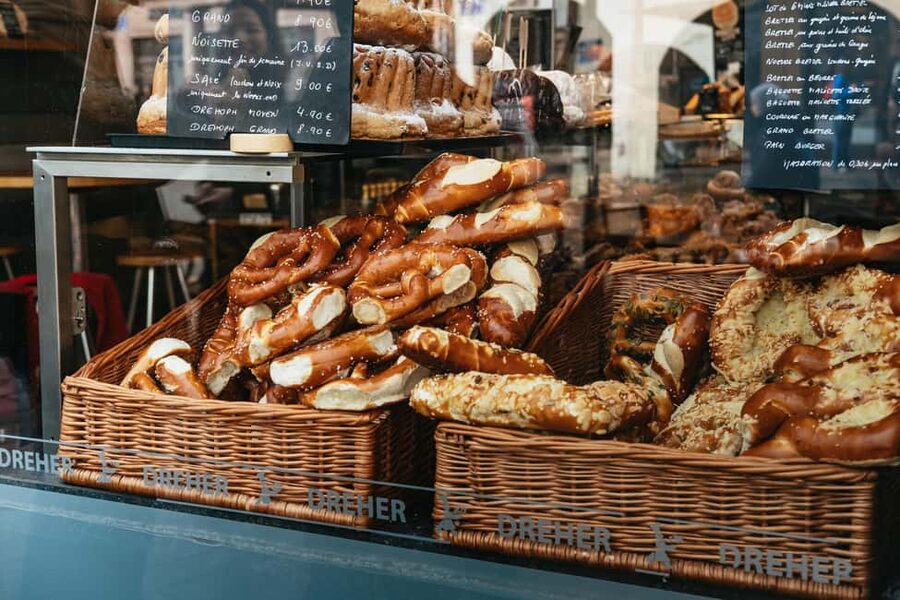
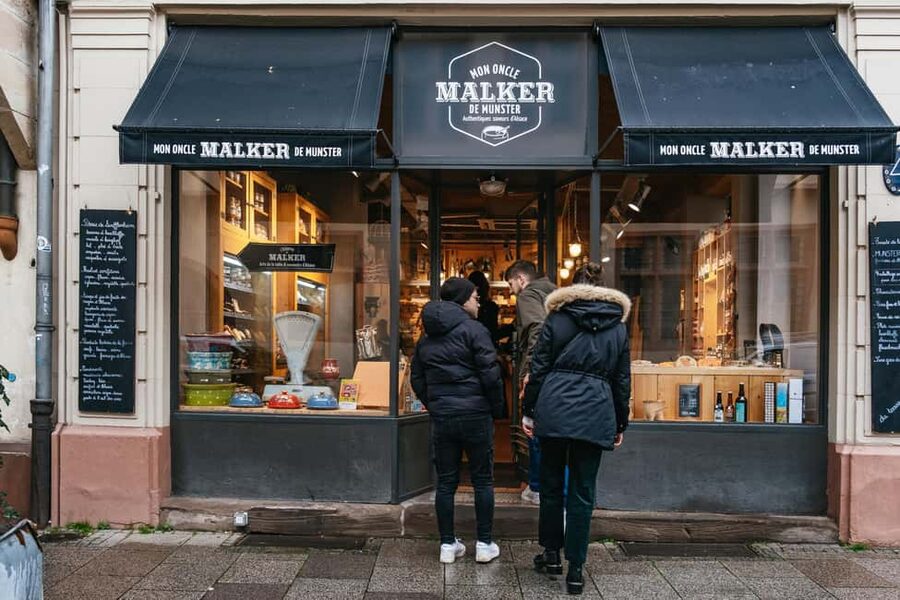
The first food experiences focus on the savory side of Alsace. Expect soft bretzels with a selection of charcuterie, followed by local cheese. The combination gives you a quick introduction to the region’s taste: salty, smoky, creamy, and pleasantly filling.
A stop connected with Fortwenger Strasbourg Cathedrale brings in Alsatian sweets and local food culture. Fortwenger is associated with gingerbread and traditional regional treats, so this part may help you understand why spice cakes and festive biscuits are so closely linked with Alsace.
The exact order and selection can change. The advertised tastings are examples, not a fixed menu, since the food depends on season and what partner businesses have available. That is worth remembering if you are booking for one specific dish.
The food is not presented as a tiny nibble at every stop. Several people found the cured meats, cheese, and bretzels generous enough to affect how much they could eat later. Take your time, but do not assume you need to finish every serving immediately. The guide may warn you to pace yourself, especially before the main meal.
Rue des Grandes Arcades and the old-town food scene
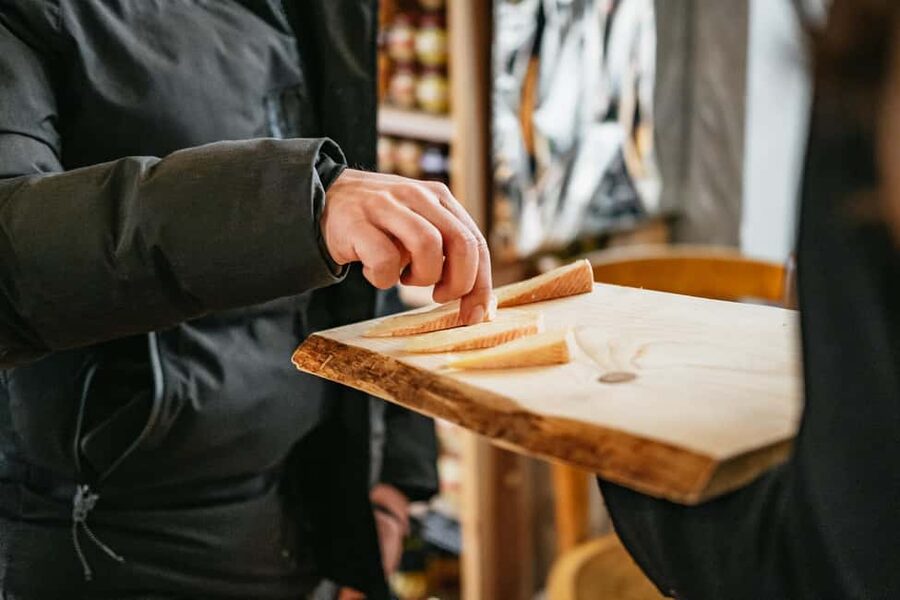
The route continues toward Rue des Grandes Arcades, one of central Strasbourg’s key shopping streets. Here, the tour shifts between sightseeing and food. You get a feel for how the old center functions today, with traditional food businesses alongside modern cafes and restaurants.
This is where the tour feels more useful than a meal in one restaurant. You can compare styles and settings instead of experiencing only one kitchen. The guide can explain what makes an Alsatian dish local, how the food scene has changed, and where to eat after the tour.
Guides have been praised for mixing facts with humor rather than delivering a nonstop lecture. Raphael, JP, Loubna, Christine, and Nahama are among the guides who have led departures, and the tone can vary with the person leading your group. The common goal is clear: explain the city while keeping the walk social and relaxed.
One small caveat is that the guide may speak both English and French during the tour. The activity is offered in both languages, but if you need every explanation in English, confirm the language arrangement when booking.
Same streets, a different story:
- Paris Top Sights Half Day Walking Tour with a Fun Guide
★ 5.0 · 2,893 reviews - Montmartre Hidden Gems and Scenic Highlights Walking Tour
★ 5.0 · 2,684 reviews - Paris: Montmartre Highlights Walking Tour with a Local Guide
★ 4.9 · 2,318 reviews - Paris Île de la Cité and Notre-Dame Walking Tour With Crypt
★ 5.0 · 2,272 reviews
The main event: choucroute garnie
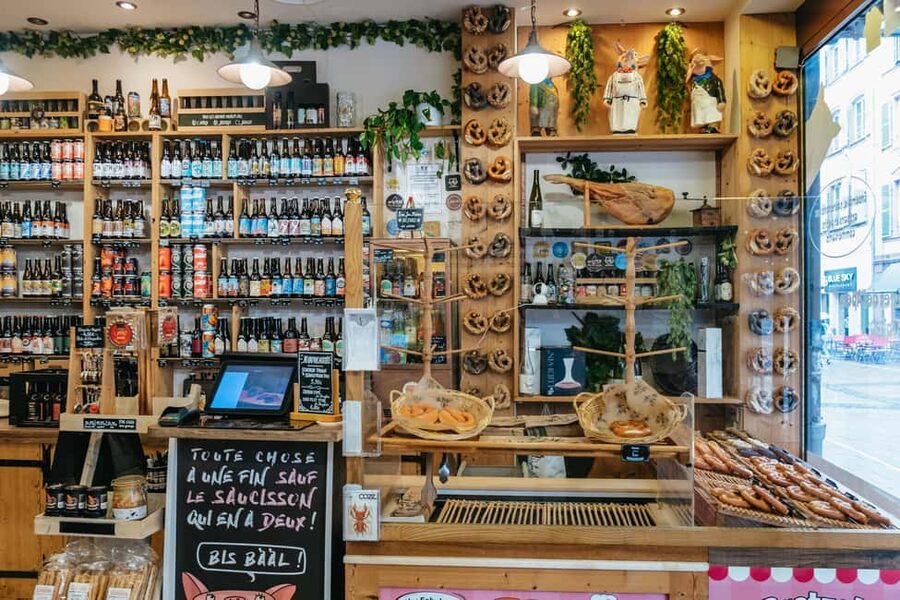
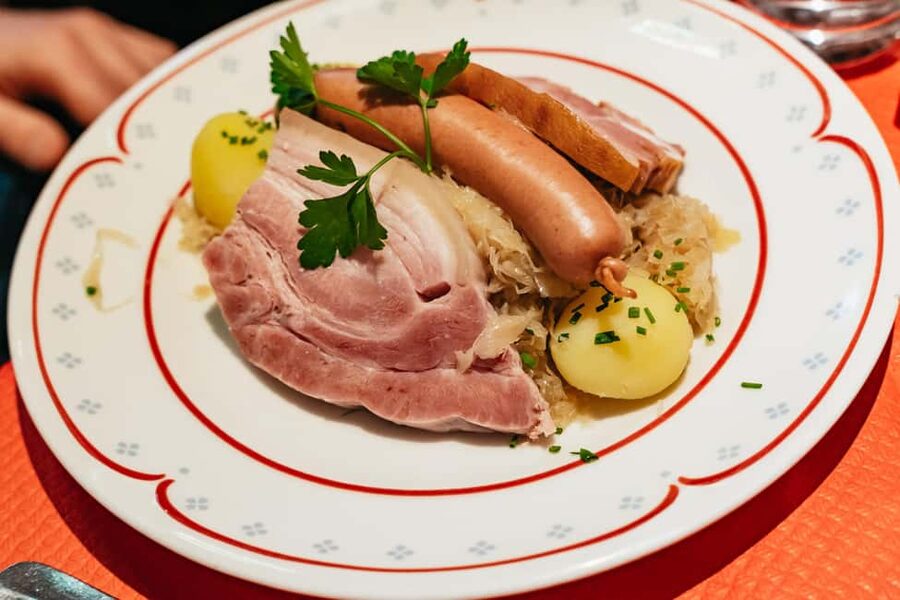
The central meal is likely to be choucroute garnie, the dish most closely tied to Alsatian cooking. You can expect sauerkraut served with smoked sausages and other hearty meat portions. It is warm, substantial food, especially welcome on a cool day.
This is also the point where the tour’s generous approach becomes a challenge. The meal can be closer to a full lunch than a tasting plate. Some people found the portion too large to finish, and one useful suggestion was to serve a tapas-style selection so more varieties could be sampled.
I see both sides. A full plate gives you a proper sense of Alsatian cooking and makes the $116 price easier to justify. But if your ideal food tour means ten delicate samples, this one may feel heavy. You are paying for a meal, drinks, guiding, and a three-and-a-half-hour city walk, not just for a handful of bites.
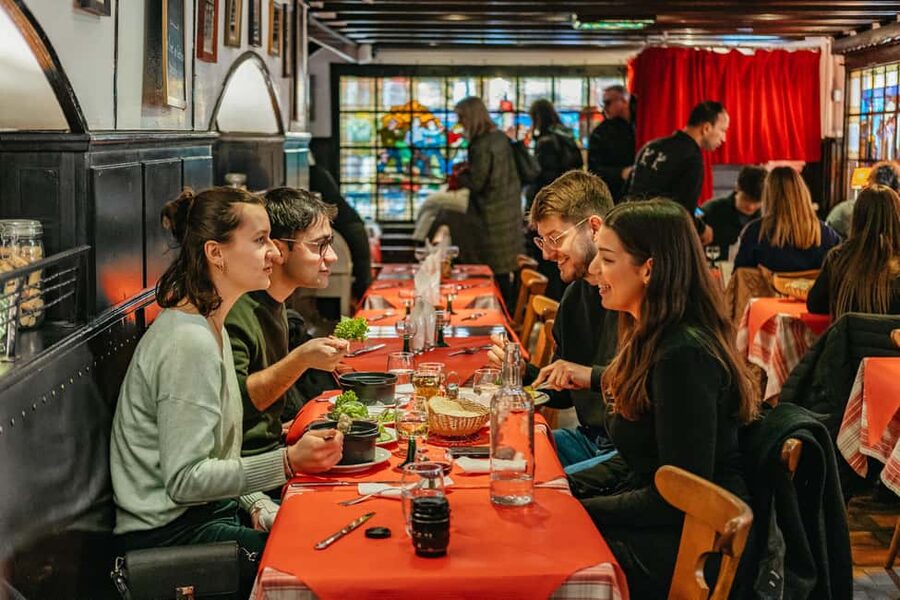
The main meal also offers a seated break. That matters in colder weather, when you may appreciate getting indoors rather than eating everything while standing in a shop. Depending on the departure, beer or wine may accompany the meal. The included drink selection can change, and not every wine will suit every palate.
Alsatian wine, beer, and the vineyard connection
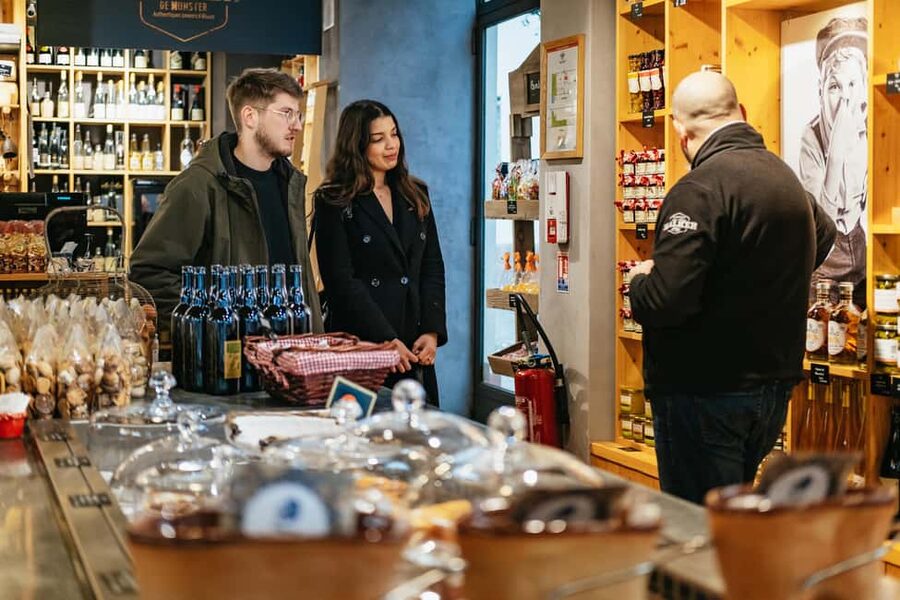
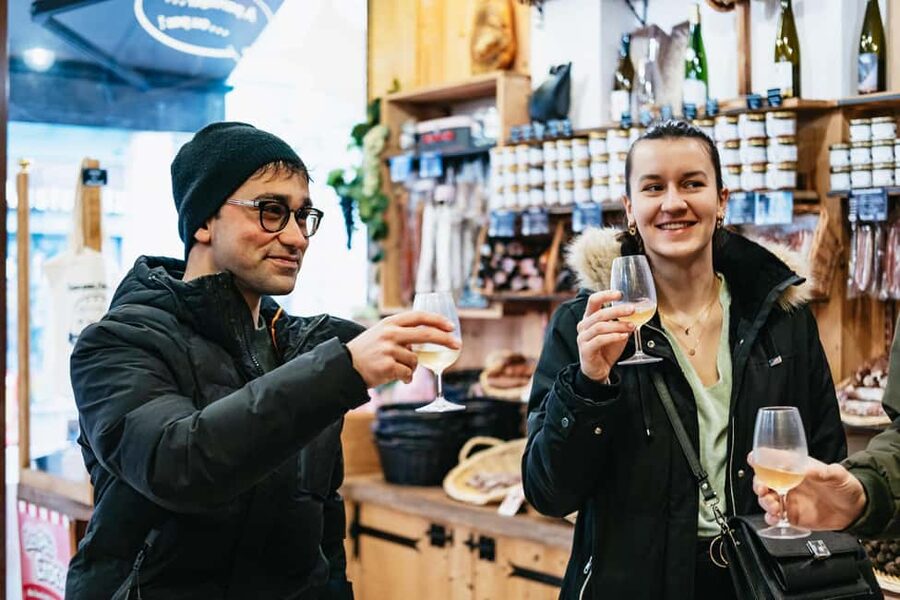
At least one alcoholic drink is included, along with water. You may taste local Alsatian wine, and beer can also appear during the food stops. Alsace is known for its vineyards, so the guide can place the wine in a regional context rather than treating it as a random beverage.
The drink element is modest, not a separate winery tour. You should not book this expecting a long technical tasting or several full pours. The value is in matching a local drink with local food while learning why vineyards matter to the region.
The alcohol is another reason to eat lightly before the tour but not arrive dehydrated. The route lasts several hours, and the combination of wine, beer, and large servings can catch up with you. Water is included, so use it.
Sweets at Fortwenger and beyond
The sweet portion may include Alsatian gingerbread, known as pain d’épices, or a traditional Kugelhopf. Tarte flambée may also appear among the rotating tastings, though the menu is not fixed and the dish is more commonly associated with the savory side of Alsatian cooking.
Fortwenger Strasbourg Cathedrale is listed as a sightseeing and food stop, and the bakery-style visit may involve collecting sweet treats rather than watching a formal demonstration. That distinction matters if you are hoping to see food being made. You are more likely to taste and learn than take part in a cooking class.
The sweet stops can be generous too. One practical approach is to share portions within your group when possible, especially if you want to keep room for everything else. You can also ask the guide about buying treats to take away, since the route may introduce you to shops you want to revisit.
Petite-France gives the walk its best setting
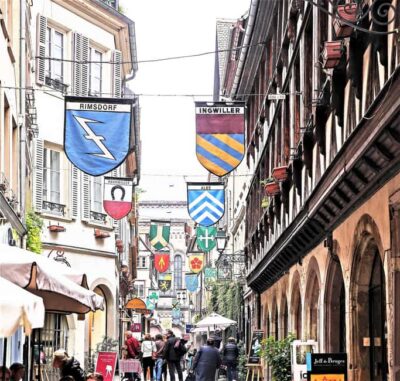
The tour finishes in Petite-France, Strasbourg’s most photogenic old-town area. Narrow streets, canals, and traditional buildings give the final part of the walk a strong sense of place.
The route is designed to pass key city sights, not simply send you from restaurant to restaurant. You will have chances to stop for photographs and hear about the places you are seeing. The walking itself is generally easy and flat, with several stops breaking up the distance.
This is a good reason to book the tour early in your stay. You see central Strasbourg while learning what to eat, then finish in an area worth exploring on your own. You are not left with only a list of dishes. You leave with a better sense of how the food fits the city.
Do keep the route’s limits in mind. The activity is not suitable for people with mobility impairments, and you should wear comfortable shoes. Large bags and luggage are not allowed, and hotel pickup and drop-off are not included.
How much food do you really get?
The short answer is: a lot. The advertised plan includes at least four food stops and one serving at each. In practice, the combination of charcuterie, cheese, bretzels, a main dish, dessert, and drinks can add up to far more than a light grazing tour.
Skip breakfast if you take a morning departure, or have only something small. For an afternoon tour, eat a modest meal several hours beforehand rather than arriving stuffed. The guide can help you pace yourself, but no guide can make a huge plate disappear.
The variety is good, even if the quantity can limit your appetite. You may taste cured meats, cheese, sauerkraut, sausages, baked sweets, wine, and beer in one outing. That range is one of the experience’s strongest features.
Dietary needs are not addressed in the supplied details, so ask before booking if you have strict food restrictions. Do not assume the traditional menu can be changed at every stop.
Is $116 a fair price?
At $116 per person, this is not a bargain snack tour. The price makes more sense if you would otherwise pay for a substantial lunch, several tastings, drinks, and a guided walk through the center.
The strongest value comes from the amount of food. Many food tours leave you searching for lunch afterward. This one is more likely to leave you full. You also receive a guide, at least four stops, one alcoholic drink, water, local context, and restaurant suggestions.
The value is weaker if you do not drink alcohol, dislike large portions, or prefer to choose your own restaurants. You also need to accept that seasonal changes may replace a dish you had hoped to try.
I would compare the cost with the price of a proper Strasbourg meal plus a private or small-group city walk. The tour is not cheap, but it combines both activities and can save you from guessing where to eat on your first day.
Who will enjoy this Strasbourg food tour?
I would recommend it most strongly to first-time visitors who want an easy introduction to Alsatian cuisine. It suits couples, families with older children, solo visitors, and people who enjoy meeting a small group over a shared meal.
Solo participation should not feel awkward. The small-group format gives you a natural way to talk with others, and the guides have experience keeping the group involved. Families can also enjoy it, though parents should consider the length of the walk and the adult food emphasis.
It is less suitable for picky eaters, people seeking a light lunch, or anyone who wants a highly structured tasting menu. It is also not a good fit if mobility is a serious concern or if you need to carry luggage.
The guide quality matters. Raphael has been praised for history and practical recommendations, JP for local knowledge and good humor, and Loubna and Nahama for friendly, clear explanations. Christine has also led departures with a warm style. Your exact experience will depend partly on who leads the group that day.
What to bring and how to plan the day
Wear comfortable shoes. The route is flat and not especially strenuous, but you will be on your feet for much of the 210 minutes.
Bring an appetite, but not a full stomach. Water is included, as is at least one alcoholic drink, but additional food and drinks cost extra. Large bags and luggage are not allowed, so leave bulky items at your accommodation.
I would schedule no major meal immediately afterward. Petite-France is a fine place to keep walking, take photographs, or settle into a cafe, but you may prefer a quiet afternoon after the food stops.
Free cancellation is available up to 24 hours before the start for a full refund, and you can reserve now and pay later. Those policies are useful if your Strasbourg plans are still shifting, though the minimum group requirement means a departure can be rescheduled if too few people book.
Should you book it?
Book this tour if you want Strasbourg explained through its food and you are happy with generous, traditional portions. The strongest reasons are the variety, the local guides, the old-town route, and the chance to taste dishes that can be hard to choose confidently on your own.
Think twice if you want refined, bite-sized tastings or if $116 feels too high for a meal-based activity. The food can be heavy, and seasonal changes mean the exact menu is not guaranteed.
For most first-time visitors with a serious appetite, I think it is a sensible way to get oriented. Arrive early at Place d’Austerlitz, wear good shoes, eat little beforehand, and leave room for choucroute, sweets, and one more stop than you expect.
FAQ
Where does the Strasbourg food tour start?
The meeting point is Place d’Austerlitz, in front of the miniature of Strasbourg.
Where does the tour finish?
The tour finishes in Petite-France.
How long does the tour last?
The activity lasts 210 minutes, or three and a half hours.
How many food stops are included?
At least four food stops are included, with at least one serving at each stop.
What food might I taste?
Possible tastings include bretzels, charcuterie, local cheese, choucroute garnie, Alsatian gingerbread, Kugelhopf, and Tarte flambée. The exact food can change with the season and availability.
Are drinks included?
Yes. Water and at least one alcoholic drink are included. The alcoholic drink may be local wine or beer, depending on the stops and current selection.
What languages are available?
The tour is offered in English and French. The guide may speak both languages during the activity.
Is the tour suitable for people with mobility impairments?
No. The activity is not suitable for people with mobility impairments. Comfortable shoes are recommended, and large bags or luggage are not allowed.
New walking tours around France
- Montmartre Walking Tour with a Local Guide★ 4.9 · 478 reviews
- Paris: Montmartre Small Group Guided Walking Tour★ 4.8 · 139 reviews
- Paris: Montmartre Hidden Gems and Highlights Walking Tour★ 4.7 · 378 reviews
- Montmartre & Sacré Coeur: 2.5-Hour Walking Tour★ 4.9 · 71 reviews
- Mont Saint Michel: Walking Tour & Optional Abbey Ticket★ 4.3 · 562 reviews
- Montmartre for Art Lovers – Walking tour with Expert Guide★ 5.0 · 456 reviews
- Mont Saint Michel: Village History and Legends Walking Tour★ 4.8 · 96 reviews
- Mont-saint-Michel : Walk in the heart of the Bay★ 4.7 · 167 reviews
Strasbourg Walking Tours, side by side.
Strasbourg: Guided Historical Neighborhoods Walking Tour
Read our review →Lists this walk sits on