
Review · PARIS
Montmartre Hidden Gems and Scenic Highlights Walking Tour
Montmartre is best understood on foot, one sloping street at a time. This 90-minute walk links famous sights with small corners you could easily miss alone, from the I Love You Wall to the artists’ old hangout at Bateau-Lavoir and the vineyard tucked into the neighborhood.
I like the way the tour mixes art and local history rather than racing from one postcard view to the next. I also like the practical finish near Sacré-Cœur, where your guide can explain what to see inside if you choose to enter on your own. The main caution is pace and terrain: there are hills, narrow streets, and cobblestones, even though the planned route does not include stairs.
At a glance: what makes this Montmartre walk worthwhile
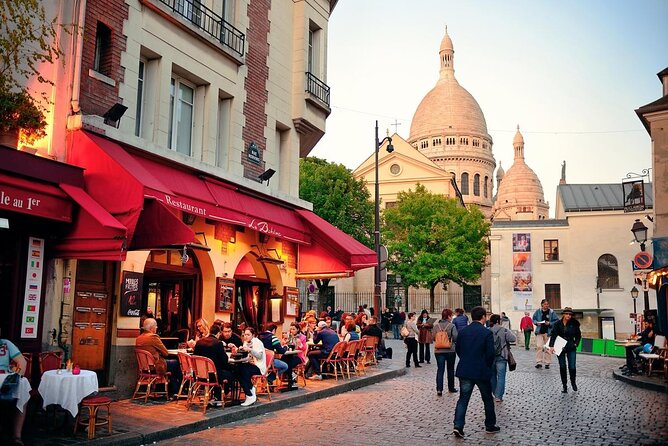
- An artist’s Montmartre: Hear about Picasso, Modigliani, Braque, Renoir, Van Gogh, and Dalida in the places tied to their lives and work.
- A useful 90-minute introduction: You get a compact overview before exploring more on your own.
- A strong scenic finish: The route passes the exterior of Sacré-Cœur, at Paris’s highest point, with broad city views.
- A guide-led neighborhood walk: Guides such as Laura, Denise, Sylvia, David, and Linda are praised for storytelling, local advice, and an easy pace.
- Good for first-time visitors: The route helps you get oriented in Montmartre without spending half a day finding each stop.
- Know the limits: The tour does not include Moulin Rouge, the funicular, or entry inside Sacré-Cœur.
Why Montmartre works better on foot

Montmartre can feel like several neighborhoods stacked on one hill. One street may be lined with cafés and souvenir shops, while the next opens onto a quiet square or an old artists’ address. A map shows the distance, but it does not explain the mood, the slope, or why a plain-looking building matters.
That is where this tour earns its keep. Your guide supplies the links between the places: the artists who lived here, the singer who made the neighborhood home, the windmill that became a symbol, and the wine-growing tradition that somehow survived inside Paris.
The route lasts about an hour and a half, which makes it a good first look rather than a full-day study. You will not see every corner of Montmartre, and you will not have time to linger at every café. But you should finish with a clearer sense of where you are and what deserves a return visit.
The group can include up to 25 people. That is manageable, though a larger group may make it harder to hear in a noisy street. Arrive 15 minutes early at 19 Rue des Abbesses. The walk starts on time, and catching up later may not be possible.
More City Highlights Walking Tours in France
- Paris: Montmartre Highlights Walking Tour with a Local Guide
★ 4.9 · 2,318 reviews - Paris: Montmartre Hidden Gems and Highlights Walking Tour
★ 4.7 · 378 reviews - Lyon: City Highlights Walking Tour
★ 4.9 · 847 reviews
From the I Love You Wall to Rue des Abbesses
The I Love You Wall is a gentle opening. Set in a small square, this artwork presents the words I love you in more than 300 languages. It is simple, photogenic, and gives your guide a natural way to discuss Montmartre as a meeting place for people from many countries.
The starting point at Rue des Abbesses also puts you close to one of Montmartre’s most active streets. Cafés, boutiques, and old buildings create a useful contrast with the area’s quieter lanes. Your guide can explain how the neighborhood shifted from a cheaper, bohemian district to one of the more expensive parts of Paris.
That change is one of the tour’s most useful themes. Montmartre is often sold as an untouched artists’ village, but it is also a popular and costly part of the capital. Hearing about that shift helps you look past the pretty façades.
Bateau-Lavoir and the artists who changed modern art
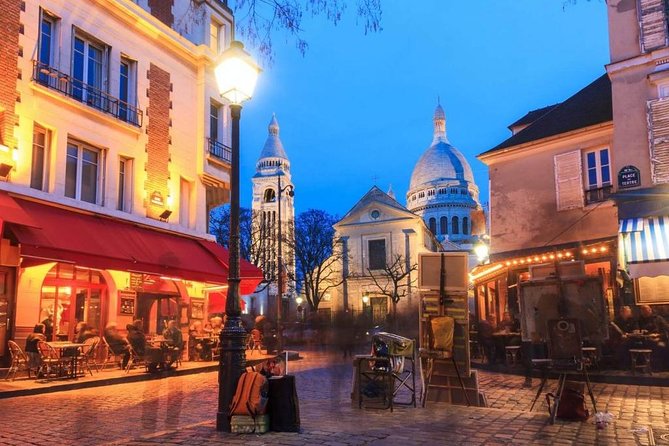
Bateau-Lavoir is one of the key historical stops. Once a modest residence for artists, it housed figures including Picasso, Modigliani, and Braque. The building itself is less grand than the names associated with it, which is part of the point. Modern art was shaped in rough, practical surroundings, not only in polished galleries.
Your guide’s storytelling matters here. A bare address can be easy to pass without a second thought. With context, it becomes a place connected to experiments that changed how people saw painting and sculpture.
If you want a tour centered on art, this is one of the strongest sections. If you prefer architecture, shopping, or major monuments, it may feel less dramatic because much of the value comes from the explanation rather than a grand interior.
Moulin de la Galette and Montmartre’s old party life
The Moulin de la Galette is one of Montmartre’s most recognizable landmarks. Renoir and Van Gogh included the windmill in their work, and its past as a dance hall connects it to the neighborhood’s social life as well as its art.
You see the mill from outside, so this is a short viewing stop rather than a full attraction visit. Still, the setting helps explain why Montmartre attracted painters. The hill, open views, old village character, and nightlife gave artists plenty to observe.
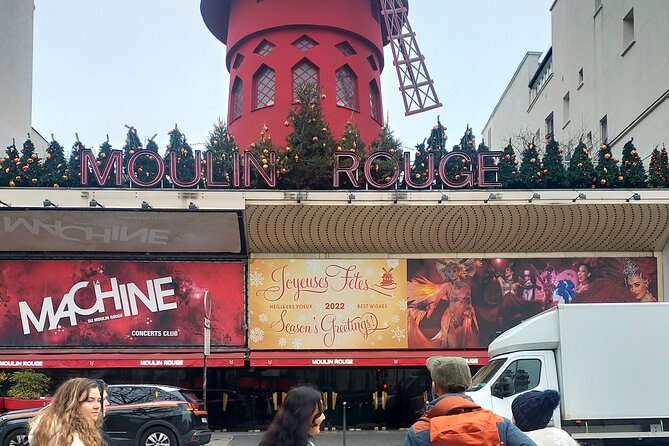
Do not confuse this walk with a Moulin Rouge tour. The Moulin Rouge is not part of the route, and the tour does not focus on the cabaret district. If that is your main goal, choose a different experience or visit it separately.
More Hidden Gems Walking Tours in Paris:
- Dublin Highlights and Hidden Gems Guided Walking Tour
★ 5.0 · 6,020 reviews - Explore Berlin: See All The Iconic Sights & Some Hidden Gems
★ 5.0 · 4,429 reviews - Kyoto Geisha Walking Tour: Gion District & Hidden Gems
★ 4.7 · 3,273 reviews - Marrakech: Ben Youssef, Secret Garden, & Souks Walking Tour
★ 4.6 · 2,802 reviews
A man through a wall and Dalida’s quiet square
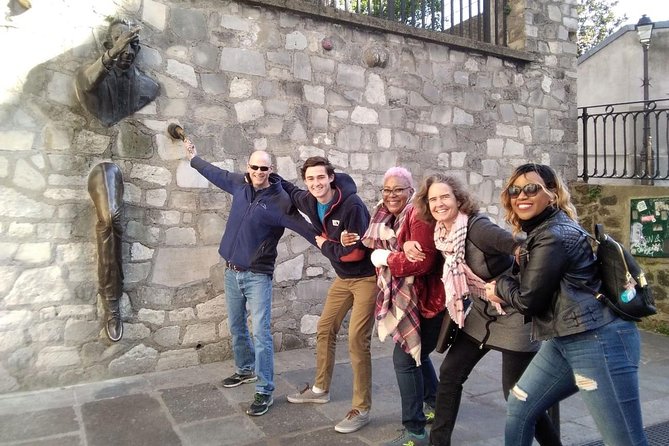
Le Passe-Muraille, or the man walking through a wall, adds a playful note. The sculpture comes from a story by Marcel Aymé and sits near the author’s former home. It is the kind of small feature you might miss without someone pointing it out.
This stop also shows the tour’s wider range. You are not only seeing major landmarks. You are getting short stories about writers, sculptures, and the odd details that make a neighborhood memorable.
The Dalida bust brings a more personal mood. The French singer lived in Montmartre for many years, and the bronze sculpture in a peaceful square has become a place where admirers leave tributes. It gives the walk a connection to modern popular culture, not just nineteenth-century painting.
I like this change of tone. After the large claims made for Montmartre’s artists, a small memorial to a much-loved singer brings the neighborhood back to individual lives and local affection.
La Maison Rose and the streets artists loved
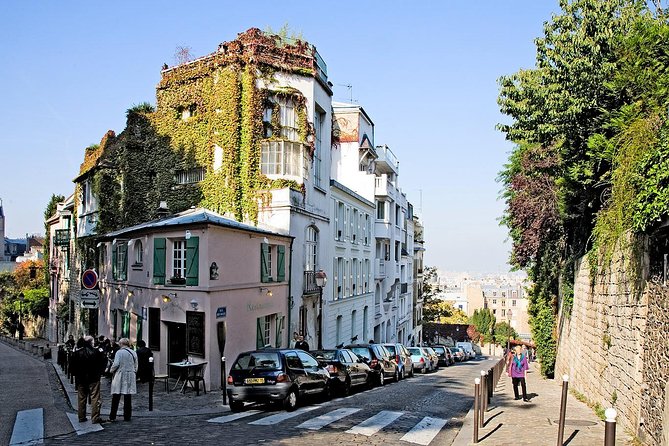
La Maison Rose is one of the most photographed stops. Its pink exterior, café setting, and links to Picasso and Utrillo make it an easy favorite for pictures. The building is charming, but the guide’s context keeps it from being just another photo stop.
You can also use this part of the walk to notice how Montmartre’s image has been shaped. The area has long attracted painters and photographers, and today its picturesque streets attract cameras of a different kind. That tension is part of the neighborhood’s character.
The tour ends at La Bonne Franquette, a historic restaurant at 18 Rue Saint-Rustique. You may want to note the address for a meal after the walk, although the tour price does not include food. Guides have also been praised for suggesting places to eat and for giving ideas about what to do next.
Montmartre’s vineyard, a small reminder of village life
The vineyard is one of the more surprising stops. Established in 1933 to protect Montmartre’s winemaking tradition, it preserves a rural thread in a district now surrounded by dense Paris streets.
You do not need to expect a full wine experience here. The value is the story and the contrast. Montmartre was once outside central Paris and had a more village-like identity. The vines help make that past visible.
This is also a good example of why the walking format works. You can move from artist residences to a windmill, then reach a working reminder of local agriculture without leaving the neighborhood.
Sacré-Cœur and the view over Paris
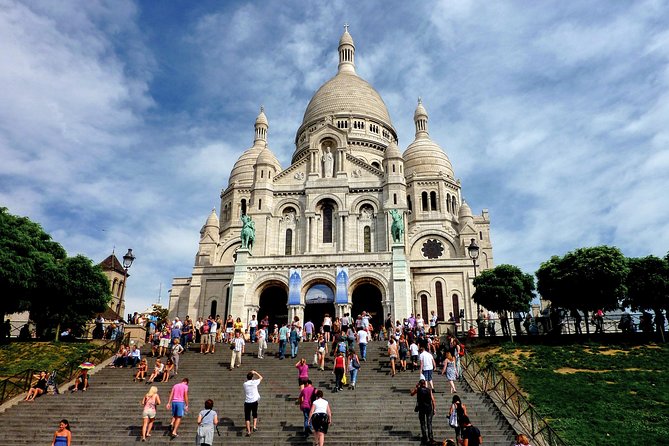
The walk passes the exterior of Sacré-Cœur Basilica. Perched at the highest point in Paris, the basilica offers one of the city’s broadest views, and the approach gives the tour a natural climax.
The building’s white domes and mosaics are impressive from outside, but you should be clear about what is included. Entry inside Sacré-Cœur is not part of the guided tour. The basilica is free to enter when open, and your guide will offer suggestions for a self-guided visit.
That arrangement can work well. You get the neighborhood context first, then decide if you want to spend more time inside. It also keeps the walk within its advertised 90-minute length.
The route does not include climbing the famous stairs or riding the funicular. Some descriptions call the route stair-free, but Montmartre is still hilly, with narrow streets and uneven surfaces. If you have limited mobility, take this seriously. A wheelchair or walking aid may be difficult to manage on steep, cobbled streets, even without planned stairs.
Place du Tertre and the artistic postcard
Place du Tertre is the classic Montmartre scene: painters, caricaturists, cafés, and restaurants gathered around a small square. It can be crowded and commercial, but it remains an important part of the neighborhood’s artistic identity.
Your guide can help you read the square beyond its postcard appeal. You will see how the old artists’ tradition continues, though in a more organized and tourist-oriented form. This is a lively stop, but it is also where the group may need to stay close together.
Some people love the atmosphere here. Others may find it too busy, especially later in the day. An early departure can make the walk easier to follow, and one guide, David, is specifically praised for making an early tour work well before the area became crowded.
What guides add to the experience
The guide is the main variable in a neighborhood walk, and the strongest reports point to an engaging, personal style. Laura is praised for making the history easy to follow and for balancing famous places with less obvious corners. Denise is noted for being friendly, clear, and attentive to questions.
Sylvia is described as particularly good at keeping the group involved, while David is praised for welcoming everyone and giving useful background. Linda’s artist stories bring humor into the walk, and Sophie is credited with pointing out details that are easy to overlook.
These names are useful, but you cannot select a specific guide when booking unless the operator allows it. The practical expectation is a conversational tour with stories, questions, and recommendations rather than a formal lecture.
There is one important expectation to set. The experience is built around Montmartre’s art and cultural past, including street art and wall details. If you want a fast checklist of major sights, the pace may feel too slow. Two very negative experiences describe spending a long time discussing street art or a church and leaving early. That reaction appears tied to a mismatch between expectations and the tour’s storytelling format.
Price, timing, and who gets good value
At $38.70 per person, the tour sits in a reasonable range for a guided 90-minute walk in Paris. You are paying for local explanation, route planning, and orientation, not admission tickets or a long attraction visit.
I see the best value if you are visiting Montmartre for the first time, have limited time, or want help connecting scattered sights. The walk can also work well for families of adults because the pace is described as relaxed and the guide can answer questions along the way.
You may find less value if you already know Montmartre well or mainly want independent time for photographs, shopping, or cafés. The tour is short, and the group format limits how long you can stop at each place.
It operates in English and continues in poor weather, so wear shoes with good grip and bring suitable clothing. Free cancellation is available up to 24 hours before the start time. Cancellations inside that window are not refunded.
Should you book the Montmartre Hidden Gems and Scenic Highlights Walk?
Book it if you want a compact first orientation with art stories, local characters, scenic views, and a clear finish at Sacré-Cœur. It is especially useful at the start of a Paris stay, when you can return later to La Maison Rose, Place du Tertre, the basilica, or a recommended restaurant.
Skip it if you expect the Moulin Rouge, the funicular, stair climbing, or extended time inside Sacré-Cœur. Also think twice if steep streets and uneven pavement will be a serious problem.
For most first-time visitors who enjoy stories more than a simple photo checklist, this is a well-priced way to meet Montmartre. Arrive early, expect hills, and treat the tour as an introduction rather than the final word on the neighborhood.
FAQ
How long is the Montmartre walking tour?
The tour lasts approximately 90 minutes.
What language is the tour offered in?
The guided tour is offered in English.
Where does the tour start?
The meeting point is 19 Rue des Abbesses, 75018 Paris, France.
Where does the tour end?
The tour ends at La Bonne Franquette, 18 Rue Saint-Rustique, 75018 Paris.
Is entry to Sacré-Cœur included?
No. The tour visits the exterior of the basilica. Sacré-Cœur is free to enter when open, and the guide provides tips for visiting inside on your own.
Does the tour include the Moulin Rouge?
No. The Moulin Rouge is not part of this tour.
Does the route include stairs?
The planned route does not include stairs, but it does include hills, narrow streets, and uneven surfaces. You should have a moderate level of physical fitness.
How large can the group be?
The tour can have a maximum of 25 people.
What is the cancellation policy?
You can cancel for a full refund up to 24 hours before the experience begins. Cancellations or changes made less than 24 hours before the start time are not refunded or accepted.
More City Highlights Walking Tours in Paris
- Ho Chi Minh City Street Food Tour & Sightseeing By Motorbike
★ 5.0 · 9,413 reviews - Historic Charleston Guided Sightseeing Walking Tour
★ 5.0 · 6,216 reviews - Vienna: Guided Walking Tour of City Center Highlights
★ 4.7 · 4,989 reviews - Best of Lisbon Small-Group Guided Walking Tour
★ 5.0 · 4,869 reviews
New walking tours around Paris
- Montmartre Walking Tour with a Local Guide★ 4.9 · 478 reviews
- Paris: Montmartre Small Group Guided Walking Tour★ 4.8 · 139 reviews
- Paris: Montmartre Hidden Gems and Highlights Walking Tour★ 4.7 · 378 reviews
- Montmartre & Sacré Coeur: 2.5-Hour Walking Tour★ 4.9 · 71 reviews
- Montmartre for Art Lovers – Walking tour with Expert Guide★ 5.0 · 456 reviews
- Paris: Louvre Museum Entry Ticket and Garden Walking Tour★ 4.2 · 326 reviews
- Le Marais Walking Food Tour with Cheese, Wine & Pastries★ 4.7 · 339 reviews
- Historic Paris Walking Tour in English★ 4.9 · 78 reviews
Paris Walking Tours, side by side.

Authentic Parisian Gourmet Food Tour with 10 Local Dishes & Wines
Read our review →
Paris Top Sights Half Day Walking Tour with a Fun Guide
Read our review →
Montmartre Hill French Gourmet Food and Wine Tasting Walking Tour
Read our review →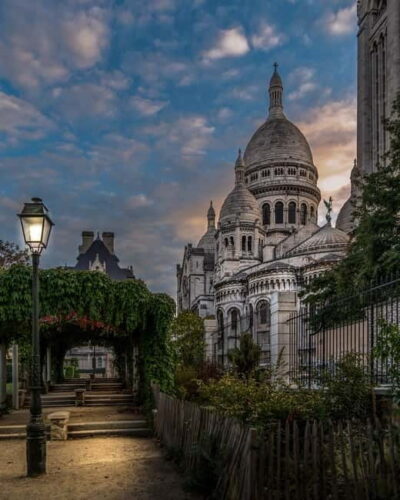
Paris: Montmartre Highlights Walking Tour with a Local Guide
Read our review →
Paris Île de la Cité and Notre-Dame Walking Tour With Crypt
Read our review →
Paris: Montmartre Cheese, Wine & Pastry Guided Walking Tour
Read our review →
Paris in a Day: Louvre or Orsay, Eiffel Tower, City Walk & Cruise
Read our review →