
Review · BANGKOK
Bangkok: City Highlights Temple and Market Walking Tour
Bangkok’s royal and religious heart is packed into a walkable stretch of old Rattanakosin, and this tour gives you a practical way to see its biggest sights without sorting out temple tickets, river transport, or local directions yourself. The Grand Palace and Emerald Buddha Temple are the main event, with Wat Pho and Wat Arun added according to the option you book.
I like the small group limit of 10, which makes it easier to hear the guide and ask questions. I also like the human touches: guides such as Kiwi, Mina, Johnny, Pete, Air, and Mimi are praised for explaining customs, managing water and shade breaks, and helping people find the right ferry or onward transport. The drawback is heat, crowds, and a fairly quick pace across several major sites.
Key points to know before booking
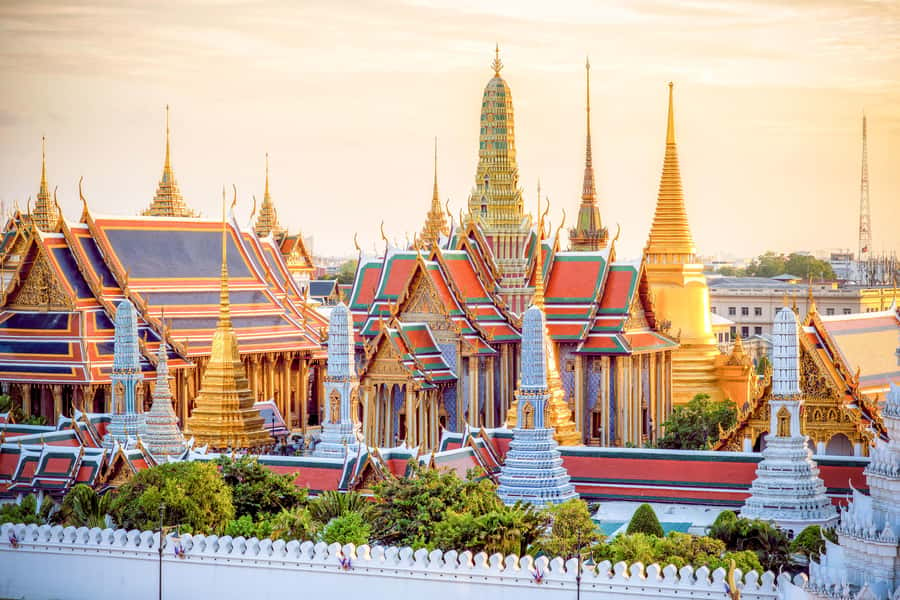
- The Grand Palace takes center stage: You’ll visit the former royal residence and the sacred Emerald Buddha Temple inside its grounds.
- Local transport is part of the experience: The route uses public transport, with some departures also including a river boat or tuk-tuk ride.
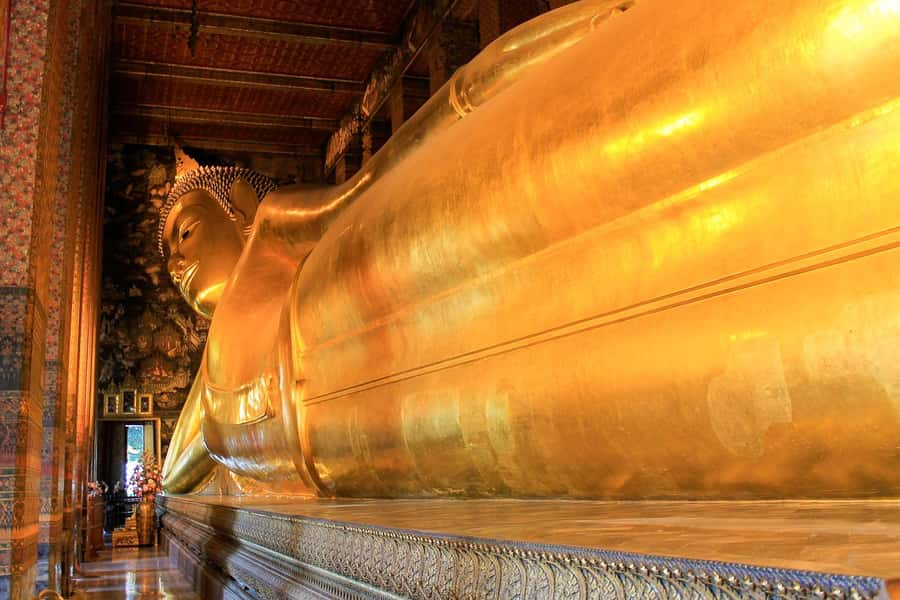
- Wat Pho adds real depth: See the Reclining Buddha and learn how the temple became a center for medicine and traditional Thai massage.
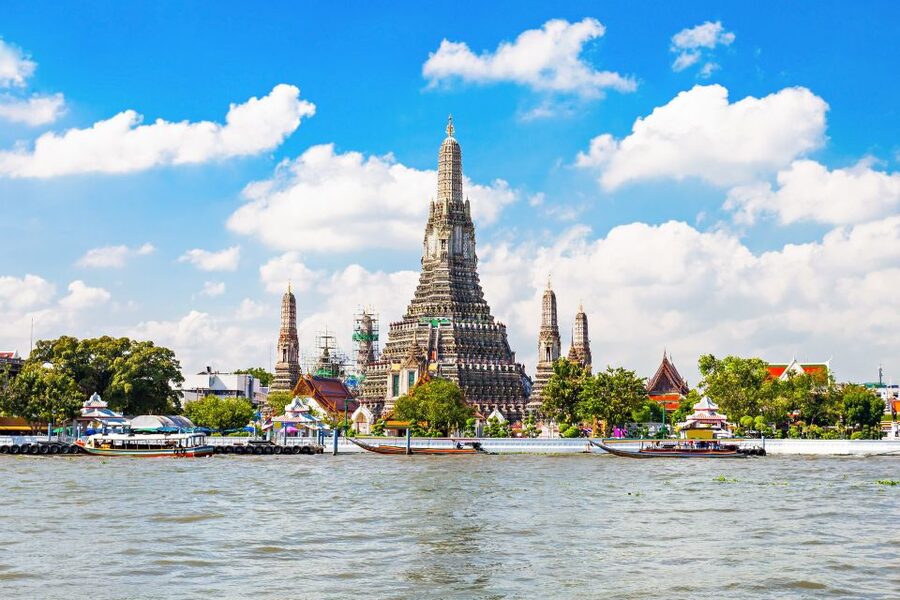
- Wat Arun completes the temple trio: Its tall porcelain-covered pagoda rises beside the Chao Phraya River.
- The group stays small: No more than 10 people join, and English or German guiding is available.
- Dress carefully: Bare shoulders and knees are not allowed, and shoes come off before entering temple buildings.
Why this Bangkok temple tour works well
Bangkok can feel confusing on a first visit. Major temples sit close together, but roads, canals, ferries, ticket entrances, and busy market lanes can make a simple route less simple. This experience removes much of that guesswork while keeping you on foot and on public transport rather than sealed inside a coach.
You meet at the Big Country Experience office at River City Bangkok, with the stated start time around 9:00 AM. From there, the group travels toward the old royal quarter. The journey is useful in itself because you pass through parts of historic Rattanakosin and may use the river, a tuk-tuk, or other local transport depending on the selected arrangement.
The group size matters. Ten people is small enough for a guide to keep track of everyone at temple gates, crossings, and ferry stops. It also leaves room for questions. Several guides are praised for being warm, attentive, and good at giving practical help after the tour, including directions to hotels, ferries, and shows.
The tour runs from about two to four hours, depending on the option and starting time. That is enough for a strong first look, but not enough for a slow, detailed study of every building. If you want to photograph every roofline or read every inscription, plan extra time at the end.
More Market Walking Tours around Thailand:
- Chiang Mai: Local Food and Markets Guided Walking Tour
★ 4.3 · 175 reviews - Tokyo Tsukiji Fish Market Food and Culture Walking Tour
★ 5.0 · 3,184 reviews - London Bridge & Borough Market Food Tour with 7 Authentic Dishes
★ 5.0 · 1,972 reviews
From River City Bangkok to the old royal quarter
River City Bangkok is a sensible meeting point because it sits beside the Chao Phraya and connects naturally with the historic center. You meet the guide at the Big Country Experience office, then set off by local transport.
This start gives the tour a more grounded feel than a simple hotel pickup. You are not whisked straight to a palace gate. You begin by moving through Bangkok as residents do, with the guide handling the route and helping the group stay together.
The early part of the journey passes the amulet market, one of the best-known historic markets on Rattanakosin Island. It is a useful introduction to Bangkok’s mix of religion, commerce, and everyday life. Amulets are connected with protection and Buddhist belief, and the market offers a glimpse of a side of the city that many visitors miss when they go directly from one major monument to another.
Expect some walking, pavement changes, traffic, and the normal uncertainty of local transport. This is not a polished museum tour with every minute indoors. I would wear comfortable shoes, carry as little as possible, and keep water close, even though drinking water is included.
Grand Palace: royal ceremony in a crowded setting
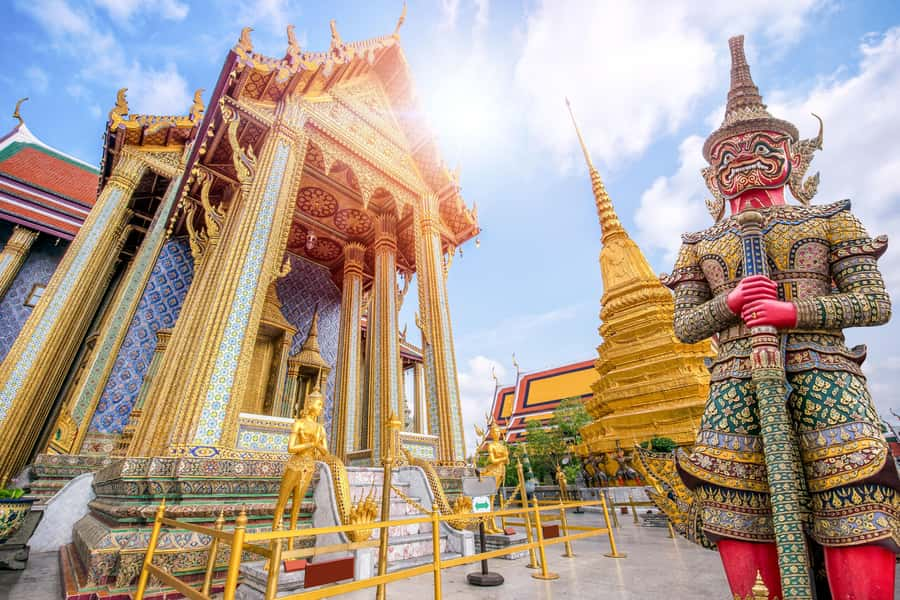
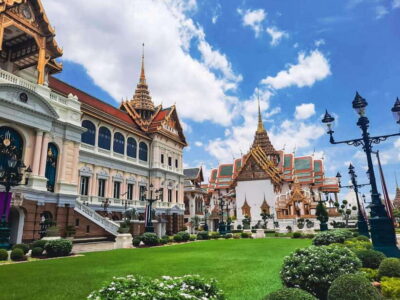
The first major stop is the Grand Palace, which served as the official residence of Thailand’s kings and remains a venue for royal ceremonies and state functions. Its walls contain a dense collection of courtyards, halls, towers, painted details, and ceremonial buildings.
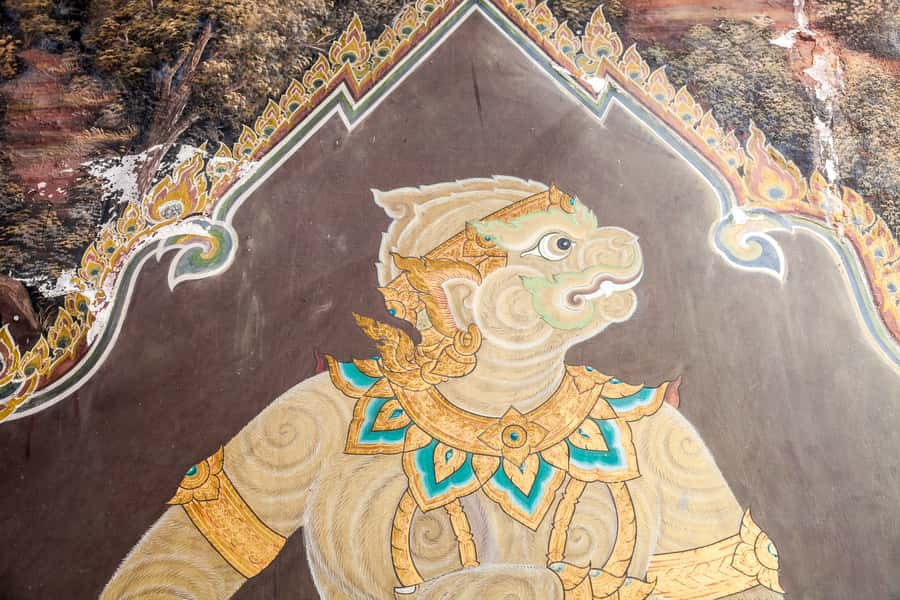
Your guide helps explain what you are seeing rather than leaving you to face a wall of gold and colored tile without context. Pete, for example, is praised for explaining the figures and stories shown in palace art, including the mythology connected with the Thai dynasty. This sort of background makes the decoration easier to understand.
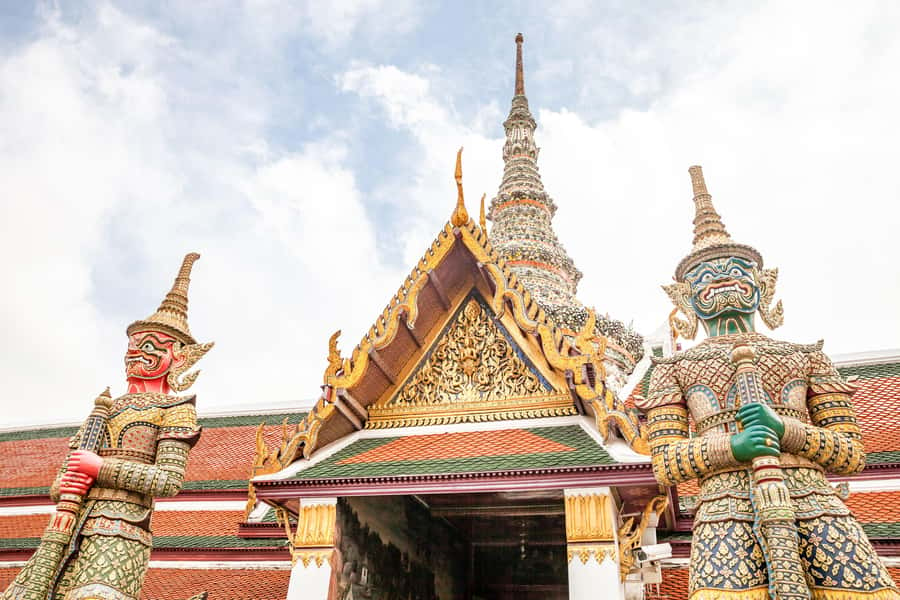
The palace is visually intense. Golden spires, bright buildings, carved figures, and elaborate rooflines compete for your attention. It can also be hot and crowded, so the guide’s pacing matters. Several guides make a point of finding shade, allowing water stops, and checking that everyone is comfortable.
The Grand Palace is not a quiet ruin. It is a working ceremonial compound with strong religious rules and a steady flow of people. You will get the best experience if you accept that the visit is about seeing the major spaces and understanding their purpose, not having every courtyard to yourself.
Photography is allowed in the Royal Palace grounds and in the compounds around the Emerald Buddha Temple. It is not allowed inside the temple buildings. That distinction matters because the most sacred interior is also the place where you may feel most tempted to take a picture.
Emerald Buddha Temple and the changing royal image
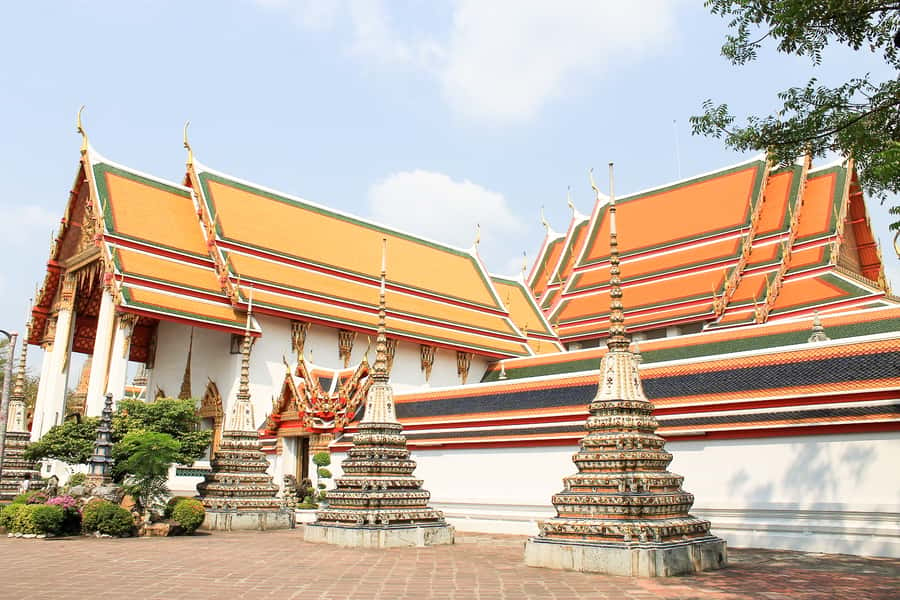
Wat Phra Kaew, officially Wat Phra Si Rattana Satsadaram, is commonly called the Temple of the Emerald Buddha. It is regarded as Thailand’s most sacred Buddhist temple and sits within the Grand Palace complex.
The temple’s buildings are richly decorated with glittering mosaics, colored surfaces, golden details, and tall spires. Your guide can help you look beyond the shine and understand the religious importance of the site.
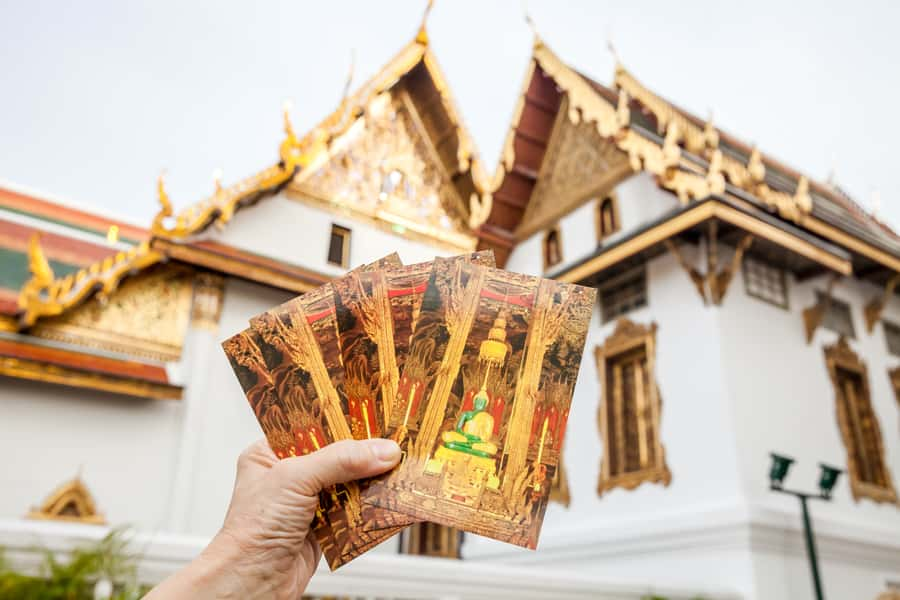
The Emerald Buddha itself is made of jade, not emerald, and its clothing changes with the seasons. One guide described the different outfits and showed photographs because you cannot photograph the figure inside. That is a small but memorable detail, and it helps you notice that this is not merely a famous statue in an ornate room. It is a national shrine with a continuing ritual role.
You must dress properly here. Bare shoulders and knees are not permitted, and strapless-heel shoes are specifically listed as unsuitable. Sleeveless shirts are also not allowed. Wear clothing that covers your shoulders and knees before you arrive rather than hoping to solve the problem at the entrance.
Shoes must be removed before entering temple buildings. Choose footwear that is easy to slip off and back on, and remember that the stone surfaces outside can be hot.
More City Highlights Walking Tours in Thailand:
- Bangkok: City Highlights and Landmarks Private Walking Tour
★ 4.3 · 142 reviews - Ho Chi Minh City Street Food Tour & Sightseeing By Motorbike
★ 5.0 · 9,413 reviews - Historic Charleston Guided Sightseeing Walking Tour
★ 5.0 · 6,216 reviews - Dublin Highlights and Hidden Gems Guided Walking Tour
★ 5.0 · 6,020 reviews
Wat Pho and the Reclining Buddha
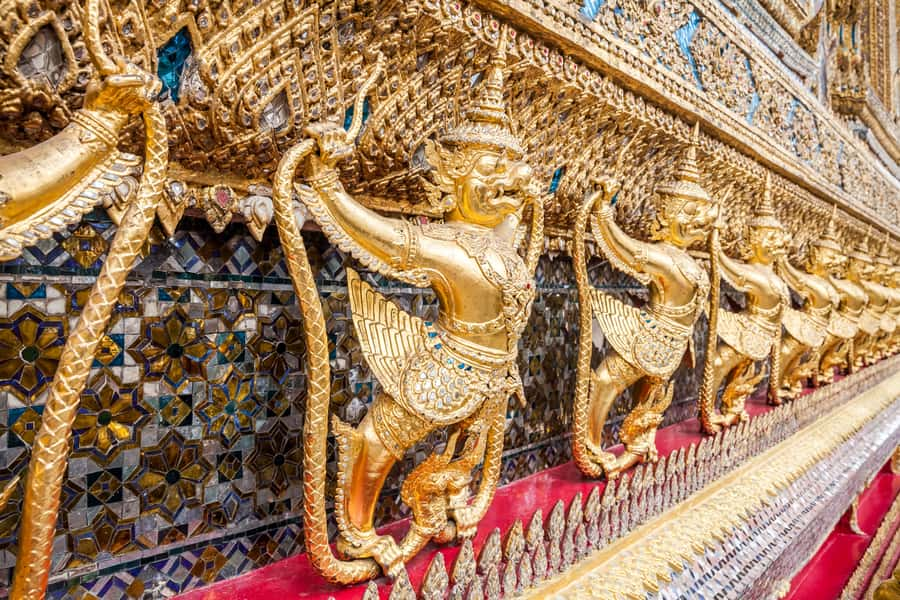
After the Grand Palace, the route continues to Wat Pho if you select that option. On the way, you pass Tha Thien Market, a food market known for dried and salted seafood and wholesale goods. It adds a useful everyday counterpoint to the formal palace grounds.
Wat Pho is known for its enormous Reclining Buddha, but the temple complex deserves more than a quick statue stop. It is one of Bangkok’s oldest and largest temple complexes and is classed among Thailand’s highest-grade first-class royal temples.
The guide explains King Rama I’s role in rebuilding the complex on an earlier temple site. Wat Pho became his main temple, and some of his ashes are enshrined there. This gives the site a direct link to the formation of Bangkok’s royal and religious identity.
Wat Pho also has an important educational story. It became an early center for public medical education, with marble illustrations and inscriptions placed around the complex as teaching material. These works are recognized by UNESCO through its Memory of the World Programme.
The temple is also widely regarded as the birthplace of traditional Thai massage. Massage is still taught and practiced there today. That makes Wat Pho especially worthwhile for visitors interested in more than architecture. You can connect the temple’s buildings with learning, medicine, public instruction, and living tradition.
The Reclining Buddha is the visual highlight, but do not rush away immediately after seeing it. The complex rewards a little attention to the surrounding courtyards and inscriptions. Still, remember that this is a guided visit within a short tour, not a full-day study of Wat Pho.
Wat Arun beside the Chao Phraya
Wat Arun, or the Temple of Dawn, completes the main temple route when you choose that option. Its best-known feature is the tall central tower beside the Chao Phraya River, described here as roughly 70 meters high.
The tower is decorated with tiny pieces of colored glass and Chinese porcelain. From a distance, the design looks patterned and pale. Up close, the surface reveals countless small fragments fitted into the decoration. The effect changes with the light and is one of the clearest contrasts with the gold-heavy Grand Palace.
The site also includes a bell tower and giant statues. Your guide can help connect the separate parts, so you do not treat Wat Arun as only a place for a quick photograph.
Some tour experiences include a boat ride along the river, and several guides help participants board the correct ferry afterward. This is one of the most useful parts of the route because the Chao Phraya is not just scenery. It is a working transport corridor, and a short boat trip gives you a different view of Bangkok’s temples and riverfront.
The published meeting and drop-off information places the end near Tha Tien, close to the Grand Palace. Depending on your selected option and the day’s transport, your guide may also help you continue toward another destination such as Iconsiam or a hotel ferry. Treat that help as a practical bonus, but confirm the exact endpoint for your booking.
What the guides add to the experience
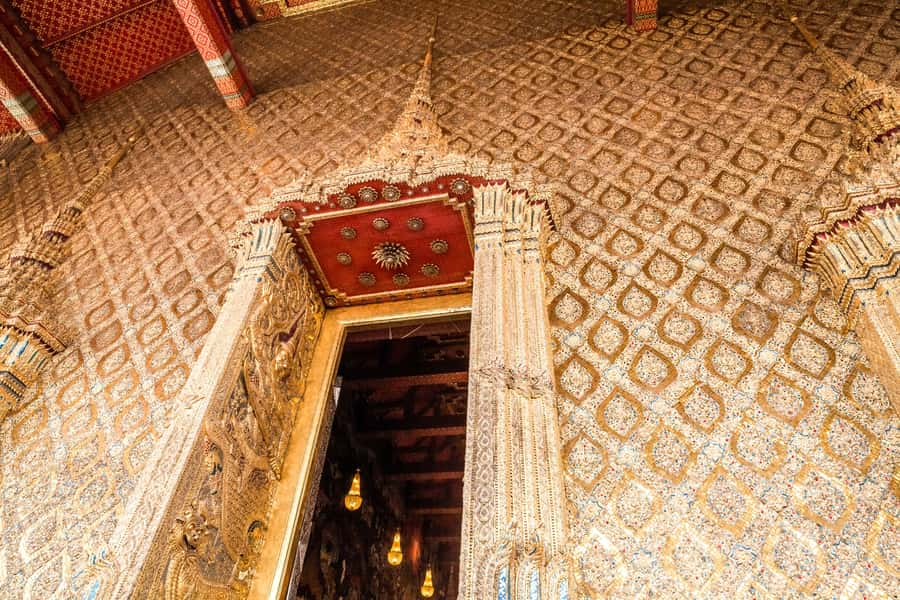
The strongest part of this tour is the guiding. Names praised in the supplied comments include Kiwi, Mina, Minna, Johnny, Johny Tool, Pete, Peter, Air, Mimi, Ong, Philips, and Tan. Your assigned guide will depend on the date and language selected, but the repeated pattern is clear: the guide is expected to explain, organize, and look after the group.
Kiwi is noted for explaining Buddhist customs and rituals, while Peter is praised for putting palace stories into historical context. Mina is described as energetic and good at answering questions. Johnny is noted for humor, regular water and toilet breaks, and a small souvenir at the end.
These details matter because temple touring can become tiring quickly. A guide who notices that people need shade, water, or a pause can make the difference between an absorbing morning and an overheated march.
The best guides also help you read behavior correctly. When to remove shoes, where photography is forbidden, how to enter a shrine respectfully, and why a certain figure appears in a mural are all small pieces of information that make the visit more meaningful.
Is $42 good value?
At $42 per person, the tour is reasonably priced if you want the major admission tickets and a guide in one package. The Grand Palace and Emerald Buddha Temple admission are included, along with Wat Pho and Wat Arun when those options are selected. Drinking water and professional guiding are also included.
The value depends on the option. If you select the fuller route, you are paying for access to several major sites, route planning, local transport guidance, and explanations that would be difficult to reproduce on your own in a short morning.
You are not paying for luxury transport or a private experience. Public transport is part of the design, and the group may need to walk through busy areas and wait at transport points. I see that as a fair trade for a small-group tour with a local guide, but it will not suit you if you want air-conditioning between every stop.
Free cancellation is available up to 24 hours before the start, and you can reserve now and pay later. Those terms are useful when Bangkok weather or your arrival plans are uncertain.
Who should book this experience?
I would choose this tour for a first visit to Bangkok, especially if you want the major temples but do not want to work out the route yourself. It suits solo visitors, couples, and small groups who enjoy asking questions and traveling by local transport.
It also works well for visitors who want cultural context. The guide explains royal ceremony, Buddhist practice, Thai mythology, massage, medical education, and everyday market life in one compact route.
Families with older children may also find the small group and varied transport appealing. The day includes palaces, statues, markets, a river setting, and different kinds of local travel rather than one long indoor lecture.
I would think twice if you dislike heat, walking, crowds, or strict temple dress rules. The route is active, and the Grand Palace and Wat Phra Kaew can feel intense. Visitors who want slow photography time should book a shorter sightseeing plan and return independently for a second look.
Should you book it?
Book this tour if you want Bangkok’s essential royal and temple sights explained by a guide, with tickets and local transport handled for you. The small group, water breaks, and practical help at ferries add real value, while guides such as Kiwi, Mina, Johnny, Pete, and Air are known for making the history lively and the logistics less stressful.
Choose the option that includes Wat Pho and Wat Arun if this is your main temple day. If your schedule is tight, the Grand Palace and Emerald Buddha portion alone gives you the core experience, but the Reclining Buddha and porcelain-covered tower are worthwhile additions. Dress correctly, expect heat, and leave room in your plan after the tour for the Tha Tien area or onward river travel.
FAQ
Where does the Bangkok temple tour start?
You meet your guide at the Big Country Experience office at River City Bangkok. The listed meeting time is 9:00 AM, though you should check the available start time when booking.
Which temples are included?
Admission to the Grand Palace and Emerald Buddha Temple is included. Wat Pho and Wat Arun are included when you select the options that contain those sites.
How long does the tour last?
The activity lasts between two and four hours. The exact duration depends on the selected option and available starting time.
What languages are available?
Live guiding is available in English and German.
What should I wear?
You need clothing that covers your shoulders and knees. Sleeveless shirts, bare shoulders, bare knees, and strapless-heel shoes are not allowed for the national shrine. Shoes must be removed before entering temple buildings.
Can I take photographs inside the temples?
Photography is allowed in the Royal Palace grounds and the compounds of the Emerald Buddha Temple. Photography is not allowed inside the temple buildings.
New walking tours around Thailand
- Local Life, Culture & Food Walking Tour at Chinatown★ 4.7 · 119 reviews
- Khao Lak: Full-Day Khao Sok Jungle Walk and Canoeing Tour★ 4.7 · 149 reviews
- Chiang Mai: Temple And City Walking Tour Part I★ 4.7 · 244 reviews
- Chiang Mai Untouched Elephant: Nature Walk & Waterfall Trek★ 4.7 · 77 reviews
- Chiang Mai: Historic Temples and City Guided Walking Tour★ 4.7 · 650 reviews
- Chiang Mai: Local Food and Markets Guided Walking Tour★ 4.3 · 175 reviews
- Bangkok: Grand Palace and Wat Arun Guided Walking Tour★ 4.5 · 118 reviews
- Bangkok: Grand Palace, Wat Pho, & Wat Arun Walking Tour★ 4.6 · 116 reviews
Bangkok Walking Tours, side by side.
Bangkok: Grand Palace and Wat Phra Kaew Guided Walking Tour
Read our review →
Bangkok: Wat Pho and Wat Arun Guided Walking Tour
Read our review →
Bangkok Authentic Tasting Thai-Chinatown Walking Food Tour
Read our review →
Bangkok: Discover a Taste of Chinatown – 2 Hr Walking Tour
Read our review →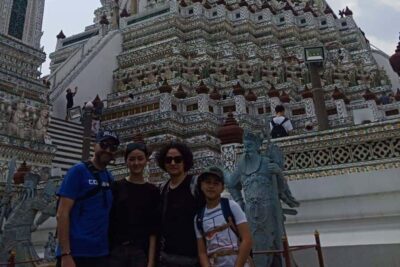
Bangkok: City Highlights and Landmarks Private Walking Tour
Read our review →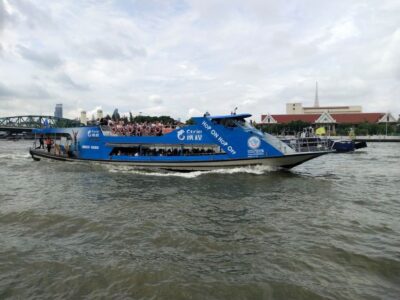
Local Life, Culture & Food Walking Tour at Chinatown
Read our review →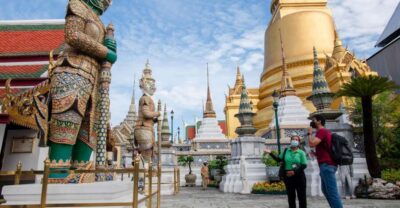
Bangkok: Grand Palace and Wat Arun Guided Walking Tour
Read our review →Lists this walk sits on