
Review · BANGKOK
Bangkok: Chinatown by Night Walking Tour
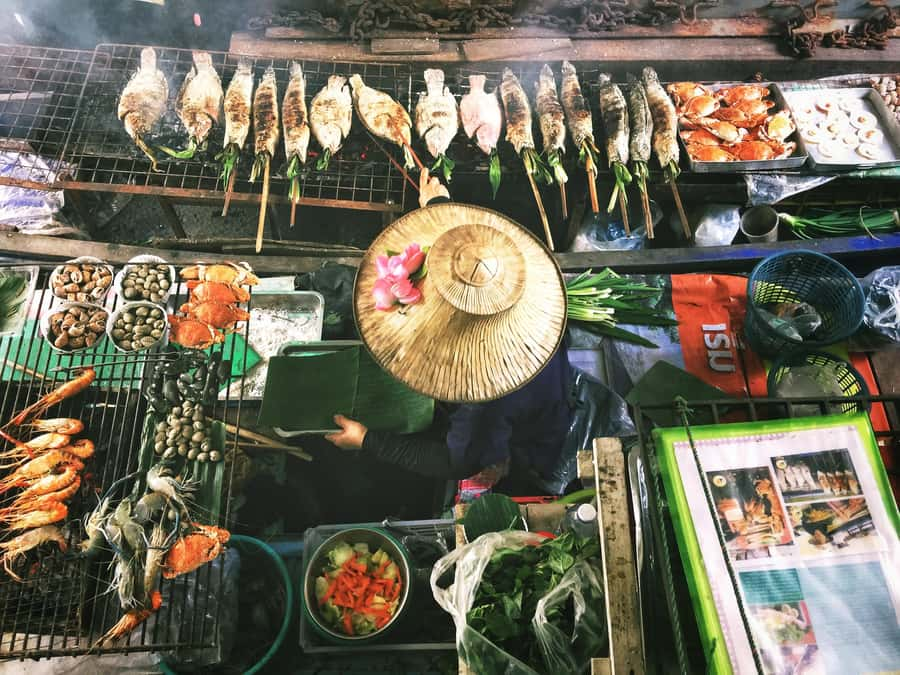
Bangkok’s Chinatown is at its best after dark, when Yaowarat Road glows with signs, food stalls fill the pavements, and old shopfronts sit beside modern restaurants. This 90-minute walk gives you a local guide to explain what you’re seeing, from the gold trade to Chinese and Thai food traditions.
I like the small, human scale of the tour and the way guides such as Dan, Fern, Nam, and Pol adjust the walk to the people in front of them. I also like the mix of main streets and quieter lanes, where you can see old buildings, local businesses, and food spots that are easy to miss alone.
The main drawback is that 90 minutes passes quickly. You stop outside many places rather than going in, and food and drinks cost extra. If you want a long dinner crawl or detailed museum visits, you’ll need more time after the walk.
Key points to know before you go
- Start at Hua Lamphong: Meet your English-speaking guide outside MRT Hua Lamphong at main exit 1.
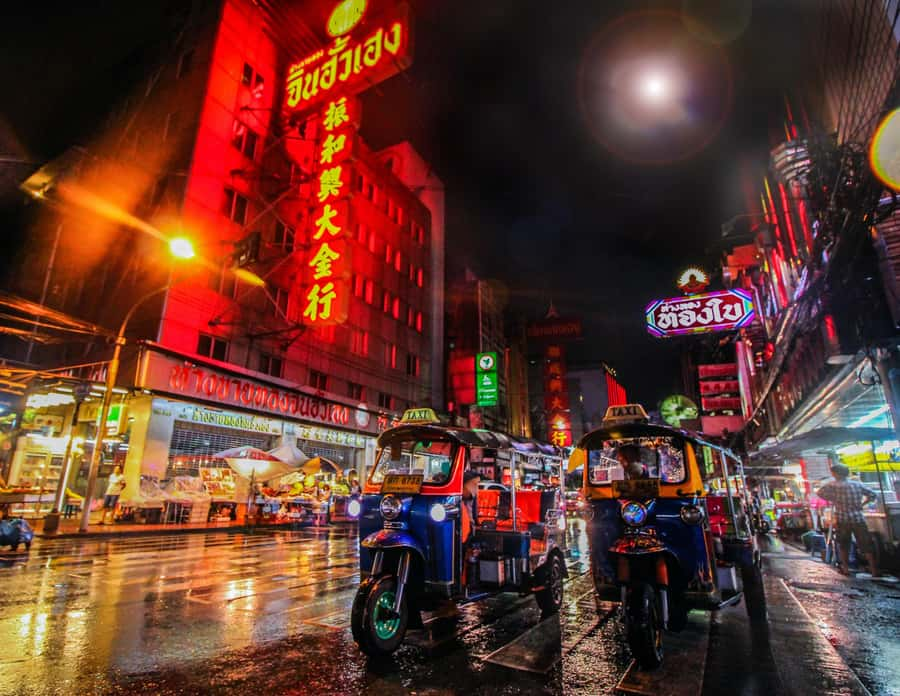
- See Chinatown after dark: Expect neon signs, crowded food streets, traditional shops, and a lively mix of Thai and Chinese influences.
- Learn through food: Guides explain fruits, dishes, language, customs, and where to eat, but snacks and drinks are not included.
- Look beyond Yaowarat Road: The route includes side streets, historic roads, gold shops, old buildings, and less crowded corners.
- Add three app-based walks: Scan your voucher in the Vox City app to access self-guided routes in your preferred language.
- Good value at $18: The price works well for a first look at Chinatown, especially if you use the food advice and app walks afterward.
Why Chinatown works best after sunset
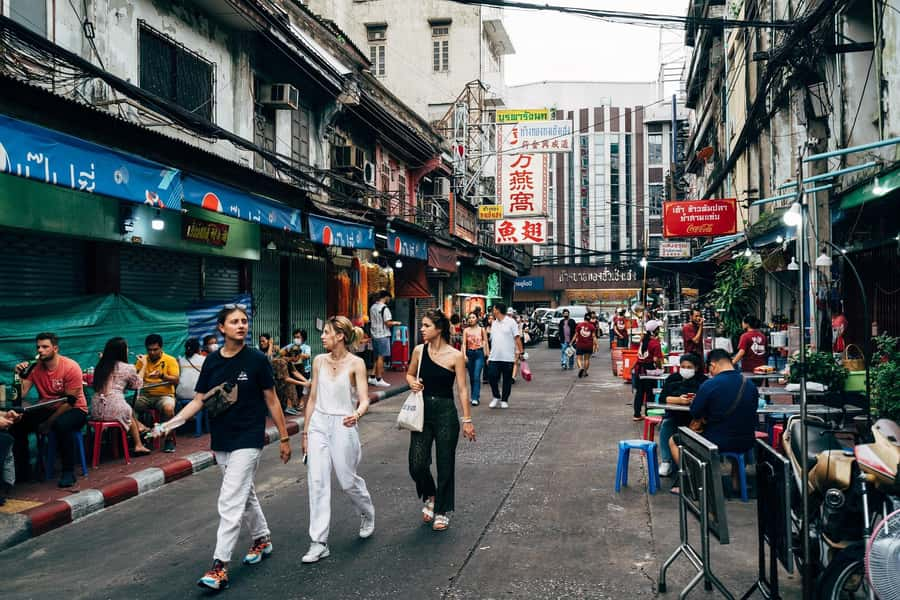
Chinatown changes character at night. The signs brighten, shopkeepers bring goods toward the pavement, and food stalls become the main event. You’ll hear traffic, see gold shops glowing behind glass, and smell grilled, toasted, fried, and simmered food as you move through the district.
A guide helps you make sense of the apparent chaos. Instead of simply walking along Yaowarat Road and taking photographs, you’ll learn how the area’s Chinese and Thai traditions overlap. You can ask why a shop sells certain foods, how local customs shape the neighborhood, and what makes one street different from the next.
The walk is also useful on your first evening in Bangkok. Guides often give practical advice about places to eat later, nearby sights, and getting back to your hotel. Nam, for example, helped a first-time visitor with the Bolt app and sent restaurant addresses after the walk. That sort of help can be more useful than another list of landmarks.
More Night Walking Tours in Thailand:
- Private Street Food Evening Walking Tour in Ho Chi Minh City
★ 5.0 · 3,175 reviews - Granada: Albaicín and Sacromonte Guided Sunset Walking Tour
★ 4.9 · 2,962 reviews - Bremen: Walking Tour in German with Night Guard
★ 4.7 · 2,922 reviews
Meeting your guide at Hua Lamphong
The tour begins outside main exit 1 of MRT Hua Lamphong. Arrive with your voucher ready and look for the local expert at the main exit. The information gives Hua Lamphong as both the starting and ending point, so you should expect to return to the same general area.
This is a sensible meeting point. Hua Lamphong is easy to reach by MRT, and beginning here lets the tour move toward Chinatown rather than dropping you straight into the busiest food streets. You get a short transition from the transport hub into the older commercial district.
Wear shoes you can walk in and bring water. Bangkok nights can remain hot, and Chinatown’s pavements may be crowded. Headphones are not included, so you only need them for the self-guided audio walks in the app, not for the live guide unless you prefer using them in a busy street.
The Chinatown Gate and the story of gold
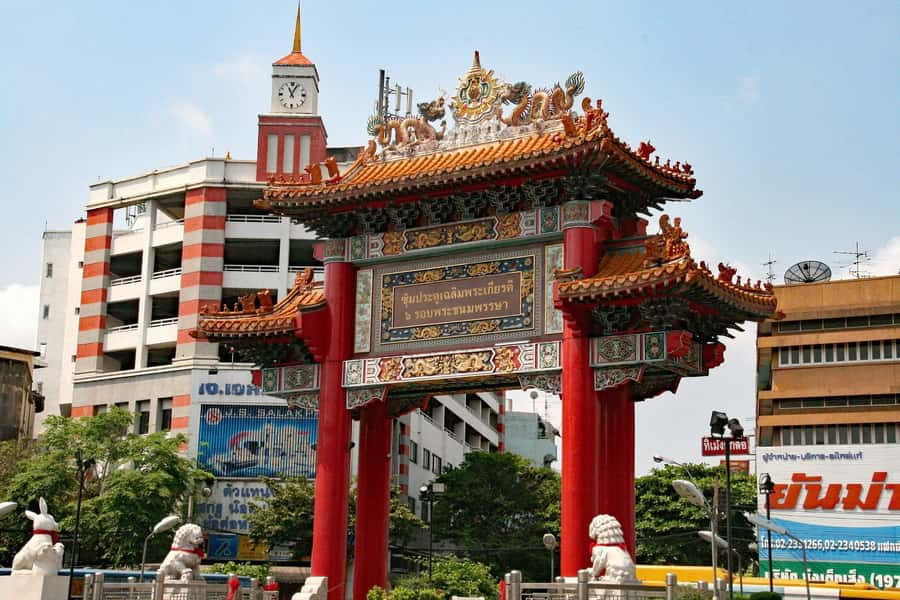
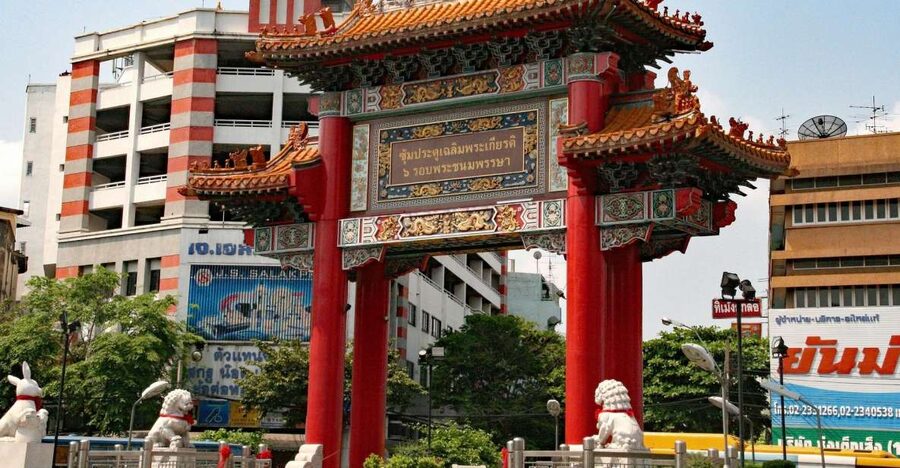
The Chinatown Gate is one of the clearest visual markers on the route. It gives you a strong first sense of the area’s Chinese identity and makes a useful photograph, but the more valuable part is the explanation around it. Your guide connects the gate and nearby commercial streets with the district’s past and present.
Gold trading receives special attention. Shops such as Chin Hua Heng Gold Shop show how important gold remains in Chinatown’s commercial life. You’ll pass rather than enter the shop, so do not expect a buying demonstration or a detailed lesson in jewelry. Still, seeing gold stores in their working setting makes the subject easier to understand than a museum label would.
The walk also passes Chin Seng Cheang Limited Partnership, another traditional business along the route. These stops are not grand attractions. Their value is in showing Chinatown as a living place of work, trade, and family businesses, not just a backdrop for evening photographs.
Food stops, from toasted buns to bird’s nest
Food is one of the strongest parts of this experience, even though it is not formally a food tour and the cost of eating is not included. Your guide can point out popular stalls, explain dishes, and suggest what to try later.
Yaowarat Toasted Buns is one of the recognizable food stops. You may learn how the snack fits into the local street-food scene and decide if you want to buy one. The route also passes Siam Rang Nok Talay, Nam Sing Bird’s Nest and Shark Fin, and other food businesses with names that reflect Chinatown’s Chinese culinary roots.
Do not assume every stop means a tasting. The official inclusions cover the walking tour, storytelling, local advice, and app access. Food and drinks are extra, and the exact tasting experience can depend on the guide, timing, and what is open.
That said, the guides are clearly comfortable talking about food. Fern has explained fruits and meals, while Dan and other guides have helped people try dishes they would not have ordered alone. If you have allergies, dietary restrictions, or foods you avoid, tell your guide at the start. The supplied information does not promise special menus or substitutions.
More walking tours around Thailand:
- Bangkok: City Highlights Temple and Market Walking Tour
★ 4.5 · 3,990 reviews - Bangkok: Grand Palace and Wat Phra Kaew Guided Walking Tour
★ 4.4 · 2,417 reviews - Bangkok: Wat Pho and Wat Arun Guided Walking Tour
★ 4.6 · 1,720 reviews - Chiang Mai: 3 Hour Old City and Temples Guided Walking Tour
★ 4.6 · 1,568 reviews
Old shopfronts, medicine, and religious life
Chinatown is more than a row of restaurants. As you walk, you’ll see traditional shopfronts and commercial buildings that help explain how the neighborhood functions. Some are easy to overlook because the signs, wires, traffic, and crowds compete for your attention.
The Berlin Pharmaceutical Museum is passed from outside. It adds another angle to the neighborhood, showing that Chinatown’s history includes medicine and retail as well as food and gold. Since entry is not included, treat it as a point of reference rather than a museum visit.
Wat Mangkon Kamalawat is another important stop. The tour passes the temple, giving you a chance to connect Chinatown’s Chinese religious traditions with the surrounding streets. Again, this is not advertised as an inside temple tour. If you want to spend time at the site, ask your guide how to return after the walk or use the self-guided routes to continue exploring.
For me, these stops make the walk more useful than a simple food stroll. You see how business, religion, medicine, and family commerce share the same few blocks.
Charoen Krung Road and Plaeng Nam Road
The route continues along Charoen Krung Road and Plaeng Nam Road, two streets that show a different side of Chinatown from the bright center of Yaowarat. Guides use these roads to explain older buildings, trade, food, and the way the neighborhood changes from one block to the next.
Plaeng Nam Road can feel calmer than the main tourist streets, depending on the evening. That gives you a better chance to notice older architecture and smaller businesses. Kristin’s guide, Dan, was especially good at mixing history with advice about dining and using less crowded parts of Chinatown.
The walk may also pass Nana Tai Alley, where the narrow lanes provide a closer look at the district’s everyday rhythm. You might find restaurants, small shops, and local activity rather than major sights. Keep your expectations realistic: this is a guided walk through active streets, not a polished heritage district with every building preserved for visitors.
The Mustang Blu and Chinatown’s changing face
The Mustang Blu appears as one of the route’s more distinctive buildings. It helps show the contrast between older Chinatown structures and newer businesses that use the area’s atmosphere in a different way.
This is one of the tour’s recurring themes. Chinatown is not frozen in the past. Gold shops, traditional food businesses, temples, old lanes, stylish eateries, and repurposed buildings all share the same neighborhood. A guide can point out those shifts as you walk, giving you a clearer idea of why the area feels both historic and current.
You’ll also pass Tang Toh Kang, a long-established gold shop, before returning toward Hua Lamphong. As with the other commercial stops, the experience is about seeing the business in context. Entry and shopping are not part of the tour.
What the guides add
The guide can make or break a walking tour, and this experience has several practical strengths. Guides named Dan, Fern, Nam, Mam, Geng, Pol, Sammy, Por, Lek, and Bass have led walks at different times. The guide assigned to you can vary, so you should not book on the assumption that one particular person will be available.
The best guides combine facts with useful local judgment. Fern is known for explaining Chinese and Thai food with humor and enthusiasm. Dan has been praised for showing both major streets and narrow lanes, while Nam has helped visitors with photographs, restaurant addresses, and local transport apps.
A strong guide also manages the physical side of Chinatown. Crossing busy roads, staying together on crowded pavements, and keeping the group moving all matter here. One guide reassured a visitor while crossing a street, which captures the friendly, practical tone you may get from the local experts.
Group size can vary. If few people book a particular time, you might receive something close to a private walk. That can make it easier to ask questions or adjust the route, but it is not guaranteed. The advertised length is 90 minutes, while some walks have lasted closer to two hours. Plan for the stated 90 minutes, and treat any extra time as a bonus rather than an expectation.
What the three self-guided walks add
The pass includes three self-guided walking tours in the Vox City app. Download the app from the Apple App Store or Google Play before you begin, then scan the QR code on your voucher and download the map in your preferred language.
This extra access improves the value of the $18 price. The live walk gives you a guided introduction, while the app lets you keep exploring at your own pace afterward. Suggested routes cover major Bangkok landmarks and less obvious places, so you are not limited to Chinatown.
You need a mobile device and headphones for the self-guided walks. The supplied details do not specify the exact three routes, so check the app after scanning your voucher. Think of the app as a useful add-on, not a replacement for the local guide. The live guide can answer questions and adjust the walk. The app cannot.
Is $18 a fair price?
At $18 per person, this is good value if you want an introduction to Chinatown and practical food advice. You are paying for a live English-speaking guide, local stories, a planned route through a confusing area, and three extra self-guided walks.
The price looks less attractive if you expect a full meal, entry to museums or temples, or a long guided tour. None of those are included. You will need to pay separately for snacks and drinks, and most landmarks are viewed from outside.
I would use the tour early in a Bangkok stay. Write down restaurant names as you pass them, ask about dishes you want to try later, and return to Chinatown on your own after you know the layout. That is where the value grows. The first walk removes some guesswork, and the second visit can be devoted to eating and taking your time.
Free cancellation up to 24 hours before the start gives you useful flexibility, and you can reserve now and pay later. Starting times vary, so check availability before planning your evening.
Who should book this walk?
I recommend it for first-time visitors to Bangkok, solo visitors who want a friendly introduction, couples who prefer local stories to a formal sightseeing tour, and anyone interested in Thai-Chinese food and everyday city life.
It also suits people who feel unsure about ordering street food or finding their way through narrow lanes. The guide can explain dishes and point out places to return to.
You may want something else if you dislike crowds, want guaranteed tastings, need a fully private tour, or prefer entering every attraction. The route includes busy streets and pass-by stops. It is a practical orientation walk, not a museum tour or a dedicated dinner experience.
FAQ
Where does the Bangkok Chinatown night walk begin?
The meeting point is outside main exit 1 of MRT Hua Lamphong. Your local English-speaking guide waits there before the walk.
How long does the tour last?
The advertised duration is 90 minutes. Some individual walks may run longer, but you should plan around the stated 90-minute schedule.
What language is the live tour in?
The live guide speaks English.
Is food included in the ticket price?
No. Food and drinks are not included. Your guide can explain dishes and recommend places to eat, and you can buy snacks separately.
Does the tour enter the temple, museum, or shops?
The route lists these places as guided sightseeing and pass-by stops. Entry to attractions is not included.
What comes with the self-guided app access?
The pass includes three self-guided walking tours in the Vox City app. You scan the QR code on your voucher and download the map in your preferred language.
Do I need headphones?
Headphones are not included. You need your own headphones if you want to use the audio features of the self-guided app tours.
Should you book it?
Book this walk if you want a low-cost, friendly first look at Chinatown after dark. The strongest reasons are the local food advice, the mix of busy roads and quieter lanes, and the chance to ask practical questions while you walk.
I would not book it expecting dinner, temple entry, or a long historical lecture. But at $18, the tour gives you a useful starting map of one of Bangkok’s most rewarding neighborhoods. Go early in your stay, keep your evening free for a meal afterward, and use the app walks to continue exploring once your guide has shown you where to look.
New walking tours around Thailand
- Local Life, Culture & Food Walking Tour at Chinatown★ 4.7 · 119 reviews
- Khao Lak: Full-Day Khao Sok Jungle Walk and Canoeing Tour★ 4.7 · 149 reviews
- Chiang Mai: Temple And City Walking Tour Part I★ 4.7 · 244 reviews
- Chiang Mai Untouched Elephant: Nature Walk & Waterfall Trek★ 4.7 · 77 reviews
- Chiang Mai: Historic Temples and City Guided Walking Tour★ 4.7 · 650 reviews
- Chiang Mai: Local Food and Markets Guided Walking Tour★ 4.3 · 175 reviews
- Bangkok: Grand Palace and Wat Arun Guided Walking Tour★ 4.5 · 118 reviews
- Bangkok: Grand Palace, Wat Pho, & Wat Arun Walking Tour★ 4.6 · 116 reviews
Bangkok Walking Tours, side by side.
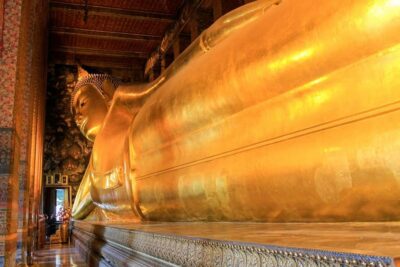
Bangkok: City Highlights Temple and Market Walking Tour
Read our review →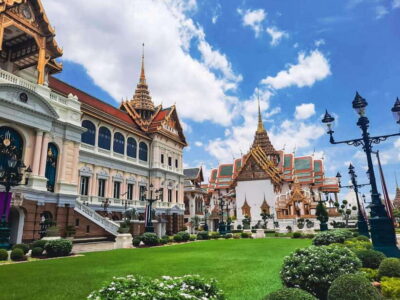
Bangkok: Grand Palace and Wat Phra Kaew Guided Walking Tour
Read our review →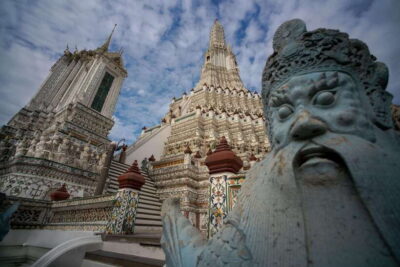
Bangkok: Wat Pho and Wat Arun Guided Walking Tour
Read our review →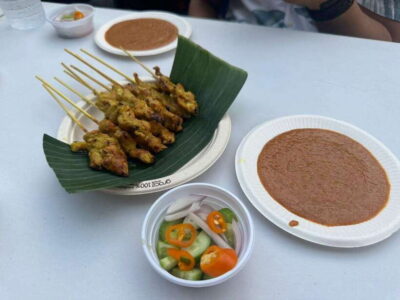
Bangkok Authentic Tasting Thai-Chinatown Walking Food Tour
Read our review →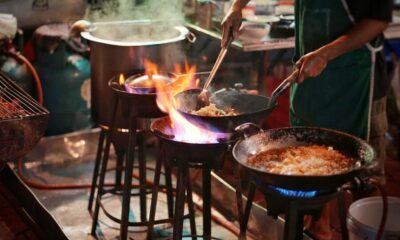
Bangkok: Discover a Taste of Chinatown – 2 Hr Walking Tour
Read our review →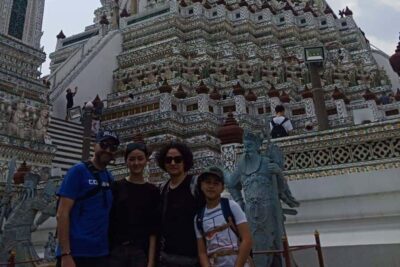
Bangkok: City Highlights and Landmarks Private Walking Tour
Read our review →
Local Life, Culture & Food Walking Tour at Chinatown
Read our review →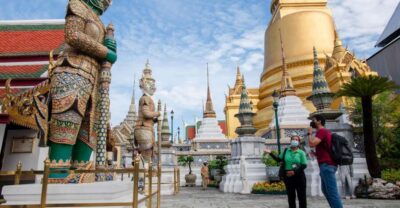
Bangkok: Grand Palace and Wat Arun Guided Walking Tour
Read our review →Lists this walk sits on