
Review · BANGKOK
Bangkok: Wat Pho and Wat Arun Guided Walking Tour
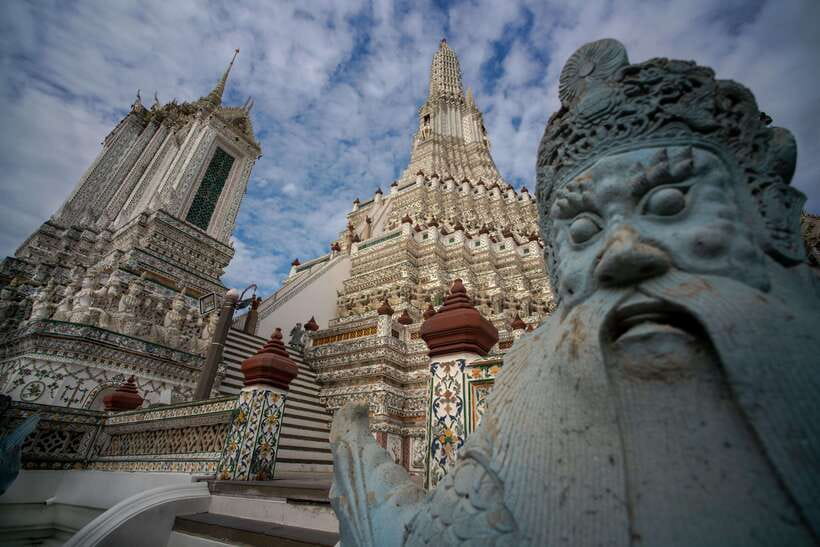
Bangkok’s two essential riverside temples fit neatly into this three-hour walking tour. At Wat Pho, you’ll face a 46-meter reclining Buddha, then cross the Chao Phraya River to Wat Arun, where a huge white chedi glitters with thousands of colored mosaic pieces.
I like the way the tour combines clear cultural context with time to look around on your own. I also like the practical extras: coconut water in the heat, carbon-offset support, and guides such as Nancy, Sun, Jack, and Tee, who are often praised for warmth, humor, and helpful temple explanations. The main drawback is that the tour does not include admission, and the walking can feel demanding in Bangkok’s heat.
Key points to know before booking
- Two major temples in three hours: You get a focused introduction to Wat Pho and Wat Arun without giving up a whole day.
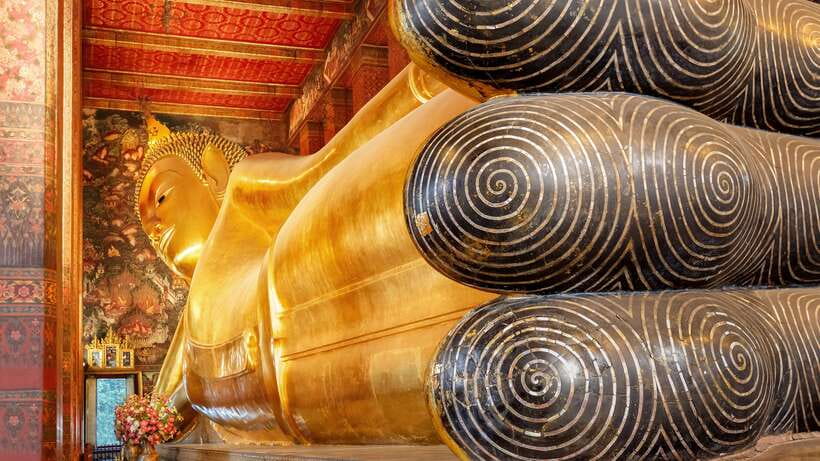
- Wat Pho’s 46-meter reclining Buddha: The enormous gilded figure is the visit’s most striking indoor sight.
- Wat Arun’s mosaic-covered chedi: The riverside temple offers some of Bangkok’s most memorable architecture and photo spots.
- A guide makes the details easier to read: Guides explain Buddhist symbols, Thai history, and the purpose of different temple buildings.
- Coconut water is included: It is a small but welcome break between temple visits.
- Bring temple-appropriate clothing and cash: Admission is extra, and shoulders, backs, underarms, and knees must be covered at some sites.
Why this short temple tour works in Bangkok
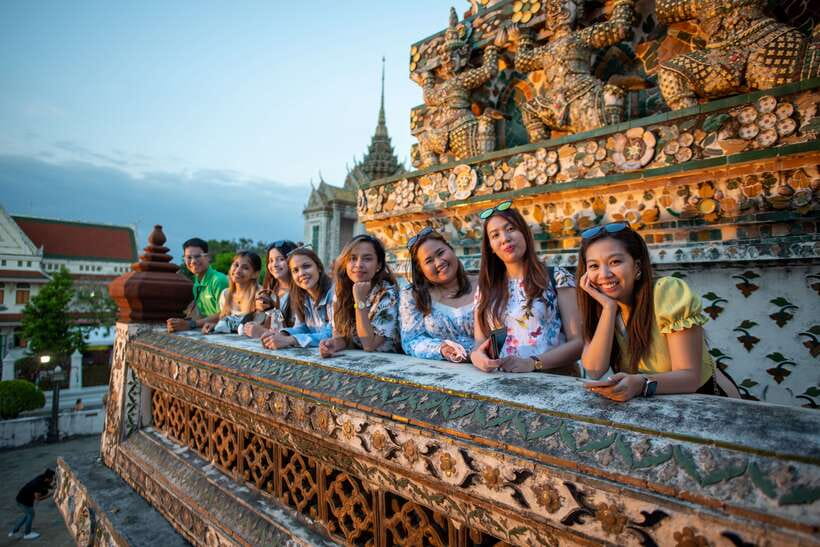
Bangkok can be tiring to plan. Traffic is slow, temple grounds are large, and the meaning behind what you see is not always obvious. This tour gives you a simple route and a guide who can explain the main sights without asking you to spend an entire day on temples.
The price is $17 per person, which is good value for a guided introduction, especially if you are visiting Bangkok for the first time. You still pay the entrance fees separately: 300 Thai Baht for Wat Pho and 200 Thai Baht for Wat Arun. Add those costs to the tour price before comparing it with a self-guided visit.
The schedule is compact rather than leisurely. Each temple receives about 1.5 hours, and the tour begins and ends at Tha Tian Pier. That makes it useful before dinner, after a morning activity, or as a first look at Bangkok’s old riverside center.
You should think of this as an orientation tour, not an all-day temple study. You will see the major features and get useful explanations, but you may want extra time later if you enjoy photography, architecture, or quiet observation.
More walks with a guide around Thailand:
- Bangkok: Grand Palace and Wat Phra Kaew Guided Walking Tour
★ 4.4 · 2,417 reviews - Chiang Mai: 3 Hour Old City and Temples Guided Walking Tour
★ 4.6 · 1,568 reviews - Chiang Mai: Historic Temples and City Guided Walking Tour
★ 4.7 · 650 reviews
Meeting your guide at Tha Tian Pier
The meeting point is Tha Tian Pier, a useful location for reaching both temples. You should arrive 10 minutes before the scheduled start and look for a guide holding a TripGuru sign. The operator sends an email the evening before with the confirmed meeting time and meeting point, so check your inbox rather than relying only on the original booking time.
There is no hotel pickup or drop-off. That keeps the cost down, but you are responsible for reaching the pier. Bangkok traffic can be slow, and one useful tip is to avoid planning a tight arrival by road. One person specifically found the MRT faster and more convenient than driving.
The tour offers multiple start times, subject to availability. That flexibility helps you fit the temples around the rest of your day, though you should still consider heat and sun exposure when choosing a departure.
Guides speak English or Chinese. Group size can vary, but some departures are small, which makes it easier to ask questions and stay close to the guide.
Wat Pho and the reclining Buddha
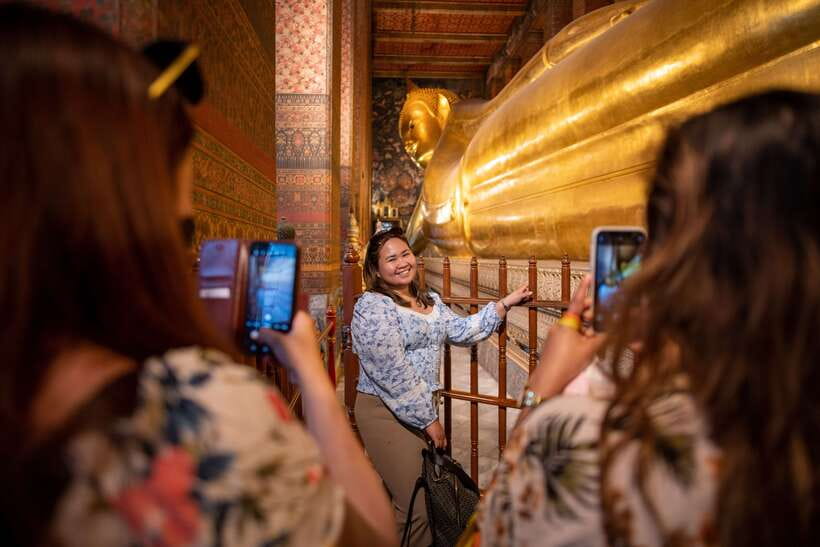
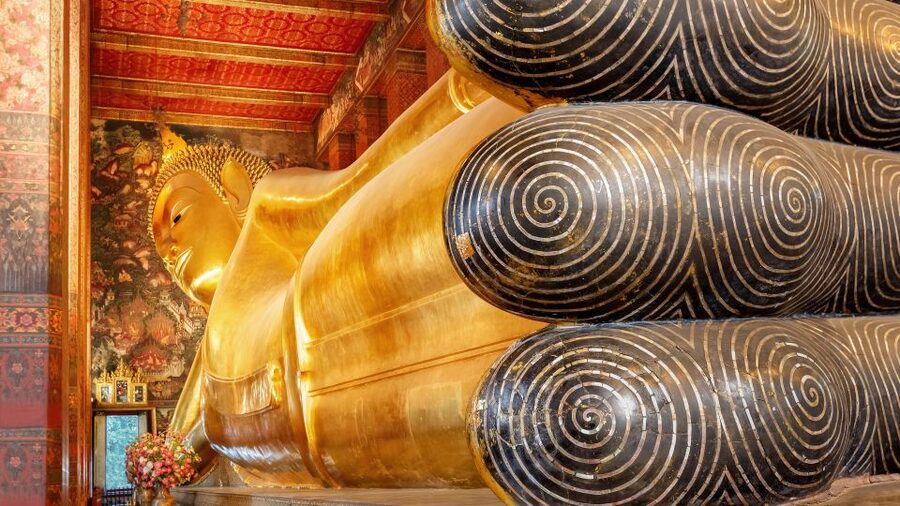
Wat Pho is the first major stop on the route, with about 1.5 hours for a guided visit and sightseeing. Its best-known sight is the reclining Buddha, a 46-meter-long statue that fills much of its hall.
The statue is impressive because of its scale, but the hall can also feel crowded. Your guide helps you see the figure as more than a large photo opportunity, explaining the religious setting and pointing out details that are easy to miss when you are moving through with a crowd.
Outside the reclining Buddha hall, Wat Pho is known for colorful mosaic shrines and a large collection of temple buildings. The grounds reward a slower look. You’ll see tiled surfaces, decorative details, and repeated architectural patterns that make the complex feel much bigger than its famous statue suggests.
A good guide can make this part far more useful. Nancy has been praised for explaining Buddhist culture and helping visitors understand the temple’s place in Thai society. Sun is also known for giving background information while leaving time for photographs and personal exploring. Other guides, including Jack, Surina, and Tank, have been praised for answering questions about the buildings, Buddhism, and Thai history.
You should expect a balance between listening and walking. The guide may give a short explanation, then let you take pictures or inspect the grounds independently. That approach suits you if you want context but do not enjoy being talked at continuously.
Wat Pho is also where respectful behavior matters. This is an active religious site, not simply an old monument. Dress modestly, keep your voice down inside religious buildings, and follow instructions about where you can sit, stand, or take photographs.
Crossing to Wat Arun by the river
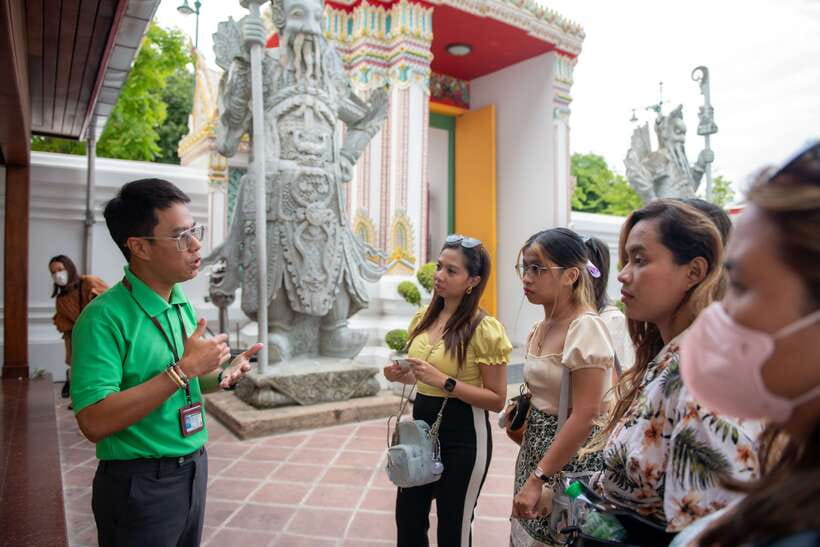
The route then continues to Wat Arun, the Temple of Dawn, on the opposite side of the Chao Phraya River. The tour returns to Tha Tian Pier at the end, and the riverfront setting gives this part of the visit a change of pace after Wat Pho’s enclosed temple grounds.
Wat Arun is known for its enormous white chedi, decorated with thousands of small, colorful mosaic pieces. From a distance, the structure looks pale and refined. Up close, the surface becomes a dense pattern of ceramic color and texture.
This is one of Bangkok’s strongest photo stops. The riverside position gives you broad views of the temple, while the chedi’s decoration rewards close inspection. Your guide can also explain what you are looking at, which is useful because the complex includes more than one striking structure.
The exact order of Wat Pho and Wat Arun may vary. One departure visited Wat Arun first so the group could spend more time at Wat Pho afterward. That is worth understanding before you book: the route is focused on both temples, but the guide may adjust the sequence for practical reasons.
Wat Arun can be especially exposed to sun. Wear a hat, use sunscreen, and carry insect repellent if you need it. Comfortable shoes matter more than stylish ones. This is a walking tour on temple surfaces and city streets, and the heat can make a short distance feel longer.
More walking tours around Thailand:
- Bangkok: City Highlights Temple and Market Walking Tour
★ 4.5 · 3,990 reviews - Bangkok Authentic Tasting Thai-Chinatown Walking Food Tour
★ 4.9 · 852 reviews - Chiang Mai: Temple And City Walking Tour Part I
★ 4.7 · 244 reviews - Khao Lak: 2-Hour Elephant Sanctuary Eco-Walk with Guided
★ 4.7 · 206 reviews
What the guides add to the visit
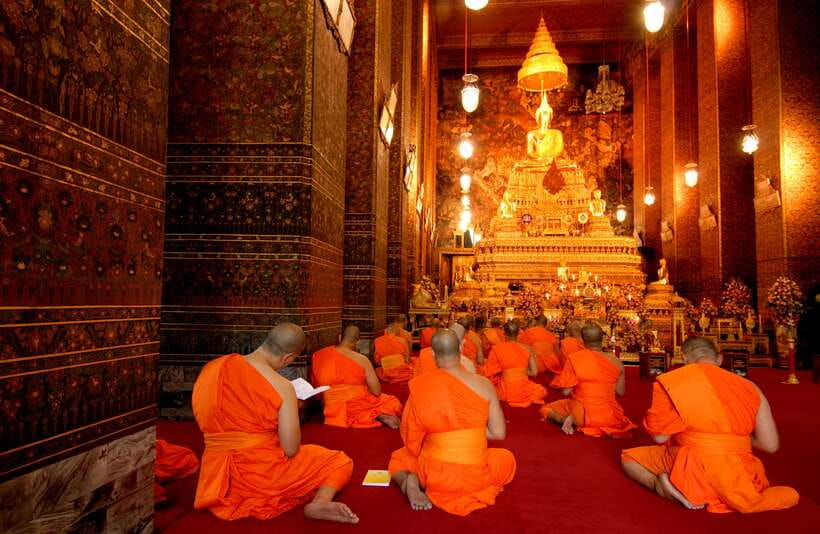
The guide is the main reason to choose this tour instead of simply buying admission and exploring alone. The temples are beautiful without commentary, but their symbols, layouts, and religious purpose can be difficult to understand at a glance.
The strongest praise goes to guides who combine information with patience. Nancy is repeatedly singled out for detailed explanations, humor, safety awareness, and a personal approach. Sun is praised for enthusiasm, care in the heat, and finding shaded places when possible. Jack is described as clear and attentive, while Tee brings experience as a former monk and explains Buddhism with humor.
Those names do not guarantee who will lead your departure. They do show the kind of guide experience you can reasonably hope for: a local host who can answer questions, explain temple etiquette, and help the group move through the sites without confusion.
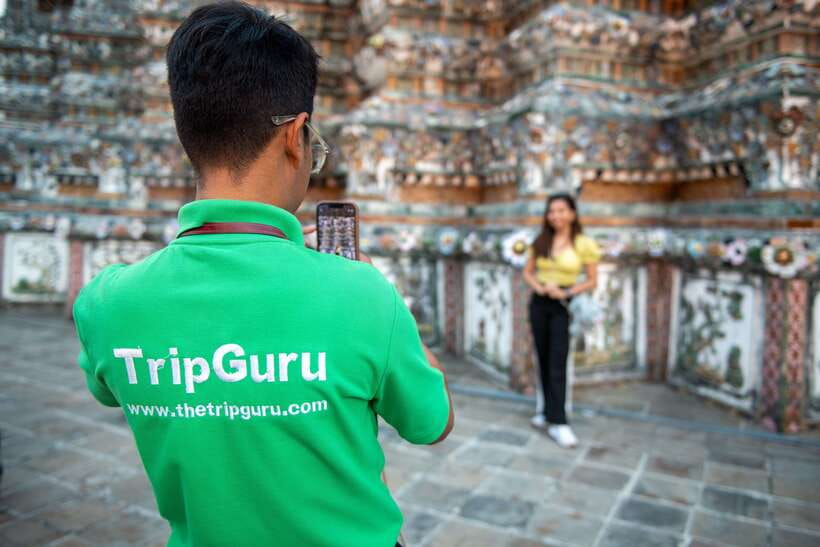
Photography is another practical advantage. Several guides have taken pictures for visitors at the best viewpoints, including separate shots of each person rather than only one group photo. Do not treat that as a formal photography service, but you can reasonably ask your guide for help with a picture when the group is stopped.
There is one limitation. Street noise can make a guide difficult to hear, especially outdoors. Two visitors suggested that a small microphone and speaker would help. Stay near the guide during explanations and ask for a repeat if traffic or crowds drown out the details.
Heat, walking, and the small extras
Bangkok heat is part of the experience, even during a short tour. One guide checked carefully on people who were sweating heavily, and another helped with a blister. Those are small acts, but they matter when you are walking on hot pavement and temple grounds.
The tour includes coconut water, usually offered as a refreshing pause between the temples. Water in a glass bottle is also part of the low-impact approach, although one person still advised carrying an extra bottle. I would follow that advice, particularly if you choose a hot midday departure.
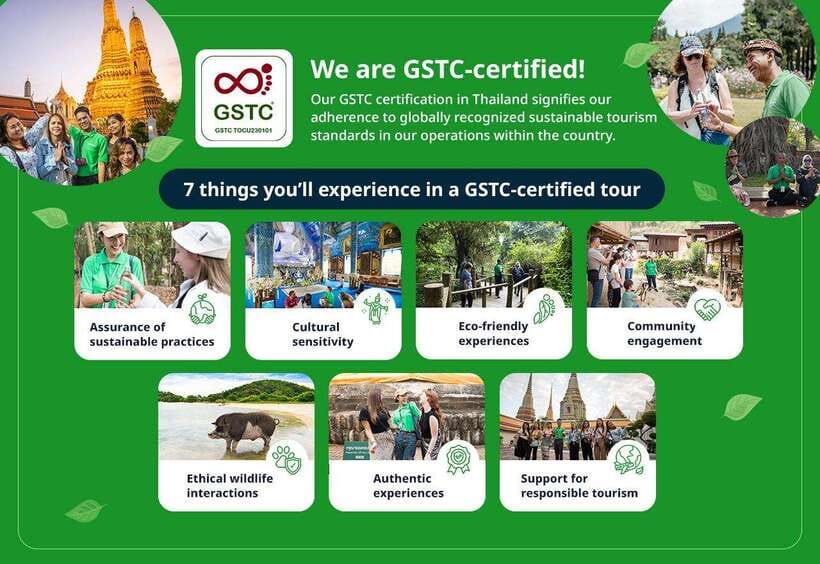
The operator describes the tour as GSTC-certified and includes carbon-emissions offset credits. The use of glass bottles and the offset program are positive features for anyone trying to reduce the impact of short sightseeing activities. They do not erase the footprint of getting to Bangkok or reaching the meeting point, but they show attention to waste and emissions.
Bring cash for entrance fees and small purchases. Food and other drinks are not included. The tour is not designed around a meal stop, so eat beforehand or plan food afterward.
Dress rules and physical demands
Temple dress rules are strict. Clothing that reveals shoulders, underarms, backs, or knees may not be accepted at some sites. A sarong, scarf, or light sweater gives you a practical backup, but wearing suitable clothing from the start is easier.
Choose loose, breathable clothing that covers you properly. A hat and sunglasses help outdoors, but remove anything required when entering a sacred building. Follow the guide’s instructions on footwear and behavior.
This tour is not suitable for pregnant women, people with mobility impairments, people with heart problems, or people with high blood pressure. The walking itself is not described as extreme, but Bangkok’s heat, uneven surfaces, and time spent standing can make the route harder than the three-hour label suggests.
If you have a medical concern, do not assume the short duration makes the tour suitable. The operator’s restrictions should be taken seriously.
Is $17 good value?
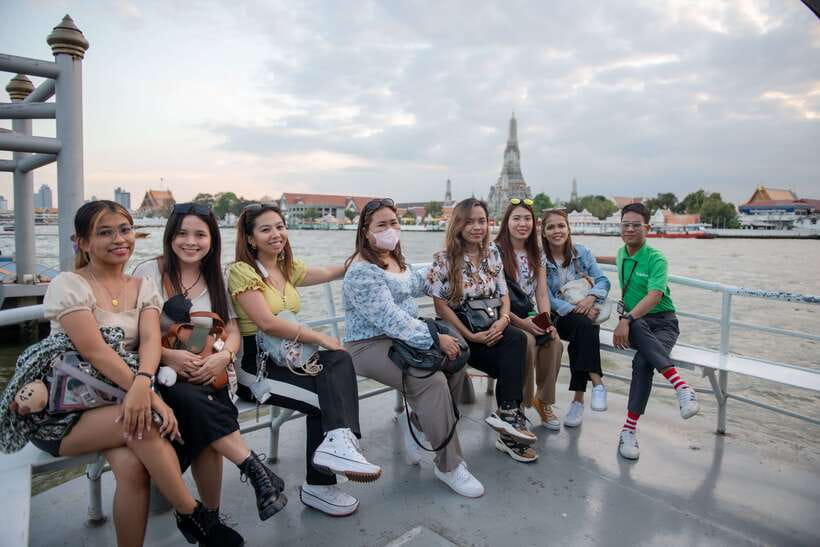
At $17, this is an inexpensive way to add structure and explanation to two major Bangkok sights. The value is strongest if you want a guide, prefer not to work out the route yourself, or are curious about Buddhist buildings and Thai royal history.
The extra entrance fees are important. Wat Pho costs 300 Thai Baht and Wat Arun costs 200 Thai Baht, and neither is included. Once those are added, the total cost is higher than the headline price, but it remains reasonable for a half-day outing with a live guide and coconut water.
The tour is less compelling if you already know both temples well or prefer to move at your own pace. You may want to linger at one site, return to a favorite building, or spend a long time taking pictures. In that case, independent admission gives you more control.
For a first visit, I think the guide fee is justified. The most valuable part is not simply getting through the gates. It is learning what you are seeing and avoiding the common mistake of treating two working temples as decorative backdrops.
Booking, cancellation, and who should choose it
You can cancel up to 24 hours before the activity for a full refund, and the reserve-now, pay-later option keeps your plans flexible. The tour is available in English and Chinese, with start times shown according to availability.
I would choose this tour if you have limited time in Bangkok, want a friendly introduction to the city’s major temples, or prefer a small amount of structure with room for photos. It also suits solo visitors who want a guide and a simple meeting point rather than arranging every step alone.
I would skip it if you need an accessible route, dislike walking in heat, or want a slow architectural study. You should also avoid it if your clothing will not meet temple rules and you do not want to carry a cover-up.
FAQ
Where does the tour begin and end?
The tour begins at Tha Tian Pier and returns there after visiting Wat Pho and Wat Arun.
How long does the tour last?
The tour lasts three hours. Wat Pho and Wat Arun each receive about 1.5 hours of guided sightseeing, although the order may vary.
Are entrance tickets included?
No. Wat Pho admission costs 300 Thai Baht and Wat Arun admission costs 200 Thai Baht. Bring cash for these fees.
What languages are available?
The tour is offered with a live guide in English or Chinese.
What should I wear?
Wear clothing that covers your shoulders, underarms, back, and knees. Bring a sarong, scarf, or sweater if you need an extra cover-up. Comfortable shoes, sunscreen, sunglasses, and a hat are also recommended.
Is coconut water included?
Yes. Coconut water is included. Food and other drinks are not included, and carrying extra water is sensible in Bangkok’s heat.
Should you book this Bangkok temple tour?
Book it if you want two major temples, a clear three-hour route, and explanations from a guide who can put the buildings and Buddhist customs into context. The $17 tour price is fair once you understand that admission is separate, and the coconut water plus carbon-offset support are welcome extras.
The best reason to go is the combination of Wat Pho’s huge reclining Buddha and Wat Arun’s mosaic-covered riverside chedi. Add a strong guide such as Nancy, Sun, Jack, or Tee, and the visit becomes more than a fast photo stop.
Just plan for heat, strict clothing rules, extra entrance fees, and some outdoor noise. If those conditions suit you, this is a practical first look at Bangkok’s spiritual heart.
New walking tours around Thailand
- Local Life, Culture & Food Walking Tour at Chinatown★ 4.7 · 119 reviews
- Khao Lak: Full-Day Khao Sok Jungle Walk and Canoeing Tour★ 4.7 · 149 reviews
- Chiang Mai: Temple And City Walking Tour Part I★ 4.7 · 244 reviews
- Chiang Mai Untouched Elephant: Nature Walk & Waterfall Trek★ 4.7 · 77 reviews
- Chiang Mai: Historic Temples and City Guided Walking Tour★ 4.7 · 650 reviews
- Chiang Mai: Local Food and Markets Guided Walking Tour★ 4.3 · 175 reviews
- Bangkok: Grand Palace and Wat Arun Guided Walking Tour★ 4.5 · 118 reviews
- Bangkok: Grand Palace, Wat Pho, & Wat Arun Walking Tour★ 4.6 · 116 reviews
Bangkok Walking Tours, side by side.
Bangkok: City Highlights Temple and Market Walking Tour
Read our review →
Bangkok: Grand Palace and Wat Phra Kaew Guided Walking Tour
Read our review →
Bangkok Authentic Tasting Thai-Chinatown Walking Food Tour
Read our review →
Bangkok: Discover a Taste of Chinatown – 2 Hr Walking Tour
Read our review →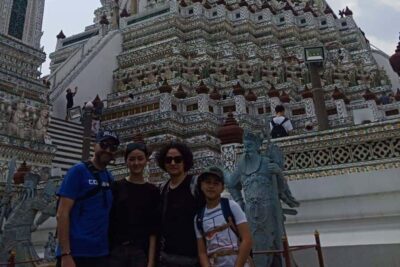
Bangkok: City Highlights and Landmarks Private Walking Tour
Read our review →
Local Life, Culture & Food Walking Tour at Chinatown
Read our review →
Bangkok: Grand Palace and Wat Arun Guided Walking Tour
Read our review →Lists this walk sits on