Review · BANGKOK
Local Life, Culture & Food Walking Tour at Chinatown
Bangkok’s Chinatown is best understood on foot, one narrow lane and incense-filled shrine at a time. This tour moves beyond the main streets from Odeon Circle to Talad Noi, mixing old Chinese architecture, markets, temples, and food with the everyday life of the neighborhood.
I like the small-group format, which gives guides room to answer questions and adjust the walk. I also like the food focus, especially the chance to try crispy pork belly, dumplings, herbal tea, and other Thai-Chinese tastes rather than simply photographing restaurant signs. The main consideration is that this is a walking tour through crowded streets and uneven local lanes, so it is not suitable for wheelchair users and requires comfortable shoes.
Key points at a glance
- Start at MRT Wat Mangkon: Meet at Exit 1 near Plaeng Nam Intersection, a useful public-transport starting point.
- Follow Chinatown beyond Yaowarat Road: The route includes narrow lanes, old shophouses, markets, shrines, and community spaces.
- Taste Thai-Chinese street food: Planned tastings can include crispy pork belly, handmade dumplings, and herbal teas.
- Reach Talad Noi: Learn about one of Bangkok’s oldest Chinese-Thai communities and its roots beside the Chao Phraya River.
- Expect a personal guide: JoJo, Kae, Kaew, and Sunee are among the guides praised for answering questions and tailoring the walk.
- Plan for weather and walking: The tour runs in rain or shine, and large bags or luggage are not allowed.
Starting at MRT Wat Mangkon and Odeon Circle
The practical meeting point is MRT Wat Mangkon Station, Exit 1, near the Plaeng Nam Intersection at 3 Plaeng Nam Road. You should arrive 10 minutes early. Chinatown roads can be confusing, and arriving with time to spare is far better than trying to find the group while traffic, food carts, and motorbikes compete for your attention.
The walk begins around Odeon Circle, the grand gateway to Bangkok’s Chinatown. This is a useful place for a guide to explain how Chinese immigrants helped shape the district and why Chinese and Thai customs sit so closely together here.
I like this opening because it gives the streets a frame before you start wandering through them. Instead of seeing a temple, market, or shophouse as a random photo stop, you can connect it to the growth of the Chinese-Thai community and Bangkok’s river trade.
The meeting point is easy to reach by metro, but transportation to and from the start is not included. You also return to the meeting point at the end, so you do not need to arrange a separate pickup at an unfamiliar part of the city.
More Food Walking Tours in Thailand:
- Bangkok Authentic Tasting Thai-Chinatown Walking Food Tour
★ 4.9 · 852 reviews - Chiang Mai: Local Food and Markets Guided Walking Tour
★ 4.3 · 175 reviews - Reykjavik Food Walk – Local Foodie Adventure in Iceland
★ 5.0 · 18,952 reviews
Markets where Chinatown feels most alive
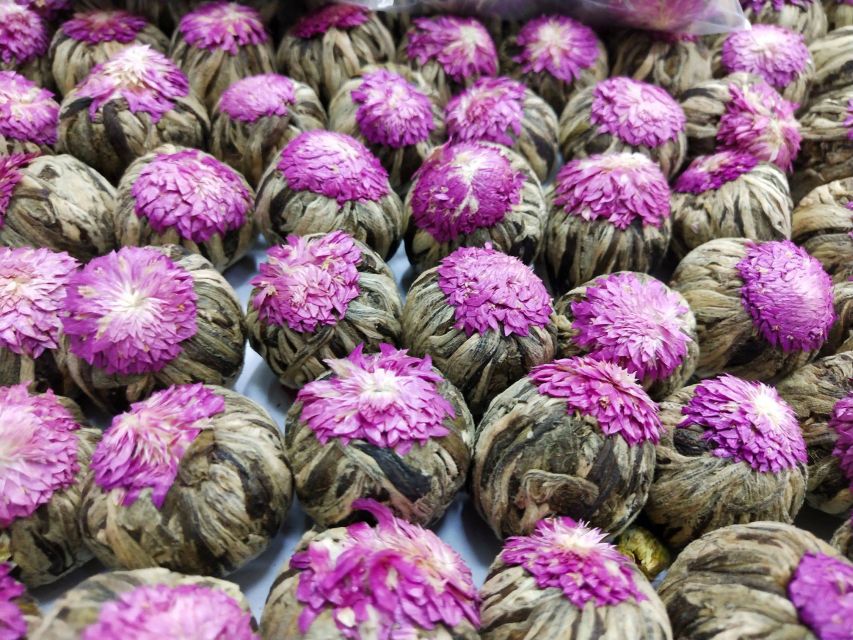
The market section brings you into the working side of the neighborhood. Expect stalls selling food, herbal remedies, small goods, and colorful trinkets. This is not a polished shopping center. It is a crowded, sensory place where the value lies in seeing how local commerce works.
A guide adds useful context here. You can ask what an herb is used for, how a snack is prepared, or why a particular item matters to the Chinese-Thai community. That personal explanation is the difference between passing through a market and understanding what you are seeing.
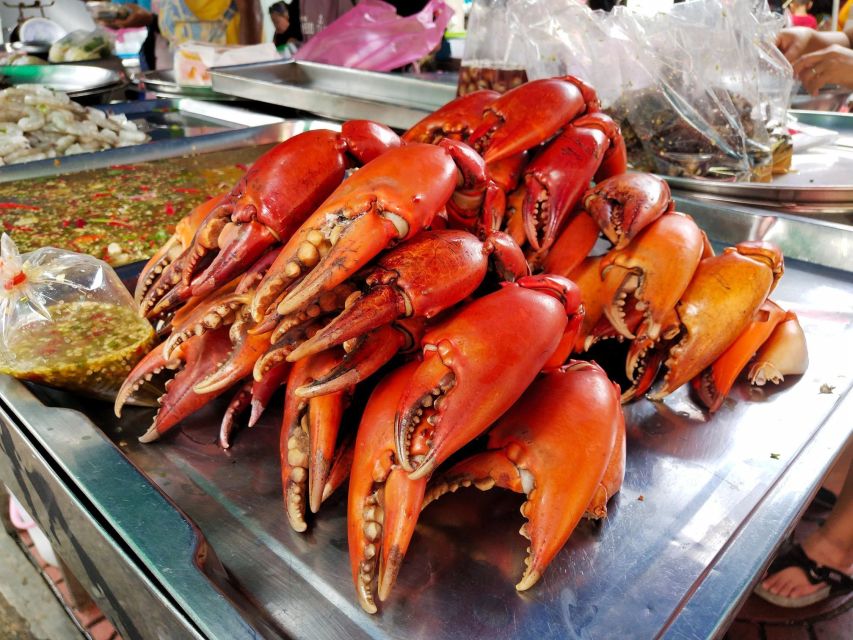
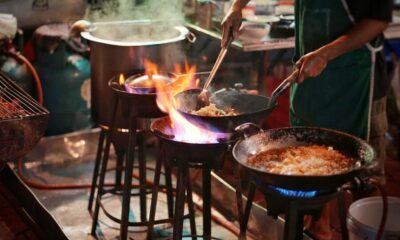
Food tastings are part of the experience. The examples provided include crispy pork belly, handmade dumplings, and herbal teas. These choices make sense for Chinatown because they show the meeting of Chinese cooking traditions and Thai tastes.
The exact amount of food is not specified, so you should not treat this as a full meal. Bring money for additional snacks or drinks if you want to keep eating after the included tastings. Personal purchases and souvenirs are also your responsibility.
Temples, shrines, and the meaning behind the incense
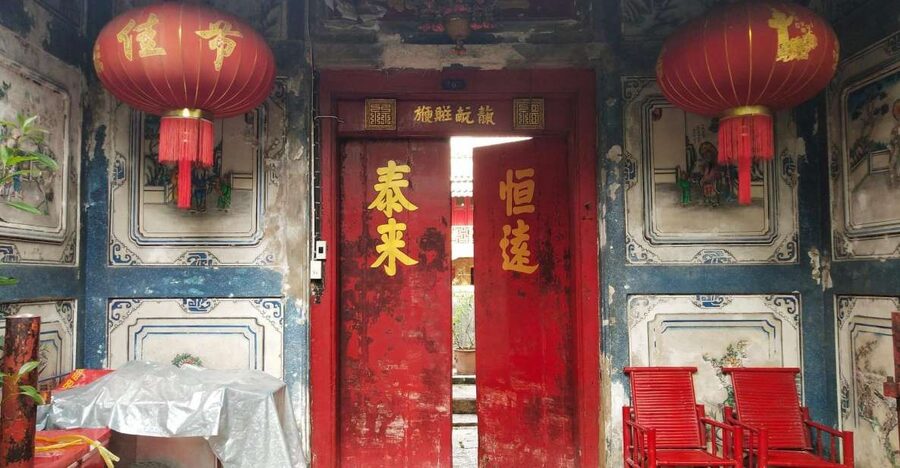
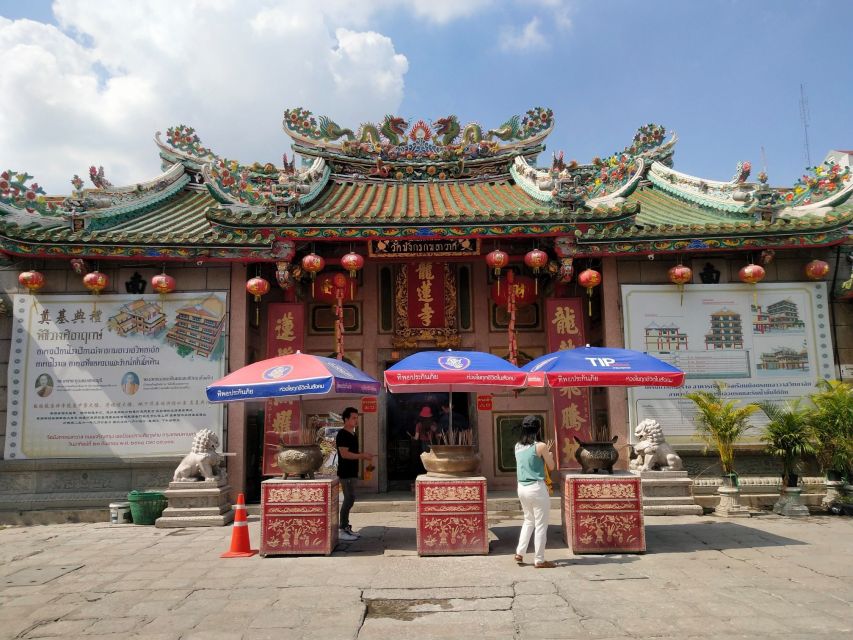
The religious stops are not just quick architecture breaks. You visit historic temples and shrines where locals light incense, make offerings, and ask for blessings. Your guide explains how these practices have continued through generations and how different sacred spaces serve the community.
This is one of the stronger reasons to book with a guide. Bangkok has plenty of beautiful temples, but it is easy to miss the small details of a shrine visit if you do not know what you are looking at. The explanations help you understand the purpose of the space without turning the visit into a dry lecture.
Guides named Kaew and Kae have been especially praised for explaining customs, beliefs, and the background of individual temples in clear, approachable ways. JoJo has also been praised for making Chinatown’s stories easy to follow while keeping the walk light and friendly.
Dress casually, but show respect at religious sites. The supplied information does not list a formal dress code, so sensible clothing is the safest choice. You should also be ready to pause, listen, and avoid treating active worship as a stage set.
Back lanes and old Chinese shophouses
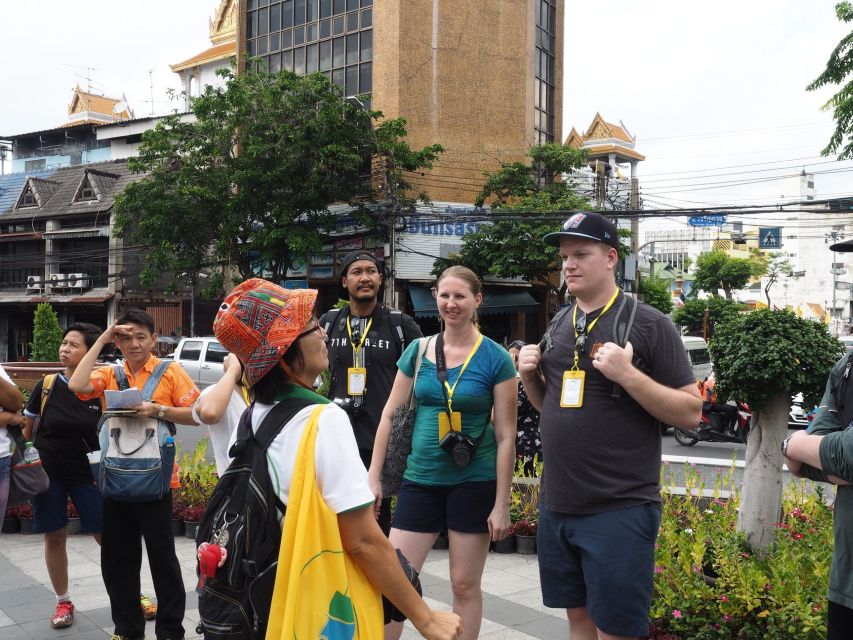
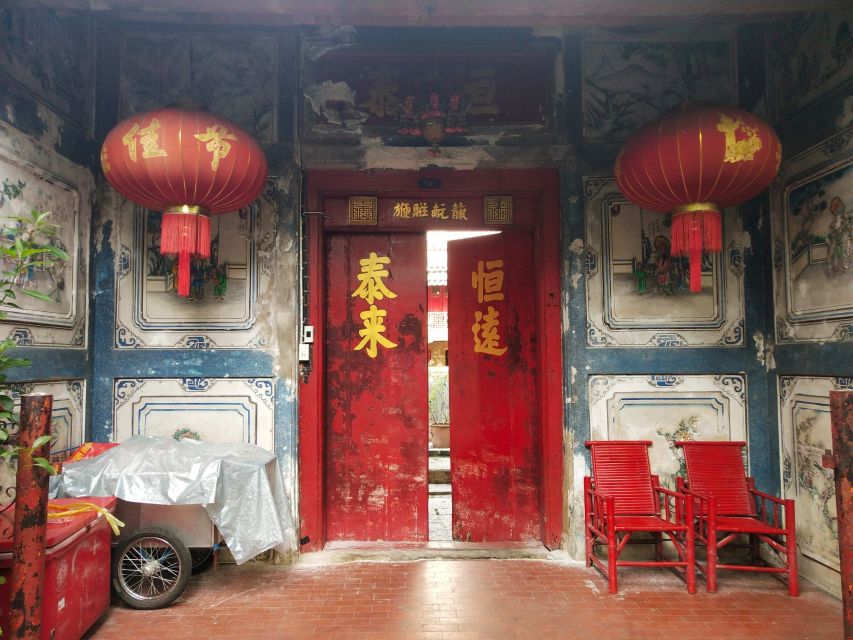
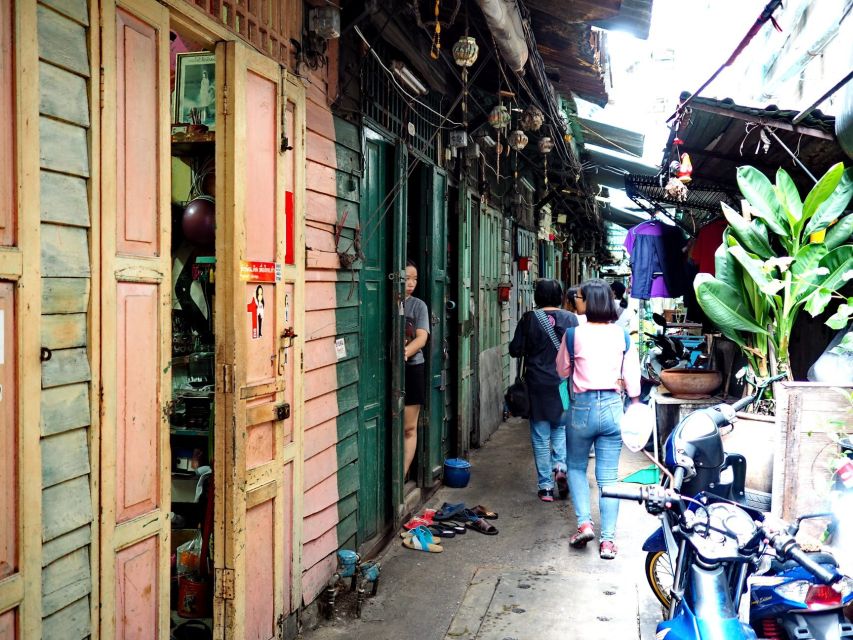
The tour leaves the main streets for narrow alleys where daily life carries on behind the signs and traffic. These lanes offer a closer look at how people live and work in Chinatown, including old wooden homes and compact community spaces.
Several guides have taken special care to show visitors places they would probably miss alone. One account describes seeing small passages and houses made from wood, giving a direct look at the living conditions that remain in parts of the district. That is a valuable counterpoint to the grand temples and decorated shopfronts.
The old shophouses deserve time. Their narrow fronts, aging facades, and mixed residential and commercial use tell you something about how Chinatown developed. Your guide can connect a building’s design to the family businesses and local trades that have kept the area functioning.
This part of the walk may feel less comfortable than a standard sightseeing route. Alleys can be tight, surfaces may be uneven, and the area is still used by residents. That is exactly why comfortable walking shoes matter. You are visiting a living district, not a museum arranged for easy viewing.
More Hidden Gems Walking Tours in Thailand:
- Dublin Highlights and Hidden Gems Guided Walking Tour
★ 5.0 · 6,020 reviews - Explore Berlin: See All The Iconic Sights & Some Hidden Gems
★ 5.0 · 4,429 reviews - Kyoto Geisha Walking Tour: Gion District & Hidden Gems
★ 4.7 · 3,273 reviews - Marrakech: Ben Youssef, Secret Garden, & Souks Walking Tour
★ 4.6 · 2,802 reviews
Thai-Chinese food with room for personal tastes
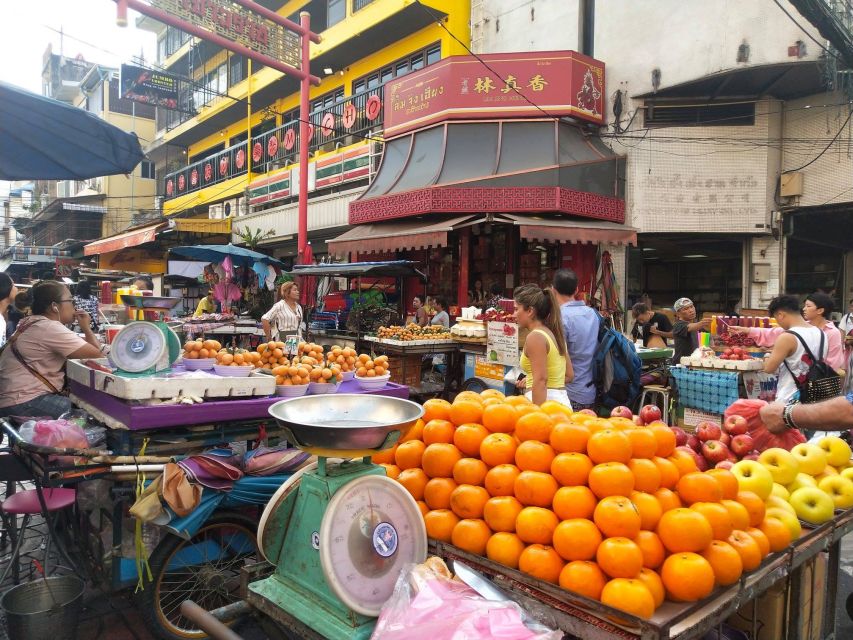
Food gives the tour its most immediate connection to local life. You do not need a long history lesson to understand the appeal of a crisp piece of pork belly or a fresh dumpling, but the guide can explain how these foods fit into Chinatown’s Chinese and Thai traditions.
The tastings are also a practical way to try unfamiliar dishes without committing to a full meal. If you are cautious with new foods, you can ask questions before tasting. If you are enthusiastic, leave room for extra snacks, since further food and drinks are not included.
Dietary restrictions and allergies should be shared in advance. The tour specifically asks you to do this, but you should still check each tasting with the guide before eating. No particular vegetarian, vegan, halal, or allergy-free menu is promised.
The personal touch can go beyond eating. One guide helped a visitor make papaya salad, while another tracked down durian after being told it was something the visitor wanted to try. Those details show why a small group matters: there is more chance to shape the afternoon around your interests.
Talad Noi and the oldest Chinese-Thai community
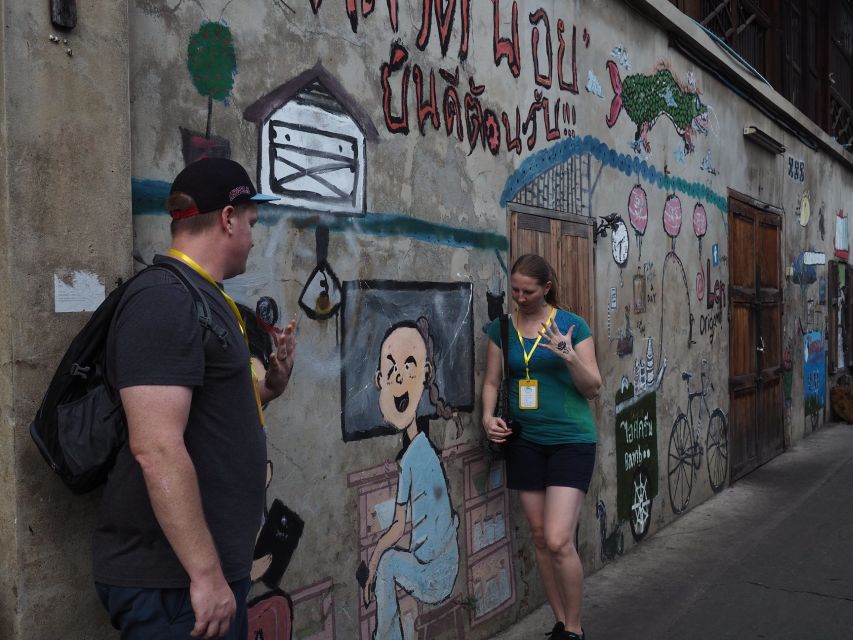
The route continues into Talad Noi, described as Bangkok’s oldest Chinese-Thai community. Here, the focus shifts from individual sights to the story of settlement along the Chao Phraya River and the families who built their homes and businesses in the area.
Talad Noi is important because it lets you see Chinatown as a community with roots, not just a food district. The guide explains how early Chinese settlers made lives beside the river and how their traditions remain part of Bangkok today.
This is also a good place to ask questions. Guides have adapted walks for solo visitors, couples, and small groups, sometimes spending extra time on subjects that catch your interest. If you want to understand Chinese customs in Thailand, family life, local neighborhoods, or food, say so early.
The tour returns to the original meeting point. That makes the ending simple, although you will need to arrange your own onward transport. Since the route is on foot, you should also avoid scheduling an important appointment immediately afterward.
What the small group changes
The group size is a key part of the experience, not just a marketing detail. A smaller group makes it easier to hear in busy lanes, stop without blocking everyone, and ask direct questions about food, religion, or architecture.
There is also more scope for a guide to tailor the route. Ana Maria described receiving what was effectively a private tour after being the only person booked, with time for questions, a papaya salad activity, and a discussion of cultures at a coffee shop. That kind of flexibility cannot be guaranteed, since it depends on bookings, but it shows what the format can allow.
Solo visitors may find this especially useful. A guide can help you get your bearings in Chinatown, explain what you are seeing, and make the walk feel more social without placing you in a large tour crowd.
The group size can work the other way, too. If the tour fills, you will have less control over the pace and fewer chances for a long one-to-one conversation. The experience is still designed to be personal, but the private-tour feeling is not guaranteed.
The guides are central to the experience
The strongest part of this tour is the guide. Names that appear in the supplied experience details include JoJo, Kae, Khun Kaew, Ms. Kaew, and Sunee. Your assigned guide may vary, but the recurring strengths are clear: local stories, patience, humor, and a willingness to answer questions.
JoJo is noted for knowing Chinatown and Thailand well, making people laugh, and building connections in the area. Kae is described as attentive and generous with practical help, including providing handheld fans, helping with shopping, and explaining temples and neighborhoods.
Khun Kaew is praised for showing lesser-known places and explaining the Chinese community in Bangkok. Sunee is described as adapting the walk to personal tastes and taking visitors to places they would not have found alone.
You should still think of these as guide-led possibilities, not fixed promises. A walking tour depends heavily on the individual guide, the day’s group, weather, and local conditions. The good news is that the format gives the guide room to respond to those factors rather than reciting a rigid script.
Is $75 a fair price?
At $75 per person, this is not the cheapest way to walk through Chinatown. You can visit the district independently for little money, eat at local stalls, and see several temples without paying for a tour.
The value comes from the interpretation and access to local context. Your fee covers a local expert, the walking route, temple and shrine visits, market and backstreet exploration, cultural explanations, and selected food tastings. It also buys you time saved on research and the confidence to enter places you might otherwise pass without understanding.
The price makes more sense if you are new to Bangkok, short on time, interested in food and local culture, or traveling alone. It is less compelling if you mainly want a free-form food crawl, extensive shopping time, or a low-cost route through the neighborhood.
Keep extra money with you for drinks, additional snacks, shopping, and souvenirs. Transportation to the meeting point is not included, and the listed price does not cover personal expenses.
Practical limits you should know
This is a walking experience in a busy part of Bangkok. Wear comfortable shoes and casual clothing. The tour runs in rain or shine, so an umbrella or raincoat is sensible during unsettled weather.
Large bags and luggage are not allowed. Pack lightly, since you may walk through tight lanes and crowded markets where a large bag becomes awkward and can get in the way.
The tour is not suitable for wheelchair users. The backstreets, market areas, and narrow passages make this an important limitation rather than a minor footnote.
The languages offered are English and German. If you have food allergies or dietary restrictions, tell the operator before the tour begins. Cancellation is allowed up to 24 hours in advance for a full refund, and you can reserve now and pay later if keeping your plans flexible matters.
Who should book this Chinatown walk?
I would choose this tour if you want Bangkok explained through its food, community, and small religious sites rather than through major landmarks alone. It suits curious first-time visitors, solo travelers, couples, and anyone who enjoys walking slowly enough to notice shopfronts, shrines, and side streets.
It is particularly useful for people who want a guide who can adapt. The examples involving papaya salad, durian, shopping, coffee, and extra questions show how much better the experience can be when you tell your guide what interests you.
I would think twice if you dislike heat, crowds, uneven surfaces, or street food. You also should not book it expecting a full meal, a private tour, or a completely fixed list of stops. The best parts are personal and local, which means the exact feel can change with the group and guide.
Should you book it?
Book this Chinatown walking tour if you want context, conversation, and food alongside the sightseeing. At $75, it asks more than an independent stroll, but the guide’s explanations and access to back lanes can justify the cost, especially on a first Bangkok visit.
If you do book, arrive early at MRT Wat Mangkon, wear shoes made for several hours of walking, carry rain protection, and tell the guide about food restrictions and personal interests. I would also leave your schedule open afterward. Chinatown is easier to appreciate when you are not rushing to the next appointment.
FAQ
Where does the tour start?
It starts at MRT Wat Mangkon Station, Exit 1, near the Plaeng Nam Intersection at 3 Plaeng Nam Road, Samphanthawong, Bangkok 10100, Thailand.
Where does the tour end?
The activity ends back at the meeting point.
What food is included?
The tastings can include Thai-Chinese street food such as crispy pork belly, handmade dumplings, and herbal teas. Additional food and drinks are not included.
What languages are available?
The tour is available in English and German.
Is the tour suitable for wheelchair users?
No. The tour is not suitable for wheelchair users.
What should I bring?
Bring comfortable walking shoes. Since the tour runs in rain or shine, an umbrella or raincoat may also be useful. Large bags and luggage are not allowed.
More Cultural Walking Tours around Thailand
- Savannah First Squares Culinary & Cultural Walking Food Tour
★ 5.0 · 3,229 reviews - Tokyo Tsukiji Fish Market Food and Culture Walking Tour
★ 5.0 · 3,184 reviews - New Orleans French Quarter, Voodoo and Culture Walking Tour
★ 4.5 · 2,961 reviews - Amsterdam: Cultural Highlights Walking Tour
★ 4.9 · 2,629 reviews
New walking tours around Thailand
- Khao Lak: Full-Day Khao Sok Jungle Walk and Canoeing Tour★ 4.7 · 149 reviews
- Chiang Mai: Temple And City Walking Tour Part I★ 4.7 · 244 reviews
- Chiang Mai Untouched Elephant: Nature Walk & Waterfall Trek★ 4.7 · 77 reviews
- Chiang Mai: Historic Temples and City Guided Walking Tour★ 4.7 · 650 reviews
- Chiang Mai: Local Food and Markets Guided Walking Tour★ 4.3 · 175 reviews
- Bangkok: Grand Palace and Wat Arun Guided Walking Tour★ 4.5 · 118 reviews
- Bangkok: Grand Palace, Wat Pho, & Wat Arun Walking Tour★ 4.6 · 116 reviews
- Bangkok: Chinatown by Night Walking Tour★ 4.5 · 162 reviews
Bangkok Walking Tours, side by side.
Bangkok: City Highlights Temple and Market Walking Tour
Read our review →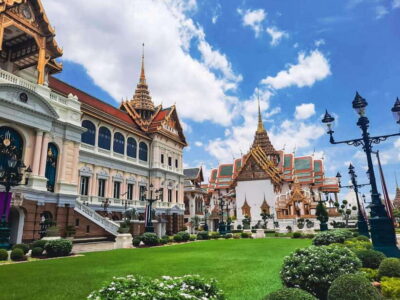
Bangkok: Grand Palace and Wat Phra Kaew Guided Walking Tour
Read our review →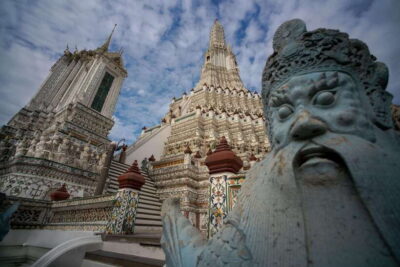
Bangkok: Wat Pho and Wat Arun Guided Walking Tour
Read our review →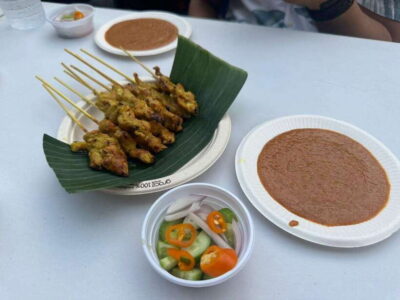
Bangkok Authentic Tasting Thai-Chinatown Walking Food Tour
Read our review →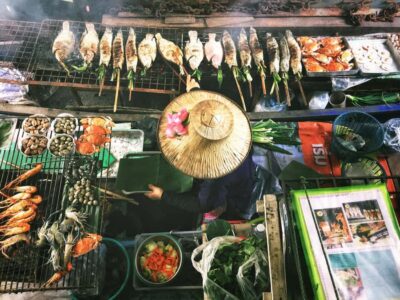
Bangkok: Discover a Taste of Chinatown – 2 Hr Walking Tour
Read our review →
Bangkok: City Highlights and Landmarks Private Walking Tour
Read our review →