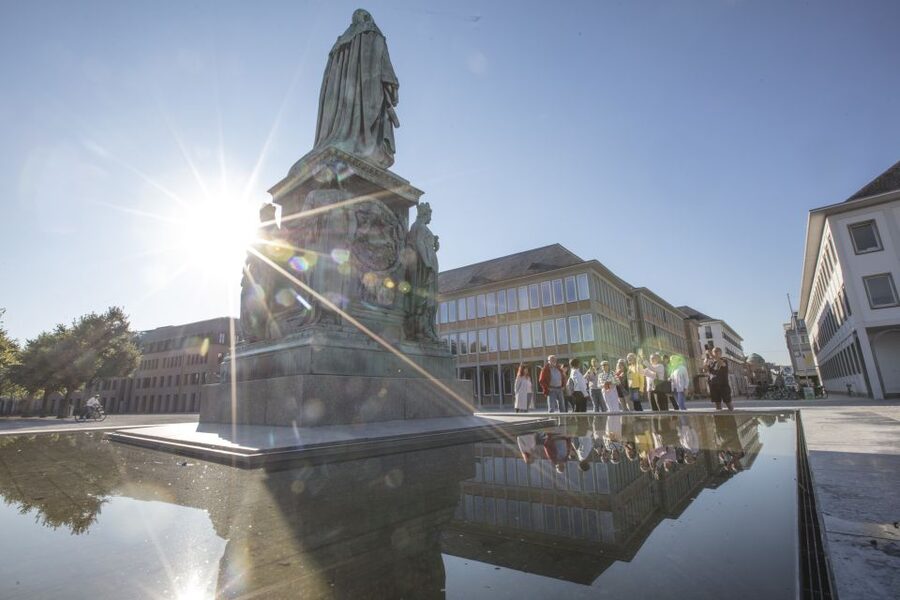
Review · GERMANY
Karlsruhe: Guided City History & Culture Walking Tour
Karlsruhe was born from an unusual idea: a margrave left his old capital of Durlach and built a new city around a palace in 1715. This 90-minute walking tour explains that bold plan, the people behind it, and the city’s continuing link to law, culture, and public life.
I like the low $12 price, which makes this an easy way to get oriented without spending half a day. I also like the clear historical focus, especially the stories about Karl III Wilhelm and the classical architect Weinbrenner. The main consideration is that the tour is conducted in German, takes place outdoors in all weather, and does not include entry to attractions.
Key points at a glance
- Karlsruhe’s unusual beginning: Learn why Karl III Wilhelm founded a new capital instead of staying in Durlach.
- A city built to a plan: See how Karlsruhe’s Baroque design made it a novelty in the early 18th century.
- Weinbrenner’s influence: Understand how the classical architect helped shape Karlsruhe’s later appearance.
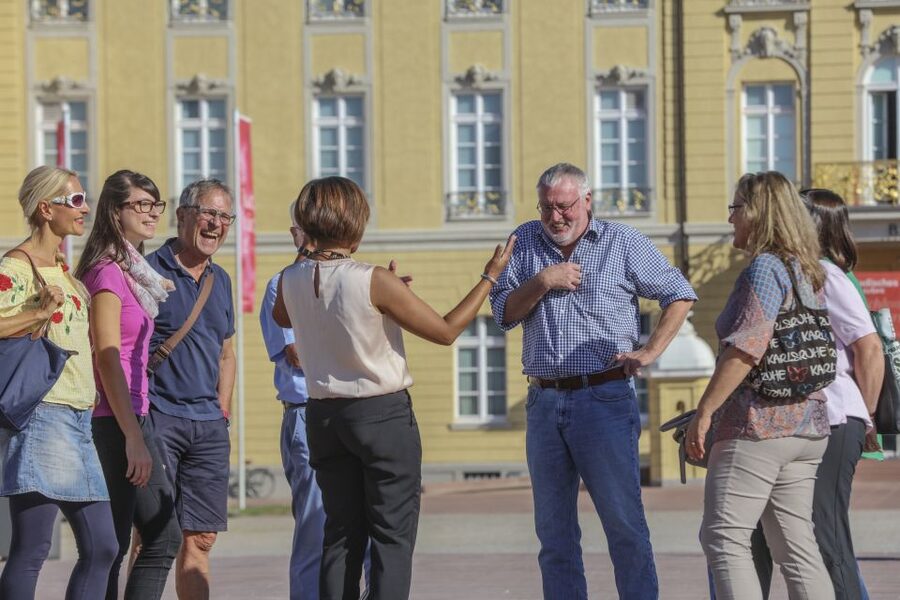
- Practical local insight: Your guide adds personal tips and funny anecdotes to the historical facts.
- Simple central meeting point: Start and finish at the Tourist Information beside the market square on Kaiserstraße.
- A useful short introduction: The 1.5-hour length works well before exploring Karlsruhe on your own.
Why Karlsruhe’s founding story makes this walk worthwhile
Many city tours begin with a long list of dates. This one has a better hook: Karlsruhe was created almost from scratch.
In 1715, Karl III Wilhelm, Margrave of Baden-Durlach, founded the city after leaving Durlach, his former capital. You will hear what pushed him to build a new seat of power and why the decision mattered. That story gives the rest of the walk a clear shape. You are not simply looking at old buildings. You are learning why the city was laid out as it was.
Karlsruhe was a Baroque planned city, which means its streets and major buildings were designed as part of a larger idea rather than growing by accident over many centuries. That makes the city especially rewarding for a guide-led walk. Once you understand the plan, the streets become easier to read.
I find this kind of history useful because it helps you notice things you could easily pass without context. A guide can point out how the city’s form reflects the power and ambitions of its founder. You get a sense of Karlsruhe as a political project, not simply a place with attractive squares and public buildings.
The tour also connects the early city with its later development. Karlsruhe is only about 300 years old, yet its story includes major changes in government, architecture, and public life. The guide presents the city as a place that was experimental from the beginning and still carries that forward-looking spirit.
More History Walking Tours in Germany
- Leipzig: 1.5-Hour Historical Walking Tour in German
★ 4.7 · 2,217 reviews - Berlin: History of the Third Reich Guided Walking Tour
★ 4.7 · 791 reviews - Trier: Guided Old Town Highlights and History Walking Tour
★ 4.7 · 687 reviews
Starting at Kaiserstraße and the market square
You meet at the Tourist Information at Kaiserstraße 72 to 74, beside Karlsruhe’s market square. This is a practical starting point. It puts you in the central city, gives you a clear place to find, and lets the tour begin with Karlsruhe’s public heart.
The tour ends back at the same meeting point, which is useful if you have planned another activity afterward. You do not need to arrange transport between the start and finish. The route is a walking experience, so wear comfortable shoes and arrive ready to remain outdoors for the full 1.5 hours.
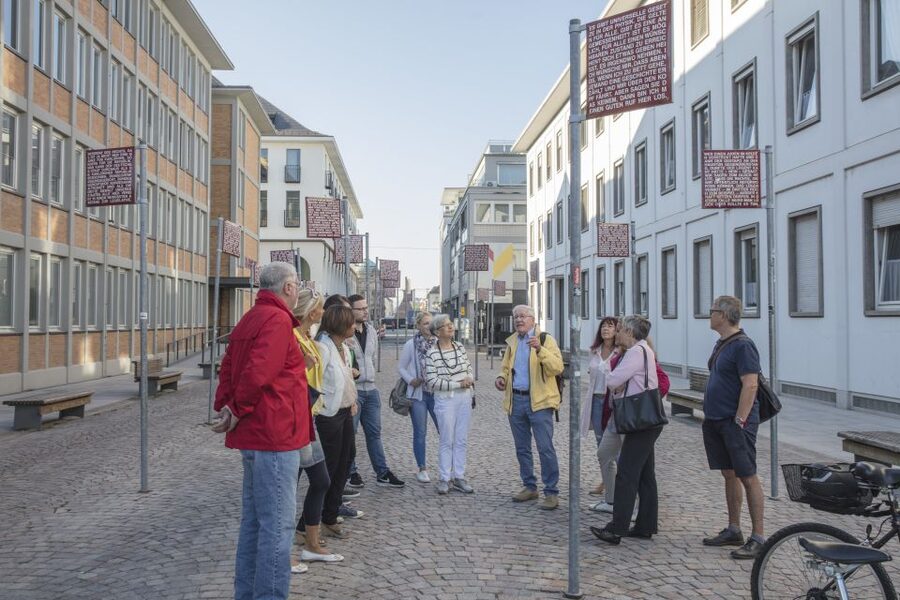
The supplied details do not name each stop along the route. That means you should think of this as a guided city-center orientation rather than a ticketed visit to a series of interiors. The focus is on the streets, public spaces, urban design, and stories that explain Karlsruhe as a whole.
This approach suits you if you want to get your bearings early in a visit. Afterward, you will have a better sense of which parts of the center deserve a longer look. It also works well for a short stay, since the time commitment is modest.
Following Karl III Wilhelm from Durlach to a new capital
The most important character on the tour is Karl III Wilhelm, the margrave who founded Karlsruhe. His decision to leave Durlach and create a new capital gives the city a personal story that is easier to remember than a list of rulers.
Your guide explains why a completely new city was built and what made Karlsruhe different from older German towns. The point is not just that the city is young. It is that its youth was part of the plan. Karlsruhe was intended to express order, authority, and a new way of organizing urban life.
This is where the tour’s clear explanations matter most. The strongest part of the experience is likely to be the way the guide makes a complicated founding story easy to follow. The tour has earned an overall rating of 4.5 from 79 reviews, and the most positive response centers on the material being interesting and well explained.
The stories are also softened with humor. Funny anecdotes help break up the formal history and keep the walk from feeling like a lecture. You will also receive personal tips from the guide, though the exact suggestions can vary by guide and group.
Do not expect a detailed biography of every figure connected with Karlsruhe. The 90-minute format calls for selection. The guide needs to explain the city’s origin, connect it to the present, and keep the walk moving. That is a strength for a first introduction, but it may feel brief if you already know Karlsruhe well.
Reading the Baroque city plan
Karlsruhe’s layout is one of the main reasons to take a walking tour rather than simply browse a guidebook. A map can show streets and landmarks, but a guide can explain the thinking behind the design as you move through it.
The city was planned in the Baroque period, when rulers often used architecture and urban planning to express order and control. Karlsruhe’s design reflected that age. The tour shows how this planned structure shaped the city’s character and why it was considered new in its time.
You will not just hear that Karlsruhe was planned. You will learn what that planning meant for the people who lived there and for the city that developed afterward. The guide helps you connect the physical arrangement of the center with the political purpose behind it.
This is also the point where the tour moves beyond old dates. The stated theme is to experience history, explore the present, and imagine the future. That gives the walk a wider focus. Karlsruhe is presented as a city that began with an ambitious plan and continues to think of itself as a place open to new ideas.
The exact route and stops are not specified, so you should not book this expecting a fixed list of named monuments. Instead, expect an explanation of the city’s overall design, with the guide choosing the best way to tell that story during your visit.
Same streets, a different story:
- Discover Berlin Half-Day Walking Tour
★ 5.0 · 9,624 reviews - Berlin City walk Government District and Places of Democracy
★ 4.7 · 8,467 reviews - Berlin: Third Reich & Cold War Guided Walking Tour
★ 4.9 · 8,378 reviews - Munich: Third Reich & WWII Walking Tour
★ 4.6 · 6,181 reviews
Weinbrenner and Karlsruhe’s classical face
Karl Friedrich Weinbrenner is another key figure. The tour introduces his role as a classical city architect and explains how his work influenced Karlsruhe.
The city’s first Baroque plan was not the end of its architectural story. As Karlsruhe changed, later architects shaped its public appearance. Weinbrenner’s classical approach gives the tour a second layer, showing how the city moved from its early 18th-century foundation into a later architectural period.
I like this pairing of Karl III Wilhelm and Weinbrenner. One explains why the city exists. The other helps explain how it developed visually. Together, they give you a simple framework for understanding Karlsruhe: first the founding idea, then the architectural changes that followed.
The guide’s job is especially useful here because architectural terms can become dry when presented without examples. On foot, you can connect the explanation with the city around you. The information becomes easier to remember because it is tied to public spaces and buildings rather than kept in the abstract.
Still, the tour is not advertised as a specialist architecture walk. If Weinbrenner is your main interest, ask your guide questions during the tour and use the time to clarify which parts of his work you should seek out afterward. The experience gives you a foundation, not an exhaustive study.
What changes on Tuesdays
Tuesday tours follow the theme Hometown Karlsruhe: Residence of Law. That is an important detail when choosing a date.
On other days, the focus is the broad story of Karlsruhe’s founding, its Baroque plan, Karl III Wilhelm, and Weinbrenner. On Tuesdays, the emphasis shifts toward Karlsruhe as a residence of law. You should choose the Tuesday version if that subject interests you more, especially if you want to understand the city’s modern civic identity.
Because the available information does not list every Tuesday stop, I would not assume that the two versions cover exactly the same route. The safest choice is to treat Tuesday as a distinct theme rather than simply a regular tour with a small variation.
Check the available starting times before booking. The exact departure time is not fixed in the tour details, and the date may affect which subject you receive.
Why the $12 price is good value
At $12 per person, this is an inexpensive way to add structure to a visit. You are paying for a local German-speaking guide, historical interpretation, funny anecdotes, and local tips. The price is low enough that the tour can make sense even if you have only a few hours in Karlsruhe.
The value comes from context rather than admission. No entry tickets are included, and the tour does not promise access to interiors or optional activities. That is not a problem if your goal is to understand the city from the outside and decide later which places deserve more of your time.
I would especially recommend it on a first visit. A short guided walk can prevent you from treating Karlsruhe as just a stop between larger German cities. It gives you a reason to notice the city’s plan and helps you understand why its design is different from that of an older medieval center.
The tour is less useful if you want a long, detailed architectural study or a museum visit. In that case, you may need additional activities after the walk. Think of this experience as a strong introduction at a modest price, not a complete day of sightseeing.
Weather, language, and comfort
This is an outdoor walking tour, and it runs in all weather. Bring clothing suited to the forecast, including protection from rain or sun when needed. Comfortable shoes matter more than formal dress, since you will be walking and standing for 1.5 hours.
The live guide speaks German. That is the most important practical point before booking. If you do not understand German, the historical explanations and anecdotes will not be accessible in the intended way.
The tour is wheelchair accessible. That makes the central walking format more flexible for visitors who need an accessible experience, though the information provided does not describe the exact surfaces, slopes, or route conditions. If you need specific route details, confirm them before booking.
Children under three can participate free of charge. The tour’s historical focus may suit older children better, but the stated age policy allows very young children to join.
Food, drinks, personal expenses, and admission tickets are not included. Plan to buy refreshments separately if needed.
Who should book this Karlsruhe walk
I would choose this tour if you want a short, affordable introduction to Karlsruhe’s identity. It suits first-time visitors, history fans, architecture-minded walkers, and anyone curious about how a planned city works.
It is also a sensible choice for a quick stop. The start and finish at the Tourist Information make the logistics simple, and the 90-minute duration leaves room for lunch, shopping, or another attraction afterward.
The tour is a good fit for you if you enjoy stories about rulers, urban planning, and public architecture. The humor and personal tips should keep the material from feeling too formal.
I would pause before booking if you do not speak German, need an indoor activity, or want a tour built around entry to museums and monuments. This experience depends on outdoor walking and spoken explanation. It is also not the right choice if you expect a long route through every major sight in Karlsruhe.
Cancellation is flexible up to 24 hours before the tour for a full refund, and you can reserve now and pay later. Those terms make it easier to fit the walk into a changing itinerary.
Should you book the Karlsruhe history and culture tour?
Yes, if you want to understand Karlsruhe rather than simply pass through it. For $12, you get a focused explanation of Karl III Wilhelm’s unusual decision to found a new city, the Baroque plan that shaped it, and Weinbrenner’s later architectural influence.
Book it for a German-language, outdoor introduction with a clear historical thread and a few human touches. Choose Tuesday if the Residence of Law theme appeals to you. Skip it only if you need English, prefer indoor sightseeing, or want a detailed tour of specific interiors. For most visitors who want a practical first look at Karlsruhe, the short format and low price make this an easy addition.
FAQ
Where does the Karlsruhe walking tour start?
The tour starts at the Tourist Information Karlsruhe beside the market square, at Kaiserstraße 72 to 74, 76133 Karlsruhe.
Where does the tour finish?
The activity ends back at the same meeting point, the Tourist Information Karlsruhe.
How long does the tour last?
The walking tour lasts 1.5 hours. Starting times vary, so check availability for your chosen date.
What language is the tour conducted in?
The live tour guide speaks German.
Is the tour wheelchair accessible?
Yes, the activity is listed as wheelchair accessible.
Does the tour operate in bad weather?
Yes. Tours take place in all weather and are outdoors, so dress according to the forecast.
What is included in the price?
The price includes a local German-speaking guide, insider tips, and funny anecdotes. Food, drinks, personal expenses, admission tickets, and optional activities are not included.
More Cultural Walking Tours around Germany
- Savannah First Squares Culinary & Cultural Walking Food Tour
★ 5.0 · 3,229 reviews - Tokyo Tsukiji Fish Market Food and Culture Walking Tour
★ 5.0 · 3,184 reviews - New Orleans French Quarter, Voodoo and Culture Walking Tour
★ 4.5 · 2,961 reviews - Amsterdam: Cultural Highlights Walking Tour
★ 4.9 · 2,629 reviews
New walking tours around Germany
- Mystical Hamburg – Walking Tour in German★ 4.6 · 168 reviews
- Munich : Private Walking Tour with A Guide (Private tour)★ 4.5 · 85 reviews
- Munich: Raven Black Witches and Executioners Walking Tour★ 4.7 · 294 reviews
- Munich: Guided Food Walking Tour with Beer Tasting★ 4.7 · 183 reviews
- Munich Old Town – Guided Walking Tour in English★ 4.7 · 153 reviews
- Munich: Old Town Guided Walking Tour★ 4.6 · 479 reviews
- Munich: Old Town Walking Tour★ 4.7 · 589 reviews
- Munich: Birthplace of the Third Reich Guided Walking Tour★ 4.6 · 771 reviews
Germany Walking Tours, side by side.

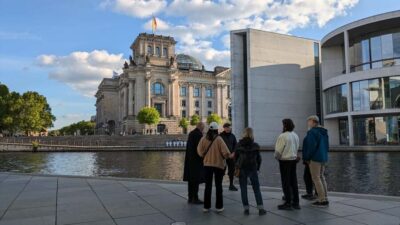
Berlin City walk Government District and Places of Democracy
Read our review →
Berlin: Third Reich & Cold War Guided Walking Tour
Read our review →
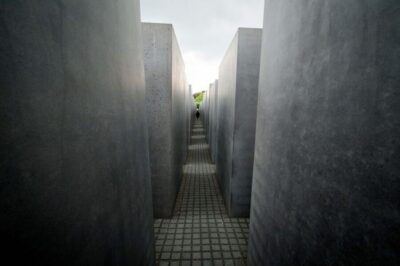

Berlin’s Best: 2 Hour Walking Tour Third Reich and the Cold War
Read our review →