
Review · GERMANY
Augsburg’s Water Management System – City Walking Tour
Augsburg’s water story is written into the city itself. On this two-hour walking tour, you follow small Lech canals, pass grand fountains, and finish at Rotes Tor, home to the oldest existing waterworks in central Europe. It is a good way to see Augsburg through something more unusual than churches and town squares.
I like the mix of everyday canals and grand civic fountains, and I like that the tour links them to one UNESCO World Heritage Site rather than treating each sight as a separate photo stop. The main thing to consider is the guide’s style. Brigitte Plonner, praised for making the subject clear and lively, led one recent tour, while another guide focused heavily on dates and facts with few stories or personal anecdotes.
Key points to know before you book
- The Lech quarter gives the tour its local feel: Small canals, red-roofed houses, and cobblestone lanes show how water still shapes ordinary parts of Augsburg.
- Rotes Tor is the main technical and historic stop: You’ll see the oldest existing waterworks in central Europe.
- The fountains are major highlights: The Augustus, Merkur, and Herkules fountains add art and civic pride to the water story.
- The tour explains several of 22 UNESCO elements: It offers a useful introduction rather than a complete visit to every part of the system.
- Guide style can vary: Expect solid historical information, but the amount of anecdote and personal storytelling depends on who leads your walk.
- Bring your own sound setup if useful: The free elysium system works through your smartphone, headphones, and an internet connection.
Why Augsburg’s water system makes a good walking theme
Augsburg’s water management system is not tucked away in a single museum. It appears in canals, fountains, bridges, and waterworks spread across the city. That makes a walking tour especially useful, because you can see how separate pieces fit together as you move through the Old Town.
The system is recognized as a UNESCO World Heritage Site, and the tour introduces several of its 22 elements. You will not inspect every element in two hours, but you should come away with a clear idea of why Augsburg’s water network matters and how it shaped the city’s development.
I find this subject more rewarding than a standard list of dates because water connects the practical and the beautiful. It supplied the city, powered activity, supported public fountains, and became part of Augsburg’s public identity. The tour helps you spot that connection as you walk.
This is also a good choice if you have already seen Augsburg’s main historic buildings and want a fresh angle. The subject may sound technical at first, but the route keeps returning to visible features: moving water, stone fountains, narrow canals, and old waterworks.
More walking tours around Germany:
- Discover Berlin Half-Day Walking Tour
★ 5.0 · 9,624 reviews - Berlin City walk Government District and Places of Democracy
★ 4.7 · 8,467 reviews - Berlin: Third Reich & Cold War Guided Walking Tour
★ 4.9 · 8,378 reviews
Starting in the Old Town near the Tourist Information Center
You meet your guide in front of the Tourist Information Center, in the heart of Augsburg. That central start is convenient if you are already sightseeing in the Old Town, and it makes the tour easy to fit into a day of exploring on foot.
The opening part of the walk takes you over Augsburg’s cobblestones. Wear comfortable shoes, since the route is a walking tour rather than a short transfer between indoor exhibits. Weather-appropriate clothing matters too, especially because much of the experience takes place outside.
Your guide sets the basic story in place as you begin. The focus is not just on where water flows today, but on the long relationship between Augsburg and its water supply. Listen for the links between the canals, public fountains, and waterworks, since that is where the tour becomes more than a sightseeing stroll.
The tour is offered in German and English. A live guide is included, and the optional elysium sound amplification system can help you follow along. To use it, bring your own smartphone, headphones, and internet connection. It is free, but the equipment setup is your responsibility.
The Augustus, Merkur, and Herkules fountains
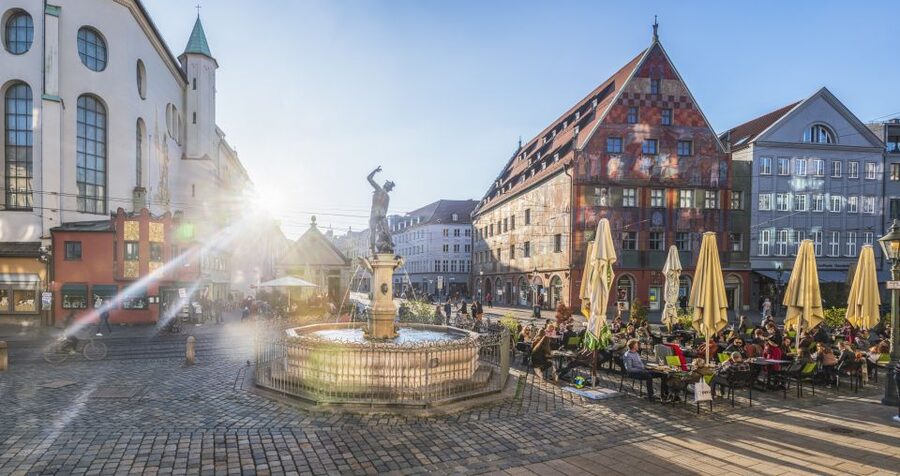
The fountains are among the easiest parts of the tour to appreciate. You do not need a technical background to enjoy their scale, decoration, and place in Augsburg’s public spaces.
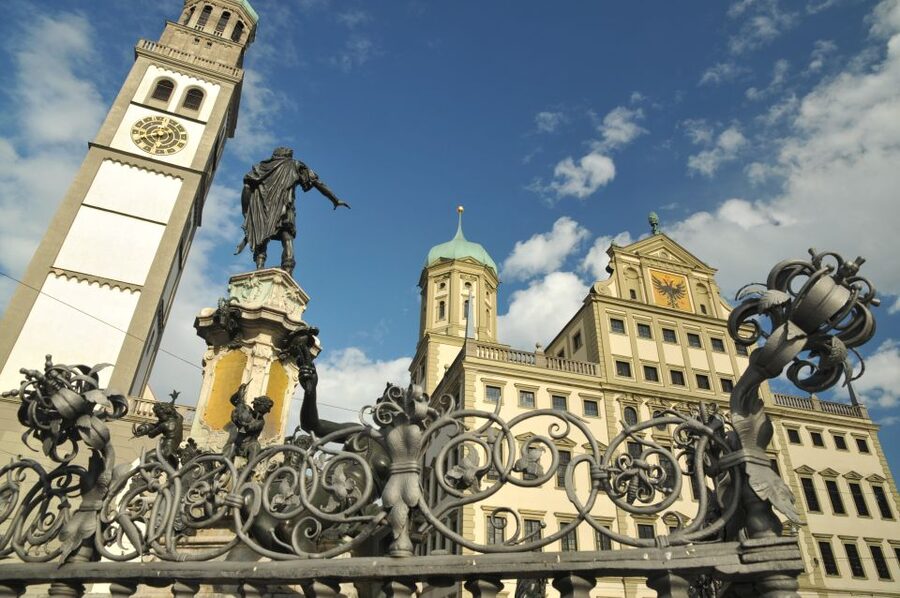
The Augustus fountain is a key stop. It gives the water system a grand public face, showing how water was not only a basic need but also part of the city’s civic image. The Merkur and Herkules fountains add two more striking examples to the route.
I like this portion because it gives you a visual break from the more practical story of channels and waterworks. The fountains help explain how Augsburg presented its wealth and organization in stone and sculpture. At the same time, the guide connects them back to the larger system, so they do not feel like unrelated monuments.
Do not expect entry into a fountain museum or a long indoor visit. These are sightseeing stops along a walking route, with the guide explaining what you are seeing. If your ideal tour centers on detailed art analysis, this may feel brief. If you want the fountains placed in a wider city story, it works well.
Walking the Lech quarter’s small canals
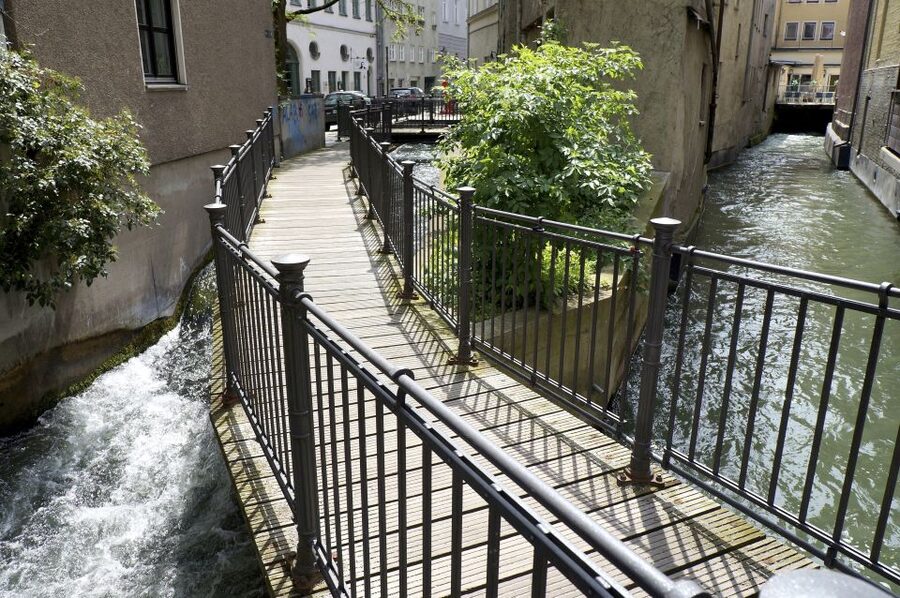
The Lech quarter is likely to be the most atmospheric part of the route. Here, the water system appears in smaller, more intimate forms. You walk along historic canals bordered by red-roofed houses and cobblestone streets.
This section shows why a guided walk can add value. Without context, a narrow canal may look like a pleasant bit of scenery. With the water story in mind, you begin to see it as part of an engineered network that helped shape the quarter.
The small canals also keep the tour grounded in everyday Augsburg. The fountains are formal and monumental, while the Lech quarter feels more residential and close to street level. I would pay attention to how the water sits beside the houses and lanes, since the setting gives the system a stronger sense of place than a technical explanation alone.
The surfaces are historic and may be uneven. The activity is listed as wheelchair accessible, but anyone who finds cobblestones difficult should take that practical detail seriously and confirm current route conditions when booking. Comfortable footwear is a good idea for everyone.
Same streets, a different story:
- Munich: Third Reich & WWII Walking Tour
★ 4.6 · 6,181 reviews - Berlin: Discover Berlin Walking Tour
★ 4.9 · 5,998 reviews - Berlin’s Best: 2 Hour Walking Tour Third Reich and the Cold War
★ 5.0 · 5,486 reviews - Berlin: Hidden Backyards Guided Walking Tour
★ 4.8 · 5,360 reviews
Rotes Tor and the oldest existing waterworks
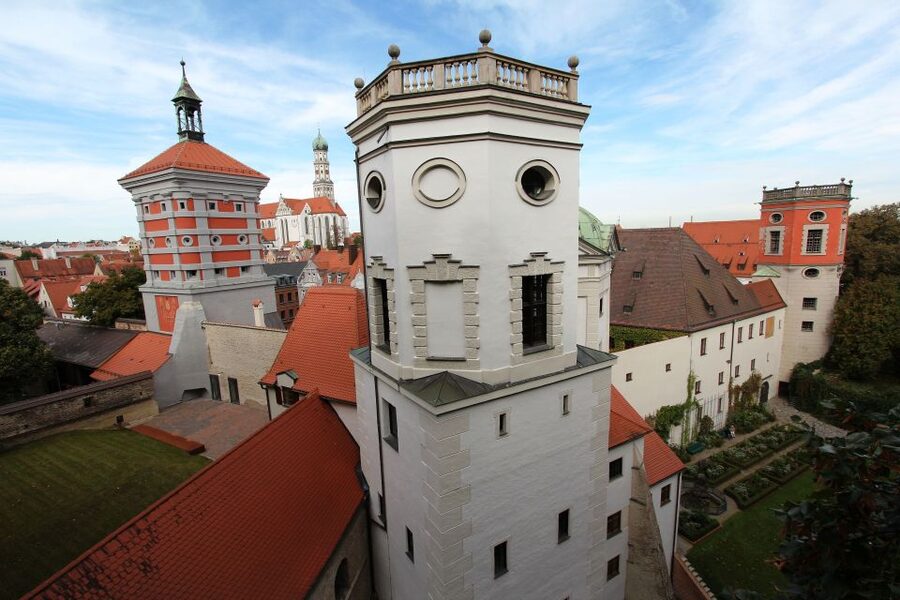
The route leads to the imposing Rotes Tor, or Red Gate. This is the tour’s strongest stop for understanding Augsburg’s water infrastructure.
At Rotes Tor, you discover the oldest existing waterworks in central Europe. The site gives the tour a clear climax, because the canals and fountains you have seen earlier now connect to a major piece of water engineering.
The guide explains the importance of the waterworks and places them within Augsburg’s wider system. The supplied details do not promise an interior tour of every structure or entry to additional attractions, so think of this as a guided outdoor visit and explanation rather than a full museum admission.
That distinction matters when you compare the price with other Augsburg activities. You are paying for a guide-led interpretation of several public sites, not for a package of entry tickets. The tour is strongest for people who want the city’s water story explained as they walk.
How much the tour costs and what the price covers
The advertised price is about $20 per person. The local price breakdown is listed as €14 per person plus a €3 administration fee, so the final amount can vary with currency and booking details. Check the current total before payment, particularly if you are comparing this with a free city walk.
The price includes the walking tour, a live guide, and the optional elysium sound system. Food, drinks, and entry tickets to attractions are not included.
I consider the cost reasonable if you want a focused introduction to the UNESCO water system. In two hours, you see several different types of site: major fountains, neighborhood canals, and Rotes Tor. That variety gives you more than a single monument visit.
The value is less clear if you prefer to wander at your own pace or have already researched Augsburg’s waterworks in detail. The route is built around explanation, so you are paying mainly for the guide’s structure and context.
The guide makes the biggest difference

The strongest positive detail about the tour is the ability of a good guide to make an unusual subject easy to follow. Brigitte Plonner is specifically praised for explaining Augsburg’s water management in a clear, engaging way. Her tour continued even when only three people were taking part, which suggests that a small group can still receive a committed, personal presentation.
You may also get a guide who leans more toward history than storytelling. One recent experience was described as very informative but focused strongly on dates and facts, with few personal stories or anecdotes. Another comment simply praised the narrator, while several others found the tour informative and worth taking again.
That gives you a fair expectation: the content is dependable, but the mood may vary. If you enjoy dates, civic history, and facts about infrastructure, this should suit you. If you need constant humor or dramatic storytelling, your experience will depend more heavily on the individual guide.
Rain can also affect the mood. The route is outdoors, and wet weather may make the cobblestones less pleasant. A guide cannot control the forecast, so bring suitable clothing and shoes rather than treating this as an indoor activity.
Accessibility, timing, and practical preparation
The tour lasts two hours and is listed as wheelchair accessible. Since the route includes Old Town cobblestones, canals, and outdoor historic areas, I would still check the exact route if mobility is a major concern.
Bring:
- Comfortable walking shoes
- Clothing suited to the weather
- A smartphone, headphones, and internet connection if you want to use elysium
- Water for yourself, since food and drinks are not included
The sound system is optional. You do not need it to book the tour, but headphones may make it easier to hear the guide in a group. Since you supply the phone and headphones, make sure your device is charged before you arrive.
You meet in front of the Tourist Information Center, which is simple to locate in the city center. Starting times vary, so check availability for your date. The tour is offered in German and English.
Flexible booking is another practical advantage. You can reserve now and pay later, and cancellation is free up to 24 hours before the tour for a full refund. The booking platform replaces the invoice address with a standardized address for privacy, so your own address will not appear on the invoice.
Who should take this Augsburg walking tour?
I would recommend it most strongly to first-time visitors who want to understand Augsburg beyond its headline buildings. It also suits anyone interested in city planning, public works, fountains, canals, and the way infrastructure shapes urban life.
Families with older children may find the water theme more memorable than a general history walk, especially because the route includes visible canals and dramatic fountains. The two-hour length is manageable, though young children who dislike walking on cobblestones may lose interest.
The tour is also useful early in your stay. Once you understand the water network, you can look at Augsburg’s canals and fountains with more purpose during the rest of your visit.
You may want to skip it if you strongly prefer indoor museums, dislike guided pacing, or want a detailed engineering tour. The content focuses more on the history of water supply than on technical mechanics. One clear point from the experience is that the tour explains why the system mattered, but it does not promise an intensive study of how every device worked.
Should you book this tour?
Book it if you want a compact, well-organized introduction to one of Augsburg’s most distinctive features. The combination of the Augustus, Merkur, and Herkules fountains, the Lech quarter canals, and Rotes Tor gives the walk a good rhythm, while the UNESCO connection provides a clear reason for the route.
The best match is a curious visitor who enjoys facts but also wants to see ordinary city spaces. Choose a German or English tour based on your comfort, bring good shoes, and use the free sound system if hearing a guide in an outdoor group may be difficult.
My only caution is to keep your expectations realistic about storytelling and technical detail. Guide style varies, and the focus is mainly historical. At about $20, or roughly €17 before currency differences, it is a fair buy for a two-hour guided look at Augsburg’s water system, especially if Brigitte Plonner is leading your walk or if you enjoy a fact-centered city tour.
FAQ
Where does the Augsburg water management tour meet?
You meet your guide in front of the Tourist Information Center in Augsburg’s city center.
How long does the walking tour last?
The tour lasts two hours.
What languages are available?
The live tour guide is available in German and English.
Is the tour wheelchair accessible?
Yes, the activity is listed as wheelchair accessible.
Are entry tickets, food, and drinks included?
No. Entry tickets to attractions, food, and drinks are not included in the tour price.
What should I bring?
Bring comfortable shoes and clothing suitable for the weather. If you want to use the optional elysium sound amplification system, bring your own smartphone, headphones, and internet connection.
New walking tours around Germany
- Mystical Hamburg – Walking Tour in German★ 4.6 · 168 reviews
- Munich: Raven Black Witches and Executioners Walking Tour★ 4.7 · 294 reviews
- Munich : Private Walking Tour with A Guide (Private tour)★ 4.5 · 85 reviews
- Munich: Guided Food Walking Tour with Beer Tasting★ 4.7 · 183 reviews
- Munich Old Town – Guided Walking Tour in English★ 4.7 · 153 reviews
- Munich: Old Town Guided Walking Tour★ 4.6 · 479 reviews
- Munich: Old Town Walking Tour★ 4.7 · 589 reviews
- Munich: Birthplace of the Third Reich Guided Walking Tour★ 4.6 · 771 reviews
Germany Walking Tours, side by side.

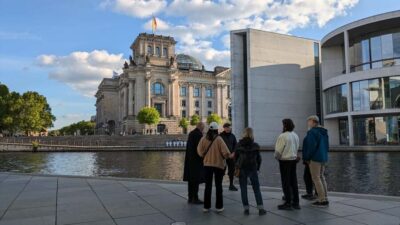
Berlin City walk Government District and Places of Democracy
Read our review →
Berlin: Third Reich & Cold War Guided Walking Tour
Read our review →
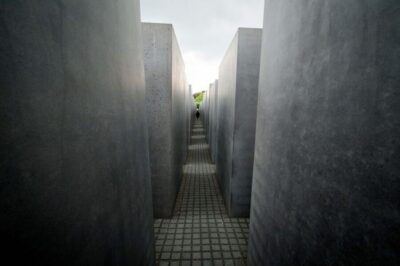
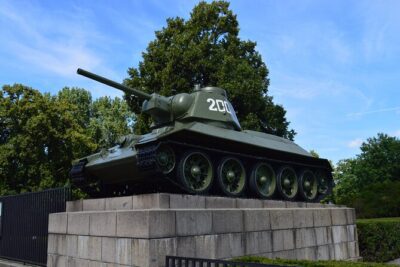
Berlin’s Best: 2 Hour Walking Tour Third Reich and the Cold War
Read our review →

Explore Berlin: See All The Iconic Sights & Some Hidden Gems
Read our review →Lists this walk sits on