
Review · GERMANY
Augsburg: Walking Tour with Fuggerei
Augsburg’s Fuggerei is the heart of this two-hour walk. It is the world’s oldest social settlement, still known for its small homes, quiet lanes, and unusual founding story. You also pass the city’s grand fountains and water channels, so this is not just a stroll through pretty streets. It connects Augsburg’s money, faith, art, and public works in one compact outing.
I like the included Fuggerei admission, and I like that the tour also covers the Römerlager/Brechthaus at 2 PM. The guide adds useful context about the Fugger family, Mozart’s Augsburg connection, and Bertolt Brecht. The main drawback is the fixed pace: two hours is enough for a strong introduction, but not enough for a slow museum visit or long stops at every sight.
Key points to know before you go
- Fuggerei admission is included: Visit the world’s oldest social settlement without paying a second entrance fee.
- The 2 PM tour includes Römerlager/Brechthaus: Choose this time if that interior visit matters to you.
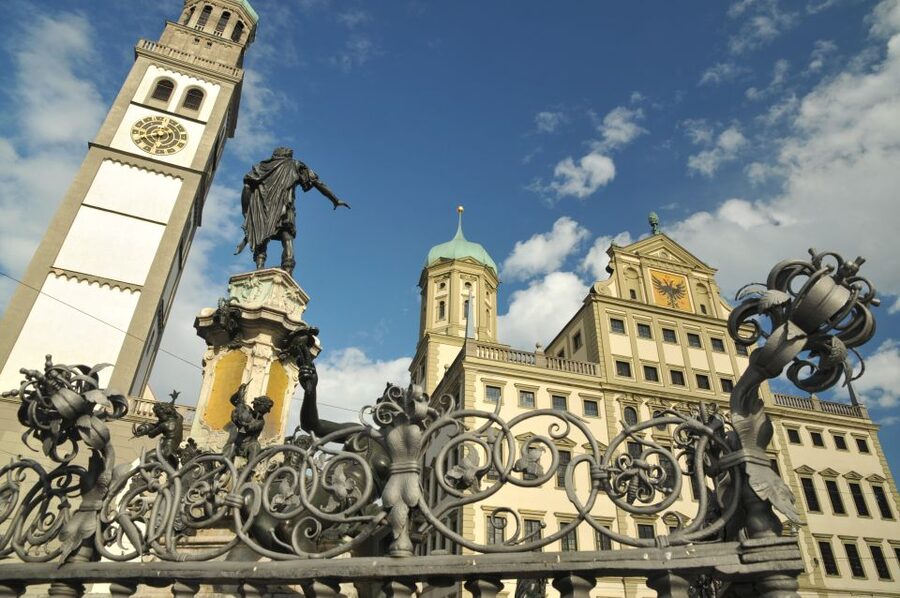
- Augsburg’s water system is part of the walk: See canals and the ornate 16th-century Augustus Fountain.
- Mozart and Brecht add a human thread: The route links Augsburg to music, literature, banking, and local identity.
- German and English options differ by time: The 11 AM tour is in German, while the 2 PM tour is bilingual.
- Bring your phone and headphones: The optional elysium sound amplification system requires a smartphone, headphones, and an internet connection.
Why the Fuggerei gives this walk its purpose
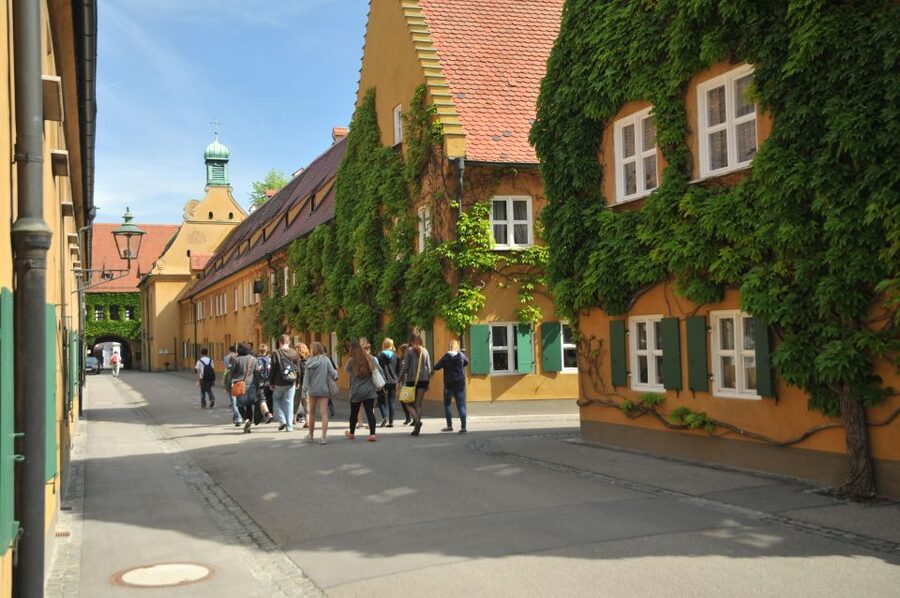
Many old-town walks move from one handsome building to another with little sense of how people actually lived. This one has a stronger center. The Fuggerei shows Augsburg’s social side, not just its wealthy one.
Founded by the Fugger family, the settlement was created as housing for people in need. It remains a working residential community, which gives the visit a practical feel. You are not simply looking at an old model village. You are walking through a place with a continuing social purpose.
The guide explains the Fugger family’s place in European banking and Augsburg’s history. That context matters. The family’s wealth paid for the settlement, while the settlement shows how that wealth was used in public life. The contrast between private fortune and social responsibility makes the Fuggerei more interesting than a standard historic house.
The lanes and houses are also a welcome change from monumental city sights. I like the quieter scale here. You get a sense of ordinary domestic life, even during a short visit.
The tour includes the entrance ticket, so you do not need to arrange a separate admission. It also skips the ticket line, which helps keep a two-hour schedule on track. Still, you should expect a guided introduction rather than unlimited time to explore every corner at your own pace.
More walking tours around Germany:
- Discover Berlin Half-Day Walking Tour
★ 5.0 · 9,624 reviews - Berlin City walk Government District and Places of Democracy
★ 4.7 · 8,467 reviews - Berlin: Third Reich & Cold War Guided Walking Tour
★ 4.9 · 8,378 reviews
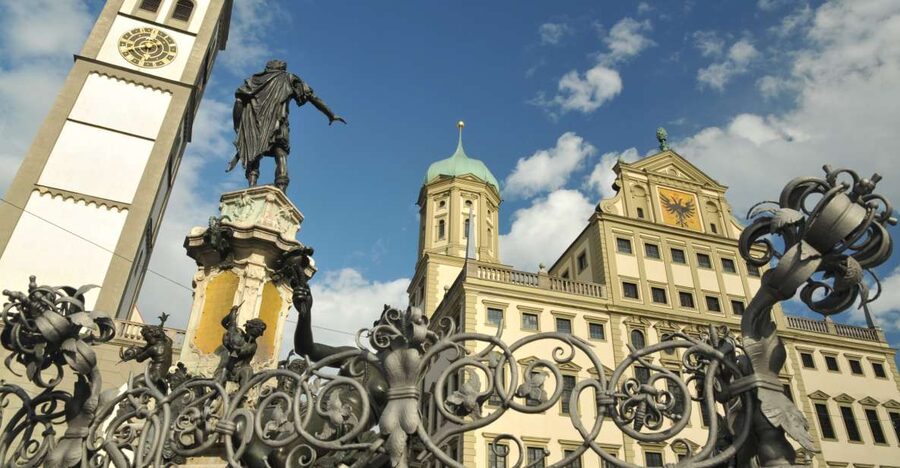
Augustus Fountain and the sound of Augsburg’s water
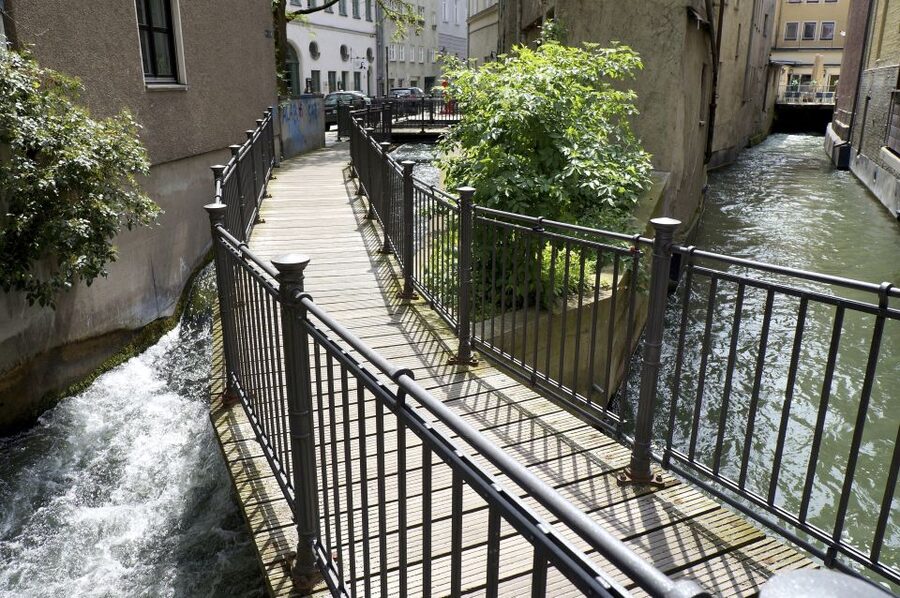
The walk brings you to the Augustus Fountain, one of Augsburg’s most striking public monuments. Its ornate design dates from the 16th century, and the gentle splash of water gives the stop a calm, almost theatrical quality.
This fountain is part of a larger story. Augsburg’s canals and waterworks are recognized as UNESCO World Heritage Sites, and the guide places the fountain within that system. You see that the city’s water heritage is not limited to one decorative monument. Channels run through the old town, linking practical engineering with civic display.
I find this part especially useful if you tend to skip technical subjects. The guide makes the canals easier to read as part of the city rather than as random strips of water. The fountains show public pride, while the channels show the everyday work behind Augsburg’s growth.
The stop also gives the walking route some breathing room. After the close lanes of the old town, open water and a large fountain change the rhythm. You can listen, take photographs, and notice how Augsburg’s public spaces were designed to be useful and impressive at the same time.
The tour does not promise a full inspection of every water site. Think of it as an introduction to the UNESCO water system, with selected canals and fountains along the route. If this is your main interest, you may want extra time in Augsburg after the walk.
Through the old town and its UNESCO sights
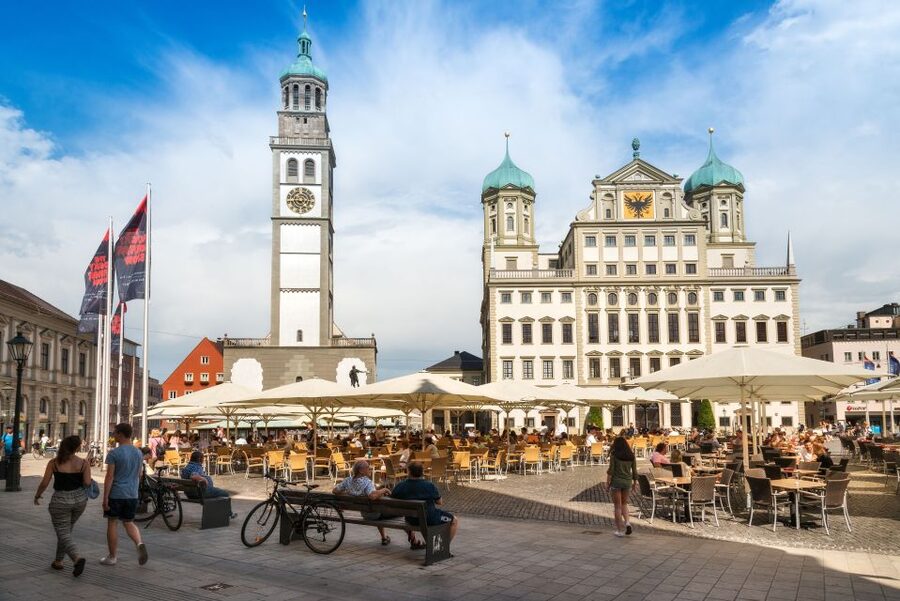
Augsburg’s center is easy to cover on foot, and this tour uses that compact setting well. You move through charming old-town streets while the guide points out major sights and the traces left by important residents and families.
The value here is in the connections. A fountain is not only a fountain. A canal is not only a canal. A historic building can open a discussion about trade, religion, city government, or daily life. You get more from the streets when someone explains how the pieces fit together.
The route is also useful early in a visit. After two hours, you should have a clearer idea of where the main areas sit and which places deserve a longer return visit. The guide can also point out additional sights, giving you a practical list for the rest of your day.
Because the tour is guided, you do not need to spend your first hour in Augsburg trying to identify every building on your own. You can focus on the street scenes and ask questions as the walk unfolds.
A word of caution: an old town walk means time on your feet. The activity is listed as wheelchair accessible, but the experience still involves moving through historic streets and visiting several locations. If you have specific mobility needs, confirm the current route details when booking.
Mozart’s Augsburg connection
The Mozart name appears here in a local, personal way. Wolfgang Amadeus Mozart’s father was born in Augsburg, so the city can claim a direct connection to the family behind one of Europe’s best-known composers.
That detail adds variety to the walk. Augsburg is not presented only as the city of bankers and grand civic monuments. The route also follows the people who passed through its cultural life. For music lovers, the Mozart connection gives the old streets an extra point of interest.
You should keep your expectations measured. This is not a Mozart concert tour or a long specialist visit focused on the composer. The connection is one part of a wider city story, alongside the Fugger family and Brecht.
I like that balance. You get a few strong cultural threads without being asked to choose just one. The guide uses well-known names to help you understand Augsburg, then places them within the wider story of the city.
Same streets, a different story:
- Munich: Third Reich & WWII Walking Tour
★ 4.6 · 6,181 reviews - Berlin: Discover Berlin Walking Tour
★ 4.9 · 5,998 reviews - Berlin’s Best: 2 Hour Walking Tour Third Reich and the Cold War
★ 5.0 · 5,486 reviews - Berlin: Hidden Backyards Guided Walking Tour
★ 4.8 · 5,360 reviews
Brecht, the Römerlager, and the 2 PM choice
The tour also follows Augsburg’s connection to Bertolt Brecht, the major German playwright and poet. The route includes the Römerlager/Brechthaus, with the entrance ticket scheduled at 2 PM.
This timing is important. If you want the included visit to the Römerlager/Brechthaus, choose the 2 PM option during booking. The 11 AM tour is in German, while the 2 PM tour is bilingual in German and English.
For English speakers, the afternoon time is the practical choice. It combines the bilingual guide with the included entrance visit. From July 19 through the end of September, Thursday to Sunday, an extra English group is offered at 2 PM, but you need to select the specific English July to September option during booking.
The Brecht connection gives the walk a modern literary edge. Augsburg’s story reaches beyond medieval and Renaissance wealth. It also includes writers and artists whose work shaped German culture in more recent times.
The Römerlager adds another layer by connecting the city to its Roman past. Since the provided information does not specify the length of the interior visit, plan on it being one part of the broader two-hour program rather than the entire focus.
What the two-hour schedule feels like
Two hours is a sensible length for an introduction to Augsburg. You can cover the main center without committing half a day, and the guided format keeps the route moving.
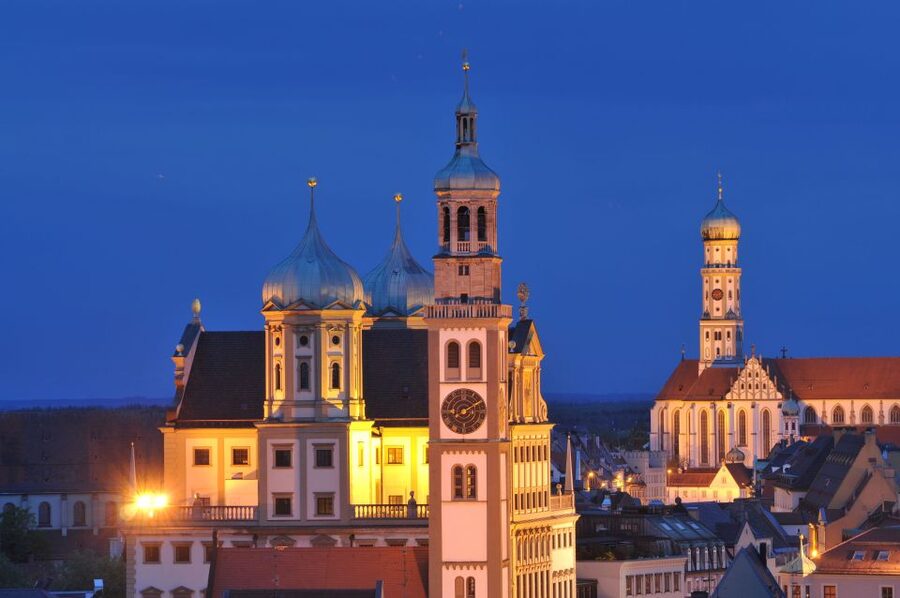
The likely rhythm is a mixture of walking, short explanations, and stops at major sights. You will have time to hear the story behind the Fuggerei, see selected UNESCO water sites, and follow the Mozart and Brecht connections. The Augustus Fountain gives you a clear visual highlight, while the Fuggerei provides the most substantial visit.
I would not book this expecting a leisurely photography walk. The schedule includes several themes and two included entrances, so the guide needs to keep a steady pace. If you prefer to linger over details, note down the places you want to revisit later.
The 11 AM German tour may suit German-speaking visitors who want an earlier start. The 2 PM bilingual tour works better for English speakers and includes the Römerlager/Brechthaus visit. Check starting times when you book because availability can change.
The meeting point is the Tourist-Information Augsburg. That makes the beginning straightforward, especially if you are staying in or near the city center. Hotel pickup and drop-off are not included, so you make your own way to the meeting point.
Is $22 a fair price?
At $22 per person, this is good value if you want a guided introduction rather than a self-guided walk. The price includes the walking tour, a live guide, Fuggerei admission, and the Römerlager/Brechthaus ticket at 2 PM.
The Fuggerei ticket alone gives the price real weight. You also receive an explanation of the city’s canals, fountains, famous residents, and major historic themes. For a first look at Augsburg, that is a useful package.
The value is lower if you already know the old town well or prefer to explore entirely on your own. A self-guided walk costs less, though you would need to arrange your own entrance tickets and research the connections between the sights.
I would see this as a strong first-day activity. It gives you orientation, covers the city’s major themes, and leaves you with ideas for a longer independent visit. You are paying for access and interpretation, not just for someone to lead you from one street to another.
Language, sound support, and practical details
The live tour is offered in German and English, but the schedule matters. The 11 AM departure is German. The 2 PM departure is bilingual in German and English, with an additional English group on selected dates from July 19 through the end of September.
An optional elysium sound amplification system is available at no extra charge. To use it, bring your smartphone, headphones, and an internet connection. This may help you follow the guide in a busy street setting, but it is not required for the tour.
The activity is listed as wheelchair accessible. You should still consider the nature of the route: it is a walking tour through the old town with stops in historic sites. The meeting point is the Tourist-Information Augsburg, and there is no hotel transport.
Cancellation is flexible up to 24 hours before the start for a full refund. You can also reserve now and pay later, which helps if you are still arranging your Bavaria schedule.
Who will enjoy this Augsburg walk most?
I would recommend it to first-time visitors who want a quick but meaningful introduction to Augsburg. It suits people who like history in manageable portions, especially when the story includes social housing, banking, water engineering, music, and literature.
Families may also find the variety helpful. The fountain, canals, old streets, and Fuggerei offer more visual change than a tour focused on one museum. The two-hour length is easier to fit into a busy day.
It is a good match for anyone interested in the Fugger family or the Fuggerei in particular. The included entrance removes a separate planning step, and the guide helps explain why the settlement matters.
English-speaking visitors should choose the 2 PM option. That is the bilingual departure, and it is the time connected with the Römerlager/Brechthaus entrance. German speakers who want an earlier start can consider 11 AM.
I would be less likely to recommend it to someone seeking a specialist architecture tour, an extended Brecht program, or a long museum visit. You will get a broad look at Augsburg, not an exhaustive study of one subject.
Should you book the Fuggerei walking tour?
Book it if you want the main Augsburg story in two hours, with the Fuggerei as the anchor. The included admission, UNESCO water sights, Augustus Fountain, and personal links to Mozart and Brecht make the $22 price sensible.
Choose the 2 PM bilingual tour if you need English or want the Römerlager/Brechthaus entrance. Bring headphones and your phone if you want to try the optional sound system.
Skip it only if you already know Augsburg well and prefer a slow, independent visit. For most first-time visitors, this is a practical way to get oriented and see why the Fuggerei, canals, fountains, and old-town streets belong in the same city story.
FAQ
Where does the tour meet?
The meeting point is the Tourist-Information Augsburg.
How long does the walking tour last?
The tour lasts two hours.
What is included in the price?
The price includes the walking tour, a live guide, entrance to the Fuggerei, and entrance to the Römerlager/Brechthaus at 2 PM.
Is hotel pickup included?
No. Hotel pickup and drop-off are not included.
What languages are available?
The tour is available in German and English. The 11 AM tour is in German, while the 2 PM tour is bilingual in German and English.
Which departure should English speakers choose?
English speakers should choose the 2 PM bilingual tour. From July 19 through the end of September, Thursday to Sunday, an additional English group is available at 2 PM under the Ticket English July-September option.
Is the Fuggerei entrance included?
Yes. The Fuggerei entrance ticket is included.
Is the Römerlager/Brechthaus entrance included?
Yes, the entrance is included at 2 PM.
Is the tour wheelchair accessible?
Yes, the activity is listed as wheelchair accessible.
Can I cancel the booking?
Yes. You can cancel up to 24 hours in advance for a full refund. Reserve now and pay later is also available.
New walking tours around Germany
- Mystical Hamburg – Walking Tour in German★ 4.6 · 168 reviews
- Munich : Private Walking Tour with A Guide (Private tour)★ 4.5 · 85 reviews
- Munich: Raven Black Witches and Executioners Walking Tour★ 4.7 · 294 reviews
- Munich: Guided Food Walking Tour with Beer Tasting★ 4.7 · 183 reviews
- Munich Old Town – Guided Walking Tour in English★ 4.7 · 153 reviews
- Munich: Old Town Guided Walking Tour★ 4.6 · 479 reviews
- Munich: Old Town Walking Tour★ 4.7 · 589 reviews
- Munich: Birthplace of the Third Reich Guided Walking Tour★ 4.6 · 771 reviews
Germany Walking Tours, side by side.

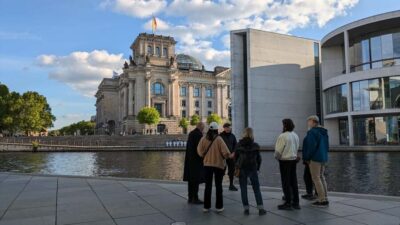
Berlin City walk Government District and Places of Democracy
Read our review →
Berlin: Third Reich & Cold War Guided Walking Tour
Read our review →
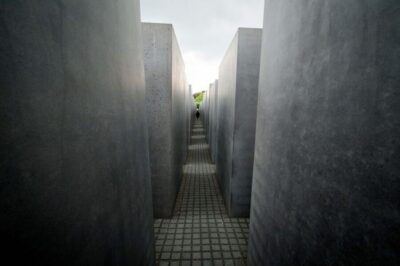
Berlin’s Best: 2 Hour Walking Tour Third Reich and the Cold War
Read our review →

Explore Berlin: See All The Iconic Sights & Some Hidden Gems
Read our review →Lists this walk sits on