
Review · PARIS
Montmartre & Sacré Coeur: 2.5-Hour Walking Tour
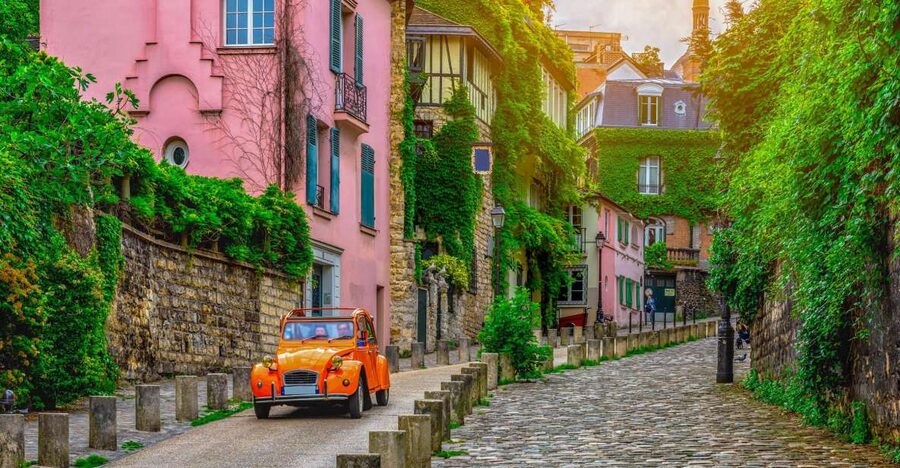
Montmartre is Paris at its most theatrical: a hilltop village of cobbled lanes, old studios, cabarets, artists’ squares, and one enormous white basilica. This 2.5-hour walking tour connects those pieces without asking you to puzzle out the neighborhood on your own. You’ll hear about Van Gogh, Picasso, Toulouse-Lautrec, the Belle Époque, and the Moulin Rouge as you climb toward Sacré Coeur.
I like the small scale, with no more than 12 people per guide, and I like the art focus. Guides such as Tamari, Felix, Fred, and Anastasia have brought the district to life with art history, old photographs, and stories tied to specific streets and buildings. The main drawback is the hill: this is not an easy stroll, and the tour is not suitable for wheelchair users or people with mobility impairments.
Key points to know before booking
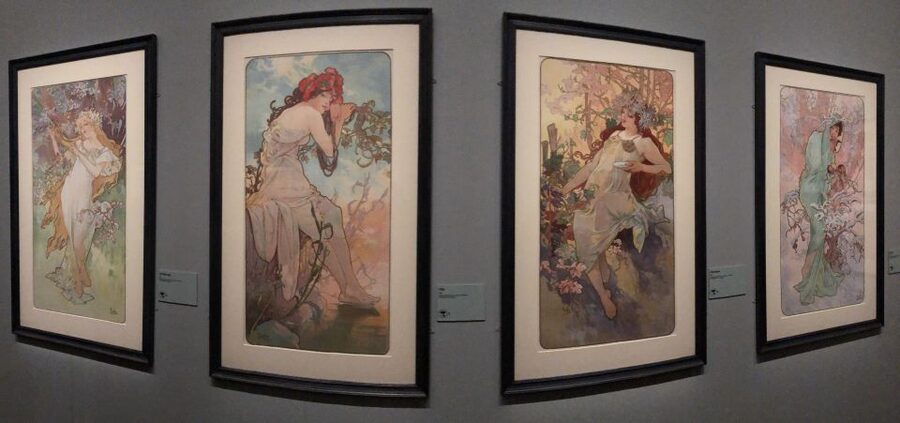
- Montmartre’s artists are the main story: See Van Gogh’s former home, Picasso’s studio, and places linked to Toulouse-Lautrec.
- The Moulin Rouge adds Belle Époque drama: Learn how cabaret shaped the district’s public image.
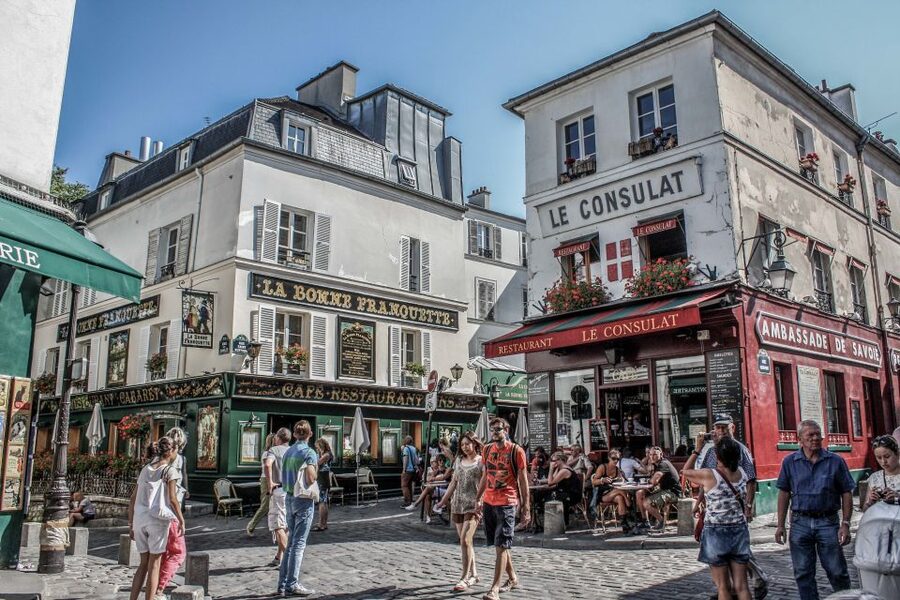
- Place du Tertre gives you the classic village scene: Artists, sketchers, cafés, and a busy tourist atmosphere gather here.
- Sacré Coeur is included: Enter the basilica and finish with wide views across Paris.
- Small groups keep the walk personal: The maximum is 12 people per guide, with private options available.
- Good shoes are essential: Montmartre has steep streets, stairs, and uneven cobbles.
Why Montmartre works best as a guided walk
Montmartre can look simple on a map, but its charm is scattered across steep lanes and small corners. One street may point you toward the Moulin Rouge, while another leads to a quiet square or a building tied to a famous painter. A guide helps connect those places into a story instead of leaving you with a collection of photographs.
I especially like that this experience treats Montmartre as more than a viewpoint beside Sacré Coeur. You get the famous basilica, but you also spend time with the neighborhood’s artists, cabarets, architecture, and Belle Époque past. That gives you a better sense of why this district became one of Paris’s most recognizable quarters.
The tour lasts 2.5 hours, long enough to cover the main sights without turning into an all-day march. Still, the pace includes a fair amount of walking. You should expect hills, cobblestones, and narrow streets rather than a flat promenade.
More walking tours around Paris:
- Paris Top Sights Half Day Walking Tour with a Fun Guide
★ 5.0 · 2,893 reviews - Montmartre Hidden Gems and Scenic Highlights Walking Tour
★ 5.0 · 2,684 reviews - Montmartre Hill French Gourmet Food and Wine Tasting Walking Tour
★ 5.0 · 2,588 reviews
Starting beside the Moulin Rouge
The Moulin Rouge is one of the tour’s most recognizable stops, and it gives the walk a lively opening. Its red windmill and cabaret history point to the Montmartre of the Belle Époque, when the neighborhood attracted artists, performers, writers, and people looking for entertainment outside the more formal center of Paris.
Your guide explains the role of the cabarets and the characters connected with them, including Henri de Toulouse-Lautrec. This context matters because the Moulin Rouge is easy to treat as a simple photo stop. The story is more interesting when you understand how nightlife, popular performance, and modern art overlapped in Montmartre.
The area around the Moulin Rouge is busier and more commercial than the upper village. That contrast is useful. You begin with the famous public face of Montmartre, then move toward quieter lanes where the neighborhood feels older and more residential.
Following Van Gogh, Picasso, and Toulouse-Lautrec
The artistic thread is the strongest reason to choose this walk over a basic sightseeing route. Montmartre was not just a pretty setting for painters. It was a working neighborhood where artists lived, shared ideas, opened studios, and responded to the fast-changing city around them.
The tour points out Vincent Van Gogh’s former home and Pablo Picasso’s art studio, along with places connected to Toulouse-Lautrec. You do not need to be an art specialist to enjoy this section. The value comes from seeing famous names tied to actual streets and buildings rather than learning about them only in a museum.
Guides with an art background can add especially useful context here. Anastasia, for example, is described as linking major works to locations along the route. Liliyana is also noted for connecting art history with the places you see. That kind of explanation can change how you look at an ordinary doorway or narrow lane.
Felix has used a tablet to show before-and-after photographs of buildings and streets. That is a practical touch because Montmartre has changed greatly over time. Old images help you picture the neighborhood when artists and cabaret performers shaped its daily life.
The tour does not turn these homes and studios into grand museum visits. They are mainly exterior landmarks and story points. That means the experience suits you if you enjoy context and atmosphere, but it may feel light if you want long interior visits or a formal art lecture.
Place du Tertre and the postcard version of Montmartre
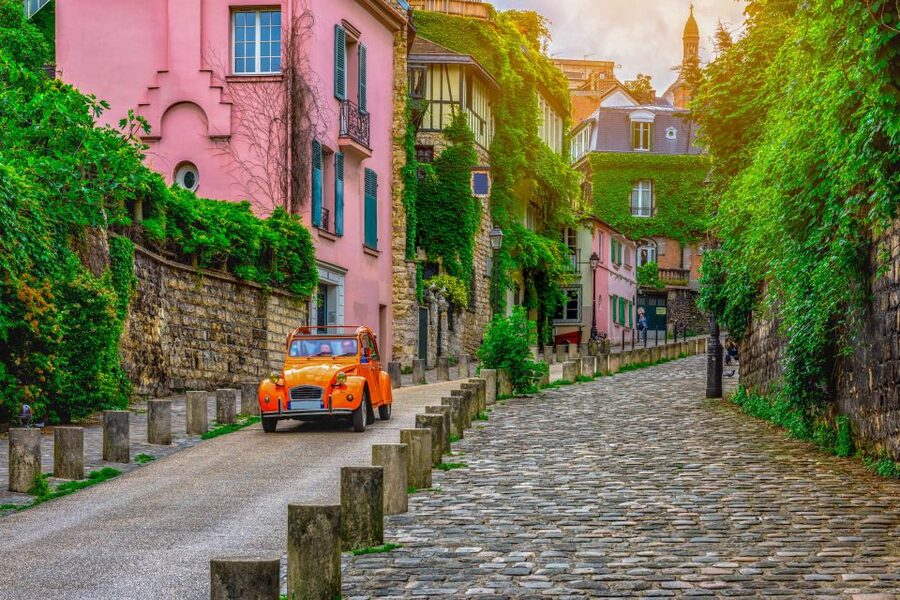
Place du Tertre is the classic Montmartre scene: artists working in the open air, small cafés, and a square packed with people drawn to the neighborhood’s old village identity. It is one of the best-known stops, but it is also one of the most crowded and commercial parts of the walk.
A guide helps you look past the postcard surface. You can learn why artists gathered here and how the square fits into Montmartre’s longer story. The setting is photogenic, but it is not quiet. If you prefer empty streets, you may find this section busy, especially at popular times.
This is also a good place to notice the difference between historic atmosphere and modern tourism. Montmartre still has its winding lanes and village feel, yet the square serves a large sightseeing crowd. I appreciate that the tour includes it without pretending it is untouched.
The route may also include Café des 2 Moulins, known for its connection with Amélie. That stop adds a modern film reference to the older artistic story. It is a nice extra if you know the movie, though the main value of the tour remains the neighborhood’s art and social history.
Same streets, a different story:
- Authentic Parisian Gourmet Food Tour with 10 Local Dishes & Wines
★ 5.0 · 4,754 reviews - Paris: Montmartre Highlights Walking Tour with a Local Guide
★ 4.9 · 2,318 reviews - Paris Île de la Cité and Notre-Dame Walking Tour With Crypt
★ 5.0 · 2,272 reviews - Paris: Montmartre Cheese, Wine & Pastry Guided Walking Tour
★ 4.8 · 2,255 reviews
The quieter corners between the famous stops
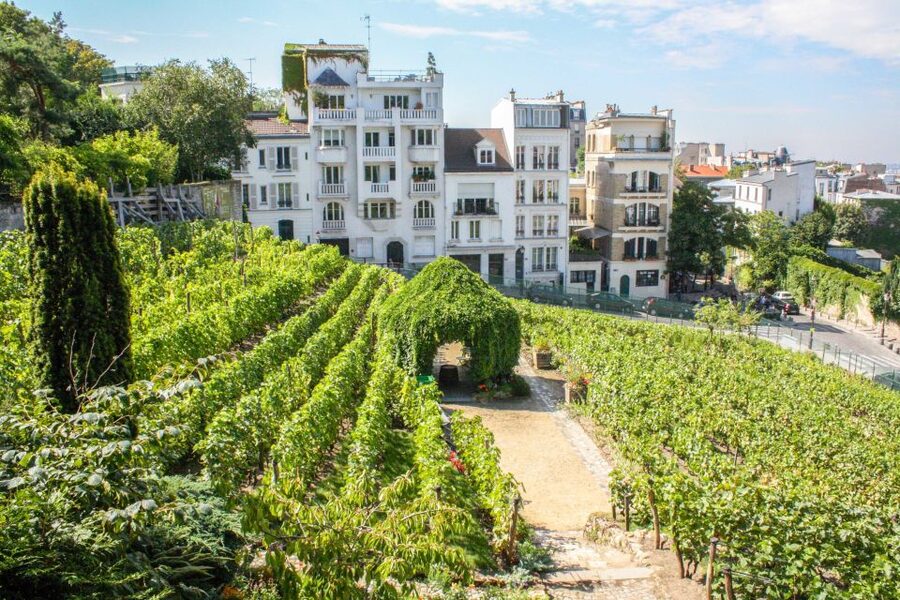
One of the best promises of this experience is the chance to see pockets of Montmartre that are easy to miss. The guide leads you through narrow lanes and less obvious corners between the major sights, showing you why the area feels different from the broad boulevards below.
These stretches are where a walking tour earns its price. You can use a map to locate the Moulin Rouge, Place du Tertre, and Sacré Coeur, but a map will not explain why one lane matters or how the district changed over time. A local guide can also adjust the amount of detail to the group, answer questions, and keep you moving when the streets become crowded.
The tone appears to be conversational rather than formal. Fred is described as casual and friendly, while Francois is praised for keeping the group engaged with stories about Parisian architecture, culture, and history. Eden, Elena, Alex, and other guides are also available depending on the date and language selected.
Since the actual guide is assigned later, you should not book on the assumption that one specific person will lead your walk. But the range of guide feedback points to a strong emphasis on personal storytelling and local knowledge.
Entering Sacré Coeur at the end
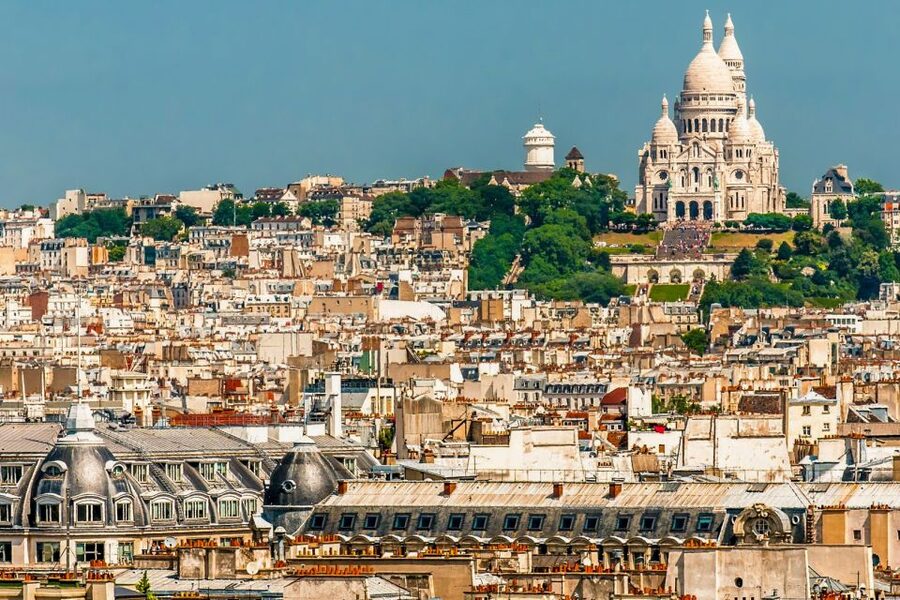
Sacré Coeur is the visual payoff. The white basilica sits at the top of the hill, and its broad steps and terrace open toward a sweeping view of Paris. The tour includes entry to the basilica, not just an exterior photograph.
Inside, the mood changes. After the streets, shops, cafés, and cabaret stories, the basilica offers a quieter space for reflection. Your guide can explain its place in Montmartre and point out features inside, although the amount of speaking may be limited in areas where quiet is required.
The view from the hill is a major reason to take this walk. You can see across Paris from a high position, and the tour may be scheduled near sunset when light adds extra drama. Check the starting time carefully, since the view is only a sunset experience if your chosen departure lines up with the evening.
Timing is important here. Museum and religious-site management can sometimes close areas without advance notice. If an opening is delayed by more than an hour, an alternative is provided, but refunds or discounts are not offered for those changes. That is a general risk at busy Paris sights, not a reason to skip the tour, but it is worth knowing before you book.
What the $53 price gets you
At $53 per person, the main value is the guide rather than transportation or food. You are paying for 2.5 hours of route planning, local explanation, entry to Sacré Coeur, and a small group that can stop in places a large coach cannot reach.
I think the price makes sense if Montmartre is new to you or if you want the art and cabaret stories tied together. It is less compelling if you only want a quick photo at Sacré Coeur and the Moulin Rouge. You could walk between those sights on your own, but you would lose much of the historical thread.
Food and drinks are not included, and transportation is not included. Plan your route to the meeting point separately, since the starting place can vary with the option you select. The tour ends back at the meeting point, which helps if you have a later plan nearby.
A private group option is available if you want more control over the pace and conversation. The standard format is limited to 12 people per guide, which is small enough for questions without carrying the cost of a fully private tour.
Walking conditions, languages, and practical details
Wear supportive shoes. Montmartre’s charm comes with steep streets, stairs, and uneven cobbles, and one guide specifically advises sneakers or good walking shoes. The walk involves a moderate amount of walking, but the hill makes it feel more demanding than the distance alone suggests.
Do not bring luggage or large bags. You should carry only what you need for the walk and keep your hands free on the slopes and crowded streets. Bring a passport or ID card, as required for the activity.
The tour is offered in English, French, Spanish, Italian, Russian, and German. A live guide leads the walk, so choosing a language you understand well will make the stories about art, politics, and cabaret much easier to follow.
The semi-private version requires at least two participants to operate. If that minimum is not reached, an alternative date or full refund is offered. Free cancellation is available up to 24 hours before the tour, and a reserve-now, pay-later option can help if your Paris schedule is still shifting.
Who will enjoy this Montmartre walk
I would choose this for a first visit to Paris, especially if you want more than the standard Eiffel Tower and Louvre circuit. Montmartre offers a different side of the city, and the tour gives you an efficient introduction without requiring a full day.
It is also a good match for people interested in painting, film, architecture, and Parisian nightlife. The links to Van Gogh, Picasso, Toulouse-Lautrec, the Moulin Rouge, and Amélie give the route several entry points.
Families with older children may enjoy the changing scenery and stories, but the hills can be tiring. Anyone with mobility limitations should choose another activity because the semi-private tour is not suitable for wheelchair users or people with walking disabilities.
If you have already spent several days in Montmartre, the value depends on how much context you want. You may know the main sights, but a guide such as Felix, with old photographs, or an art-focused guide such as Anastasia or Liliyana, can still add depth to familiar streets.
Should you book it?
Book this tour if you want Montmartre explained as a living neighborhood rather than reduced to a basilica and a viewpoint. The strongest features are the small group size, the art connections, the Belle Époque cabaret story, and entry to Sacré Coeur.
Skip it if you dislike hills, prefer to explore at your own pace, or want long interior visits at museums and monuments. For most first-time visitors who can manage the walking, $53 is a fair price for a focused introduction to one of Paris’s most atmospheric districts.
FAQ
How long is the Montmartre and Sacré Coeur walking tour?
The tour lasts 2.5 hours.
What sights are included?
The route includes Montmartre, Place du Tertre, the Moulin Rouge, Van Gogh’s former home, Picasso’s art studio, places linked to Toulouse-Lautrec, and Sacré Coeur.
Does the tour enter Sacré Coeur?
Yes. A visit to Sacré Coeur Basilica is included.
Is transportation included?
No. Transportation to and from the meeting point is not included.
Are food and drinks included?
No. Food and drinks are not included in the tour price.
What languages are available?
Live guides are available in English, French, Spanish, Italian, Russian, and German.
How large is the group?
The tour has a maximum of 12 participants per guide. A private group option is also available.
Is the tour suitable for wheelchair users?
No. The semi-private tour is not suitable for wheelchair users or people with walking disabilities. It involves a moderate amount of walking on Montmartre’s hilly streets.
What should I bring?
Bring a passport or ID card and wear comfortable walking shoes. Large bags, luggage, and suitcases are not allowed.
New walking tours around Paris
- Montmartre Walking Tour with a Local Guide★ 4.9 · 478 reviews
- Paris: Montmartre Small Group Guided Walking Tour★ 4.8 · 139 reviews
- Paris: Montmartre Hidden Gems and Highlights Walking Tour★ 4.7 · 378 reviews
- Montmartre for Art Lovers – Walking tour with Expert Guide★ 5.0 · 456 reviews
- Paris: Louvre Museum Entry Ticket and Garden Walking Tour★ 4.2 · 326 reviews
- Le Marais Walking Food Tour with Cheese, Wine & Pastries★ 4.7 · 339 reviews
- Historic Paris Walking Tour in English★ 4.9 · 78 reviews
- German private Walking Tour through Montmartre & Passages★ 4.9 · 76 reviews
Paris Walking Tours, side by side.

Authentic Parisian Gourmet Food Tour with 10 Local Dishes & Wines
Read our review →
Paris Top Sights Half Day Walking Tour with a Fun Guide
Read our review →
Montmartre Hidden Gems and Scenic Highlights Walking Tour
Read our review →
Montmartre Hill French Gourmet Food and Wine Tasting Walking Tour
Read our review →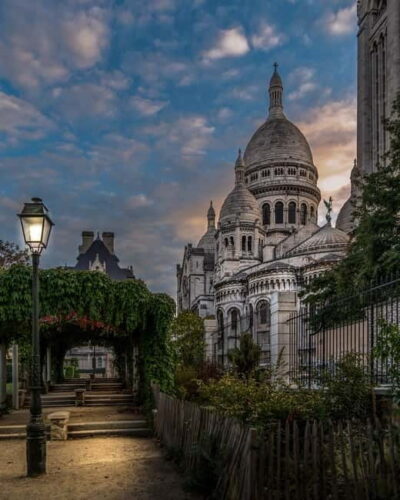
Paris: Montmartre Highlights Walking Tour with a Local Guide
Read our review →
Paris Île de la Cité and Notre-Dame Walking Tour With Crypt
Read our review →
Paris: Montmartre Cheese, Wine & Pastry Guided Walking Tour
Read our review →
Paris in a Day: Louvre or Orsay, Eiffel Tower, City Walk & Cruise
Read our review →Lists this walk sits on