
Review · PARIS
Montmartre Walking Tour with a Local Guide
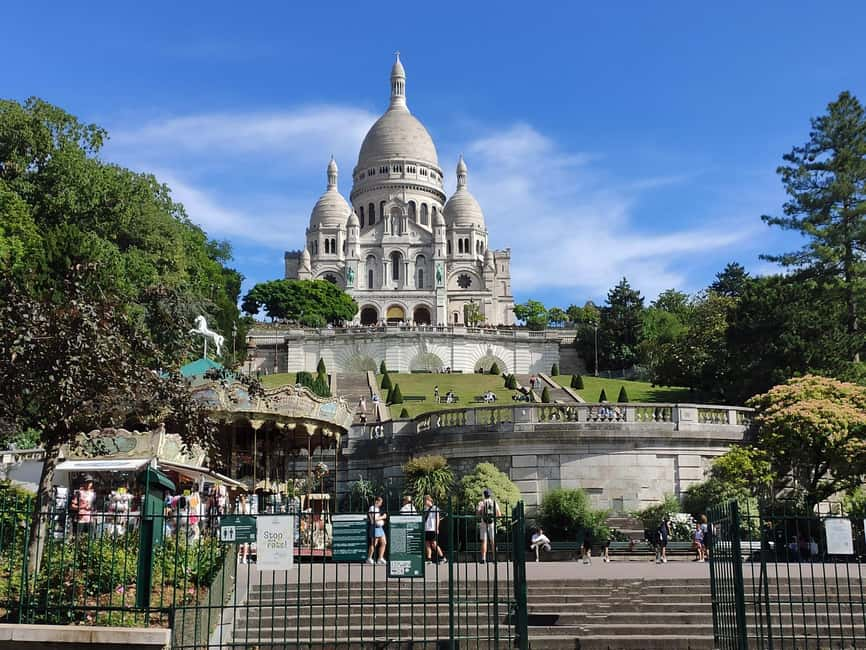
Montmartre is where Paris feels most like a village, and this walk takes you from the Moulin Rouge through artists’ streets to the white domes of Sacré-Cœur. You’ll hear stories about Picasso, Van Gogh, Toulouse-Lautrec, and the local characters who shaped this hilltop quarter.
I like the small-group feel and the way the route reaches Sacré-Cœur by a gentler back way rather than sending you straight up every staircase. I also like that the guide takes family photos and points out small details, from film locations to street art, that are easy to miss alone.
The main drawback is the climb. Two hours on cobbled streets and moderate hills will not suit everyone, and Montmartre can feel crowded around its best-known sights.
Key points to know before you book
- The route climbs from Place Blanche to Sacré-Cœur, with several pauses along the way.
- Samy is the guide most often named for this tour, praised for clear English, local stories, patience, and useful Paris tips.
- You see both famous stops and quieter corners, including the Wall of Love, Dalida’s statue, La Maison Rose, and Moulin de la Galette.
- The group may be very small, sometimes only two people, and the guide can adjust the pace for children or older walkers.
- The tour ends at Sacré-Cœur, where you can explore the basilica and look across Paris toward the Eiffel Tower, Notre-Dame, and Montparnasse Tower.
- Bring comfortable shoes and weather protection. The walk runs in rain or shine and is not suitable for wheelchair users or people with mobility impairments.
Why this Montmartre walk works well

At $27 per person, this is a useful way to get your bearings in one of Paris’s most confusing districts. Montmartre looks compact on a map, but its winding lanes, stairways, sudden viewpoints, and tourist-heavy squares can make a first visit feel scattered.
A local guide gives the area a clear story. Instead of simply checking off Sacré-Cœur and Place du Tertre, you move through the old artistic quarter in a logical order. The guide connects buildings, painters, cabarets, film locations, and neighborhood life.
The experience lasts about two hours, though the pace can stretch longer if the group stops often or walks slowly. That flexibility is a plus. Several people have found the walk lasted closer to three hours, especially in poor weather or with a group that wanted more time for questions and photos.
This is not a museum tour or a formal lecture. It is an outdoor introduction to Montmartre, with the guide talking at each stop and while you walk. That makes it especially useful early in a Paris visit, when you want practical suggestions for restaurants, sights, shopping, and the rest of your stay.
More walks with a guide around Paris:
- Paris Top Sights Half Day Walking Tour with a Fun Guide
★ 5.0 · 2,893 reviews - Paris: Montmartre Highlights Walking Tour with a Local Guide
★ 4.9 · 2,318 reviews - Paris: Montmartre Cheese, Wine & Pastry Guided Walking Tour
★ 4.8 · 2,255 reviews
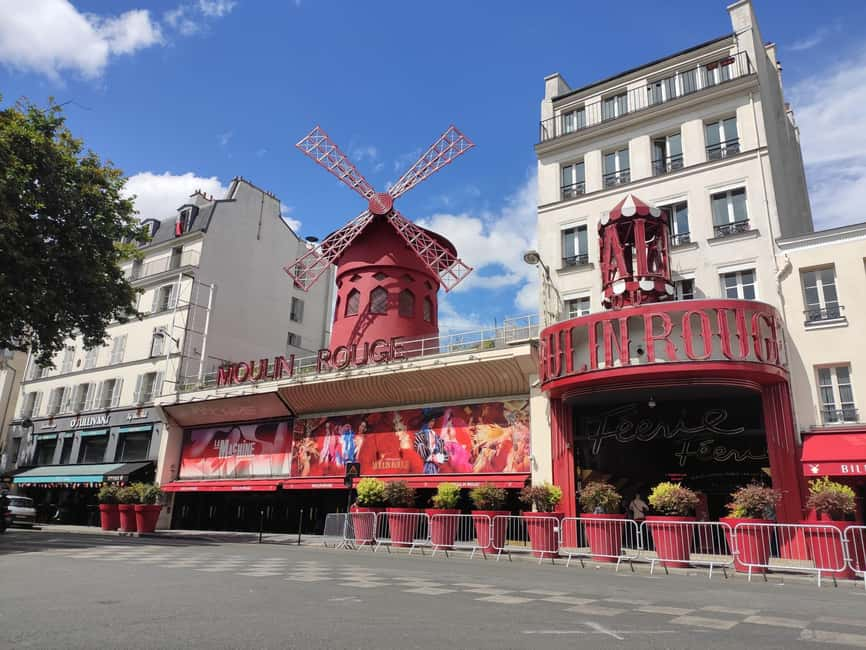
Starting at Place Blanche and the Moulin Rouge
Meet near the exit of Blanche Metro station on Line 2, close to the Moulin Rouge. Look for the guide carrying a green booklet and wearing a green badge. This is a busy part of Paris, so arrive with enough time to get out of the station and find the meeting point without rushing.
The Moulin Rouge is a fitting place to begin. Its famous red windmill and cabaret history introduce the more theatrical side of Montmartre. You stop here for photographs and a short explanation, rather than entering for a show.
That distinction matters. The tour does not include a Moulin Rouge performance, tickets, food, or drinks. You are seeing the exterior and learning why this stretch of the neighborhood became associated with nightlife, artists, dancers, and Parisian entertainment.
The opening stop also gives the guide a chance to explain the route and set a comfortable pace. If your group includes children, older relatives, or anyone who needs extra time, the guide can adjust the walk. Several accounts describe a patient approach, with regular pauses rather than a hurried march uphill.
The Wall of Love and Montmartre’s softer side

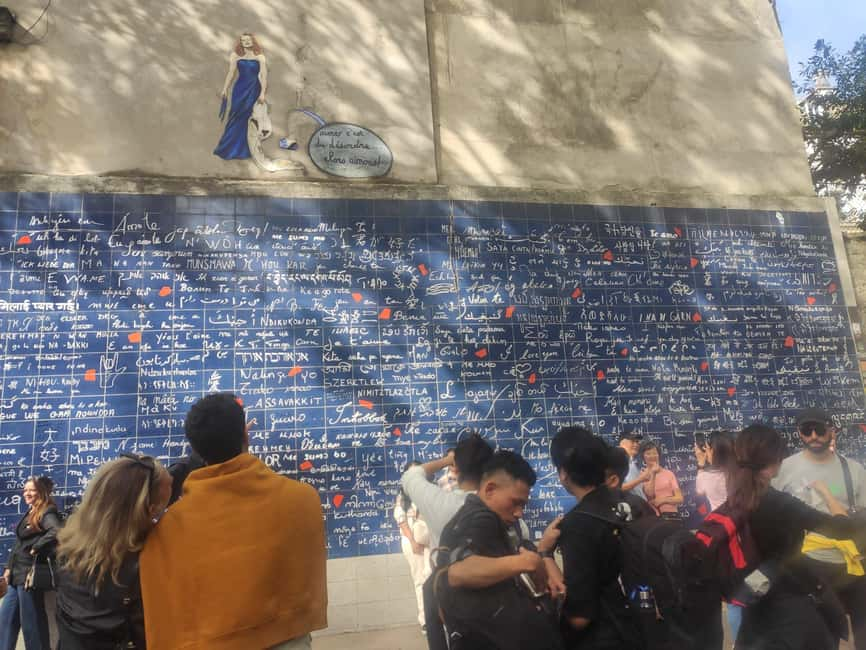
The next stop is the Wall of Love, a tiled artwork covered with the words I love you in many languages. It is an easy photo stop and a change of mood after the noisy boulevard near the Moulin Rouge.
The guide spends about ten minutes here, giving you time to look closely and take pictures. It is a small stop, but it helps show that Montmartre is not only cabarets and famous painters. The quarter also trades on romance, street art, and intimate public spaces.
You should expect other people around the popular photo points. Montmartre attracts many walking groups, and the Wall of Love is one of the places where several tours may gather at once. The guide’s local commentary helps make the stop more worthwhile than a quick photograph alone.
Moulin de la Galette and the painters’ Montmartre
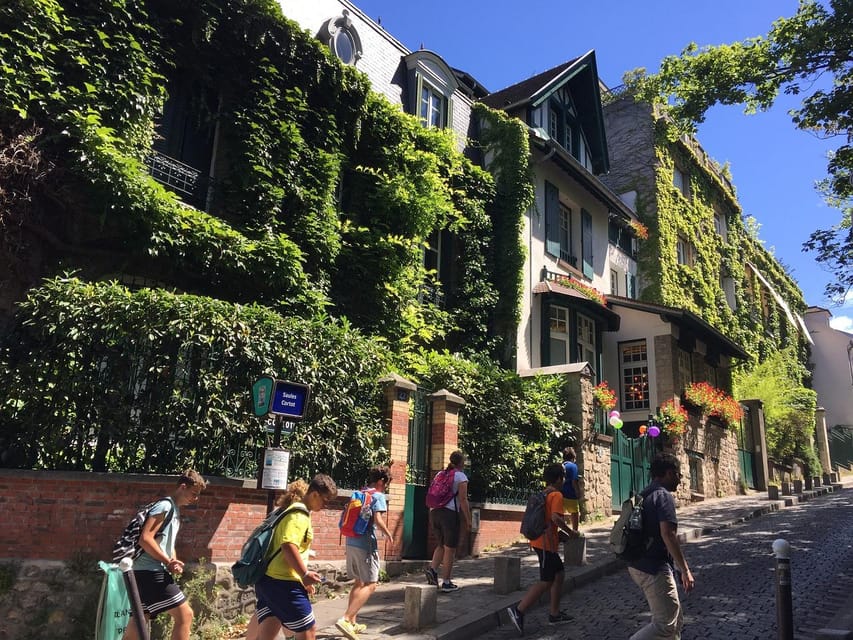
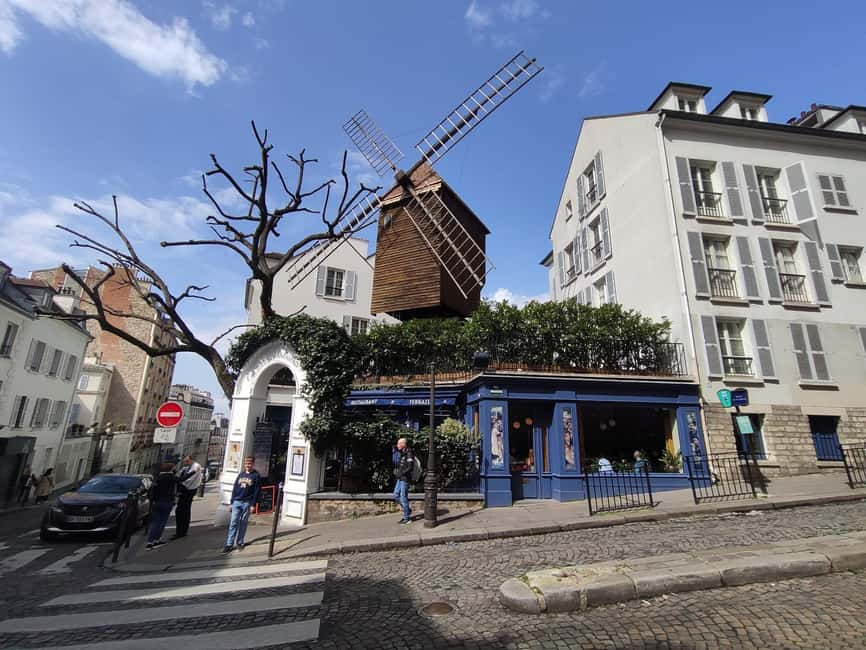
Moulin de la Galette brings the area’s artistic past into focus. Once connected with the old windmills of Montmartre, the site is linked with the painters who lived and worked on the hill.
This is where the stories about Picasso, Van Gogh, and Toulouse-Lautrec become more useful. You are not just hearing a list of famous names. You are seeing the streets and buildings associated with the artistic life that made Montmartre one of Paris’s best-known quarters.
The guide points out details you might pass without noticing and explains how the neighborhood changed over time. The strongest part of this tour is its storytelling. Samy, the guide named most often for this experience, is described as clear, friendly, and good at bringing the area’s historic characters to life.
The stop is outdoors and short. If you want to tour an art museum or enter a historic interior connected with a painter, this walk will not replace that. Its value is in connecting the streets into a larger picture.
More walking tours around Paris:
- Montmartre Hidden Gems and Scenic Highlights Walking Tour
★ 5.0 · 2,684 reviews - Montmartre Hill French Gourmet Food and Wine Tasting Walking Tour
★ 5.0 · 2,588 reviews - Paris Île de la Cité and Notre-Dame Walking Tour With Crypt
★ 5.0 · 2,272 reviews - Paris in a Day: Louvre or Orsay, Eiffel Tower, City Walk & Cruise
★ 5.0 · 1,956 reviews
Dalida’s statue and the quieter lanes
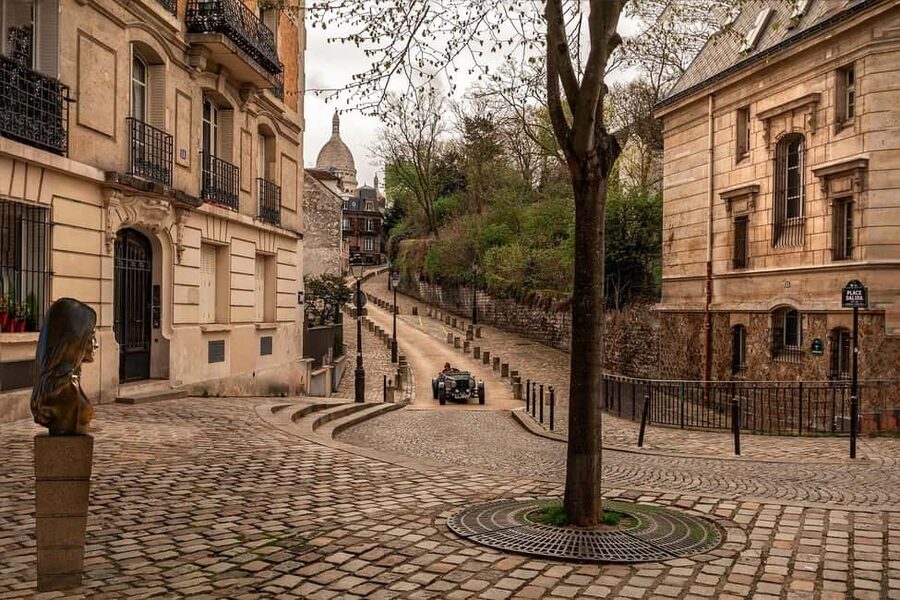
The statue of Dalida is one of the more personal stops. Dalida was a celebrated singer who lived in Montmartre, and her statue has become a familiar point of interest in the neighborhood.
The guide explains the local connection and gives you a chance to photograph the statue. This part of the walk feels less grand than Sacré-Cœur or the Moulin Rouge, but that is precisely why it helps. You get a sense of the people who made Montmartre their home, not just the landmarks used in postcards.
The route also takes you through smaller streets where the hill’s village character is easier to notice. You will walk on cobbles and deal with uneven surfaces, so sturdy shoes are important. Comfortable footwear is not a minor suggestion here. Thin soles and slick shoes can make the climb tiring.
La Maison Rose and picture-postcard Montmartre
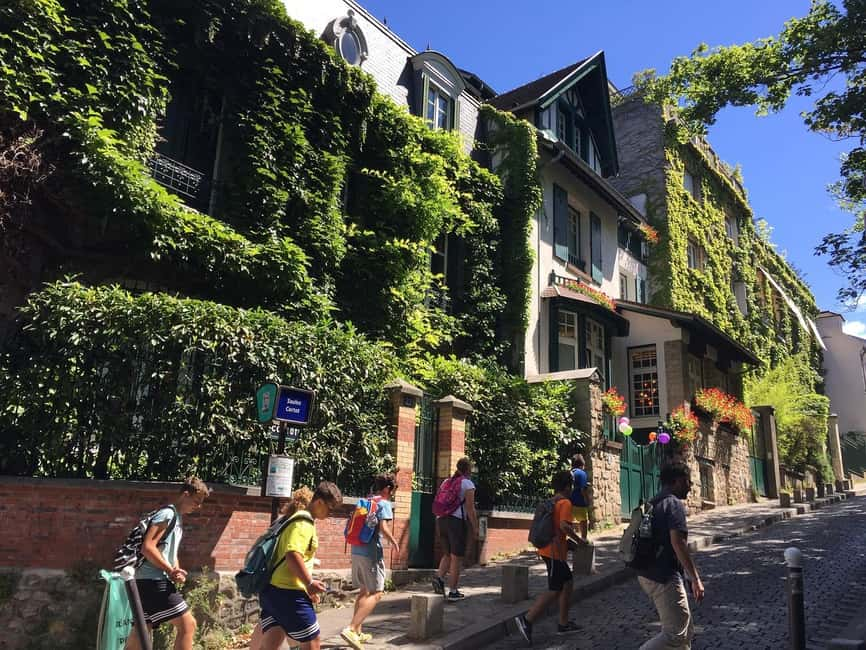
La Maison Rose is one of Montmartre’s most recognizable houses, with its pink exterior and corner setting. It has become a favorite photo stop because it looks like the Montmartre many people imagine before arriving.
This is also a good place to remember that the district is both a real neighborhood and a major sightseeing area. You can take your picture, listen to the guide’s explanation, and watch the flow of people moving through the street. The experience is atmospheric, but it is not quiet or undiscovered.
The guide’s role is useful here because a photograph alone does not tell you much. You get context about the street, the building, and Montmartre’s artistic image. If you enjoy films and television, ask about filming locations. One participant especially liked that the guide pointed out places connected with Emily in Paris.
Place du Tertre and the working artists
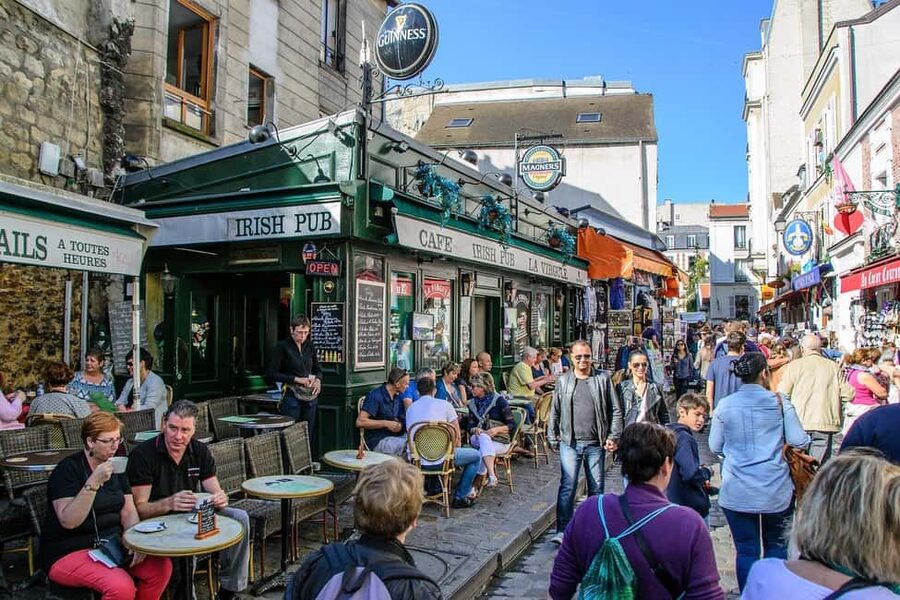
Place du Tertre is the classic Montmartre stop. Painters display portraits and artwork around the square, and you can see why this part of the district still attracts people who want a direct link to Paris’s art tradition.
The guide allows time to walk around and look at the artists’ work. This is a good place to pause, but it is also one of the most crowded parts of the route. You may find people offering portraits, selling art, and moving through the narrow space, so keep an eye on your belongings and stay aware of the group.
The square can feel touristy. That is not a flaw, as long as you know what to expect. It is a living commercial version of Montmartre’s artistic identity, not a preserved studio quarter frozen in the nineteenth century.
I like having a guide here because you can ask practical questions before deciding if you want to buy anything. The tour does not include purchases, meals, or drinks. It also does not pressure you into spending money, so you can simply look, take photographs, and move on.
Reaching Sacré-Cœur by the easier route
The final climb leads to the Basilica of Sacré-Cœur. The route includes moderate uphill sections, but the guide generally takes a gentler approach rather than relying only on the long staircase in front of the basilica.
This is one of the tour’s most useful practical choices. You still need to walk uphill, but the climb is broken into stops and commentary. Several people with older relatives found the pace manageable, and one group with an 87-year-old walker appreciated the attention to comfort and safety.
That does not mean the route is easy for everyone. If you have a mobility impairment, use a wheelchair, or find hills difficult, this is not the right outing. The cobbled streets and incline can be demanding even at a relaxed pace.
At the basilica, the tour includes time to see the exterior and go inside. Dress respectfully and remember that this is an active religious site. The visit is not a long architectural lecture, but the guide gives you enough context to appreciate the building and its place above Paris.
The view from Paris’s highest point
Sacré-Cœur sits at the highest point in Paris, and the final view is the payoff for the uphill walking. From the area around the basilica, you can look across the city toward landmarks such as the Eiffel Tower, Notre-Dame, and Montparnasse Tower.
The view changes with weather and light. On a clear day, it gives you a useful sense of Paris’s scale and layout. On a gray day, the basilica and hill still provide a memorable finish, though the distant landmarks may be less distinct.
The tour ends at the Basilica of the Sacred Heart. That gives you freedom to stay in the area, explore the church at your own pace, continue around Montmartre, or use the nearby funicular. The funicular can help reduce the walk back down, though its fare is not included in the tour.
Ending here is better than being led back to the starting point. You finish in a place where you can keep exploring instead of retracing the route. It also works well if you want to remain for the view or plan lunch nearby.
What the guide adds to the experience
The guide is the key variable in any walking tour, and this one has a clear strength in personal attention. Samy is repeatedly described as friendly, well prepared, patient, and easy to understand. He takes questions, offers Paris suggestions, and adjusts the pace for families and older walkers.
The group size can be as small as two people, and one description puts the usual maximum at eight. A small group makes a real difference on Montmartre’s narrow streets. You can hear the guide, stop without blocking a large crowd, and ask about details that interest you.
The guide also takes family photos, which is handy when you want everyone in the picture. This is a small inclusion, but it adds value for couples and families who do not want to rely on strangers for every photograph.
The tour runs in English. It goes ahead in rain or sunshine, so check the forecast and bring suitable layers, an umbrella, or rain protection when needed. The walk can last longer than two hours, so avoid scheduling a tight reservation immediately afterward.
Is $27 a fair price?
At $27, the tour offers good value if you want context rather than just directions between sights. You receive a two-hour guided walk, local commentary, photographs, and a route that links many well-known Montmartre stops.
The price does not cover food, drinks, museum tickets, cabaret admission, or transport. That keeps the cost low, but you should budget separately if you plan to eat in the district or use the funicular afterward.
You could walk this route on your own for free. The question is what you would miss. Without a guide, you might see the Moulin Rouge, La Maison Rose, Place du Tertre, and Sacré-Cœur, but you may not know why the lesser-known corners matter or how the artists and performers fit into Montmartre’s story.
For a first visit, the extra cost is sensible. If you have already spent several days in Montmartre and enjoy researching every stop yourself, you may prefer an independent walk.
Who should book this walk?
I would choose this tour for first-time Paris visitors, families, couples, and anyone who wants a clear introduction to Montmartre without committing to a full-day outing. The two-hour length leaves room for another museum, meal, or neighborhood afterward.
It also suits people who enjoy stories more than formal sightseeing. You will hear about artists, singers, cabarets, local customs, film locations, and everyday details. The guide’s flexible pace is useful for children, though younger walkers still need to manage the hills.
I would think twice if you dislike crowds, cannot walk uphill comfortably, or want extended interior visits. The tour is mainly outdoors, and several stops are brief photo and explanation points.
Should you book the Montmartre Walking Tour?
Book it if you want Montmartre to make sense, not simply look pretty. The route covers the essential sights, adds smaller points of interest, and finishes with Sacré-Cœur and a sweeping Paris view.
The best reasons to choose it are the small groups, the gentle pacing, the guide’s willingness to answer questions, and the strong focus on local stories. Bring good shoes, allow extra time, and accept that the most famous streets will be busy.
For $27, it is a practical first look at Montmartre and a good way to save your own wandering time for later. If you can handle the hills, this is an easy tour to recommend.
FAQ
Where does the Montmartre walking tour start?
The meeting point is near the exit of Blanche Metro station on Line 2, close to the Moulin Rouge. The guide can be identified by a green booklet and green badge.
Where does the tour finish?
The walk finishes at the Basilica of the Sacred Heart of Paris, also known as Sacré-Cœur Basilica.
How long does the walking tour last?
The advertised duration is two hours. It may take longer depending on the group’s walking pace, the number of stops, and how much time people need for questions and photos.
Is the tour conducted in English?
Yes. The live tour guide speaks English, and the activity is offered in English.
Does the tour include entry to Sacré-Cœur?
The tour includes exploring the outside and inside of Sacré-Cœur Basilica. Food, drinks, and other expenses are not included.
Is the walk suitable for people with limited mobility?
No. The route includes moderate uphill sections and cobbled streets, and it is not suitable for wheelchair users or people with mobility impairments.
What should I bring?
Wear comfortable shoes. The tour runs rain or shine, so bring suitable clothing and rain protection when the forecast calls for wet weather.
New walking tours around Paris
- Paris: Montmartre Hidden Gems and Highlights Walking Tour★ 4.7 · 378 reviews
- Montmartre & Sacré Coeur: 2.5-Hour Walking Tour★ 4.9 · 71 reviews
- Paris: Montmartre Small Group Guided Walking Tour★ 4.8 · 139 reviews
- Montmartre for Art Lovers – Walking tour with Expert Guide★ 5.0 · 456 reviews
- Paris: Louvre Museum Entry Ticket and Garden Walking Tour★ 4.2 · 326 reviews
- Le Marais Walking Food Tour with Cheese, Wine & Pastries★ 4.7 · 339 reviews
- Historic Paris Walking Tour in English★ 4.9 · 78 reviews
- German private Walking Tour through Montmartre & Passages★ 4.9 · 76 reviews
Paris Walking Tours, side by side.

Authentic Parisian Gourmet Food Tour with 10 Local Dishes & Wines
Read our review →
Paris Top Sights Half Day Walking Tour with a Fun Guide
Read our review →
Montmartre Hidden Gems and Scenic Highlights Walking Tour
Read our review →
Montmartre Hill French Gourmet Food and Wine Tasting Walking Tour
Read our review →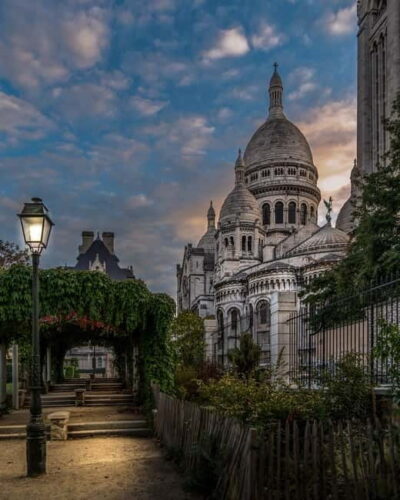
Paris: Montmartre Highlights Walking Tour with a Local Guide
Read our review →
Paris Île de la Cité and Notre-Dame Walking Tour With Crypt
Read our review →
Paris: Montmartre Cheese, Wine & Pastry Guided Walking Tour
Read our review →
Paris in a Day: Louvre or Orsay, Eiffel Tower, City Walk & Cruise
Read our review →Lists this walk sits on