
Review · IRELAND
Cork: Guided Historical Walking Tour
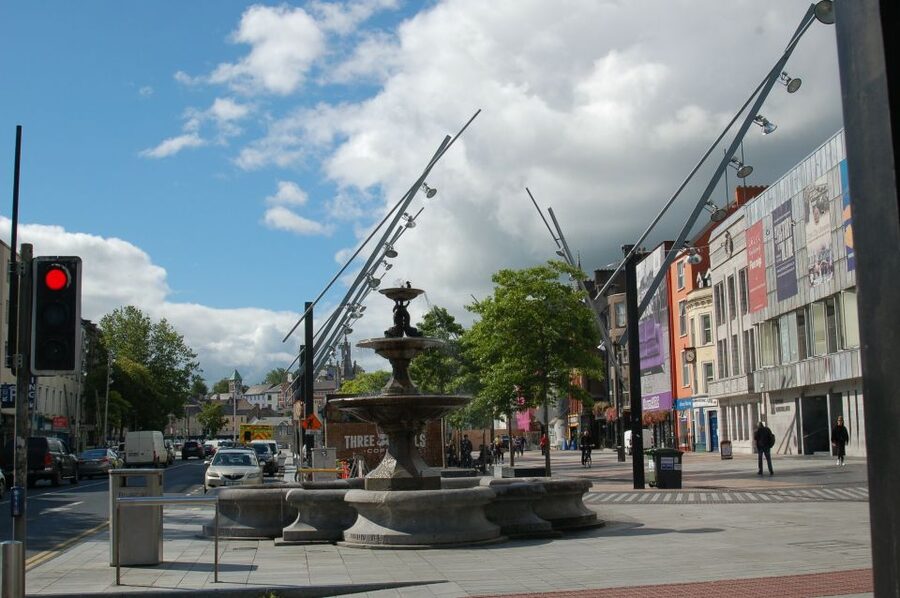
Cork’s most surprising feature is under your feet: much of the city centre follows waterways that were covered over as Cork grew. This 75-minute walk brings that hidden river system into the story, along with old boathouse entrances, trading links, and streets shaped by the city’s maritime past.
I like the way the route combines major landmarks with small details, such as the former waterways beneath the main street and the unusual street lights. I also like the local storytelling. Guides including Noel, Mary O’Sullivan, Gerard, Jarrod, Catherine, and Aiden have been praised for mixing facts with personal stories and Cork humour.
The main drawback is pace. You will see many places, but most are viewed from outside rather than entered. The walk also runs rain or shine, so bring proper clothing and expect wet streets if the Irish weather turns.
Key points to know before you book
- The river is part of the route: Follow Cork’s curved main street while learning how old waterways run beneath the city.
- The walk covers a lot in 75 minutes: You see Shandon, the Huguenot cemetery, Grand Parade, St Fin Barre’s Cathedral, Elizabeth Fort, South Mall, and the English Market entrance.
- Local guides make the difference: Noel, Mary O’Sullivan, Gerard, Jarrod, Catherine, and Aiden are among the guides associated with especially warm, lively tours.
- The maritime past is easy to miss alone: Old boathouse entrances and trading connections give ordinary streets a stronger sense of place.
- It is a useful first-day tour: The route helps you get your bearings and points you toward places to revisit later.
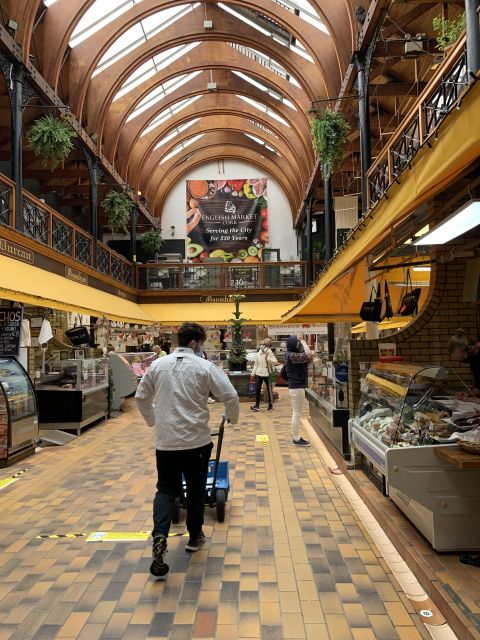
- The finish is well chosen: You end at Princes Street by the English Market, a handy place to continue exploring or find food.
Cork’s covered rivers make an ordinary street surprising
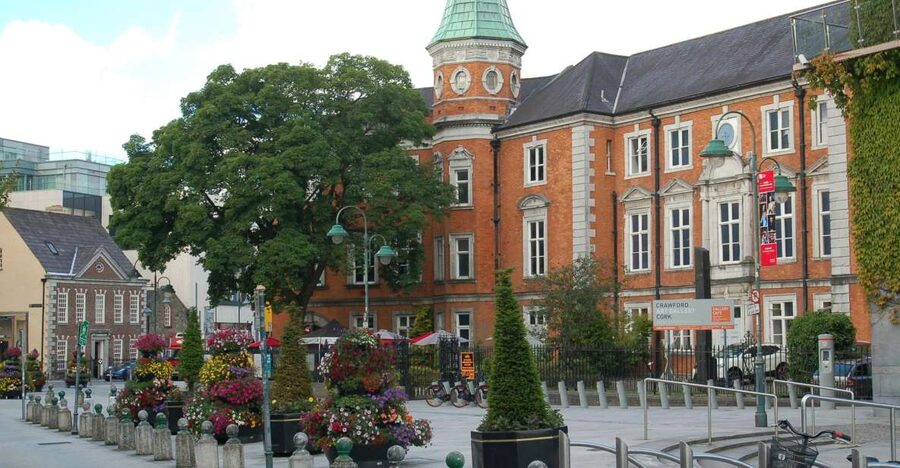
Cork is a city of bridges, channels, and reclaimed ground. You do not need to see a wide river at every turn to understand its importance. On this walk, your guide explains how waterways once shaped the centre and how streets were later built over them.
That is the hook that gives the tour more bite than a basic monument checklist. As you follow the curved main street, you are tracing the route of the river beneath it. Once you know what is below the paving, the city’s layout begins to make better sense.
The walk also places Cork in a wider trading story. Cork grew as a transatlantic and European trading hub, and its buildings, streets, and waterfront connections reflect that past. You will not get a long museum-style lecture. Instead, the guide ties the city’s trade to the places you are standing in.
I find that approach useful because it gives you a way to read the city after the tour ends. A building is no longer just an old facade. A lane may mark a former route to the water. A broad street may point to a different period of urban growth.
More History Walking Tours in Ireland
- Dublin Historical Centre Food Tour with 8 Food Tastings & Drinks
★ 5.0 · 1,718 reviews - 2-Hour Historical Walking Tour from Dublin
★ 5.0 · 875 reviews - Historical 2-Hour Guided Walking Tour of Dublin
★ 4.7 · 865 reviews
A compact route through Cork’s city centre
The meeting point is the Cork Tourist Information Centre. Arrive 10 minutes before the start, since the group heads out on foot and the tour does not include hotel pickup.
The route is compact but full. The advertised duration is 75 minutes, while the description also presents it as about a one-hour city-centre stroll. Either way, plan on a brisk walking introduction rather than a slow afternoon outing.
That length works well if you are arriving in Cork for a short stay, visiting before another activity, or trying to understand the centre before exploring on your own. It also means you should not expect long pauses at every stop. The value comes from the connections between places.
The walk ends back at the meeting point, with the final sight at the main entrance to the English Market on Princes Street. This gives you an easy choice after the tour: continue inside for food and shopping, or walk back through the centre using the new landmarks you have just learned.
Cork Opera House and the shape of Shandon
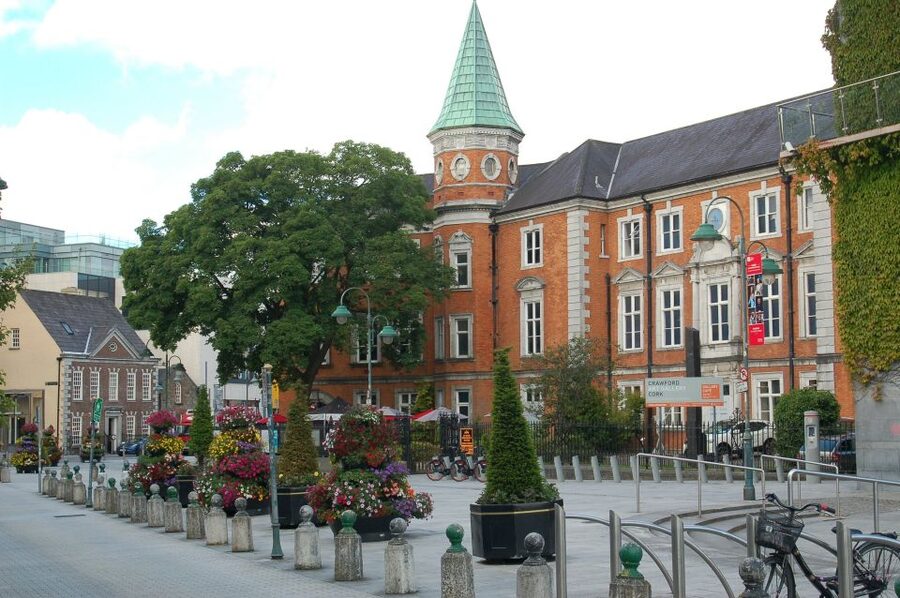
Early in the route, you see Cork Opera House, one of the city’s key cultural buildings. The tour uses it as part of the wider city story rather than treating it as an isolated photo stop.
Across the river, your guide points out the shape of Shandon church. Its red and white brick bell tower and clockfaces make it one of Cork’s most recognisable sights. The building is visually distinctive, but the useful part of the stop is the explanation of how Shandon helps you understand Cork’s hills, river channels, and changing city centre.
One detail from the walk is especially practical. Shandon Bells and St Anne’s Church can be visited separately, with a charge of €6 per person noted in the tour information. That visit includes climbing the tower and pulling the ropes to sound the bells.
The guided walk does not include that tower visit, so treat it as a possible extra rather than part of your booking. If you want to do it later, the tour gives you the context and location first.
Careys Lane and the Huguenot cemetery
The route then turns down Careys Lane toward the Huguenot cemetery. This is the kind of stop that can disappear from a first visit if you focus only on the larger landmarks.
The cemetery adds a human layer to Cork’s story. It points to the people who arrived, settled, worshipped, worked, and helped shape the city. The walk also makes room for Cork’s connections with refugees and people who contributed to the city from outside Ireland.
You should not expect a long cemetery visit with time for private reflection. The tour keeps moving, and the stop is part of a broader city-centre circuit. Still, it is a useful reminder that Cork’s past is not only about trade, churches, and grand buildings.
Same streets, a different story:
- Dublin Highlights and Hidden Gems Guided Walking Tour
★ 5.0 · 6,020 reviews - Dublin: Highlights and Hidden Gems Walking Tour
★ 4.9 · 2,140 reviews - 1916 Rebellion Walking Tour
★ 5.0 · 1,605 reviews - Dublin: Mythology, Folklore and Legends Walking Tour
★ 4.9 · 703 reviews
Coal Quay, Cornmarket Street, and Grand Parade
From Careys Lane, the route heads toward the Coal Quay and Cornmarket Street. These names preserve clues about commerce and supplies, even as the modern streets now serve a much wider range of city life.
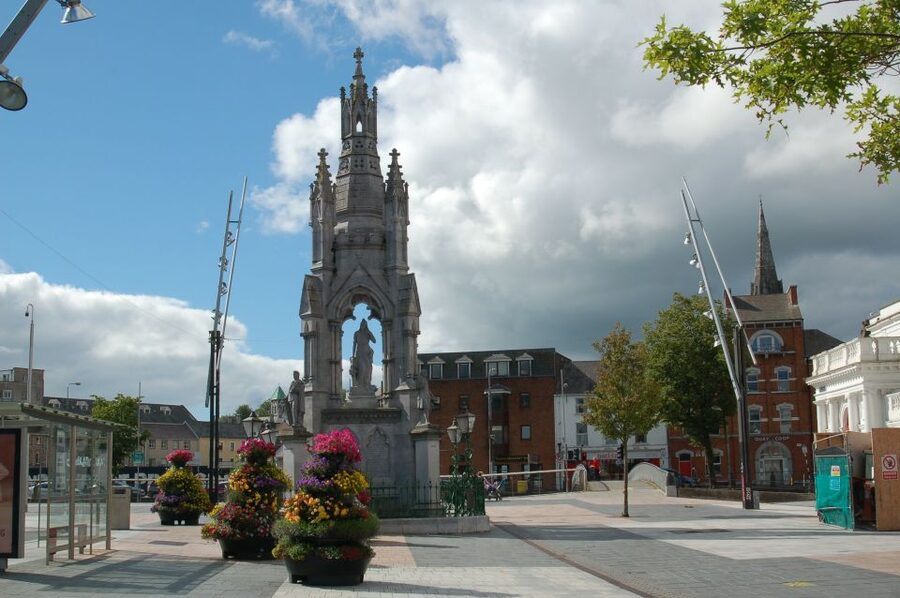
Grand Parade gives the walk more room. It is described as the widest street in Cork, and here you see Bishop Lucy Park, the Berwick fountain, and the National Memorial.
This section is good for understanding how Cork’s public spaces changed over time. The stops are not presented as disconnected objects. Your guide places them within the movement of people, goods, civic life, and city building.
The walk’s greatest strength is the amount of interpretation packed into ordinary details. One group used the guide to find out why Cork’s tall, bulky street lights look the way they do. That sort of question may seem minor, but it is exactly the kind of detail that makes a city feel lived in rather than arranged for sightseeing.
Nano Nagle and a bridge with a purpose
At a footbridge named for Nano Nagle, the tour turns toward one of Cork’s important education and social welfare stories. Nagle devoted herself to bringing education to poorer people, and the guide explains her humanitarian work in the setting where her name remains part of the city.
This is a welcome change of scale. You are not only hearing about wealthy traders, buildings, or civic monuments. You are also hearing about education, poverty, and the people who worked to change daily life for those with few opportunities.
A local guide can make this kind of stop more personal. The guides associated with the walk are described as warm, funny, and open to questions, and several have added personal stories alongside the historical material. That balance helps keep the tour from becoming a string of dates.
St Fin Barre’s Cathedral and the South Gate Bridge
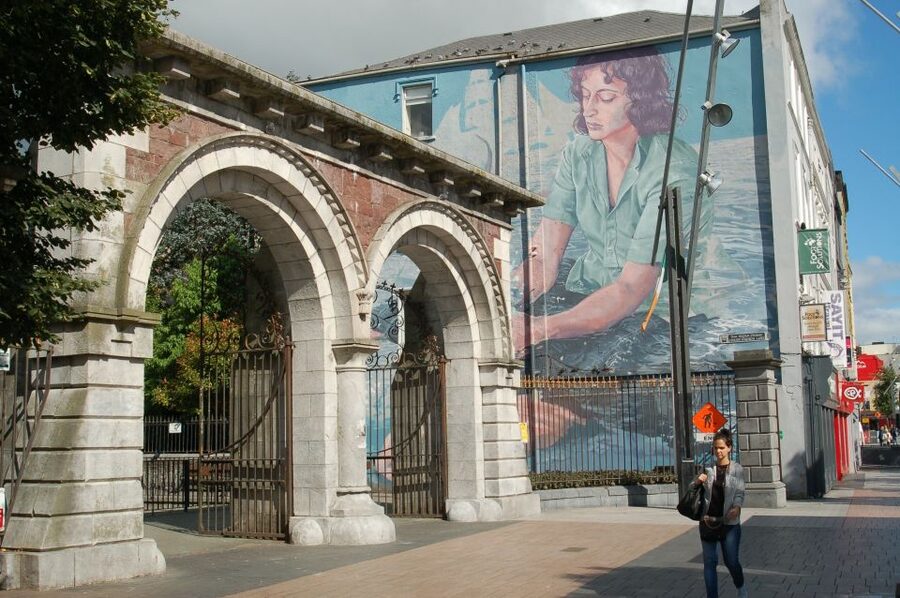
The route continues to St Fin Barre’s Cathedral, one of Cork’s major landmarks. The cathedral gives the walk a strong architectural focus and helps show how religious buildings shaped the city’s identity.
From there, you see the South Gate Bridge. Bridges are central to Cork’s story because the city grew around waterways and crossings. The stop connects the visible structure in front of you with the covered channels and older routes described earlier.
The tour does not promise entry into the cathedral, and the walk is not a detailed interior visit. If you want to study the building closely, you will need to return with extra time. For a first orientation, though, the outside view and the historical explanation give you a sound reason to come back.
Elizabeth Fort and Cork’s defensive past
Elizabeth Fort adds another piece to the city’s story. Its position helps explain Cork’s defensive needs and the importance of controlling movement around the waterways and approaches to the city.
As with the other major sights, the walking tour gives you an introduction rather than a full fort visit. That is both a limit and a benefit. You see how the fort fits into Cork’s wider development without spending the whole tour at one site.
If you prefer a single attraction explored in depth, this route may feel too quick. If you want a connected overview, the fort works well because it follows the river, bridges, trade, and civic history already introduced by the guide.
South Mall’s former boathouse entrances
South Mall is one of the tour’s most unusual sections. Today it is known as a leading business quarter, but the buildings still show signs of a time when water access mattered much more directly.
Your guide points out entrances that once served as boathouses. They are easy to miss if you are simply walking between shops and offices. Once pointed out, they offer visible proof of Cork’s changing relationship with its waterways.
This is one of the strongest reasons to take the walk early in your visit. The route trains you to look up, down, and along the edges of buildings. Afterward, you may notice traces of older Cork that a standard map would not explain.
The English Market is a practical final stop
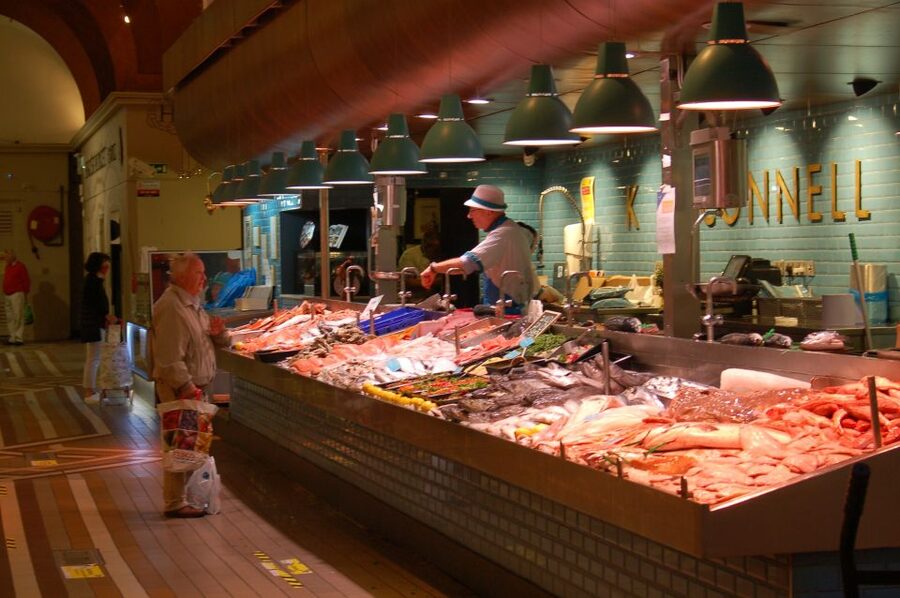
The walk finishes at the main entrance to the English Market on Princes Street. This is a smart ending because the market gives you an immediate next step.
You can continue exploring the city’s food culture, look for lunch, or use the location to plan the rest of your afternoon. The tour does not include food or drinks, so any meal or market purchase is your own expense.
Ending here also helps you connect Cork’s past to its present. The route has taken you through trade, bridges, civic spaces, churches, and old water routes. The market is a natural place to continue that story through the food and commerce of the modern city.
The guides and the feel of the experience
The guide is the most important variable. The walk is offered in English, and guides may include Noel, Mary O’Sullivan, Gerard, Jarrod, Catherine, or Aiden. The strongest descriptions of the experience repeatedly focus on friendly delivery, clear explanations, humour, local knowledge, and personal Cork stories.
Noel is noted for storytelling and personal experience. Mary O’Sullivan is associated with local detail, a clear speaking voice, and a friendly manner. Gerard and Jarrod are described as engaging and funny, while Catherine and Aiden are praised for passion, energy, and strong storytelling.
You should not assume you will receive a particular guide unless the booking system confirms it. Still, the pattern is clear: this is designed as a spoken, human tour rather than a recited script.
Group size can vary. One group had about 20 people and used a headset microphone, which made the guide easier to hear over city noise. Smaller groups may feel more personal, while a larger group can make questions and street crossings a little less relaxed.
Who will get the most from this Cork walking tour?
I would choose this tour at the start of a Cork stay. It gives you a mental map of the centre and helps you decide which places deserve a longer return visit.
It suits you especially well if you:
- Want Cork’s history explained through streets and buildings
- Like local stories more than a list of dates
- Have only a short time in the city
- Want to understand the old waterways and maritime links
- Prefer a guided overview before exploring alone
- Can manage a 75-minute walk in changing weather
It may be less suitable if you want extended time inside each attraction, a food tour, or a quiet photography walk. The pace is designed to cover ground and connect many sites.
The walk is listed as wheelchair accessible, which is useful for planning. The route takes place outdoors and runs in all weather, so wear weather-appropriate clothing and sensible footwear.
Is $26 a fair price?
At $26 per person, I see this as a reasonable orientation tour rather than a full-day attraction. You are paying for 75 minutes with a local English-speaking guide, not admission to the cathedral, Shandon tower, Elizabeth Fort, or the English Market.
The value comes from what you would probably miss alone: the covered waterways, the boathouse entrances on South Mall, the meaning behind the street layout, and the links between Cork’s trade and architecture. If those details matter to you, the price is fair.
The value is weaker if you plan to spend your whole visit inside attractions or already know Cork well. In that case, you may prefer to put the money toward an admission ticket or a longer specialist experience.
You can reserve now and pay later, which keeps your plans flexible. The booking information says cancellation up to 24 hours in advance can qualify for a full refund, but it also labels the tour non-refundable in another section. Check the exact terms shown at booking before you rely on cancellation flexibility.
Should you book the Cork historical walking tour?
I would book it if you want a fast, human introduction to Cork and enjoy learning why a street, bridge, or building looks the way it does. The covered river routes and former boathouse entrances give the walk a clear identity, while the guides add humour and personal connection.
Book it early in your stay if possible. You will finish at the English Market with a better sense of direction and a useful list of places to revisit, including Shandon, the cathedral, Elizabeth Fort, and the city’s central streets.
Skip it if you need long visits inside monuments or dislike walking in uncertain weather. For everyone else, $26 buys a compact city lesson with enough local detail to change how you see Cork after the tour ends.
FAQ
How long does the Cork historical walking tour last?
The listed duration is 75 minutes. The route is also described as about a one-hour walk through Cork city centre, so allow at least the full 75 minutes.
Where does the tour start?
Meet at the Cork Tourist Information Centre. You should arrive 10 minutes before the activity begins.
Where does the tour finish?
The activity ends back at the meeting point. The final sightseeing stop is the main entrance to the English Market on Princes Street.
What language is the tour conducted in?
The live tour guide speaks English, and English is the listed tour language.
Is the tour wheelchair accessible?
Yes. The activity is listed as wheelchair accessible.
Does the tour run if it rains?
Yes. The tour takes place rain or shine. Bring weather-appropriate clothing.
What does the $26 price include?
The price includes the guided city walking tour. Food, drinks, and hotel pickup and drop-off are not included.
Can I visit Shandon Bells during this tour?
The route includes views of Shandon church, but the bell tower visit is not included. A separate visit to Shandon Bells and St Anne’s Church is noted as costing €6 per person and includes climbing the tower and pulling the bell ropes.
Can I cancel the booking for a refund?
The booking information says you can cancel up to 24 hours in advance for a full refund, but it also describes the tour as non-refundable. Check the cancellation terms displayed for your selected booking before paying.
New walking tours around Ireland
- Killarney: Gap of Dunloe Walking and Boat Tour★ 4.4 · 72 reviews
- Kilkenny: Historical and Hysterical Guided City Walking Tour★ 5.0 · 126 reviews
- Kilkenny: Historical Highlights Walking Tour★ 4.9 · 90 reviews
- Galway City: Guided 1.5-Hour Walking Tour★ 4.9 · 115 reviews
- Galway: Welcome to Galway Walking Tour★ 4.8 · 338 reviews
- Dublin: Traditional Pub Walking Tour★ 4.6 · 295 reviews
- Dublin: Traditional Pubs Walking Tour with Local Guide★ 4.9 · 112 reviews
- Dublin: Macabre History Walking Tour★ 4.9 · 95 reviews
Ireland Walking Tours, side by side.
Dublin Highlights and Hidden Gems Guided Walking Tour
Read our review →
Dublin Historical Centre Food Tour with 8 Food Tastings & Drinks
Read our review →
Dublin: Mythology, Folklore and Legends Walking Tour
Read our review →
Dublin Highlights: 2.45-Hour Walking Tour in Italian
Read our review →
Lists this walk sits on