Review · DUBLIN
Historical 2-Hour Guided Walking Tour of Dublin
Dublin’s story is not a tidy one, and that is exactly what makes this two-hour historical walk worthwhile. In a compact route through the city center, you connect medieval Dublin with the Potato Famine, the 1916 Rising, the War of Independence, the Northern Ireland Peace Process, and even Brexit. The guide keeps the timeline moving without turning the city into a classroom.
I like the Trinity College and University College-trained guides, especially when a guide such as Daragh, Jodie, Colm, or Eoin brings in a song, a personal aside, or a quick joke. I also like the small details, such as bullet holes and overlooked buildings, that help you read Dublin’s streets instead of simply photographing them. The main drawback is pace: two hours is enough for a strong introduction, but not enough for every major site or a detailed interior visit. You will also need good walking shoes and solid English to follow the full stream of names, dates, and events.
Key points to know before you book
- A fast-moving Irish history lesson: The tour links Dublin landmarks to the Stone Age, British rule, the Potato Famine, the 1916 Rising, independence, the peace process, and present-day Ireland.
- Guides with academic training: History graduates from Trinity College Dublin and University College Dublin lead the walk, with Jodie, Daragh, Colm, Eoin, Grace, Nate, and Tommy among the named guides praised for their style.
- A central Dublin route: You visit Dublin Castle, Temple Bar, City Hall, and the Medieval City, finishing where you began at the Henry Grattan Statue.
- Humor helps the facts stick: Guides may use wit, anecdotes, acting skills, or even short songs to make names and dates easier to remember.
- A good first-day choice: The tour gives you context for later visits around Ireland, particularly if you want to understand how Dublin shaped the country.
- Simple logistics: It costs $22 per person, lasts two hours, runs in English, and allows cancellation up to 24 hours before departure for a full refund.
Starting at the Henry Grattan Statue
You meet at the Henry Grattan Statue opposite the front gate of Trinity College Dublin. Look for a guide wearing an Authenticity Tours lanyard or badge around the neck. This is a practical meeting point in central Dublin, and the Trinity setting immediately places you near one of the city’s key cultural and historical institutions.
The tour returns to the same meeting point at the end. That makes the walk easy to fit into a day of sightseeing, since you are not left at an unfamiliar edge of town. You can continue toward Trinity College, Grafton Street, Temple Bar, or other central sights after the tour, though the activity itself does not include a Trinity College visit.
Arrive ready to walk and listen. The route is described as wheelchair accessible, but the tour still involves moving through a busy historic center and stopping at outdoor points of interest. Ask about any personal mobility concerns before booking if you need more detailed route information.
More History Walking Tours in Ireland
- Dublin Historical Centre Food Tour with 8 Food Tastings & Drinks
★ 5.0 · 1,718 reviews - 2-Hour Historical Walking Tour from Dublin
★ 5.0 · 875 reviews - Dublin’s Haunted History Walking Tour
★ 4.3 · 345 reviews
Dublin’s Medieval City and the shape of old Dublin
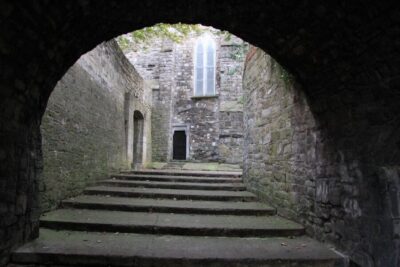
The walk introduces the Medieval City as more than a collection of old streets. This part of Dublin helps you see how the city grew, where power was concentrated, and why certain buildings and routes mattered. You are not simply passing through an attractive old quarter. You are learning how Dublin’s physical form reflects its political past.
A strong guide makes this section work by placing each stop in order. Daragh was especially praised for tying names and dates to the places around him, while Jodie was praised for explaining complicated subjects in a clear, lively way. That combination matters because Dublin history can quickly become a blur of rulers, rebellions, treaties, and changing loyalties.
You should expect frequent stops rather than a long uninterrupted march. The walking itself is manageable for most people who are comfortable on their feet, but the content comes quickly. If you already know the broad outline of Irish history, the tour helps attach that outline to actual streets and buildings. If you are starting from scratch, it gives you a useful framework for the rest of your trip.
Dublin Castle and the story of power
Dublin Castle is one of the central stops, and the guide uses it to explain the long reach of British administration in Ireland. The castle is not treated only as a grand architectural sight. It becomes a key setting for understanding who governed Ireland, how authority was displayed, and why the building mattered during periods of political change.
The tour does not include entry to the State Apartments in Dublin Castle. That is an important distinction. You will see the castle as part of the walking route and hear its historical explanation, but you should not book this activity expecting an indoor castle visit or a full architectural tour.
This limitation is also part of the tour’s value. You spend your time connecting several places rather than using the whole two hours in one complex. If the State Apartments are high on your list, plan a separate visit. The walking tour gives you context first, which can make a later interior visit more meaningful.
City Hall and Dublin’s changing rulers
City Hall helps shift the story from medieval authority to civic government and the political life of modern Dublin. The guide uses places like this to show that Irish history was not made only on battlefields. It was also shaped in offices, council chambers, public buildings, and streets where people argued over Ireland’s future.
This is one of the tour’s useful habits: it treats ordinary urban space as historical evidence. You may be looking at a façade, a statue, or a stretch of pavement, then suddenly hearing why it matters. Details such as bullet holes can give the political past a physical presence without requiring a museum visit.
The stop also helps keep the timeline grounded. The tour moves from earlier centuries into the struggles that shaped independent Ireland. A guide who can explain that shift clearly prevents the walk from becoming a random list of dates. Colm, Jodie, and Daragh were all praised for making those connections while answering questions in an easy, conversational way.
More History Walking Tours in Dublin:
- Dublin: Macabre History Walking Tour
★ 4.9 · 95 reviews - History and Hauntings of Salem Guided Walking Tour
★ 5.0 · 14,564 reviews - Lisbon: History, Stories and Lifestyle Walking Tour
★ 4.8 · 10,902 reviews - Boston: Freedom Trail History Small Group Walking Tour
★ 5.0 · 6,450 reviews
Temple Bar beyond the nightlife image
Temple Bar is often reduced to pubs, music, and evening crowds. On this route, you see it as part of Dublin’s older city fabric and hear how its location fits into the story of the capital. That change in perspective is useful. It lets you look past the tourist image and understand the quarter as a historic part of Dublin.
The tour does not promise a pub crawl, tasting, or nightlife stop. This is a history walk, so Temple Bar functions as a place to explain Dublin rather than as a place to drink. If you want traditional music or a late night out, you will need to arrange that separately.
I like this kind of stop because it corrects an easy misconception. Dublin’s center is not divided into a historic side and a modern entertainment side. The two overlap. A good guide shows you how the present-day streets sit on top of older political and social stories.
From revolution to independence
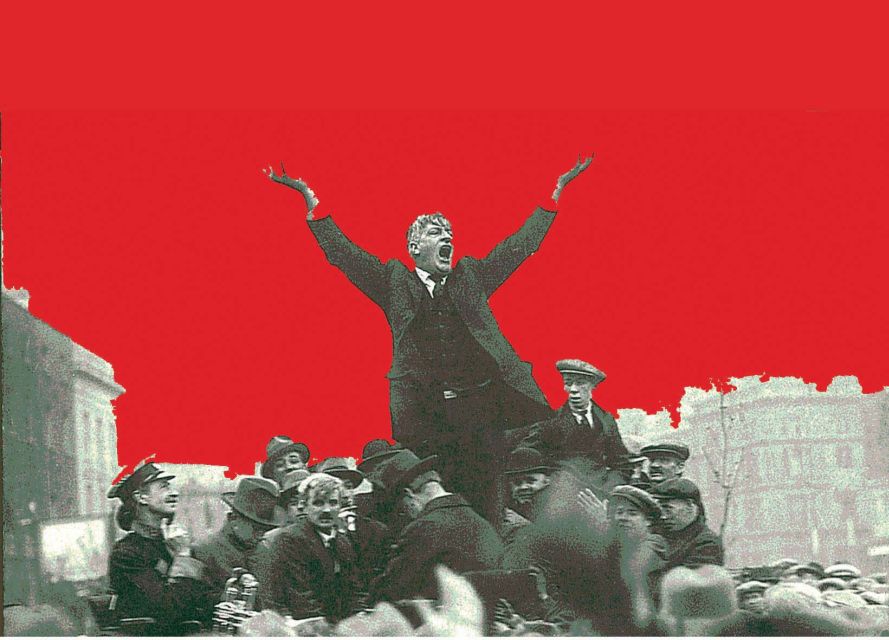
The most substantial part of the tour is the account of Ireland’s turbulent modern history. You hear about the influence of the American and French revolutions, the Potato Famine, the 1916 Rising, and the War of Independence. These topics are broad, so the guide has to be selective.
The best approach is to listen for the links between events rather than trying to memorize every date. The American and French revolutions help explain the spread of new political ideas. The Potato Famine shows how hunger, land, government, and emigration shaped Irish society. The 1916 Rising and the War of Independence then make more sense as part of a longer argument over power and national identity.
Jodie Fitzpatrick has been especially effective at making this material feel alive, using acting skills and humor while still covering a large amount of information. Other guides may use songs connected to the events they discuss. Those touches are not just entertainment. They give the history a human voice and help break up a dense run of facts.
You should know what you are signing up for. This is not a light stroll with two or three historical anecdotes. It can feel like a compact lecture delivered outdoors, especially when the guide is covering names, dates, and political movements in quick succession. The difference is that you can ask questions, move through the places under discussion, and hear the material delivered with personality.
The Northern Ireland Peace Process and modern Dublin
The tour does not stop in the nineteenth or early twentieth century. It also covers the effects of the Northern Ireland Peace Process and the shape of modern Ireland. That recent context is valuable because it keeps Irish history from becoming a closed chapter.
You may already know the broad terms, but the guide’s job is to connect them to the country you are visiting now. The route gives you a way to understand why identity, politics, and memory remain important in Ireland. The reference to Brexit also shows that the story continues into current affairs rather than ending with independence.
This part may appeal most if you want more than picturesque streets. Dublin can be easy to enjoy at the level of cafés, pubs, music, and architecture. The tour asks you to consider how the city became what it is and why its past still affects public life.
What the guides do best
The strongest feature is the guide team. The advertised guides are history graduates of Trinity College Dublin and University College Dublin, and the named guides bring different strengths. Daragh is associated with precise historical detail and contagious passion. Jodie is lively, funny, and skilled at making a large timeline easy to follow. Colm combines facts, personal anecdotes, humor, and occasional songs.
Eoin, Grace, Nate, and Tommy are also described as friendly, enthusiastic, and clear. The common thread is not a single performance style. It is the ability to answer questions and keep the group engaged while covering difficult material.
You should expect a guide who talks a lot. That is good news if you enjoy history, but less ideal if you prefer a quiet walk with only occasional commentary. English is the only tour language, and you will need a fairly strong grasp of spoken English to catch every detail. The pace and vocabulary may be demanding for anyone who finds long historical explanations difficult in English.
Is two hours enough for Dublin history?
Two hours is enough to give you a firm introduction, not enough to cover Dublin in full. The route focuses on central sights and major turning points, so you get breadth rather than long visits at each location.
That trade-off is sensible for a first look. You finish with a map in your head: Dublin Castle for political authority, the Medieval City for the older settlement, Temple Bar for the city’s evolving character, and City Hall for civic life. The tour also gives you a timeline for later stops around Dublin and Ireland.
Some people may wish the walk lasted longer or covered more ground. I would treat that as a sign of its purpose, not a flaw. This is a compact orientation tour. If you want a detailed study of one period, a castle interior, or a museum-style presentation, choose a more specialized experience.
The $22 price and practical value
At $22 per person, this is a sensible use of two hours if you want historical context from a live guide. You are paying for the guide’s preparation, interpretation, and ability to connect sites that might otherwise look unrelated. The value is strongest for a first visit or for anyone who wants a clearer understanding of Ireland before heading beyond Dublin.
The price does not include entry to the State Apartments in Dublin Castle, and personal expenses are not included. That keeps the tour focused and relatively affordable, but budget separately if you plan to visit the apartments.
Free cancellation is available up to 24 hours before the start time, and you can reserve now and pay later. The activity is offered in English, lasts two hours, and is listed as wheelchair accessible. Check the available start times before booking, since the exact schedule is not fixed in the information provided.
Who should book this Dublin walk?
I would choose this tour if you enjoy history, want a central introduction to Dublin, or prefer a guide who can explain the meaning behind what you see. It is particularly useful early in a visit, since the information can shape how you view later sights across Ireland.
It suits adults, older children who can follow a sustained history talk, and anyone interested in politics, architecture, national identity, or modern Irish society. It is also a good pick for repeat visitors who saw Dublin before but never understood how the sites fit together.
I would hesitate if you want a relaxed, low-information stroll, a food or pub experience, or an indoor tour of Dublin Castle. The route is easy to place in a busy day, but the subject matter is serious and the amount of information is high.
Should you book it?
Book this walking tour if you want a clear historical backbone for Dublin and appreciate a guide who can mix facts with humor, stories, and sometimes song. At $22, it offers strong value for a focused two-hour introduction, especially with guides such as Daragh, Jodie, and Colm bringing real personality to the route.
Skip it only if you dislike group walking tours, struggle with fast spoken English, or want substantial time inside the castle. Wear comfortable shoes, arrive at the Henry Grattan Statue ready to listen, and treat the tour as your starting point for exploring Dublin rather than the final word on Irish history.
FAQ
Where does the tour start?
Meet at the Henry Grattan Statue opposite the front gate of Trinity College in Dublin. The guide wears an Authenticity Tours lanyard or badge.
Where does the tour finish?
The tour ends back at the same meeting point, the Henry Grattan Statue.
How long does the tour last?
The walking tour lasts two hours. Starting times vary, so check availability for the date you want.
What language is the tour conducted in?
The live tour is conducted in English. English is the only language listed for this activity.
Which Dublin sights are included?
The route visits or discusses Dublin Castle, Temple Bar, City Hall, and the Medieval City.
Does the tour include entry to the State Apartments in Dublin Castle?
No. Entry to the State Apartments is not included.
Is the walking tour wheelchair accessible?
Yes, the activity is listed as wheelchair accessible.
Can I cancel for a refund?
Yes. You can cancel up to 24 hours in advance for a full refund. You can also reserve now and pay later.
More two-hour walks around Dublin
- Berlin’s Best: 2 Hour Walking Tour Third Reich and the Cold War
★ 5.0 · 5,486 reviews - Budapest City Landmarks Walking Tour in 2 Hours
★ 5.0 · 2,048 reviews - Leipzig: 2-Hour Guided Walking Tour in German
★ 4.8 · 1,612 reviews - Lucca: 2-Hour City Center Walking Tour
★ 4.7 · 1,314 reviews
New walking tours around Dublin
- Dublin: Traditional Pub Walking Tour★ 4.6 · 295 reviews
- Dublin: Traditional Pubs Walking Tour with Local Guide★ 4.9 · 112 reviews
- Dublin: Irish Music Walking Tour with Live Performance★ 4.8 · 137 reviews
- Dublin: Macabre History Walking Tour★ 4.9 · 95 reviews
- Dublin: Mythology, Folklore and Legends Walking Tour★ 4.9 · 703 reviews
- Dublin: Highlights and Hidden Corners Walking Tour★ 4.8 · 79 reviews
- Dublin: Delicious Walking Food Tour★ 4.9 · 137 reviews
- Dublin Highlights: 2.45-Hour Walking Tour in Italian★ 4.7 · 460 reviews
Dublin Walking Tours, side by side.
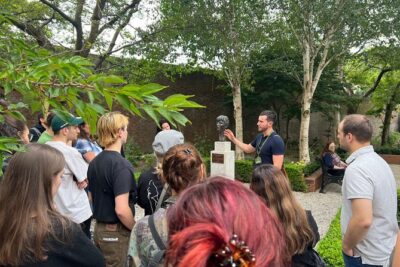
Dublin Highlights and Hidden Gems Guided Walking Tour
Read our review →
Dublin Historical Centre Food Tour with 8 Food Tastings & Drinks
Read our review →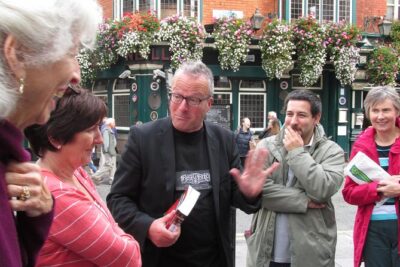
Dublin: Mythology, Folklore and Legends Walking Tour
Read our review →
Dublin Highlights: 2.45-Hour Walking Tour in Italian
Read our review →