
Review · DUBLIN
Dublin: Mythology, Folklore and Legends Walking Tour
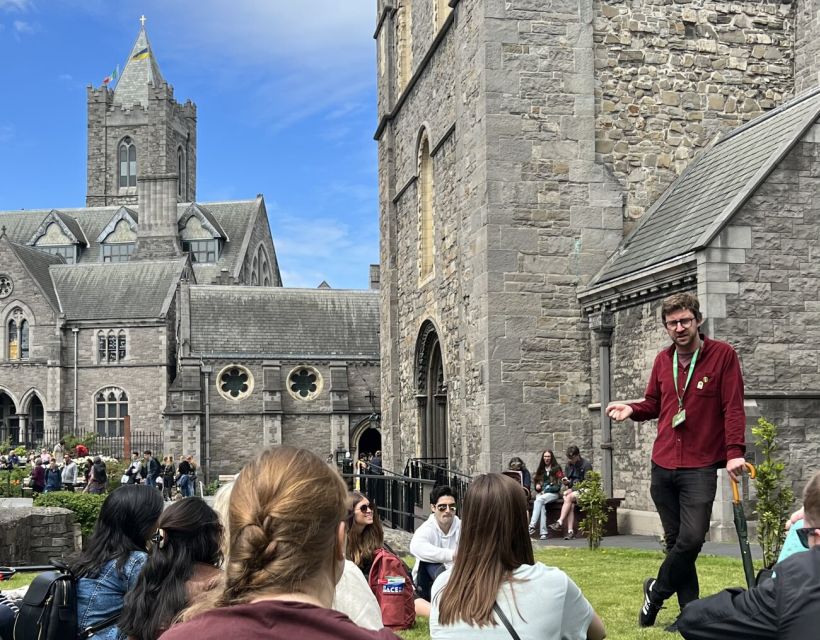
Dublin’s streets carry more than Georgian façades and pub signs. They carry stories of fairies, warriors, rebellions, grave robbers, theatre tragedies, and a language nearly pushed aside. This two-hour mythology walk brings those stories into the city, starting in Temple Bar and finishing on O’Connell Street.
I like the way the tour connects old Celtic beliefs with modern Irish identity. I also like that it leaves the standard sightseeing path for lesser-known corners, while guides such as Helena, Emily, Lee, and Dave keep the stories warm, funny, and easy to follow. The main consideration is that this is a story-led walk, not a full survey of Dublin’s monuments, and some tales may be too macabre for very young children.
Key points to know before you book
- Start with Celtic origins in Temple Bar: Learn how Irish myths explain the country’s beginnings and cultural identity.
- Meet Ireland’s strange creatures: Hear about banshees, púcas, fairies, leprechauns, and ancient warriors.
- Explore Dublin’s darker Georgian side: Rebellions, grave robbing, and revolutions add a grim edge to the walk.
- Hear the Abbey Theatre’s tragic story: This stop shows how culture and national feeling can carry real danger.
- Finish with Gaelic revival: O’Connell Street provides a setting for stories about language, culture, and modern Dublin.
- Expect a relaxed storytelling pace: Several longer stops make the walk manageable, even after a full day on your feet.
Why this Dublin walk feels different
Most first walks through Dublin focus on major buildings, famous writers, churches, and political landmarks. This one asks a different question: what stories helped people understand Ireland?
That change in focus matters. You still see well-known parts of the city, including Temple Bar and O’Connell Street, but the guide gives them another layer. A pub area becomes a place to discuss Ireland’s mythical origins. A central street becomes a setting for the revival of Gaelic language and culture. Ordinary corners take on a darker mood when linked to rebellion, grave robbing, or old beliefs about the supernatural.
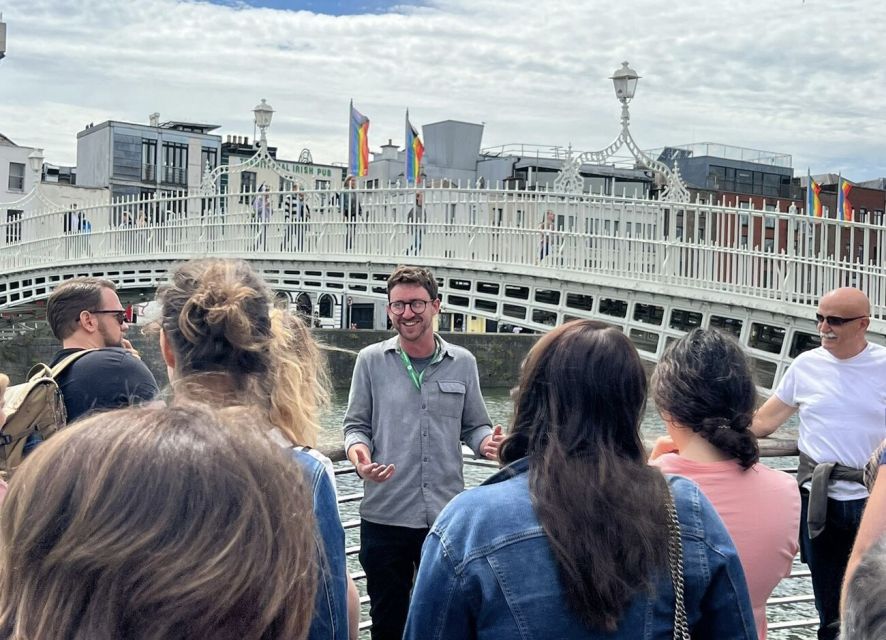
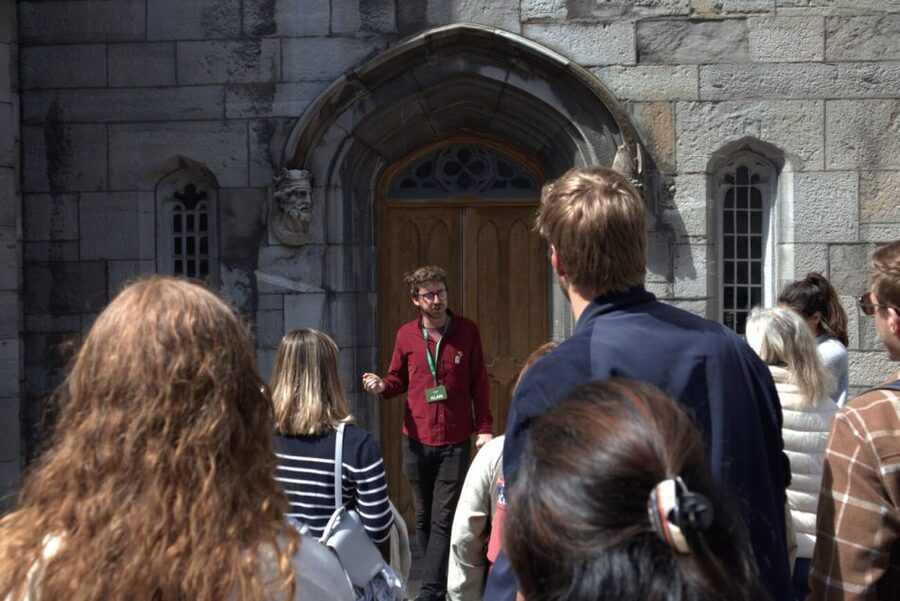
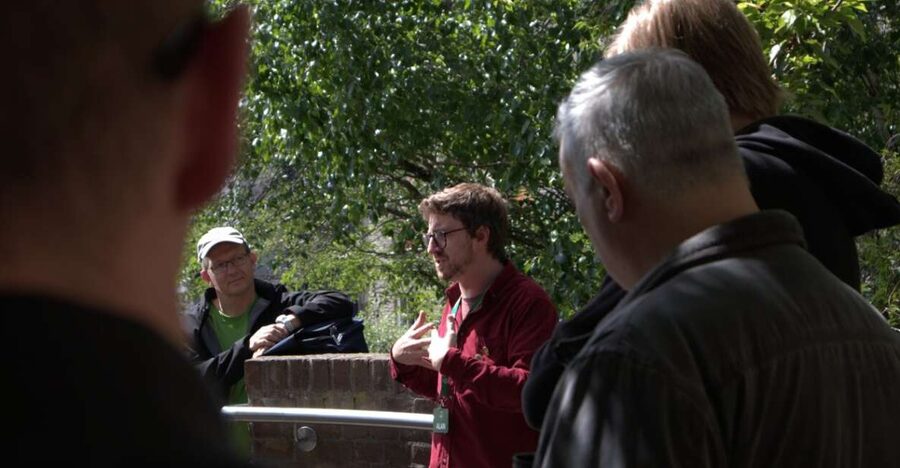
The tour is led in English by a fully accredited local folklore guide. Helena, Emily, Lee, and Dave are among the guides praised for lively storytelling, humor, warmth, and useful Dublin advice. The exact guide depends on the departure, but the experience clearly depends on personality as much as information. You are not simply listening to dates and names. You are being taken through a chain of stories, with time for questions and conversation along the way.
At $27 per person, the price is reasonable for a two-hour guided walk in central Dublin. You are paying for a specialist subject rather than a standard orientation tour. If you already know the city’s main historical sights, this gives you a fresh angle. If this is your first hour in Dublin, it can also help you notice how folklore and national identity appear in places you pass later on.
More crime and mystery walks around Dublin:
- Prague: Ghost Walking Tour Where Legends Come To Life
★ 4.4 · 5,253 reviews - Edinburgh Darkside Walking Tour: Mysteries, Murder and Legends
★ 5.0 · 3,862 reviews - Historical Walking Tour: Legends of Bruges
★ 5.0 · 2,541 reviews
Temple Bar and Ireland’s mythical beginnings
The meeting point is outside The Old Storehouse pub in Temple Bar. Look for the green umbrella. This is a busy part of central Dublin, so give yourself enough time to find the exact spot without rushing.
The opening section introduces Ireland’s mythical origins and Celtic traditions. This is an important beginning because the tour is not treating folklore as a collection of random fairy stories. The guide explains how traditional beliefs helped shape ideas about Ireland, its people, and its past.
Temple Bar is familiar territory for many people, but the storytelling changes how you see it. Instead of simply taking photographs and moving on, you begin looking for the old ideas beneath the modern city. The setting also makes the tour easy to join if you are already spending time in central Dublin.
This first section should suit you if you enjoy stories with a strong sense of place. It is less suited to someone seeking a detailed architectural tour or a list of major landmarks. The city is the stage, but the stories are the main event.
Fairies, banshees, púcas, and leprechauns
The middle of the walk turns to creatures from Irish folklore. You will hear about fairies, the banshee, the púca, and the leprechaun, along with the beliefs and warnings attached to them.
The useful thing here is the chance to move beyond the cheerful tourist version of Irish folklore. The leprechaun is familiar around the world, but Irish stories about supernatural beings can be stranger, more troubling, and more connected to everyday beliefs. The banshee brings a mournful tone, while the púca introduces a more unpredictable figure. The guide explains these characters as part of Irish and Gaelic storytelling, not simply as decorations for souvenirs.
This section is usually where the quality of the guide matters most. A flat recital of folklore can become confusing, especially when different creatures and traditions appear close together. Guides praised for humor and strong delivery, including Helena and Emily, appear to make the material accessible without stripping away its darker side.
You should also expect some interpretation. The walk is designed to show the importance of storytelling in Irish culture, so the guide links individual legends to wider ideas about family, community, fear, humor, and identity. If you enjoy myths but do not know much about Irish tradition, this is likely to be one of the most rewarding parts.
Ancient warriors and the meaning of national stories
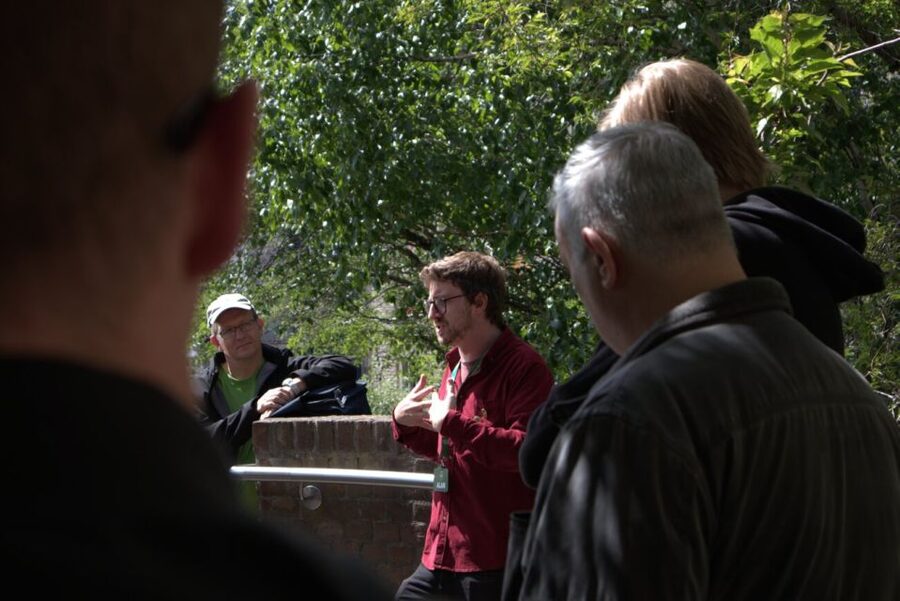
Irish mythology is not only about fairies. The tour also introduces ancient warriors and the heroic figures who helped shape ideas about Ireland.
This part adds scale to the experience. The stories move from supernatural creatures to human strength, courage, loyalty, and conflict. They also show why old tales can matter long after the original events, or imagined events, have passed from daily life.
If you already know a good deal about Irish political history, this section may give you something new. One participant who knew much of the usual Irish history found the folklore angle especially useful because it filled in a less familiar part of the national story. That is a good measure of the tour’s appeal: it complements conventional history rather than trying to replace it.
The guide’s style remains central. Dave, for example, is praised for keeping children interested while explaining both mythology and practical Dublin matters. That makes this section suitable for families, provided children are comfortable with tales that may include danger, death, or supernatural threats.
More walking tours around Dublin:
- Dublin Highlights and Hidden Gems Guided Walking Tour
★ 5.0 · 6,020 reviews - Dublin: Highlights and Hidden Gems Walking Tour
★ 4.9 · 2,140 reviews - 1916 Rebellion Walking Tour
★ 5.0 · 1,605 reviews - 2-Hour Historical Walking Tour from Dublin
★ 5.0 · 875 reviews
The Georgian Quarter’s macabre side
The route then leaves the most obvious tourist path and explores the darker side of Dublin’s Georgian Quarter. Here, the subject shifts to rebellions, grave robbing, and revolutions.
This is one of the strongest reasons to choose the walk. You are not only standing outside famous buildings while hearing broad facts about Dublin. You are being shown how unsettling stories attach to parts of the city that can otherwise seem orderly and elegant.
The Georgian setting creates a useful contrast. Fine streets and formal buildings sit beside tales of political upheaval and disturbing crime. That contrast helps you understand Dublin as a city shaped by conflict as well as charm.
Do not expect every stop to be a major monument with a clear viewing platform. Some locations are valuable because of the story connected to them. You may spend more time listening than sightseeing, and the guide may need to position the group on a public street rather than in a dedicated attraction. Bring curiosity, not a checklist.
Several longer stops help make the pace comfortable. You are walking between points, but the experience is not a nonstop march. This matters if you have already spent the morning visiting museums or walking around Dublin’s center.
The Abbey Theatre’s tragic chapter
The Abbey Theatre receives its own place in the story. The tour explores its tragic history, adding a cultural thread to the political and supernatural material.
This stop helps explain why theatre mattered so much in Ireland. The stage could carry national ideas, public arguments, and cultural memory. It was not always a safe or simple place for artistic expression.
The Abbey section may appeal most to anyone interested in literature, performance, or the way culture shapes public life. It also prevents the tour from becoming a simple parade of ghosts and mythical creatures. You get a wider view of storytelling, from oral tradition and Gaelic tales to modern theatre.
The exact depth of the explanation can depend on the guide and the group. Still, it is a worthwhile part of the route because it ties the older material to a more recent cultural institution.
O’Connell Street and the Gaelic revival
The walk finishes on O’Connell Street, where the guide introduces the revival of the Gaelic language and culture. This is a fitting ending. The tour begins with Ireland’s mythical origins and concludes with the effort to preserve and renew Irish identity in the modern age.
You also meet some of Dublin’s contemporary street characters. That detail keeps the final section grounded in the present. Folklore is not placed safely in the past, behind glass or in a textbook. The guide shows how stories, language, humor, and public personality continue to shape city life.
This final part can be especially useful if you want to understand why Irish culture is more than a set of historic images. The language revival gives the tour a serious point: national identity can be lost, rebuilt, and argued over.
O’Connell Street is also a practical finish. You remain in central Dublin, surrounded by transport, shops, and other city sights. The walk ends back at the original meeting point, so you do not need to arrange a separate pickup or find your way to an unfamiliar neighborhood.
Guide style, group energy, and walking effort
The guides are the heart of this experience. Helena is repeatedly described as enthusiastic, funny, welcoming, and easy to listen to. Emily is praised for turning complex folklore into clear, engaging stories, while Lee and Dave bring humor and good energy to the route.
That does not mean every departure will feel identical. A guide-led walk always changes slightly with the person leading it, the weather, and the group. What you can expect is a live English tour with room for questions and a strong focus on spoken storytelling.
The walk is described as manageable rather than strenuous. There are several longer stops, and the route is not presented as an exhausting trek across the whole city. It can suit adults with tired feet and families with children. The activity is wheelchair accessible, though the supplied details do not explain the exact surface or access conditions at every stop. If you have specific mobility needs, confirm those details before booking.
The group size is not fixed in the information provided. Some departures may feel small and conversational, while others may have more people. A smaller group makes it easier to ask questions, but a lively larger group can add energy to the storytelling.
Is $27 good value?
For $27, you receive a two-hour guided walk with a specialist folklore focus. There are no entry tickets or hotel transfers included, but that keeps the format simple and the price moderate.
I see the best value here for someone who wants more than a standard city introduction. You get a carefully shaped route, a local guide, unusual stories, and a better sense of how Irish culture connects mythology, language, theatre, politics, and daily life.
The value is weaker if you mainly want interior visits, major monuments, or a broad survey of Dublin’s full history. This is not a replacement for a castle tour, museum visit, or conventional city highlights walk. It works best alongside those experiences.
Flexible booking also helps. You can reserve now and pay later, and cancellation is free up to 24 hours in advance. That is useful when Dublin weather or your daily plans change.
Who should book this experience?
I would choose this tour if you enjoy folklore, oral storytelling, unusual city details, or the cultural meaning behind familiar places. It is also a good opening activity because the stories can inform how you see Dublin during the rest of your stay.
Families may enjoy it, especially with a guide such as Dave, who has been praised for holding children’s attention. Still, check your children’s tolerance for macabre subjects before booking.
It also suits repeat visitors and people who already know the basic story of Irish political history. The mythology and folklore angle gives you something different from the usual landmarks.
You may want to skip it if you dislike standing outdoors while listening, want a fast-moving sightseeing route, or prefer attractions with indoor seating and displays. The tour’s appeal comes from the guide’s voice and the city streets, so that format needs to suit you.
Should you book the mythology and folklore walk?
Book it if you want Dublin told through legends, strange creatures, ancient warriors, cultural struggle, and the power of language. The strong guide feedback, especially for Helena, Emily, Lee, and Dave, points to an experience where humor and storytelling carry the afternoon.
I would place it early in a Dublin visit. The route is short enough not to consume your day, the price is fair, and the final stop keeps you in the city center. Just remember that the main attraction is the story, not a long list of buildings. If that sounds like your kind of sightseeing, this is an unusually good way to meet Dublin.
FAQ
How long does the Dublin mythology and folklore tour last?
The tour lasts two hours.
Where does the tour start?
Meet outside The Old Storehouse pub in Temple Bar. Look for the green umbrella.
Where does the tour finish?
The activity ends back at the meeting point.
What language is the tour in?
The live tour is conducted in English.
Is hotel pickup included?
No. Hotel pickup and drop-off are not included.
What is included in the price?
The price includes the guide and the walking tour.
How much does the tour cost?
The listed price is $27 per person.
Is the tour wheelchair accessible?
Yes, the activity is listed as wheelchair accessible.
Can I cancel for a full refund?
Yes. You can cancel up to 24 hours in advance for a full refund.
New walking tours around Dublin
- Dublin: Traditional Pub Walking Tour★ 4.6 · 295 reviews
- Dublin: Traditional Pubs Walking Tour with Local Guide★ 4.9 · 112 reviews
- Dublin: Macabre History Walking Tour★ 4.9 · 95 reviews
- Dublin: Irish Music Walking Tour with Live Performance★ 4.8 · 137 reviews
- Dublin: Highlights and Hidden Corners Walking Tour★ 4.8 · 79 reviews
- Dublin: Delicious Walking Food Tour★ 4.9 · 137 reviews
- Dublin Highlights: 2.45-Hour Walking Tour in Italian★ 4.7 · 460 reviews
- Dublin: Sightseeing Walking Tour in German★ 4.7 · 231 reviews
Dublin Walking Tours, side by side.
Dublin Highlights and Hidden Gems Guided Walking Tour
Read our review →
Dublin Historical Centre Food Tour with 8 Food Tastings & Drinks
Read our review →
Dublin Highlights: 2.45-Hour Walking Tour in Italian
Read our review →

Lists this walk sits on