
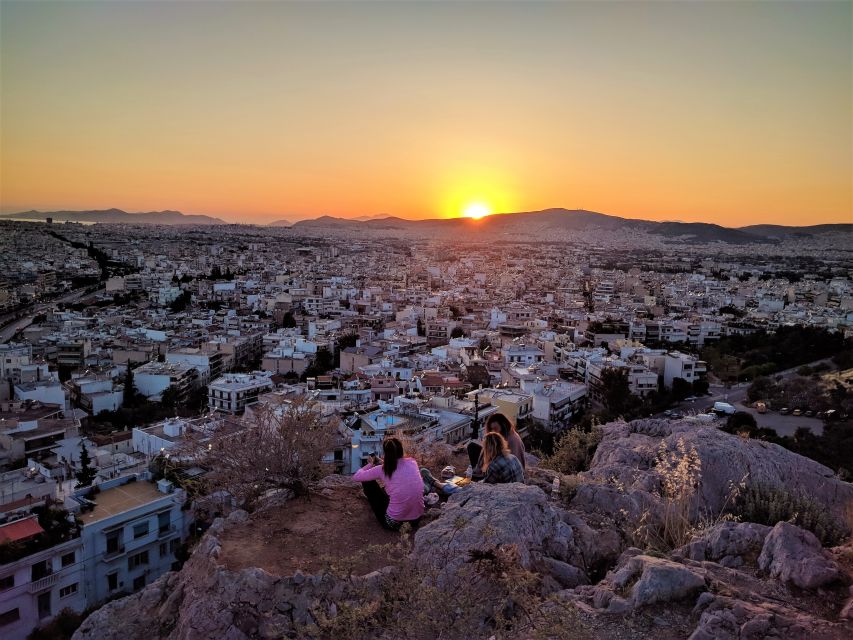
Review · ATHENS
Athens: Guided Mythological Walking Tour
Athens is easier to understand when you connect its streets and statues to the old stories of gods, lovers, satyrs, and divine punishment. This tour turns a standard city walk into a mythology lesson with real places attached, from the Academy of Athens to the lanes of Plaka. I like the way it links myths with social customs, architecture, and everyday life instead of treating the gods as a list of names. I also like that the route reaches less obvious corners of central Athens, not just the headline sights.
The main thing to consider is the pace and amount of information. Two hours is a lot of ground for a serious discussion of Greek mythology, and some guides, especially Penelope, give a detailed presentation that suits curious adults and older children more than anyone wanting only a light stroll and a few funny legends.
Key points to know before you go
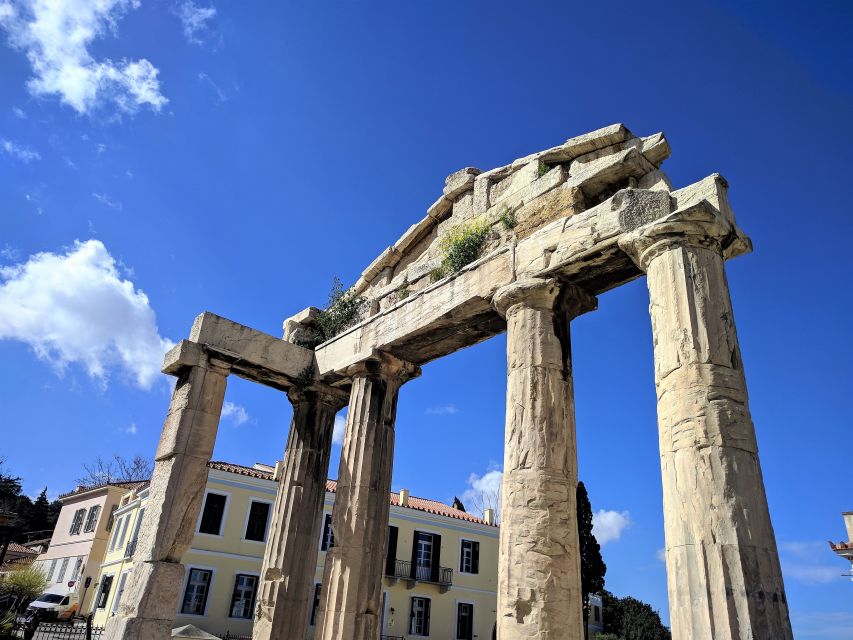
- Greek myths meet modern Athens: Hear stories about gods, heroes, nymphs, and satyrs while walking past monuments and city buildings.
- A central route with a clear finish: Begin at Korai 4, pass Syntagma and Plaka, and finish near Monastiraki.
- Penelope is a major strength: Her storytelling, historical background, humor, and care in hot weather are repeatedly praised.
- Good for families: Children around 10 and teenagers have been kept interested, especially when the guide connects myths to statues and architecture.
- Expect detail, not just entertainment: The tour also covers philosophy, anthropology, customs, and the daily lives of Ancient Greeks.
- Bring practical walking gear: Wear comfortable shoes and clothes, and carry water and sun protection.
Athens mythology walking tour: what the experience is really about

This is not a tour of archaeological interiors. It is a guided walk through central Athens, using the city itself as the setting for stories about the Greek gods and the people who worshipped them.
You will hear about Zeus and the other Olympians, but the most interesting material often comes from the less heroic side of mythology: jealousy, seduction, deception, forbidden love, family quarrels, and punishment. Greek myths can be grand and strange, but they are also full of very human behavior. That makes them easier to remember.
I like this approach because it gives you a new way to look at Athens. A statue or building that seems decorative at first can become part of a story about a god, a hero, or an old social custom. You also get useful background on how mythology shaped ideas about power, family, morality, and the relationship between humans and the divine.
The guide speaks English throughout. Penelope is the guide most often named in the recent feedback, while Christina has also led the walk. Both are described as warm, engaging, and exceptionally well informed about mythology and Ancient Greece. Penelope is especially good at handling questions and keeping families involved. She has also adjusted the route and pauses to find shade during hot weather.
More walks with a guide around Athens:
- Athens: Acropolis and Parthenon Guided Walking Tour
★ 4.6 · 5,882 reviews - Acropolis and Parthenon Guided Walking Tour
★ 5.0 · 4,755 reviews - Acropolis: Acropolis and Parthenon Guided Walking Tour
★ 4.7 · 3,442 reviews
Starting at Korai 4 and the Academy of Athens
Meet in front of the Starbucks cafe at Korai 4. This is a simple meeting point, but arrive with enough time to identify the exact cafe and settle in before the walk begins.
The first major stop is the Academy of Athens, reached after about 20 minutes on foot. This part of the route helps set the tone. The Academy is not just another impressive building to photograph. Its decoration and references to classical Greece give the guide a chance to explain how ancient ideas and mythological figures continue to appear in modern Athens.
You should expect to stop and listen rather than enter every building along the route. Entrance fees to archaeological sites are not included, and this experience is built around outdoor storytelling and city orientation.
This opening section is useful if you have just arrived in Athens. It gives you a sense of the city center and starts connecting modern streets to the ancient world. I would take notes on names that catch your attention, since the stories can come quickly.
The Numismatic Museum and the meaning behind ordinary details
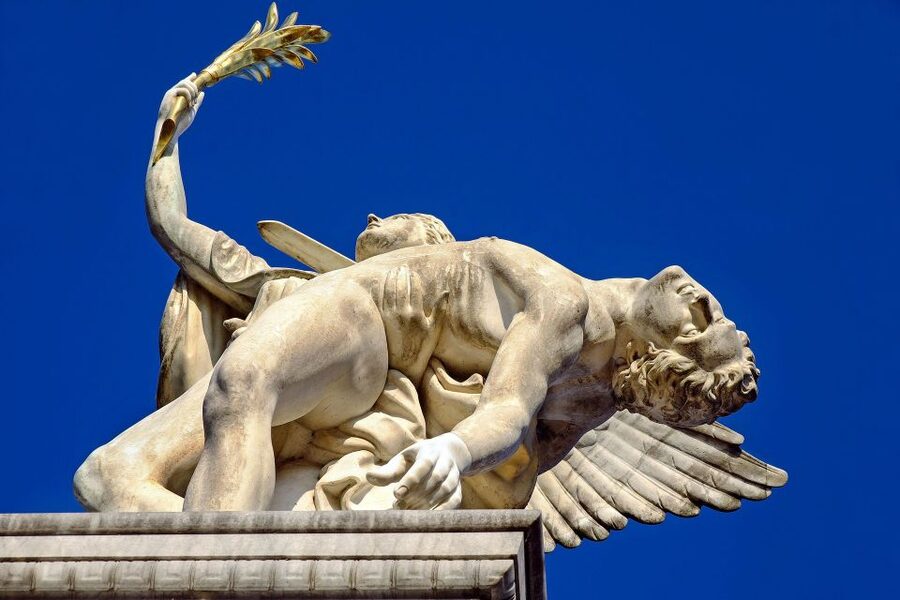
From the Academy area, the walk continues for about 15 minutes toward the Numismatic Museum. The route is not simply a march between famous attractions. Your guide points out details that are easy to miss when you walk alone, including architectural features, statues, and corners with links to Greek history and mythology.
The Numismatic Museum is a useful setting for discussing how societies express power and identity. Coins are small objects, but images of rulers, gods, and heroes helped spread ideas across the ancient world. The tour does not include museum entry, so you should think of this stop as part of the street walk rather than a museum visit.
This is one of the tour’s better features for repeat visitors. You may have walked through central Athens already and still have passed by details without knowing why they mattered. A guide who explains the stories behind those details can change the way you see the same street later.
Akadimias and the line between myth and history

The route then moves along Akadimias, with another walk of about 20 minutes. This is where the tour can become more than a collection of entertaining tales.
The guide places mythology beside history, philosophy, and cultural change. You may hear how ancient stories helped people explain the origins of the world, the gods, humanity, and the rules of society. The boundary between myth and history was not always treated as sharply as it is today, and that makes the discussion useful for anyone interested in literature, anthropology, or the development of civilization.
I would not book this walk expecting every minute to be a dramatic story. The material can be dense. Penelope has been praised for explaining complex subjects clearly, but the amount of information means you need to listen closely and ask questions when something is unclear.
That detail is a benefit if you already enjoy Greek mythology. It can also be a drawback if your ideal tour is a relaxed introduction with only a few famous stories. The experience works best when you are happy to stop, think, and follow connections between different myths.
More walking tours around Athens:
- Greek Food Walking Tour in Athens
★ 5.0 · 4,740 reviews - Athens: Guided Greek Food Walking Tour with Tastings
★ 4.9 · 2,859 reviews - Acropolis monuments & Parthenon Walking Tour with Optional Acropolis Museum
★ 5.0 · 2,678 reviews - Acropolis, Parthenon & Athens Old City Heritage Walking Tour
★ 4.5 · 876 reviews
Syntagma Square and Athens in public view
After roughly 20 more minutes on foot, you reach Syntagma Square. This is one of the most recognizable public spaces in Athens and gives the tour a change of scale. Here, you are not only hearing about ancient gods in an old quarter. You are seeing how the modern capital has grown around layers of history and public life.
The square is a natural place to discuss the relationship between people, authority, ceremony, and the city. The guide may connect these ideas to the ancient world, where religion and public life were closely linked. The value is not simply seeing the square. It is learning to notice how Athens presents its past in public spaces and civic buildings.
This portion also works as an orientation stop. You are moving from the newer central avenues toward the older districts closer to the Acropolis area. If you are taking the tour early in your stay, the route can help you understand how several important parts of central Athens fit together.
In summer, heat matters here. Wear light, comfortable clothing, bring water, and use a hat or sunscreen. Penelope has been praised for choosing shaded spots and adding short breaks when temperatures rise, but you should still prepare for a warm urban walk.
Mitropoleos and the city’s changing religious layers
The next section takes about 15 minutes and leads toward Mitropoleos. This part of Athens shows how the city’s religious and cultural layers have changed over time.
The tour focuses on stories and connections rather than a formal archaeological lecture. You may hear how old beliefs, sacred places, and familiar mythological figures continued to shape art and public imagery long after the ancient period. Looking at the city this way helps explain why Greek mythology remains visible in architecture, sculpture, language, and everyday references.
This is also a good place to ask questions. The guides have been praised for answering individual curiosities rather than rushing through a fixed script. In smaller groups, the walk can feel almost like a private conversation. Group size varies, so you should not assume you will receive a private tour, but a quiet-season booking may be more personal.
Plaka: myths among the prettiest streets
The route reaches Plaka after about 30 minutes of walking. This is the most atmospheric section of the experience, with picturesque streets and a more traditional central Athens setting.
Plaka makes a strong backdrop for stories about gods, nymphs, satyrs, and human characters. The surroundings help keep the mythology connected to place. Instead of hearing about Zeus in an abstract classroom, you are walking through one of Athens’s best-known old neighborhoods while the guide explains how the city’s legends relate to its identity.
You will also hear about social customs and daily life in Ancient Greece. That context matters. The myths are not only stories about powerful gods behaving badly. They reflect ideas about family, marriage, status, hospitality, gender, punishment, and the boundary between human and divine behavior.
Families can do well here because the stories naturally invite questions. Children around 10 and teenagers have enjoyed the tour, particularly when the guide points out mythological references in statues and buildings. Still, some material may be mature or complicated, so parents should be ready to explain stories involving seduction, revenge, and divine affairs.
Plaka is also where the walk feels most like a discovery of Athens rather than a conventional history class. I would save time afterward to explore on your own, but remember that the tour itself continues on foot and does not include a meal or a stop at a restaurant.
Finishing in Monastiraki after two hours
The tour finishes in Monastiraki after about 30 minutes of walking from the Plaka area. Ending here is practical because you are close to shops, cafes, and other central sights, though hotel transportation is not provided.
By the end, you will have crossed several different parts of central Athens and heard a connected set of stories rather than isolated facts. The walk is particularly useful as an early-trip activity because it helps you recognize places you may return to later.
Do not expect an archaeological-site tour with interior access. The experience gives you outdoor views, explanations, and a broader sense of how mythology appears throughout the city. If you want to go inside specific sites, you will need to arrange those visits separately.
What $47 gets you
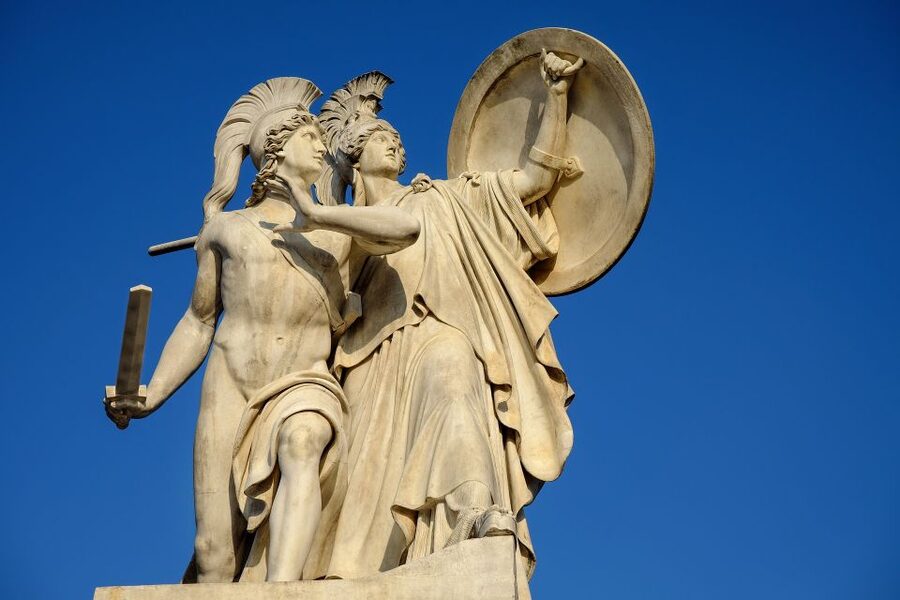
The price is $47 per person for two hours. That is not the cheapest way to walk around Athens, since you can explore the streets without a guide. The value comes from the interpretation.
You are paying for a live English-speaking guide who can connect myths to buildings, statues, customs, and the city’s layout. If you already know a fair amount about Greek mythology, the price can still make sense because the tour adds context and points out details you might otherwise miss. Several people with a strong interest in mythology learned new connections through the guide’s links to philosophy, literature, and cultural development.
The value is weaker if you want only a quick overview of the Olympian gods. In that case, the amount of detail may feel like more than you need. You also need to budget separately for food, drinks, transport, and any archaeological-site admission.
Flexible booking helps. You can cancel up to 24 hours before the start for a full refund, and you can reserve now and pay later. Starting times vary, so check availability when booking.
Who will enjoy this walk most
I would recommend the tour to you if you enjoy:
- Greek myths and the stories behind famous gods and heroes
- History, literature, philosophy, or anthropology
- Walking through Athens while learning how places fit together
- Small-group discussion and questions
- Family activities that can hold the attention of older children
- Seeing familiar streets through a different lens
It is also a good choice after you have seen the Acropolis or other major attractions independently. The tour can add meaning to statues, monuments, and neighborhoods that you have already passed.
I would be more cautious if you dislike long explanations, struggle with extended walking, or want to spend the entire two hours inside major monuments. The route includes several walking sections, and the guide may cover a large number of names, stories, and historical ideas.
Practical advice for a better experience
Wear comfortable shoes. The route covers multiple central districts, with walking sections of 15 to 30 minutes.
Bring water, especially from late spring through summer. A hat and sun protection are sensible, and shade is not guaranteed at every stop.
Keep the meeting point clear: the tour begins in front of the Starbucks cafe at Korai 4. Hotel pickup and drop-off are not included.
Arrive ready to participate. The guides are praised for answering questions, and the experience becomes more useful when you ask how a myth relates to a statue, building, or custom.
If you are traveling with children, explain that the tour includes serious mythology as well as entertaining stories. The material can involve jealousy, love affairs, revenge, and punishment, but children around 10 and older have enjoyed the storytelling when the guide makes room for questions.
Should you book the Athens Mythological Walking Tour?
Book it if you want Athens explained through stories rather than dates alone. The strongest feature is the guide-led connection between mythology and the streets, architecture, statues, and customs of the city. Penelope, in particular, has a warm and lively teaching style, and Christina has also provided engaging tours.
At $47, this is worthwhile for anyone who wants more than a basic orientation walk and is happy with a detailed presentation. I would schedule it near the start of your stay, wear good shoes, and treat it as a thoughtful introduction to Athens rather than a quick sightseeing loop.
Skip it if you want archaeological-site entry, a short casual walk, or only the most famous myths. For curious families, mythology fans, and first-time visitors who like to understand what they are seeing, it offers a useful and memorable way to read the city.
FAQ
How long does the Athens Mythological Walking Tour last?
The tour lasts two hours.
Where does the tour begin?
It begins at Korai 4, in front of the Starbucks cafe.
Where does the tour finish?
The tour finishes in Monastiraki.
What language is the tour conducted in?
The live tour guide speaks English.
Which areas does the tour visit?
The route includes the Academy of Athens, the Numismatic Museum area, Akadimias, Syntagma Square, Mitropoleos, Plaka, and Monastiraki.
Are archaeological-site entrance fees included?
No. Entrance to archaeological sites is not included.
Are meals included?
No. Meals are not included.
Is hotel pickup and drop-off provided?
No. Hotel pickup and drop-off are not included.
What should I wear for the tour?
Wear comfortable clothes and walking shoes. Water and sun protection are also sensible, particularly in hot weather.
New walking tours around Athens
- Athens: History of Rebellion Walking Tour★ 5.0 · 110 reviews
- Eat Your Way Through Athens: A Local Food Walk★ 4.9 · 97 reviews
- Athens: Private Walking Tour with a Local★ 4.5 · 93 reviews
- Athens: The Acropolis Walking Group Tour with a French Guide★ 4.7 · 469 reviews
- Athens: Women in Ancient Greece Guided Walking Tour★ 5.0 · 86 reviews
- Athens: Evening Food Walking Tour★ 4.9 · 422 reviews
- Athens: The Acropolis Guided Walking Tour in German★ 5.0 · 362 reviews
- Athens: The Acropolis Guided Walking Tour in Dutch★ 4.9 · 107 reviews
Athens Walking Tours, side by side.
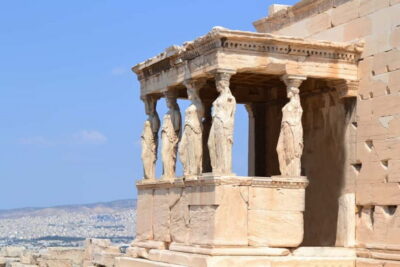
Athens: Acropolis and Parthenon Guided Walking Tour
Read our review →

Athens: Guided Greek Food Walking Tour with Tastings
Read our review →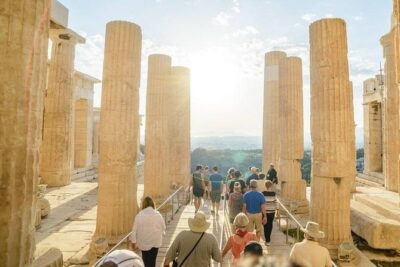
Acropolis monuments & Parthenon Walking Tour with Optional Acropolis Museum
Read our review →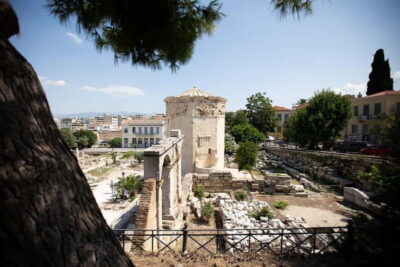
Acropolis, Parthenon & Athens Old City Heritage Walking Tour
Read our review →
Athens Authentic Greek Food Walking Tour (Small Group)
Read our review →
Athens: Ultimate Food Walking Tour with 15 Tastings
Read our review →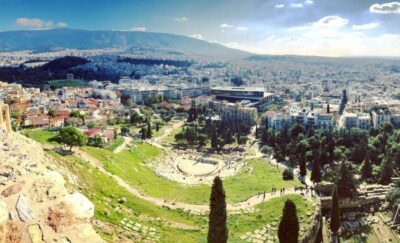
Athens: The Acropolis Walking Group Tour with a French Guide
Read our review →Lists this walk sits on