
Review · THAILAND
Chiang Mai: 3 Hour Old City and Temples Guided Walking Tour
Chiang Mai’s finest temples are close enough to visit on foot, but their stories are easy to miss when you explore alone. This three-hour walk links Wat Chedi Luang, Wat Phan Tao, and Wat Phra Singh, giving you a clear introduction to Lanna art, Buddhist customs, and the old city’s past.
I like the tour’s small, focused route and its low price of $16. I also like that guides such as Nana, TomTam, Sunny, and Boon bring more than dates and architectural labels, with explanations of meditation, local beliefs, language, and how Buddhism shapes daily life. The main drawback is the heat and the amount of walking, with temple entrance fees adding 120 THB per person.
Key points at a glance
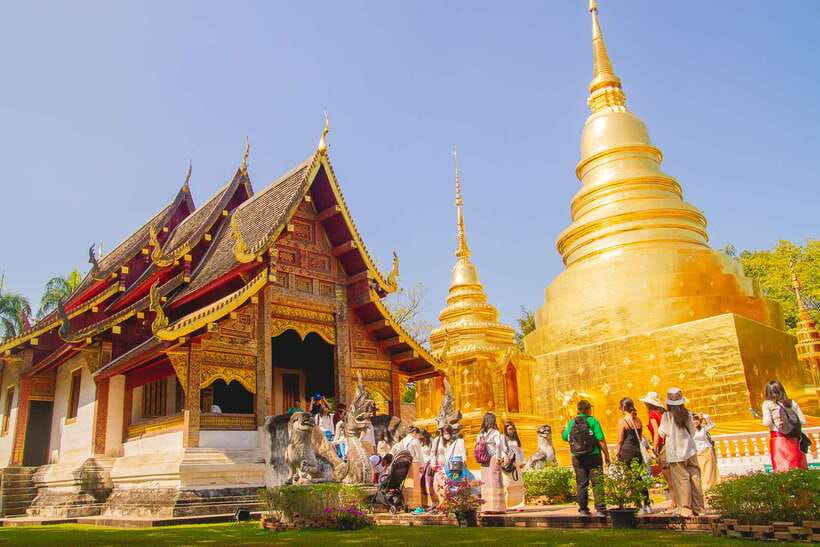
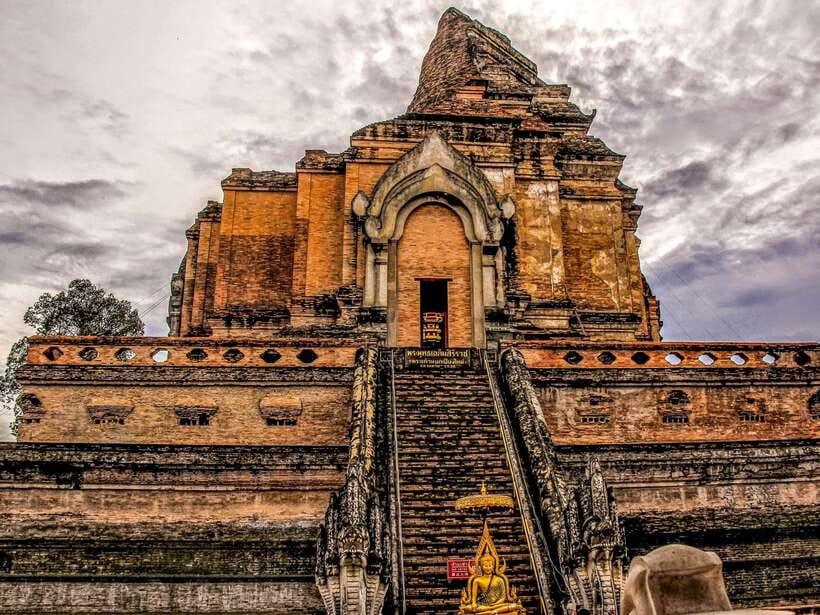
- Wat Chedi Luang begins the tour with Chiang Mai’s largest stupa and broad views of Lanna design.
- Wat Phan Tao brings a change of scale, with finely carved teak wood and a quieter feel.
- Wat Phra Singh finishes the walk with mosaic work, gilded pagodas, and the Lion Buddha image.
- Local guides make the difference, explaining Buddhism and Thai culture in clear English.
- Three hours is enough for a strong first look, but the pace can feel long in hot weather.
- Budget carefully for 120 THB in entrance fees, plus water and any food or drinks.
Why this temple walk works well in Chiang Mai
Chiang Mai’s Old City is compact, and these temples form a useful introduction to its past. You do not spend the day in a vehicle or lose time crossing town. Instead, you walk from one major sight to the next, with a guide adding the context that signs and photographs cannot provide.
At $16 per person, this is a strong-value tour for a first visit. The fee covers a local English-speaking guide and the walking tour, but not entry tickets. The three admission charges are 50 THB for Wat Chedi Luang, 20 THB for Wat Phan Tao, and 50 THB for Wat Phra Singh.
I would book this early in your Chiang Mai stay if you want a useful orientation. You will see three major temples and gain a better sense of Lanna culture before returning to any of them on your own.
The experience is GSTC-certified, with an emphasis on lower-impact touring and offsetting carbon emissions. That matters here because the route uses your feet rather than private transport. It is a simple way to keep an urban sightseeing day lighter on the environment.
More Old Town Walking Tours in Thailand:
- Underground Vaults Walking Tour in Edinburgh Old Town
★ 4.5 · 8,506 reviews - Prague: 3-Hour Walking Tour of Old Town & Prague Castle
★ 4.7 · 5,696 reviews - Dubrovnik: Old Town Walking Tour
★ 4.8 · 5,174 reviews
Starting at Wat Chedi Luang and its great stupa
Meet your guide at the entrance of Wat Chedi Luang. Look for the TripGuru sign and arrive 10 minutes early. There is no hotel pickup or drop-off, so you need to make your own way to the temple.
This first stop receives about an hour, and it deserves the time. Wat Chedi Luang was built between the 14th and 15th centuries and contains Chiang Mai’s largest stupa. Its scale is the immediate point: the structure gives the surrounding compound a strong sense of age and importance.
Your guide will point out Lanna-style features and explain how the temple fits into Chiang Mai’s story. This is where a good guide can turn a grand ruin and a collection of buildings into something easier to understand. Guides such as Nana and Nuttaya have been praised for explaining both the city’s past and Buddhist ideas in clear, approachable English.
The compound is broad, so you can expect some walking and time on your feet. Temple visits also require you to remove your shoes in certain areas. Wear sandals or shoes that slip on and off easily, and bring socks if you prefer not to walk barefoot.
Wat Chedi Luang is also where you may feel the heat most clearly. Even in February, one visitor found the shade warm, so take water seriously. A hat, sunglasses, sunscreen, and light clothing will make the first hour much more pleasant.
The carved teak surprise at Wat Phan Tao
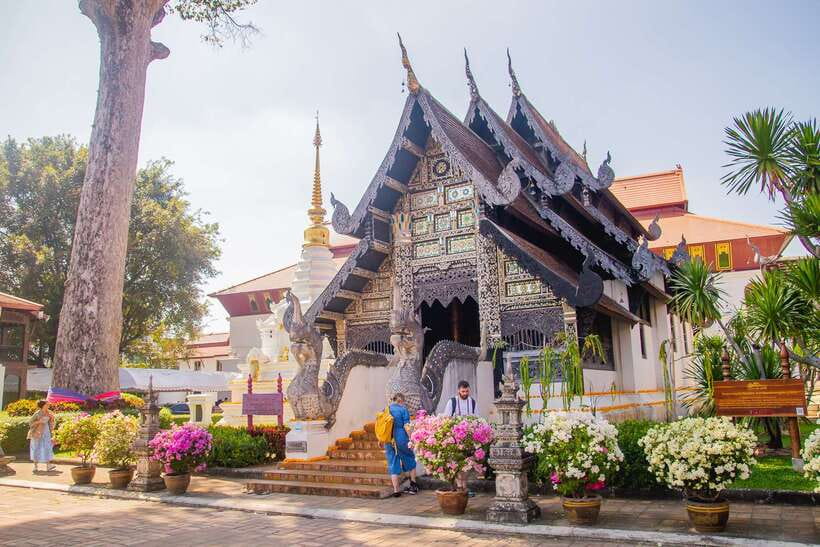
Wat Phan Tao is smaller and quieter than Wat Chedi Luang, but that change is part of its appeal. After the large stupa, the temple’s scale lets you focus on craftsmanship rather than sheer size.
The building is known for its intricate teak wood facade. It once served as a throne hall for King Mahotara Prateth before becoming a place of prayer. That earlier use gives the structure an unusual character, and the carved wood rewards a slower look.
I particularly like this middle stop because it prevents the tour from becoming a parade of giant temples. You see how Thai religious architecture can feel grand through detail, proportion, and workmanship rather than size. Your guide can also help explain how the building’s purpose changed over time.
The planned visit is about an hour, though the exact pace depends on the group and the guide. Some guides include a short break during the walk, which helps in the heat. The route is not difficult for most people with moderate fitness, but it is not suitable for people with mobility impairments, serious heart problems, respiratory issues, or pregnancy.
Bring 20 THB in cash for entry to Wat Phan Tao. Cash is also useful for the other temple fees and any drink you want along the way.
Finishing at Wat Phra Singh
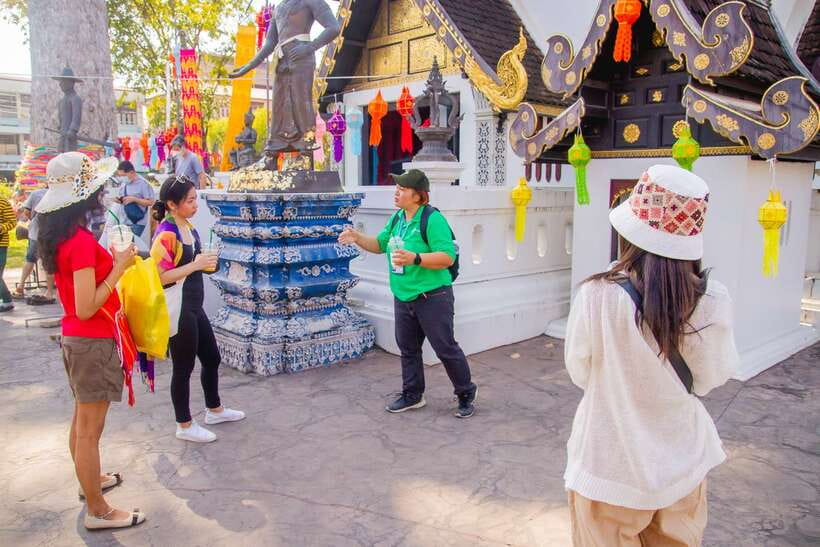
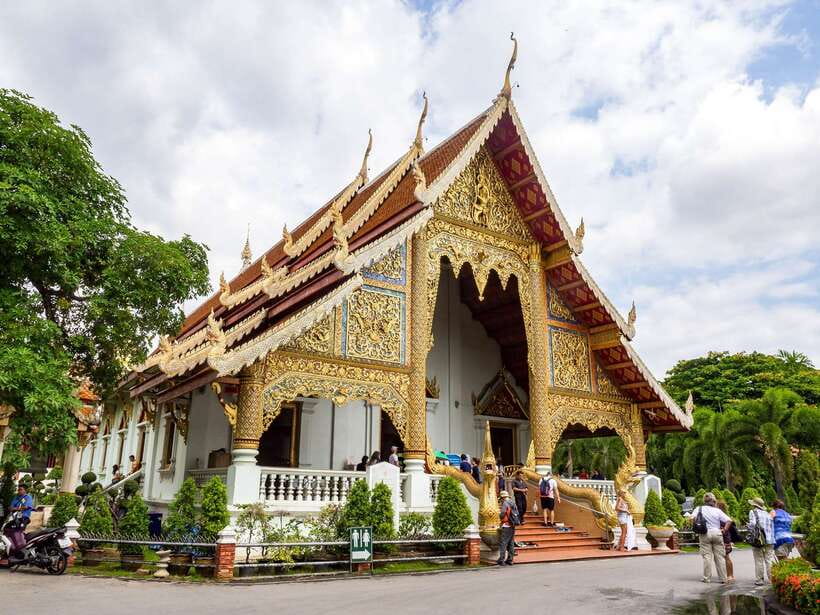
The final stop is Wat Phra Singh Woramahawihan, one of Chiang Mai’s most lavish temples. Built in the 14th century, it gives the tour a colorful finish after the more weathered presence of Wat Chedi Luang and the restrained teak work of Wat Phan Tao.
Expect about an hour here. The grounds include a mosaic-decorated sanctuary, gilded pagodas, and the large Lion Buddha image associated with the temple. There are plenty of details to photograph, but the strongest reason to have a guide is learning what you are looking at and why the elements matter.
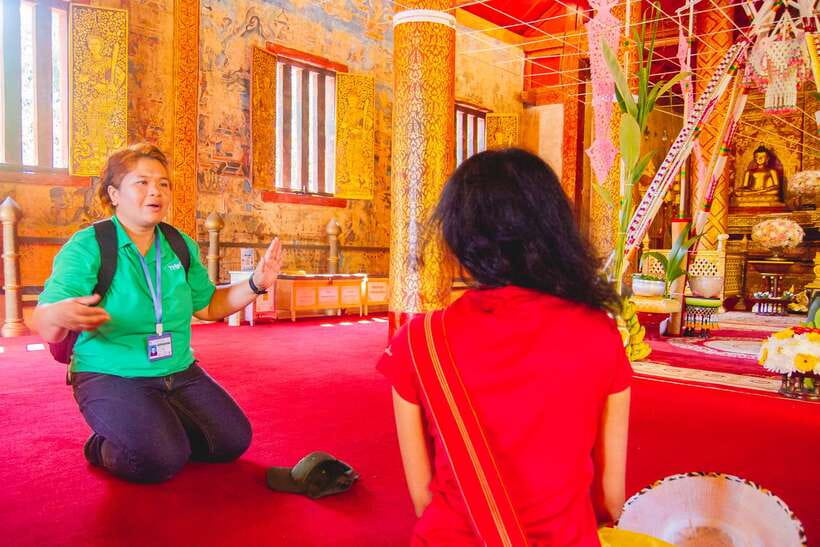
Boon, one of the guides praised for this route, has included a meditation lesson during a temple visit. That kind of moment can make the experience feel less like sightseeing and more like a respectful introduction to Buddhist practice. The exact content will depend on your guide, but the tour is designed to discuss Buddhism and Thai beliefs, not simply point out attractive buildings.
Wat Phra Singh is also the end point. That is convenient if you plan to continue exploring the western side of the Old City, find lunch, or visit another nearby sight. Since there is no return transport, plan your next step from the temple rather than expecting a ride back to your hotel.
More three-hour walks around Thailand:
- Eat Like a Local: Venice 3-Hour Small-Group Food Tasting Tour
★ 5.0 · 3,137 reviews - Experience Porto’s Charm: 3-Hour Guided Walking Tour
★ 5.0 · 2,432 reviews - Valletta: 3-Hour Walking Tour
★ 4.7 · 2,219 reviews - Belfast: Political Conflict 3-Hour Walking Tour
★ 4.6 · 2,215 reviews
What the guides add to the experience
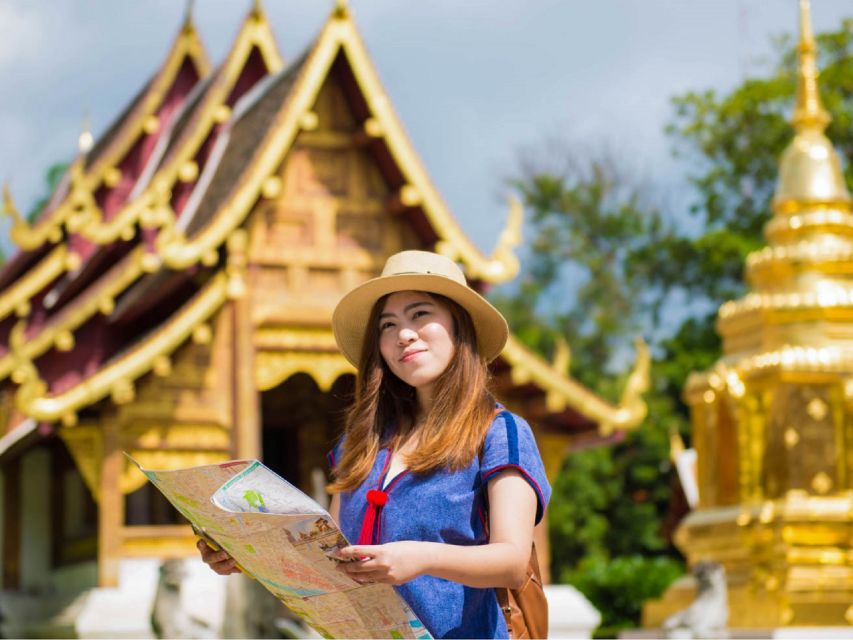
The guide is the heart of this tour. The buildings are worth seeing on their own, but the best guides connect architecture with culture and everyday life.
Nana has been singled out for history, humor, and practical help. In one case, she arranged tuk-tuk assistance when a participant with a spinal problem found the walking difficult. TomTam has been praised for taking time with questions, while Sunny has been noted for clear explanations and taking photographs. Boon has brought meditation into the visit, and Popcorn has shared personal experience from growing up as a monk.
These examples point to the tour’s strongest feature: the human explanation. You can ask about Buddhism, Thai beliefs, language, temple customs, or the meaning of a design. Several guides have also offered food suggestions and local tips, though this should be treated as a bonus rather than a guaranteed part of every departure.
Guide quality can naturally vary from one departure to another. Still, the consistently high rating of 4.6 from 1,568 ratings, along with repeated praise for friendliness, English, humor, and clear explanations, suggests that the guiding is a major reason to choose this walk.
Pace, heat, and what to wear
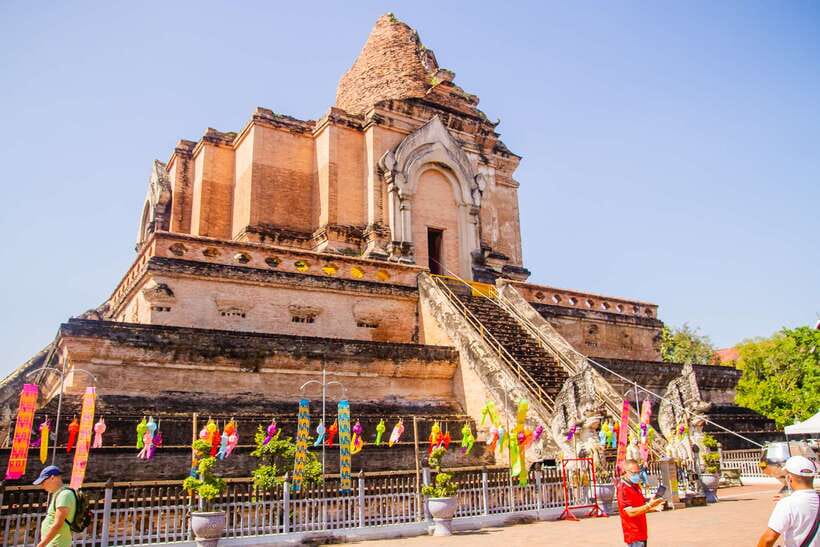
Three hours sounds short on paper, but it is a substantial amount of time outdoors in Chiang Mai. The route includes walking, standing, stairs or uneven surfaces in some temple areas, and repeated shoe removal.
Some visitors have found the timing just right, while another found the walk longer than expected. The stated duration is three hours, but allow extra flexibility if your group asks many questions or spends longer at the sites. A particularly enthusiastic guide may keep the tour going beyond the basic schedule.
Dress modestly from the start. Temple rules do not permit clothing that reveals your shoulders, underarms, back, or knees. Do not rely on casual shorts being accepted simply because someone else wears them. A scarf can help cover your shoulders, but it is better to wear suitable clothing rather than depend on a last-minute fix.
Pack:
- Comfortable shoes that are easy to remove
- Water, sunscreen, sunglasses, and a hat
- Insect repellent
- Cash for the 120 THB in temple fees
- A camera
- A scarf for additional coverage
The walk is not a good choice if you need step-free access or have a medical condition affected by heat and exertion. If you have a spinal issue or limited stamina, consider a less walking-heavy plan.
Is $16 good value?
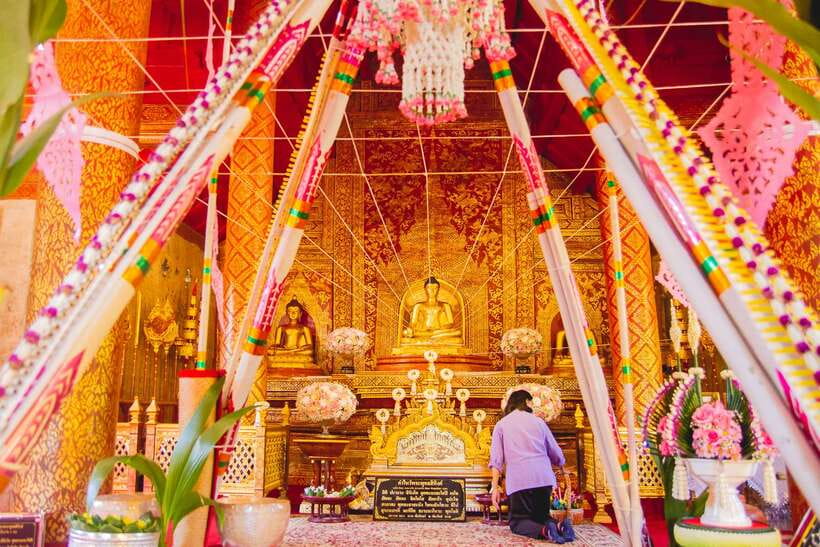
Yes, provided you want explanation rather than a quick photo stop. For $16, you receive three hours with a local guide and visits to three of Chiang Mai’s best-known temples. The extra 120 THB in entry fees is modest, but you should include it in your budget.
A private guide would likely offer more control over timing, while exploring independently gives you complete freedom and costs less apart from admission. The guided option earns its price by showing you how to read the buildings and by answering the questions that occur once you are standing inside them.
The value is strongest for first-time visitors, solo visitors who want company, and anyone interested in Buddhist practice or Lanna culture. It is less suitable if you dislike fixed schedules, tire quickly, or prefer to linger at one temple for half a day.
A responsible and respectful way to visit
The walking format keeps the route simple and avoids unnecessary transfers. The operator describes the activity as GSTC-certified, with carbon-emission offsetting built into its sustainable-tourism approach.
Responsible temple visits also depend on your behavior. Cover your shoulders and knees, remove shoes where required, keep your voice low in prayer areas, and ask before photographing people. A guide can help you understand local customs, which is one of the practical benefits of joining rather than wandering in without context.
Who should book this walk?
Book it if you want a compact introduction to Chiang Mai’s Old City, especially during your first few days. It suits curious adults, couples, solo visitors, and small groups who want history and culture explained in plain English.
Families with older children may also find the three-stop route manageable, although the heat and temple etiquette require patience. People with limited mobility, respiratory conditions, heart problems, or pregnancy should choose a different activity.
I would also recommend it to anyone who has visited temples elsewhere in Thailand but wants help understanding northern Thai, or Lanna, design. The contrast between the huge stupa, the carved teak facade, and the lavish sanctuary makes the route easy to remember.
Should you book it?
Book this tour if you want three important Chiang Mai temples, a local English-speaking guide, and solid cultural context for $16. It is especially useful as a first-day activity, when you are still learning how temples work and how Chiang Mai’s past fits together.
Skip it if you want a slow, private visit, cannot manage three hours on foot, or dislike stopping at several sights in one outing. Otherwise, bring water, dress properly, carry cash, and wear shoes that come off quickly. The route is straightforward, the price is fair, and the right guide can make the temples far more meaningful than a solo walk-by.
FAQ
How long does the Chiang Mai temple walking tour last?
The tour lasts three hours. Each of the three main temple visits is planned for about one hour, though the pace can vary.
Where does the tour begin?
It begins at the entrance of Wat Chedi Luang. Look for a guide holding a TripGuru sign and arrive 10 minutes before the scheduled start.
Where does the tour finish?
The tour finishes at Wat Phra Singh Woramahawihan. Hotel drop-off is not included.
Which temples are included?
The route includes Wat Chedi Luang, Wat Phan Tao, and Wat Phra Singh.
Are temple entrance fees included?
No. You pay 50 THB for Wat Chedi Luang, 20 THB for Wat Phan Tao, and 50 THB for Wat Phra Singh, for a total of 120 THB per person.
What language does the guide speak?
The live tour guide speaks English.
What should I wear?
Wear clothing that covers your shoulders, underarms, back, and knees. Comfortable shoes are important, and shoes that are easy to remove are especially useful.
Is the tour suitable for people with limited mobility?
No. Moderate fitness is recommended, and the tour is not suitable for people with mobility impairments, pregnancy, heart problems, or respiratory issues.
New walking tours around Thailand
- Local Life, Culture & Food Walking Tour at Chinatown★ 4.7 · 119 reviews
- Khao Lak: Full-Day Khao Sok Jungle Walk and Canoeing Tour★ 4.7 · 149 reviews
- Chiang Mai: Temple And City Walking Tour Part I★ 4.7 · 244 reviews
- Chiang Mai Untouched Elephant: Nature Walk & Waterfall Trek★ 4.7 · 77 reviews
- Chiang Mai: Historic Temples and City Guided Walking Tour★ 4.7 · 650 reviews
- Chiang Mai: Local Food and Markets Guided Walking Tour★ 4.3 · 175 reviews
- Bangkok: Grand Palace and Wat Arun Guided Walking Tour★ 4.5 · 118 reviews
- Bangkok: Grand Palace, Wat Pho, & Wat Arun Walking Tour★ 4.6 · 116 reviews
Thailand Walking Tours, side by side.
Bangkok: City Highlights Temple and Market Walking Tour
Read our review →
Bangkok: Grand Palace and Wat Phra Kaew Guided Walking Tour
Read our review →
Bangkok: Wat Pho and Wat Arun Guided Walking Tour
Read our review →
Bangkok Authentic Tasting Thai-Chinatown Walking Food Tour
Read our review →
Chiang Mai: Historic Temples and City Guided Walking Tour
Read our review →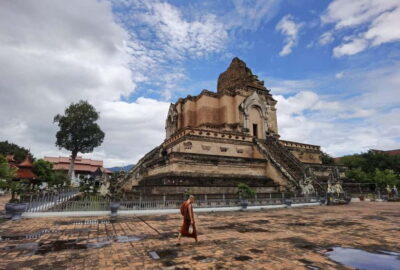
Chiang Mai: Temple And City Walking Tour Part I
Read our review →
Khao Lak: 2-Hour Elephant Sanctuary Eco-Walk with Guided
Read our review →
Chiang Mai: Local Food and Markets Guided Walking Tour
Read our review →Lists this walk sits on