
Review · KYOTO
Best of Kyoto: Gion, Geisha, Pagodas & Cobblestones
Kyoto’s Gion district is most atmospheric after dark, when lanterns glow on wooden townhouses and the day crowds thin out. This two-hour walk links Yasaka Shrine, Ninenzaka, and Gion with a respectful introduction to geiko and maiko culture, the world commonly called geisha culture outside Japan.
I like the quiet evening timing, and I like how the guides explain not just what you are seeing, but how shrines, temples, entertainers, and old Kyoto neighborhoods fit together. The main drawback is simple: nighttime paths can be dark in places, and seeing a geiko or maiko is possible but never promised.
Key points
- Nighttime Gion feels calmer and more atmospheric, with lantern-lit lanes and fewer day crowds.
- The route covers several classic sights, including Yasaka Shrine, Ninenzaka, Hōkan-ji Temple, and Yasui Kompira-Gu Shrine.
- Geiko and maiko culture is explained with care, including their training, work, and place in Kyoto society.
- Guide quality is a major part of the experience, with guides such as Karim, Kevin, Janelle, Ben, and Salomé praised for humor and clear explanations.
- The tour works especially well on your first Kyoto evening, helping you understand the city before exploring on your own.
- Food and drink advice comes at the end, though anything you eat or drink costs extra.
Why Gion works better after sunset

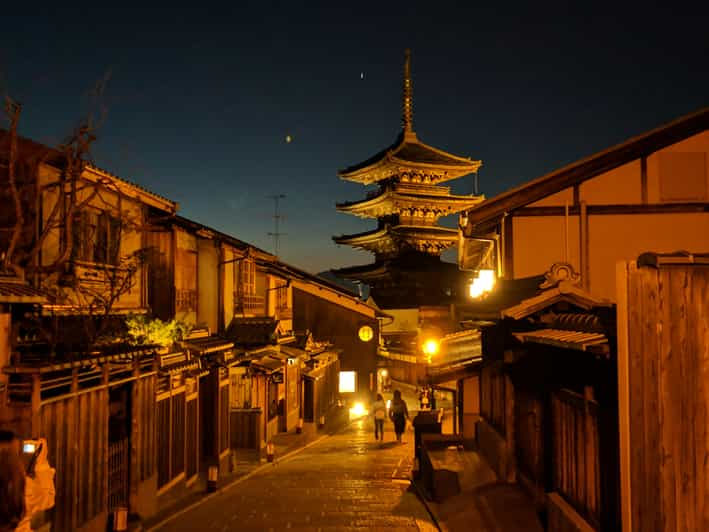
Gion is famous for its narrow lanes, wooden buildings, tea houses, and traditional entertainment culture. During the day, the area can feel crowded and highly photographed. Later in the evening, the mood changes. Lanterns pick out doorways, the streets grow quieter, and the old buildings become easier to appreciate.
That quieter setting is the strongest reason to choose this tour instead of simply visiting Gion on your own in daylight. You have time to stop, listen, and ask questions without feeling that you are blocking a stream of people.
The tour also helps you behave properly in a district where people live and work. Gion is not a theme park. Its streets include private businesses and places connected with geiko and maiko, so a guide can explain where to walk, when to keep your distance, and how to take photographs without being intrusive.
You may catch sight of women in full costume near the end of the walk. That can be memorable, but you should treat it as a bonus, not the main reason to book. The more dependable reward is learning what the costumes, hairstyles, makeup, and training represent.
More City Highlights Walking Tours in Kyoto:
- Ho Chi Minh City Street Food Tour & Sightseeing By Motorbike
★ 5.0 · 9,413 reviews - Historic Charleston Guided Sightseeing Walking Tour
★ 5.0 · 6,216 reviews - Dublin Highlights and Hidden Gems Guided Walking Tour
★ 5.0 · 6,020 reviews
Yasaka Shrine begins the Kyoto orientation
The walk starts from one of two possible meeting points near Kyoto Gion, including the FamilyMart and Tsuruha Drug Yasaka Shrine Store area. Check the exact meeting point for your selected departure, since it can vary.
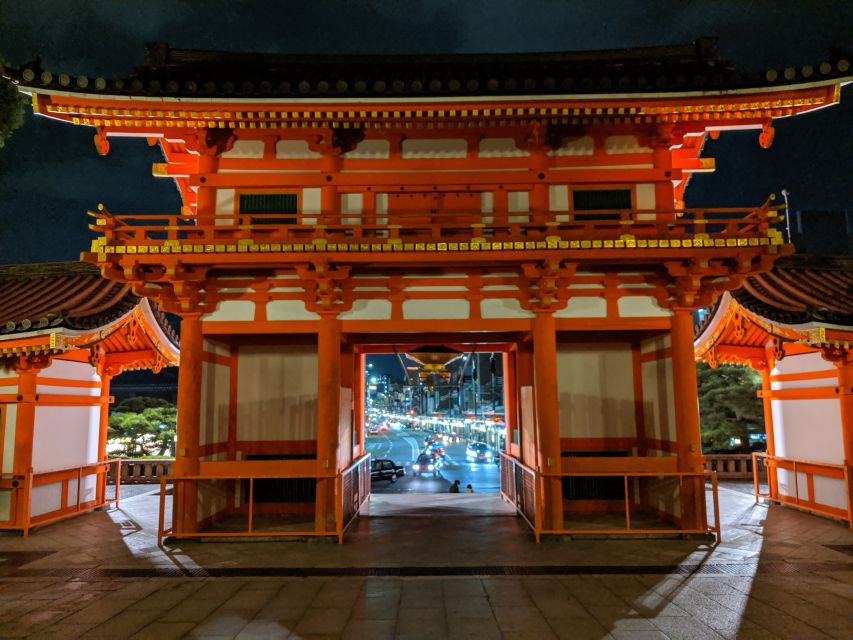
The first major stop is Yasaka Shrine, with about 20 minutes of guided explanation. This is a useful opening because the shrine gives you an early lesson in Japanese religious customs and the role of sacred spaces in city life.
At night, the shrine takes on a different character. Artificial light picks out gates and buildings, while the grounds can feel much calmer than during the day. Your guide can point out details you might pass without noticing and explain local customs in a way that makes later shrine visits easier to understand.
This is also where a good guide can set the tone for the evening. Karim, Kevin, Janelle, Hina, Ben, and other guides have been praised for mixing facts with stories rather than delivering a dry lecture. Some guides use visual material on a tablet to clarify the history and culture of Kyoto.
Ninenzaka brings you into old Kyoto
From Yasaka Shrine, the route continues toward Ninenzaka, a sloping historic street in Higashiyama. The guided visit lasts about 20 minutes, giving you time to take in the traditional architecture and the changing view along the lane.
Ninenzaka is one of Kyoto’s most recognizable areas, but its popularity can be a mixed blessing. It is photogenic, yet it is also one of the places most likely to feel crowded during the day. An evening visit makes the street more manageable and gives the wooden facades a softer, more cinematic look.
The paving can be uneven, so wear shoes you can walk in comfortably. This is not a strenuous hike, but the route is a steady urban walk over old streets, steps, and temple approaches.
Your guide may also help you separate modern Kyoto from the older image presented in travel photographs. The district still feels traditional, but it is part of a living city, not a preserved movie set. That context matters, especially when you are looking at businesses and homes alongside temples and shrines.
Hōkan-ji and the famous pagoda photo stop
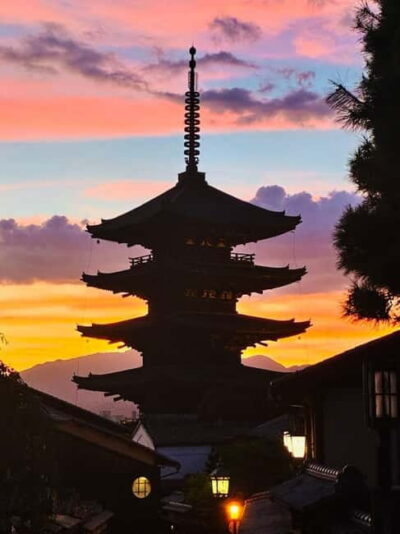
Hōkan-ji Temple is the visual centerpiece of the route. Its five-story pagoda, often called Yasaka Pagoda, is one of the best-known sights in Higashiyama.
The scheduled stop here is mainly for photographs and lasts around 20 minutes. At night, the pagoda can look especially striking against the dark sky, with surrounding lanes leading the eye toward its upper levels.
This is a good place to pause rather than rush. Your guide can help you find a clear angle and explain the setting, while you take in the relationship between the pagoda and the narrow streets around it.
Do not expect an extended temple interior visit here. The stop is focused on the exterior view and photography, so visitors wanting long temple visits or detailed architectural study may need a separate daytime plan.
That limitation is not necessarily a flaw. The tour covers several sites in only two hours, and this stop keeps the pace moving while still giving you one of Kyoto’s classic night views.
Same streets, a different story:
- Kyoto Geisha Walking Tour: Gion District & Hidden Gems
★ 4.7 · 3,273 reviews - Kyoto: Gion Magical Night Walking Tour with Geisha Trivia
★ 4.9 · 2,393 reviews - Kyoto: Gion Geisha District Walking Tour – Stories of Geisha
★ 4.7 · 2,187 reviews - Night Walk in Gion: Kyoto’s Geisha District
★ 4.5 · 2,003 reviews
Yasui Kompira-Gu adds a more personal shrine visit
The next stop is Yasui Kompira-Gu Shrine, visited for about 15 minutes. It is a smaller and more intimate stop than Yasaka Shrine, and it adds variety to the evening.
The shrine is associated with breaking unwanted ties and forming better ones. That makes it a useful place to hear about the personal side of Japanese shrine visits, where people may come with private hopes and concerns rather than simply admire the buildings.
A short visit here works well because the main goal is atmosphere and explanation, not a long ceremony. You can listen to the guide, observe the grounds, and see how a smaller religious site feels different from a major city shrine.
The contrast between the stops is one of the tour’s strengths. Yasaka Shrine feels grand and public, while Yasui Kompira-Gu feels more focused and personal. Together, they give you a better sense of Kyoto’s religious life than a string of postcard views would.
Gion explains the geiko and maiko world
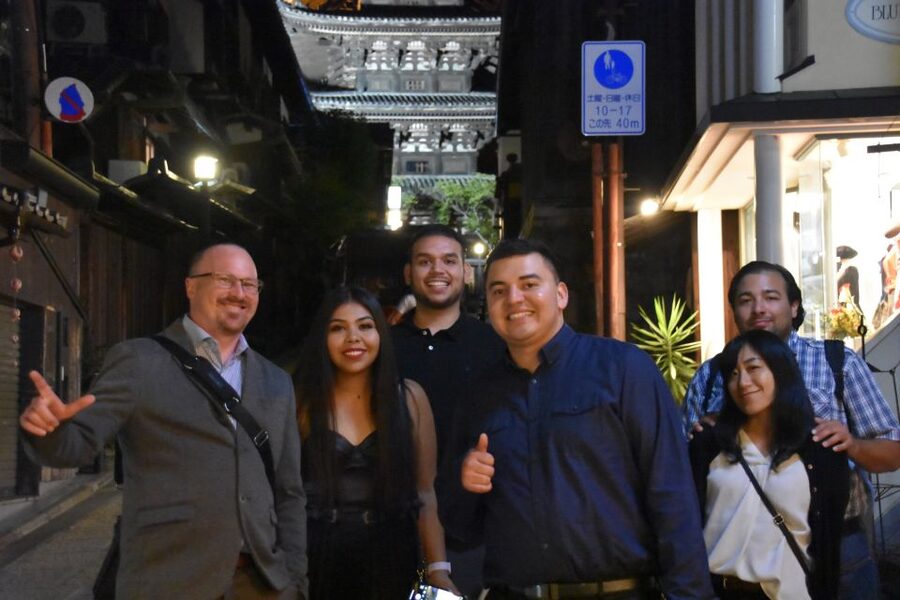
The longest part of the tour is the 45-minute guided walk through Gion. This is where the evening’s main cultural subject comes into focus.
The terms matter. Geiko is the Kyoto term for a professional entertainer often called a geisha elsewhere in Japan. Maiko are apprentices, usually recognized by their younger appearance, more elaborate clothing, and distinctive hairstyles. Their work involves years of training in traditional arts and social skills.
A thoughtful guide will help you look past the costume. The women you might see are not simply performing for passing photographers. They are highly trained professionals working within a demanding cultural tradition, often heading to appointments or performances.
This part of the tour has received especially strong praise for respectful explanations. Guides such as Karim and Kevin have been noted for discussing education, training, daily work, and the place of geiko and geiko houses in Kyoto without reducing the subject to mystery or spectacle.
You might see several geiko or maiko during the walk, particularly toward the end. You might see none. The tour remains worthwhile because the guide explains the culture whether or not anyone in costume appears.
That is an important point when deciding how to spend your money. If your only goal is a guaranteed geisha sighting, this is not the right product. If you want context, etiquette, and a better understanding of what you may see in Gion, it makes much more sense.
The guides shape the evening
The route is fixed, but the tone can vary with the guide. The strongest guide reports point to a relaxed style, plenty of questions, clear explanations, and a good sense of humor.
Karim is frequently praised for being friendly, funny, and thorough, especially when discussing Gion culture. Kevin is noted for pacing the walk well and making complex subjects easy to follow. Janelle and Janelle, sometimes written as Janiel in booking details, are praised for warmth and strong local explanations.
Ben has used visual slides to explain Kyoto’s past and Japanese life, which can help when a verbal explanation becomes too abstract. Salomé has been praised for thoughtful answers and personal insight, while Hina and Diana are also noted for keeping the walk informative and enjoyable.
You cannot choose a particular guide unless the booking system allows it, so treat these names as examples of the style you may encounter, not a promise. The common thread is an approachable guide who can connect the sights to daily life.
That matters more than memorizing dates. A guide who answers your questions about religion, food, customs, and ordinary life can give you a useful starting point for the rest of your Kyoto stay.
What the two-hour pace feels like
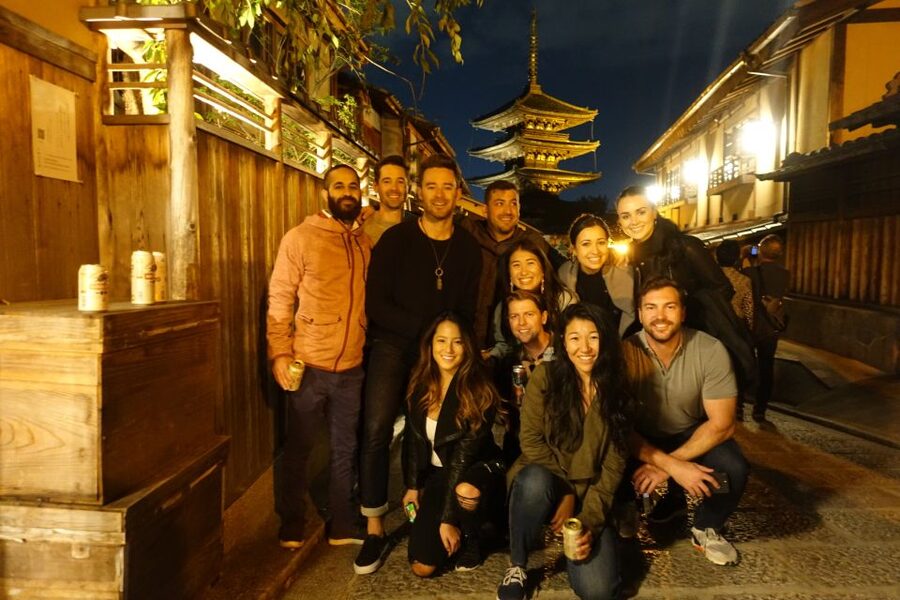
The advertised duration is two hours, with about 20 minutes at Yasaka Shrine, 20 minutes around Ninenzaka, 20 minutes at Hōkan-ji, 15 minutes at Yasui Kompira-Gu, and 45 minutes in Gion. The time also includes walking between stops.
This is enough for an introduction, not a full study of Higashiyama. You will see several major areas and get a strong sense of how they connect, but you will not have long interior visits at every temple or shrine.
The pace appears comfortable rather than rushed. Several guide accounts emphasize time for questions and a relaxed walk, while small groups can sometimes allow extra flexibility. Private and small-group options are available, which may suit families or couples who prefer a quieter experience.
Still, plan for a walking tour, not a seated cultural talk. Wear comfortable shoes and be ready for dim streets, uneven paving, and occasional darker stretches. One practical detail is worth taking seriously: if you cannot find the meeting point, call the guide at least 10 minutes before the start. WhatsApp is recommended, and late arrivals or people who miss the guide are not refunded.
Is $24 good value?
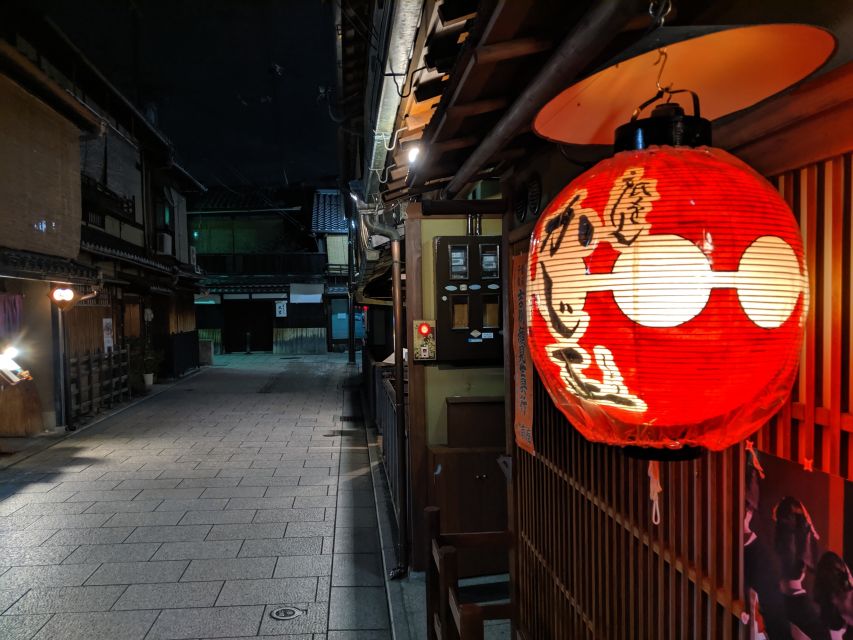
At $24 per person, this is a modest price for a two-hour guided walk in one of Kyoto’s most sought-after districts. You are paying for the guide’s explanations and local orientation, not for food, drinks, or entry to a special performance.
The value is strongest on your first day in Kyoto. You get a quick mental map of Gion and Higashiyama, learn basic shrine and temple etiquette, and finish with suggestions for where to eat or have a drink afterward.
The food and drink advice can be particularly useful because Gion can feel confusing at night, with many small lanes and establishments that are not obvious from the main road. You will pay separately for anything you order, but the advice may save you from wandering without a plan after the tour.
For someone who already knows Gion well, the route may feel familiar. The payoff then depends on the guide and the cultural explanation, especially the discussion of geiko and maiko life.
When this tour fits your Kyoto plan
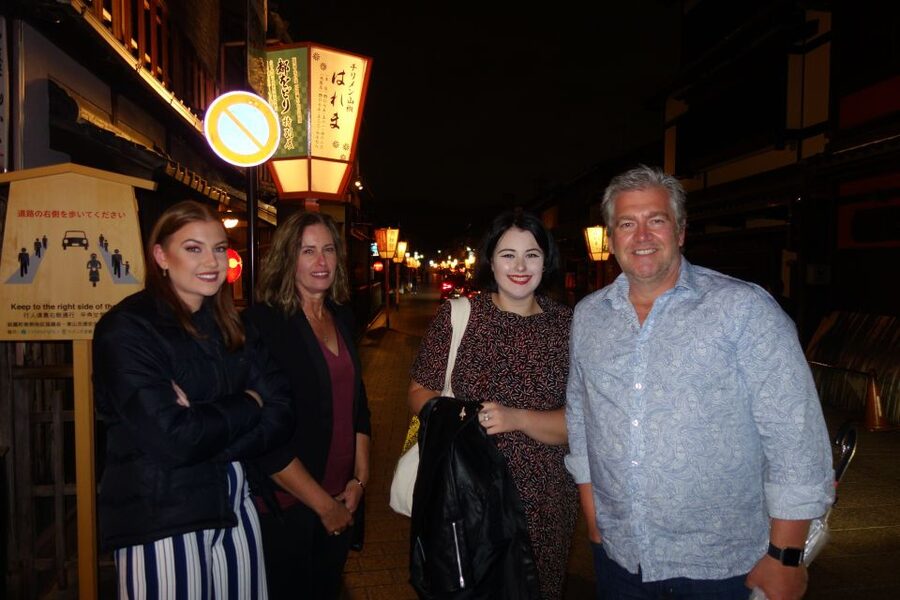
I would put this tour near the start of a Kyoto visit. It gives you a first look at the city’s older eastern districts before you return on your own for meals, photographs, or temple visits.
It suits first-time visitors, couples, solo visitors who want company for an evening walk, and anyone interested in Japanese religious customs or traditional entertainment. The English and French language options make it practical for international visitors, and private or small-group choices offer a more personal setting.
It is less suitable if you want a formal geisha performance, a food tour, or a long visit inside temples. It also may not suit you if you dislike evening walks or have difficulty with uneven streets.
Winter visitors should bring warm layers. One walk took place in freezing weather, yet the guide kept the evening engaging. In warmer months, the later timing can be more comfortable than walking through Higashiyama under the midday sun.
Should you book Best of Kyoto: Gion, Geisha, Pagodas & Cobblestones?
Book it if you want a friendly, efficient introduction to Gion with real cultural context. The strongest reasons are the quieter nighttime setting, the mix of shrines and old streets, and the careful explanation of geiko and maiko life.
Do not book it expecting a guaranteed sighting or a full temple tour. Think of it as a well-priced orientation walk that helps you understand what you are seeing and how to act respectfully.
For most first-time Kyoto visitors, especially on the first evening, I would consider it a smart use of two hours. You finish with better bearings, a clearer sense of Gion, and useful ideas for the rest of the night.
FAQ
How long does the tour last?
The tour lasts two hours.
How much does the experience cost?
The price is $24 per person.
Which parts of Kyoto does the tour visit?
The route covers Yasaka Shrine, Ninenzaka, Hōkan-ji Temple, Yasui Kompira-Gu Shrine, and Gion in the Higashiyama area.
Is the tour held at night?
The experience is designed as an evening walk, when Gion and Higashiyama are quieter and more atmospheric.
Can I see a geiko or maiko?
You might see women in full costume, particularly toward the end of the tour, but a sighting is not guaranteed.
What languages are available?
Live guiding is available in English and French.
Is food or drink included?
No. Food and drinks are not included, though the guide can provide recommendations for places to eat or have a drink afterward.
Is the tour private or shared?
Private and small-group options are available, depending on the option you book.
What should I do if I cannot find the meeting point?
Call the guide at least 10 minutes before the start if you are having trouble locating the meeting point. The guide’s phone number is shared with you, and WhatsApp is recommended. Late arrivals or people unable to find the guide are not refunded.
New walking tours around Kyoto
- Kyoto: Private Walking Tour with a Local★ 4.6 · 118 reviews
- Kyoto: Private 2.5 Hour Historical Walking Tour★ 4.9 · 121 reviews
- Kyoto: Imperial Palace & Nijo Castle Guided Walking Tour★ 4.7 · 453 reviews
- Kyoto: Izakaya Bars Guided Walking Tour★ 4.9 · 815 reviews
- Kyoto: Gion Sunset Walking Tour with Local Guide★ 4.7 · 351 reviews
- Kyoto: Gion Walking Tour★ 5.0 · 195 reviews
- Kyoto: Geisha Dinner & Gion Cultural Walk★ 5.0 · 73 reviews
- Kyoto: Gion Hidden Gems & Geisha Culture Tour★ 4.9 · 126 reviews
Kyoto Walking Tours, side by side.
Kyoto Geisha Walking Tour: Gion District & Hidden Gems
Read our review →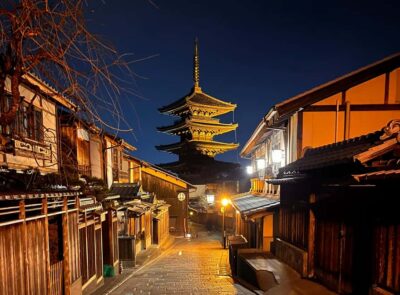
Kyoto: Gion Magical Night Walking Tour with Geisha Trivia
Read our review →
Kyoto: Gion Geisha District Walking Tour – Stories of Geisha
Read our review →
Nishiki Market Brunch Walking Tour (7 Tastings + Brunch)
Read our review →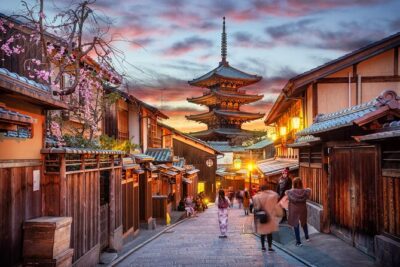
Kyoto Gion: 2-Hour Geisha Culture & History Walking Tour
Read our review →

Kyoto Gion Cultural Walk & Geisha Show with Dining Options
Read our review →Lists this walk sits on