Review · KYOTO
Nishiki Market Brunch Walking Tour (7 Tastings + Brunch)
Kyoto’s Nishiki Market is much easier to enjoy when someone else handles the choices. This three-hour morning walk takes you from Shijo Bridge through Pontocho and Nishiki Tenmangu, then into the market for seven tastings and brunch.
I like the small-group format, which can make it easier to ask about unfamiliar foods. I also like the mix of food and culture: guides such as Yuki, Yusuke, Chie, and Hikaru have been praised for clear explanations and useful Kyoto tips. The main caution is that the food portions and brunch setting can vary, and some people find the market easy enough to explore alone.
Key points at a glance
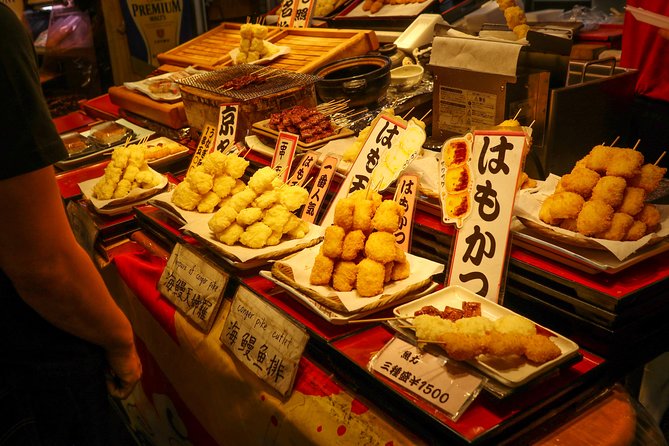
- Seven market tastings: You sample a range of Japanese foods rather than ordering one large dish.
- A full brunch is included: The tour ends with a sit-down meal, though the menu and setting may be limited on some days.
- A useful Kyoto orientation: Shijo Bridge, Pontocho, Nishiki Tenmangu, and Nishiki Market all fit into one morning.
- Small-group attention: The tour is described as having a maximum of six, while the additional booking information lists a maximum of ten, so confirm the current group size.
- Photos are provided: You can focus on eating and listening instead of photographing every plate.
- Dietary limits matter: Gluten-free requests cannot be accepted, and allergy-free meals are not guaranteed.
Why this is more than a quick market snack
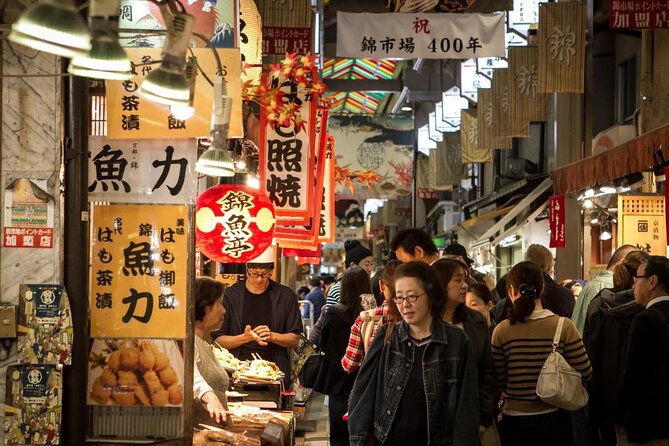
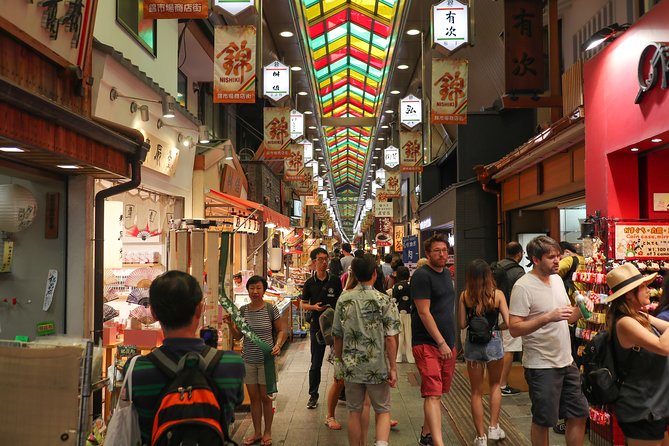
Nishiki Market is called the kitchen of Kyoto for good reason. Its long shopping street brings together produce sellers, prepared foods, sweets, pickles, seafood, tea, and small restaurants. It is also a place where the visitor can feel slightly lost. Stall signs may not explain much, samples can be tiny, and the best choice is not always obvious.
That is where a guide can help. The point of this tour is not simply to walk through the arcade and buy something at random. You get an introduction to local food, explanations of customs, and help deciding what is worth trying. Several guides have been praised for answering questions, explaining Japanese culture, and offering food suggestions for the rest of a Kyoto stay.
Still, keep your expectations sensible. This is a guided introduction, not a three-hour restaurant crawl. Some tastings may be modest in size, and certain samples can be offered by market vendors rather than prepared especially for your group. If you want large portions at every stop, you may find the value less convincing.
More Food Walking Tours in Japan
- Tokyo Tsukiji Fish Market Food and Culture Walking Tour
★ 5.0 · 3,184 reviews - Tokyo: Tsukiji Fish Market Food and Walking tour
★ 5.0 · 1,724 reviews - Osaka Local Foodie Walking Tour in Dotonbori and Shinsekai
★ 5.0 · 985 reviews
Starting near Shijo Bridge
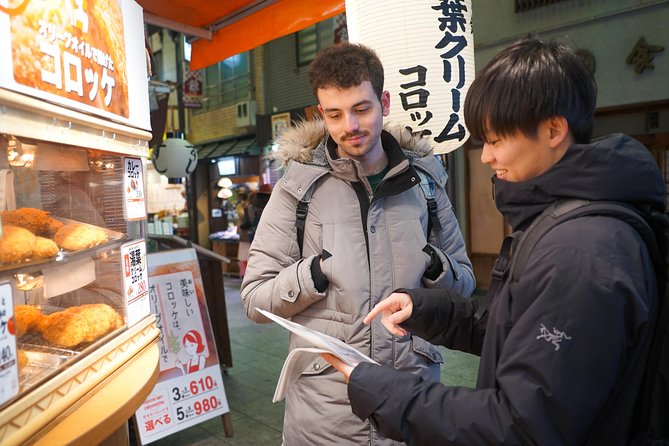
The meeting point is near the Statue of Izumo-no-Okuni in Kawabatacho, in Kyoto’s Higashiyama Ward. The first stop is Shijo Bridge, where you spend about five minutes looking at this well-known crossing.
This is a brief orientation rather than a major sightseeing visit. The bridge helps place you in central Kyoto, with the Kamo River and busy streets nearby. It also gives your guide a natural starting point for explaining how the surrounding districts fit together.
You will want comfortable shoes from the start. The tour lasts about three hours, and the market section alone is scheduled for more than two hours. Kyoto’s summer heat can reach 40°C, while winter temperatures can fall to around -5°C, so dress for the season rather than assuming a mild morning.
Pontocho’s narrow alley
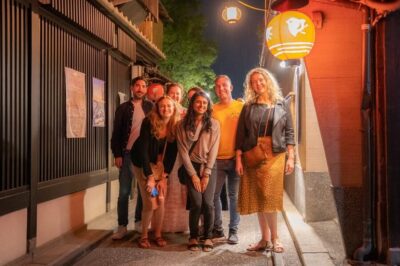
The walk continues into Pontocho, where you spend about 15 minutes. This narrow district is known for its traditional atmosphere and restaurant buildings, and it offers a sharp change from the open space around the river.
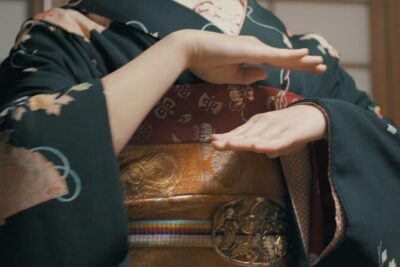
Pontocho is also connected with Kyoto’s geisha culture, which makes this part useful for context. A good guide can explain the difference between the district’s appearance, its dining culture, and the assumptions visitors sometimes bring with them. Jimmy, Hikaru, and other guides have been praised for adding stories about Kyoto, geisha culture, Shinto, and Buddhism.
The limitation is time. Fifteen minutes is enough for a look and a few explanations, but not enough for a full exploration. If you have already taken several Kyoto history walks, parts of this opening section may feel familiar. The tour works best if you see it as a short lead-in to the food rather than the main event.
Nishiki Tenmangu and a change of pace
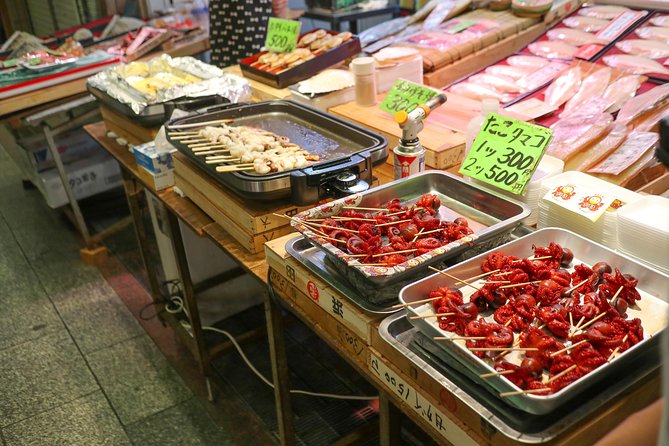
Nishiki Tenmangu receives about 15 minutes. This small shrine adds a calm cultural stop before the market crowds and food stalls take over.
The shrine matters because it shows how closely daily food shopping and religious life sit together in central Kyoto. You are not simply moving from one shop to another. You are also seeing how a market district connects with local customs, architecture, and worship.
Again, the visit is compact. You will have time to admire the shrine and hear an explanation, but not to linger in the way you might on an independent visit. That tradeoff is typical of a guided morning: you cover several places efficiently, but each stop receives only a short look.
More Food Walking Tours in Kyoto:
- Reykjavik Food Walk – Local Foodie Adventure in Iceland
★ 5.0 · 18,952 reviews - Ho Chi Minh City Street Food Tour & Sightseeing By Motorbike
★ 5.0 · 9,413 reviews - Little Havana Food and Walking Tour in Miami
★ 5.0 · 8,882 reviews - New Orleans Food Walking Tour of the French Quarter with Small-Group Option
★ 5.0 · 6,118 reviews
Two hours inside Nishiki Market
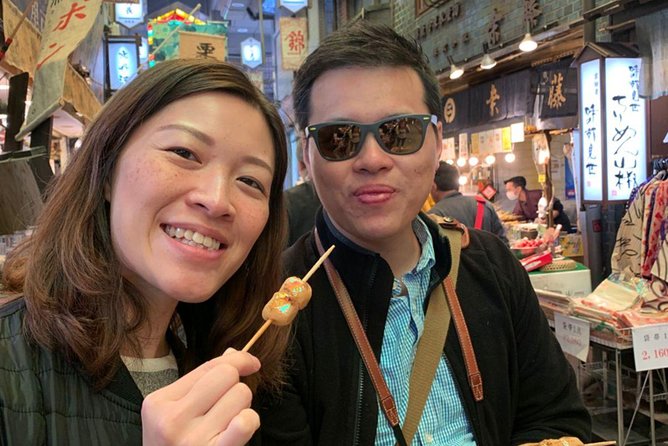
The largest part of the tour is the approximately two-hour visit to Nishiki Market. This is where the experience earns its keep, especially if you are unsure what to eat or how to approach the stalls.
The tour includes seven kinds of tastings, with brunch at a restaurant included as well. Exact foods are not specified, and choices can change. You might encounter items that you would pass by on your own, along with small samples from market sellers. The goal is variety and explanation rather than a fixed tasting menu.
This is also where the guide’s personality matters most. Yuki has been praised for taking groups into several shops and helping them find foods they might otherwise miss. Yusuke has been praised for introducing new foods and explaining Japanese culture. Takaya has been noted for giving food tips and answering questions. Chie has been praised for making the walk funny and engaging, while Emi has been credited with explaining food, history, and culture clearly.
Those names do not guarantee who will lead your tour, but they show what to hope for: a guide who does more than point at a stall. You want someone who explains what you are tasting, how locals view it, and where to look for similar foods later.
What the market portion does well
The tour removes some of the pressure that comes with an unfamiliar food market. You can try a small amount before spending your own money, ask what an ingredient is, and watch how the market works without having to plan every stop.
The supplied photos are another practical touch. You are encouraged to put your camera away and pay attention to the food. That can make the morning feel less like a checklist of photographs and more like a shared meal walk.
A guide can also help you avoid wasting time in a crowded market. Nishiki can be packed, and stopping in the middle of the walkway is not always easy. Moving as a small group gives the visit some structure.
What may disappoint you
The word seven needs a little context. A tasting may be a small sample, not a full serving. One portion may be generous while another may be no more than a bite or sip. One direct account described only two tastings as substantial, with other samples closer to vendor offerings.
The market itself can also make the experience feel less private. You are walking through a public shopping street, not dining in reserved rooms. If you prefer quiet table service and carefully paced courses, this will feel casual.
Some visitors also find that they spend less time at the market than expected because brunch takes place outside it. One account described roughly 45 minutes in the market before lunch, despite the planned longer market section. Timing can vary with the group, vendor conditions, and the guide, so do not assume every minute will be spent sampling.
Brunch: useful finish or weak link?
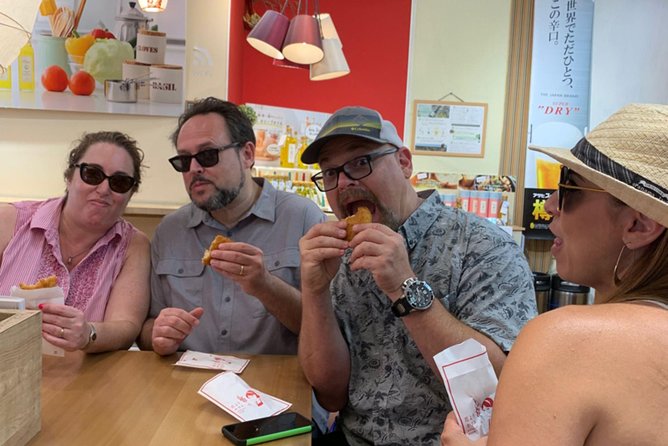
Brunch is included at a restaurant, and it gives the morning a proper ending. After several samples, sitting down can be welcome. Some meals have included a choice of small dishes, and steamed dumplings were singled out as a favorite in one account.
The restaurant meal can also help ensure you are not relying on tiny market samples for breakfast. Several people found the lunch satisfying and better than expected. For a first day in Kyoto, that combination of food and orientation can be a good use of time.
But brunch is the least predictable part of the experience. The restaurant may offer limited special options, and one account described a bookshop cafe with a narrow menu and food that felt below average. Another person would have preferred spending the meal budget on market food instead.
I would treat brunch as a practical included meal, not the reason to book the tour. The market tastings, guide, and cultural context are the main draw. If you want a memorable restaurant meal with many choices and a drink included, this may not match your ideal.
Price and what the $68.31 buys
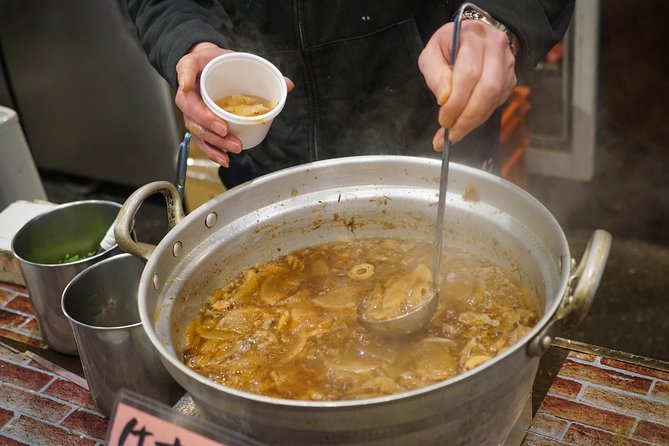
At $68.31 per person, the tour is not the cheapest way to eat at Nishiki Market. You can walk through the market without a ticket and buy food directly. Visitors who are confident ordering on their own may prefer to spend the same money on several larger portions.
The price makes more sense if you value guidance. You are paying for three hours, a certified MagicalTrip guide, seven tastings, brunch, and photos. You also get a route that links four distinct places, with someone handling timing and explanations.
For a first visit to Kyoto, that can be worthwhile. You learn what you are seeing and tasting, rather than simply moving through a line of stalls. The value is strongest for solo visitors, couples, and small groups who want structure without committing to a private tour.
The value is weaker if your priority is quantity. Some tastings may be small, and brunch may have limited choices. If you are already comfortable with Japanese food and have plenty of time in Kyoto, an independent market visit may give you more control.
Who will enjoy this morning most?
I would recommend this tour to you if you:
- Want a guided introduction to Nishiki Market
- Like trying unfamiliar foods in small portions
- Prefer a compact small-group experience
- Want cultural background along with breakfast
- Would rather ask questions than study menus on your own
- Are visiting Kyoto for the first time
It is less suitable if you need gluten-free food, strict allergy control, or careful dietary substitutions. The operator cannot accommodate gluten-free requests, and kitchens at the food stops do not belong to MagicalTrip. You should report allergies or dietary requests at least one day ahead, but substitutions are not guaranteed.
It may also disappoint you if you want a food tour built around large restaurant portions. This is a market walk with tastings and a separate brunch, not a sequence of full meals.
Timing, group size, and practical details
The experience lasts about three hours and ends at Nishiki Market, rather than returning you to the starting point. The route is near public transportation, and most people can take part, but you should expect a good deal of walking and standing.
The tour description advertises a maximum of six people, which is a strong reason to consider it. Smaller groups make it easier to hear explanations and ask about food. However, the additional information lists a maximum of ten, so confirm the current capacity when booking if group size is important to you.
You receive a mobile ticket, and confirmation is provided at booking. Cancellation is free up to 24 hours before the start time. Changes or cancellations inside that window are not accepted for a refund. Poor weather can also lead to a different date or a full refund.
Should you book the Nishiki Market brunch walk?
Book it if you want a friendly introduction to Kyoto food and prefer someone else to guide you through an unfamiliar market. The strongest version of this tour includes an engaging guide, useful cultural explanations, a good spread of samples, and a pleasant sit-down meal.
Skip it if you mainly want large servings, a carefully controlled menu, or the freedom to choose every bite yourself. You can explore Nishiki independently, and the brunch may not satisfy anyone expecting a polished restaurant experience.
For most first-time Kyoto visitors, I see this as a convenient orientation with real food value, provided you understand the format. Go for the guide-led context and variety, not for seven full portions. Wear comfortable shoes, arrive ready to walk, and leave room in your expectations for a casual market morning.
FAQ
How long does the Nishiki Market brunch walking tour last?
The tour lasts approximately three hours.
Where does the tour start?
It starts near the Statue of Izumo-no-Okuni in Kawabatacho, Higashiyama Ward, Kyoto.
Where does the tour end?
The tour ends at Nishiki Market in Higashiuoyacho, Nakagyo Ward, Kyoto.
How many food tastings are included?
Seven kinds of tastings are included, along with brunch at a restaurant.
Is brunch included in the price?
Yes. Brunch at a restaurant is included.
Is the tour suitable for someone with a gluten-free diet?
No. Gluten-free requests cannot be accommodated on this tour.
Can the tour handle food allergies?
Allergy-free food and dietary restrictions cannot be guaranteed. You should provide allergy information at least one day before the tour, but substitutions may not be possible.
How large is the group?
The tour is described as a small-group experience with a maximum of six, while additional booking information lists a maximum of ten. Confirm the current group size when booking.
Are photos included?
Yes. Photos are taken during the tour and provided so you can focus on the food and explanations.
Can I cancel for a full refund?
Yes, if you cancel at least 24 hours before the experience start time. Cancellations made less than 24 hours ahead are not refunded.
More Market Walking Tours around Kyoto
- Bangkok: City Highlights Temple and Market Walking Tour
★ 4.5 · 3,990 reviews - London Bridge & Borough Market Food Tour with 7 Authentic Dishes
★ 5.0 · 1,972 reviews - Air Raid Shelter + St. Nicholas Market Walking Tour
★ 5.0 · 1,950 reviews - Tokyo: Tsukiji Fish Market Guided Walking Tour
★ 4.9 · 1,397 reviews
New walking tours around Kyoto
- Kyoto: Private Walking Tour with a Local★ 4.6 · 118 reviews
- Kyoto: Private 2.5 Hour Historical Walking Tour★ 4.9 · 121 reviews
- Kyoto: Imperial Palace & Nijo Castle Guided Walking Tour★ 4.7 · 453 reviews
- Kyoto: Izakaya Bars Guided Walking Tour★ 4.9 · 815 reviews
- Kyoto: Gion Sunset Walking Tour with Local Guide★ 4.7 · 351 reviews
- Kyoto: Gion Walking Tour★ 5.0 · 195 reviews
- Kyoto Gion Cultural Walk & Geisha Show with Dining Options★ 5.0 · 518 reviews
- Kyoto: Geisha Dinner & Gion Cultural Walk★ 5.0 · 73 reviews
Kyoto Walking Tours, side by side.
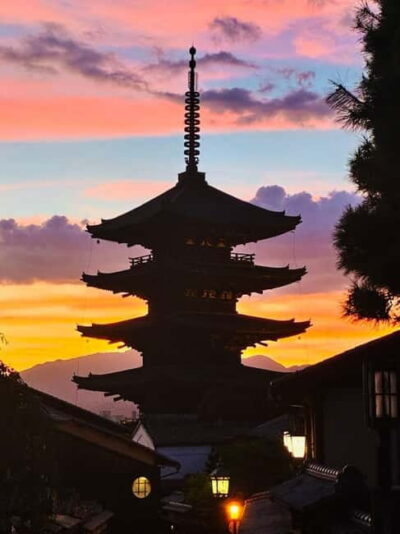
Kyoto Geisha Walking Tour: Gion District & Hidden Gems
Read our review →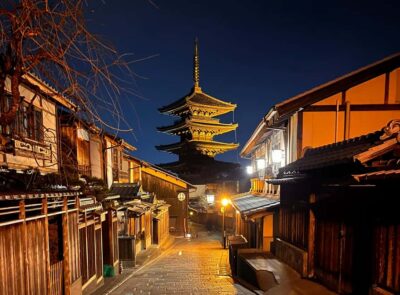
Kyoto: Gion Magical Night Walking Tour with Geisha Trivia
Read our review →
Kyoto: Gion Geisha District Walking Tour – Stories of Geisha
Read our review →
Best of Kyoto: Gion, Geisha, Pagodas & Cobblestones
Read our review →
Kyoto Gion: 2-Hour Geisha Culture & History Walking Tour
Read our review →