
Review · KYOTO
Night Walk in Gion: Kyoto’s Geisha District
Gion after dark is more than a pretty walk. It is a working district, and this tour helps you understand the women you may see moving quietly between tea houses. Guides such as Mia, Mie, Chako, and Mai bring local stories, photos, humor, and practical etiquette to the narrow lanes.
I especially like the clear cultural explanation of kimono, hairstyles, training, tea-house customs, and daily life. I also like the gentle approach to encounters with geiko and maiko. You are taught to observe quietly rather than treat the district as a stage. The main drawback is simple: seeing a geiko or maiko is possible, not guaranteed, and photo or video expectations may disappoint anyone hoping for a close-up souvenir.
- A night walk through Gion’s classic streets, including lanes beside a beautiful stream and scenery linked with Memoirs of a Geisha.
- English-speaking local guides who explain the difference between geiko and maiko, their clothing, training, and work.
- Respectful etiquette built into the tour, including how to watch without blocking, chasing, or disturbing people.
- A strong chance of seeing geiko or maiko, though the tour does not promise encounters.
- A 100-minute experience for $21, with free cancellation up to 24 hours before departure.
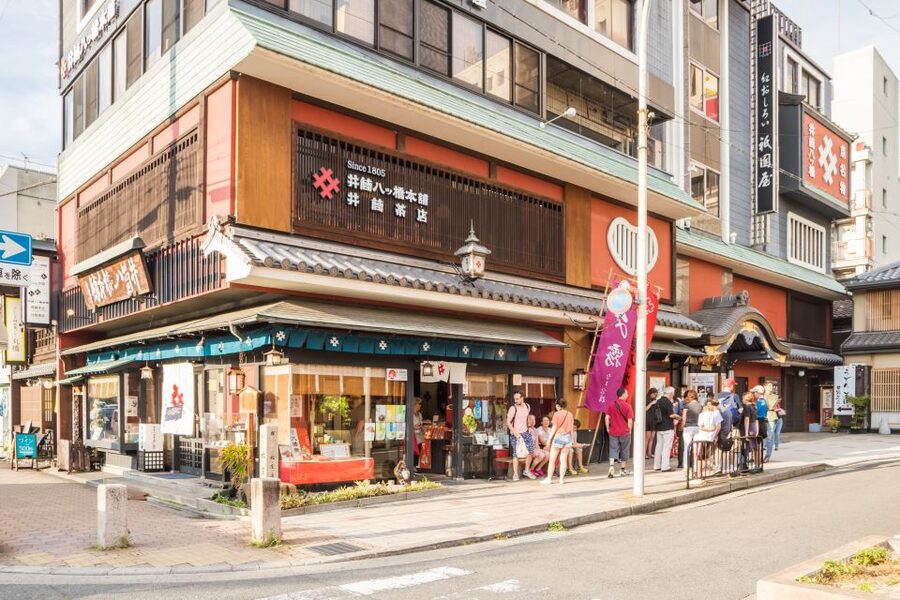
- A central meeting point near Gion Shijo Station, in front of Gion Omoide Museum and the Izutsu Yatsuhashi pastry shop.
Why Gion Is Best Under Evening Light
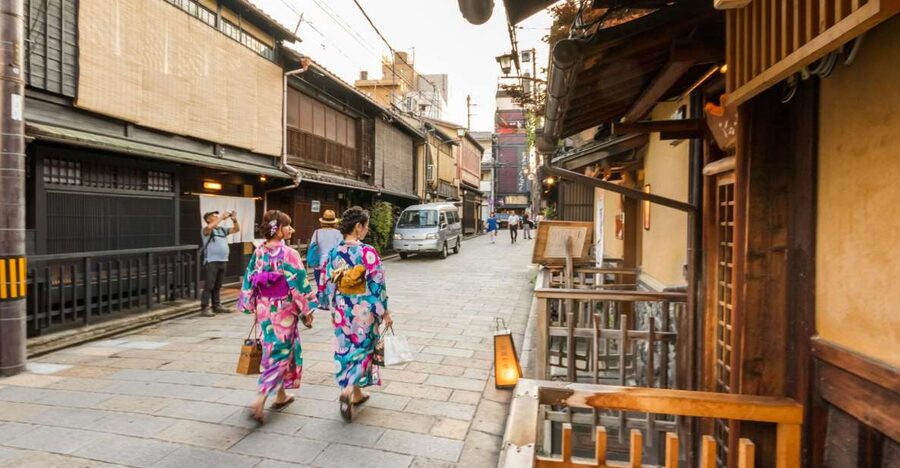
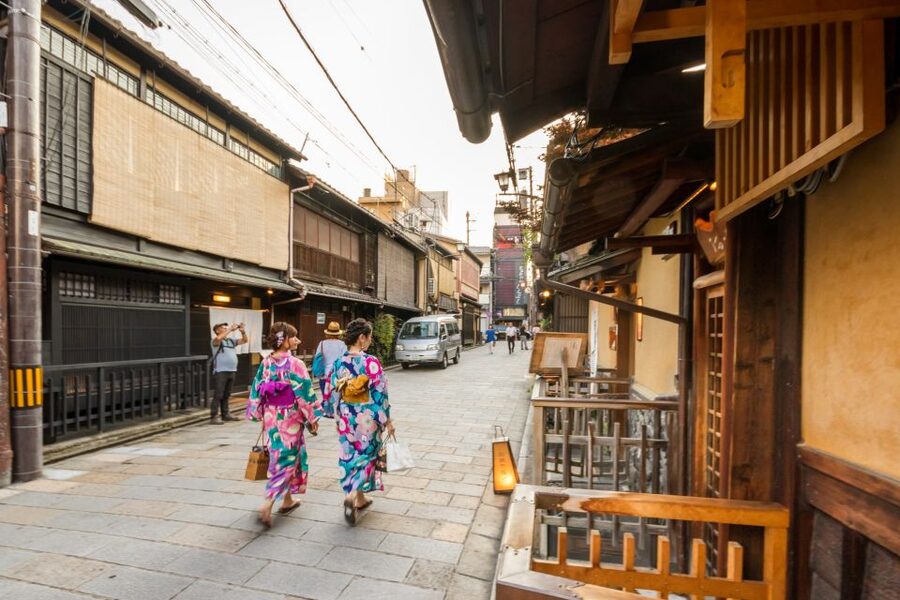
Gion changes character after sunset. The streets become quieter, lanterns glow outside traditional buildings, and the district’s wooden facades look much closer to the Kyoto many people picture before arriving.
This is not just sightseeing scenery. Gion remains tied to the work of geiko and maiko, the Kyoto terms commonly used for accomplished entertainers and apprentices. A guide can help you see the difference between a young maiko’s more elaborate appearance and a geiko’s mature style, rather than leaving you with a vague movie version of geisha life.
The tour begins near Gion Shijo Station, in front of Gion Omoide Museum, which is connected to the Izutsu Yatsuhashi pastry shop. That is a useful meeting point in a busy part of Kyoto, but allow time to find it. You are not being picked up at your hotel, and transportation to or from the activity is not included.
The advertised duration is 100 minutes. The description also calls it a two-hour walk, so check the exact start time and expected finish when you book. Either way, plan for a little more than an hour and a half on your feet.
Starting Beside Gion Shijo Station
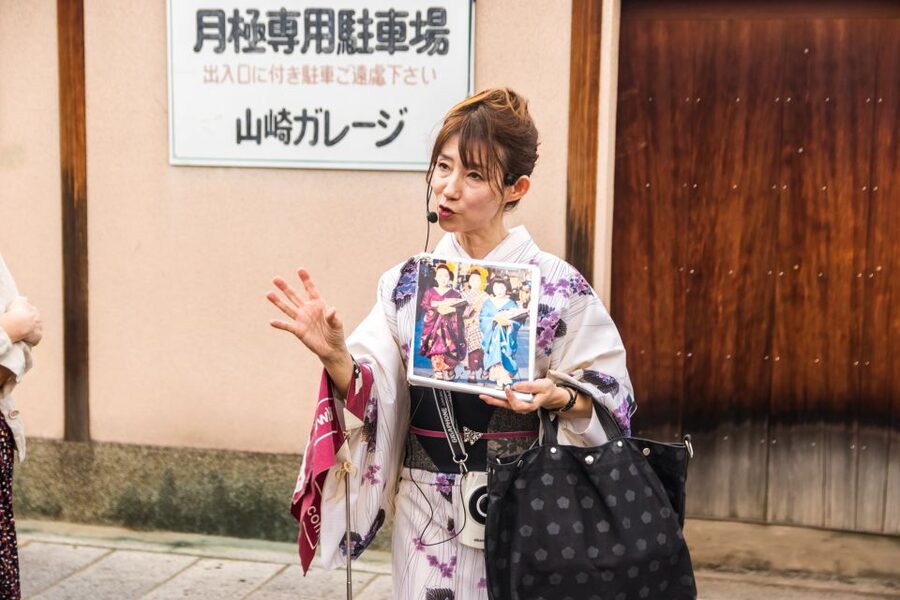
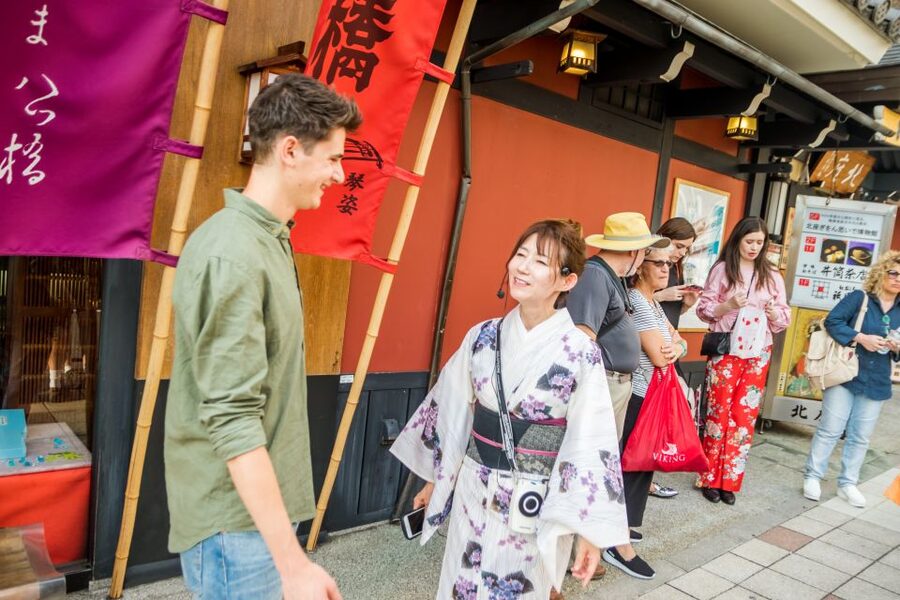
The opening moments matter because your guide sets the tone before the group enters the narrower streets. The best guides do not present geiko and maiko as costumes or curiosities. They explain that you are passing through a neighborhood where people work, meet clients, and travel to appointments.
Guides have used photos and simple charts to explain details that are hard to catch from a distance. Mie, for example, has been praised for arriving prepared with visual material, while Chako and Mia have been noted for making complicated customs easy to follow. Guide assignments can change, so you should not book expecting one particular person, but the activity has featured several guides with strong English and a lively manner.
Expect a walking pace rather than a lecture in one fixed spot. You will stop along the way while the guide points out buildings, streets, and details of local life. If your group includes children, the relaxed storytelling and humor can help keep them interested. Several families found the walk suitable for children, including one group with a pram, though people with mobility impairments should choose another activity.
More Night Walking Tours in Japan
- Kyoto: Gion Magical Night Walking Tour with Geisha Trivia
★ 4.9 · 2,393 reviews - Kyoto Gion Night Walk & Geisha District Guided Tour
★ 5.0 · 786 reviews - Kyoto: Gion Sunset Walking Tour with Local Guide
★ 4.7 · 351 reviews
The Streets Featured in Books and Films
One appeal of this walk is the atmosphere. You move through classic Gion streets that helped shape the visual image many people know from Memoirs of a Geisha. The value is not simply recognizing a movie setting. Your guide gives the streets a present-day context, showing how an old entertainment quarter still functions.
You may walk beside a stream and through picturesque lanes away from the most crowded stretches. That quieter routing matters. Gion can feel uncomfortable when large groups stop in the middle of a lane, so a guide who keeps people moving and uses less crowded spots makes the experience more pleasant for everyone.
Do not expect access inside a boarding house or tea house. Those are private or restricted spaces, and one tour participant specifically appreciated that the guide explained privacy limits rather than pretending to offer entry. The walk is about seeing the district from public streets and understanding what happens there, not touring the interiors where geiko and maiko live or work.
This is also why the tour works better as an introduction than as a photo hunt. The buildings and waterways provide the setting, but the guide’s explanations provide the substance.
What You Learn About Geiko and Maiko
The strongest part of the experience is the explanation of daily life. You learn about training, clothing, hairstyles, and the rules that shape public behavior. The guide also explains tea-house culture and why a geiko or maiko may be moving quickly rather than stopping to greet passersby.
The terms matter. In Kyoto, geiko is the local word for a professional entertainer often called a geisha elsewhere in Japan. Maiko are apprentices, and their dress and hairstyles are often more ornate. This distinction helps you understand what you are seeing without reducing either role to a costume display.
The guides also connect the subject to wider Japanese culture. You might hear about greetings, bowing, language, local customs, and the difference between a traditional tea house and an ordinary place serving tea. Some guides bring personal familiarity with people working in the district, which can add useful detail, but the experience remains respectful when those connections are not treated as permission for private access.
A guide may explain small details you would miss on your own, such as how to read a building’s role, what certain accessories suggest, or why a particular hairstyle changes over time. At $21, this is where the value lies. You are paying for interpretation in a district that can otherwise look beautiful but remain hard to understand.
The Chance to See Geiko and Maiko
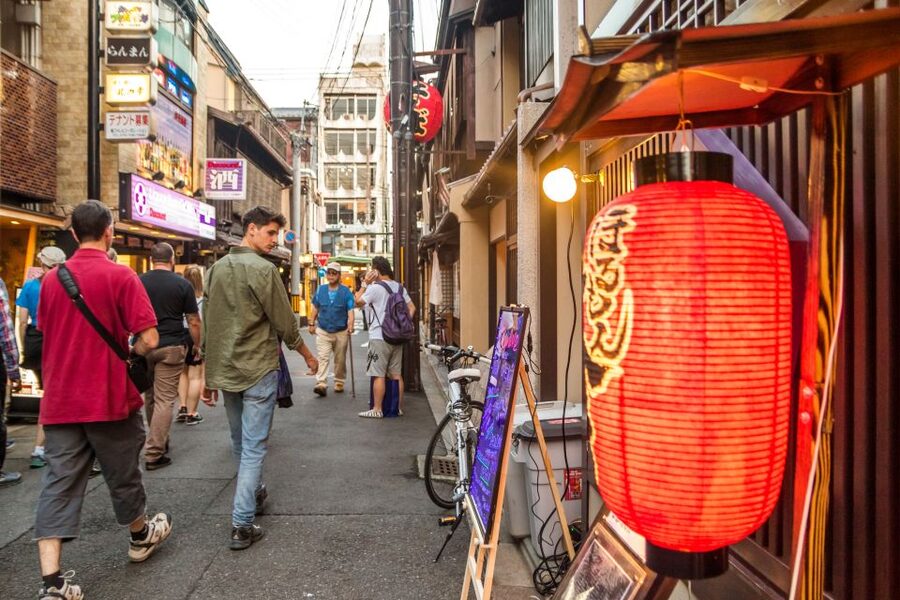
Many people book this walk hoping to see geiko or maiko. It happens often enough to make the possibility real. Several groups saw multiple women during their walk, with reports ranging from a few sightings to more than eight. Others may see fewer or none.
Timing helps, since the walk takes place at night when geiko and maiko may be heading to appointments. Still, no guide can control who appears on a public street. Treat any sighting as a bonus, not the product being guaranteed.
If someone does pass by, your guide explains how to behave. Keep a respectful distance, do not block the route, and watch quietly. Video recording is not allowed. The guide may also ask you to avoid taking photographs, particularly when an encounter could turn into a crowd or disturb someone on the way to work.
This part can test your expectations. One person enjoyed the tour but felt the guide kept the group well away from the women they hoped to see. That caution can feel frustrating if you want a close look, but it protects the very culture the tour is explaining. I would choose a respectful distance over a better photograph.
Some encounters are brief. A geiko or maiko may disappear into a taxi or doorway within seconds. That is normal. The point is not to stage an interaction. It is to understand the setting and observe without adding to the pressure that Gion has faced from careless sightseeing groups.
More Night Walking Tours in Kyoto:
- Kyoto Fushimi-Inari Night Walking Tour
★ 4.8 · 171 reviews - Private Street Food Evening Walking Tour in Ho Chi Minh City
★ 5.0 · 3,175 reviews - Granada: Albaicín and Sacromonte Guided Sunset Walking Tour
★ 4.9 · 2,962 reviews - Bremen: Walking Tour in German with Night Guard
★ 4.7 · 2,922 reviews
The Guides Make the Difference
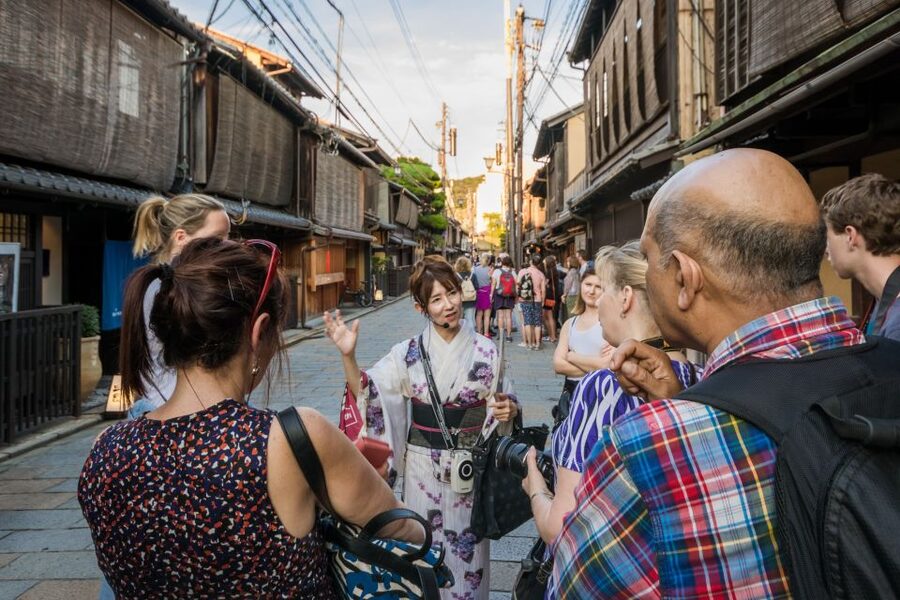
The activity uses licensed English-speaking guides, and individual style matters. Mia has been praised for humor, local insight, and clear explanations of etiquette. Mie has been noted for polished English, visual aids, and unusual details, including Japanese slang. Chako has been described as patient, inclusive, and passionate about the district.
Other guides, including Mai, Toko, and Haruto, have also received praise for making the walk easy to follow. Haruto was noted for strong English and explanations of training, daily life, and tea-house culture. Toko brought attention to both the historical and current sides of Gion.
You should not assume that every guide will have the same personal connections or presentation style. Some are animated and funny. Others may focus more on charts, history, or etiquette. The consistent feature is the English-language explanation of geiko and maiko culture.
A good guide also manages the group well. Crossings, narrow lanes, rain, and evening crowds can make a walking tour awkward. Chako and other guides have been praised for keeping larger groups together and making sure nobody was left behind. That practical care is easy to overlook, but it matters after dark.
How the Price Compares With the Experience
At $21 per person, this is a modestly priced guided walk in one of Kyoto’s most confusing districts. The price includes a professional English-speaking guide but not transportation, hotel pickup, food, or entry to private buildings.
You can walk through Gion for free. You can also read about geisha culture before arriving. The question is what you gain by joining. For most first-time visitors, the answer is context: an explanation of the clothing, training, rules, tea-house system, and local etiquette while you are standing in the actual streets.
The cost feels fair if you want a cultural introduction and a chance to ask questions. It is less suitable if your main goal is a guaranteed sighting, a private conversation, or photographs. No walking tour can promise those things, and this one is particularly clear about respectful limits.
The reserve-now-and-pay-later option may help if your Kyoto schedule is still shifting. You can cancel for a full refund up to 24 hours before the activity, which is useful when weather or sightseeing plans change. Check availability for current start times rather than assuming every evening begins at the same hour.
Who Will Enjoy This Walk Most
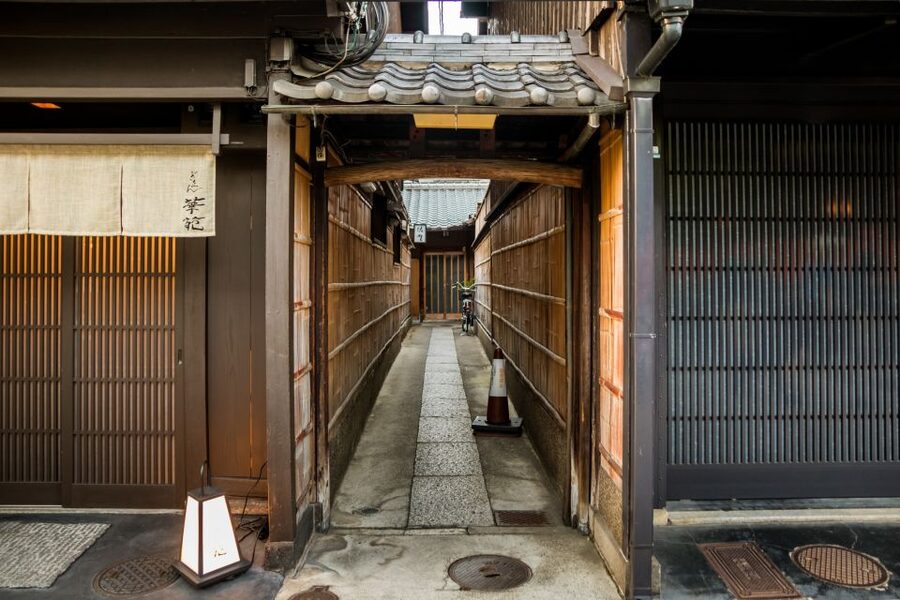
I would recommend this tour to a first-time Kyoto visitor who wants an informed introduction to Gion without paying for a costly dinner or performance. It also suits anyone curious about Japanese customs and willing to listen rather than chase a dramatic encounter.
Families can enjoy it when children are interested in stories, clothing, and people. The humor used by several guides helps, and the pace has worked for groups with children. Still, remember that this is a night walk through public streets, not a hands-on activity. Very young children may need patience and supervision.
The tour is also a good choice if you feel uneasy about visiting Gion because of the district’s privacy concerns. The guide explains how to behave and keeps the focus on respect. That may make the area feel more approachable.
I would skip it if you have difficulty walking or standing for 100 minutes. It is not listed as suitable for people with mobility impairments. I would also skip it if you want guaranteed access to a tea house, a guaranteed geiko or maiko meeting, or permission to record video.
Rain does not necessarily ruin the experience. Guides have continued in wet weather and kept groups engaged, but wear practical shoes and clothing suited to an outdoor walk. The tour takes place outside, so conditions affect comfort.
Practical Details Before You Book
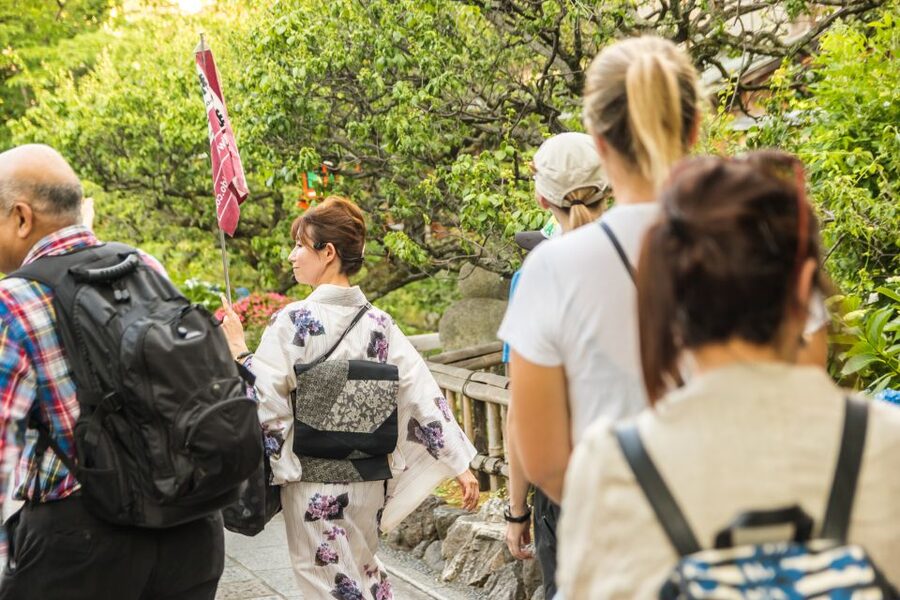
The meeting point is in front of Gion Omoide Museum, connected to the Izutsu Yatsuhashi pastry shop, at approximately 35.0044519, 135.7723814. It is near Gion Shijo Station, but you still need to make your own way there.
The experience is conducted in English. A valid ID is required for a child discount. Hotel pickup and drop-off are not included, and neither is transportation to or from any attraction.
Because the walk takes place in an active district, keep your group compact and follow the guide’s instructions. Do not stop in a doorway or narrow lane. If you see geiko or maiko, let them continue on their way.
The tour has earned a 4.5 rating from more than 2,000 bookings, and the strongest praise focuses on guide quality, cultural detail, and respectful conduct. Those are the elements you can reasonably expect. A particular sighting, a particular guide, or a private exchange cannot be promised.
Should You Book the Gion Night Walk?
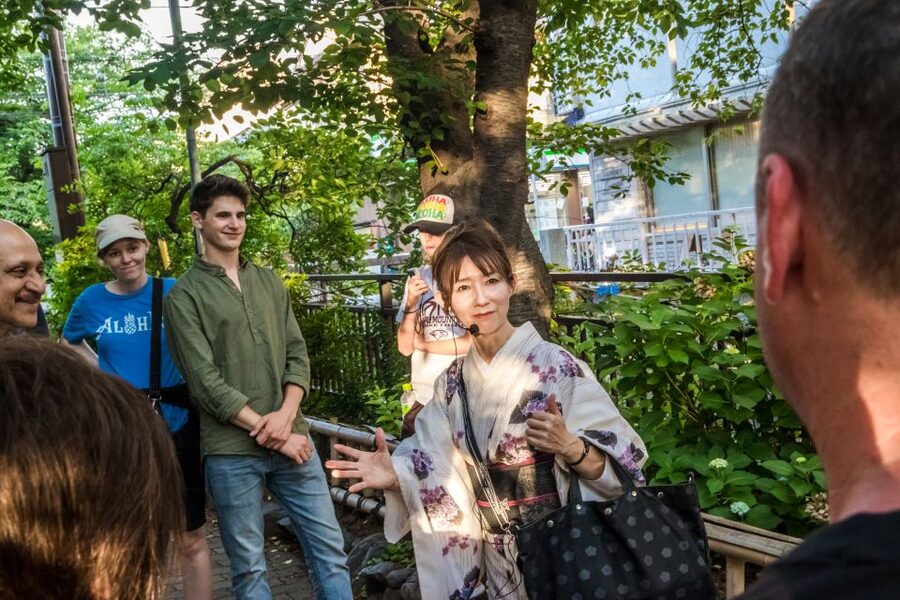
Book it if you want clear cultural context, a scenic evening walk, and practical instruction on how to behave around geiko and maiko. The $21 price is good for a 100-minute guided introduction, especially if you are seeing Gion for the first time.
Keep your expectations realistic. You may see several geiko or maiko, or none. You will not enter private boarding houses, record video, or turn the district into a photo session. The best reason to go is the guide’s explanation of a living Kyoto tradition, with any sightings treated as a quiet bonus.
FAQ
How long is the Night Walk in Gion?
The activity is listed as lasting 100 minutes. Its description also refers to it as a two-hour guided walk, so check the exact timing when you select a departure.
How much does the tour cost?
The listed price is $21 per person.
What language is the tour conducted in?
The tour is conducted in English by a professional, licensed English-speaking guide.
Where does the tour meet?
It meets in front of Gion Omoide Museum, connected to the Izutsu Yatsuhashi pastry shop, near Gion Shijo Station. The listed coordinates are 35.0044519, 135.7723814.
Is hotel pickup included?
No. Hotel pickup and drop-off are not included, and you must arrange your own transportation to the meeting point.
Will I definitely see a geiko or maiko?
No. Encounters often happen, and some groups see several geiko or maiko, but sightings are not guaranteed.
Can I record video during the walk?
No. Video recording is not allowed.
Is the tour suitable for people with mobility impairments?
No. The activity is listed as unsuitable for people with mobility impairments.
Can I cancel for a refund?
Yes. You can cancel up to 24 hours in advance for a full refund. A reserve-now-and-pay-later option is also available.
New walking tours around Kyoto
- Kyoto: Private Walking Tour with a Local★ 4.6 · 118 reviews
- Kyoto: Private 2.5 Hour Historical Walking Tour★ 4.9 · 121 reviews
- Kyoto: Imperial Palace & Nijo Castle Guided Walking Tour★ 4.7 · 453 reviews
- Kyoto: Izakaya Bars Guided Walking Tour★ 4.9 · 815 reviews
- Kyoto: Gion Sunset Walking Tour with Local Guide★ 4.7 · 351 reviews
- Kyoto: Gion Walking Tour★ 5.0 · 195 reviews
- Kyoto: Geisha Dinner & Gion Cultural Walk★ 5.0 · 73 reviews
- Kyoto: Gion Hidden Gems & Geisha Culture Tour★ 4.9 · 126 reviews
Kyoto Walking Tours, side by side.
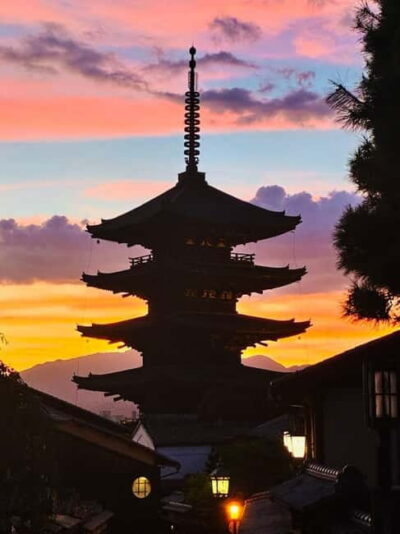
Kyoto Geisha Walking Tour: Gion District & Hidden Gems
Read our review →
Kyoto: Gion Magical Night Walking Tour with Geisha Trivia
Read our review →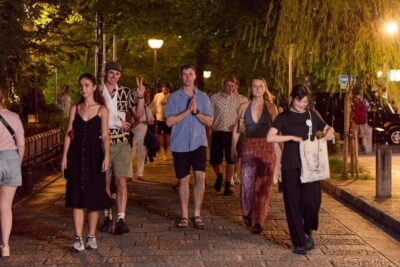
Kyoto: Gion Geisha District Walking Tour – Stories of Geisha
Read our review →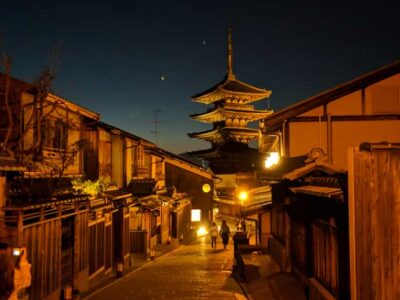
Best of Kyoto: Gion, Geisha, Pagodas & Cobblestones
Read our review →
Nishiki Market Brunch Walking Tour (7 Tastings + Brunch)
Read our review →
Kyoto Gion: 2-Hour Geisha Culture & History Walking Tour
Read our review →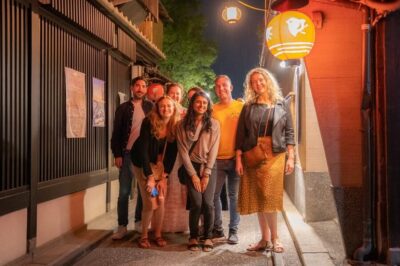

Kyoto Gion Night Walk & Geisha District Guided Tour
Read our review →Lists this walk sits on