
Review · KYOTO
Kyoto: Private Walking Tour with a Local
Kyoto is best understood one conversation at a time, and this private walk puts a local person beside you rather than a script in front of you. Your guide may lead you to a quiet temple, a favorite café, a food market, or a neighborhood that fits your interests.
I like the fully private format, which lets you set the pace and ask the questions that matter to you. I also like the practical help: guides such as Maha and Toan have helped with train routes, buses, restaurant choices, and less crowded places. The main consideration is that this is not a fixed sightseeing circuit, so you need to explain what you want before setting out.
Key points
- A route built around you: Choose culture, food, shopping, street life, temples, transport help, or a mix.
- Quiet corners are possible: Guides have taken people to temples and shrines away from Kyoto’s busiest paths.
- Useful orientation: You can learn how to use Kyoto’s buses and trains while seeing the city.
- Private and flexible: There is no shared group, fixed script, or set list of attractions.
- Good for special needs: The walk is wheelchair accessible, and a guide has prepared a route for a visitor with limited mobility.
- Plan for extra costs: Meals, entrance fees, public transport, taxis, and optional activities are not included.
A private Kyoto walk instead of a fixed tour
This experience works best as a city introduction shaped around your own interests. You meet a Lokafyer, a local guide arranged through Lokafy, then spend three to six hours walking and talking through Kyoto.
That flexibility matters here. Kyoto has famous sights in every direction, but a short visit can easily become a march from one crowded landmark to the next. A private guide gives you room to say, I care more about food than temples, or I want to understand daily life, or I need help figuring out the buses.
You can request a specific starting time. Pickup may be arranged at your hotel lobby or outside your Airbnb if it is in the central city, or at a central landmark or intersection. The listed meeting points include Maccha House Kyoto Kawaramachi and the Kyoto City Office for Gender Equality, but a central hotel pickup may be possible when arranged in advance.
The walk includes sightseeing, scenic views along the way, photo stops, and local explanation. There is no promised sequence of major attractions. That is either the appeal or the weakness, depending on how you like to travel.
More Private Walking Tours in Japan
- Kyoto: Private Customized Walking Tour with a Local Insider
★ 4.8 · 383 reviews - Kyoto: Private 2.5 Hour Historical Walking Tour
★ 4.9 · 121 reviews - Osaka: Hotspots & Hidden Gems Walking Tour Private or Group
★ 4.9 · 1,300 reviews
What the flexible itinerary can include
At the beginning, expect a conversation about your interests and the amount of ground you want to cover. You might give your guide a written list, as one visitor did with Maha, and have the guide build a practical three-hour route around it.
You could focus on Kyoto’s temples and shrines, perhaps combining a major site with a quieter religious building. Agustin took one visitor to a temple away from the main tourist path during the autumn color season, a useful idea when the best-known places are packed.
You might also ask for markets, cafés, local shopping, street art, or neighborhood life. One guide introduced a preferred café that became a regular stop during a stay. Another helped with a supermarket visit. These are small moments, but they can make a city easier to use after the tour ends.
A food-focused walk is possible, though meals and drinks cost extra. Maha took a visitor to a favorite restaurant in a riverside village, where the meal included sashimi. That does not mean every booking includes a special restaurant stop, but it shows why you should name your food interests early.
The sightseeing can also serve as transport practice. Toan combined Fushimi Inari Shrine, Higashi Honganji Temple, and Nishiki Market while helping his group understand the city. Another guide spent two hours reviewing a Kyoto itinerary and transport plans before walking with the group to its first attraction.
Temples, shrines, and quieter places
Kyoto can reward curiosity more than speed. If you have already seen the biggest sights, ask for a smaller temple, a neighborhood shrine, or a less crowded route. A local guide may know how to connect places without making the day feel like a checklist.
For a first visit, I would use the opening part of the walk to get oriented, then ask for one or two places that match your interests. You may want a broad introduction to Japanese religious customs, or you may prefer personal stories about a neighborhood. The tour format allows either approach.
Fushimi Inari is an example of a place where pacing matters. A guide helped one visitor walk to the top of the shrine route, then continued to Higashi Honganji and Nishiki Market. That is a lot for a day with limited time, and a private guide can help you decide how far to go rather than simply pointing at a map.
There is a practical limit. Entrance fees are not included, and if you ask your guide to enter an attraction with you, you must also cover the guide’s admission. If you want several temple interiors or paid museums, add those costs before comparing the total price with a standard sightseeing tour.
Local food, shopping, and everyday Kyoto
I like this experience most when you use it for things a guidebook cannot easily settle. Ask where to eat near your hotel, how to choose a market stall, which neighborhood suits an evening walk, or where to look for a particular craft.
The available examples are unusually specific. One guide researched an exhibition and an antique shop after learning that a visitor was interested in Japanese netsuke. Another helped with supermarket shopping. These details suggest that the best results come from giving your guide a clear subject, not simply saying show me Kyoto.
You can also ask for a café break, but remember that food and drinks are your responsibility. The same applies to optional activities. This is not a food tour with tastings included, and it is not a shopping package with purchases covered.
If you are interested in Japanese food, tell the guide what you eat and what you avoid. If you care about antiques, textiles, design, or street art, say so in advance. The more precise your request, the more useful a private walk is likely to be.
More Private Walking Tours in Kyoto:
- Beijing: Forbidden City Tour(Group/Private)-Tickets Included
★ 4.8 · 7,974 reviews - Private Walking Grand Tour of Copenhagen
★ 5.0 · 3,953 reviews - Private 3 hrs Venice Tour: St Mark’s, Walking tour & Boat tour
★ 4.0 · 3,372 reviews - Private Street Food Evening Walking Tour in Ho Chi Minh City
★ 5.0 · 3,175 reviews
Transport help that saves time later
Kyoto’s transport system is manageable, but first-time visitors can waste time choosing between buses, trains, taxis, and walking. I see real value in using part of this tour to learn the city’s basic movement patterns.
A guide can help you plan the rest of your stay, explain how to reach an attraction, and show you where a particular route begins. One visitor specifically praised the help with buses and getting around Kyoto. Another received support with train planning and went with the guide to the first attraction.
Public transport and taxis are not included. You may choose to use them during the walk at your own expense. A private car can be requested, but you need to advise the provider if you want that option included.
This matters when you compare the three-hour and six-hour versions. A shorter walk can work well if you stay in one area. A longer outing may involve more movement, but transport costs can rise if you try to connect distant neighborhoods. Ask your guide to keep the route compact if you want to spend more time talking and less time in transit.
A personal guide makes the difference
The guide names associated with this experience include Nicolo, Maha, Agustin, Toan, Iago, Cristobal, and others. Their backgrounds may differ, and not every guide will offer the same style or subject knowledge. That is normal for a local matching service, but it makes your pre-tour request important.
Nicolo was praised for being accommodating and helpful. Maha appears repeatedly in the available feedback for her warmth, route planning, quieter places, food suggestions, and care with a baby. Agustin followed a visitor’s interests closely and later sent useful information about a museum exhibition and antique shop.
Other guides have helped families, children, and visitors with mobility needs. One guide patiently helped a 13-year-old practice French. Another prepared a Kyoto visit for a wheelchair user with limited mobility. The walk is listed as wheelchair accessible, but you should still describe your exact needs before booking, especially if you want particular temples or streets.
Language support is available in English, Spanish, and German. If you have a strong preference, select it when arranging the tour. Conversation is central to the experience, so a comfortable language match matters more here than it would on a simple photo stop.
How much ground can you cover in three to six hours?
The advertised length ranges from three to six hours, which is a wide spread. Three hours is enough for an introduction, a focused neighborhood walk, or a short list of priorities. It is also a sensible choice if you have young children, limited mobility, or a packed schedule.
Six hours gives you more breathing room. You can combine sightseeing with a market, café, transport lesson, or meal stop. You will still need to be realistic about Kyoto’s size. A private guide can adjust the route, but walking between distant parts of the city takes time.
Comfortable shoes are essential. This is a walking tour, not a vehicle-based overview. You may take public transport or a taxi, but those costs are extra, and the walk may include uneven surfaces or long stretches on foot depending on your plan.
Families can bring children under three at no charge. Children aged three to twelve receive a 50 percent discount. A private group also means you do not need to match another party’s pace, which is useful when your group includes children or older relatives.
The $82 price and what you receive
At $82 per person, the main thing you are paying for is private attention and planning flexibility. The fee includes a local guide and a customized private walking tour. It does not include attractions, meals, drinks, personal purchases, optional activities, or transport around the city.
That can be good value for a couple or small family that wants practical help quickly. A guide who improves your transport plan, points you toward a suitable restaurant, and avoids a wasted afternoon may save more time than a cheaper group tour.
The value is less clear if you want a standard history lesson at famous sights. You may prefer a traditional guided tour with a published route and included commentary. This experience is strongest when your needs are specific or your schedule needs adjusting.
Remember to budget for entrance fees if you visit paid attractions. You must also pay your guide’s entrance fee when you ask the guide to enter with you. Confirm transport plans before starting so there are no surprises during the day.
Who will get the most from this walk?
I would recommend it to first-time visitors who want to understand Kyoto before exploring on their own. A few hours with a local can help you choose restaurants, plan transport, and decide which districts deserve the rest of your time.
It also suits repeat visitors. If you have already seen the headline temples, ask for food, shopping, neighborhood culture, street art, or places away from the standard route.
Families may appreciate the private pace and the guide’s ability to adjust plans. The experience has also worked for a group with a five-month-old baby and for a visitor using a wheelchair. Still, communicate your needs in detail rather than relying only on the general accessibility label.
I would be less likely to choose it if I wanted a polished lecture, a fixed set of famous landmarks, or all admissions and transportation bundled into one price. The open format rewards participation. You need to help shape the day.
Practical planning before you meet
Before booking, write down three priorities and one thing you want to avoid. For example: Nishiki Market, a quiet temple, and local sweets, but no long uphill walk. This gives your guide something useful to work with.
Choose the duration carefully. Three hours suits a focused route and basic orientation. Six hours is better if you want food, shopping, several sights, or transport planning in the same outing.
Wear comfortable shoes and allow room for pauses. If you want a museum, temple interior, restaurant, or special activity, mention it in advance and set aside money for admission or purchases.
Cancellation is flexible up to 24 hours before the tour for a full refund. You can request a specific start time, and central pickup may be possible from your hotel or Airbnb, provided the location is in the central city.
Should you book the Kyoto private local walk?
Book this if you want Kyoto to feel easier, more personal, and less dependent on a standard sightseeing route. The strongest reasons are the private format, practical transport help, and the chance to ask for quiet temples, favorite cafés, local food, or specialist interests such as netsuke.
I would book three hours for a first orientation or a tightly focused subject. Choose six hours if you want a fuller day with food, shopping, and several neighborhoods. Send a clear wish list, confirm the meeting point, and budget for transport and admissions.
Skip it if you want a fixed itinerary with included entry fees. For everyone else, the 4.6 rating from 118 bookings and repeated praise for friendly, flexible guides suggest a solid choice, especially when you want a local companion rather than a formal lecture.
FAQ
How long does the Kyoto private walking tour last?
The tour lasts between three and six hours. Available starting times depend on the date you choose, and you can request a specific start time.
Where can the tour begin?
You can meet at listed central locations such as Maccha House Kyoto Kawaramachi or the Kyoto City Office for Gender Equality. Pickup may also be possible from your hotel lobby or outside your Airbnb if it is a centrally located landmark or intersection within the city center.
Is the tour private?
Yes. The experience is for a private group, with a local guide and a route customized to your interests.
Which languages are available?
The listed guide languages are English, Spanish, and German.
Are meals, drinks, and entrance fees included?
No. Meals, drinks, entrance fees, personal expenses, and optional activity costs are not included. If you ask your guide to enter an attraction with you, you must also pay the guide’s entrance fee.
Can children join the tour?
Children under three can join free of charge. Children aged three to twelve receive a 50 percent discount.
Is the tour wheelchair accessible?
The tour is listed as wheelchair accessible. You should explain your mobility needs when booking so the route can be planned appropriately.
New walking tours around Kyoto
- Kyoto: Private 2.5 Hour Historical Walking Tour★ 4.9 · 121 reviews
- Kyoto: Imperial Palace & Nijo Castle Guided Walking Tour★ 4.7 · 453 reviews
- Kyoto: Izakaya Bars Guided Walking Tour★ 4.9 · 815 reviews
- Kyoto: Gion Sunset Walking Tour with Local Guide★ 4.7 · 351 reviews
- Kyoto: Gion Walking Tour★ 5.0 · 195 reviews
- Kyoto: Geisha Dinner & Gion Cultural Walk★ 5.0 · 73 reviews
- Kyoto: Gion Hidden Gems & Geisha Culture Tour★ 4.9 · 126 reviews
- Kyoto Gion Cultural Walk & Geisha Show with Dining Options★ 5.0 · 518 reviews
Kyoto Walking Tours, side by side.
Kyoto Geisha Walking Tour: Gion District & Hidden Gems
Read our review →
Kyoto: Gion Magical Night Walking Tour with Geisha Trivia
Read our review →
Kyoto: Gion Geisha District Walking Tour – Stories of Geisha
Read our review →
Best of Kyoto: Gion, Geisha, Pagodas & Cobblestones
Read our review →
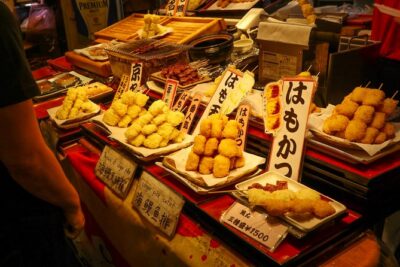
Nishiki Market Brunch Walking Tour (7 Tastings + Brunch)
Read our review →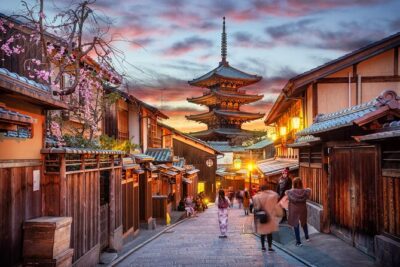
Kyoto Gion: 2-Hour Geisha Culture & History Walking Tour
Read our review →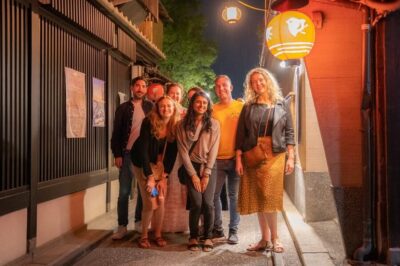
Lists this walk sits on