
Review · GERMANY
Cologne: Old Town Virtual Reality Walking Tour
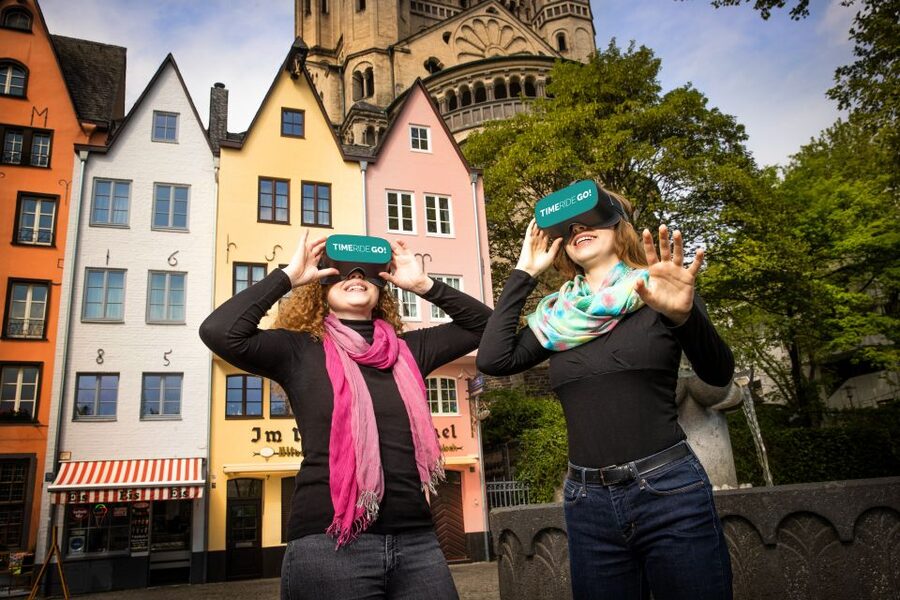
Cologne’s Old Town gets a clever time machine: at seven stops, you put on a virtual reality headset and look at the same city as it appeared during major moments in its past. The route covers Roman Cologne, the medieval cathedral project, World War II destruction, and modern carnival customs in 90 minutes.
I like the short 2.1-kilometer route, which gives you a clear introduction without turning the afternoon into a march. I also like the way the headsets add something a normal walking tour cannot, especially for children and anyone who struggles to picture vanished buildings. The main drawback is that the tour is conducted in German, so you need enough German to follow the guide.
Seven stops, seven views of Cologne
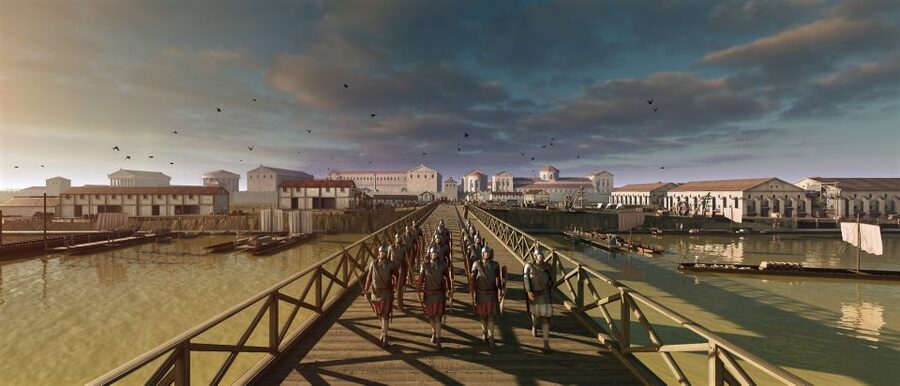
- Roman Cologne comes first: The VR scenes help you picture the city’s earliest large buildings and Roman foundations.
- The headset is used at set stops: You walk normally between locations, then put on the glasses when the guide reaches a historical scene.
- The medieval cathedral project gets its own moment: Roncalliplatz and Cologne Cathedral show how the city changed during the Middle Ages.
- World War II is part of the story: The tour addresses the destruction of Cologne and the city’s later return to daily life.
- Carnival brings the story into the present: Cologne customs are included alongside ancient and medieval history.
- The tour works best for families with older children: Everyone must be at least six, and comfortable shoes help on the 2.1-kilometer walk.
Why the VR approach works in Cologne
Cologne is a city where the past is often layered beneath the present. Roman remains, medieval landmarks, wartime scars, and modern traditions all occupy the same compact center. A guide can describe those layers, but a headset can give you a direct visual comparison.
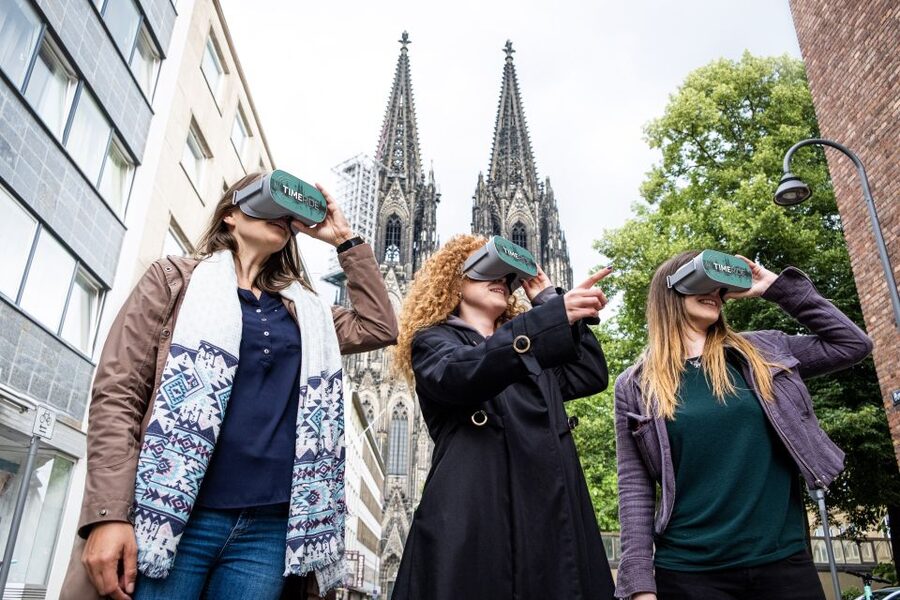
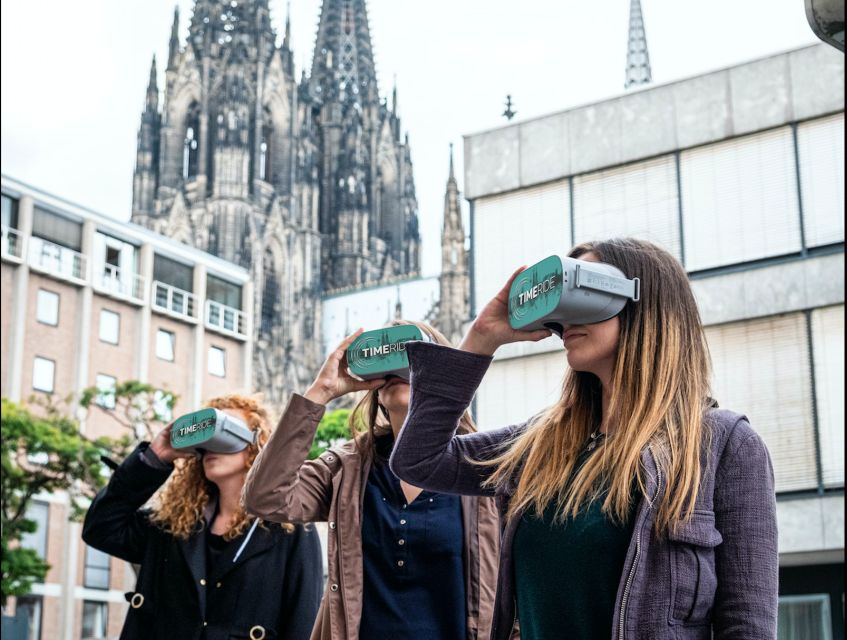
The format is simple. You walk with the guide from stop to stop without wearing the glasses. At selected points, the group pauses, and each person puts on a headset to view a scene from another period. This keeps the walk practical and avoids the awkwardness of trying to navigate city streets while looking through VR equipment.
I like that the technology has a clear job. It is not there merely to make an ordinary tour look futuristic. It helps show what no longer exists, how a place changed, and why a familiar square matters. For children, the visual scenes can make dates and architectural history easier to grasp. For adults, the contrast between present-day Cologne and earlier versions of the city gives the route a useful shape.
The guide remains important. The headset provides the image, but the live explanation gives it meaning. Guides including Carlos and Kathrin have been praised for careful preparation, motivation, and a friendly way of handling the route. If you get a particularly small group, you may have more time for conversation and questions.
The activity is offered in German. That is not a minor detail. If you understand German, you can follow the historical explanation and ask questions. If you do not, the images may still be interesting, but you will miss much of the guide’s context. There is no stated English-language option.
More Old Town Walking Tours in Germany
- Nuremberg: Old Town Guided Walking Tour
★ 4.6 · 2,416 reviews - Munich: Old Town & Viktualienmarkt City Walk in German
★ 4.7 · 2,304 reviews - Heidelberg: Walking Tour of the Old Town
★ 4.6 · 1,742 reviews
Starting at TimeRide and getting oriented
The meeting point is in front of TimeRide Köln. The route returns to TimeRide after the final stop, giving the tour a straightforward beginning and end in the same general area.
TimeRide itself is also a museum, but admission to the museum is not included in this walking tour. That distinction matters if you are planning a larger TimeRide visit. The VR headsets used during the walk are included, while the separate museum entrance is not.
The opening portion sets up the idea of seeing Cologne across several periods. Expect the guide to explain how the headset stops fit together before the walk gets moving. This is useful because the experience works best when you know that the glasses will be used only at designated points.
Alter Markt: Cologne’s Old Town in layers
Alter Markt is the first listed stop, with about 15 minutes for the visit, explanation, and walk. This gives you an early look at the Old Town and a chance to connect the present square with earlier stages of Cologne’s development.
A normal square can be hard to read at first glance. You see buildings, paving, restaurants, and passing pedestrians, but the earlier city may not be obvious. The VR scene helps bridge that gap by showing a version of the setting from another period.
This is a useful first stop because it gives the tour a physical anchor. You are not learning about Cologne in an abstract classroom. You are standing in the place being discussed, then looking through the glasses to see how the setting has changed.
The 15-minute format also keeps the pace moving. You get an explanation and a visual scene, but you should not expect a long architectural lecture at every stop. This is a broad survey of two thousand years, not a specialist seminar on one square.
Heumarkt: a second Old Town perspective
The walk continues to Heumarkt, another major Old Town location. The stop is scheduled for about 15 minutes, including walking and the guided portion.
Having two Old Town stops early in the route is helpful. You begin to see that Cologne’s central area is not one single historic picture. Different squares and streets carry different parts of the city’s story. The route uses location, movement, and VR to show those changes rather than placing every date in one long explanation.
Heumarkt also gives the tour a practical rhythm. You walk between scenes, hear the guide’s commentary, then pause for the headset. This alternating pattern is easier on the attention span than standing in one place for an hour.
If you are bringing children, this is the point where the format should make sense. They can walk, look around, and then get a short visual change through the glasses. The minimum age is six, so the activity is designed to include young participants, though very small children may find a 90-minute history walk less engaging than older children.
Same streets, a different story:
- Discover Berlin Half-Day Walking Tour
★ 5.0 · 9,624 reviews - Berlin City walk Government District and Places of Democracy
★ 4.7 · 8,467 reviews - Berlin: Third Reich & Cold War Guided Walking Tour
★ 4.9 · 8,378 reviews - Munich: Third Reich & WWII Walking Tour
★ 4.6 · 6,181 reviews
Roncalliplatz and the medieval cathedral project
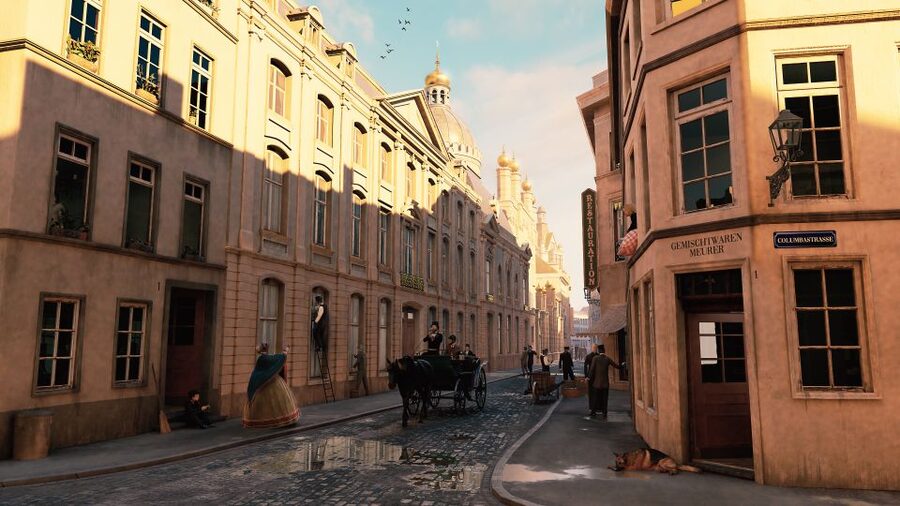
Roncalliplatz brings the route toward Cologne Cathedral and the medieval period. Here, the focus includes the spectacular construction of the cathedral, one of the clearest examples of how VR can make a vanished worksite easier to imagine.
Cologne Cathedral is familiar as a finished landmark. The difficult part is picturing the long process of building it in the Middle Ages. A virtual scene can show the project as an active construction effort rather than a completed stone monument.
This stop is valuable even if you already know the cathedral. You are not simply being told that it took a long time to build. You are given a visual way to consider the scale of the work and the different appearance of the surrounding area.
Roncalliplatz is also one of the more natural points for a guided pause. The guide can connect the square, the cathedral, and the city’s medieval ambitions before you continue. The route does not list cathedral interior admission, so you should expect an exterior visit and explanation rather than a cathedral entry.
Cologne Cathedral: a photo stop with historical weight
The cathedral stop includes a photo opportunity, a guided visit, sightseeing, and walking, with about 15 minutes assigned to this part of the route. You will have time to look at one of Cologne’s best-known landmarks while the guide places it within the wider story.
The cathedral is the visual centerpiece of many first visits to Cologne. Here, its value is not only photographic. It represents the medieval building project discussed at the previous stop and gives you a real structure to compare with the VR scene.
Keep your expectations sensible. This is a 90-minute walking tour with seven stops, so the cathedral portion cannot cover everything. It is not a full cathedral tour, an architectural study, or a substitute for spending extra time inside on your own.
Still, the short stop works well in the larger sequence. You first hear about the building effort, then arrive at the finished landmark. That kind of order makes the information easier to remember than a random collection of facts.
St. Kolumba: from wartime destruction to a changed city
The route then moves to St. Kolumba. This stop gives the tour a chance to address World War II and the severe destruction Cologne suffered.
This is one of the most important parts of the experience because it prevents the city’s story from becoming a simple march from Roman beginnings to modern celebration. Cologne’s past includes loss, damage, and rebuilding. The VR perspective can help you see the difference between the city before the destruction and the city that emerged afterward.
St. Kolumba also adds a quieter change of mood after the Old Town squares and cathedral. The subject is serious, and the guide’s explanation matters here. The visual scenes can show what changed, but the live commentary helps place that destruction within Cologne’s longer timeline.
You should not expect a full account of the war or a detailed memorial tour. The stop is one section of a broad route. Its value comes from giving wartime history a proper place beside Roman, medieval, and modern subjects.
Hohe Street and the return to TimeRide
The final listed sightseeing point is Hohe Street, with about two minutes assigned to the stop. This is a brief closing look at a central modern street before the group returns to TimeRide.
The short duration tells you what this stop is and is not. It is not another major headset presentation or a long historical visit. It functions as the last link in the route, bringing the story back to present-day Cologne and the city’s active urban life.
The walk then returns to TimeRide. Along the way, the tour’s final subject is modern Cologne’s carnival customs. Carnival gives the route a lively present-day ending after the heavier discussion of war and destruction.
That final contrast is useful. Cologne is not presented only as an ancient Roman settlement or a medieval cathedral town. Its traditions are still part of how the city understands itself. The tour connects those customs to the wider story without making the entire experience about festivals.
What the 90-minute schedule feels like
The tour lasts 90 minutes and covers roughly 2.1 kilometers. That is a manageable distance for most people who can walk comfortably, but it is still a walking activity. Wear comfortable shoes and dress for the weather.
The listed route allows about 15 minutes at several major stops. The exact balance between walking, explanation, headset use, and photos can vary, but you should expect a steady series of short visits rather than long free time at one location.
A useful tip is to book this early enough in your stay that the route can help you understand the city afterward. The historical sequence gives you a framework for places you may revisit. On the other hand, if you prefer to learn the background first and then explore independently, doing it near the end of your Cologne visit can help you connect the pieces. One practical approach is to take it early, then return to any stop that catches your attention.
Small groups may make the experience more personal. At times, the tour can be very lightly booked, even with only two people attending. That can lead to more conversation with the guide, though you should not assume every departure will be private.
Is $38 a fair price?
At $38 per person, this costs more than a basic free walk through the Old Town, but you are paying for more than a route between landmarks. The price includes a live German-speaking guide and the VR equipment, plus a structured 90-minute explanation of Cologne’s development.
The value is strongest if you want visual history rather than a standard walking lecture. The headset adds something you cannot get by simply reading a plaque or looking at a present-day square. Families may find that the technology helps children stay engaged, while history fans get a quick comparison of several important periods.
The value is weaker if you want a long, detailed visit inside the cathedral or TimeRide museum. Neither is included as part of this activity. You should also think carefully about the language. If you cannot follow German, the central benefit of the live guide is reduced.
The tour has a strong overall rating of 4.7 from 208 bookings, and repeated praise centers on the guides’ preparation, energy, and ability to make the format enjoyable. Carlos is singled out for an especially professional presentation, while Kathrin is praised for explaining the route clearly by walking between stops and using the glasses at the right moments. Those details suggest that guide quality is a major part of the value.
Who should book this Cologne tour?
I would recommend it most to families with children aged six and over, first-time visitors who want a quick orientation, and people who enjoy seeing history rather than only hearing about it. It is also a good choice if you want a short activity that combines sightseeing with a piece of modern technology.
History fans should appreciate the range. In one route, you move from Roman Cologne to the Middle Ages, then to World War II, postwar change, and carnival customs. The coverage is broad rather than highly detailed, but it gives you useful signposts for further exploring.
I would hesitate if you want an English-language tour, a quiet museum experience, or a deep study of one period. The route is conducted in German, includes outdoor walking, and moves through several subjects in a limited time.
Weather matters, too. You will be outside for the walk, so bring suitable clothing. Comfortable shoes are more important than stylish ones here. Cologne’s Old Town may look compact, but 2.1 kilometers plus standing at stops is still enough to punish flimsy footwear.
The practical booking details that matter
This activity is for people aged six and up. Children under six cannot join. Bring weather-appropriate clothing and comfortable shoes.
The live guide speaks German, and the VR headset is included. Entrance to the TimeRide museum is not included. The meeting point is in front of TimeRide Köln, and the route ends back there.
You can cancel up to 24 hours before the tour for a full refund. Reserve now and pay later if you want to keep your plans flexible. Starting times vary, so check availability for the date you want.
Should you book the Old Town VR tour?
Book it if you want Cologne’s major periods linked together in a compact, visual route. The best reason to choose it is the combination of real streets and scenes from earlier centuries. You walk through the current city, then use the glasses to see what your surroundings once looked like.
The tour is especially worthwhile for German-speaking families and visitors who want something more engaging than a standard landmark checklist. Carlos, Kathrin, and the other guides are central to the experience, so the live explanation matters as much as the technology.
Skip it if you need English, want cathedral interior access, or prefer to spend your time at one site in detail. For everyone else, $38 buys a focused introduction to Cologne, with enough history to sharpen your eye for the city after the headset comes off.
FAQ
Where does the Cologne Old Town VR tour start?
You meet the guide in front of TimeRide Köln.
Where does the tour finish?
The route returns to TimeRide Köln after the final stop at Hohe Street.
How long does the tour last?
The tour lasts 90 minutes.
How far do you walk?
The route covers approximately 2.1 kilometers.
How many stops are included?
The tour brings Cologne’s history to life through seven stops.
What language is the tour conducted in?
The live tour guide speaks German.
Is the VR headset included?
Yes. A virtual reality headset is included in the activity.
Is TimeRide museum admission included?
No. Entrance to the TimeRide museum is not included.
What age is the tour suitable for?
The tour is suitable for everyone aged six and over. Children under six cannot participate.
What should you bring?
Bring comfortable shoes and clothing suited to the weather.
New walking tours around Germany
- Mystical Hamburg – Walking Tour in German★ 4.6 · 168 reviews
- Munich: Raven Black Witches and Executioners Walking Tour★ 4.7 · 294 reviews
- Munich : Private Walking Tour with A Guide (Private tour)★ 4.5 · 85 reviews
- Munich: Guided Food Walking Tour with Beer Tasting★ 4.7 · 183 reviews
- Munich Old Town – Guided Walking Tour in English★ 4.7 · 153 reviews
- Munich: Old Town Guided Walking Tour★ 4.6 · 479 reviews
- Munich: Old Town Walking Tour★ 4.7 · 589 reviews
- Munich: Birthplace of the Third Reich Guided Walking Tour★ 4.6 · 771 reviews
Germany Walking Tours, side by side.
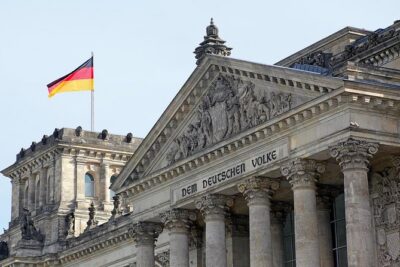
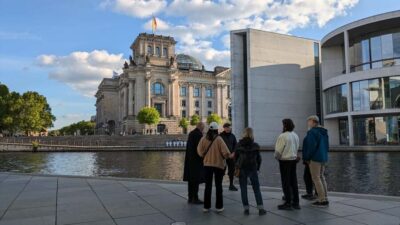
Berlin City walk Government District and Places of Democracy
Read our review →
Berlin: Third Reich & Cold War Guided Walking Tour
Read our review →
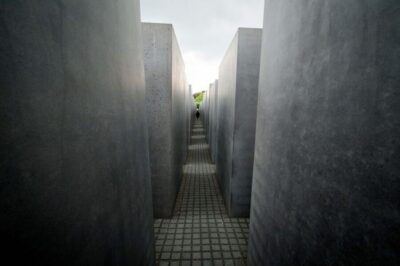
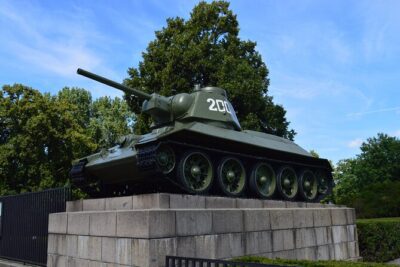
Berlin’s Best: 2 Hour Walking Tour Third Reich and the Cold War
Read our review →
Explore Berlin: See All The Iconic Sights & Some Hidden Gems
Read our review →Lists this walk sits on