
Review · OSAKA
Osaka Local Foodie Walking Tour in Dotonbori and Shinsekai
Osaka’s best introduction may be a plate of crisp kushikatsu followed by a smoky okonomiyaki, and this tour puts both on your table while showing you two of the city’s most famous food districts. I like the small maximum of seven people, which gives the guide room to answer questions, and I like the mix of eating, neighborhood walks, shrine visits, and practical local tips. Guides such as Aika, Yuma, Michiko, and Justin have been singled out for making the food and streets easier to understand.
The catch is that this is not a stop-at-every-stall food crawl. You receive a good meal, three drinks, and several signature dishes, but some of the food is served at only two or three venues. Gluten-free and vegan diets cannot be accommodated, and vegetarians must request the right option by the day before.
Key points to know before you book
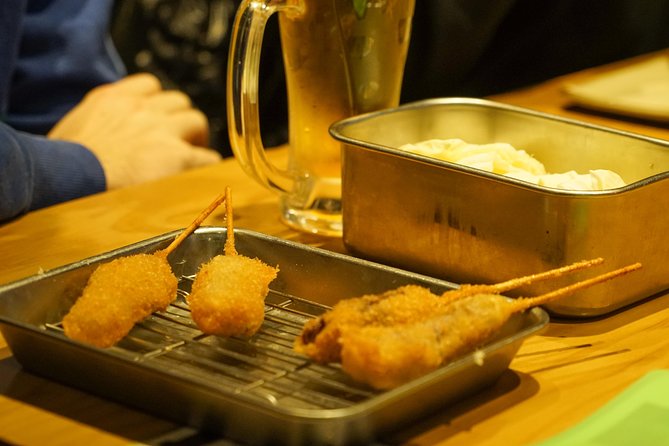
- Six kushikatsu skewers start the feast: Expect deep-fried meat and vegetables in Shinsekai, with dashi made from pork still used in the standard vegetarian kushikatsu.
- The food is paired with a real Osaka walk: Jan-Jan Yokocho, Tsutenkaku, Hozen-ji Temple, Ukiyo Alley, Doguyasuji, and the Glico sign all fit into roughly three hours.
- The group is capped at seven people: A family of six may end up with a private-feeling outing, while smaller groups still get a personal guide.
- Three drinks are included: Alcohol and nonalcoholic choices are available, though some people may find this affects the value if they do not drink.
- The menu favors Osaka classics: You receive kushikatsu, one piece of okonomiyaki, a box of takoyaki, and drinks rather than a long list of tiny samples.
- This is best for flexible eaters: Vegetarian arrangements are possible with notice, but gluten-free and vegan meals are not.
What this Osaka food walk really offers
At $111.42 per person, this sits above the cost of simply ordering Osaka specialties on your own. You are paying for the guide, the planned tastings, the neighborhood route, and help making sense of food that can seem unfamiliar at first.
The value is strongest if this is your first night or first full day in Osaka. A good guide can explain how to eat the dishes, point out what you are seeing, suggest places to visit afterward, and help you get your bearings in the Namba area. Justin even helped one group find its way through the subway after the tour, though that kind of extra assistance should be viewed as a welcome bonus rather than a promised service.
If you are a serious food hunter who wants ten small tastings, family-run counters, and obscure local specialties, I would compare other tours before booking. This route uses famous Osaka dishes and popular districts. It gives you a broad first look, not an all-night search for the city’s least-known kitchen.
The tour runs about three hours and has a maximum of seven people. That limit matters. The route passes through crowded streets, and a smaller group is easier to keep together than a large busload. It also lets you ask about ingredients, eating customs, and places to return to later.
More Food Walking Tours in Japan
- Tokyo Tsukiji Fish Market Food and Culture Walking Tour
★ 5.0 · 3,184 reviews - Tokyo: Tsukiji Fish Market Food and Walking tour
★ 5.0 · 1,724 reviews - Nishiki Market Brunch Walking Tour (7 Tastings + Brunch)
★ 5.0 · 1,355 reviews
Starting under Tsutenkaku in Shinsekai
The meeting point is outside FamilyMart Japan in Nishinari Ward, at 1-chome 17-6 Sanno. It is near public transportation, but one past participant found the location hard to reach, so allow extra time and check the map carefully. The tour begins on time, and late arrivals cannot join, reschedule, or receive a refund.
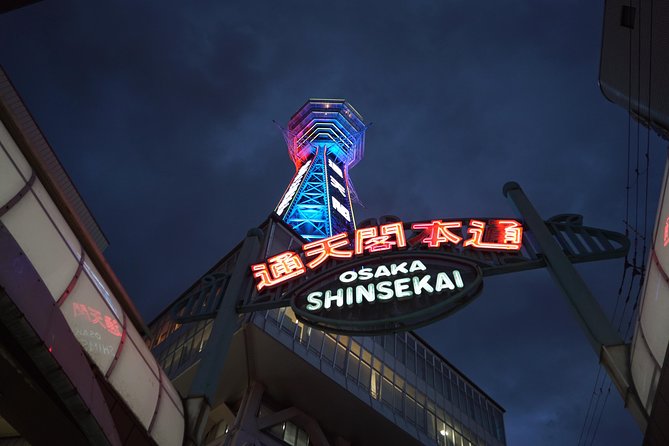
Shinsekai gives you a strong opening scene. Tsutenkaku Tower watches over streets that feel more old-fashioned and down-to-earth than the polished shopping districts elsewhere in Osaka. The route passes through Jan-Jan Yokocho, an alley with small eateries and a distinctly local feel.
Here you eat six kushikatsu skewers, usually a mix of meat and vegetables coated and fried until crisp. Kushikatsu is one of Osaka’s defining foods, and the first stop makes sense because Shinsekai is closely tied to the dish. You also receive drinks, with alcohol and nonalcoholic options available.
The food is filling, not merely a taste on a toothpick. That is good news if you want dinner. It can be less appealing if your aim is to save room for many different dishes later. One of the useful realities of this tour is that you may eat more at each stop than you expect.
Vegetarians can request a suitable course in advance, but there is an important catch. The dashi used for the kushikatsu still contains pork, even in the vegetarian option. If you cannot have dashi, tell the operator at least one day before departure so another arrangement can be prepared.
Jan-Jan Yokocho, Tsutenkaku, and Billiken
After eating, the group explores more of Shinsekai, including the market, Tsutenkaku Tower area, and a Billiken statue. Billiken is a familiar symbol in Osaka, often linked with good fortune, and the statue adds a playful local detail to the walk.
The itinerary also includes a museum-like alley designed to recall central Osaka as it looked more than 80 years ago. This is where the tour shifts from simply eating to showing how food districts and entertainment streets fit into the city’s past.
The stop lasts about 20 minutes and has no admission charge. Do not expect an in-depth museum visit or a long historical lecture. Your experience will depend heavily on the guide. Guides such as Aika and Yuma have been praised for explaining local customs and pointing out places that are easy to pass without noticing.
The pace has not suited everyone. Some people found the walk too quick, while others found it too slow because the route included more browsing before sitting down to eat. If you are tired, hungry, or walking with someone who moves slowly, tell the guide early. The route is not described as strenuous, but it is still a walking tour through crowded areas.
The move toward Namba and Dotonbori
The tour then moves toward Dotonbori and the Namba area. One section includes Sennichimae Doguyasuji Shopping Street, the famous kitchenware district. This is a useful place to browse Japanese cooking tools, restaurant supplies, and souvenirs, especially if you enjoy food beyond the meal itself.
The schedule varies by time of day. Day tours may include souvenir shopping on Dōgu-ya-suji, including the Hōchō-ya knife shop. Night tours may instead include an explanation of the area near Namba Grand Kagetsu followed by shopping nearby.
That difference matters if you have a particular interest in Japanese knives or kitchen goods. Read the departure details carefully and do not assume every time slot follows the same order. The walk through these shopping streets is one of the more practical parts of the experience, but it is not a dedicated shopping tour.
The tour does not include all transportation costs. The listed additional cost is 190 yen, so keep a few coins or a transit card ready. The main route is on foot, but this small transport charge suggests that one portion may use local transit.
Same streets, a different story:
- Kyoto Geisha Walking Tour: Gion District & Hidden Gems
★ 4.7 · 3,273 reviews - Kyoto: Gion Magical Night Walking Tour with Geisha Trivia
★ 4.9 · 2,393 reviews - Tokyo: Imperial Palace and Shogun Historical Walking Tour
★ 5.0 · 2,251 reviews - Kyoto: Gion Geisha District Walking Tour – Stories of Geisha
★ 4.7 · 2,187 reviews
Hozen-ji Temple and Ukiyo Alley
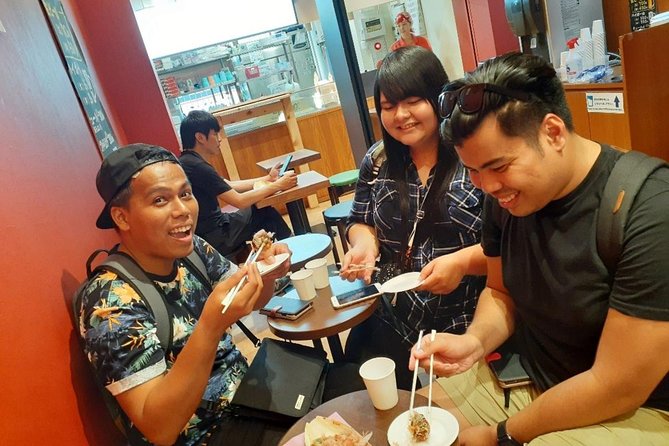
Hozen-ji Temple is a quieter change of mood after the bright signs and food stalls. The tour includes a walk through the temple area and nearby Ukiyo-koji, also called Ukiyo Alley.
The temple visit is short, about 25 minutes in the listed schedule. It gives your guide a chance to explain a different side of Osaka, including religious customs and the way small temples sit among commercial streets. At night, however, the area may be dark, and one person found the visit less satisfying for that reason.
After the temple, you snack on takoyaki, sweets, or similar items, with roughly ¥500 set aside for this portion. The food included in the tour is described as one box of takoyaki, but exact serving details can depend on the venue and the day. One account noted that the takoyaki was missed, so if a listed dish is important to you, confirm the schedule with your guide early.
Takoyaki is Osaka’s famous round snack made from batter and tender octopus. It is hot inside, often much hotter than it looks, so let it cool before taking a full bite. The dish is simple, but the guide can add value by explaining toppings, cooking methods, and local eating habits.
Okonomiyaki and the famous Glico sign
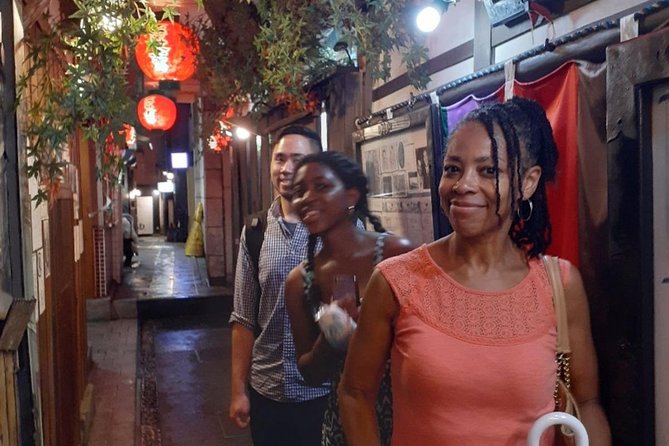
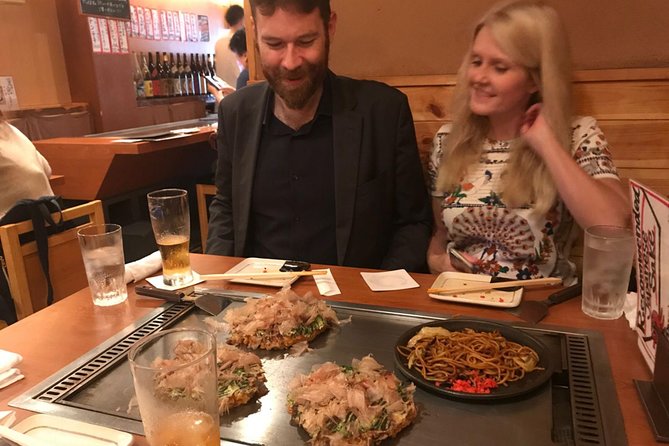
One included piece of okonomiyaki comes later. This savory pancake is built from batter and toppings, then grilled. The name means roughly as you like and grilled, which reflects the dish’s flexible nature.
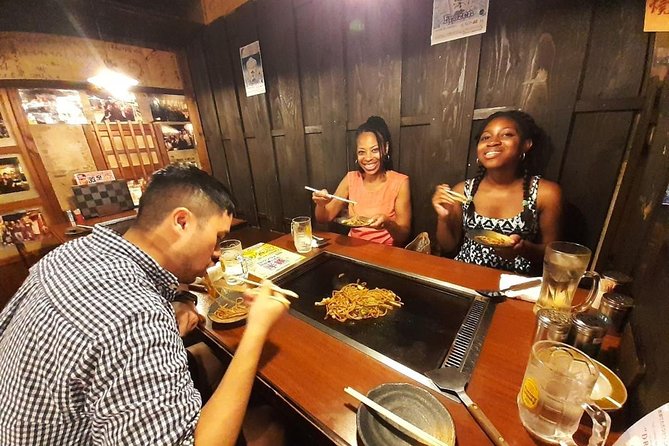
Some groups have been able to grill their own okonomiyaki, making this more than a plate placed in front of you. That hands-on element can be a highlight, especially if you have never cooked the dish yourself. Other groups have felt the restaurant was more tourist-oriented, so do not book this expecting a secret neighborhood counter.
The meal can be surprisingly filling. The kushikatsu, okonomiyaki, takoyaki, sweets, and drinks add up. If you arrive very hungry, you will appreciate the steady food. If you want to sample many small portions, the generous servings may leave you too full for the final dish.
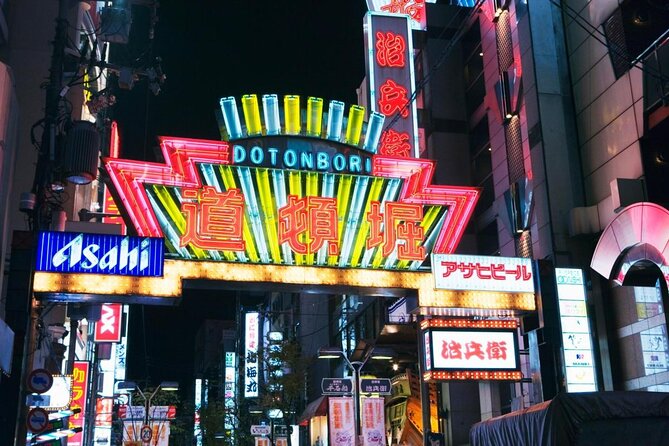
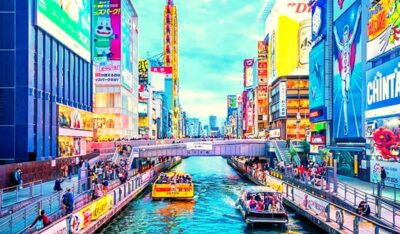
The final photo stop is the Glico sign in Dotonbori. The running athlete above the canal is one of Osaka’s most recognizable images, and the guide can help with photos. Aika has been praised for taking pictures and sending them after the tour, while other guides have helped groups find good photo angles.
The tour ends at the Glico sign, at 1-chome 10-3 Dotonbori. That is a useful finish because you are already in one of Osaka’s main evening districts, with plenty of options for a later walk or another meal.
The food, drink, and value question
The included menu is clear:
- Six pieces of kushikatsu
- One piece of okonomiyaki
- One box of takoyaki
- Three drinks
- Small extra snacks, such as sweets, depending on the route
Three drinks can add real value if you drink alcohol or want soft drinks with the meal. Alcohol and nonalcoholic choices are both available. If you do not drink much, however, part of the $111.42 price may feel less useful. One group suggested that a lower drink allowance could make the cost fairer for people who choose only one beverage.
The biggest question is not quantity alone. It is what kind of food experience you want. This tour gives you the foods most first-time visitors hope to try. It does not promise a series of tiny plates from many independent vendors.
That distinction explains the mixed reaction to the value. Some people found the portions delicious and plentiful, while others felt the venues were ordinary and the tour was expensive for the amount of variety. I would choose it for structure, local explanation, and ease. I would not choose it if food discovery is the only reason you are booking.
The guide can make or break the walk
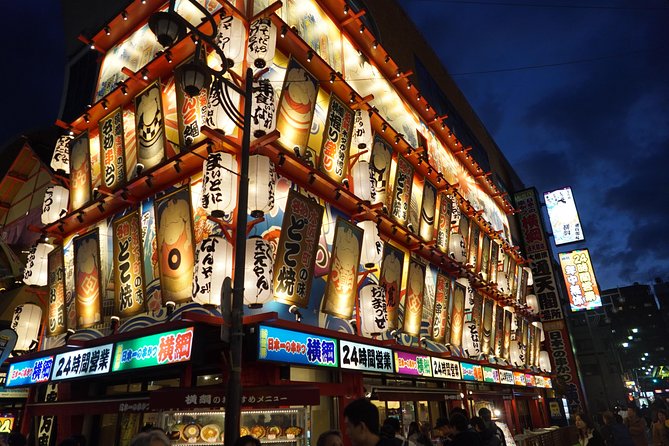
A strong guide adds much more than directions between restaurants. Aika has been praised for connecting Osaka food with local life, suggesting later places to eat, and explaining the streets with energy. Yuma has been described as friendly, clear in English, and good at explaining how the food is made. Michiko, known as Mich, has been praised for combining food advice with history and neighborhood context.
Other experiences have been less polished. Some guides offered information mainly when asked, and one person felt the walks between venues lacked explanation. A newer guide may be pleasant and eager but less able to add detailed context about the dishes or sites.
That means you should arrive ready to ask questions. Ask why Osaka is associated with these foods, how the sauces are used, what locals order, and where to eat later. A guide who responds well can turn a basic meal into a useful introduction to Osaka. If you prefer a nonstop lecture without prompting, results may vary.
The group size helps here. With no more than seven people, a guide can usually hear your questions and keep an eye on dietary needs. A family of six may even have a private-feeling outing without booking a separate private tour.
Weather, diet, pace, and practical concerns
Osaka’s weather can be severe. Summer temperatures may reach 40°C, while winter lows can fall to -5°C. Wear shoes you can walk in, bring water in hot weather, and dress for the forecast. The tour includes outdoor walking, so you are exposed to the conditions between food stops.
All ages are welcome, and most people can participate. The route is near public transportation, but the crowded streets and fast-moving group may be harder for anyone who needs frequent breaks. Tell the guide if you need a slower pace.
Gluten-free and vegan meals are not available. Vegetarian food is possible only when selected at booking or requested by the day before. Allergies and substitutions cannot be guaranteed because the food is prepared in kitchens the operator does not control.
Smoking may be allowed at some venues, and the tour may not be able to change restaurants in that case. This is worth considering if smoke bothers you.
Free cancellation is available up to 24 hours before the start time. After that point, the payment is not refunded, and late changes are not accepted. The tour provider also does not charge you for the guide’s own food and drinks.
Who should book this Osaka food tour?
I would book this if you are visiting Osaka for the first time and want a simple route through Shinsekai and Dotonbori without spending your first evening guessing what to order. The combination of kushikatsu, okonomiyaki, takoyaki, temple lanes, shopping streets, and the Glico sign gives you a useful first map of the city.
It also suits families and small groups who value a guide’s help. The small group limit, included drinks, and generous food portions make the outing easy to share.
I would hesitate if you are vegan, strictly gluten-free, sensitive to cross-contamination, or looking for a specialist food tour. I would also compare alternatives if your priority is visiting many food stalls or finding places far from the main tourist route.
For most first-time visitors, the best timing is early in the trip. You can use the guide’s restaurant tips later, return to Dotonbori after the tour, and recognize the dishes when you see them again. Just arrive on time, leave room for a substantial meal, and keep your expectations focused on Osaka classics rather than rare finds.
FAQ
How long does the Osaka food tour last?
The experience lasts approximately three hours. The route includes walking, food stops, shopping streets, temple areas, and photo stops.
What food is included?
You receive six kushikatsu skewers, one piece of okonomiyaki, one box of takoyaki, and three drinks. Small snacks such as sweets may also be part of the walk.
Are alcoholic drinks included?
Yes. The three included drinks can be alcoholic or nonalcoholic.
Can vegetarians join the tour?
Vegetarian options may be arranged if you select the option while booking or request it no later than the day before. Standard vegetarian kushikatsu still uses dashi made with pork, so mention this restriction in advance if needed.
Can the tour accommodate vegan or gluten-free diets?
No. Vegan and gluten-free diets cannot be accommodated on this tour. Allergy-free meals and substitutions also cannot be guaranteed.
Where does the tour start and finish?
The tour starts at FamilyMart Japan in Sanno, Nishinari Ward. It finishes at the Glico sign in Dotonbori.
What happens if I arrive late?
The group starts on time. If you arrive after the group has left, you cannot join the tour, reschedule, or receive a refund.
Is transportation included?
Transportation fees are not included. The listed additional transportation cost is 190 yen.
Should you book it?
Book this tour if you want a guided first taste of Osaka’s famous foods, a small group, and an efficient walk through two major districts. Skip it if you want a serious food crawl with many independent stops, strict dietary flexibility, or unusual dishes beyond the standard Osaka favorites. At $111.42, the price makes the most sense when you value the guide and local orientation as much as the meal itself.
New walking tours around Japan
- Nara: Half-Day UNESCO Heritage & Local Culture Walking Tour★ 4.8 · 250 reviews
- Nagasaki: Private Walking Tour with a Local★ 4.7 · 79 reviews
- Hiroshima: Miyajima Half-day Historical Walking Tour★ 4.7 · 100 reviews
- Kyoto: Private Walking Tour with a Local★ 4.6 · 118 reviews
- Kyoto: Private 2.5 Hour Historical Walking Tour★ 4.9 · 121 reviews
- Kyoto: Imperial Palace & Nijo Castle Guided Walking Tour★ 4.7 · 453 reviews
- Kyoto: Izakaya Bars Guided Walking Tour★ 4.9 · 815 reviews
- Kyoto: Gion Sunset Walking Tour with Local Guide★ 4.7 · 351 reviews
Osaka Walking Tours, side by side.
Osaka: Hotspots & Hidden Gems Walking Tour Private or Group
Read our review →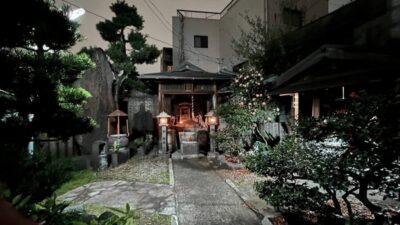
Osaka: Deep Backstreets Walking Tour with Dinner Option
Read our review →
Ultimate Osaka Walking Tour: Castle, Dotonbori & Hidden Gems
Read our review →Lists this walk sits on