
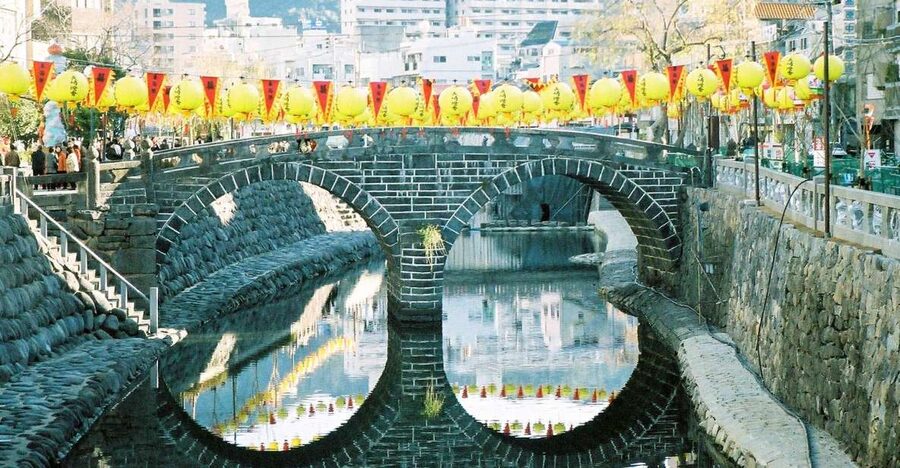
Review · JAPAN
Nagasaki: Private Walking Tour with a Local
Nagasaki is a city that rewards context. A private local guide can connect the Atomic Bomb Museum and Peace Park with the city’s older streets, foreign-trade history, food culture, and everyday neighborhoods. Instead of following a fixed script, you shape the day around what you want to understand.
I like the one-to-one format, which lets you ask direct questions and change plans as you go. I also like the practical help: guides such as Yuki, Masaaki, Jun, and Senyo have helped visitors work out public transport, choose lunch, and fit key sights into a short port call.
The main drawback is also the tour’s defining feature: there is no fixed route. If you arrive with no idea what to see, you may need to ask your guide to suggest a plan rather than expect a polished sightseeing circuit. Admission fees, food, drinks, and local transport cost extra.
Key points at a glance
- A private 3 to 6 hour walk: You set the pace and decide how much time to spend at major sights or local places.
- Flexible pickup: Meet at a hotel, café, landmark, or another suitable point in or near central Nagasaki.
- Major sights can fit the route: The Atomic Bomb Museum, Peace Park, Dejima, and Nagasaki Ropeway have all been included in customized days.
- Useful local advice: Your guide can help with food, shopping, city transport, and plans for the rest of your day.
- Personal stories add value: Guides such as Yuki, Suniff, and Senyo bring local experience and personal context to Nagasaki’s past.
- Extra costs are separate: You pay for admissions, meals, drinks, taxis, trams, and any optional activities, including the guide’s admission when required.
A private walk instead of a standard Nagasaki circuit
This experience is best understood as a flexible introduction to Nagasaki, not as a traditional sightseeing tour with a printed route. You meet an English-speaking Lokafyer, explain what interests you, and build the day together.
That might mean a serious morning at the Atomic Bomb Museum and Peace Park. It might mean a walk through Dejima and older parts of town, followed by lunch at a place your guide likes. You could also ask for shopping advice, café ideas, street art, scenic views, or help finding places that are easy to miss on your own.
I see real value in this approach for first-time visitors. Nagasaki’s attractions are spread across different parts of the city, and the hills can make an improvised day tiring. A local who understands the layout can help you spend your energy where it matters.
The tradeoff is that you need to take part in the planning. If you want a guide who arrives with a detailed route and gives a full explanation at every stop, this may feel too open-ended. Tell your guide clearly what you want, then ask for suggestions if you are unsure.
More Private Walking Tours in Japan
- Osaka: Hotspots & Hidden Gems Walking Tour Private or Group
★ 4.9 · 1,300 reviews - Nara Half Day Trip Walking Tour (Private Option Available)
★ 5.0 · 937 reviews - Tokyo: Private Custom Walking Tour with Local Guide
★ 4.8 · 533 reviews
Meeting your guide in central Nagasaki
Pickup is included from your hotel, a well-known landmark, or a quiet café, as long as the location is in or near the city center. Two listed meeting choices are the Statue of Dr. Sun Yat-sen at Umeya Shōkichi and Toku, and the Nagasaki Atomic Bomb Museum.
The best meeting point depends on your plans. If the Atomic Bomb Museum is your main goal, meeting nearby saves time. If you want a broad orientation, a hotel or central landmark may make more sense. You can also request a particular starting time, which helps if you are working around a train, cruise schedule, or another activity.
If you arrive by cruise ship, confirm the pickup point carefully. A guide may be able to meet you near the cruise terminal, but the stated arrangement covers places in or near the city center. Do not assume that every port pickup is automatic.
The walking format calls for comfortable shoes. Nagasaki is hilly in places, and even a route that looks modest on a map can include a fair amount of walking. The experience is wheelchair accessible, but you should discuss your preferred route and any transport needs before the day begins.
Atomic Bomb Museum and Peace Park
For many people, the most important part of a Nagasaki visit is the Atomic Bomb Museum and Peace Park. A guide can help you place the exhibits and memorials in a local setting, rather than leaving you to move through them with only a map or audio guide.
The museum deals with the atomic bombing and its human cost. This is not a light sightseeing stop, and you should allow time to take in the material at your own pace. The Peace Park offers a more open setting for reflection and includes major memorial spaces connected with the bombing.
Senyo has helped visitors understand the historical importance of both locations, while Masaaki has combined them with other sights on a three-hour route. That tells you something practical: the two sites can form the center of a shorter tour, but the available time will affect how much else you can include.
Admission fees are not included. If you ask your guide to enter an attraction with you, you also cover the guide’s admission. Clarify this before finalizing the plan, especially if you want several paid stops.
Dejima and Nagasaki’s international past
Dejima gives the tour a different tone. The former trading island is tied to Nagasaki’s role as a gateway for foreign trade and contact with the outside world. It helps explain why the city developed a cultural character different from many other places in Japan.
A private guide can make this stop more useful by connecting buildings and streets with the larger story of trade, exchange, and daily life. Luis has included Dejima after a visit to the Atomic Bomb Museum and Peace Park, using the tram to move between areas.
That combination works well if you want both twentieth-century history and older international connections in one day. It also shows why local transport matters. Dejima is not simply an extension of the Peace Park area, so you may need a tram or another paid ride.
Public transportation is not included in the tour price. Some guides are willing to balance walking with trams, buses, or taxis, but you pay those fares separately. If mobility, heat, or limited time is a concern, ask your guide to use transport strategically rather than treating the day as a continuous walk.
Same streets, a different story:
- Kyoto Geisha Walking Tour: Gion District & Hidden Gems
★ 4.7 · 3,273 reviews - Tokyo Tsukiji Fish Market Food and Culture Walking Tour
★ 5.0 · 3,184 reviews - Kyoto: Gion Magical Night Walking Tour with Geisha Trivia
★ 4.9 · 2,393 reviews - Tokyo: Imperial Palace and Shogun Historical Walking Tour
★ 5.0 · 2,251 reviews
Ropeway views and the city from above
The Nagasaki Ropeway can add a scenic pause to a history-focused itinerary. From above, you get a wider sense of the city’s hills, water, and compact urban shape. It is a useful contrast after time indoors at a museum or among memorial sites.
Masaaki included the ropeway on one three-hour plan along with the Atomic Bomb Museum and Peace Park. That is a fairly ambitious mix, so you should not assume every tour can cover all three at a relaxed pace. Tell your guide which stop matters most and let the rest fit around it.
The ropeway is an optional activity, and its cost is not included. It may be a good choice if you want photographs and scenic views. It may be less suitable if your priority is detailed time at the museum or a long local lunch.
Local cafés, food, shopping, and small discoveries
The most personal part of the experience comes when you move beyond the famous stops. Your guide may point out a courtyard café, a neighborhood worth wandering, local shops, or a restaurant that would be difficult to choose from a guidebook alone.
Food advice can be especially useful in Nagasaki. Your guide can help you decide where to eat and may suggest a lunch place that matches your taste and budget. One customized outing included a highly praised lunch stop, while another combined an authentic Japanese seafood restaurant with a city walk.
Meals and drinks are not included, so think of lunch as part of your own spending plan. The advantage is choice. You are not locked into a group menu or a restaurant selected for convenience.
Some guides also share favorite parts of the city and personal stories. Yuki has been described as attentive to detail, flexible, and able to add her own connection to Nagasaki’s past. Suniff has brought enthusiasm for his hometown, while Jun has adapted quickly when visitors had no firm plan.
That human exchange is the reason to choose this tour. You are not just collecting sights. You can ask what daily life is like, how locals use a neighborhood, or what to do after the tour ends.
What three hours can realistically cover
Three hours is enough for a focused introduction, but not for every major sight in Nagasaki. I would use that time for one main area and one nearby addition, or for two major attractions connected by public transport.
A practical three-hour plan might focus on the Atomic Bomb Museum and Peace Park, with a short orientation before or after. Another option could combine Dejima with central streets, food advice, and a few scenic viewpoints. The ropeway can fit too, but only if you keep other stops brief.
The six-hour option gives you more breathing room. You can combine the Peace Park area with Dejima, a meal, local shopping, and a scenic stop. Even then, Nagasaki’s hills and transport times matter. A longer booking should give you more flexibility, not pressure you into racing from one landmark to another.
Cruise passengers should be especially clear about their return deadline. A guide can help you organize the day, but you remain responsible for allowing enough time to get back to the ship. If you have a strict schedule, prioritize two or three goals before adding extras.
How much value you get for $82
At $82 per person, this is not the cheapest way to walk around Nagasaki. The value depends heavily on your group size and how actively you use the guide.
For a solo visitor or couple, the price buys privacy, flexibility, and direct attention. You can ask questions without slowing down a larger group, stop for food when you want, and change the route if a particular subject catches your interest. That can be worthwhile in a city where transport and distance make poor planning costly.
For a family or small private group, the price may compare more favorably with several separate paid tours. Children under three join free, and children from three to twelve receive a 50 percent discount. The guide’s time is still the central product, so the experience makes most sense when you want advice and conversation rather than simple transport between sights.
Remember to budget separately for museum or attraction admissions, your guide’s admission when you enter together, meals, drinks, and local transport. The advertised price does not cover trams, taxis, buses, the ropeway, or other optional activities.
The strongest value comes when you arrive with a clear purpose. Ask for a history-focused route, a food-centered walk, help with shopping, or a mix of famous places and less obvious corners. A vague request can still work, but you may spend part of the tour deciding what to do.
The guides and the quality of the experience
The individual guide matters more here than the brand name. The guide names associated with particularly strong experiences include Yuki, Suniff, Masaaki, Senyo, Jun, Muhammad, and Ren. Their strengths vary, but the common thread is flexibility, clear communication, and a willingness to adjust the day.
Yuki has helped with detailed planning, less-visited places, historical explanation, and practical advice. Masaaki has handled a full three-hour sightseeing mix. Senyo has focused closely on the Atomic Bomb Museum and Peace Park. Muhammad has communicated before the tour and helped with a cruise-day pickup.
You should not assume you will receive a particular guide unless the booking process confirms it. Still, these examples show the range of help available: historical context, city navigation, local food, and last-minute changes.
English is the listed language. Children can join, and the group is private. The tour is wheelchair accessible, though the final route should be discussed in advance because walking distance, hills, and transport choices can vary.
Who should book this Nagasaki walk?
I would recommend it to first-time visitors who want to get oriented quickly, especially if Nagasaki is one stop on a larger Japan trip. A local guide can help you understand which areas connect, how to use the city’s transport, and what deserves more time later.
It also suits curious repeat visitors. You can skip the standard route and ask for local cafés, shopping, food, street art, or places that do not appear on a short sightseeing list.
Families may like the private format because the pace can change when children need a break. Cruise passengers can benefit too, provided they confirm the pickup and allow plenty of time to return to the ship.
I would think twice if you want a formal lecture, a guaranteed professional historian, or a fixed list of every major sight. One earlier experience worked well socially but raised a fair concern: a completely open format can leave visitors wishing for suggested itineraries and more prepared background on each stop. The easiest solution is to ask for both, a proposed route and room to adjust it.
Should you book it?
Book this tour if you value personal advice, flexible timing, and a conversation with someone who lives in or knows Nagasaki well. It is especially useful when you have only three hours, have several interests, or want help combining major memorial sites with food and local neighborhoods.
Before booking, prepare three priorities. For example: Atomic Bomb Museum and Peace Park, a good seafood lunch, and help using the tram. Ask the guide to build a realistic route around those goals.
If you prefer a fixed itinerary with all admissions and transport arranged, choose a more structured tour. For everyone else, this private walk offers a practical way to make Nagasaki feel less confusing and more personal, provided you take an active role in shaping the day.
FAQ
How long does the Nagasaki private walking tour last?
The tour lasts between 3 and 6 hours. You can check available starting times and request a specific time.
Where can the guide meet me?
The guide can meet you at your hotel, an iconic landmark, a quiet café, or another suitable place in or near central Nagasaki. Listed meeting options include the Statue of Dr. Sun Yat-sen at Umeya Shōkichi and Toku, and the Nagasaki Atomic Bomb Museum.
Is the tour private?
Yes. The experience is for a private group, with a route customized to your interests rather than a fixed group itinerary.
Is the tour conducted in English?
Yes. The listed live tour language is English.
Are attraction admission fees included?
No. Admission fees are separate. If you want the guide to enter an attraction with you, you also need to pay the guide’s admission.
Are meals and transportation included?
No. Meals, drinks, local transportation, personal expenses, and optional activities are not included. Trams, buses, taxis, and other local rides are paid separately.
Can children join the tour?
Yes. Children under three join free, and children from three to twelve receive a 50 percent discount. Comfortable shoes are recommended because this is a walking tour.
New walking tours around Japan
- Nara: Half-Day UNESCO Heritage & Local Culture Walking Tour★ 4.8 · 250 reviews
- Hiroshima: Miyajima Half-day Historical Walking Tour★ 4.7 · 100 reviews
- Kyoto: Private Walking Tour with a Local★ 4.6 · 118 reviews
- Kyoto: Private 2.5 Hour Historical Walking Tour★ 4.9 · 121 reviews
- Kyoto: Imperial Palace & Nijo Castle Guided Walking Tour★ 4.7 · 453 reviews
- Kyoto: Izakaya Bars Guided Walking Tour★ 4.9 · 815 reviews
- Kyoto: Gion Sunset Walking Tour with Local Guide★ 4.7 · 351 reviews
- Kyoto: Gion Walking Tour★ 5.0 · 195 reviews
Japan Walking Tours, side by side.
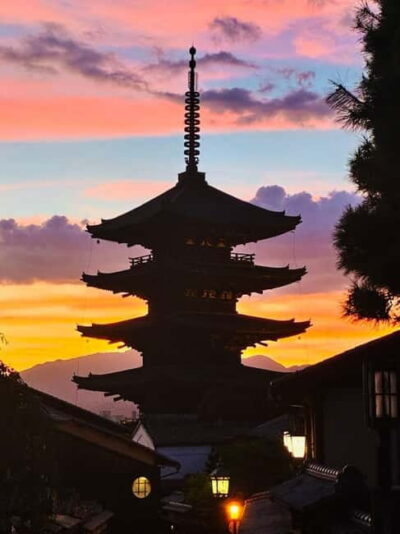
Kyoto Geisha Walking Tour: Gion District & Hidden Gems
Read our review →
Tokyo Tsukiji Fish Market Food and Culture Walking Tour
Read our review →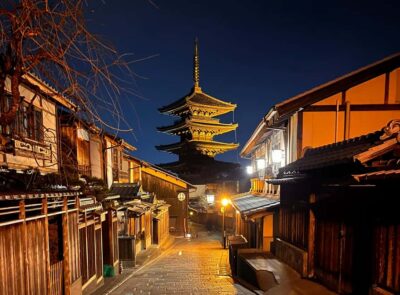
Kyoto: Gion Magical Night Walking Tour with Geisha Trivia
Read our review →
Tokyo: Imperial Palace and Shogun Historical Walking Tour
Read our review →
Kyoto: Gion Geisha District Walking Tour – Stories of Geisha
Read our review →
Best of Kyoto: Gion, Geisha, Pagodas & Cobblestones
Read our review →
Tokyo: Shinjuku Local Bar and Izakaya Guided Walking Tour
Read our review →Lists this walk sits on