
Review · JAPAN
Hiroshima: Miyajima Half-day Historical Walking Tour
Miyajima is one of Japan’s great day trips, but its famous red torii gate is only the beginning. This small-group walking tour takes you from the ferry and shoreline to Itsukushima Shrine, Daisho-in Temple, quiet mountain paths, and the island’s food stalls.
I like the mix of major sights and everyday culture. You get the classic O-Torii view, then hear about island life from the Edo period to today while eating Hiroshima ingredients, including oysters and fried momiji dumplings. I also like the small groups, limited to seven, which let guides such as Yuji, Kiki, Eri, and Shun adjust the pace.
The main drawback is the amount of walking. Some paths are uneven, the tour is not suited to wheelchairs or strollers, and summer heat can make the five-and-a-half-hour outing tiring. Lunch choices are limited for vegans and vegetarians, and the ferry costs extra.
Key points to know before booking
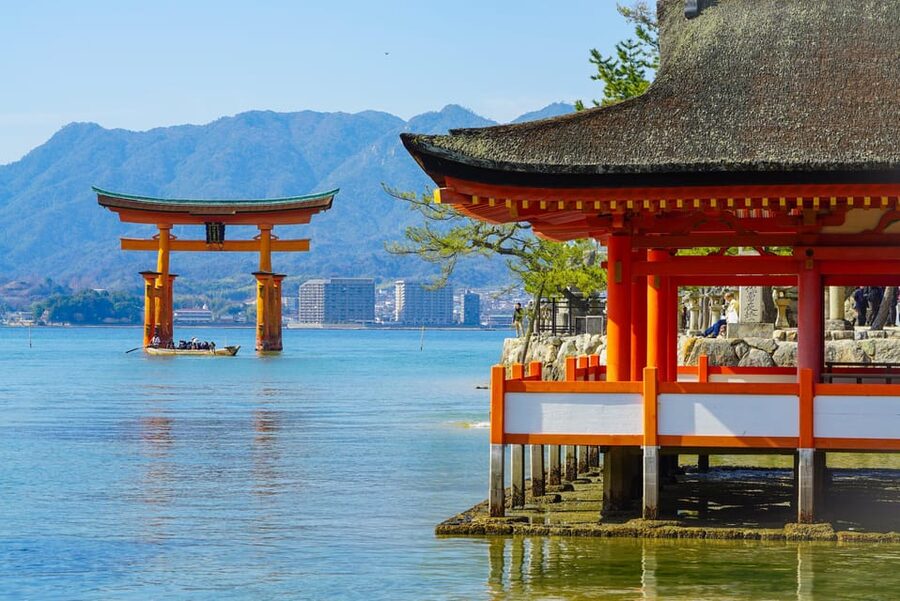
- The O-Torii is best seen at changing tides: Depending on the schedule, you may see it sitting offshore in the water or walk toward it at low tide.
- Daisho-in gets a full hour: This is more than a quick temple photo stop, with statues, religious stories, and a mountain setting.
- Lunch is part of the experience: Expect local Hiroshima ingredients, fresh oysters, and other Miyajima specialties, with limited options for strict diets.
- Your guide shapes the day: Past guides have included Yuji, Kiki, Eri, Shun, Hika, Kaz, and Hikaru, all noted for explaining culture as well as monuments.
- The group stays small: With no more than seven participants, it is easier to ask questions, take breaks, and request help with photos.
- Bring cash and good shoes: You need money for the ferry and extra snacks, and muddy or uneven paths are possible in wet weather.
Why a guided day on Miyajima makes sense
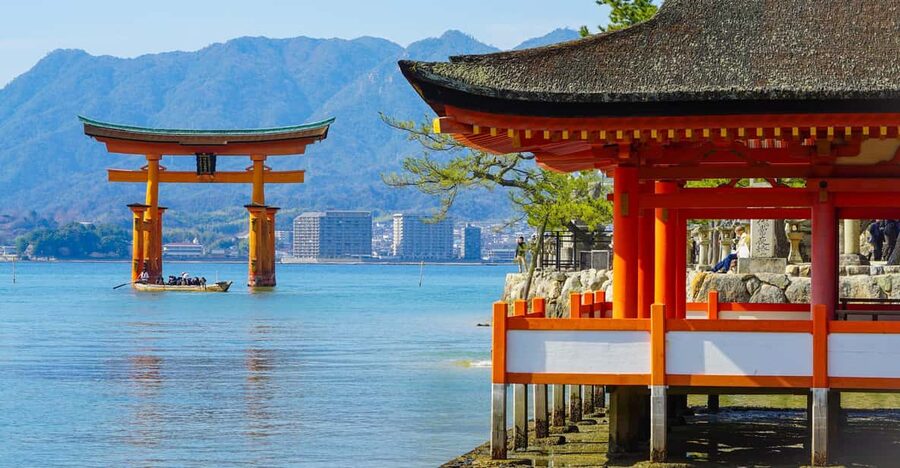
Miyajima can look simple on a map: ferry, torii gate, shrine, temple, then back to the boat. In practice, the island has several layers. Itsukushima Shrine reflects Shinto beliefs and the sea. Daisho-in brings in Buddhist traditions. The old streets, food stalls, museum, gardens, and craft shops show how people lived beyond the postcard views.
That is where a guide earns the fee. A good guide can explain why the shrine was built over the water, how worship developed on the island, and how Japanese customs work in daily life. Guides on this tour are also encouraged to answer questions about Hiroshima, religion, food, and local culture.
The format is friendly rather than formal. People who had Yuji, Eri, Kiki, Hika, Shun, and Hikaru described the day as conversational, with plenty of time for questions and photos. Several guides were also praised for not rushing the group. That matters here, because Miyajima rewards stopping to look around rather than racing from one landmark to the next.
The tour lasts 330 minutes, or five and a half hours. That gives you enough time to see the main sights, eat lunch, and take a few quieter paths, but it is still a packed half-day. You will cover ground on foot, so treat this as an active sightseeing tour, not a gentle stroll.
More History Walking Tours in Japan
- Tokyo: Imperial Palace and Shogun Historical Walking Tour
★ 5.0 · 2,251 reviews - Kyoto Gion: 2-Hour Geisha Culture & History Walking Tour
★ 5.0 · 1,186 reviews - Tokyo: Imperial Palace Japanese History Walking Tour
★ 4.9 · 987 reviews
Meeting the group at Miyajimaguchi
The meeting point is in front of the coin-operated lockers outside JR Miyajimaguchi Station. From JR Hiroshima Station, the Sanyo Line takes about 30 minutes to reach Miyajimaguchi.
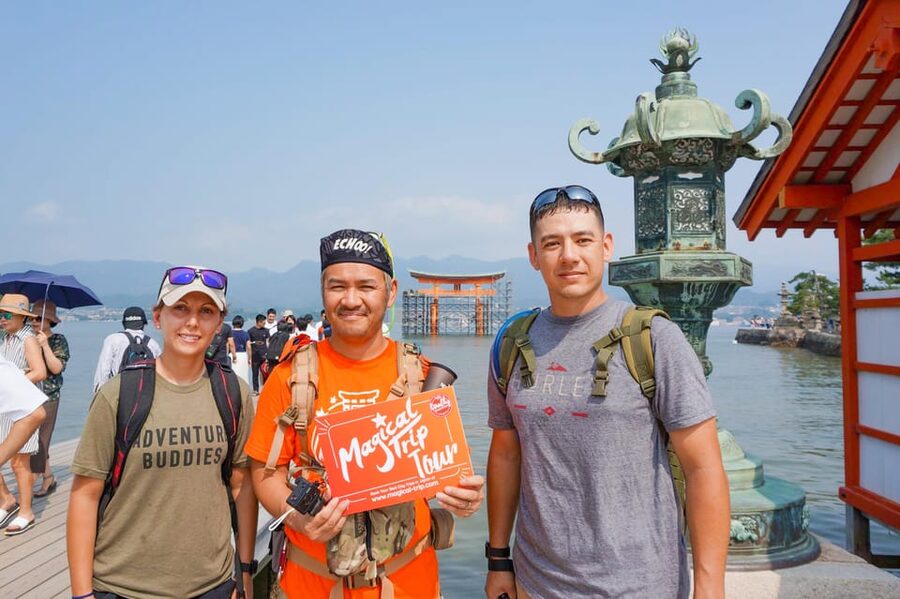
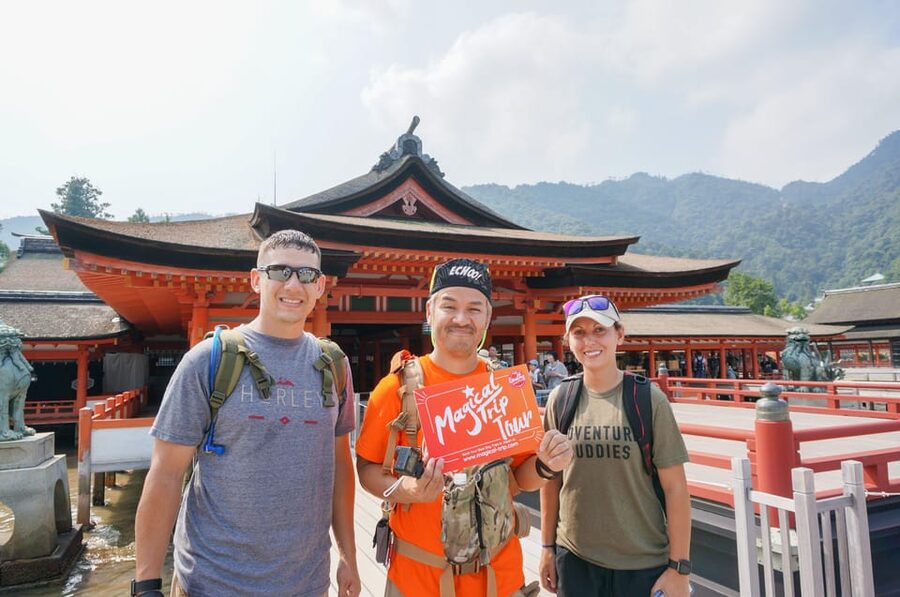
Your guide will hold a Magical Trip board. This is a useful arrangement because the station and ferry area can feel busy, especially during popular visiting hours. Arrive with enough time to find the lockers and meet the group before crossing the water.
The ferry ticket is not included. The information supplied for the tour gives two different prices, JP¥360 in the practical notes and JP¥500 in the included and excluded details. Carry cash and confirm the current fare when booking. The ferry itself is short, but it is an important part of the experience, not just a transfer.
The ferry ride and first look at Miyajima
The boat crossing gives you a fine opening view of the Seto Inland Sea. As Miyajima comes closer, you can look toward the O-Torii, the gate most associated with the island.
The view changes with the tide and weather. At higher water, the gate appears to float offshore. At low tide, people may be able to walk out toward it. The timing of this tour can allow you to see the gate in more than one condition, though the exact view depends on the day’s tide schedule.
After landing, you will likely notice the island deer. They are part of the familiar Miyajima scene, but remember that they are still wild animals. Keep food and loose items under control, and follow your guide’s advice around them.
Itsukushima Shrine and the O-Torii
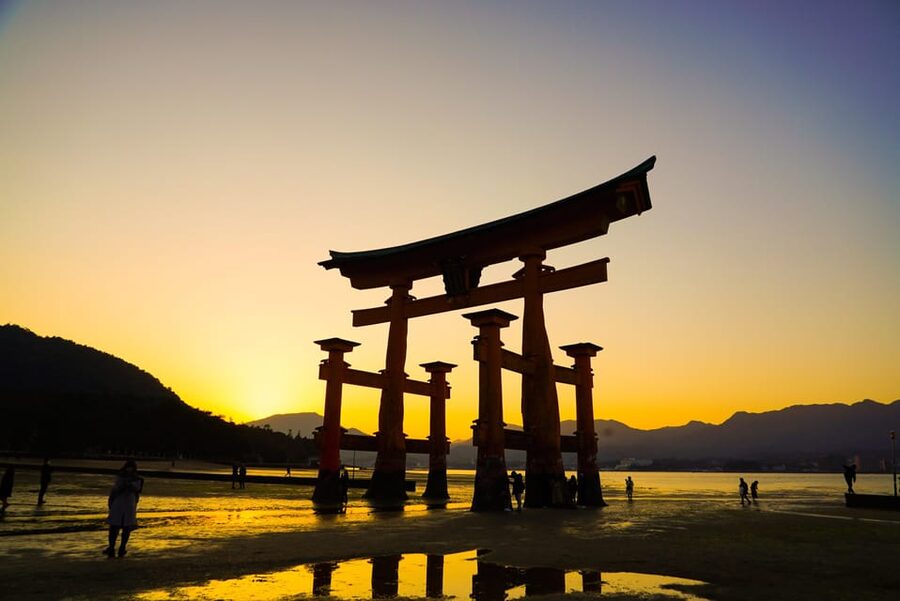
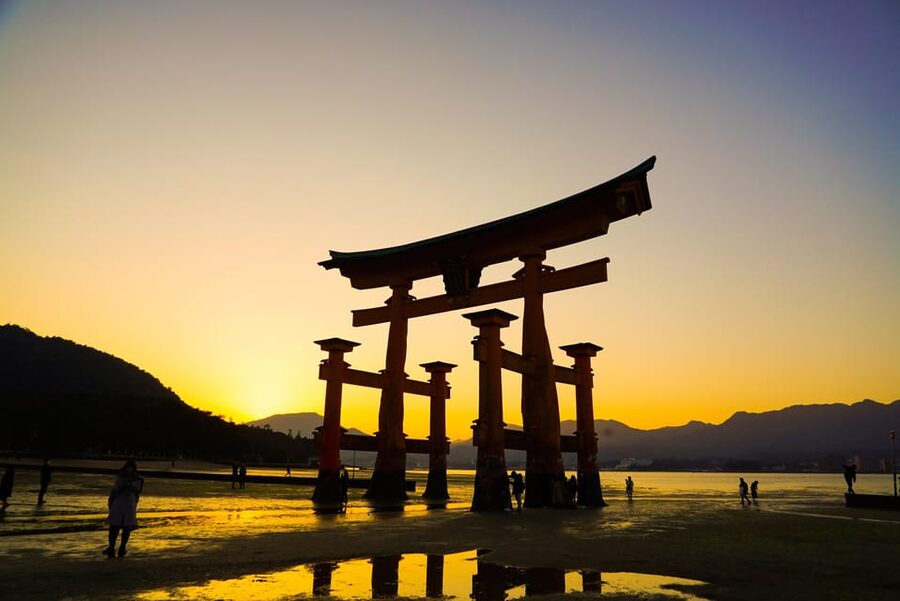
Itsukushima Shrine is the tour’s central stop. Built during the Heian period, from 794 to 1192, its distinctive design responds to the sea. The buildings, walkways, and gates were planned around the changing tides, giving the shrine its famous waterborne appearance.
Your guide can help you see more than painted wood and scenic views. The position of the shrine, its relationship with the island, and the difference between high and low tide all add meaning to the visit. You will have about 40 minutes here, enough for an informed visit without turning the stop into a long lecture.
The O-Torii is the obvious photo target, but it is worth looking back toward the shrine as well. The gate, water, mountains, and buildings form one of Miyajima’s defining views. Crowds can gather around the most popular angles, so a guide who knows when to move on or where to pause is useful.
The tide is a real factor. If seeing the gate in the water matters to you, check the day’s tide times before booking and ask how they fit the tour schedule. The tour can offer changing views, but no walking tour can control the sea.
Same streets, a different story:
- Kyoto Geisha Walking Tour: Gion District & Hidden Gems
★ 4.7 · 3,273 reviews - Tokyo Tsukiji Fish Market Food and Culture Walking Tour
★ 5.0 · 3,184 reviews - Kyoto: Gion Magical Night Walking Tour with Geisha Trivia
★ 4.9 · 2,393 reviews - Kyoto: Gion Geisha District Walking Tour – Stories of Geisha
★ 4.7 · 2,187 reviews
A museum stop that adds daily life
The museum visit shifts the focus away from sacred monuments. Here you learn about life and culture on Miyajima, including how the island changed from the Edo period to the present day.
That context helps make the rest of the walk more meaningful. Food stalls, homes, crafts, gardens, and old buildings are easier to understand when you have some sense of how island communities worked over time.
The supplied schedule gives the museum and nearby visit time in several parts, including a one-hour stop described as a less obvious part of the route. Exact pacing can change depending on the group and restaurant service. Expect the guide to connect the museum material with what you see outside rather than treat it as a separate, isolated attraction.
Local lunch with oysters and momiji dumplings
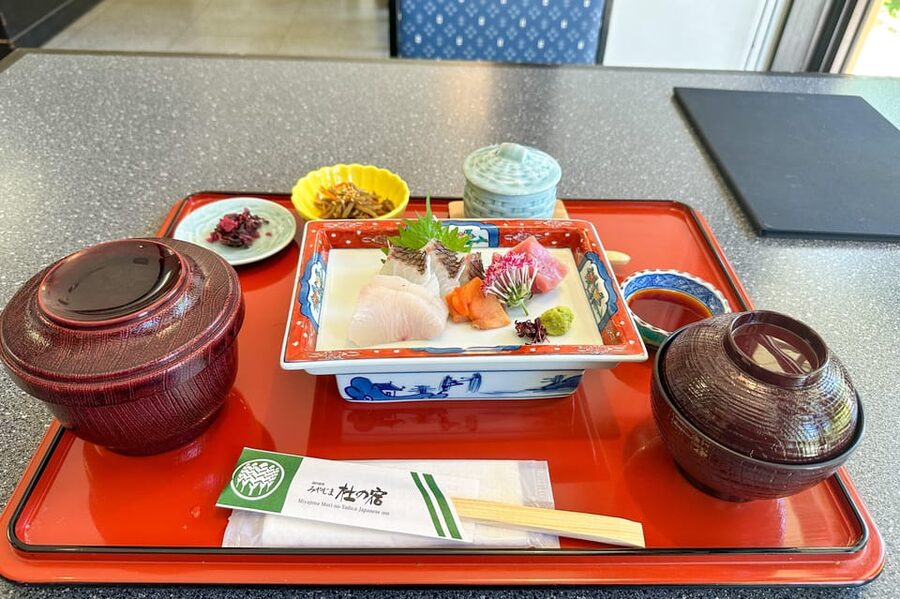
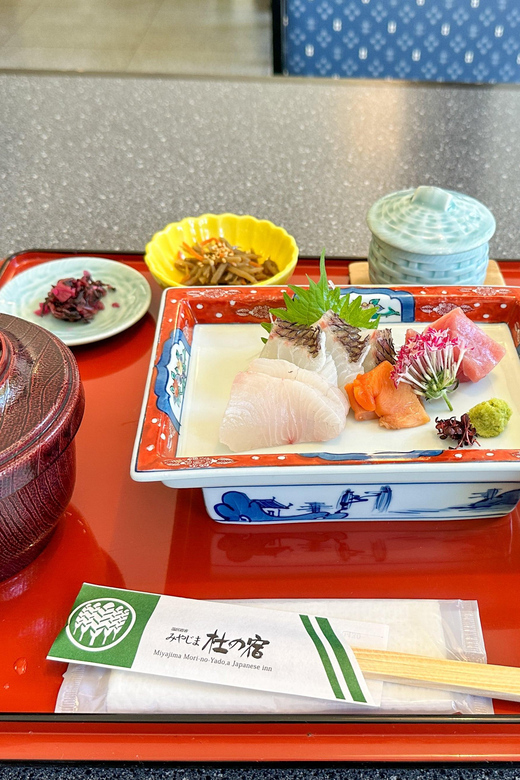
Lunch is included, and it is one of the strongest reasons to choose this tour over simply wandering on your own. The meal uses ingredients from Hiroshima Prefecture and can include local oysters, a specialty closely linked with the region.
Depending on the stop, you may also try grilled oysters, fresh oysters, lemon drinks, or fried momiji dumplings. Momiji, or maple leaf, shapes are strongly associated with Miyajima, and the fried version gives you a sweet local snack with a crisp outside.
The meal is not only about filling up. Your guide can show you how to approach local food, how to finish a meal politely, and what ingredients are typical in the area. One useful detail from the tour experience is that lunch may include time to explain Japanese table manners and eating customs.
Food service can be slow at times because restaurants are still dealing with staff shortages. The tour may run longer than the planned 330 minutes, so avoid booking a tight connection immediately afterward.
Vegetarian and vegan meals are available but limited. Allergy-free food cannot be guaranteed, and substitutions may not be possible at every stop because the meals are prepared in outside kitchens. If you have serious allergies, gluten intolerance, or strict dietary needs, this tour may not be a comfortable choice.
Daisho-in, Miyajima’s oldest temple
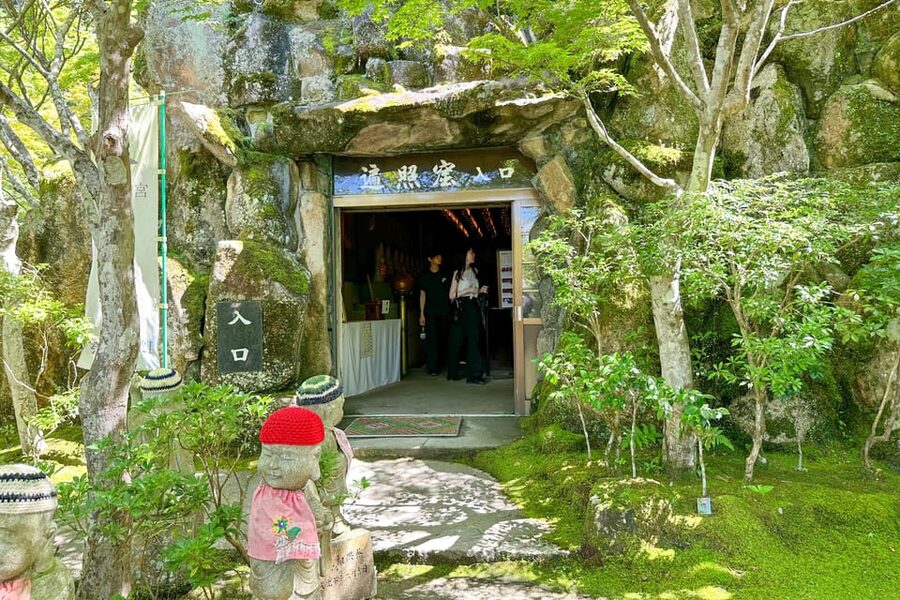
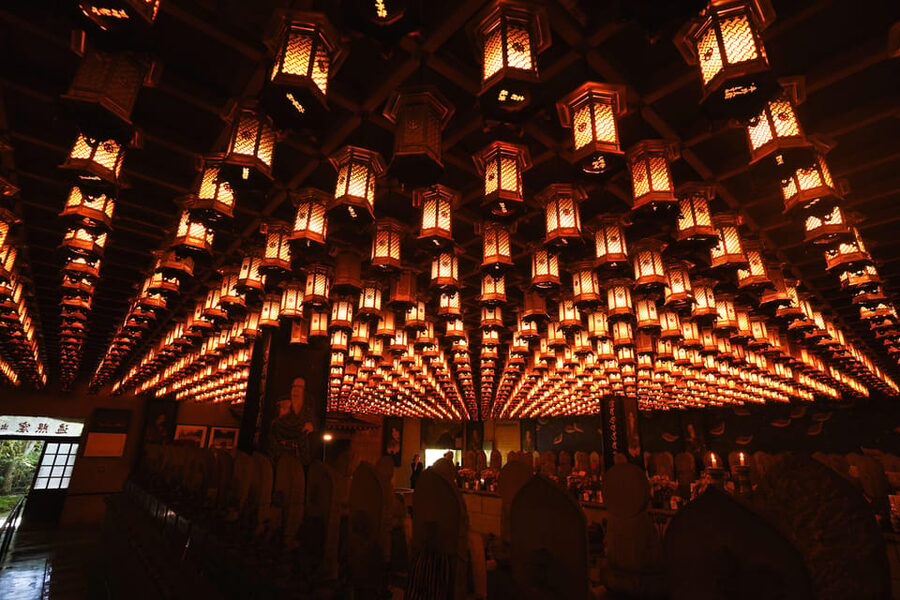
Daisho-in is the most substantial temple stop, with about an hour set aside for it. The complex has around 1,200 years of history and sits along a picturesque mountain path, giving the visit a quieter feel than the shrine area.
You will see several temples and statues, with your guide explaining how religious practice on Miyajima changed over time. This is where the tour brings together Shinto and Buddhist traditions, rather than presenting them as unrelated parts of Japanese culture.
The setting is part of the appeal. You walk through forested areas and along a mountain route, with views that feel removed from the main shopping street. The path also creates the tour’s main physical challenge. Wear shoes with a firm grip, especially if rain has made the ground muddy.
The hour is long enough to ask questions and look carefully. Guides such as Hika, Hikaru, and Shun have been praised for connecting temple stories with Japanese daily life, which can make Daisho-in feel less remote or difficult to understand.
Momijidani, Senjokaku, and the quieter stops
Momijidani receives a short visit, but its scenery gives you a welcome change from buildings and crowds. The name points to the maple trees associated with the area, making it especially appealing during autumn, though the tour runs in every season.
Senjokaku Pavilion offers another view of Miyajima’s religious and architectural past. The schedule allows about 20 minutes, so expect a focused visit rather than a long stay.
The route also includes a less obvious stop lasting roughly an hour. This gives the guide room to show you parts of the island that are easy to miss when you only follow the main tourist street. Exact details can vary, but the purpose is clear: to add local texture beyond the torii gate and shrine.
Several people appreciated being taken to places they would not have found on their own. This is especially useful if you have only one day on Miyajima and do not want to spend your time guessing which side streets or paths are worth following.
Tea, coffee, and the return to town
Near the end, you stop for tea or coffee and a chance to rest among the island’s trees. This pause matters after several hours of walking, food, temple visits, and museum time.
The tour finishes on a souvenir shop street before returning to the starting area at Miyajimaguchi. The final position gives you time to browse, pick up a small gift, or continue exploring if your schedule allows.
Tour photos are included. Guides have sometimes taken a large number of pictures, which is useful if you are traveling alone or want group photos without handing your phone to strangers. Do not expect a professional photo session, but the inclusion adds practical value.
How much value do you get for $106?
At $106 per person, this is not the cheapest way to visit Miyajima. You could pay for transport and enter the main sights independently for less. The price makes more sense if you value explanations, included lunch, a small group, and a planned route through several parts of the island.
You are paying for more than the O-Torii photo. The package includes a guide, entrance fees to the shrines, temples, and museums visited, lunch, and tour photos. You still pay for the ferry and any extra food or drinks.
The strongest value comes when you want help with context. If you already know Miyajima well, speak Japanese, or prefer to set your own pace, the tour may feel restrictive. If this is your first visit, the guide can save time and help you understand what you are seeing.
A small group also matters. With a maximum of seven people, the guide can adjust breaks and answer personal questions more easily than on a large coach tour. Some outings may have even fewer people, depending on bookings, and can feel almost private.
Who should book this walking tour?
I would choose this tour if you are visiting Miyajima for the first time and want the major sights tied together with local food and cultural background. It suits couples, solo visitors, families with older children, and small groups who prefer company without a large crowd.
It is also a good fit if you want to learn about Japanese religion and everyday customs, not just collect photographs. Guides such as Yuji, Kiki, Eri, Kaz, Shun, Hika, and Hikaru have been able to explain the island in clear English and keep the mood relaxed.
Think carefully if you have back or heart problems, high or low blood pressure, a low fitness level, or a tendency toward seasickness. The tour includes a ferry and plenty of walking. It is not suitable for babies under one year, and parts of the route are not wheelchair or stroller accessible.
Summer deserves extra planning. Japan can be very hot and humid, so bring water, wear a hat, and take the rest stops seriously. Comfortable shoes are essential in every season.
Should you book the Miyajima walking tour?
Book it if you want a well-organized first visit with Itsukushima Shrine, Daisho-in, local food, and cultural explanation in one day. The small group and included lunch give it a personal feel, while the museum and quieter paths keep it from being only a famous-gate photo stop.
Skip it if you need complete control over your diet, dislike walking, or prefer to explore without a schedule. Also leave extra time after the tour in case lunch service runs late.
For most first-time visitors who want to understand why Miyajima matters, the $106 cost is reasonable. You see the icons, taste the island, and come away with a clearer sense of how sacred places and ordinary life share the same small patch of land.
FAQ
How long does the Miyajima tour last?
The tour lasts 330 minutes, or five and a half hours. Food service delays may occasionally make the day longer than scheduled.
Where does the tour meet?
Meet in front of the coin-operated locker area outside JR Miyajimaguchi Station. From JR Hiroshima Station, the Sanyo Line takes about 30 minutes.
Is the ferry ticket included?
No. You need to pay the ferry fare separately and bring cash. The supplied information lists JP¥360 in one section and JP¥500 in another, so confirm the current price before departure.
Is lunch included?
Yes. Local lunch is included, with ingredients from Hiroshima Prefecture. Extra food and drinks are not included.
Are vegetarian or vegan meals available?
Vegetarian and vegan options are available but limited. Allergy-free meals and all dietary substitutions cannot be guaranteed because food is prepared in kitchens outside the tour company.
Is the tour suitable for wheelchair users or people with strollers?
No. Parts of the route are not accessible by wheelchair or stroller. The tour also involves considerable walking and is not recommended for people with back or heart problems, high or low blood pressure, a low fitness level, or seasickness.
More half-day walks around Japan
- Nara: Half-Day UNESCO Heritage & Local Culture Walking Tour
★ 4.8 · 250 reviews - Discover Berlin Half-Day Walking Tour
★ 5.0 · 9,624 reviews - Rio De Janeiro: Half-Day Rocinha Favela Walking Tour
★ 4.7 · 2,272 reviews - Istanbul: Fener Balat Half-day Guided Walking Tour
★ 4.9 · 1,711 reviews
New walking tours around Japan
- Nara: Half-Day UNESCO Heritage & Local Culture Walking Tour★ 4.8 · 250 reviews
- Nagasaki: Private Walking Tour with a Local★ 4.7 · 79 reviews
- Kyoto: Private Walking Tour with a Local★ 4.6 · 118 reviews
- Kyoto: Private 2.5 Hour Historical Walking Tour★ 4.9 · 121 reviews
- Kyoto: Imperial Palace & Nijo Castle Guided Walking Tour★ 4.7 · 453 reviews
- Kyoto: Izakaya Bars Guided Walking Tour★ 4.9 · 815 reviews
- Kyoto: Gion Sunset Walking Tour with Local Guide★ 4.7 · 351 reviews
- Kyoto: Gion Walking Tour★ 5.0 · 195 reviews
Japan Walking Tours, side by side.
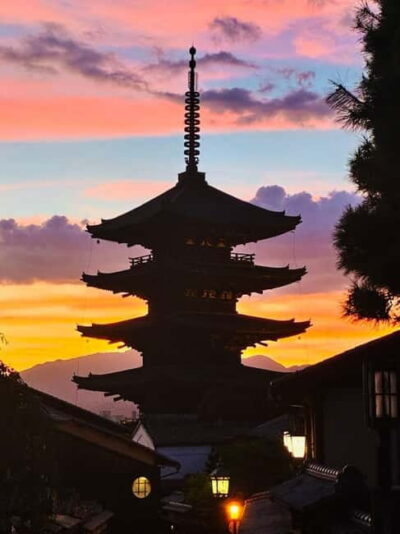
Kyoto Geisha Walking Tour: Gion District & Hidden Gems
Read our review →
Tokyo Tsukiji Fish Market Food and Culture Walking Tour
Read our review →
Kyoto: Gion Magical Night Walking Tour with Geisha Trivia
Read our review →
Tokyo: Imperial Palace and Shogun Historical Walking Tour
Read our review →
Kyoto: Gion Geisha District Walking Tour – Stories of Geisha
Read our review →
Best of Kyoto: Gion, Geisha, Pagodas & Cobblestones
Read our review →
Tokyo: Shinjuku Local Bar and Izakaya Guided Walking Tour
Read our review →Lists this walk sits on