
Review · KYOTO
Kyoto: Private Customized Walking Tour with a Local Insider
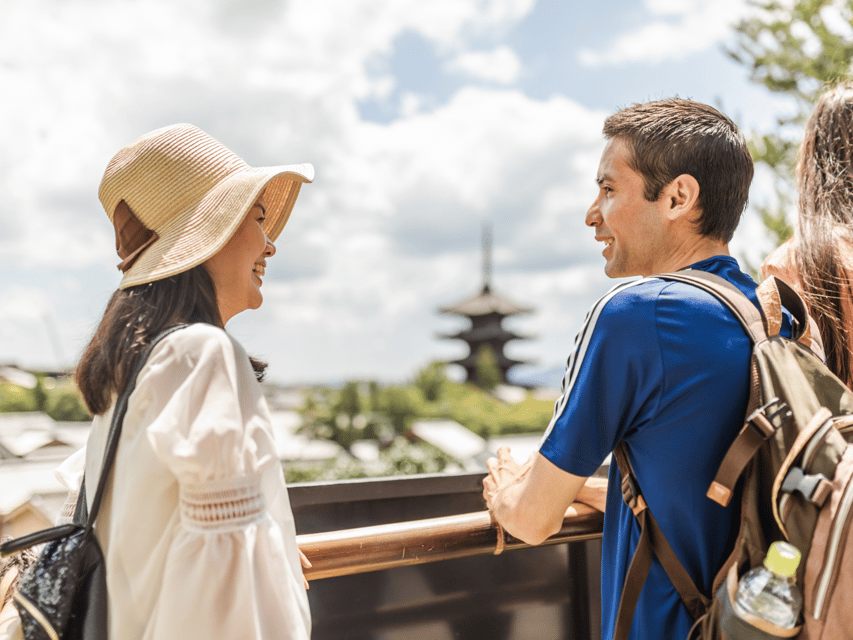
Kyoto’s best moments may come between the famous sights: a quiet garden, a small tea room, a useful lunch stop, or a back street your guide knows well. This private tour lets you set the pace and ask the questions that matter to you. I especially like the pre-tour questionnaire and direct contact with your host, since they give you a say before you arrive. I also like the chance to combine major sights with local food and less crowded corners.
The main catch is that this is a walking tour, not a private car tour. You may need to pay for trains, buses, or taxis between areas, and the $64 price does not include food, drinks, or admission tickets. Your experience will also depend on how clearly you explain your interests and on the particular host assigned to you.
Key points at a glance
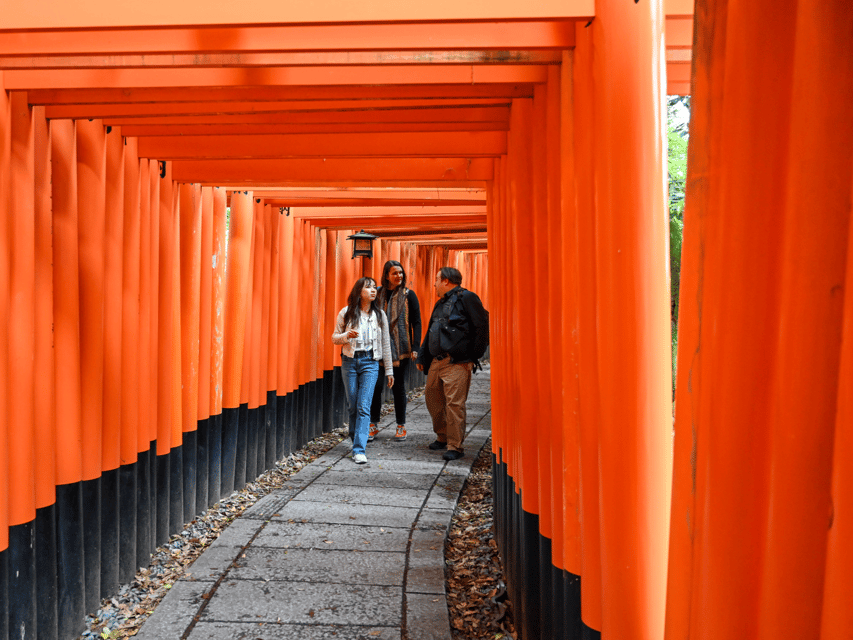
- Your interests set the route: Choose temples, food, Gion, gardens, shopping, local customs, or a mix.
- Hosts can help beyond sightseeing: Guides such as Hiro and Emi have helped with train travel, shopping, cultural etiquette, and trip planning.
- Food can be part of the day: Nishiki Food Market, traditional tea rooms, lunch recommendations, and small local counters have all featured in customized outings.
- You can escape the busiest paths: Guides including Milos, Sasha, Ai, and Harun have taken visitors to quieter temples, gardens, and local streets.
- The format is genuinely private: You walk with your own group and can pause, change direction, or ask for a slower pace.
- It works well early in a Kyoto stay: Several guides have helped first-time visitors understand trains, restaurants, customs, and how to continue exploring alone.
Why a private Kyoto walk can be worth your first morning
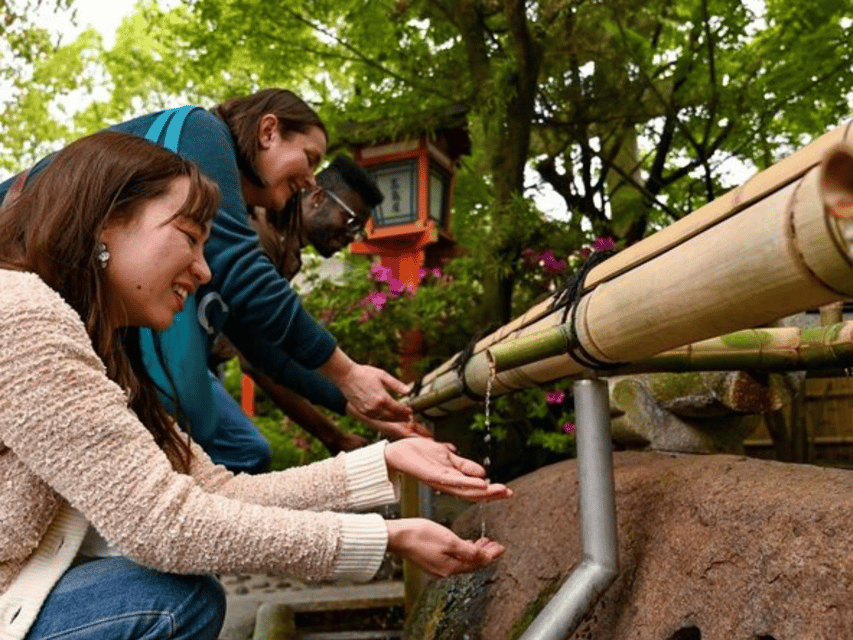
Kyoto is not difficult to visit, but it can be difficult to read. A shrine may look like a simple photo stop until someone explains how to behave there. A restaurant menu may seem mysterious until a local points out what to order. A train transfer that looks easy on a map can be less clear when several stations and lines meet.
That is where this experience earns its keep. You are not buying a fixed checklist. You are paying for a local person who can turn your broad plans into a workable half-day. Tell your host you want temples and gardens, and the route can lean that way. Tell them you care more about food, neighborhoods, and daily life, and the day can move in another direction.
I like this format for a first or second day in Kyoto. Guides such as Emi have helped visitors get basic travel questions sorted, while Hiro has helped families understand trains, find restaurants, and buy useful items. That practical help can save time for the rest of your trip.
The $64 per-person price is reasonable if you are traveling as a small private group and want personal attention. A standard group tour may cost less per person, but it will not usually adjust its route when your child gets tired, your mobility needs change, or you suddenly decide that food matters more than another temple.
More Private Walking Tours in Japan
- Kyoto: Private 2.5 Hour Historical Walking Tour
★ 4.9 · 121 reviews - Kyoto: Private Walking Tour with a Local
★ 4.6 · 118 reviews - Osaka: Hotspots & Hidden Gems Walking Tour Private or Group
★ 4.9 · 1,300 reviews
How the planning works before you meet
Before the walk, you complete a short questionnaire about your personality and interests. This is more useful than it may sound. Kyoto offers so many possible directions that a few clear answers can prevent a bland route that tries to cover everything.
You should be specific. Mention favorite foods, walking limits, religious sites you want to understand, shopping needs, dietary requirements, interest in geisha culture, or places you have already visited. If you want quiet gardens instead of famous photo stops, say so. If this is your first day in Japan and you need help using trains, put that in the questionnaire.
Your host then contacts you directly to suggest an itinerary. This gives you a chance to correct the plan before meeting. It also helps set realistic expectations. Two to three hours is enough for a focused neighborhood walk. Six hours gives you more room for several areas, a meal, and some unscheduled stops, though transport and admissions may add cost.
The host assignment is intended to match your interests and personality. The examples include English-speaking guides such as Pam, Mia, Nisa, Hiro, Milos, Eiko, Ai, and Shingo, along with Japanese-speaking hosts. You cannot assume a particular guide will be available, so treat the names as examples of the kind of personal approach you may receive, not as a guaranteed roster.
Choosing between temples, Gion, gardens, and food
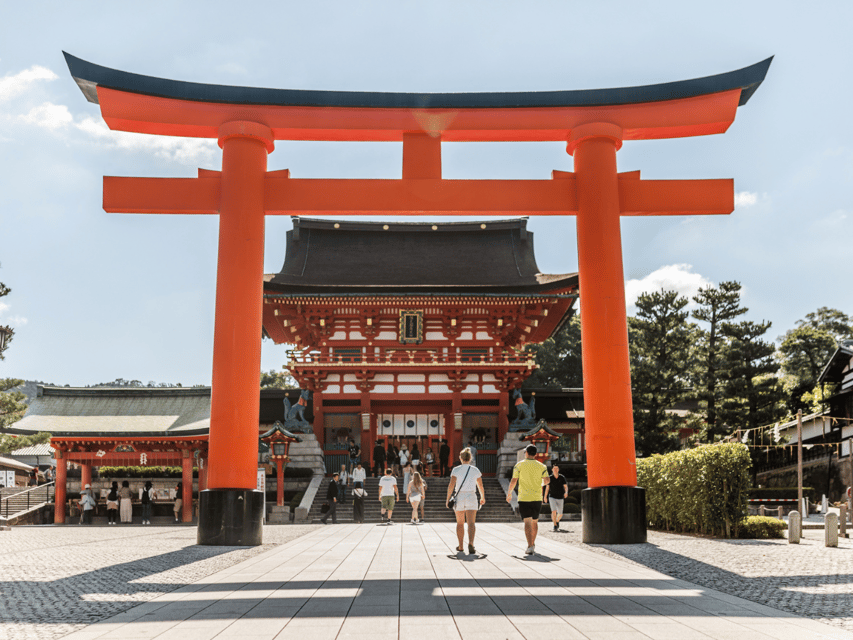
A private route is only as good as its focus. Kyoto is spread out, and trying to combine Fushimi Inari, Arashiyama, Gion, Nishiki, and the northern temples in one short walk would be poor planning. Your host can help you choose an area that suits the time you have.
Temples and religious traditions
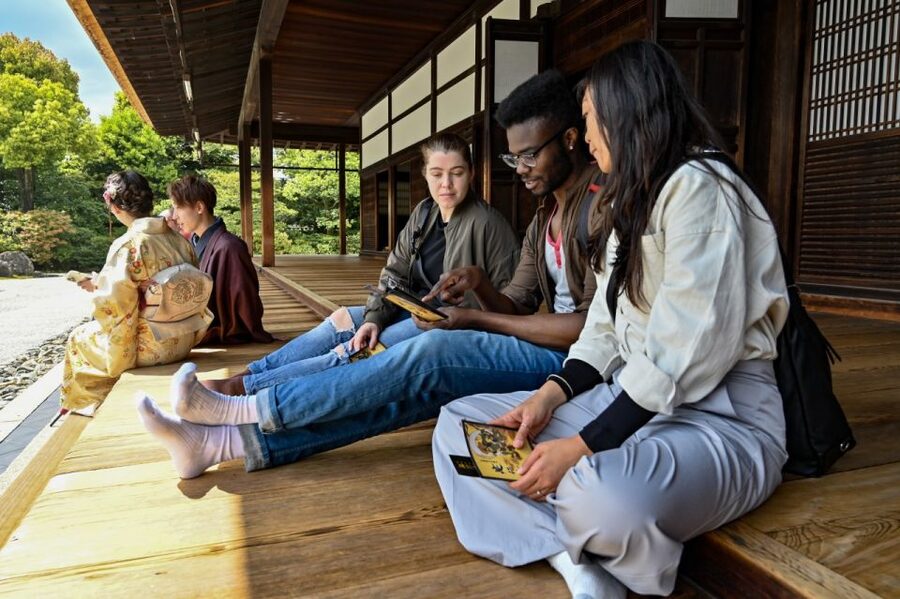
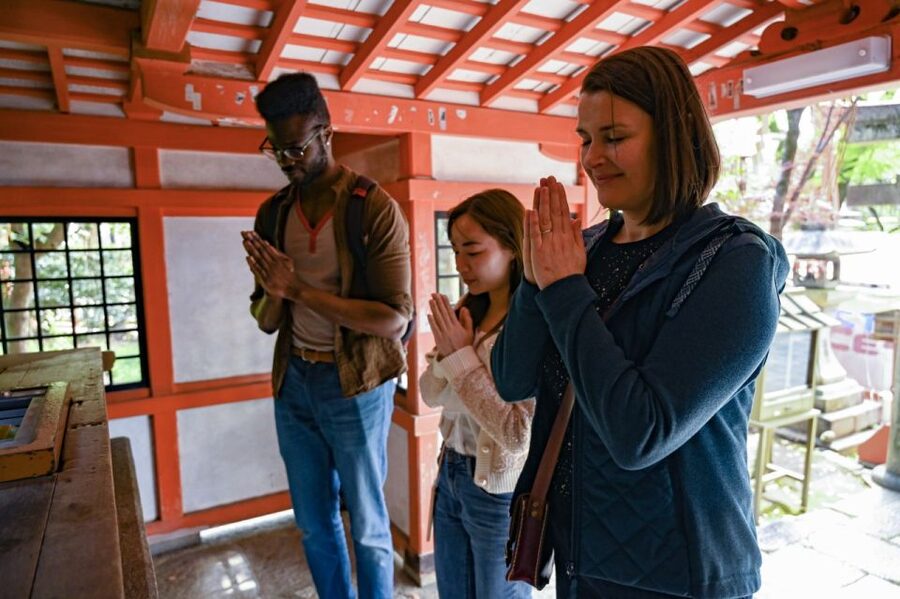
If you want history and religion, your host might build a route around shrines and temples. Past outings have included Nanzenji, Philosopher’s Path, several shrines, and temple gardens. Guides have explained Buddhism, local religious customs, Japanese gardens, and the meaning behind what you are seeing.
This is where a local guide adds value beyond an audio guide. You can ask why a ritual is performed, how a shrine differs from a temple, or what details to notice in a garden. Guides such as Sasha have also paired temple visits with a traditional tea room and explanations of Japanese garden design.
The limitation is that admission fees are extra. You may also spend much of the tour standing or walking on uneven paths, so tell your host about mobility concerns in advance. One guide, Takaya, adjusted plans for visitors with mobility issues, but the route still needs to be discussed honestly before the day begins.
More Private Walking Tours in Kyoto:
- Beijing: Forbidden City Tour(Group/Private)-Tickets Included
★ 4.8 · 7,974 reviews - Private Walking Grand Tour of Copenhagen
★ 5.0 · 3,953 reviews - Private 3 hrs Venice Tour: St Mark’s, Walking tour & Boat tour
★ 4.0 · 3,372 reviews - Private Street Food Evening Walking Tour in Ho Chi Minh City
★ 5.0 · 3,175 reviews
Gion and geisha culture
Gion suits visitors who want traditional streets, old townhouses, and a better understanding of geisha culture. Nisa has helped visitors learn about geisha traditions and other parts of Japanese life, while Harun combined requested sights with additional points that gave visitors more context about the area.
Your guide can help you approach this district with respect. Gion is a working neighborhood, not a stage set. A guide can explain local etiquette and point out what is appropriate to photograph. Do not expect a private geisha performance from this tour. The experience is a walking visit with cultural explanation, not a guaranteed show.
Nishiki and Kyoto food
Food is one of the strongest reasons to choose this experience. A morning with Mia included Nishiki Food Market, while other hosts have suggested excellent lunch spots, local dishes, matcha, and small dining places.
The food is not included, so budget separately. That is actually useful for many visitors because you choose what you want to eat rather than paying for a fixed meal. Tell your host about allergies or dietary needs. One guide arranged lunch that suited a visitor’s requirements, showing how much easier this can be when you raise the issue early.
Do not assume that every market stop means a full food tour. The main product is a private walking experience, and food may be one part of the route. If eating is your top priority, say so in the questionnaire and in your pre-tour messages.
Quiet gardens and less crowded places
I like the possibility of getting away from Kyoto’s busiest paths without giving up cultural substance. Visitors have been taken to quieter gardens, less crowded temples, and places that are not obvious from a standard first-time route. Ai adjusted a plan to include quieter local spots, while Milos took one visitor to a small counter in someone’s home.
That last type of experience cannot be guaranteed, and it should not be treated as a promise. Still, it shows what flexibility can produce when the host understands that you want daily life rather than a parade of famous landmarks.
The tradeoff is simple: the more time you spend on quiet corners, the fewer headline sights you may see. This tour is best for someone who wants a personal sense of Kyoto, not someone determined to collect every major attraction in one afternoon.
What the walking day may look like
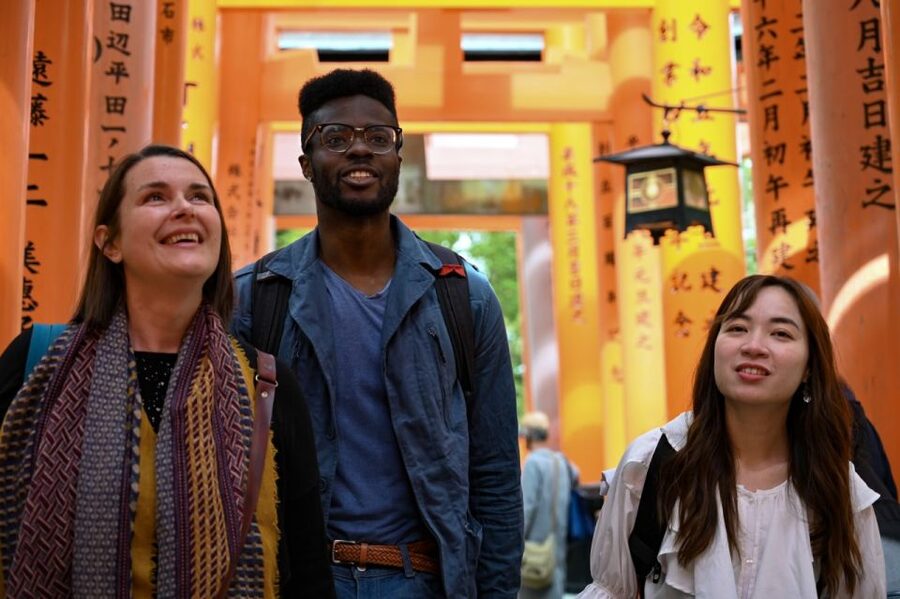
The day begins with hotel pickup from a central Kyoto hotel, if arranged, or a meeting at Starbucks Coffee near Kyoto Sanjo-ohashi Bridge. From there, your host will usually start by confirming the plan, walking ability, and priorities.
A two-hour tour works best as a concentrated introduction. You might focus on Gion, Nishiki, a shrine area, or practical orientation around central Kyoto. This length is useful if you have a packed schedule or want help before exploring independently.
A three or four-hour tour gives the host time to connect several nearby interests. That could mean temples and gardens, a market and lunch, or major sights with a few quieter stops. One visitor found four hours enough to cover a planned list during cherry blossom season, including Philosopher’s Path and Gion, with an impromptu snack along the way.
A six-hour tour is closer to a full day. It gives you room to slow down, stop for food, browse shops, and ask more questions. It may also require public transport or a taxi between districts. Those costs are not included, so ask your host about the likely transfers before setting a long route.
This is not a tour where every minute is locked in. That can be a strength. If you find a shop worth browsing or need a break, you can adjust. If a site feels too crowded, your host may suggest another stop. The risk is that an open schedule can feel less polished than a fixed sightseeing program, especially if you arrive without clear priorities.
The local help you receive beyond monuments
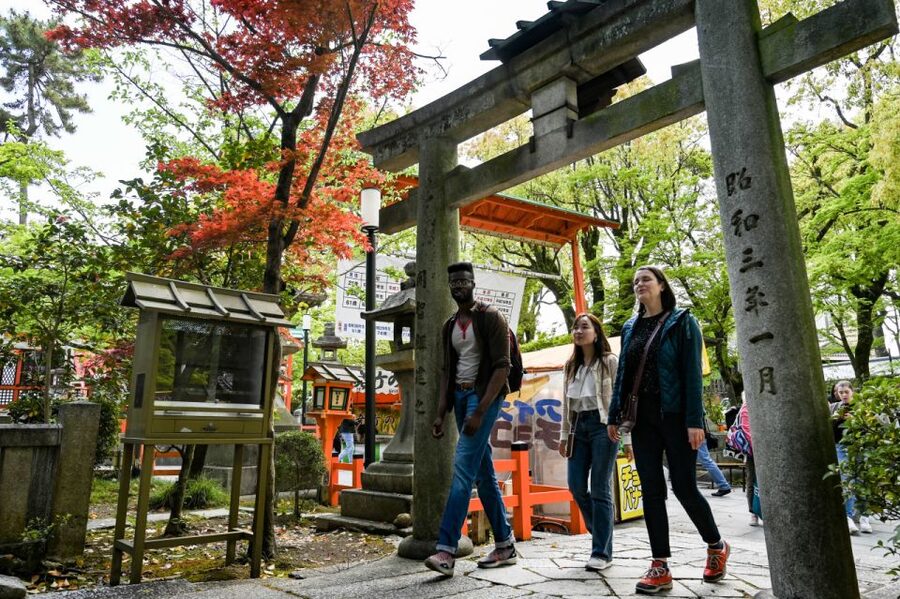
The strongest part of this format is often the conversation between stops. Guides have helped visitors understand trains, choose restaurants, shop for needed items, learn basic social customs, and plan the rest of their Kyoto stay.
For a first visit, that practical guidance is valuable. Emi helped one visitor feel more prepared with local customs and transport basics. Hiro helped a family work out train travel and offered restaurant suggestions. Other guides provided advice on temples, food, and places to visit after the tour ended.
You should use the time well. Ask how to behave at a shrine, how to order a dish, what areas suit an evening walk, or which places deserve a return visit. Keep a note on your phone for restaurant names and follow-up suggestions. The tour may be only a few hours, but the advice can shape several days.
The personal side matters, too. Several guides are described as warm, funny, cheerful, or easy to talk with. That can make the day feel more like exploring with a well-informed local friend than listening to a speech. Still, guiding styles differ. Some hosts may talk more about history, while others focus on food, practical help, or neighborhood life.
Walking, transport, accessibility, and extra costs
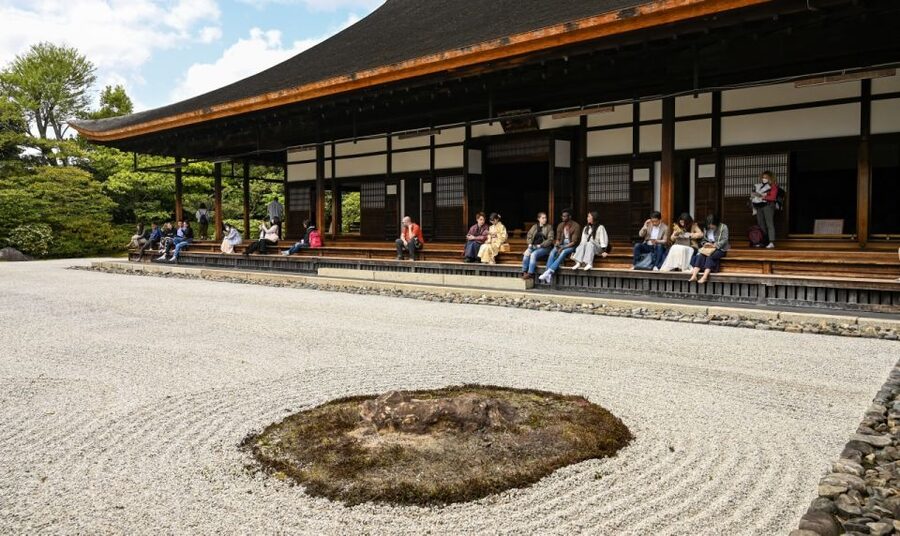
This is a walking experience, and comfortable shoes matter. Public transport or local taxis may be used to move between sites, with those fares paid separately. There is no private vehicle included.
The experience is listed as wheelchair accessible, but you should still discuss the route before the day. Kyoto’s sites can vary in surface, steps, crowds, and distances. A flexible private format is helpful because your host can adjust the pace and selection of stops, but accessibility needs should be part of the planning conversation.
Admission tickets, food, drinks, and transport are also separate. At $64 per person, the price covers the private host and customized walking service, not a bundle of paid attractions. That makes it good value if you want personal planning and local advice. It is less attractive if you only want someone to escort you through a set of free streets and you already know Kyoto well.
Hotel pickup can be arranged for central Kyoto hotels. Otherwise, the meeting point is Starbucks Coffee at Kyoto Sanjo-ohashi Bridge, a central location near the Sanjo area. Confirm the exact meeting details with your host before setting out.
Who will get the most from this experience
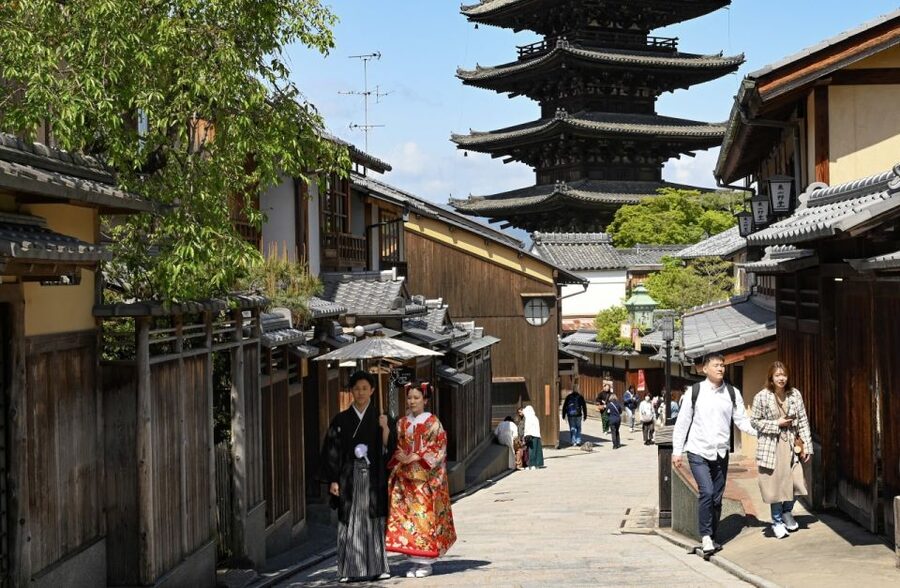
I would choose this tour for a first-time visitor who wants help getting oriented without joining a large group. It also suits couples, families, and friends with different interests, since the route can balance temples, food, shopping, and breaks.
Families may benefit from the private format. A guide such as Mia helped keep a grumpy child engaged, allowing the rest of the family to enjoy the outing. That kind of flexibility is hard to get on a fixed group itinerary.
Food-focused visitors should ask for a market or restaurant-centered plan. Culture fans should request temples, gardens, and Gion. Independent travelers who dislike standard sightseeing may get the most from asking for quiet areas and local recommendations.
I would be more cautious if you want a formal specialist lecture, guaranteed entry to a particular attraction, or a private car. This tour gives you a local companion and a flexible route. It does not promise a specific guide, fixed landmarks, or included tickets.
Should you book the Kyoto private walking tour?
Book it if you value personal attention, want to ask plenty of questions, or need help turning a long Kyoto wish list into a sensible route. The best use is early in your stay, when advice about trains, food, customs, and neighborhoods can improve the rest of your visit.
Choose a two or three-hour plan for orientation or one focused district. Choose four to six hours if you want food, several sights, and time for pauses. Be clear about walking limits, dietary needs, and the kind of Kyoto you want to see.
Skip it if you prefer a tightly scripted tour with all entry fees and transport included. For everyone else, the private format, flexible pacing, and local guidance make $64 per person a fair price, especially when shared by a small group.
FAQ
How long does the private Kyoto walking tour last?
You can choose a duration from 2 to 6 hours when booking. Starting times depend on availability.
What languages are available?
The tour is available with a live guide in English or Japanese.
Is the tour private?
Yes. It is offered as a private group experience, so the route and pace are designed for your own party.
Can the tour be customized?
Yes. You complete a pre-tour questionnaire about your interests and personality, then communicate directly with your host about the plan.
Can I request food, temples, Gion, or gardens?
Yes. The experience can be shaped around interests such as shrines, temples, Kyoto food, Gion, gardens, shopping, and less crowded places. Tell your host what matters most.
Is hotel pickup available?
Hotel pickup can be arranged from any central Kyoto hotel. Otherwise, the meeting point is Starbucks Coffee at Kyoto Sanjo-ohashi Bridge.
Are food and attraction tickets included?
No. Food, drinks, attraction tickets, and transportation costs are not included in the $64 price.
Will I travel by private vehicle?
No. This is a walking tour. Public transportation or local taxis may be used between sites at an additional cost.
Can I cancel for a full refund?
Yes. You can cancel up to 24 hours in advance for a full refund. You can also reserve now and pay later.
New walking tours around Kyoto
- Kyoto: Private Walking Tour with a Local★ 4.6 · 118 reviews
- Kyoto: Private 2.5 Hour Historical Walking Tour★ 4.9 · 121 reviews
- Kyoto: Imperial Palace & Nijo Castle Guided Walking Tour★ 4.7 · 453 reviews
- Kyoto: Izakaya Bars Guided Walking Tour★ 4.9 · 815 reviews
- Kyoto: Gion Sunset Walking Tour with Local Guide★ 4.7 · 351 reviews
- Kyoto: Gion Walking Tour★ 5.0 · 195 reviews
- Kyoto: Geisha Dinner & Gion Cultural Walk★ 5.0 · 73 reviews
- Kyoto: Gion Hidden Gems & Geisha Culture Tour★ 4.9 · 126 reviews
Kyoto Walking Tours, side by side.
Kyoto Geisha Walking Tour: Gion District & Hidden Gems
Read our review →
Kyoto: Gion Magical Night Walking Tour with Geisha Trivia
Read our review →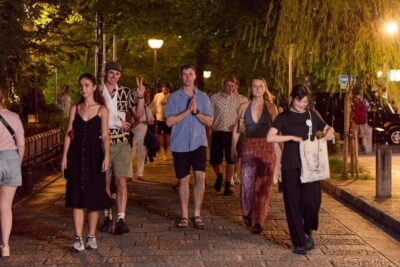
Kyoto: Gion Geisha District Walking Tour – Stories of Geisha
Read our review →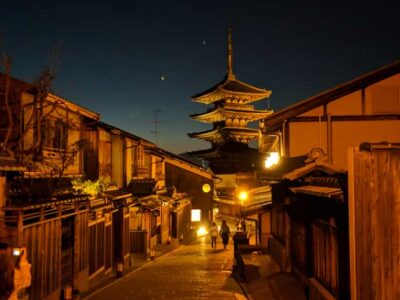
Best of Kyoto: Gion, Geisha, Pagodas & Cobblestones
Read our review →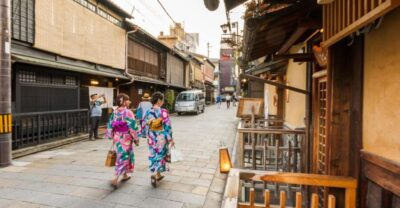
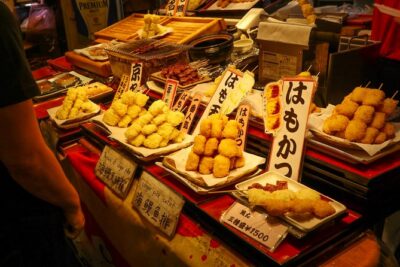
Nishiki Market Brunch Walking Tour (7 Tastings + Brunch)
Read our review →
Kyoto Gion: 2-Hour Geisha Culture & History Walking Tour
Read our review →
Lists this walk sits on