
Review · BANGKOK
Bangkok: Discover a Taste of Chinatown – 2 Hr Walking Tour
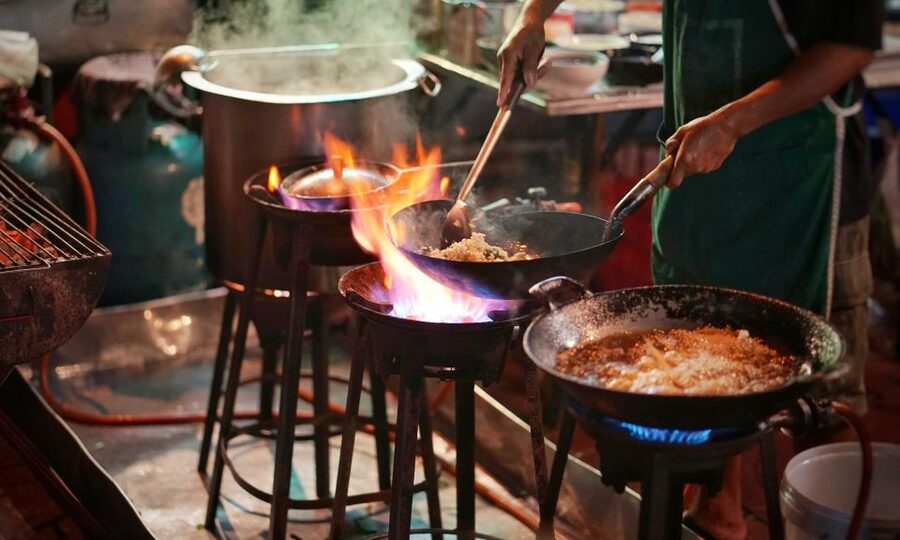
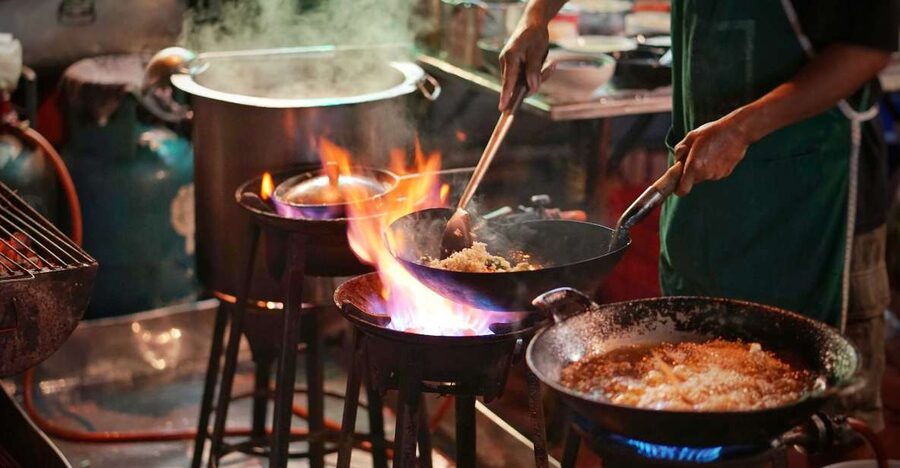
Bangkok’s Chinatown is best understood one bite and one side street at a time. This two-hour walk through Yaowarat lets you choose what appeals to you, from peppery rice noodle soup at Guay Jub Ouan Pochana to crisp dough sticks at Pa Tong Go Savoey. Guides such as Fern, Paew, and Tom also add temple visits, local customs, and practical restaurant tips.
I like the flexible food stops, since you are not locked into a set menu. I also like the small groups, limited to nine people, which make it easier to ask questions or adjust the route for a nut allergy or other food needs. The main catch is price: at $64 per person, food is not included, so your final cost depends on how much you order.
Key points at a glance
- Start at Wat Mangkon MRT: Meet outside Exit 3, a handy rail connection for reaching Yaowarat.
- Choose your own tastings: The guide can steer you toward savory dishes, sweets, dim sum, or less familiar local snacks.
- Try named Chinatown favorites: Possible stops include Guay Jub Ouan Pochana, Pa Tong Go Savoey, HKN Hong Kong Noodle, and HAGOW Yaowarat.
- Expect more than food: Guides may explain Buddhist customs, lead you through temples, and point out quieter corners of Chinatown.
- Keep extra cash ready: The $64 tour fee covers the guide, walk, insurance, and carbon offset credits, but not food or personal purchases.
- Plan for walking: Comfortable shoes, sun protection, and an umbrella are sensible. The route is not wheelchair accessible.
Starting at Wat Mangkon MRT
The tour begins outside Exit 3 of Wat Mangkon MRT station. This is a useful meeting point because you can reach it by Bangkok’s metro rather than arranging a taxi through crowded streets. Look for the guide holding a TripGuru sign, and arrive 10 minutes before the confirmed meeting time.
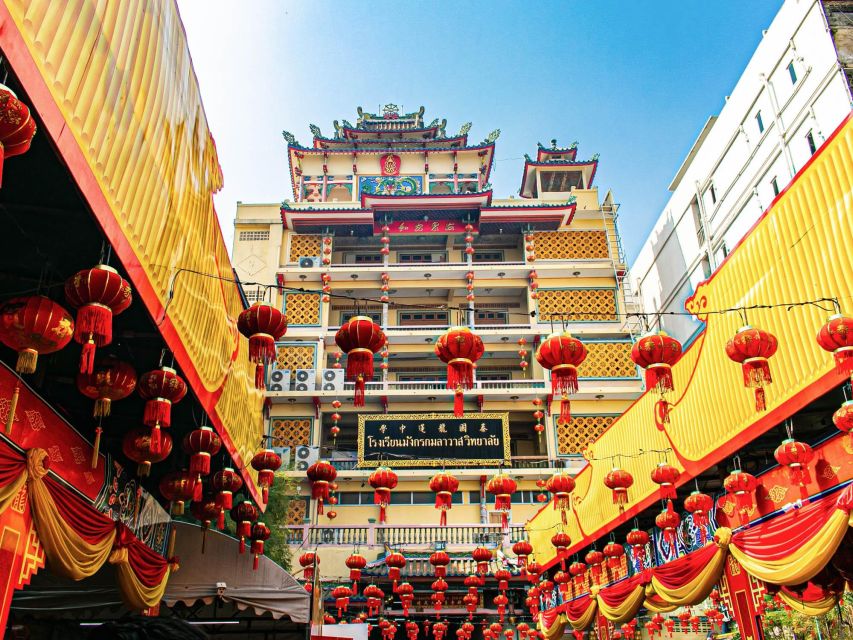
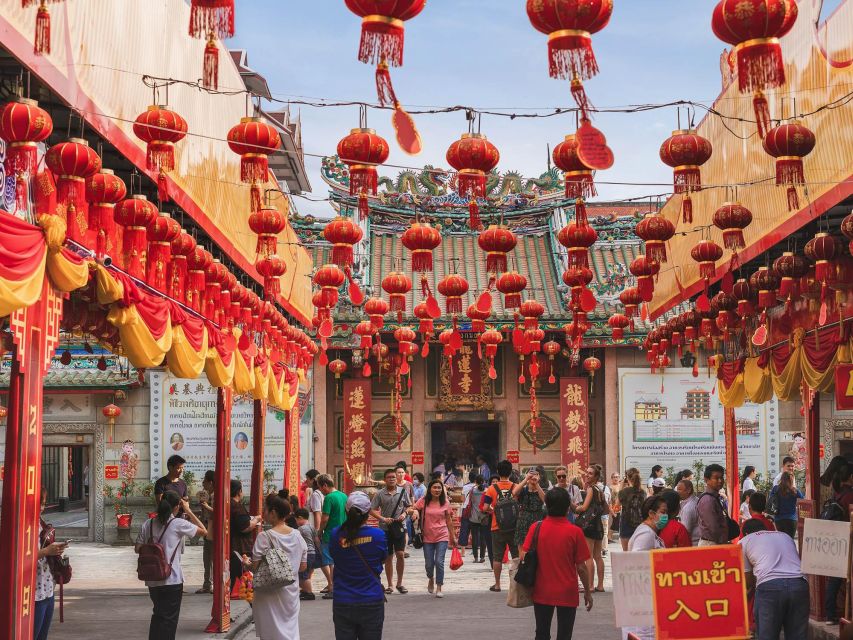
The walk then heads into Yaowarat, Bangkok’s Chinatown. You will quickly move from the station area into streets lined with food stalls, restaurants, shrines, shops, and passing traffic. The setting is lively, and the guide’s job is not just to lead you from one restaurant to the next. A good guide helps you understand what you are seeing and why certain foods matter to local daily life.
The route can change. Weather, restaurant hours, stall availability, and other conditions may affect the stops. That flexibility is useful in a food district where popular vendors may sell out or change their service. It also means you should think of the tour as a guided introduction to Yaowarat, not a guaranteed checklist of every named stall.
More walking tours around Thailand:
- Bangkok: City Highlights Temple and Market Walking Tour
★ 4.5 · 3,990 reviews - Bangkok: Grand Palace and Wat Phra Kaew Guided Walking Tour
★ 4.4 · 2,417 reviews - Bangkok: Wat Pho and Wat Arun Guided Walking Tour
★ 4.6 · 1,720 reviews
How the flexible food route works
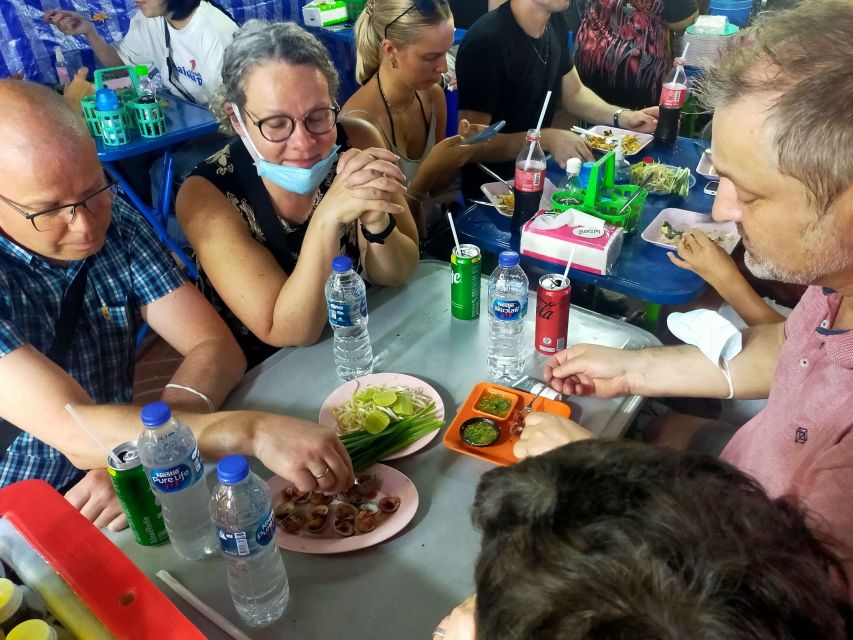
There is no fixed tasting menu. Instead, your guide asks what you like and helps you decide what to try. You might focus on savory street food, seek out sweets, sample dim sum, or split several small portions with the group.
That arrangement works well if you are curious but unsure what to order. Chinatown menus can be hard to read, and a dish that looks simple may contain unfamiliar ingredients or a strong seasoning. A local guide can explain the choices and point you toward foods that suit your taste.
The named stops give you a useful sense of the food range. Guay Jub Ouan Pochana is known for its MICHELIN Bib Gourmand rice noodle soup. Pa Tong Go Savoey is associated with crispy dough sticks, a simple snack that is especially appealing when served hot. HKN Hong Kong Noodle offers another style of noodle dish, while HAGOW Yaowarat is mentioned for authentic dim sum.
Food is paid for separately. That is the most important budget detail. The $64 price covers the English and Thai-speaking guide, the walking tour, insurance, and carbon emissions offset credits, but every bowl, snack, dessert, or takeaway purchase comes from your own wallet. Bring cash, especially if you plan to sample several items or buy food to take away.
You do not need to order everything. If you are already full, the guide can spend more time on the streets, temples, and local customs. If you are enthusiastic about eating, you can use the two hours to try several smaller dishes rather than committing to one large meal.
Guay Jub, dough sticks, noodles, and dim sum
Guay Jub Ouan Pochana is a strong example of why a guide helps. Rice noodle soup can be difficult to identify if you have never seen it before, and the stall’s Bib Gourmand status gives you a clear reason to consider it. Your guide can explain what makes the dish distinctive and help you decide if it suits your appetite.
Pa Tong Go Savoey brings a different texture to the walk. Crispy dough sticks are less complicated than a full bowl of soup, but they are easy to share and compare with other snacks. This kind of stop helps keep the tour relaxed. You can taste something small, keep walking, and save room for the next choice.
HKN Hong Kong Noodle and HAGOW Yaowarat broaden the picture. Chinatown food is not limited to one dish or one national tradition, and the tour can show how Chinese-influenced cooking sits within Bangkok’s wider food culture. You may also find that the best choice is not the most famous one. The guide’s local suggestions can lead you to food you would likely pass by on your own.
The food is not included, so ask about prices before ordering if you are watching your spending. It is also sensible to mention allergies at the start. One private-style outing was adjusted for a guest with a nut allergy, showing that the guide may be able to shape the food choices around a specific need. That does not replace confirming ingredients yourself, but it is still useful support.
Temples and the cultural side of Chinatown
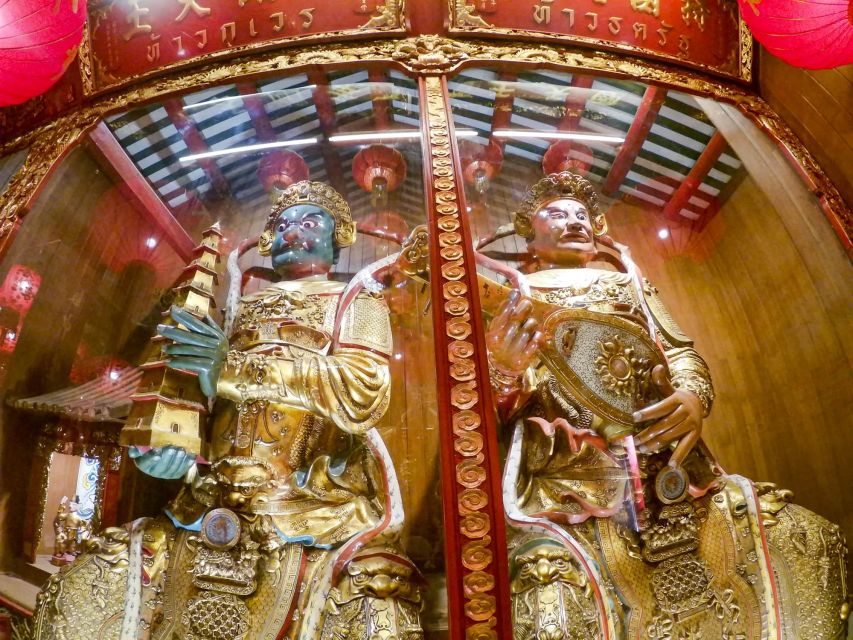
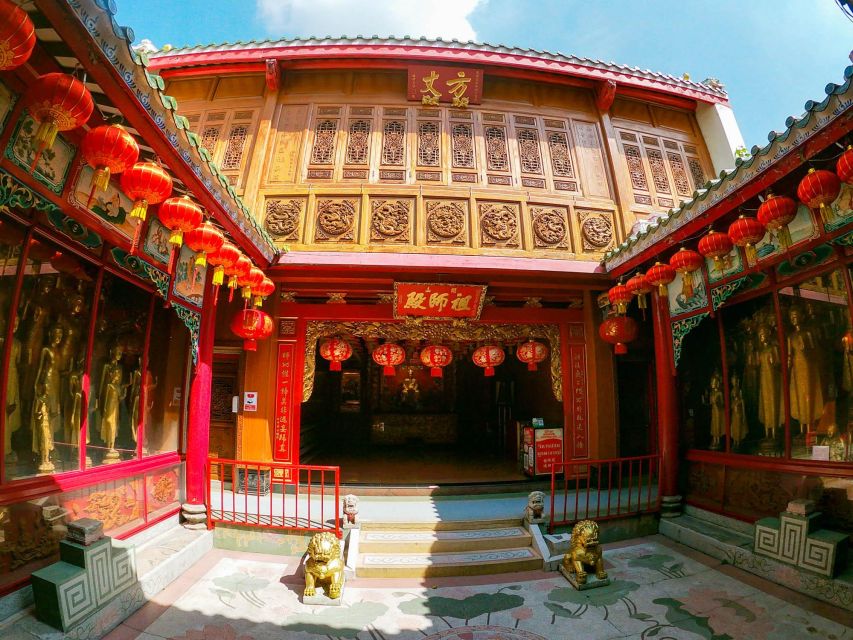
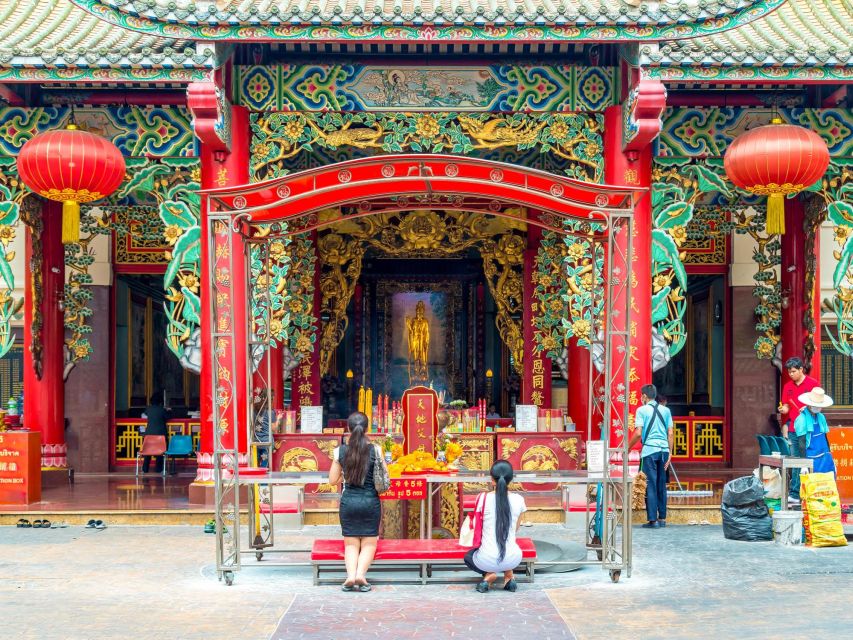
Food is the main reason to book this walk, but the cultural material may be its most lasting part. Several guides have taken small groups into Buddhist temples, explained how people pray, and discussed customs connected with Buddhism and Thai life.
One particularly memorable addition described by a participant was seeing a ceremony and learning about monk accommodation. That sort of access depends on timing and local conditions, so you should not expect it as a guaranteed part of every departure. Still, it shows how the walk can reach beyond restaurant signs and busy food lanes.
Guides also answer broader questions about Thai customs, religion, and everyday food habits. Fern was praised for keeping the group safe and adding humor, while Paew was noted for tailoring a tour around personal tastes. Tom was described as particularly clear in English and strong on both Chinatown and food stops.
The quality of the experience depends heavily on the guide. The supplied feedback includes many named guides, including Fern, Paew, Tom, Chai, Sunday, Jimmy, Bell, Jin, Wee, and Belle. The recurring strength is their ability to explain food and culture in a personal way rather than simply reciting facts.
Same streets, a different story:
- Chiang Mai: 3 Hour Old City and Temples Guided Walking Tour
★ 4.6 · 1,568 reviews - Bangkok Authentic Tasting Thai-Chinatown Walking Food Tour
★ 4.9 · 852 reviews - Chiang Mai: Historic Temples and City Guided Walking Tour
★ 4.7 · 650 reviews - Chiang Mai: Temple And City Walking Tour Part I
★ 4.7 · 244 reviews
Two hours is useful, but not generous
Two hours is enough for an introduction. You can get oriented, taste several items, hear stories about Chinatown, and leave with ideas for a longer evening on your own. It is also a good first-night activity because your guide can suggest places to return to later.
The short duration has limits. One participant wished there had been more time at each stop for photos, shopping, or simply lingering. That is a fair point. A food district like Yaowarat rewards slow wandering, while this tour has to keep moving to fit several food and cultural stops into one session.
A private-style departure, when few people book, can feel more relaxed. Guides have sometimes continued with just one guest or a couple, adjusting the route to suit their interests. With a full small group, you will have less control, but the limit of nine people is still far more manageable than a large coach outing.
Some English-language comments note occasional difficulty understanding a few words. That is not unusual on a walking tour, especially with street noise and many accents in the group. If a detail matters, ask the guide to repeat it. The guides are there to answer questions, and several were specifically praised for doing so.
Timing, comfort, and practical preparation
Wear shoes you can walk in for two hours. Chinatown’s streets can be crowded, and you may spend much of the time standing at stalls or moving between stops. A hat, sunglasses, sunscreen, and an umbrella are useful in Bangkok’s heat and sudden rain.
Bring cash for food and personal purchases. The tour does not include hotel pickup or drop-off, so plan your route to Wat Mangkon MRT yourself. Your meeting confirmation arrives by email the evening before, including the pickup time and meeting point details.
The tour is not suitable for wheelchair access. The activity information also advises against booking if you are pregnant or have mobility, heart, or respiratory problems. Those restrictions matter here because the route involves street walking, standing, and changing conditions.
The operator describes the outing as GSTC-certified and includes carbon emissions offset credits. That does not change the food or walking experience, but it may matter to you if responsible tour practices are part of your booking decision.
Cancellation is flexible up to 24 hours before the activity for a full refund. You can also reserve and pay later, which is handy if your Bangkok schedule is still shifting.
Is $64 good value?
The price is reasonable only if you value the guide as much as the food. If you simply want to eat at Chinatown stalls, you can spend far less by exploring on your own. Some people on small-group or solo departures spent modest amounts on food because the guide helped them choose carefully, but that does not make the tour fee itself inexpensive.
You are paying for orientation, translation, local judgment, cultural context, and the confidence to order dishes you might otherwise skip. A guide can also prevent a short Bangkok visit from being spent wandering without knowing what to try. For a first visit, that service has real value.
I would not book it as a full dinner replacement. Think of it as a guided tasting and introduction, then keep time and money for another meal afterward if you have a large appetite. The best value comes when you use the guide’s tips to continue exploring Yaowarat independently.
Who should book this Chinatown walk?
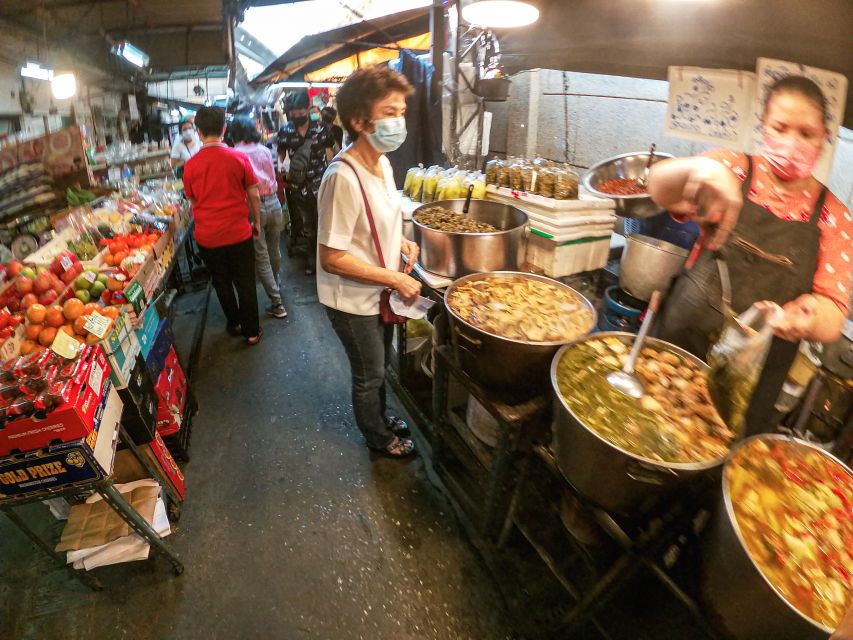
This tour suits first-time Bangkok visitors who want help with food choices and do not mind paying extra for local guidance. It is also useful for solo visitors, couples, and small groups who want a social walk without joining a large crowd.
It works especially well for curious eaters who want to try noodle soup, dough sticks, dim sum, and unfamiliar snacks in one outing. The guide can also add history, temple customs, and restaurant suggestions, so you get more than a list of dishes.
You should think twice if you need a wheelchair-accessible route, dislike walking in heat, or want a precise menu with every dish included. It is also not the right choice if you want a long, leisurely dinner. The flexible format is its strength, but it requires you to make choices and pay for what you order.
Should you book it?
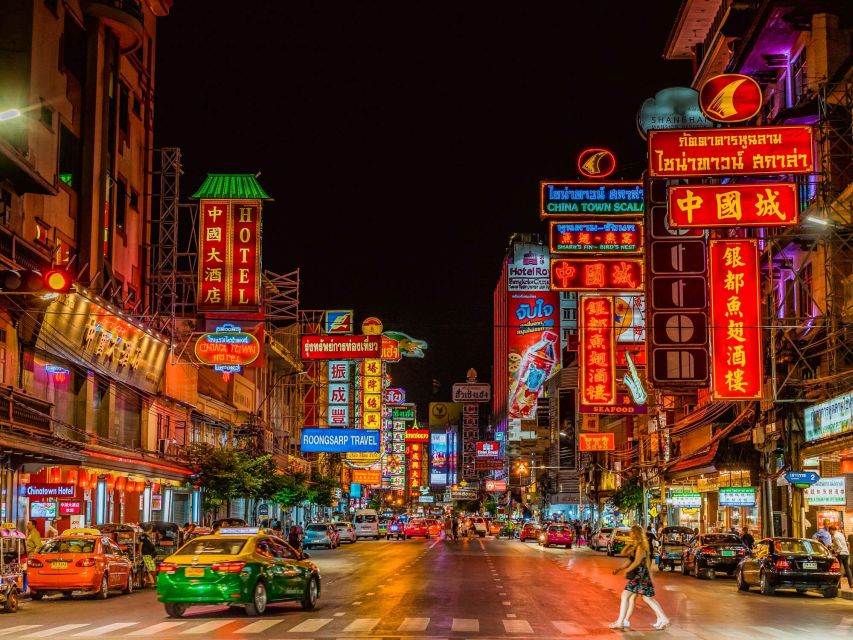
Book this tour if you want a friendly local guide to take the guesswork out of Yaowarat. The strongest part is the combination of food advice and cultural explanation, with guides such as Fern, Paew, and Tom often shaping the route around individual interests.
Skip it if your main aim is the cheapest possible Chinatown meal or if you prefer to explore without a schedule. For most first-time visitors who want a short, well-guided introduction, the $64 fee can be worthwhile, provided you budget separately for tastings and accept that the exact stops may change.
FAQ
Where does the tour meet?
Meet outside Exit 3 of Wat Mangkon MRT station. Look for a guide holding a TripGuru sign, and arrive 10 minutes before the confirmed meeting time.
How long does the tour last?
The walking tour lasts two hours.
What food places might the tour visit?
Possible food stops include Guay Jub Ouan Pochana, Pa Tong Go Savoey, HKN Hong Kong Noodle, and HAGOW Yaowarat. The route can change based on weather, availability, and restaurant or stall conditions.
Is food included in the tour price?
No. You pay separately for all food tastings, drinks, takeaway items, and personal expenses.
What does the $64 price include?
The price includes an English and Thai-speaking tour guide, the walking tour, insurance, and carbon emissions offset credits.
Is the tour suitable for wheelchair users?
No. The tour is not wheelchair accessible.
How many people are in the group?
The group is limited to nine participants. If few people book, the guide may conduct the tour with only one guest or a small private-style group.
Can I cancel the booking?
You can cancel up to 24 hours before the activity for a full refund. The tour also offers a reserve-now-and-pay-later option.
New walking tours around Thailand
- Local Life, Culture & Food Walking Tour at Chinatown★ 4.7 · 119 reviews
- Khao Lak: Full-Day Khao Sok Jungle Walk and Canoeing Tour★ 4.7 · 149 reviews
- Chiang Mai: Temple And City Walking Tour Part I★ 4.7 · 244 reviews
- Chiang Mai Untouched Elephant: Nature Walk & Waterfall Trek★ 4.7 · 77 reviews
- Chiang Mai: Historic Temples and City Guided Walking Tour★ 4.7 · 650 reviews
- Chiang Mai: Local Food and Markets Guided Walking Tour★ 4.3 · 175 reviews
- Bangkok: Grand Palace and Wat Arun Guided Walking Tour★ 4.5 · 118 reviews
- Bangkok: Grand Palace, Wat Pho, & Wat Arun Walking Tour★ 4.6 · 116 reviews
Bangkok Walking Tours, side by side.
Bangkok: City Highlights Temple and Market Walking Tour
Read our review →
Bangkok: Grand Palace and Wat Phra Kaew Guided Walking Tour
Read our review →
Bangkok: Wat Pho and Wat Arun Guided Walking Tour
Read our review →
Bangkok Authentic Tasting Thai-Chinatown Walking Food Tour
Read our review →
Bangkok: City Highlights and Landmarks Private Walking Tour
Read our review →
Local Life, Culture & Food Walking Tour at Chinatown
Read our review →
Bangkok: Grand Palace and Wat Arun Guided Walking Tour
Read our review →Lists this walk sits on