
Review · STRASBOURG
Strasbourg: Walking Tour with a Local Guide
Strasbourg’s cathedral and Petite France give you two very different views of the city: one grand and stone-built, the other made of canals, bridges, and half-timbered houses. This two-hour walk links them with the main squares in between, giving you a useful first look at the historic center.
I like the local guide’s practical touch, especially the photo advice and suggestions for places to eat after the walk. I also like the route itself: it covers the major sights without requiring transport. The main thing to consider is that the tour may be multilingual, so an English-speaking group can spend time waiting while information is given in German.
Key points to know before you book
- Cathedral views without an entry ticket: You see Strasbourg Cathedral from the outside, but admission inside is not included.
- Petite France gets about an hour: This is the longest part of the walk, with canals, bridges, old houses, and stories about former residents.
- Guides add local color: Alex, Natalie, Emmy, Catalina, and other guides have been praised for warmth, humor, and strong knowledge of the city.
- The language mix matters: English and German are offered, and the tour can combine both languages.
- A useful first-day orientation: The route connects Place Gutenberg, the cathedral, Petite France, and Place Kléber in two hours.
- Good value at $28: You pay for a live local guide and city orientation, not entry tickets or food.
A smart first walk through Strasbourg
At $28 per person, this is priced as an affordable introduction to Strasbourg rather than a full historical seminar. You get two hours with a live guide, a planned route through the old center, and advice that can help shape the rest of your visit.
That matters in Strasbourg because the central sights are close together, but the old streets can still feel confusing at first. A guide helps you connect the grand squares with the quieter lanes and explains why the city looks and feels both French and German in character.
The tour takes place on the Grande Île, Strasbourg’s historic island center and a UNESCO World Heritage Site. You walk rather than ride, so comfortable shoes matter. Bring water, sunscreen, a hat, and a camera. In cold or wet weather, the same two-hour route can feel much harder, and there is no scheduled meal or comfort break.
The overall rating is 4.3 from 607 ratings, with especially strong praise for the guides’ friendliness, local knowledge, and ability to point out places you might miss alone. The main criticism is not the route but the delivery: some guides walk quickly, and multilingual commentary can make the tour feel less detailed.
More walks with a guide around France:
- Paris Top Sights Half Day Walking Tour with a Fun Guide
★ 5.0 · 2,893 reviews - Paris: Montmartre Highlights Walking Tour with a Local Guide
★ 4.9 · 2,318 reviews - Paris: Montmartre Cheese, Wine & Pastry Guided Walking Tour
★ 4.8 · 2,255 reviews
Meeting at Place Gutenberg
The walk begins at Place Gutenberg, near the statue and tree. Look for a guide wearing a blue UTG Experience badge. This is a central starting point, and the square gives the tour an immediate historical setting rather than beginning at a generic street corner.
The square is named for Johannes Gutenberg, associated with the invention of the printing press. Your guide explains his connection with Strasbourg and why this place matters to the city’s story. It is a fitting opening because the tour is not only about pretty buildings. It also shows how Strasbourg’s position and people shaped European events.
From here, you move through the Grande Île toward the cathedral and the older streets. Expect a walking pace rather than a slow stop at every building. If you want to take your own photographs, keep your camera ready but listen for the guide’s instructions about good angles and useful viewpoints.
Strasbourg Cathedral: a grand exterior lesson
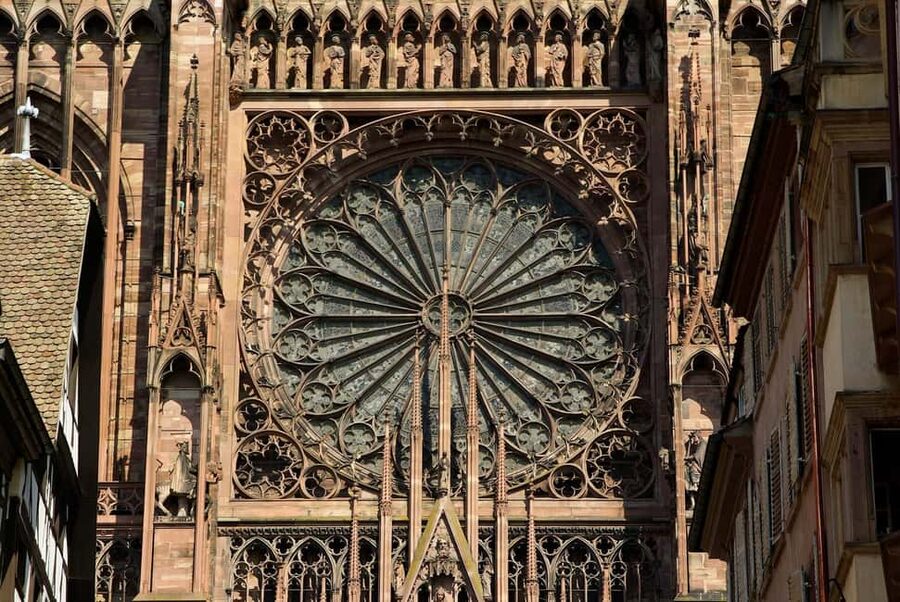
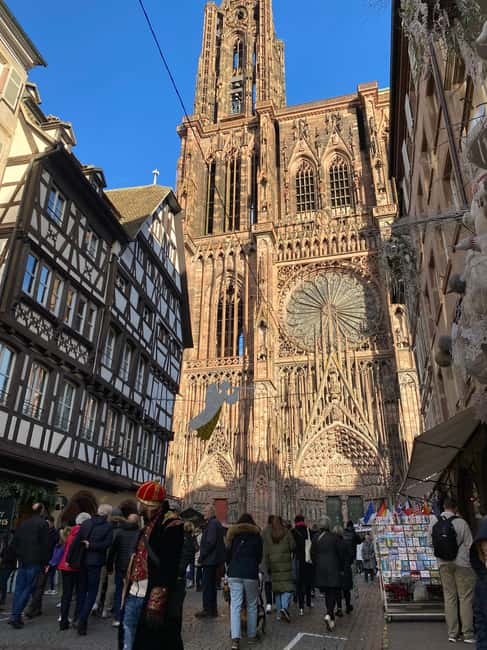
The cathedral is the tour’s most obvious landmark and one of the strongest reasons to book this walk. Its detailed stonework rewards a closer look, and a local guide can point out features that disappear when you simply take a quick photograph and move on.
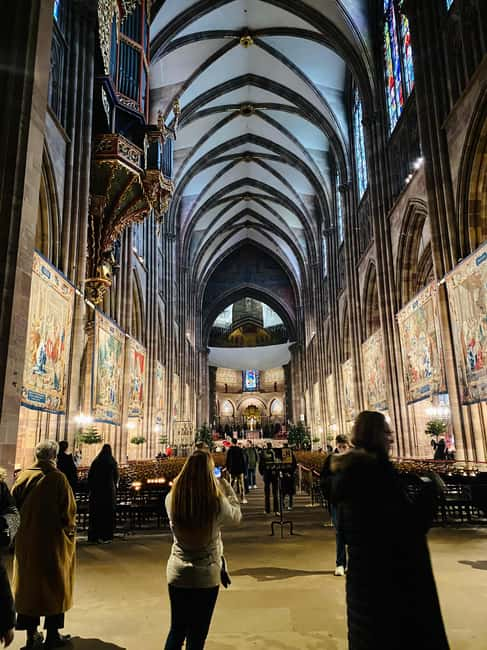
You pass by the cathedral for about 15 minutes. That is enough for exterior facts, architectural details, and photographs, but not enough for an extended visit inside. Cathedral entry is not included, so plan a separate visit if you want to explore the interior or see more of the building.
This short stop also illustrates the tour’s limits. You receive an introduction, not a full cathedral tour. I see that as a sensible choice for a general city walk, since spending too long here would leave less time for Petite France and the other neighborhoods.
The guides have different styles. Alex has been praised for explaining Strasbourg’s architecture and past with energy, while Natalie’s enthusiasm for the city has been a highlight for some groups. Other guides, including Emmy and Catalina, have been described as warm, entertaining, and generous with local details.
Petite France, where canals shape the walk
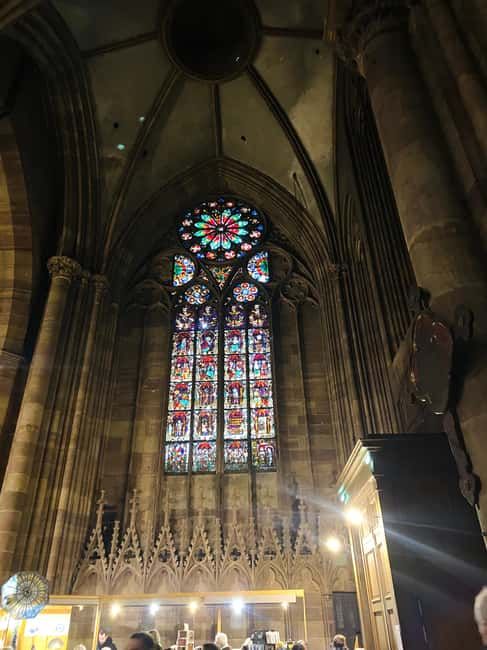
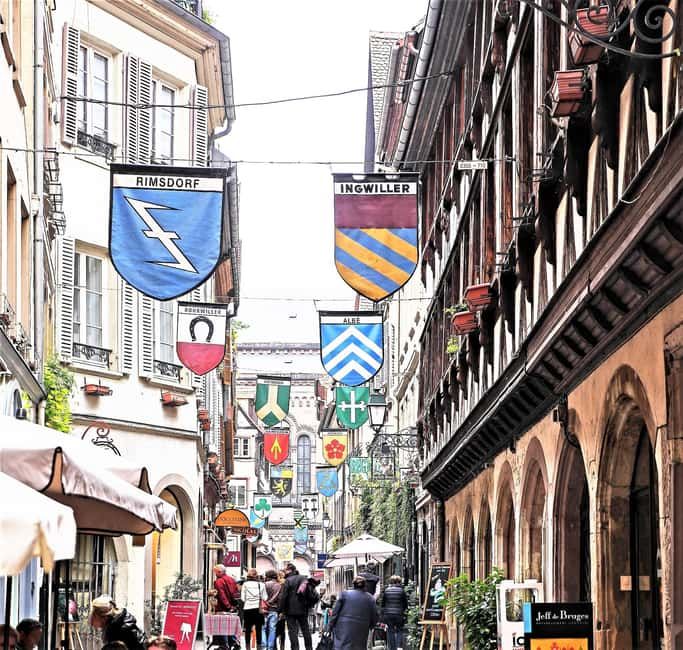
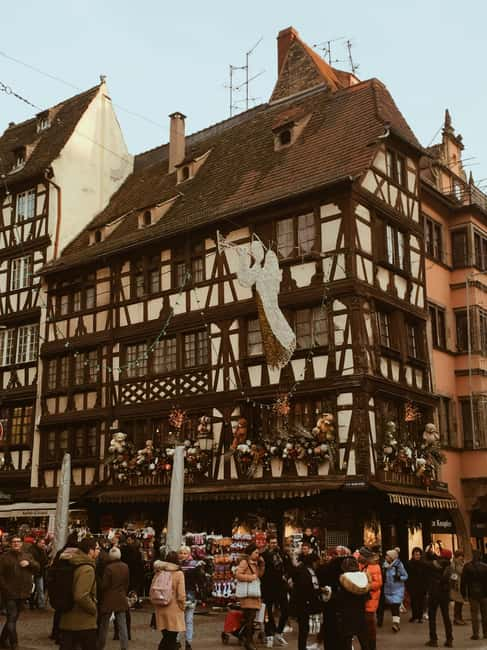
The route then spends about an hour in Petite France, the most picturesque part of the experience. This old district is known for canals, bridges, colorful houses, and narrow streets. It is the section where the walk feels least like a checklist of landmarks and most like a stroll through a lived-in historic quarter.
Your guide explains who once lived and worked here, including the people connected with the Tanners’ Quarter. These details give the houses a purpose. You are not just looking at attractive facades. You are learning how the district functioned and why water was so important to its daily life.
This is also where the guide’s photography advice can be useful. Canals and bridges create strong views, but the best angle is not always from the most obvious street. A guide can help you pause in the right places instead of stopping randomly every few minutes.
Petite France is the longest part of the tour, so it gives you time to see more than one postcard view. Still, the route is described as a guided pass-through rather than a long stop at each attraction. If you want quiet photographs or time to browse every lane, return later on your own.
The area is popular, and the narrow streets may make the group feel crowded at busy times. That is not a flaw unique to this tour, but it is worth knowing. Stay close to your guide and expect the pace to change as the group crosses bridges and gathers around points of interest.
More walking tours around France:
- Montmartre Hidden Gems and Scenic Highlights Walking Tour
★ 5.0 · 2,684 reviews - Montmartre Hill French Gourmet Food and Wine Tasting Walking Tour
★ 5.0 · 2,588 reviews - Paris Île de la Cité and Notre-Dame Walking Tour With Crypt
★ 5.0 · 2,272 reviews - Paris in a Day: Louvre or Orsay, Eiffel Tower, City Walk & Cruise
★ 5.0 · 1,956 reviews
The Tanners’ Quarter and local food advice
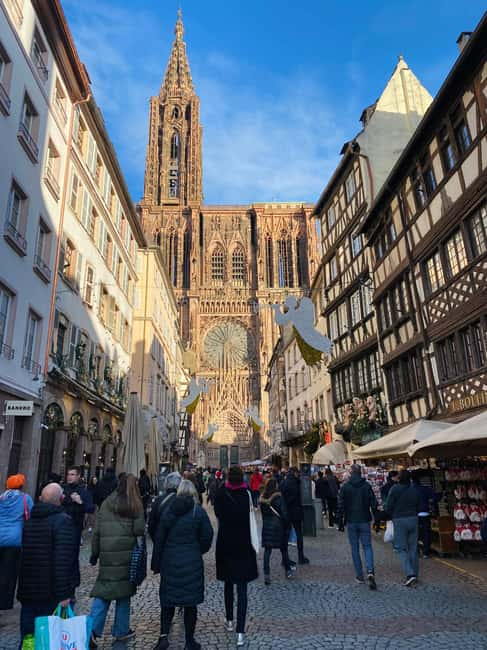
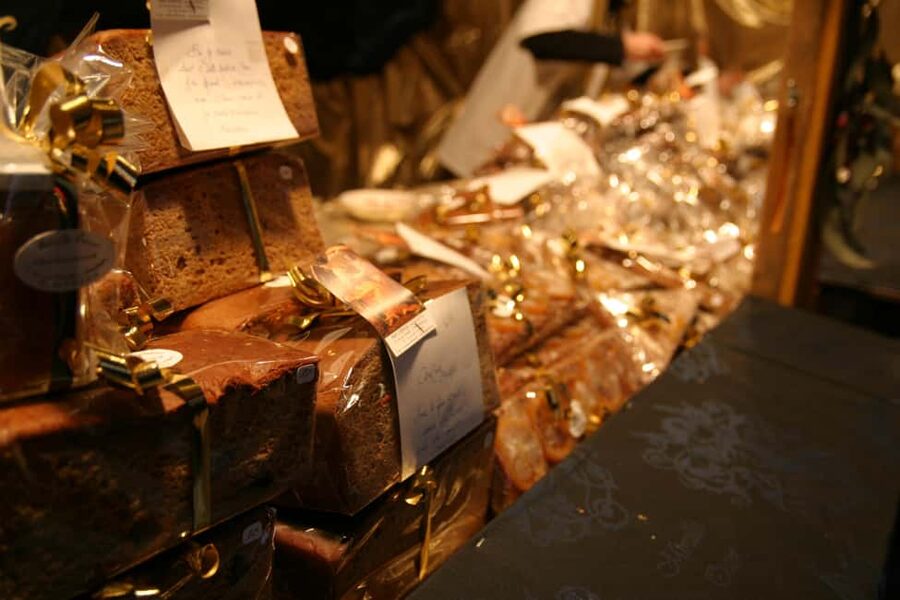
The Tanners’ Quarter adds a practical food angle to the walk. The area is lined with restaurants and bars, and your guide can point out where to eat or relax after the tour.
Food and drinks are not included, so this is advice rather than a tasting experience. One account describes stopping at shops to try local delicacies, but you should not book the tour expecting food to be part of the standard package. Treat any food stop as dependent on the guide and the group.
I like this part because it turns sightseeing into planning. You can ask where to return for dinner, which streets are worth exploring later, or where to find the sort of local specialties you may otherwise overlook. The best questions are specific: ask for a nearby lunch suggestion, a place suitable for a relaxed evening, or a district worth revisiting after dark.
Place Kléber and the city’s political past
The route continues to Place Kléber, Strasbourg’s main square. This is a broader urban space and a useful contrast with Petite France’s canals and narrow lanes.
Your guide introduces Jean-Baptiste Kléber, a figure connected with the French Revolution. The stop adds political and military context to the city tour, showing that Strasbourg’s story is not limited to medieval buildings and attractive streets.
The listed timing gives Place Kléber about 30 minutes, though the overall route also includes the other stops. That makes it one of the more substantial stops after Petite France. You will have time to listen, orient yourself, and note the square as a useful place to return to later.
This is also a point where guide style makes a real difference. Some guides prefer dates, names, and facts, while others tell stories that make those details easier to remember. One visitor felt the facts could have been turned into more stories, while others praised the guides for making the past engaging. If you prefer a detailed academic treatment, this tour may feel light. If you want a clear introduction, the balance should work well.
The guide makes or breaks the experience
The strongest part of this tour is the human element. The route is good, but many of the best moments depend on how the guide handles the group, explains the buildings, and answers questions.
Guides named in the feedback include Alex, Natalie, Emmy, Catalina, and Ellie. Their individual styles vary, but the most praised qualities are warmth, enthusiasm, humor, and a clear affection for Strasbourg. Several guides have helped visitors find streets or details they would likely have missed alone.
There are two practical cautions. First, some guides walk quickly. If you need a slower pace, say so early. One guide adjusted successfully after a participant explained that the pace was too fast, so speaking up is worthwhile.
Second, a multilingual tour can reduce the amount of detail you receive in any one language. The tour is offered in English and German, and a group may include both. Some English-speaking participants felt they spent too much time waiting for German explanations or received shorter commentary. If language consistency is important to you, confirm the arrangement before booking, though the available information does not promise a single-language group.
How the two hours feel on foot
The tour is listed as wheelchair accessible, and it stays within Strasbourg’s central historic area. Even so, an old city walk can include narrow streets, bridges, and uneven sections. The supplied information does not provide further details about the surface or route adjustments, so ask the provider if you need exact accessibility guidance.
Two hours is a useful length for a first look. It is long enough to cover the main districts, but short enough to fit around a train arrival, an afternoon museum visit, or a dinner reservation.
The tradeoff is pace. You are covering several important areas in one walk, so you will not receive a long stop at every sight. I would treat the tour as an orientation and then return to the places that catch your interest.
Wear comfortable shoes and carry water. In strong sun, a hat and sunscreen will help. In winter, bring layers. A late December walk can be cold, and there is no guaranteed break for a hot drink.
Who gets the most from this tour
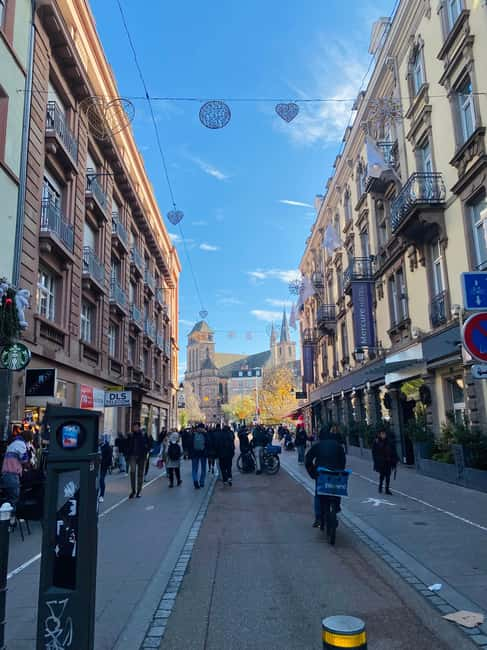
I would recommend this walk to first-time visitors who want to understand Strasbourg before exploring it on their own. It suits couples, families with older children, and anyone who prefers a local introduction over reading a guidebook while walking.
It is also useful if you have only one day in Strasbourg. The route gives you the cathedral, Petite France, Place Gutenberg, the Tanners’ Quarter, and Place Kléber in one organized outing.
You may want a different experience if you are looking for interior visits, a food tour, or a highly detailed specialist lecture on architecture. The cathedral is viewed from outside, food is not included, and the amount of historical detail depends on the guide and language mix.
Is $28 a fair price?
For $28, I think the value is good if you want context and orientation. You are paying for a live guide who connects the sights, answers questions, offers photo advice, and suggests places to eat and explore. Those practical details can save time during the rest of your stay.
The price is less attractive if you only want to walk through Petite France and photograph the cathedral. You can see the main streets without a paid tour. The fee becomes worthwhile when you value the stories, local explanation, and help finding less obvious corners.
There is also useful booking flexibility. You can reserve and pay later, and cancellation is free up to 24 hours before the tour for a full refund. Starting times vary, so check availability for your date.
My verdict: book it for a clear first impression
Book this tour if you want a friendly, efficient introduction to Strasbourg and you are happy to see the cathedral from outside. The route covers the right places, and the best guides add personality, local stories, photo help, and useful restaurant advice.
I would be cautious if you dislike multilingual tours or need a slow walking pace. Confirm the language setup, tell the guide if you need them to slow down, and bring weather protection. For most first visits, this is a well-priced way to get your bearings before returning to Petite France, the cathedral, or the squares that deserve more time.
FAQ
Where does the Strasbourg walking tour begin?
It begins at Place Gutenberg, 67000 Strasbourg, France. Meet near the statue and the tree, and look for a guide wearing a blue UTG Experience badge.
How long is the tour?
The walking tour lasts two hours.
What places does the route cover?
The route includes Place Gutenberg, the Grande Île, Strasbourg Cathedral, Petite France, the Tanners’ Quarter, and Place Kléber.
Is entry to Strasbourg Cathedral included?
No. The tour passes by the cathedral, but entry tickets are not included.
Is food included?
No. Food and drinks are not included. The guide does provide recommendations on where to eat and explore afterward.
What languages are available?
The live tour is offered in English and German.
Can the tour be multilingual?
Yes. The tour may combine languages, so English and German commentary can take place within the same group.
Is the tour wheelchair accessible?
Yes, the activity is listed as wheelchair accessible.
What should I bring?
Bring comfortable shoes, a hat, a camera, sunscreen, and water.
Can I cancel for a full refund?
Yes. You can cancel up to 24 hours in advance for a full refund.
Can I reserve now and pay later?
Yes. The activity allows you to reserve your place and pay later.
New walking tours around France
- Montmartre Walking Tour with a Local Guide★ 4.9 · 478 reviews
- Paris: Montmartre Hidden Gems and Highlights Walking Tour★ 4.7 · 378 reviews
- Montmartre & Sacré Coeur: 2.5-Hour Walking Tour★ 4.9 · 71 reviews
- Paris: Montmartre Small Group Guided Walking Tour★ 4.8 · 139 reviews
- Mont Saint Michel: Walking Tour & Optional Abbey Ticket★ 4.3 · 562 reviews
- Montmartre for Art Lovers – Walking tour with Expert Guide★ 5.0 · 456 reviews
- Mont Saint Michel: Village History and Legends Walking Tour★ 4.8 · 96 reviews
- Mont-saint-Michel : Walk in the heart of the Bay★ 4.7 · 167 reviews
Strasbourg Walking Tours, side by side.
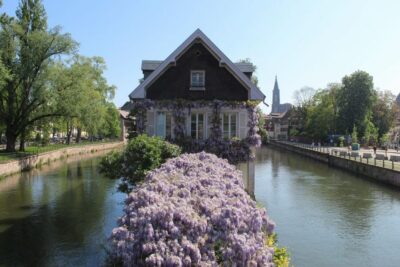
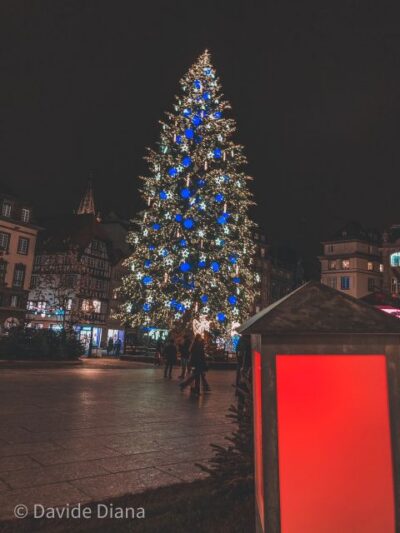
Strasbourg: Guided Historical Neighborhoods Walking Tour
Read our review →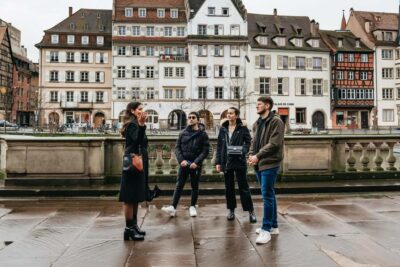
Strasbourg: Traditional Food Walking Tour with Tastings
Read our review →Lists this walk sits on