
Review · STRASBOURG
Strasbourg: Walking Tour with Local Guide
Strasbourg’s complicated past is easier to grasp when a proud local such as Nicolas explains it street by street. This two-hour walk links the cathedral, Petite France, Ponts Couverts, and several lively squares, while adding family stories and useful advice about food, bakeries, markets, and nearby Alsace towns.
I like the small groups of six and the guide’s strong local connection. I also like that Nicolas sends practical meeting instructions and can point out good photo angles, bridge openings, local specialties, and places to eat after the walk. The main drawback is pace: two hours covers a lot, so you’ll see important sights from outside but will not have time for a full cathedral visit.
Key points to know before booking
- Nicolas brings local family stories to Strasbourg’s French, German, and Alsatian past.
- The six-person limit makes it easy to ask questions and hear the guide clearly.
- The route covers major sights including Ponts Couverts, Petite France, Saint-Thomas Church, Strasbourg Cathedral, and Place de la République.
- Photo help is part of the experience, with advice on good angles and scenic viewpoints.
- Food guidance adds real value, including tips on Alsatian dishes, restaurants, cafés, bakeries, and markets.
- The tour runs in English or French, with a meeting point that depends on the option you book.
Why this two-hour walk works well on a first day
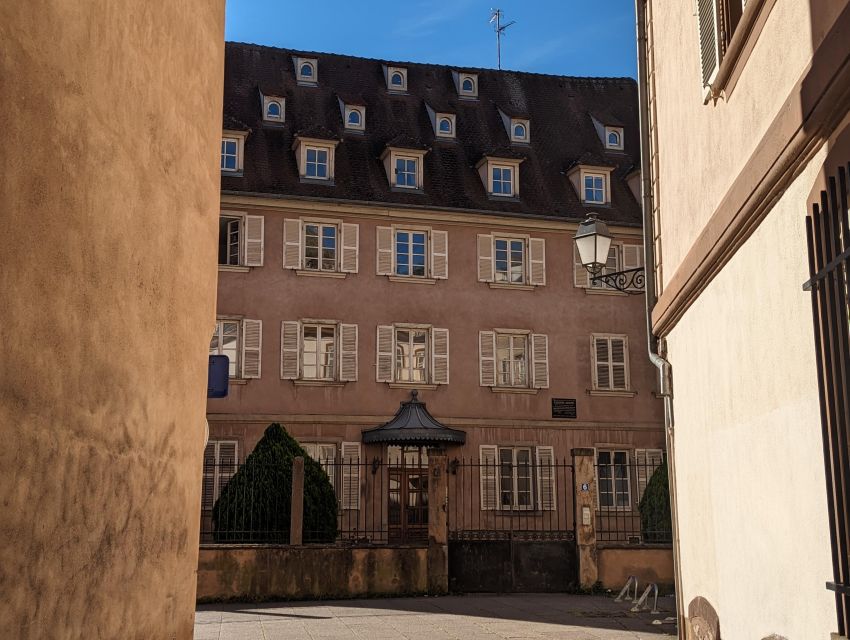
Strasbourg can feel like several cities in one. Medieval lanes give way to broad French squares, German imperial buildings, canals, and modern streets. A short orientation walk helps you understand how those pieces fit together before you spend the rest of your visit choosing museums, restaurants, and neighborhoods.
I would take this tour early in a Strasbourg stay. Nicolas gives you a working map of the city, not just a string of dates and façades. His explanations connect architecture with Alsace’s shifting borders, local customs, and the way Strasbourg’s location shaped its identity.
The walk is also personal in a useful way. Nicolas often adds stories about his family and about Alsatian life, giving context that a guidebook may leave out. You still get the famous sights, but the city feels less like a collection of postcard views.
The two-hour length is a good compromise for most people. You get a solid first look without giving up half a day. At the same time, you should expect steady walking and short stops. If you prefer long visits inside monuments, quiet time for photography, or a very slow pace, this will feel more like an introduction than a complete sightseeing day.
More walks with a guide around France:
- Paris Top Sights Half Day Walking Tour with a Fun Guide
★ 5.0 · 2,893 reviews - Paris: Montmartre Highlights Walking Tour with a Local Guide
★ 4.9 · 2,318 reviews - Paris: Montmartre Cheese, Wine & Pastry Guided Walking Tour
★ 4.8 · 2,255 reviews
From Place d’Austerlitz to the covered bridges
Your starting point may be Place d’Austerlitz, depending on the option you select. Since the meeting point can vary, pay close attention to the final instructions. Nicolas has been praised for sending a clear description of where to meet and what he will be wearing, which is especially useful in a busy city.
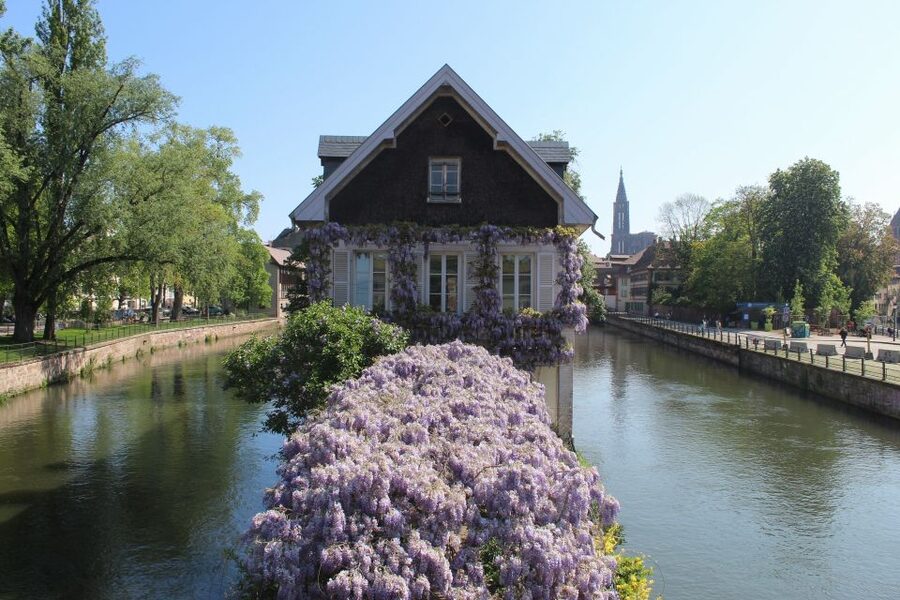
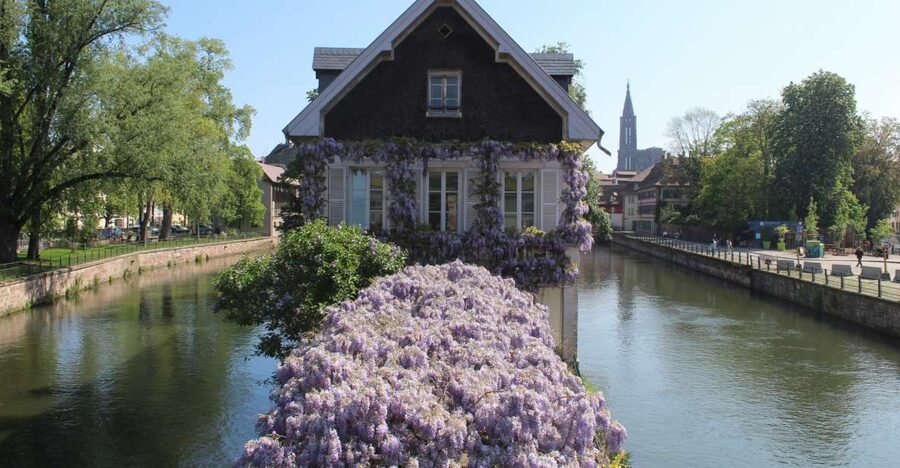
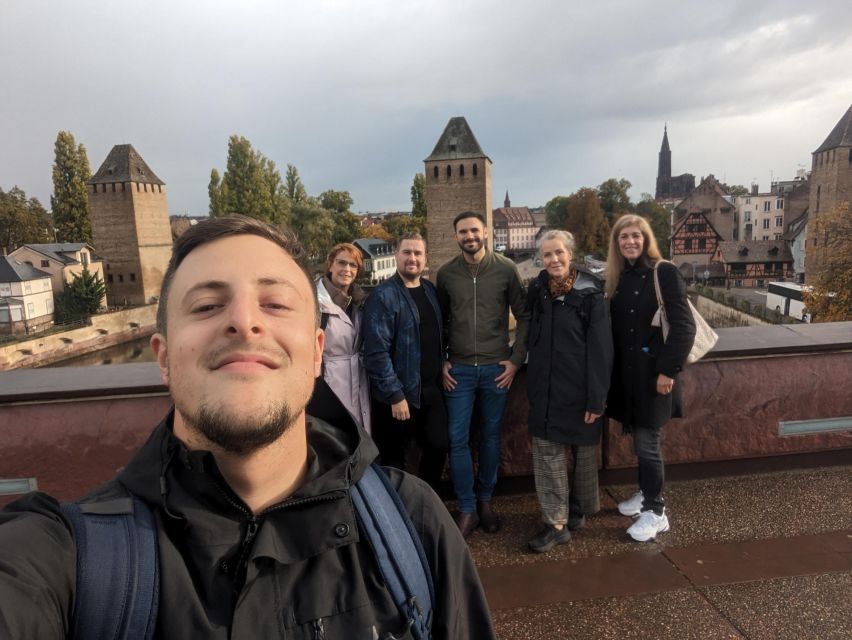
The route then reaches the Ponts Couverts, or covered bridges. These old defensive structures mark the approach to Petite France and offer one of Strasbourg’s most recognizable views. You can expect about 10 minutes of guided time here, enough for an explanation of their role and a few photographs.
This is an excellent opening stop because it shows Strasbourg as a fortified river city. The canals and towers also give you an early sense of how water shaped local trade and defense. Ask about the best place to frame the bridges if you enjoy photography. Nicolas pays attention to angles and timing, and he has even adjusted routes to catch a bridge opening when conditions allowed.
Do not expect a long technical lecture on military architecture. The value is in seeing the structures in place and understanding why they matter before moving into the old quarter.
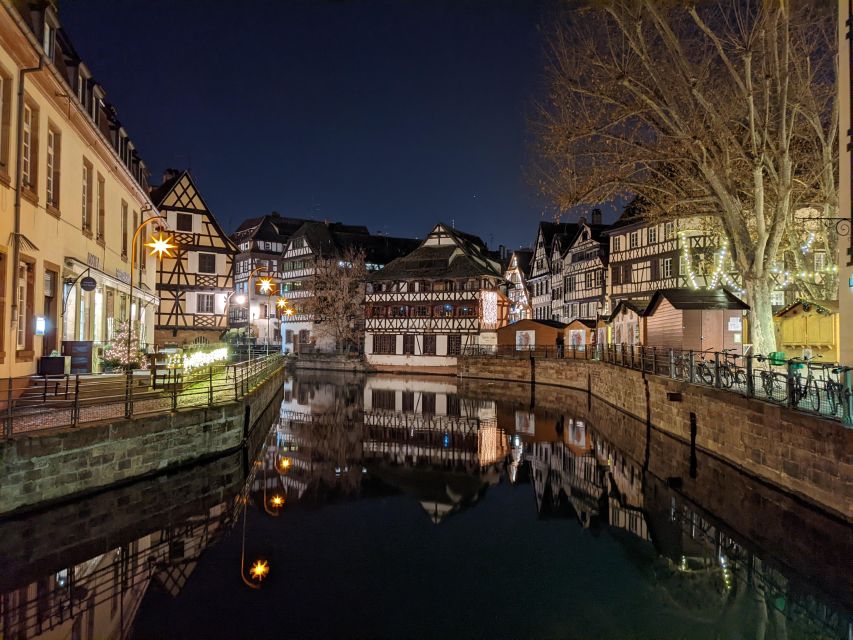
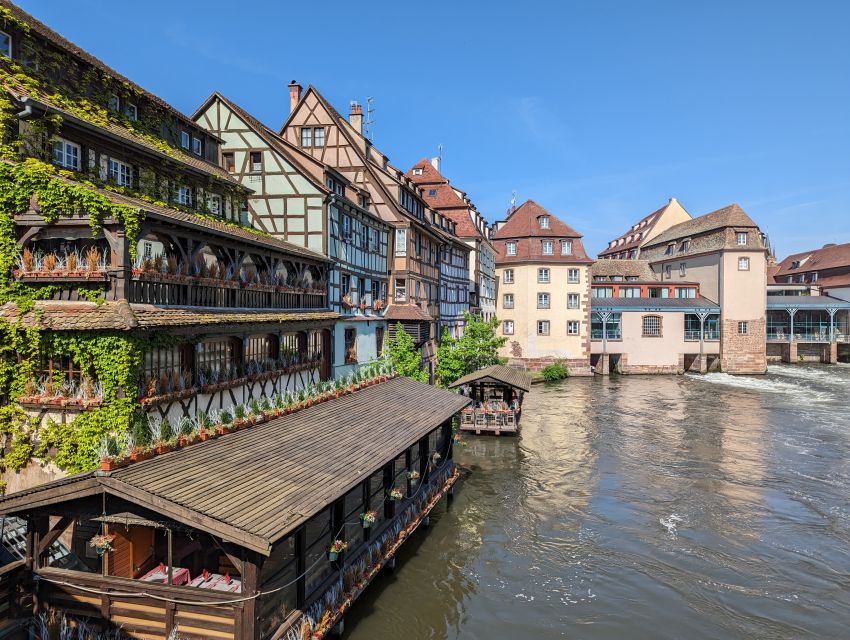
Petite France, where canals meet daily life
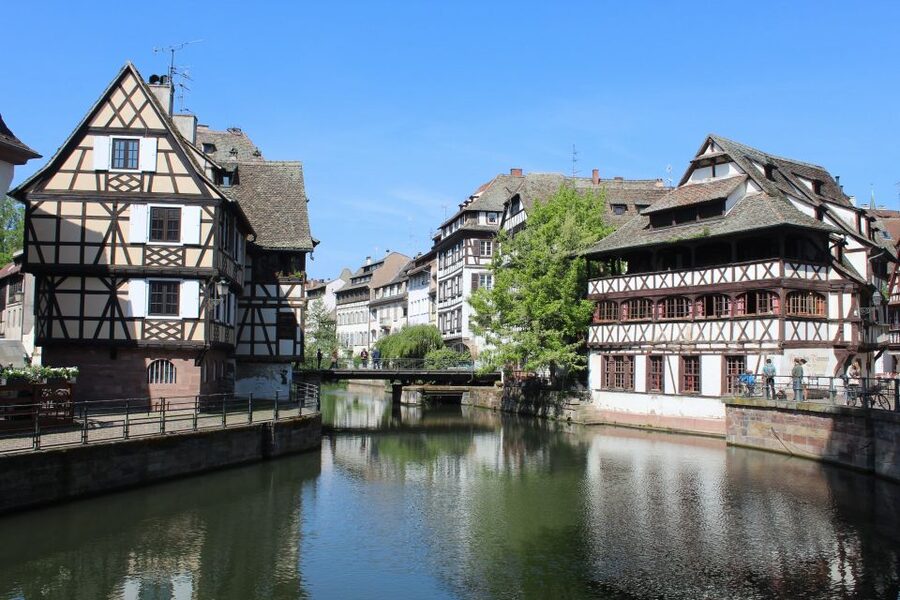
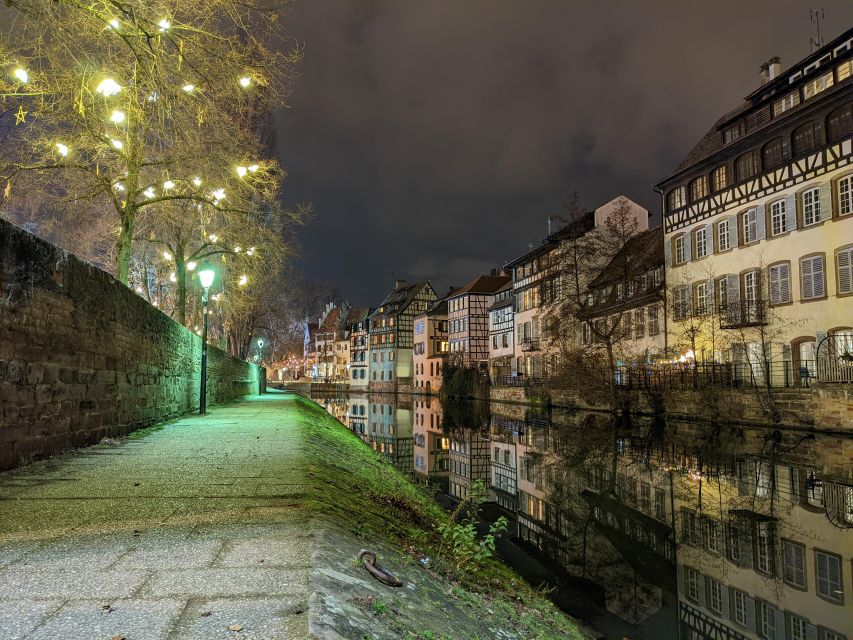
The walk continues through Petite France, one of Strasbourg’s most atmospheric areas. You’ll spend roughly 20 minutes here, walking along narrow streets and waterways lined with historic buildings.
Petite France is often the part of Strasbourg people picture first: timber-framed façades, canals, bridges, and lanes that invite slow wandering. The tour helps you look beyond the pretty surface. Nicolas explains how the district functioned and points out details you could easily pass without noticing.
This is also where the tour begins to feel less like a checklist. Instead of only stopping for a photograph, you get a sense of how the quarter connects to the rest of the city. The walk continues through streets where people live, work, eat, and meet friends.
The practical limit is crowding. Petite France is one of Strasbourg’s best-known areas, so the paths may be busy, especially at popular times. A small group helps you stay together, but you should still keep your camera ready and avoid expecting uninterrupted views.
Saint-Thomas Church and Strasbourg’s Protestant side
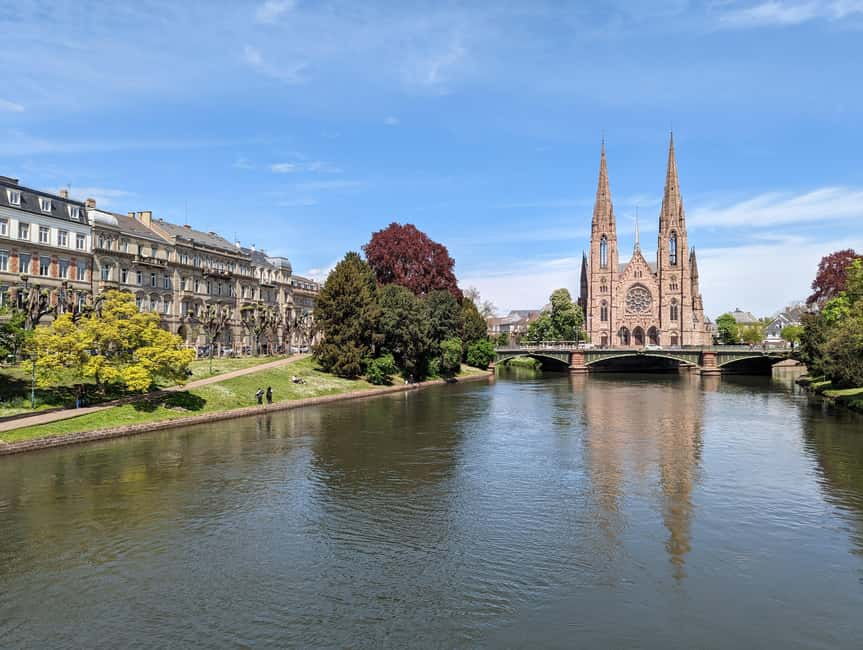
The next listed stop is Église Saint-Thomas, with about 10 minutes of guided time. This church adds an important layer to the city’s story because Strasbourg’s identity is not only Catholic and French. Religious change, political control, and the city’s position near the German border all shaped its public life.
A short stop here works well as a bridge between Petite France and the cathedral. You’ll hear more about Strasbourg’s religious and civic past, while seeing a part of town that can be overlooked when the cathedral dominates the itinerary.
The time allowance is brief, so do not plan on a detailed interior visit. Think of Saint-Thomas as a meaningful stop in the historical sequence, rather than a full church tour.
More walking tours around France:
- Montmartre Hidden Gems and Scenic Highlights Walking Tour
★ 5.0 · 2,684 reviews - Montmartre Hill French Gourmet Food and Wine Tasting Walking Tour
★ 5.0 · 2,588 reviews - Paris Île de la Cité and Notre-Dame Walking Tour With Crypt
★ 5.0 · 2,272 reviews - Paris in a Day: Louvre or Orsay, Eiffel Tower, City Walk & Cruise
★ 5.0 · 1,956 reviews
Strasbourg Cathedral, the visual center of the walk
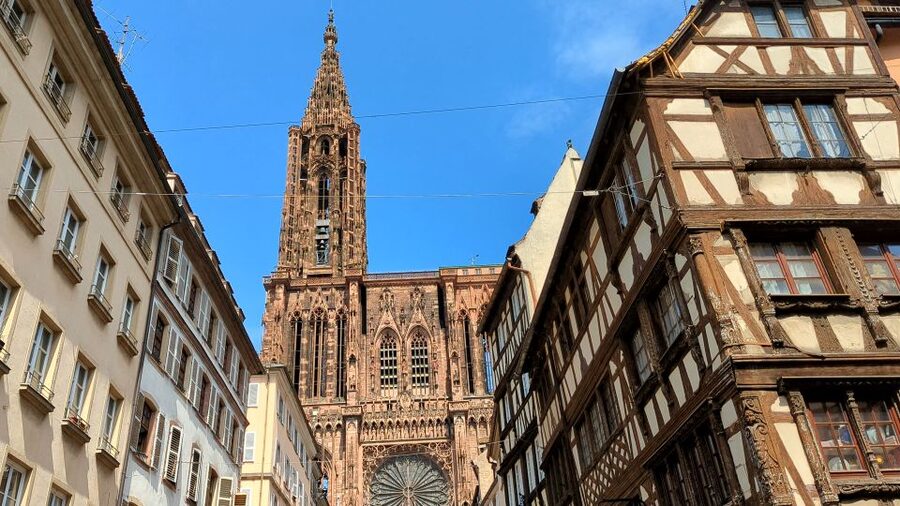
The cathedral is the major landmark of the route. The tour allows around 15 minutes at Notre Dame Cathedral, enough to admire the Romanesque and Rayonnant Gothic design, hear some of the legends connected with the building, and take photographs from outside.
The cathedral’s single spire and warm sandstone make it instantly recognizable. Nicolas uses the building to explain Strasbourg’s artistic ambitions and its place in the city’s past. You’ll also hear stories tied to the monument, which gives the stop more personality than a simple architectural description.
I especially like that the guide helps with photos here. The cathedral is so large that it can be hard to fit into a single frame from close range. Practical suggestions about where to stand and how to use the surrounding square can save you time.
Entry is not included. That matters. If you want to see the interior, the astronomical clock, or other paid features, plan a separate visit. The tour gives you orientation and background, but the 15-minute stop is not designed for a full cathedral exploration.
The cathedral stands within the Grande Île, Strasbourg’s historic central island and UNESCO-listed old quarter. The walk uses the building as a focal point, then moves on so you can see how the surrounding streets relate to it.
Place Saint-Étienne and the quieter transition
The route continues to Place Saint-Étienne, where you’ll spend about 10 minutes. Compared with the cathedral square and Petite France, this stop offers a calmer change of pace and a chance to hear more about everyday Strasbourg.
Short stops such as this are useful because they break up the famous landmarks. You get a better feel for the city when the route includes squares and streets that are not simply the standard postcard views.
Nicolas’s approach suits this part of the walk. His strongest quality is not just the number of facts he knows, but his ability to answer questions and add local context. If you want to understand present-day Alsatian culture, this is a good place to ask about language, customs, food, or how Strasbourg relates to the surrounding region.
Place Kléber and the story of Jean-Baptiste Kléber
The experience includes time in central Strasbourg and highlights Place Kléber, the city’s largest square. The square is named for French revolutionary general Jean-Baptiste Kléber, whose statue occupies the center.
This is where the tour connects local streets with the wider story of France’s revolutionary wars. You’ll learn about Kléber’s military career and his connection to Strasbourg, along with the square’s later civic role.
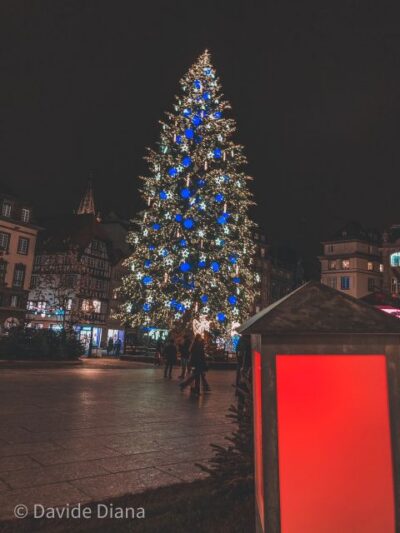
Place Kléber feels very different from Petite France. It is broad, open, and urban, with more room to watch the city move around you. That contrast helps explain Strasbourg’s many layers: medieval lanes on one side, formal French city planning on the other.
The itinerary also includes Place de la République, the final stop, with about 15 minutes of guided time. The square is known for its grander buildings and broad layout, and it provides a fitting end to a route that has moved from medieval defenses to central French civic spaces.
Because the tour finishes here, you are well placed to continue exploring on your own. You can ask Nicolas for directions and ideas before parting, rather than trying to make every decision during the walk.
The Tonneliers district and local food advice
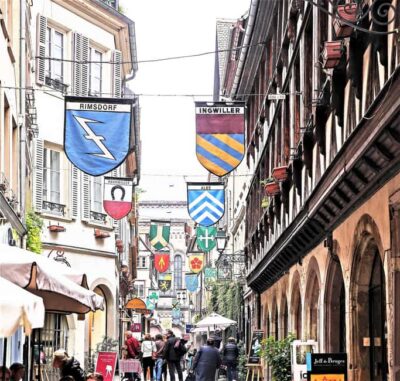
One of the more useful parts of the experience is the walk through the Tonneliers district, an area with bars and restaurants. This is where the tour shifts from monuments to local life.
You’ll see how the old center functions beyond sightseeing. The point is not to find a secret street that no one else knows about. It is to understand where people go out, eat, and spend time, then use Nicolas’s advice to make better choices later.
His food recommendations are a major reason to book this walk. He can suggest places for typical Alsatian dishes, restaurants, cafés, bakeries, markets, and local products. Tarte flambée is one specialty worth asking about, and the food guidance can help you decide where to try it.
Nicolas has also provided recommendations for other towns, including Colmar and places across the nearby region. That is useful if Strasbourg is only one stop on a wider Alsace trip. You are not limited to advice about the exact streets on the route.
Remember that restaurant advice is personal guidance, not a meal included in the price. You will still need to choose and pay for your own food and drinks.
What the small group changes
The group is limited to six participants, and that makes a real difference on a walking tour. You can hear explanations without standing shoulder to shoulder around a guide, and questions do not get lost.
A small group also lets Nicolas adjust the conversation. If you are interested in architecture, he can spend more time on buildings. If your focus is food, local customs, or the border story, you can ask about those subjects directly.
Several tours have run with only one booking, creating something close to a private walk. You should not assume that will happen, since group size depends on bookings, but the low limit keeps the experience personal even when it is full.
Families can also find the format manageable. One parent described Nicolas keeping children interested with stories and humor. Still, this is a walking tour with regular movement, not a children’s activity, so tired legs may be an issue for younger children.
Price, timing, and practical value
At $41 per person, this is not the cheapest way to walk around Strasbourg. It is fair value if you want a local guide, a small group, historical explanation, photo help, and restaurant suggestions in one compact experience.
The value improves if you use the advice afterward. A good recommendation for an Alsatian meal, bakery, market, or nearby activity can save you from choosing at random in the most touristy streets. The tour also gives you a clear plan for the rest of your stay.
Two hours is long enough for a useful overview but short enough to fit into a busy itinerary. The route covers substantial ground, so wear comfortable shoes. The activity is not suitable for people with mobility impairments, and the weather may affect comfort because the experience takes place outdoors.
Tours are offered in English and French. You can cancel up to 24 hours before the start for a full refund, and reserve now while paying later, which gives you some flexibility if your schedule is still changing.
Who should book this Strasbourg walk
I would recommend it most strongly to first-time visitors, short-stay visitors, solo travelers, couples, and anyone arriving in Strasbourg without much background on Alsace. It is also useful for people who want to understand the city before choosing where to eat and what to visit next.
The tour is a particularly good match if you value conversation over a large headset group. Nicolas’s local connection, family stories, and willingness to answer questions give the walk a human scale.
You may want a different plan if your priority is entering every major monument, spending a long time at the cathedral, or moving at a very slow pace. The tour is an overview with selected stops, not a museum visit or a full architectural study.
Should you book it?
Book this walk if you want a strong introduction to Strasbourg in two hours, especially if you appreciate a local guide who can explain both the past and present-day life. The small group, clear communication, photo advice, and food recommendations make it more useful than simply following a map between famous sights.
Skip it if you already know Strasbourg well or prefer exploring alone at your own pace. For most first visits, though, the $41 cost is reasonable, and starting with Nicolas gives you a better chance of spending the rest of your stay like you know where you are.
FAQ
How long does the Strasbourg walking tour last?
The walking tour lasts two hours.
What sights are included on the route?
The route includes Ponts Couverts, Petite France, Église Saint-Thomas, Notre Dame Cathedral, Place Saint-Étienne, Place Kléber, Place de la République, and central Strasbourg streets.
Where does the tour start?
There are two starting location options listed at Place d’Austerlitz. The exact meeting point may vary depending on the option booked.
Where does the tour finish?
The tour finishes at Place de la République.
Is cathedral entry included?
No. The walking tour includes exterior sightseeing and guided commentary, but entry to the cathedral is not included.
What languages are available?
The live guide offers the tour in English or French.
How many people are in each group?
The group is limited to six participants.
What should I bring?
Bring comfortable shoes for the walking route.
Can I cancel the booking?
Yes. You can cancel up to 24 hours in advance for a full refund. You can also reserve now and pay later.
New walking tours around France
- Montmartre Walking Tour with a Local Guide★ 4.9 · 478 reviews
- Paris: Montmartre Small Group Guided Walking Tour★ 4.8 · 139 reviews
- Paris: Montmartre Hidden Gems and Highlights Walking Tour★ 4.7 · 378 reviews
- Montmartre & Sacré Coeur: 2.5-Hour Walking Tour★ 4.9 · 71 reviews
- Mont Saint Michel: Walking Tour & Optional Abbey Ticket★ 4.3 · 562 reviews
- Montmartre for Art Lovers – Walking tour with Expert Guide★ 5.0 · 456 reviews
- Mont Saint Michel: Village History and Legends Walking Tour★ 4.8 · 96 reviews
- Mont-saint-Michel : Walk in the heart of the Bay★ 4.7 · 167 reviews
Strasbourg Walking Tours, side by side.
Strasbourg: Guided Historical Neighborhoods Walking Tour
Read our review →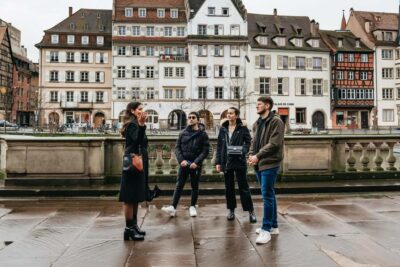
Strasbourg: Traditional Food Walking Tour with Tastings
Read our review →Lists this walk sits on