
Review · OSAKA
Ultimate Osaka Walking Tour: Castle, Dotonbori & Hidden Gems
Osaka is easiest to understand on foot, one neighborhood at a time. This tour links the city’s big sights with its food streets, youth districts, old lanes, and retro corners, giving you far more context than a quick stop at Osaka Castle or Dotonbori alone. You’ll learn how samurai-era politics, shopping, religion, nightlife, and modern pop culture fit together.
I like the wide mix of neighborhoods and the way guides such as Tim, Kenzo, Scott, Daniel, and Adam bring different personal angles to Japanese life. I also like the built-in local meal, which saves you from choosing lunch while moving through crowded food areas.
The main catch is simple: this is a real walking day. Plan on roughly five to six miles, or about 15,000 steps, with two short train rides and fares of ¥240 and ¥190 not included. You also view Osaka Castle from outside, rather than touring the interior.
Key points to know before booking
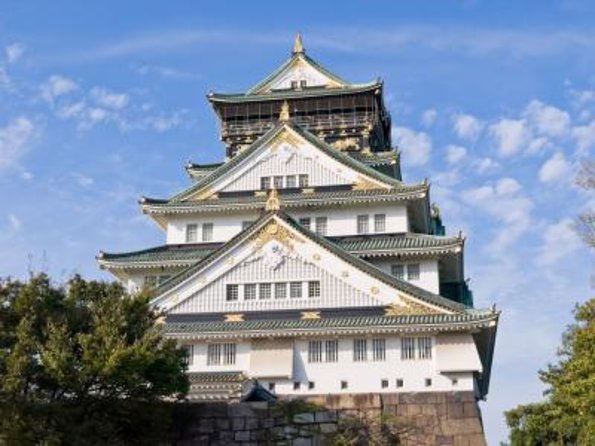
- Osaka Castle is an exterior visit: You get time around the city’s landmark and its grounds, but admission inside the castle is not part of the tour.
- The route crosses several sides of Osaka: Amemura, Shinsaibashi, Dotonbori, Hozenji, Kuromon Market, and Shinsekai each show a different side of the city.
- Lunch is included: Expect Osaka-style street food and a drink at a local restaurant, but vegan and gluten-free meals cannot be provided.
- The walk is substantial: A moderate fitness level is needed, and comfortable shoes are essential.
- Small groups or private outings are available: Group size is limited to 11, while private tours allow more control over pace and attention.
- The guides shape the experience: Tim, Kenzo, Scott, Daniel, Adam, Andy, and others are praised for history, humor, clear English, and practical local advice.
Why this Osaka route works so well
Many Osaka sightseeing plans split the city into separate half-days. You might see the castle in the morning, shop in Shinsaibashi later, and visit Shinsekai on another day. This tour connects those pieces into one long story.
The route moves from Osaka’s political past to its food culture and then into the city’s modern street life. You see formal stone walls and temple lanes, but also neon signs, youth fashion, covered shopping arcades, market stalls, and retro entertainment districts.
That range is the tour’s main strength. It does not treat Osaka as a collection of temples and monuments. Instead, you get a look at the city as a place where old customs sit beside loud advertising, local food, youth culture, and everyday commerce.
The time options are useful. A five-hour version gives you a brisk introduction, while six and seven-hour choices provide more breathing room. The exact pace depends on the group and the guide, but the route is designed to keep moving rather than leave you standing in one place for long periods.
More Castle and Palace Walking Tours around Japan:
- Tokyo: Imperial Palace and Shogun Historical Walking Tour
★ 5.0 · 2,251 reviews - Tokyo: Imperial Palace Japanese History Walking Tour
★ 4.9 · 987 reviews - Kyoto: Imperial Palace & Nijo Castle Guided Walking Tour
★ 4.7 · 453 reviews
Starting at Osaka Castle, with the key limitation
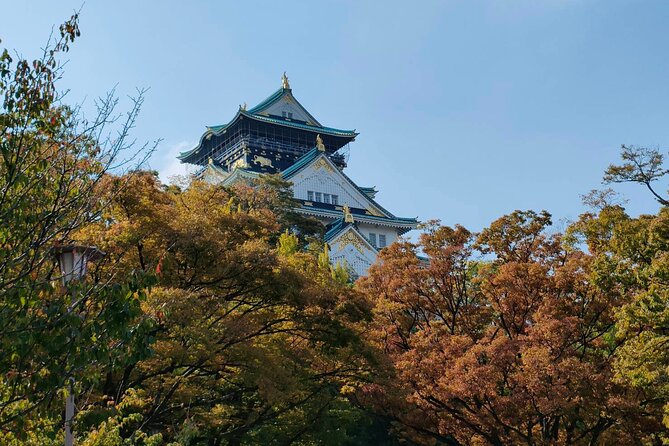
The tour begins at Ōsakajōkōen Station, near Osaka Castle. This is a smart starting point because the castle gives you immediate visual scale: broad grounds, defensive walls, water, and the famous tower rising above the city.
The guide uses this opening to explain Osaka’s role in the unification of Japan during the samurai era. This is where Tim, Kenzo, Daniel, and other guides have received especially strong praise for making Japanese and Osaka history easier to follow.
You should set your expectations correctly. You do not enter Osaka Castle. The roughly 90-minute stop focuses on the exterior, surrounding grounds, history, and photo locations. Admission is not included because the itinerary does not include an interior visit.
That can be a drawback if your main goal is to see the castle museum and observation areas. It can also be an advantage if you want to cover more of central Osaka in one day. Adding the castle interior on your own would take extra time, so this tour is better suited to someone who wants the city’s broader story rather than a full castle visit.
Amemura and the changing face of Osaka
From the castle area, the tour heads toward Amerika-mura, often shortened locally to Amemura. The name reflects the district’s American influence, but its appeal today comes from Osaka youth culture, streetwear, music, and narrow lanes packed with independent shops.
The stop lasts about 30 minutes. That is enough to get a feel for the area and hear how it fits into modern Osaka, but not enough for a serious shopping session. If you spot clothing or records you want to browse, save the details and return later.
I like this stop because it keeps the tour from becoming a parade of historic sites. Osaka’s identity is not only in castles and temples. Amemura shows the city’s playful, current side, with a look at the styles and places that matter to younger residents.
Scott is particularly well suited to discussions about daily life and contemporary Japanese society, while guides such as Adam and Tim bring the perspective of long-term life in Japan. The guide you receive will shape how much time goes into fashion, music, social customs, or the district’s past.
Shinsaibashi-suji and 400 years of shopping
Shinsaibashi-suji is a covered shopping street stretching about 600 meters. It has served as one of Osaka’s main retail areas for roughly 400 years, and the tour uses it to explain the city’s long relationship with trade and consumption.
The arcade is practical as well as interesting. Its roof helps in bad weather, and the dense mix of shops gives you a clear look at how Osaka residents shop, eat, and spend time in the center.
The scheduled stop is about 30 minutes, so you will walk through rather than explore every store. That is the right approach for a city overview, but less ideal if you want a dedicated shopping tour. Make a note of anything that catches your eye and come back after the tour.
This section also helps you understand the geography of central Osaka. Shinsaibashi leads naturally toward Dotonbori, so the route feels like a walk through connected city districts rather than a series of isolated stops.
More Hidden Gems Walking Tours in Japan:
- Kyoto Geisha Walking Tour: Gion District & Hidden Gems
★ 4.7 · 3,273 reviews - Osaka: Hotspots & Hidden Gems Walking Tour Private or Group
★ 4.9 · 1,300 reviews - Kyoto: Gion Hidden Gems & Geisha Culture Tour
★ 4.9 · 126 reviews - Dublin Highlights and Hidden Gems Guided Walking Tour
★ 5.0 · 6,020 reviews
Dotonbori, Osaka’s loudest food street
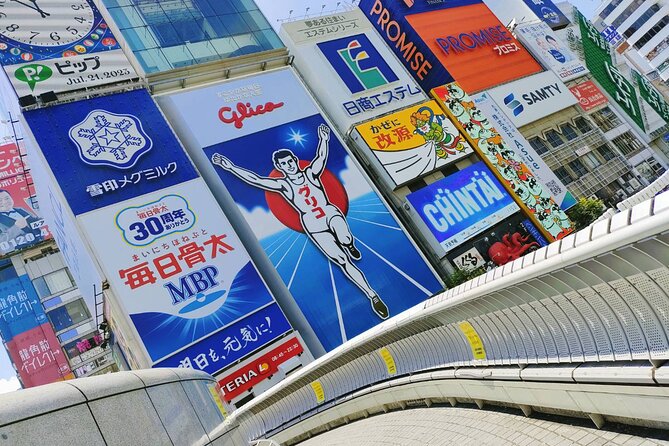
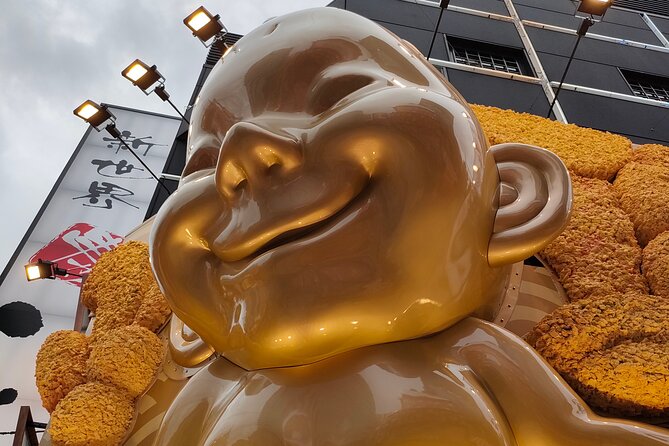
Dotonbori is the scene most people picture when they think of Osaka: neon signs, the canal, restaurant fronts, nightlife, and street food. The tour spends about 30 minutes here, enough to see the main sights and hear why this area became one of the city’s best-known entertainment zones.
The stop can feel crowded and hectic, especially at popular photo points. That is part of the character, but it means you should keep your belongings secure and stay close enough to hear the guide.
Dotonbori is also where the food focus becomes very clear. Osaka is closely tied to casual eating, and the tour includes a complimentary lunch featuring Osaka-style street food with a drink at a local restaurant. The meal is useful because you get a guided introduction rather than having to guess from a long menu while trying to keep pace.
Do not treat the included meal as a full food crawl. The tour includes lunch, but the route also passes through areas where you might want to buy additional snacks on your own. Bring room in your budget if trying food is one of your main reasons for booking.
Hozenji Yokocho and the small temple nearby
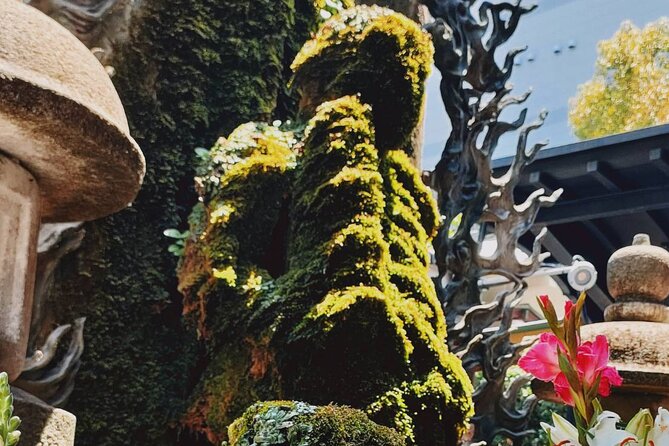
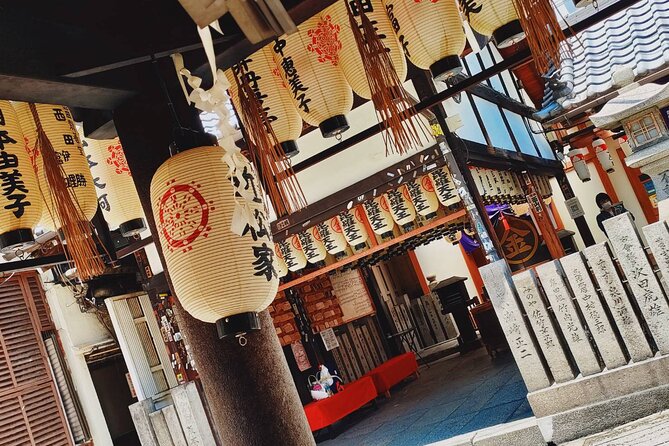
A short turn away from Dotonbori, Hozenji Yokocho feels like a different city. This narrow lane has cobblestones, traditional lanterns, and an older atmosphere that is easy to miss if you stay on the main shopping streets.
The tour gives this area about 30 minutes, then continues to Hozen-ji Temple. The temple dates from the 17th century and is dedicated to Fudo Myoo, one of Buddhism’s five wisdom kings.
This is one of the most valuable parts of the route for anyone who wants contrast. Within a short walk, you move from neon signs and restaurant crowds to a quiet religious site with a more traditional feel.
The lane is narrow, so the guide’s explanation matters more than a long stop. Pay attention to the small details rather than expecting a major temple complex. This is a compact place, but its setting makes it memorable.
Kuromon Market, Osaka’s kitchen

Kuromon Market has operated for more than 200 years and is known as Osaka’s Kitchen. The covered market is associated with seafood, produce, prepared foods, and the city’s long-standing food culture.
The scheduled visit lasts around 30 minutes. That is enough for an introduction and some sampling, but it is short for anyone who wants to inspect every stall. The market is listed for day and private tours, so confirm that your chosen option includes this stop if you are booking a shorter or group version.
This is also one of the places where the included lunch makes practical sense. You can learn about the market and Osaka food customs without needing to arrange a separate meal. The experience is not designed for strict dietary needs, though. Vegan and gluten-free food cannot be catered for at lunch, so you should contact the operator before booking if this affects you.
If you have allergies, explain them clearly in advance. A private tour may offer more flexibility, but the supplied details do not promise that every dietary request can be met.
Shinsekai and Osaka’s retro side
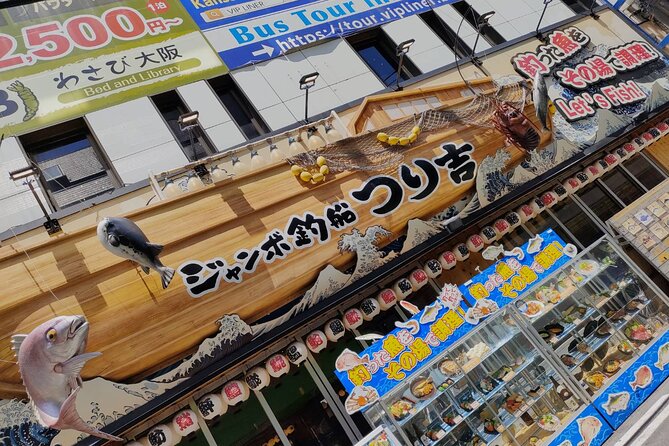
The final major district is Shinsekai, developed before the Second World War and centered around Tsutenkaku Tower. The area is known for its nostalgic signs, old-fashioned entertainment feel, and distinct local character.
The route gives Shinsekai about 30 minutes. You will get an introduction and see the district’s visual style, but you will not have time to explore every side street or spend long at Tsutenkaku.
Shinsekai is a strong finish because it shows yet another Osaka. The castle represents political power, Dotonbori represents modern entertainment and food, and Shinsekai brings in the city’s older popular culture and working-class flavor.
The route ends in a different location from the starting point. That is convenient if you want to continue in southern Osaka, but you should not plan a tight connection from the final stop unless you know the ending point and timing.
What the walking and train rides feel like
The tour is mainly on foot, with two short train rides linking districts. Train fares are separate, listed as ¥240 and ¥190, so budget ¥430 per person for transport.
The walk is not a gentle stroll around one compact neighborhood. The full route can reach roughly five to six miles, and some people finish near 15,000 steps. The pace is generally described as manageable, but the distance still matters.
Wear proper walking shoes. Osaka’s streets, shopping arcades, station passages, and market areas involve a lot of standing and moving. A moderate level of fitness is required, and hot or wet weather can make the day more tiring.
The tour requires good weather. If poor conditions cancel it, you can choose another date or receive a full refund. Free cancellation is available up to 24 hours before the start time, but changes or cancellations inside that window are not accepted.
Guides, group size, and private tour value
The group option is capped at 11 people, which is small enough for questions without the cost of a fully private guide. A group of around ten can still move efficiently, though you will need to stay aware of the guide in busy Dotonbori and market streets.
The guide roster includes Tim, Kenzo, Scott, Daniel, Adam, Andy, Alex, and others. The strongest qualities associated with these guides are clear English, humor, strong knowledge of Japanese history, and an ability to discuss daily life rather than only famous buildings.
Kenzo is praised for a friendly manner and a clear passion for Osaka’s past. Tim is a good fit if you want history, culture, and practical explanations, while Scott brings a long-term perspective on Japanese society. Adam is associated with private tours, flexible pacing, food, castle history, and good photo locations.
A private tour costs more than the listed group price, but it can be worthwhile for a family, a solo visitor who wants more personal attention, or anyone with a particular interest in food, history, photography, or local life. Private timing also gives you a better chance to adjust the pace, though the total walking distance may still be substantial.
Is $73.29 a fair price?
At $73.29 per person, the value depends on how you would otherwise organize your day. The price includes a guide, a full route through several major districts, two short train rides as part of the plan, and lunch with a drink.
You still pay the two train fares, any castle or other attraction tickets you choose to add, and extra food beyond the included meal. The castle interior is not part of the package, so do not compare this price with a castle admission tour.
I think the price is fair for a first day in Osaka, especially if you have only one or two days in the city. You are paying for the connections between places, the historical explanations, and the local orientation. If you already know Osaka well or prefer to move slowly through markets and shops, you may get better value from exploring independently.
Who should book this walking tour?
Book it if you want to understand Osaka quickly and do not mind a long day on your feet. It suits first-time visitors, solo travelers who enjoy company, families with older children, and anyone who wants history mixed with food and city life.
It is also a good choice if you have only a short stay. Five hours can cover a surprising amount of ground, and the six or seven-hour versions allow for a less rushed day.
Think twice if you need vegan or gluten-free lunch, dislike group schedules, or want to enter Osaka Castle. It may also be the wrong choice if your idea of sightseeing involves long café stops, extended shopping, or a slow market visit.
Should you book it?
I would book this tour for a first Osaka visit, especially if you want a practical introduction rather than a single attraction in depth. The combination of Osaka Castle’s exterior, Amemura, Shinsaibashi, Dotonbori, Hozenji, Kuromon Market, and Shinsekai gives you a clear sense of how varied the city is.
Choose the group option for good value and a social day. Choose private if personal pacing, food concerns, family needs, or a specific interest matter more than price. Either way, wear comfortable shoes, carry the extra ¥430 for trains, and remember that the castle is viewed from outside.
FAQ
How long does the Osaka walking tour last?
You can choose a five-hour, six-hour, or seven-hour version. The exact amount of time spent at each area can vary with the selected option and pace.
Does the tour enter Osaka Castle?
No. The tour visits Osaka Castle and its surrounding area from the outside. Castle admission is not included.
Is lunch included?
Yes. The tour includes Osaka-style street food and a drink at a local restaurant. Vegan and gluten-free meals cannot be catered for at lunch.
Are train fares included?
No. Two short train rides are required, with listed fares of ¥240 and ¥190. Attraction tickets are also not included.
Is hotel pickup available?
Hotel pickup is not offered for group tours. Pickup may be offered for other tour options, so check the selection you book.
How much walking is involved?
This is mainly a walking tour and requires a moderate fitness level. The route can cover roughly five to six miles, or about 15,000 steps, so comfortable shoes are important.
New walking tours around Japan
- Nara: Half-Day UNESCO Heritage & Local Culture Walking Tour★ 4.8 · 250 reviews
- Nagasaki: Private Walking Tour with a Local★ 4.7 · 79 reviews
- Hiroshima: Miyajima Half-day Historical Walking Tour★ 4.7 · 100 reviews
- Kyoto: Private Walking Tour with a Local★ 4.6 · 118 reviews
- Kyoto: Private 2.5 Hour Historical Walking Tour★ 4.9 · 121 reviews
- Kyoto: Imperial Palace & Nijo Castle Guided Walking Tour★ 4.7 · 453 reviews
- Kyoto: Izakaya Bars Guided Walking Tour★ 4.9 · 815 reviews
- Kyoto: Gion Sunset Walking Tour with Local Guide★ 4.7 · 351 reviews
Osaka Walking Tours, side by side.

Osaka: Hotspots & Hidden Gems Walking Tour Private or Group
Read our review →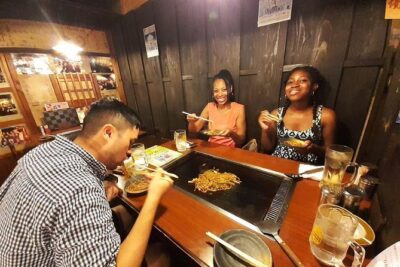
Osaka Local Foodie Walking Tour in Dotonbori and Shinsekai
Read our review →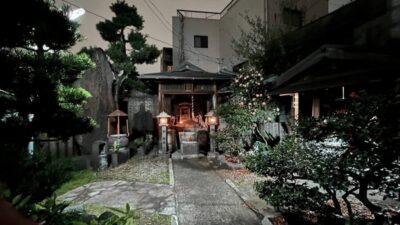
Osaka: Deep Backstreets Walking Tour with Dinner Option
Read our review →Lists this walk sits on