Review · TOKYO
Tokyo: Imperial Palace Japanese History Walking Tour
Tokyo’s Imperial Palace grounds tell a surprising story: the site began as the mighty center of shogun power, then became the home of Japan’s emperor. This walking tour uses the remaining gates, walls, gardens, and castle traces to explain that change in a way that is easier to follow than a museum label.
I like the clear historical storyline, from farmer and samurai to daimyo and shogun, and I like the way guides such as Mika, Natsumi, Lakki, and Alexandre make room for questions and practical Tokyo advice. The main drawback is that you visit the Eastern Gardens, not the inner palace, and the walk can feel demanding in Tokyo’s heat or rain.
Key points to know before booking
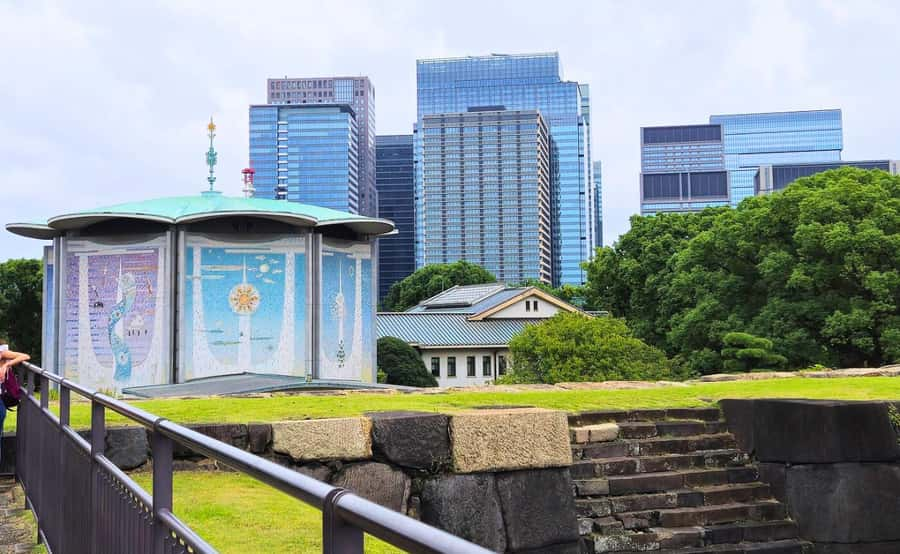
- Edo Castle becomes the main character: You follow the former shogun’s stronghold through gates, ruins, and a miniature model.
- Guides make the difference: Mika, Natsumi, Lakki, and Alexandre are praised for clear explanations, humor, patience, and useful food tips.
- The gardens are more than scenery: Bamboo, palace trees, old house sites, and royal koi help connect daily life with imperial history.
- The meeting point is easy to reach: Tokyo Station or Otemachi Station is a five to ten minute walk from Wadakuramon Fountain.
- The tour stays outdoors: Wear weather-ready clothes, bring protection from sun or rain, and expect uneven walking through garden grounds.
- The inner palace is not included: This is a historical walk around the public Eastern Gardens, not an entry visit to the Emperor’s private compound.
Why Edo Castle explains modern Tokyo
The best reason to take this tour is that it gives you a framework for Japanese history. The palace grounds are not simply a pretty green space in the middle of Tokyo. They occupy the site of Edo Castle, where the shogun ruled for more than 350 years.
That matters because the move from shogun rule to imperial rule shaped modern Japan. Your guide explains the old ranking system, including farmers, samurai, daimyo, and the shogun, then shows how the castle site changed purpose. You are not just looking at stone walls. You are learning who held power, how the castle worked, and why the same ground later became an imperial residence.
I especially like this approach for a first visit to Japan. If the terms Edo, shogun, daimyo, and Meiji have started to blur together, the walk puts them in order. Guides also connect the palace story to Japanese culture and the growth of Tokyo, giving you useful context for other sights you see later.
The experience is priced at $32 per person. That is a fair rate for a guided walk if you want the site to make sense rather than simply take photographs and move on. You are paying for the guide’s explanation, time for questions, help with photographs, and local recommendations, not for an elaborate attraction with indoor exhibits or food included.
More History Walking Tours in Japan
- Tokyo: Imperial Palace and Shogun Historical Walking Tour
★ 5.0 · 2,251 reviews - Kyoto Gion: 2-Hour Geisha Culture & History Walking Tour
★ 5.0 · 1,186 reviews - Hiroshima Historical Walking Tour – Why A-Bomb was Dropped
★ 4.8 · 893 reviews
Meeting at Wadakuramon Fountain
You begin near a Starbucks in Wadakuramon Fountain Park. From Tokyo Station or Otemachi Station, allow five to ten minutes on foot to reach the park. The guide waits near the fountain with a Sunrise Adventure sign, which is useful in a busy central Tokyo setting.
This is a practical meeting point because it is close to the palace grounds and easy to reach by train. Still, give yourself extra time if you are unfamiliar with Tokyo Station. It is large, and the difference between finding the right platform and finding the correct street exit can matter.
The tour ends back at the same meeting point. That makes it simple to continue to lunch, return to your hotel, or use the nearby train stations for your next stop. Several guides also give food and sightseeing suggestions at the end, so have a few questions ready if you want help planning the rest of your day.
Entering through Otemon Gate
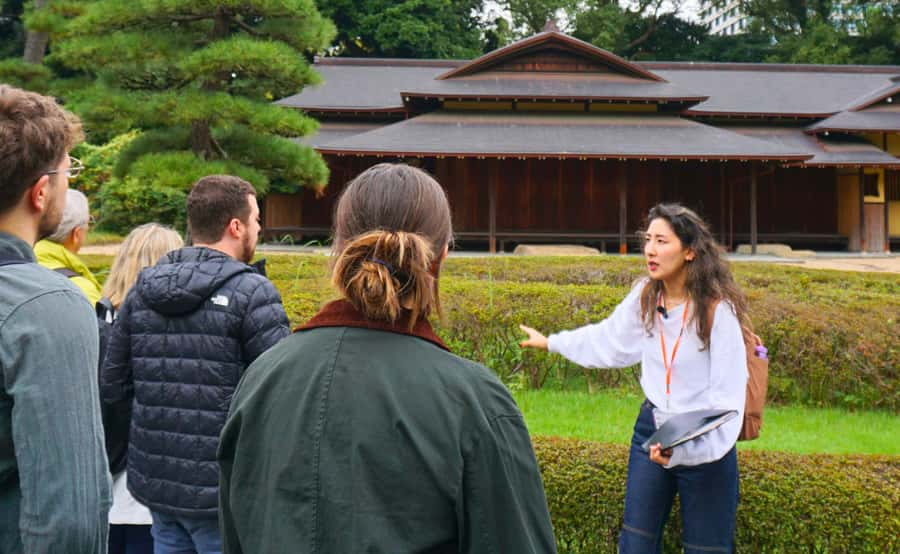
The walk heads toward Otemon Gate, one of the main entrances to the palace grounds. This is where the story shifts from modern Tokyo traffic to the former castle complex.
Your guide explains why the original castle is no longer standing in its full form. You also see a miniature model showing what the castle once looked like. That model is especially useful because the surviving stonework and gardens can otherwise be hard to picture as part of a huge fortified compound.
The gate and walls also show the practical side of samurai power. Rather than treating the castle as a royal backdrop, the guide uses its design to explain protection, rank, movement, and control. Interactive questions help keep the history moving, and children can follow the basic hierarchy without needing prior knowledge.
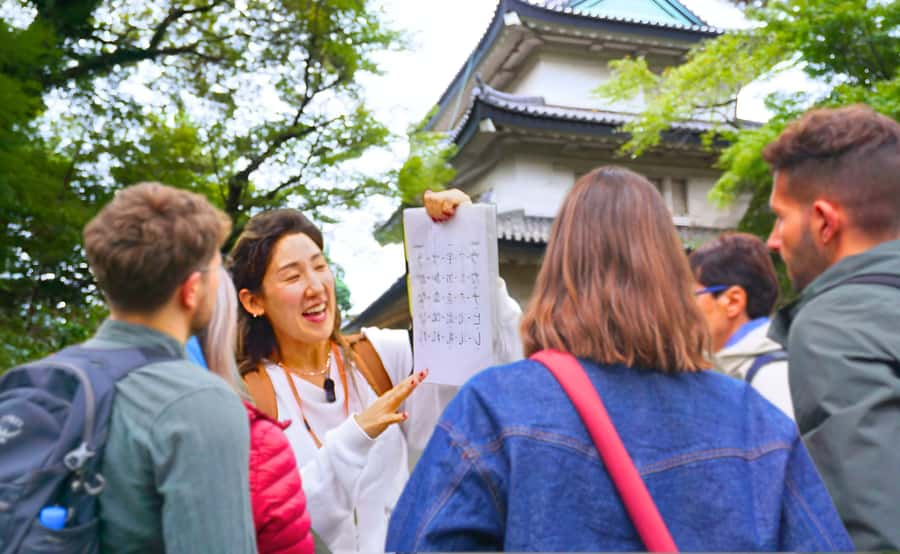
The quality of the explanation depends partly on the individual guide. Natsumi is praised for storytelling and for explaining the Edo period, while Mika is noted for making difficult material easy to understand. Lakki is described as warm, patient, and full of useful cultural detail. Alexandre leads tours in English and French and is especially suited to anyone who wants a longer historical introduction.
Walking through the Eastern Gardens
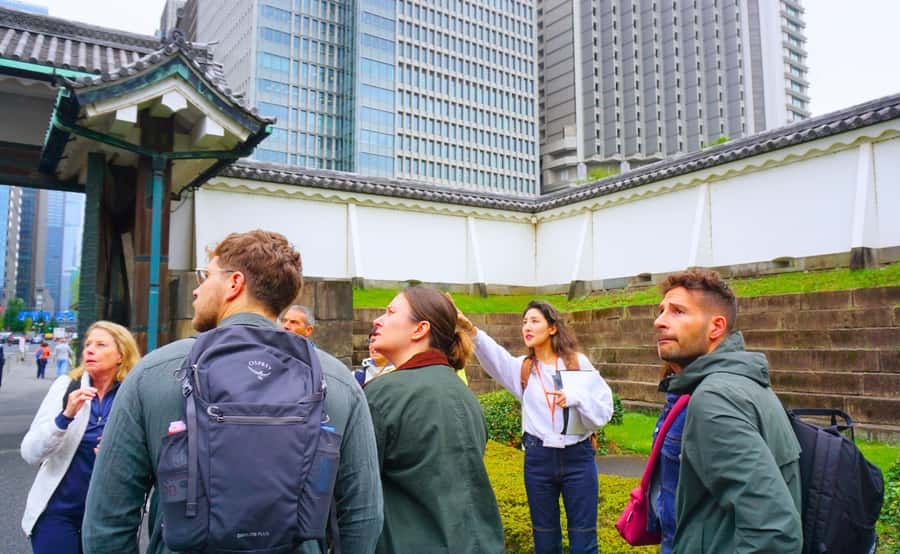
The Eastern Gardens provide the tour’s calmest stretch. You walk among trees from different parts of Japan that were given to the Emperor, with garden paths, old structures, and open views across the former castle site.
This is where the experience works best as a walking tour rather than a lecture. The setting gives your guide something concrete to explain, and you get breaks between historical points. The gardens also offer good photo locations, although the appeal is less about one famous postcard view and more about seeing how nature and political power share the same space.
You can expect stops around old samurai house sites and castle remains. These places help bridge the gap between everyday life and the ruling elite. A samurai house site, for example, gives the guide a chance to explain status and duty, while castle ruins show the scale and defensive purpose of the old compound.
The walk is not presented as a strenuous hike, but it is still an outdoor tour with plenty of standing and walking. It is not suitable for wheelchair users or people with mobility impairments, back problems, heart problems, recent surgery, or a low level of fitness. Pregnant people are also advised not to book this activity.
More Castle and Palace Walking Tours around Japan:
- Ultimate Osaka Walking Tour: Castle, Dotonbori & Hidden Gems
★ 5.0 · 862 reviews - Kyoto: Imperial Palace & Nijo Castle Guided Walking Tour
★ 4.7 · 453 reviews - Edinburgh Castle: Guided Walking Tour with Entry Ticket
★ 4.7 · 11,699 reviews - Venice: Doge’s Palace and St Mark’s Basilica Walking Tour
★ 4.4 · 6,291 reviews
Bamboo, koi, and small details

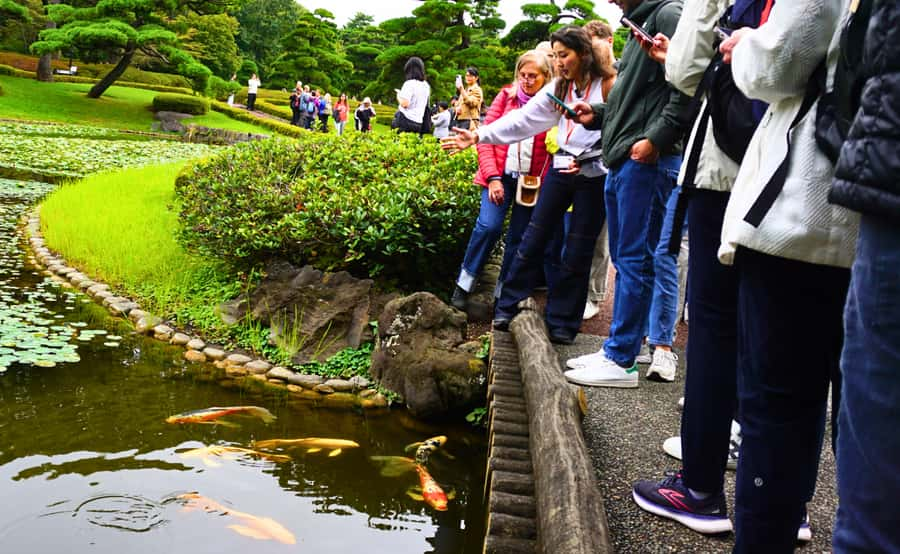
The gardens include a bamboo forest and ponds with distinctive royal koi fish. These stops add variety to the political history and give you some of the tour’s best photographs.
The koi are not just a quick photo opportunity. They offer a chance to discuss the palace as a living place, rather than only a former fortress. The bamboo section gives you a shady, quieter pause, though mosquitoes can be present in the garden. Mika has provided mosquito spray during tours, but I would still suggest bringing your own repellent if you are sensitive to bites.
The gardens can also be hot. One guide took care to stop in shade and offered small gifts that were useful in the summer heat. That sort of attention matters more than it might sound. A well-paced outdoor walk is much easier to enjoy when the guide notices that the group needs water, shade, or a slower stretch.
Rain does not automatically cancel the experience. The tour operates rain or shine, so pack accordingly. A light rain jacket, comfortable shoes, sun protection, and water will make the walk much more pleasant. There is no reason to dress formally for the palace grounds.
How the guides shape the experience
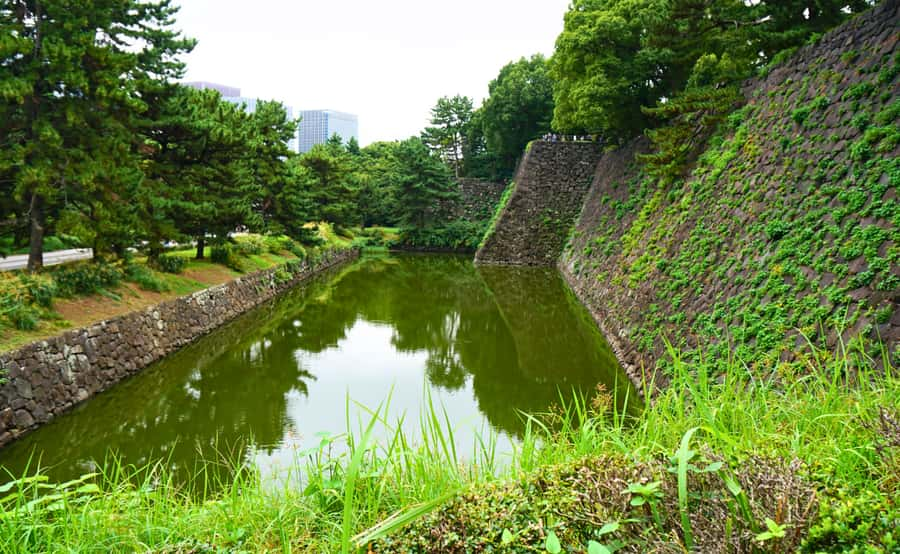
The strongest part of this tour is the human element. Guides are not simply reciting dates. They explain the political shift from the Edo period to the Meiji era, describe samurai responsibilities, answer questions, and often add food or etiquette suggestions for the rest of your stay.
Natsumi receives especially high praise for clear storytelling, a good walking pace, and practical recommendations after the tour. Mika is a strong choice if you like asking many questions and want explanations in excellent English. Lakki brings humor and energy, and has even kept a tour engaging in heavy rain.
Alexandre offers French as well as English, which gives French-speaking visitors another way to approach the site. Hugo is praised for mixing historical detail with fun facts, while other guides, including Nico, Arief, Fei, and Lucky, are described as friendly and attentive.
The tour is advertised in English and French. Since guides have their own personalities, the exact style may vary. Some visitors prefer a lively, interactive guide who asks questions. Others want a more formal historical explanation. This experience appears to cover both styles, but the shared strength is the willingness to answer questions rather than rush through the grounds.
What you will not see
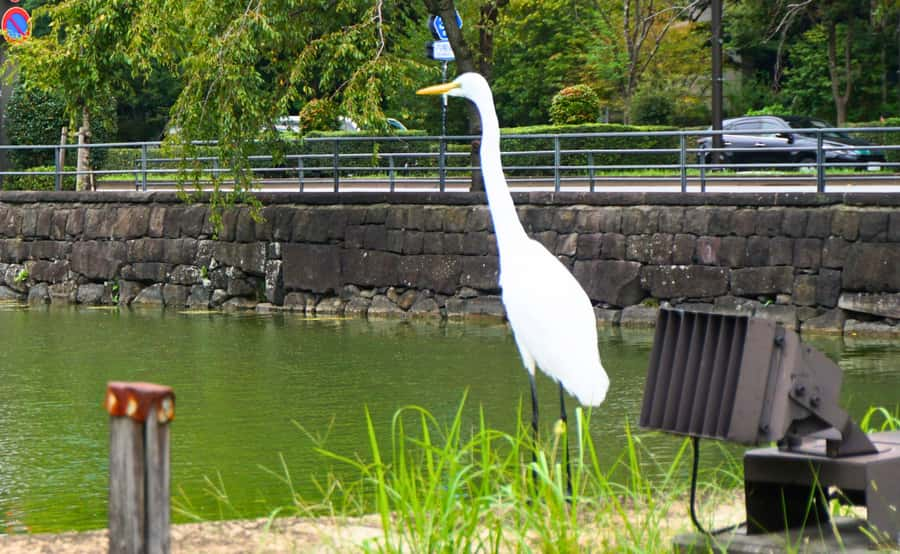
It is important to set your expectations correctly. The inner palace is not open to the public as part of this tour, and this experience does not include access to it.
You will instead explore the public Eastern Gardens and the surviving parts of the former castle complex. That is enough for a solid introduction to the site, but you should not book this expecting rooms inside the current imperial residence or a private palace visit.
The original Edo Castle is also not standing in full form. The miniature model helps fill in the gaps, while gates, stonework, ruins, gardens, and explanations supply the rest. If you need grand intact castle buildings, this may feel limited. If you enjoy reconstructing the past from what remains, it works very well.
Is $32 a good value?

At $32, I see this as a good-value history tour, especially early in your Tokyo visit. The palace grounds are free to explore on your own, but a self-guided walk may leave you wondering what happened to the castle, why the site matters, and how the shogun and Emperor fit into the same story.
The guide adds the value. You get a structured route, explanations in English or French, help with photographs, answers to questions, and sometimes restaurant suggestions for later. The tour also saves you from trying to piece together the history from scattered signs.
The value is lower if you already have a strong background in Edo and Meiji Japan or prefer to wander silently at your own pace. It is also less suitable if heat, rain, or extended walking will make an outdoor activity uncomfortable.
Who should book this palace walk?
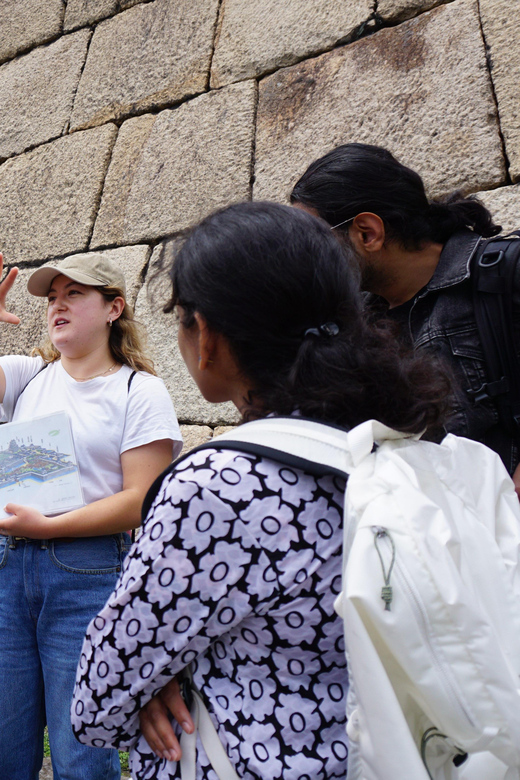
I would recommend it to first-time visitors who want a useful introduction to Tokyo’s political and cultural past. It also suits families who need history presented through questions, models, ruins, and visual details rather than a long museum talk.
You will get the most from it if you enjoy asking questions. Guides can explain the ranking system, Japanese history, architecture, food, etiquette, and places to visit afterward. It is also a smart first-day activity because it gives you context for neighborhoods, temples, museums, and other castle sites you may see later.
I would hesitate if you need step-free access, cannot walk comfortably outdoors, or want an indoor activity protected from bad weather. I would also skip it if your main goal is to enter the inner palace. That is simply not part of the visit.
Practical details before you go
Book with the weather in mind, even though cancellation is allowed up to 24 hours before the start for a full refund. You can also reserve now and pay later, which helps if your Tokyo plans are still changing.
Wear comfortable shoes and clothing suited to the forecast. The walk takes place outdoors and continues in rain, heat, or cooler conditions. Bring water, sun protection, and mosquito repellent if you need it.
Do not bring weapons or sharp objects, drones, alcohol, drugs, skateboards, or anything for making a fire. Smoking is also not allowed. The tour finishes where it begins, near the fountain and Starbucks, so the return is straightforward.
Should you book it?
Book this tour if you want the Imperial Palace grounds to tell a story instead of remaining a pleasant but puzzling garden. For $32, the guide-led explanation is the real attraction, with castle ruins, the old hierarchy, bamboo, royal koi, and practical Tokyo advice filling out the walk.
I would choose it near the start of your visit, when the Edo to Meiji story can help you understand the rest of Japan. Just prepare for outdoor conditions and remember that the inner palace is not included. If those limits suit you, Sunrise Adventure offers a friendly, useful way to meet Tokyo’s past.
FAQ
Where does the Imperial Palace walking tour start?
The meeting point is near the Starbucks by the fountain in Wadakuramon Fountain Park. Your guide holds a Sunrise Adventure sign.
How do I reach the meeting point?
Take the train to Tokyo Station or Otemachi Station, then walk about five to ten minutes to Wadakuramon Fountain Park.
Where does the tour end?
The activity ends back at the original meeting point near the fountain.
Is the inner palace included?
No. The tour visits the public Eastern Gardens and does not include access to the inner palace.
What language is the tour offered in?
The tour is offered in English and French.
What can I see during the walk?
You can see Otemon Gate, remains of Edo Castle, a miniature model of the former castle, old samurai house sites, bamboo, garden areas, trees given to the Emperor, and royal koi fish.
Does the tour run in bad weather?
Yes. The tour takes place rain or shine, so you should wear clothing suited to the forecast.
How much does the tour cost?
The listed price is $32 per person.
Is the tour suitable for wheelchair users?
No. It is not suitable for wheelchair users or people with mobility impairments.
Can I cancel for a refund?
You can cancel up to 24 hours in advance for a full refund. The booking also offers a reserve-now, pay-later option.
New walking tours around Japan
- Nara: Half-Day UNESCO Heritage & Local Culture Walking Tour★ 4.8 · 250 reviews
- Nagasaki: Private Walking Tour with a Local★ 4.7 · 79 reviews
- Hiroshima: Miyajima Half-day Historical Walking Tour★ 4.7 · 100 reviews
- Kyoto: Private Walking Tour with a Local★ 4.6 · 118 reviews
- Kyoto: Private 2.5 Hour Historical Walking Tour★ 4.9 · 121 reviews
- Kyoto: Imperial Palace & Nijo Castle Guided Walking Tour★ 4.7 · 453 reviews
- Kyoto: Izakaya Bars Guided Walking Tour★ 4.9 · 815 reviews
- Kyoto: Gion Walking Tour★ 5.0 · 195 reviews
Tokyo Walking Tours, side by side.

Tokyo Tsukiji Fish Market Food and Culture Walking Tour
Read our review →
Tokyo: Imperial Palace and Shogun Historical Walking Tour
Read our review →
Tokyo: Shinjuku Local Bar and Izakaya Guided Walking Tour
Read our review →
Tokyo: Asakusa Walking Tour with Sensoji Temple Visit
Read our review →
Tokyo: Tsukiji Fish Market Guided Walking Tour
Read our review →
Tokyo: Private Custom Walking Tour with Local Guide
Read our review →