
Review · BUDAPEST
Alternative Budapest Walking Tour
Budapest’s Jewish Quarter is more than a district of bars and nightlife. It is a living record of change, with old synagogues, painted walls, art spaces, cafés, studios, and shops sharing the same streets. This tour uses that mix to show you the Budapest that sits beyond the standard castle, parliament, and thermal-bath circuit.
I like two things especially: the small groups, capped at 10, make it easy to ask questions, and the guides bring the city’s present-day culture into focus rather than simply reciting dates. You also get useful ideas for the rest of your stay, from cafés and design shops to ruin bars and music venues.
The main drawback is value. At $67 per person, this is not a cheap walking tour, and the advertised length is roughly 2.5 hours, with some descriptions calling it closer to three. It suits you best if alternative culture matters more than ticking off major monuments.
Key points to know before you book
- The Jewish Quarter is the main stage: Expect old religious buildings, street art, cafés, galleries, bars, and signs of the district’s rapid change.
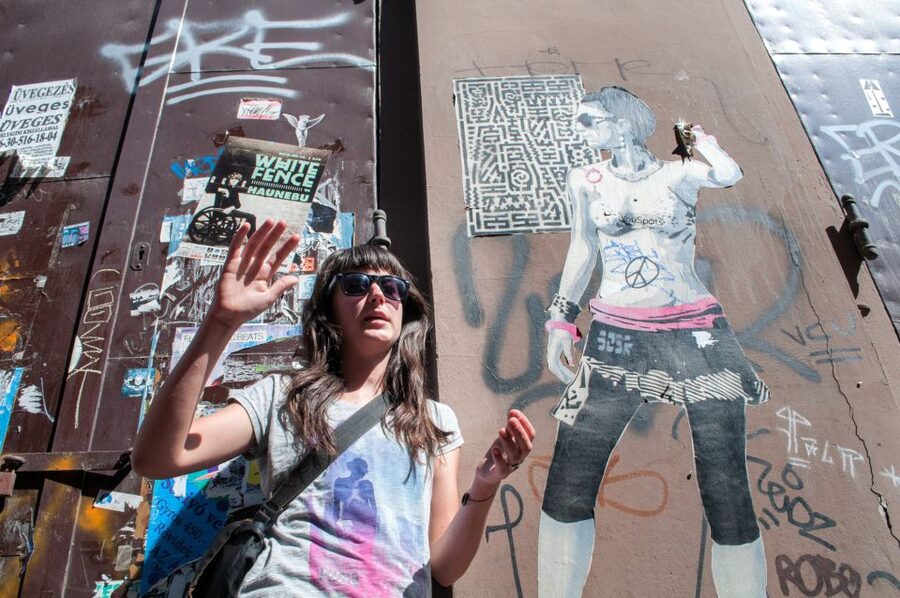
- Street art comes with context: Your guide explains local graffiti writers, murals, politics, architecture, and why certain walls and public spaces look the way they do.
- Ruin bars are part of a bigger story: Places such as Szimpla Kert are presented as community and cultural spaces, not just places to drink.
- Small groups improve the conversation: With no more than 10 people, you can ask about nightlife, food, music, politics, and daily life.
- The route changes: Budapest’s alternative scene is not fixed, so the exact cafés, studios, galleries, and venues may vary.
- Wear sensible shoes: This is a walking tour through city streets, with no stated provision for wheelchairs or people with mobility impairments.
Starting near the Lutheran Church
The meeting point is in front of the pale-yellow Lutheran Church, on the church steps. Look for your guide there rather than expecting a desk, bus, or tour office. If you have trouble finding the group, the local partner can help by phone.
The central meeting point makes sense for a walk that moves quickly into the city’s less formal side. You will not be spending the afternoon inside one museum or monument. The interest comes from reading the streets as you go, so comfortable shoes and weather-appropriate clothing matter.
The tour is conducted in English. Guides have included Ray, Petra, Anna, Bella, Zsophia, Antonia, and Krisztián, among others. The quality of the experience depends partly on who leads your group, but the repeated pattern is clear: guides are expected to discuss local life, art, history, and current culture rather than follow a stiff script.
More walking tours around Budapest:
- Budapest: Buda Castle Walk with Saint Stephen’s Hall
★ 4.5 · 3,012 reviews - Big Bus Budapest Hop-On Hop-Off Bus and Walking Tour
★ 3.5 · 2,206 reviews - Budapest: Buda Castle District Walking Tour
★ 4.6 · 2,108 reviews
Entering Budapest through street art
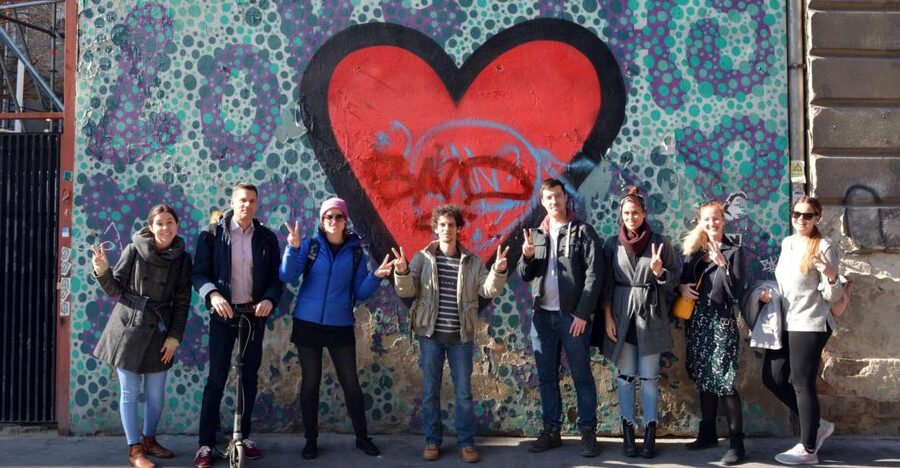
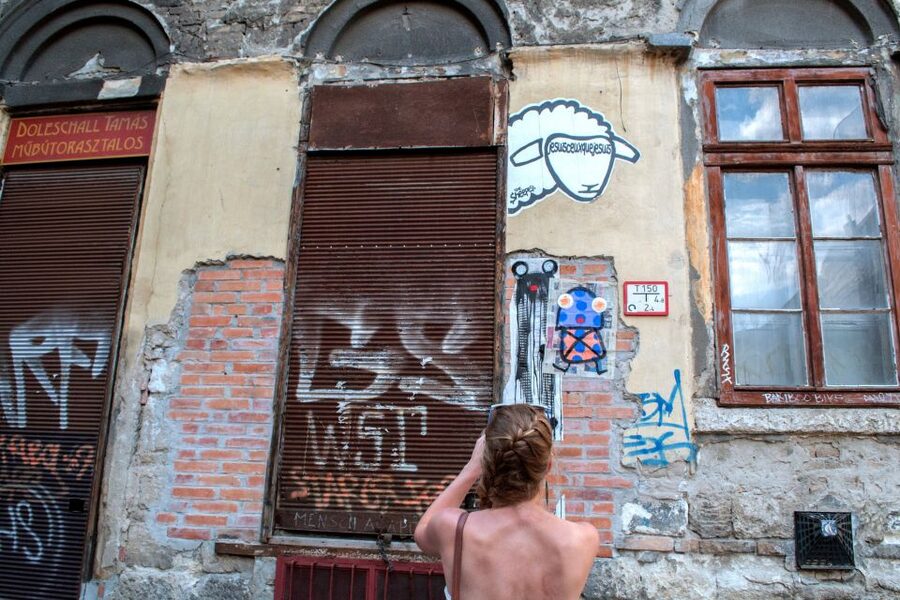
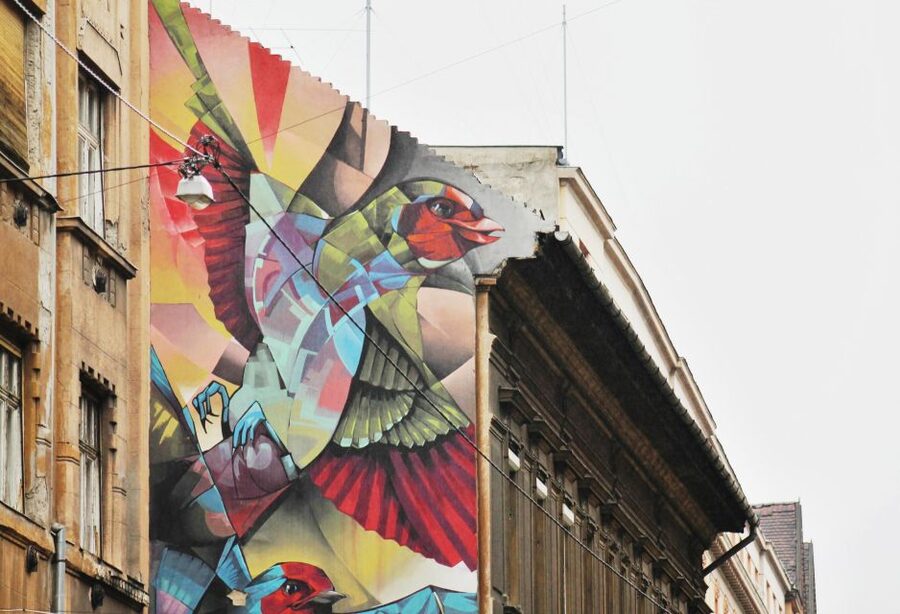
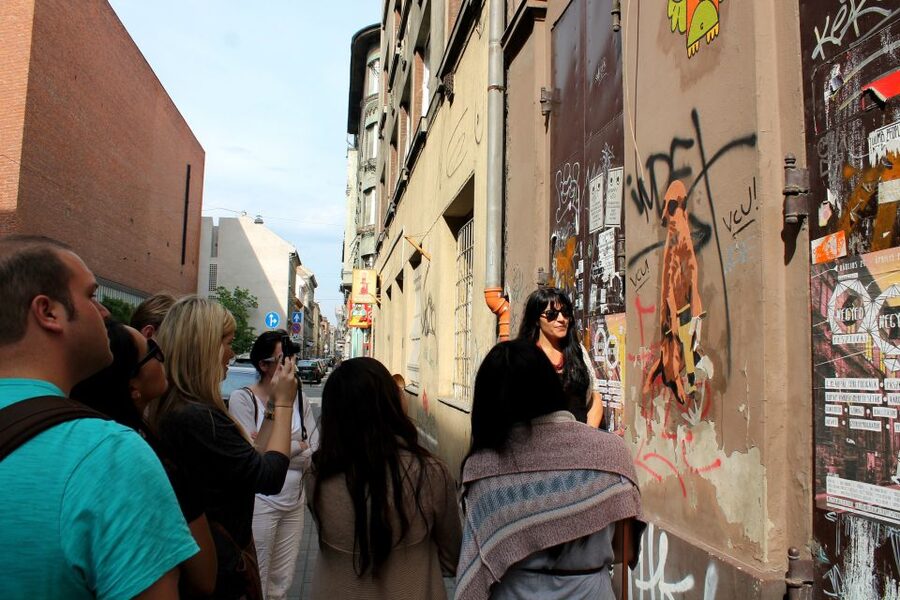
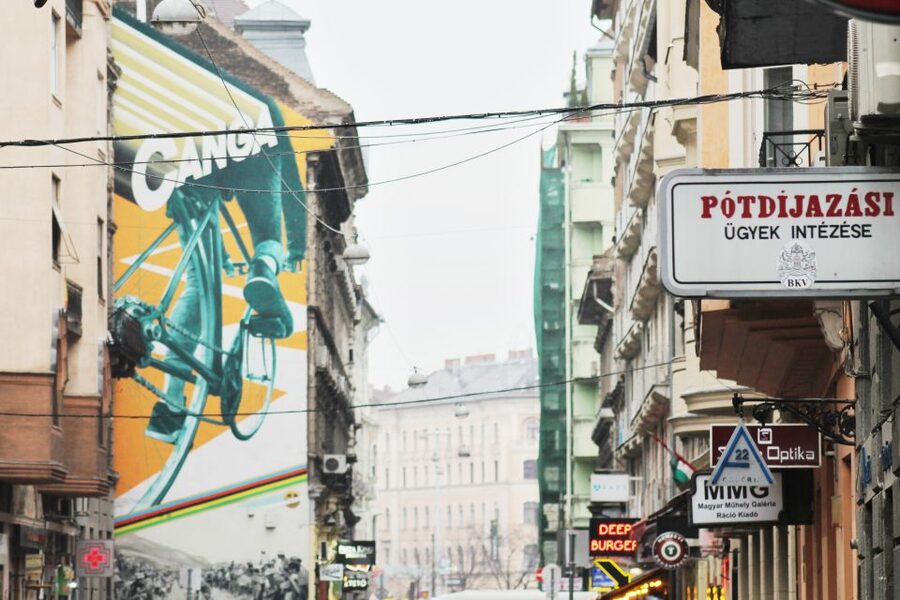
Street art is the easiest doorway into the tour. Murals and painted walls give you something visible to study, but the better part is the explanation around them. You learn about local graffiti writers, the city’s artists, the use of public space, and the ideas behind the images.
That context matters because a mural can look like a simple photo stop when you first pass it. A guide can point out how the work relates to Budapest’s architecture, politics, or neighborhood identity. One guide has even explained why paint appears on sidewalks and how Hungarians have taken a different approach to architecture. Those details help you notice more as you walk alone later.
The street art is also a useful way to see the city’s contradictions. A fresh mural may sit beside a worn building, an old religious site, or a new bar. That contrast is not cleaned up for sightseeing. It is part of what makes the route feel current.
Do not book this expecting a formal art lecture or a complete survey of Budapest graffiti. The tour is broader than that. Street art is one strand alongside shops, cafés, history, nightlife, and neighborhood change.
The Jewish Quarter beyond the nightlife signs
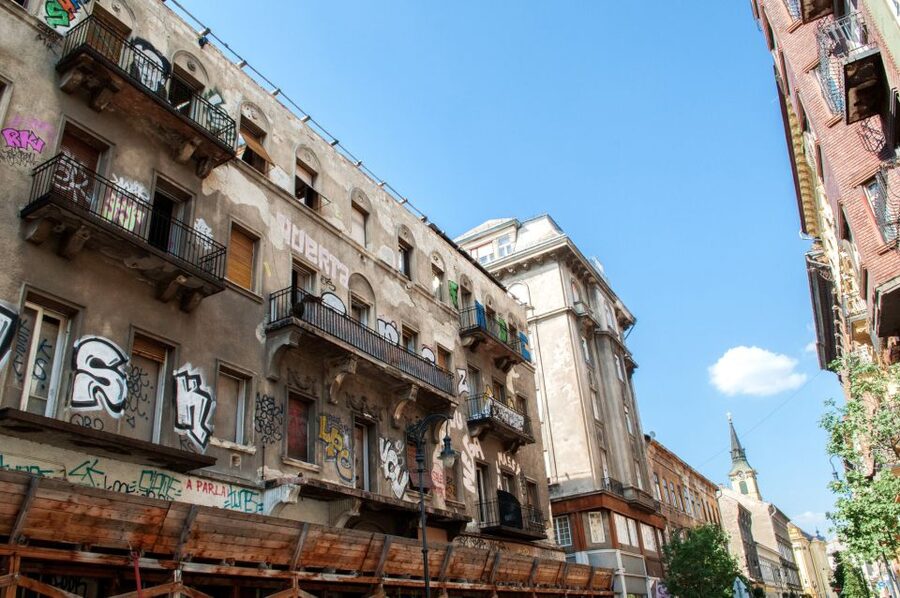
The Jewish Quarter gives the walk its strongest historical and social thread. You will hear about the old Jewish area and how it has changed into one of Budapest’s most sought-after districts, filled with restaurants, cafés, bars, and creative businesses.
The important point is that the district is not presented as a frozen historical zone. It is a place where the past and the new economy sit close together. You may pass abandoned synagogues, cultural centers, older buildings, and art spaces before reaching newer businesses and nightlife venues.
That approach gives you a more useful understanding of the area than a simple bar crawl. The guide connects the Jewish community’s history with the district’s current revival, while also explaining how local people experience the changes.
You should expect conversation rather than a long list of dates. The guides often leave room for questions about daily life, politics, architecture, and the city’s changing identity. If you want only major historical landmarks, this is not the most efficient Budapest tour. If you want to understand why this particular quarter feels so different from the grand avenues, it earns its place.
Cafés, design shops, and creative spaces
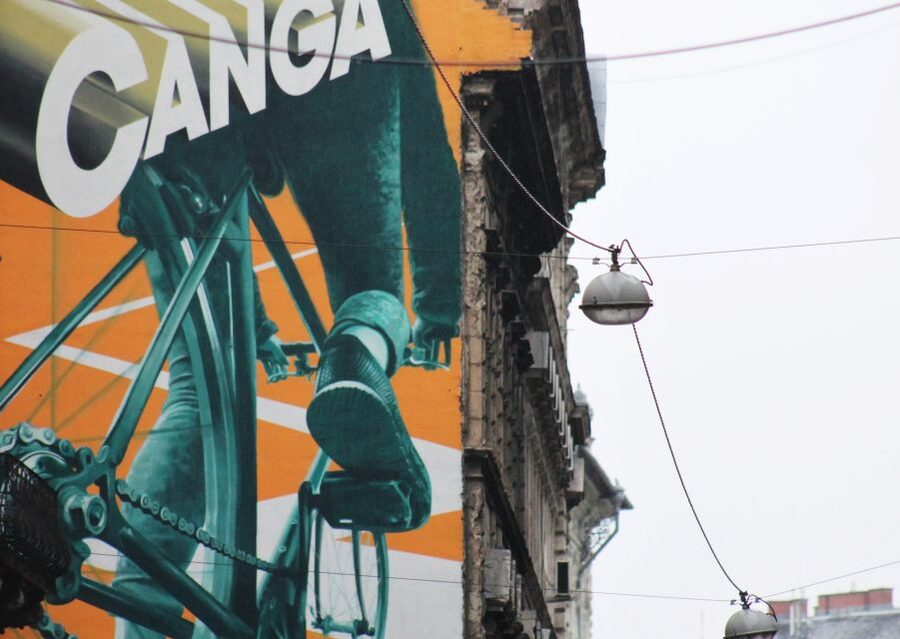
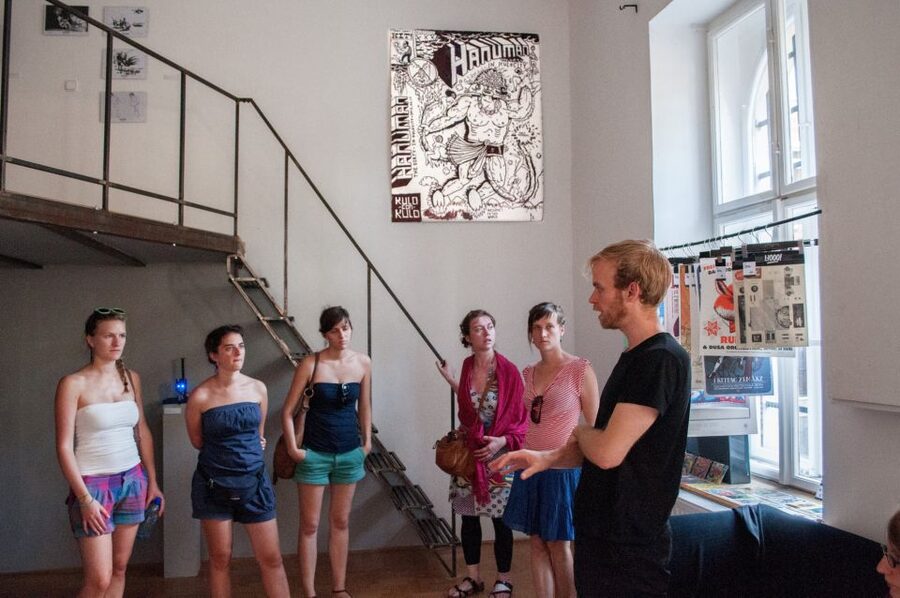
The route may include places that are easy to miss on your own. These can include independent cafés, design shops, bookshop cafés, studios, galleries, and art or coffee collectives. They are not simply decorative stops. They show where Budapest’s creative life takes place during the day.
Printa is one example that has featured on the route. It combines an eco-design shop with a café, making it a useful pause as well as a chance to see local design work. Another stop described by past groups was a bookshop café, where the setting itself became part of the lesson about the neighborhood.
The exact stops can change. That is both a strength and a limitation. An alternative culture tour cannot remain perfectly fixed when venues open, close, change owners, or shift focus. You should think of the walk as a guided introduction to the area rather than a guaranteed checklist of every named business.
I like this part because it gives you practical follow-up choices. A standard sightseeing route tells you what to look at. This tour can also tell you where to return for coffee, browsing, music, or an evening drink.
Same streets, a different story:
- Budapest City Landmarks Walking Tour in 2 Hours
★ 5.0 · 2,048 reviews - 3-Hour Orientation Walking Tour of Buda and Pest
★ 4.8 · 1,834 reviews - Budapest: 3-Hour Grand City Tour and Castle Walk
★ 4.3 · 1,437 reviews - Budapest Historical Sightseeing – Free Walking Tour
★ 5.0 · 1,302 reviews
Understanding what makes a ruin bar different
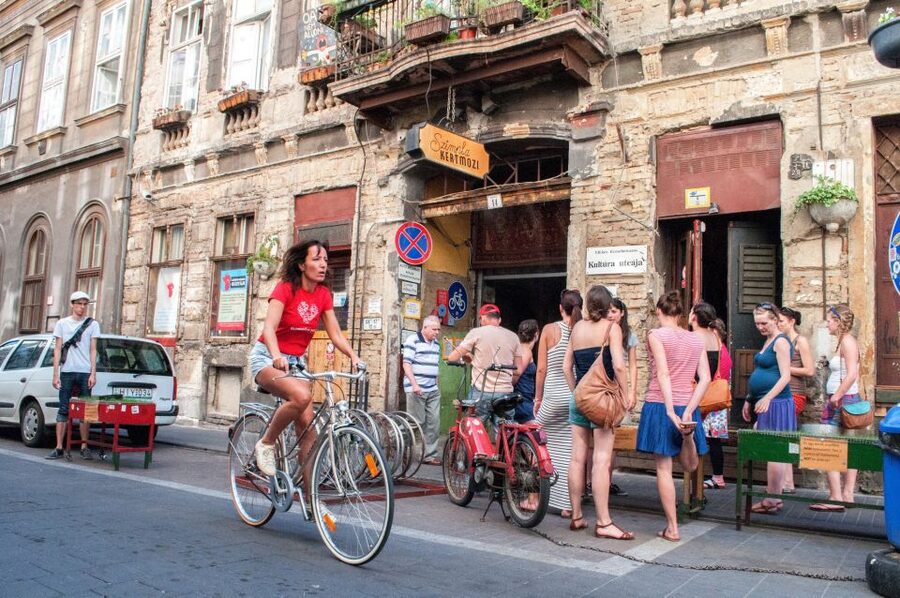
Ruin bars are among the best-known symbols of modern Budapest, but they can be easy to misunderstand. On this tour, they are placed in the wider story of neglected buildings being reused for entertainment, art, workshops, and community activity.
Szimpla Kert is the clearest example. It is a large, unusual space arranged around a courtyard, with rooms filled with mismatched objects and improvised seating. A converted Trabant, used as a seating area, is one of the memorable details. The point is not just that the place looks odd. It shows how an old or underused building can become a social and cultural venue.
The tour may also introduce a ruin bar that functions as more than a nightlife stop, with links to a community center, bike workshop, or analogue photography gallery. That wider picture is useful if you are tempted to dismiss ruin bars as tourist-only drinking spots.
You may have time for a coffee or beer during a stop, but food and drinks are not included. Budget for your own purchases. Also remember that a bar can be much busier or noisier at night than it is during a daytime walking tour.
From music venues to Budapest’s alternative scene
Music is another thread running through the walk. You may hear about underground music, live venues, and the places where Budapest’s creative crowd meets. One earlier route included the A38 ship bar and venue, with a chance to see a sound check. That particular stop should not be treated as guaranteed, but it shows the kind of local connection the tour can make.
The emphasis is on the city’s present and future rather than a full account of its past. That does not mean history is ignored. Instead, history is used to explain why a district looks and feels as it does now.
This is a good fit for you if you want to know what to do after the main sights close. You can ask about live music, bars, cafés, art spaces, and the districts where local culture is developing. A guide may also suggest places for the rest of your visit, which is one reason to schedule the walk early in your stay.
Why the small group matters
A group limit of 10 is a real advantage here. The subject is conversational, and a large crowd would make it harder to stop in narrow streets, look closely at murals, or ask about something that catches your eye.
The best guides make the walk feel flexible without losing its shape. Ray, for example, has been praised for combining stories about murals, buildings, shops, and ruin bars with useful background about the city. Petra has led groups through the artistic side of Budapest in a casual, engaging way. Krisztián has been valued for his flexibility and broad grasp of the Jewish and alternative districts.
Guide quality can never be guaranteed by a name on a booking page, since the assigned person may change. Still, the experience clearly depends on a local guide who can respond to questions. Ask freely. This is the kind of tour where questions about politics, architecture, nightlife, and everyday life can be as useful as the planned stops.
There is also a social side. Some groups have stayed together for a drink after the walk. That is not part of the formal service, but the relaxed format can make it easier to meet other people, especially if you are traveling alone or as a couple.
Timing, pace, and practical comfort
The tour lasts about 2.5 hours, although the description also refers to a three-hour experience. Plan for a substantial city walk, not a brief orientation. The route crosses both Buda and Pest in the broad description, though the Jewish Quarter and central Pest receive the clearest attention in the detailed route information.
Wear shoes you can walk in comfortably. Bring layers or rain protection as needed, since much of the experience takes place outdoors. Cold weather has not stopped every group from enjoying the walk, because indoor pauses can be arranged at cafés or similar venues, but you should still dress properly.
There is no hotel pickup or drop-off. Entrance fees, food, and drinks are not included. The tour is not suitable for wheelchair users or people with mobility impairments, so check the route needs carefully before booking.
Cancellation is free up to 24 hours before the start, and you can reserve now and pay later. Those terms are useful if your Budapest plans are still moving around, but they do not change the basic question of value: you are paying for local interpretation and access to a less obvious side of the city, not for admission to a major attraction.
Is $67 a fair price?
At $67, this costs more than a basic group orientation walk. You are paying for a small group, an English-speaking professional guide, and a route built around local culture rather than famous monuments.
The value is strongest if you use the tour as a starting point for the rest of your stay. A guide can help you choose a ruin bar, café, gallery, shop, or music venue that suits your interests. You also gain a better sense of the Jewish Quarter before returning on your own.
The price feels less convincing if you mainly want to see murals quickly or visit places you could locate with a map. Food and drinks cost extra, and no entrance tickets are included. Someone focused on classic Budapest sights may get more from a conventional city tour.
The high rating reflects a consistent pattern of positive experiences, especially around the guides, the personal feel, and the unusual route. I would still compare it with your budget and interests. This is a specialist walking tour, not an all-purpose introduction to Budapest.
Who should book this Budapest walk?
Book it if you like street art, independent shops, cafés, music, alternative nightlife, or the social history of changing neighborhoods. It also suits repeat visitors who have already seen the major sights and want a different angle.
First-time visitors can enjoy it too, especially if you schedule it near the beginning of your stay. You will get practical ideas for later, and the guide can help make sense of the Jewish Quarter before you explore it at night.
I would skip it if you have limited mobility, dislike walking, want a major landmark checklist, or have no interest in bars, galleries, street art, and current city culture. It is also not the right choice if $67 feels high for a tour without included food or admission.
FAQ
Where does the Alternative Budapest Walking Tour meet?
Meet your guide on the steps in front of the pale-yellow Lutheran Church. If you cannot locate the guide, call the local partner for help.
How long does the tour last?
The activity is listed as 2.5 hours, while the fuller description refers to a three-hour walking tour. Check the available start time and allow roughly half a day around it.
What language is the tour in?
The live tour guide speaks English.
How large is the group?
The tour is limited to 10 participants, making it a small-group experience.
Are food and drinks included?
No. Food and beverages are not included, and any coffee or beer you choose to have during a stop is your own expense.
Is the tour suitable for wheelchair users?
No. The activity is not suitable for wheelchair users or people with mobility impairments.
Can I cancel for a refund?
Yes. You can cancel up to 24 hours in advance for a full refund. You can also reserve now and pay later.
My call: book it for a different Budapest
I would book this tour if I wanted Budapest to feel like a living city rather than a list of monuments. The strongest parts are the small group, the guides’ local perspective, and the way street art, Jewish Quarter history, ruin bars, and creative spaces fit into one walk.
Just keep the price in view. At $67, it is a considered purchase, but it can pay off if you use the advice for the rest of your trip. Schedule it early, wear good shoes, ask plenty of questions, and expect an introduction to Budapest’s alternative side rather than a standard sightseeing tour.
New walking tours around Budapest
- Jewish Quarter of Budapest Walking Tour★ 4.7 · 369 reviews
- Budapest 3-Hour Walking Tour in Italian★ 4.6 · 217 reviews
- Budapest: Castle District Walking Tour★ 4.8 · 223 reviews
- Budapest: Walking Tour to the Shoes Memorial and Parliament★ 4.7 · 151 reviews
- Budapest: Walking Tour and Photoshoot with Digital Photos★ 4.7 · 82 reviews
- Budapest: Buda Castle District Walking Tour with a Historian★ 4.9 · 867 reviews
- Budapest: Jewish History Guided Walking Tour with Historian★ 4.8 · 205 reviews
- Budapest: Hungarian Cooking Class and Market Walk★ 5.0 · 91 reviews
Budapest Walking Tours, side by side.
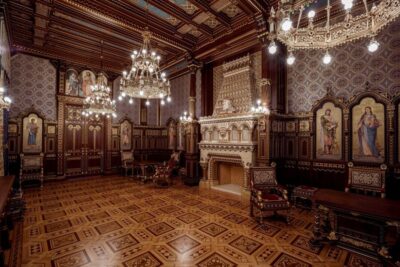
Budapest: Buda Castle Walk with Saint Stephen’s Hall
Read our review →
Big Bus Budapest Hop-On Hop-Off Bus and Walking Tour
Read our review →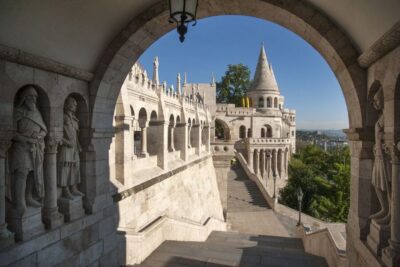
3-Hour Orientation Walking Tour of Buda and Pest
Read our review →
Budapest: 3-Hour Grand City Tour and Castle Walk
Read our review →

Budapest Food Walking Tour: Eat, Sip & Explore Like a Local
Read our review →Lists this walk sits on