
Review · BUDAPEST
Budapest: Hungarian Cooking Class and Market Walk
Budapest’s Central Market Hall is only the starting point here. You’ll taste Hungarian specialties with a local guide, shop for ingredients, then cook a family recipe in a nearby apartment. George, Marcell, Emese, and Kinga are among the hosts, and the experience has earned a perfect 5 rating from 91 reviews.
I like the way the market visit leads straight into lunch. I also like the small-group, communal format, which feels more like joining a Hungarian kitchen than sitting through a formal demonstration. The main consideration is that the class lasts four hours, and the food and drink make it a poor fit if you want a quick sightseeing stop or a quiet, private meal.
Key points at a glance
- Central Market Hall first: Meet by the Yellow Tram stop and explore Budapest’s grand indoor food market with tastings.
- Family recipes: Choose a main dish such as chicken paprikash, beef goulash, mushroom paprikás, lecsó, or, depending on the arrangement, stuffed cabbage rolls.
- More than a cooking lesson: The hosts explain Hungarian food, history, customs, paprika, and local drinks along the way.
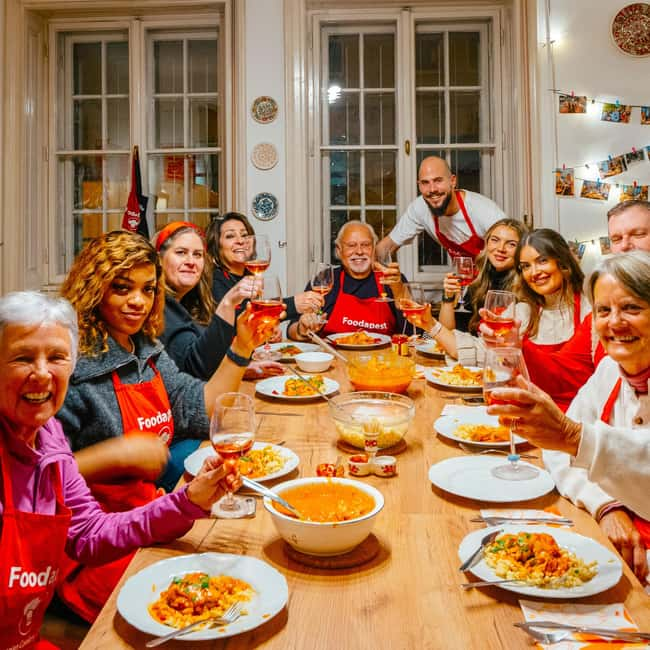
- A shared table: You’ll cook and eat with the rest of the group, with cold cuts, cheeses, sausages, wine, and pálinka included.
- Useful take-home value: You receive recipes, Budapest tips, and a small surprise souvenir.
- Good dietary flexibility: Vegetarian, vegan, and halal requests can be accommodated when arranged ahead of time.
Starting at Budapest’s Central Market Hall
The meeting point is easy to find: outside the main entrance of the Central Market Hall, beside the Yellow Tram stop. Look for the guide carrying a brown market basket. That small visual cue matters in a busy city, especially if you are arriving by tram and do not want to waste the first ten minutes scanning faces.
The market is one of Budapest’s essential food sights. Its great iron-and-glass hall is a practical place to see how Hungarian ingredients are sold, not just a backdrop for photographs. The walk introduces you to the foods that later shape the cooking lesson, so the day has a clear thread from market stall to dining table.
Your guide leads a short walk through the hall and talks about Hungarian cuisine, culture, and history. The pace includes tastings, which makes this more useful than simply being told what paprika, cured meat, or pickled produce is supposed to taste like. You get to try before you cook.
One especially appealing detail is the chance to sample several Hungarian flavors and drinks along the route. The market visit can include sausages, salamis, pickled foods, and pálinka. The hosts also share advice about buying souvenirs, a practical touch if you want to take home paprika or another food item without guessing which stall is worth your money.
The market can be lively and crowded, so this is not a slow, empty-hall experience. You will likely spend part of the walk moving around other shoppers and vendors. That is part of the point. You are seeing a working food market rather than a staged exhibit.
More Market Walking Tours around Budapest:
- Bangkok: City Highlights Temple and Market Walking Tour
★ 4.5 · 3,990 reviews - Tokyo Tsukiji Fish Market Food and Culture Walking Tour
★ 5.0 · 3,184 reviews - London Bridge & Borough Market Food Tour with 7 Authentic Dishes
★ 5.0 · 1,972 reviews
From market tastings to a home-style kitchen
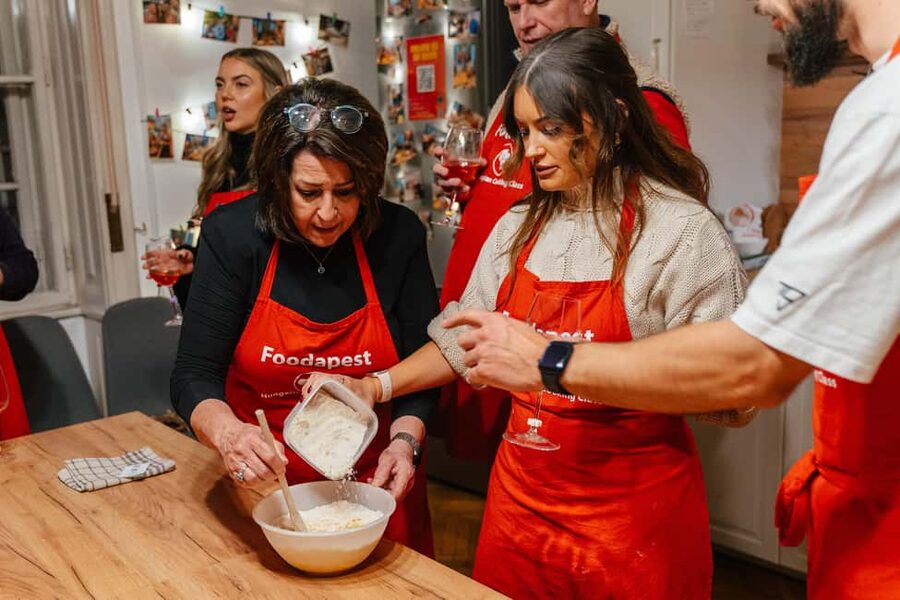
After the market, the group takes a short walk to a nearby apartment. The change of setting is important. Instead of remaining in a commercial cooking studio, you move into a personal kitchen where the hosts can talk about food in a more relaxed way.
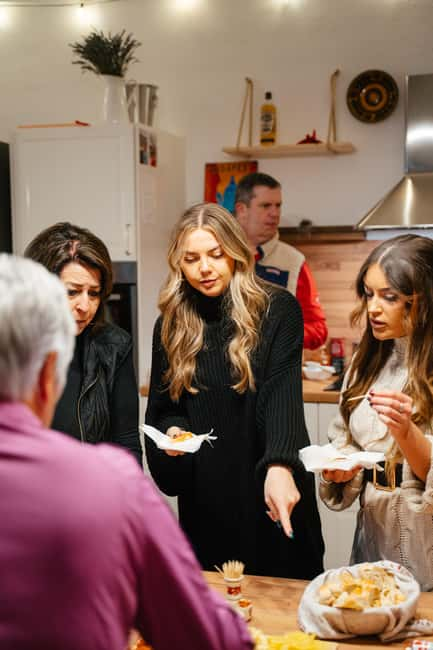
The apartment has been described as charming and welcoming, with the atmosphere of visiting a friend’s home. You can expect snacks waiting before the main cooking begins, including Hungarian cold cuts, cheeses, sausages, dips, and other small bites. These are not filler. They give you time to settle in, meet the other participants, and keep the afternoon social while the main dishes are prepared.
This part will suit you if you enjoy conversation as much as instruction. The group often includes people from different countries, and the communal table gives solo visitors an easy way to meet others. Families can also fit comfortably into the format. One especially positive family experience included children aged 12 and 13, who took part in the cooking and shared meal.
The tradeoff is that the experience depends on group chemistry. You are not booking a private chef lesson for just yourself. The hosts manage the group, divide tasks, and keep the conversation moving, but some participants may be more hands-on than others. Kinga has been praised for handling group dynamics well, while George and Marcell are often singled out for their warmth and patience.
Choosing your Hungarian main dish
The group chooses the main dish together, so this is not a menu where each person automatically prepares something different. You should tell the operator your preference and dietary needs before the class.
The choices listed include:
- Chicken paprikash: A classic Hungarian dish built around paprika and a rich sauce. It is a strong choice if you want the most familiar introduction to Hungarian home cooking.
- Beef goulash stew: A hearty dish based on a family recipe. Choose this if you want something substantial and slow-cooked in character.
- Mushroom paprikás: A vegetarian option that keeps the paprika-centered style while replacing meat with mushrooms.
- Lecsó: A vegetable-based Hungarian dish that can suit vegetarian and vegan diners.
- Stuffed cabbage rolls: This appears among the meal preferences provided for advance arrangements, so confirm availability when booking.
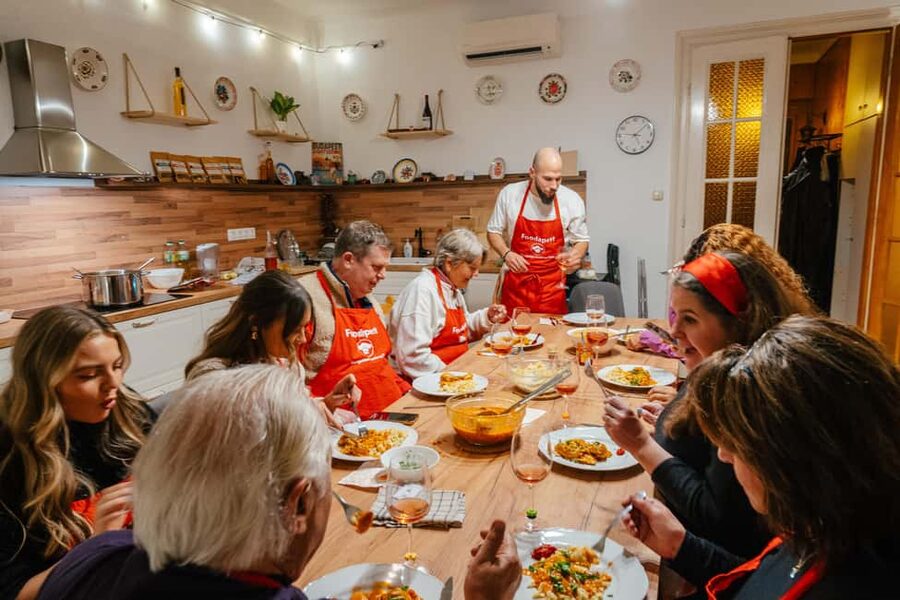
The cooking is communal rather than a chef performance. You roll up your sleeves, help prepare the meal, and learn the logic behind the recipe. That distinction matters. You are not simply watching a local cook make dinner while you take notes. You are part of the work, with the hosts offering guidance as the dish comes together.
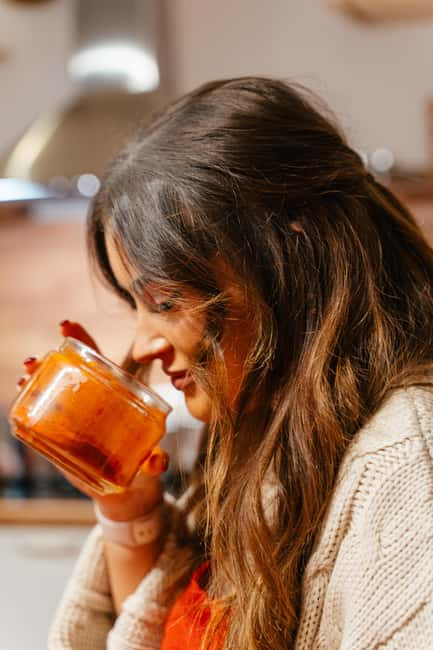
Paprika receives special attention, and rightly so. Hungarian paprika is not a single, flat flavor. The experience can introduce you to smoky, sweet, and spicy varieties, helping you understand why the spice is central to so many local dishes. I find this kind of tasting more useful than a long explanation because you can compare the flavors directly.
The recipes come from family kitchens, including recipes associated with the hosts’ mothers and grandmothers. That gives the lesson a personal point of view. You are learning one family’s way of making chicken paprikash or goulash, not being told that there is only one official method.
Food, wine, and pálinka around the table
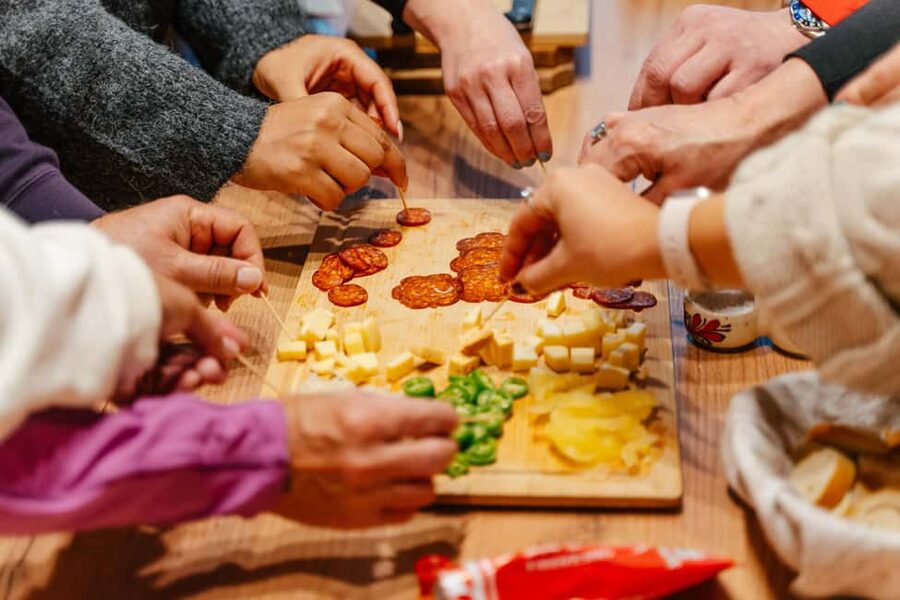
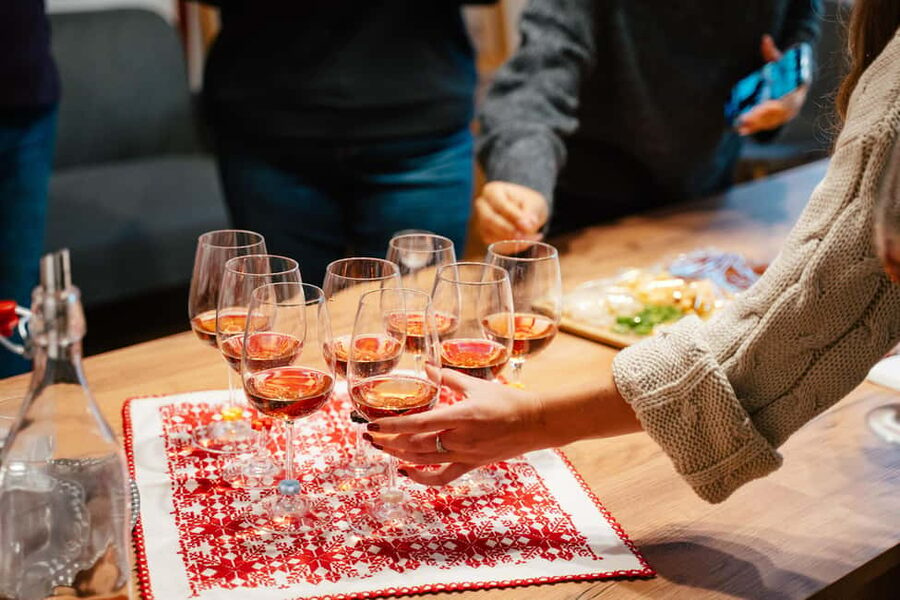
The drinks are part of the cultural lesson, not just an extra reason to book. Local wine is included, and Hungarian spirits, including pálinka, are offered during the experience. Pálinka is strong fruit brandy, so you should treat it as a tasting rather than something to drink quickly.
The meal begins with cold cuts, cheeses, meats, sausages, and dips. These snacks help turn the class into a full afternoon of eating, especially when followed by the main dish. If you arrive without breakfast or expect only a small demonstration, you may find the amount of food generous.
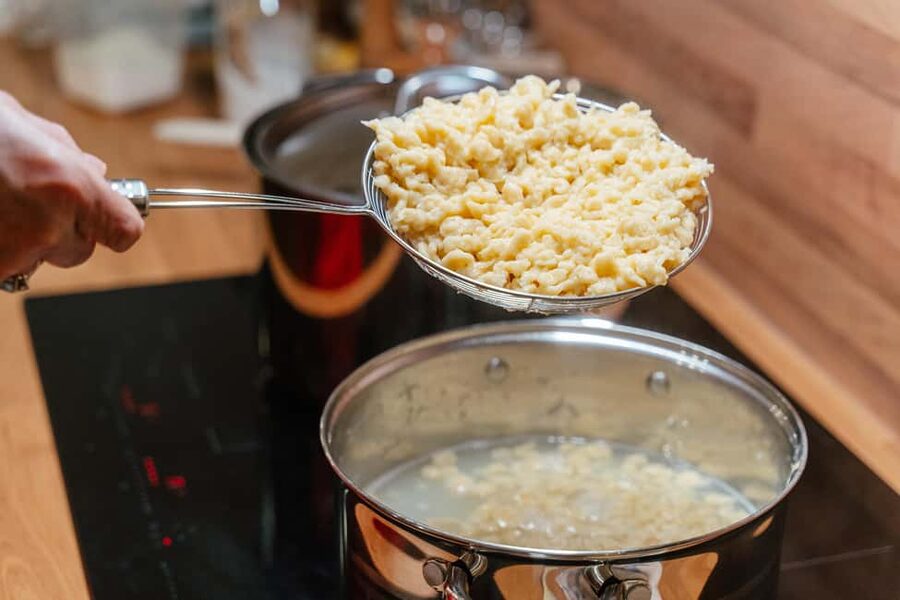
You also get to eat what the group prepares. That sounds obvious, but it changes the lesson’s mood. The final meal gives everyone a reason to stay engaged, compare results, and talk through what worked. Several particularly enthusiastic accounts praised the food itself, with chicken paprikash and dumplings receiving special attention.
The wine and conversation can make this feel more like a long shared lunch than a technical cooking workshop. That is a strength if you want a social cultural activity. It may be less appealing if you are looking for exact measurements, professional kitchen equipment, or a tightly timed chef school.
More cooking classes around Budapest:
- Cape Town: Bo-Kapp Walking Tour and Malay Cooking Class
★ 4.7 · 105 reviews - Naxos: Food Walking Tour & Cooking Class with Meal & Drinks
★ 4.9 · 86 reviews
What makes the guides important
The host is a major part of this experience. George, also known as György, is repeatedly praised for combining cooking instruction with stories about Hungarian culture and daily life. He is also credited with making the apartment feel friendly and helping visitors improve their cooking technique.
Marcell leads both the market walk and the kitchen portion. He has been praised for his humor, clear instruction, and ability to make the afternoon relaxed without losing structure. Emese is noted for knowing the best places to stop for food and for explaining the market’s background. Kinga has been praised for keeping a group balanced and involved.
Your actual guide may vary, so I would not book with the expectation of one particular person. The useful point is that the experience is host-led rather than anonymous. You can ask questions about ingredients, recipes, Hungarian customs, and places to eat during the rest of your stay.
The hosts also provide tips for Budapest. These suggestions are a welcome bonus because they come after a conversation about what you enjoy eating and how you are spending your time. You can ask for practical ideas rather than receiving a generic list.
Timing, meeting point, and practical value
The activity lasts four hours, with starting times available according to the date you select. That is a substantial part of your day, but it is also why the experience can cover a market walk, tastings, cooking, drinks, and a full meal without feeling rushed.
The activity begins and ends at the Central Market Hall meeting point. After cooking at the apartment, you return to the original meeting area. That makes planning easier, since you do not need to work out a separate return route from an unfamiliar residential address.
A separate entrance is provided to skip the line. Since the meeting point is outside the main entrance, follow the guide’s directions rather than wandering into the hall on your own. The brown market basket is the key identifier.
The class is conducted in English. You should be comfortable following spoken instructions and chatting in a group. It is not presented as a language lesson, though you will pick up some food terms and perhaps a few Hungarian expressions along the way.
At $98 per person, the price is not a bargain-basement cooking class. Still, it covers four hours, a guided market visit, tastings, appetizers, wine, pálinka, the cooking lesson, the finished meal, recipes, Budapest advice, and a souvenir. If you would otherwise pay separately for a market tour, a cooking class, and lunch, the combined value is reasonable.
The value is strongest for someone who enjoys participation and conversation. If you only want to taste Hungarian food, you can eat more cheaply elsewhere. If you want a formal professional lesson, you may also find a cheaper workshop. The price makes better sense when you count the personal hosting and the cultural context.
Dietary needs and dish planning
You need to share dietary restrictions in advance. Vegetarian and vegan preparations are available, and halal ingredients can be provided on request. This flexibility is useful, but it depends on early notice and clear communication.
The experience can include a meat dish for one part of a couple or group and a vegetarian dish for another, depending on the arrangement. If you have a strict allergy, confirm the details before booking rather than relying on a general dietary label.
Tell the operator which main dish you prefer. The supplied choices are not perfectly identical across the booking information, with mushroom paprikás and lecsó listed in one place and stuffed cabbage rolls included among the meal preferences elsewhere. A quick confirmation removes any uncertainty.
Who will enjoy this four-hour experience?
I would recommend this for food-focused visitors, solo visitors who like meeting people, couples, and families with older children. It works especially well early in a Budapest stay, since the hosts can offer ideas for the rest of your visit, or near the end, when a long shared meal makes a pleasant farewell.
It is also a good introduction to Hungarian cooking if you have never used paprika beyond sprinkling it on eggs. You will taste the ingredients, hear where they fit in local food culture, and prepare a dish you can repeat at home.
You may want to skip it if you dislike group activities, cannot drink alcohol, or prefer to keep your sightseeing schedule tightly packed. Alcohol is included, though you do not have to treat it as the main event. The four-hour commitment also means you should not place it between two activities with strict start times.
The experience is not built around famous monuments. You will see the Central Market Hall, but the main reward is the food, the kitchen, and the people you meet there. If you want a personal look at everyday Hungarian cooking, that is exactly its appeal.
Should you book Foodapest?
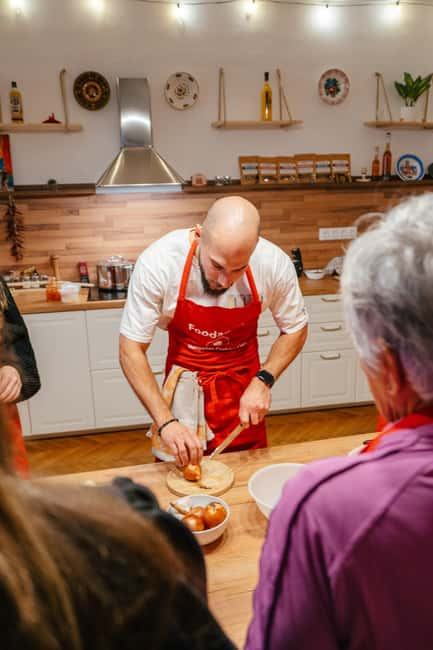
Book this experience if you want to understand Hungarian food by tasting it, preparing it, and eating it with local hosts. The strongest features are the market-to-kitchen format, the family recipes, the warm hosting by people such as George and Marcell, and the chance to meet other participants around a shared table.
I would especially choose it over a standard cooking demonstration. You get more than a recipe: you see ingredients in their market setting, learn how paprika differs in flavor, hear practical stories about Budapest, and leave with recipes to try at home.
Skip it if you want a short activity, a private lesson, or a purely sightseeing-focused tour. For everyone else, the $98 price is fair for a four-hour food-and-culture experience that includes a proper meal, drinks, tastings, and useful local guidance.
FAQ
Where does the Budapest cooking class begin?
It begins outside the main entrance of Budapest’s Central Market Hall, beside the Yellow Tram stop. The guide carries a brown market basket for easy identification.
How long does the experience last?
The activity lasts four hours. Starting times depend on the date and availability selected when booking.
Where does the cooking portion take place?
After the market visit, you walk to a nearby apartment for the communal cooking session and meal.
Which dishes can I prepare?
The listed choices include chicken paprikash, beef goulash stew, mushroom paprikás, and lecsó. Stuffed cabbage rolls are also included among the meal preferences, so confirm the exact selection in advance.
Are vegetarian or vegan options available?
Yes. Mushroom paprikás or lecsó can suit vegetarian and vegan diners. Share your dietary requirements before the experience.
Can halal ingredients be provided?
Yes, halal ingredients can be provided when requested ahead of time.
What is included with the cooking class?
The experience includes the market walk with tastings, communal cooking, Hungarian cold cuts, cheeses and meats, local wine, Hungarian spirits, recipes, Budapest tips, and a surprise souvenir.
Can I cancel or pay later?
You can cancel up to 24 hours before the activity for a full refund. A reserve-now-and-pay-later option is also available.
More hands-on stops around Budapest
- Brussels Chocolate Walking Tour and Workshop
★ 4.5 · 885 reviews - Brussels: Chocolate Workshop and Guided Walking Tour
★ 4.6 · 263 reviews
New walking tours around Budapest
- Jewish Quarter of Budapest Walking Tour★ 4.7 · 369 reviews
- Budapest 3-Hour Walking Tour in Italian★ 4.6 · 217 reviews
- Budapest: Castle District Walking Tour★ 4.8 · 223 reviews
- Budapest: Walking Tour to the Shoes Memorial and Parliament★ 4.7 · 151 reviews
- Budapest: Walking Tour and Photoshoot with Digital Photos★ 4.7 · 82 reviews
- Budapest: Buda Castle District Walking Tour with a Historian★ 4.9 · 867 reviews
- Budapest: Jewish History Guided Walking Tour with Historian★ 4.8 · 205 reviews
- Budapest: Inner City Walking Tour in German★ 5.0 · 76 reviews
Budapest Walking Tours, side by side.
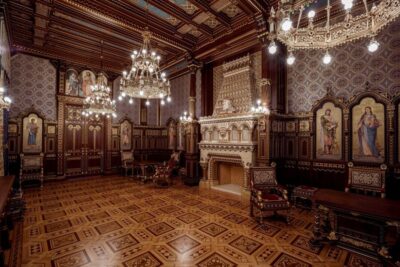
Budapest: Buda Castle Walk with Saint Stephen’s Hall
Read our review →
Big Bus Budapest Hop-On Hop-Off Bus and Walking Tour
Read our review →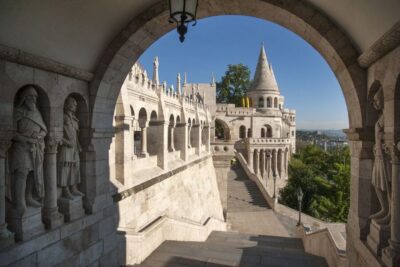
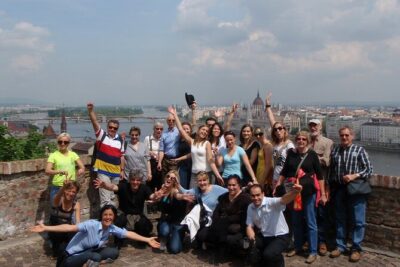

3-Hour Orientation Walking Tour of Buda and Pest
Read our review →
Budapest: 3-Hour Grand City Tour and Castle Walk
Read our review →

Budapest Food Walking Tour: Eat, Sip & Explore Like a Local
Read our review →Lists this walk sits on