
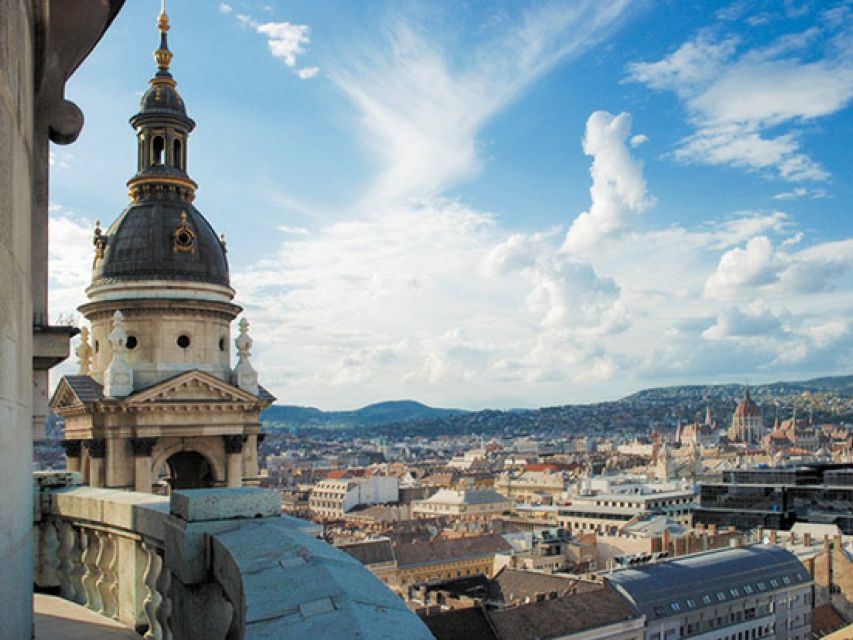
Review · BUDAPEST
Budapest: 3-Hour Walking Tour of Pest with a Historian
Pest is Budapest at street level: grand avenues, political history, cafés, churches, and the everyday life of Hungary’s capital. This three-hour walk connects the city’s best-known sights with the stories that explain why Pest feels different from Buda. St. Stephen’s Basilica and the Millennium Underground give the tour plenty of visual punch, while the historian guide adds context you will not get from a quick photo stop.
I like the small group of no more than 10 and the chance to ask direct questions about Hungarian history and modern life. I also like that the Basilica entrance and subway tickets are included, so the $57 price covers more than a walk past monuments. The main consideration is pace: three hours covers a lot of ground, and the tour is outdoors, so comfortable shoes and a weather-ready layer matter.
Key points at a glance
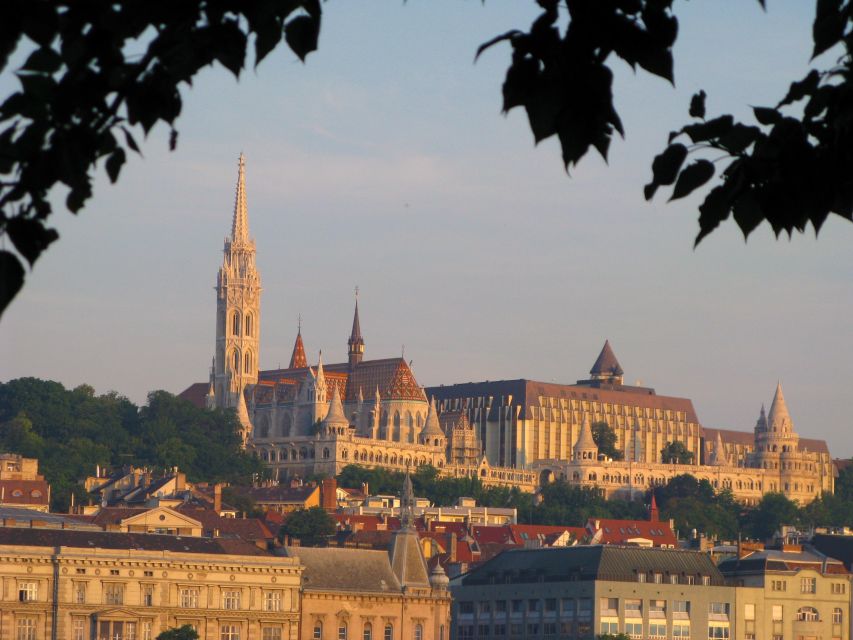
- A historian-led introduction to Pest: Learn how the eastern side of Budapest developed and why its character differs from Buda.
- St. Stephen’s Basilica inside: Your entrance ticket is included, making this more than an exterior architecture walk.
- The Millennium Underground: Ride Europe’s oldest underground railway on the route connected with Andrássy Avenue.
- A strong history route: Hear about Hungarian rulers, the Austro-Hungarian period, World War II, communism, and Hungary today.
- Small-group conversation: With up to 10 people, guides such as Judit, Greg, Barbara, and Gergely can answer questions without shouting over a crowd.
- Useful for a first day: The central meeting point and broad route help you get your bearings early in a Budapest stay.
Why Pest makes a good first walking tour
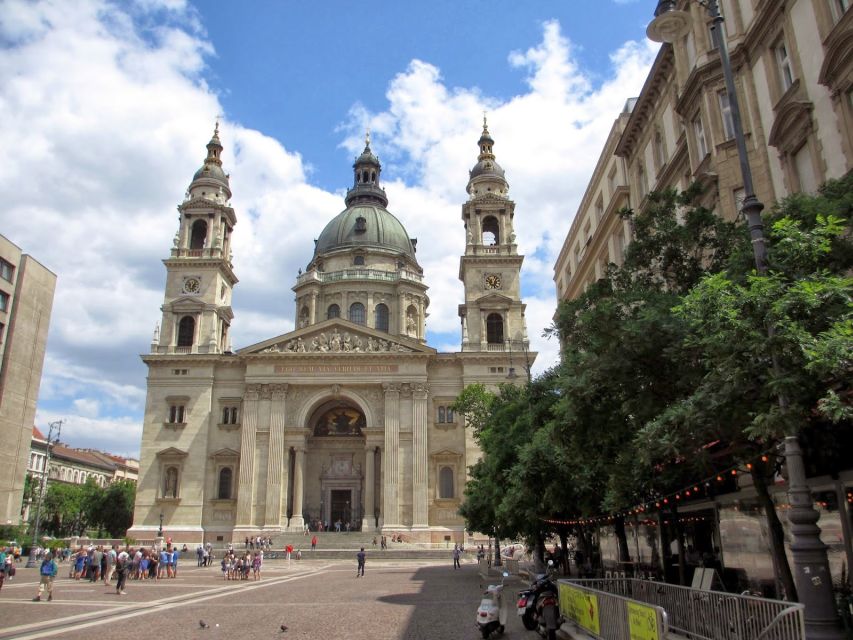
Budapest is split by the Danube, but the two sides do not feel interchangeable. Buda rises into hills and is closely linked with the Castle District. Pest is flatter, busier, and more urban, with the grand civic buildings, shopping streets, theaters, and public squares that define central Budapest.
This tour gives you a useful way to understand that difference. Instead of treating Pest as a string of unrelated sights, the guide explains how the city grew, how residents of Pest and Buda are sometimes viewed differently, and what daily life is like now. That local comparison can make the rest of your Budapest visit easier to read.
The route is especially useful if you have just arrived. You will see several major landmarks without committing half a day to a museum or a full bus circuit. The guide can also answer practical questions about places to eat and things to see, as Barbara did for a first-time visitor, and Judit has been praised for adding personal details about Hungarian life and politics.
More three-hour walks around Budapest:
- 3-Hour Orientation Walking Tour of Buda and Pest
★ 4.8 · 1,834 reviews - Budapest: 3-Hour Grand City Tour and Castle Walk
★ 4.3 · 1,437 reviews - Budapest 3-Hour Walking Tour in Italian
★ 4.6 · 217 reviews
Starting at Erzsébet Square
The meeting point is in front of the Kempinski Hotel Corvinus Budapest, facing the Ferris wheel on Erzsébet Square. The address is Erzsébet tér 7, 1051 Budapest. This is a central, easy-to-reach location, close to Deák Ferenc tér, where the M1, M2, and M3 subway lines meet.
Starting here puts you in the middle of Pest rather than at a distant neighborhood attraction. It also makes the tour simple to fit into an arrival day, provided you allow enough time to reach the square.
The group is limited to 10 people. That matters on a walking tour built around conversation. You can ask why a building matters, pause over a historical point, or bring up a question about modern Hungary without waiting for a large crowd to catch up.
The exact route and order can vary with the guide and the day. That is a benefit when the group is small, but you should think of the itinerary as a connected tour of central Pest rather than a rigid march from one timed admission to the next.
The Danube Promenade and Gresham Palace
The route includes the Danube Promenade, one of the best places to see how Budapest presents itself. From here, the city’s monumental side comes forward: grand buildings, the river, and the sense that Budapest was designed to make a strong impression from the water.
The stop at Gresham Palace adds a different note. Its Art Nouveau decoration gives you a chance to look closely at the design details rather than only hearing a political or royal story. The historic Academy of Sciences is also part of this central section, helping explain Budapest’s long interest in education, science, and national culture.
You should not expect a long interior visit at every building. Much of this section is about seeing the architecture in context and learning what it says about the city. That works well for visitors who want a broad introduction, though art lovers looking for extended time inside buildings may prefer to return independently.
Zrínyi Street and St. Stephen’s Basilica
Zrínyi Street brings the tour onto cobblestones and toward St. Stephen’s Basilica. The street is a pleasant change from the larger avenues, and its approach gives the church a strong sense of arrival.
The Basilica is the tour’s clearest interior stop. Your entrance ticket is included, and you visit inside Budapest’s largest church. The guide can place the building in the story of the city and Hungary, while you have a chance to look at the scale and decoration without treating the church as just another photo backdrop.
This is one of the best values in the tour price. At $57 per person, you are paying for a live historian, a small group, the Basilica admission, subway tickets, and three hours of guided time. Admission alone does not make the tour cheap, but it means the cost is easier to justify if you want explanation rather than a self-guided walk.
The Basilica stop also gives the route a useful rhythm. After several outdoor sights and streets, you get an interior landmark with a clear focus. Remember that the tour still includes a great deal of walking before and after it.
More walking tours around Budapest:
- Budapest: Buda Castle Walk with Saint Stephen’s Hall
★ 4.5 · 3,012 reviews - Big Bus Budapest Hop-On Hop-Off Bus and Walking Tour
★ 3.5 · 2,206 reviews - Budapest: Buda Castle District Walking Tour
★ 4.6 · 2,108 reviews - Budapest City Landmarks Walking Tour in 2 Hours
★ 5.0 · 2,048 reviews
Andrássy Avenue and the State Opera
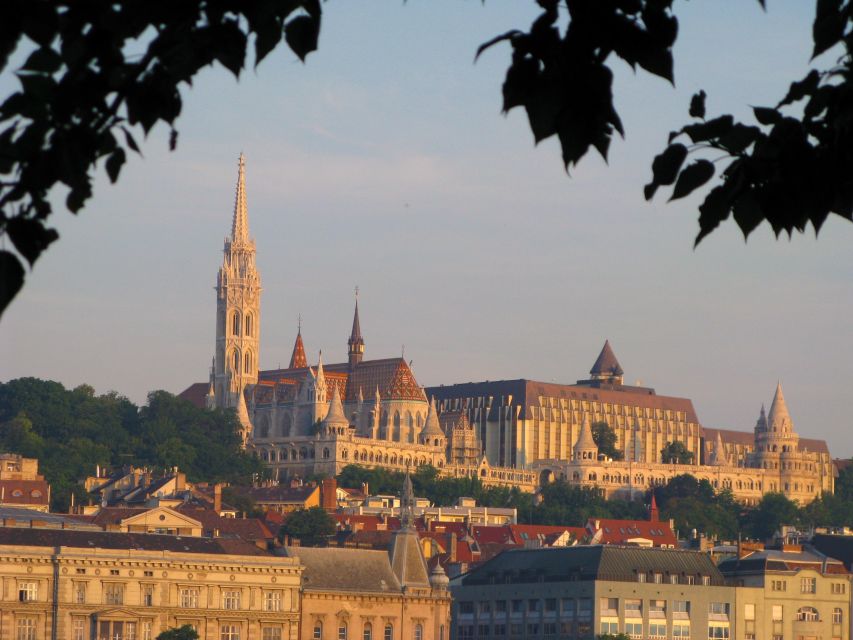
From the Basilica area, the route continues toward Andrássy Avenue, a UNESCO World Heritage site. This is one of Budapest’s grandest streets, and walking it helps you see how the city’s public image was shaped through architecture, culture, and transport.
The Hungarian State Opera adds theatrical polish to the route. You see the building as part of the avenue’s larger story, rather than as an isolated attraction. The guide can help connect the Opera with Budapest’s ambitions during the period when the city was expanding and presenting itself as a major European capital.
Andrássy Avenue is also a good place for the guide’s broader historical account. Hungary’s past is not a simple line from medieval kings to modern Budapest. The discussion can move through the Austro-Hungarian Empire, World War II, communist rule, and current Hungarian life.
Gergely Molnár has been praised for beginning with a short overview of Hungarian history before using the streets to fill in the details. That approach is useful because Hungarian names, dates, and political changes can otherwise seem disconnected. A clear framework makes the buildings easier to understand.
Riding the Millennium Underground
The Millennium Underground is one of the tour’s most distinctive features. It is described as the oldest underground railway on the continent, and the ride gives you a practical connection between the walking portions of the route.
The subway tickets are included. That is a small detail, but it removes the need to work out a ticket while keeping up with the group. More important, the ride is part of Budapest’s story. The railway reflects the city’s turn toward modern urban transport and its effort to build a major capital with fast links beneath the grand avenue.
This is not a long subway excursion. Think of it as a short, purposeful ride within the tour. You still spend most of the three hours walking, and the underground portion does not replace the need for comfortable footwear.
Heroes’ Square and 1,000 years of Hungary
Heroes’ Square gives the tour its broadest historical frame. The monuments present important figures from roughly 1,000 years of Hungarian history, so the guide has a lot to explain in a short space.
This is where a good guide makes the difference. A list of names and statues can quickly become a blur. The strongest guides on this tour use the square to explain which figures mattered, how Hungary remembers them, and how national identity has changed over time.
You should expect a compact history lesson rather than a scholarly lecture. The tour has to keep moving, and Heroes’ Square is only one part of a three-hour route. Still, the stop is valuable because it gives you a way to place later conversations about empire, war, communism, and modern politics.
The route to the square also shows a different side of Pest. The central streets near the Basilica feel commercial and civic, while Andrássy Avenue and Heroes’ Square make the city feel more ceremonial. That contrast is one reason the full route is more useful than seeing only the Basilica and riverfront.
The guides and the tone of the tour
The individual guide can shape the experience. Judit is repeatedly described as warm, engaging, and strong on Hungarian history, culture, and current affairs. One private-feeling outing included local sweets and an alternative meeting arrangement, though you should not assume those extras are part of every departure.
Greg has been praised for a friendly manner, clear explanations, and an ability to make a complicated past easier to follow. Barbara is noted for practical suggestions about food and sightseeing, while Monica brought personal memories of growing up in Hungary into her storytelling. Gergely’s short opening history lesson helped give the route a clear structure.
These details point to the tour’s main strength: it is not just a recorded script. The guide is expected to answer questions and discuss both Budapest’s past and present. That makes the walk particularly useful if you want to ask about sensitive or complicated subjects rather than only hear prepared facts.
The tone is conversational, but the content can be serious. Hungary’s 20th-century history includes war and communism, and modern political questions may come up. If you like a guide who will discuss those subjects openly, this tour should suit you. If you want only light sightseeing and photo stops, the historical focus may feel heavier than expected.
Pace, weather, and practical value
Three hours is enough time to see a lot, but it is not enough time for long visits at every stop. The route works best when you accept that tradeoff. You gain a connected picture of Pest, but you may want to return later to the Opera, Basilica, or another building for a longer visit.
The tour runs in English and uses a live guide. The group size is capped at 10, which makes it easier to hear and ask questions. Several guides have been praised for keeping a comfortable pace and explaining a large amount without making the walk feel rushed.
Plan for outdoor conditions. The tour is primarily on foot, includes cobblestones, and uses public transport for the Millennium Underground. Comfortable shoes are the obvious choice, and a poor-weather layer is sensible because the route continues even when conditions are less than ideal.
At $57, I see the strongest value for a first visit, a short stay, or anyone who wants historical context. If you already know Budapest well and prefer to explore alone, you may find the price harder to justify. The small group, Basilica ticket, subway tickets, and historian guide are what separate it from simply following a free map.
Booking is flexible: you can reserve now and pay later, and cancellation is free up to 24 hours before the tour for a full refund. Starting times vary, so check the available departure when you book.
Who should book this Pest walk?
I would choose this tour early in a Budapest visit. It gives you a working map of central Pest, introduces the city’s major historical periods, and leaves you with specific places to revisit on your own.
It is a good match for:
- First-time visitors who want context before sightseeing alone
- History-minded visitors interested in Hungary beyond its postcard views
- People with limited time who want several major sights in one outing
- Small groups and solo visitors who value conversation with a guide
- Anyone curious about present-day Hungarian life as well as older history
It may be less suitable if you have limited walking tolerance, want a museum-heavy tour, or prefer spending a long time inside each landmark. The route is broad by design.
Should you book it?
Book this tour if you want Pest explained rather than simply displayed. The Basilica interior, Heroes’ Square, Andrássy Avenue, the Millennium Underground, and the Danube Promenade make a strong sightseeing package, but the real value is the guide’s ability to connect those places.
I would especially recommend it for your first or second day in Budapest, when questions about the city are piling up and you still need a clear sense of direction. At $57, it is not the cheapest way to walk through Pest, but the small group, included admissions, and historian-led discussion make it a fair choice for an informed introduction.
FAQ
Where does the tour meet?
It meets in front of the Kempinski Hotel Corvinus Budapest, facing the Ferris wheel on Erzsébet Square. The address is Erzsébet tér 7, 1051 Budapest.
How long does the tour last?
The walking tour lasts three hours.
What language is the tour offered in?
The live tour guide speaks English.
How many people are in the group?
The group is limited to 10 participants.
Is entry to St. Stephen’s Basilica included?
Yes. The entrance ticket to St. Stephen’s Basilica is included.
Are public transportation tickets included?
Yes. Subway ticket or tickets for the Millennium Underground ride are included.
Which major sights are included?
The route includes the Danube Promenade, Gresham Palace, the Academy of Sciences, Zrínyi Street, St. Stephen’s Basilica, Andrássy Avenue, the Hungarian State Opera, the Millennium Underground, and Heroes’ Square.
How much does the tour cost?
The listed price is $57 per person.
Can I cancel the tour?
Yes. You can cancel up to 24 hours in advance for a full refund. You can also reserve now and pay later.
New walking tours around Budapest
- Jewish Quarter of Budapest Walking Tour★ 4.7 · 369 reviews
- Budapest 3-Hour Walking Tour in Italian★ 4.6 · 217 reviews
- Budapest: Castle District Walking Tour★ 4.8 · 223 reviews
- Budapest: Walking Tour to the Shoes Memorial and Parliament★ 4.7 · 151 reviews
- Budapest: Walking Tour and Photoshoot with Digital Photos★ 4.7 · 82 reviews
- Budapest: Buda Castle District Walking Tour with a Historian★ 4.9 · 867 reviews
- Budapest: Jewish History Guided Walking Tour with Historian★ 4.8 · 205 reviews
- Budapest: Hungarian Cooking Class and Market Walk★ 5.0 · 91 reviews
Budapest Walking Tours, side by side.
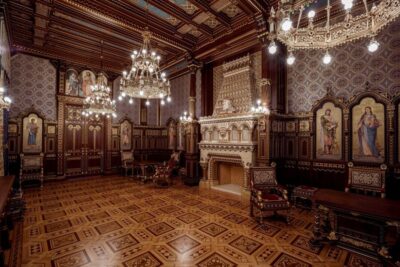
Budapest: Buda Castle Walk with Saint Stephen’s Hall
Read our review →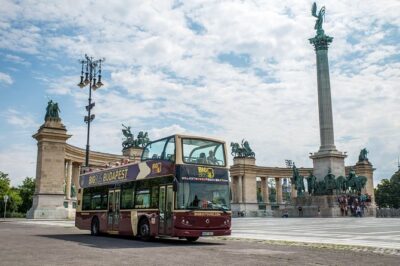
Big Bus Budapest Hop-On Hop-Off Bus and Walking Tour
Read our review →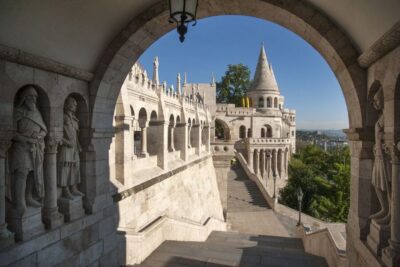
3-Hour Orientation Walking Tour of Buda and Pest
Read our review →
Budapest: 3-Hour Grand City Tour and Castle Walk
Read our review →

Budapest Food Walking Tour: Eat, Sip & Explore Like a Local
Read our review →Lists this walk sits on