
Review · GERMANY
Hannover: Crime Walking Tour
Hannover’s past has plenty of respectable squares and grand civic buildings, but this tour asks what happened after dark. You’ll follow cases involving Fritz Haarmann, Jasper Hanebuth, the Königsmarck affair, and family killer Christian Friedrich Lorenz, often at the places linked to the stories. I like the use of original locations, and I like that the tour adds Hannover’s familiar sights instead of treating crime as a sealed-off subject.
The format is also unusually active. Guides may give participants roles, drawing the group into the stories rather than simply reciting dates. The main drawback is that the tour is German only, and the subject matter is not suitable for children under 16. At $22, it is a fair buy for a two-hour city walk, but less useful if you want a general introduction to Hannover or prefer a quiet, purely historical tour.
Key points to know before booking
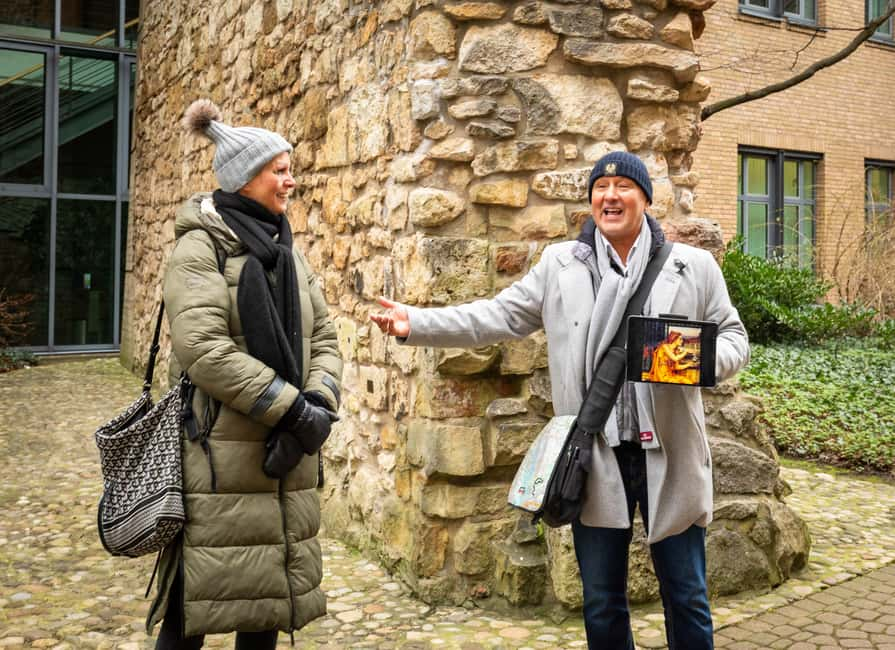
- Original crime locations: Follow the trail through Georgsplatz, Leibnizufer, Hanebuth-Gang, Clevertor Prison, and Kröpcke.
- Two different crime themes: Tour 1 focuses on older cases and notorious figures, while Tour 2 follows more recent incidents and Hannover’s rougher corners.
- Interactive guiding: Some guides, including Thomas Ganz, use roles and audience participation to keep the group involved.
- German language only: You need enough German to follow fast-moving stories, humor, and historical detail.
- Rain-or-shine walking: Wear comfortable shoes and come prepared for Hannover weather.
- A serious age limit: The tour is not suitable for anyone under 16 or for people with claustrophobia.
Hannover’s darker side begins at the city center
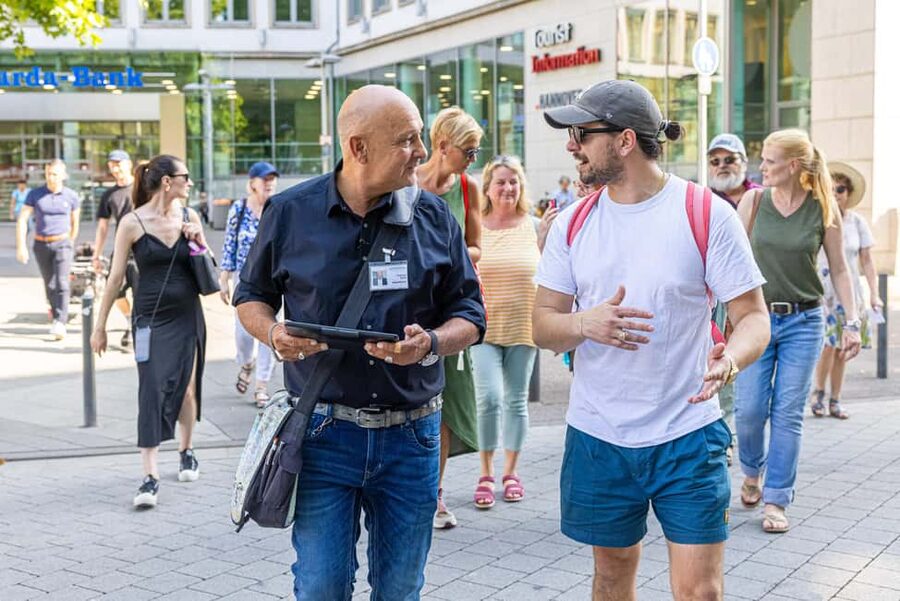
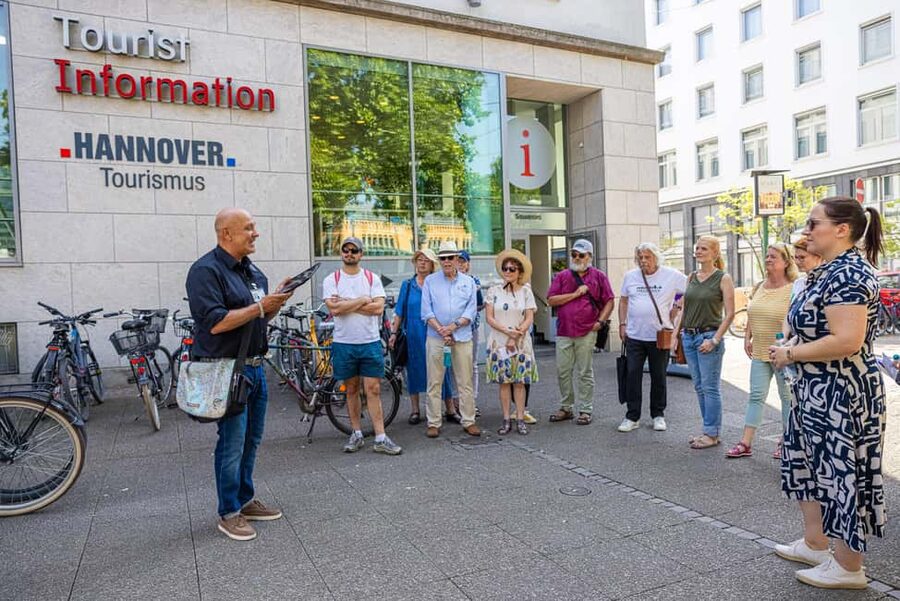
The tour starts at the Hannover Tourism information point, a useful location if you are still getting your bearings in the city. From there, the guide leads you into the city center and old town, where ordinary streets become clues in a long record of robberies, murders, scandals, and police work.
That setting is the main reason to choose this walk. You are not hearing crime stories in an abstract lecture room. You are standing near the places connected with them, then looking at today’s Hannover through a more complicated lens.
The route also includes information about well-known sights. This matters because the tour is not only for true-crime fans. You get a dose of city orientation along with the cases, so the walk can fit early in a Hannover visit. If you take it near the beginning of your stay, you may recognize Georgsplatz, Leibnizufer, and Kröpcke later on.
The tone is intended to be factual and unusual rather than sensational. That distinction is important. The subjects include murder and violent crime, but the stated approach avoids over-dramatizing events. I would still expect some grim material, especially in the stories of Haarmann, Hanebuth, and the family killings.
More crime and mystery walks around Germany:
- Prague: Ghost Walking Tour Where Legends Come To Life
★ 4.4 · 5,253 reviews - Edinburgh Darkside Walking Tour: Mysteries, Murder and Legends
★ 5.0 · 3,862 reviews - Historical Walking Tour: Legends of Bruges
★ 5.0 · 2,541 reviews
Tour 1 follows Haarmann, Hanebuth, and older crimes
The first route, called On the Trail of the Crime, is the more historical option. It brings together cases from different periods, including famous names from Hannover’s criminal past and episodes that may be less familiar even to people who know the city.
You will hear about the jeweler Düe and the Mauss case, Christine Fricke and the husband-killing case, the Königsmarck affair, Jasper Hanebuth’s robbery murders, Fritz Haarmann, and Christian Friedrich Lorenz. That is a broad spread of stories. Some are tied to individual crimes, while others connect to scandal, police work, or local legend.
The guide’s job here is to give each case a place in the city. The Haarmann material, for instance, is linked to where he operated and to his strange connection with the police as an informer. That combination makes the story more than a simple account of a murderer. It raises questions about how authorities understood him and how his activities fit into Hannover at the time.
Jasper Hanebuth brings a different flavor. The route visits Hanebuth-Gang and discusses the location of the supposed Hanebuth camp, at least according to local legend. You will need to keep fact and folklore separate, and that seems to be part of the appeal. A good crime walk should show you where the evidence ends and the city’s storytelling begins.
One especially curious question concerns the discovery of a body in a leash. The unusual wording alone gives you a sense of the tour’s style. These are not polished, predictable history-book anecdotes. They are strange local episodes that make you stop, look around, and ask how such a story became part of Hannover’s memory.
What Georgsplatz and Leibnizufer add to the story
Georgsplatz and Leibnizufer are not simply stops to tick off. They help show how crime stories sit beside everyday city life. Hannover’s central streets serve commuters, shoppers, and sightseers, yet the tour asks you to notice the incidents that once changed how people regarded these places.
At Georgsplatz, you can expect the guide to connect the surrounding city center with one or more of the historical cases. The value is less about a dramatic building and more about location. A story becomes easier to picture when you can see the street pattern and understand how close it was to the center of civic life.
Leibnizufer gives the walk a different urban setting. The route’s use of several types of public space keeps the experience from feeling like a string of identical pavement stops. You move through recognizable Hannover while the guide builds a record of crimes, rumors, and official responses.
I like this method because it gives you a stronger sense of place than a list of notorious names. You start to see that crime history is not separate from the city. It develops around squares, transport links, public buildings, and neighborhoods where people still go about their business.
Hanebuth-Gang and the old prison bring the past closer
Hanebuth-Gang is one of the most distinctive names on the route. Even before the story is explained, the name points to a local character whose reputation has lasted. Here the guide can connect the historical figure Jasper Hanebuth with the legend of his camp, giving you a clear example of how a person can remain attached to the city through both documented events and oral tradition.
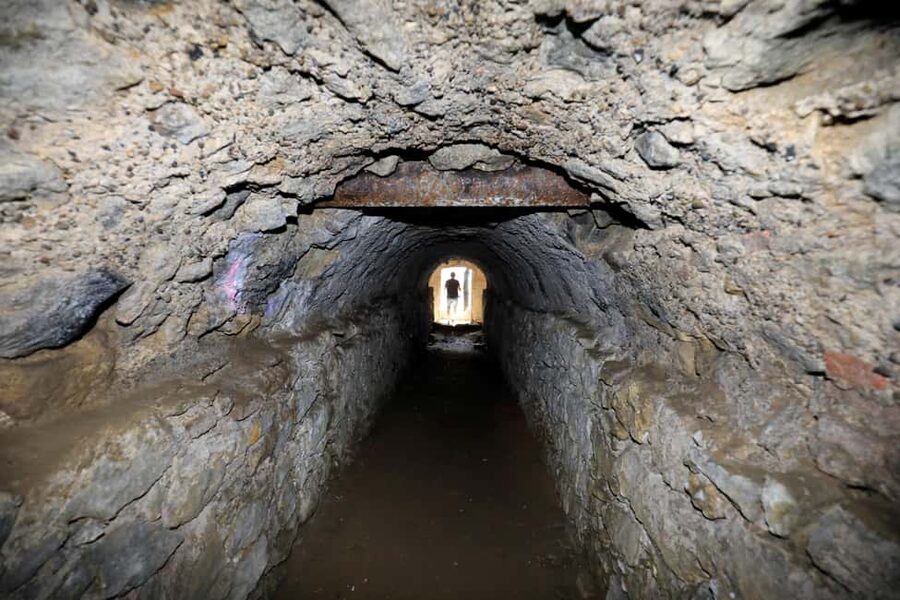
The stop at Clevertor Prison adds a more institutional side to the tour. Crime stories often focus on the offender or victim, but a prison location brings in the machinery of punishment and control. It also gives the route a physical reminder that Hannover’s criminal past involved courts, police, confinement, and public anxiety, not just lurid tales.
This is where the claustrophobia warning matters. The tour is wheelchair accessible, but the information specifically says it is not suitable for people with claustrophobia. That may relate to the prison setting or enclosed parts of the route. If confined spaces are a serious concern for you, ask for clarification before booking rather than assuming every part of the walk feels open.
More walking tours around Germany:
- Discover Berlin Half-Day Walking Tour
★ 5.0 · 9,624 reviews - Berlin City walk Government District and Places of Democracy
★ 4.7 · 8,467 reviews - Berlin: Third Reich & Cold War Guided Walking Tour
★ 4.9 · 8,378 reviews - Munich: Third Reich & WWII Walking Tour
★ 4.6 · 6,181 reviews
Kröpcke connects crime stories with modern Hannover
Kröpcke is one of Hannover’s best-known central points, and including it helps anchor the tour in a place you may already plan to visit. It is a useful final reference point for the city center and a reminder that the route does not stay in an isolated old quarter.
The stop also reinforces the tour’s wider purpose. You are not just collecting stories about killers and thieves. You are learning how incidents tied to central streets, public spaces, and transport areas can become part of a city’s shared memory.
For a first visit, that combination can be useful. You receive enough information about familiar sights to make the route more than a niche walk, while the crime theme gives you a reason to notice details you might otherwise pass without a second glance.
Tour 2 turns toward police attacks, station incidents, and the RAF rumor
The second route, called When the City Holds Its Breath, takes a different angle. Instead of concentrating mainly on older criminals, it follows places where crime and public fear shaped Hannover’s modern identity.
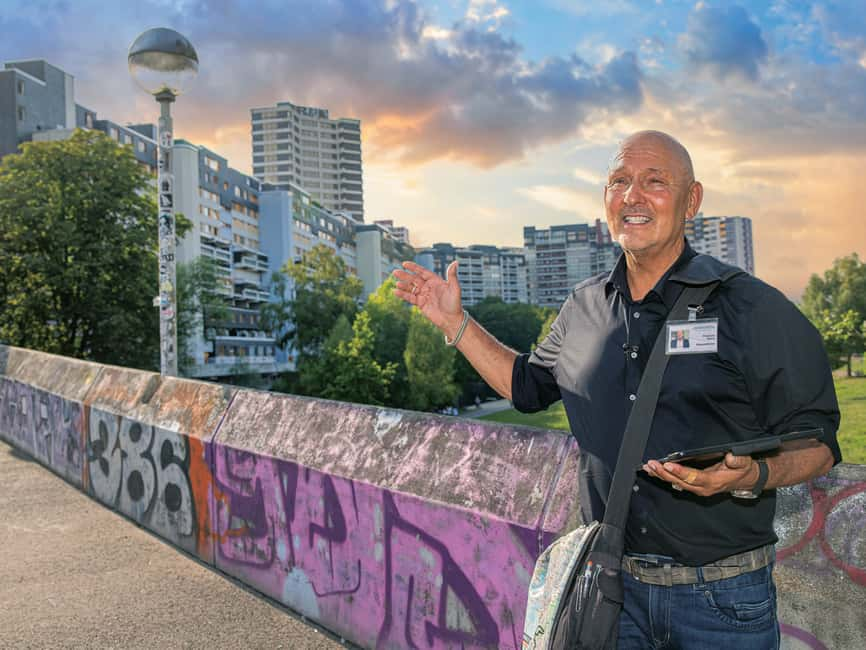
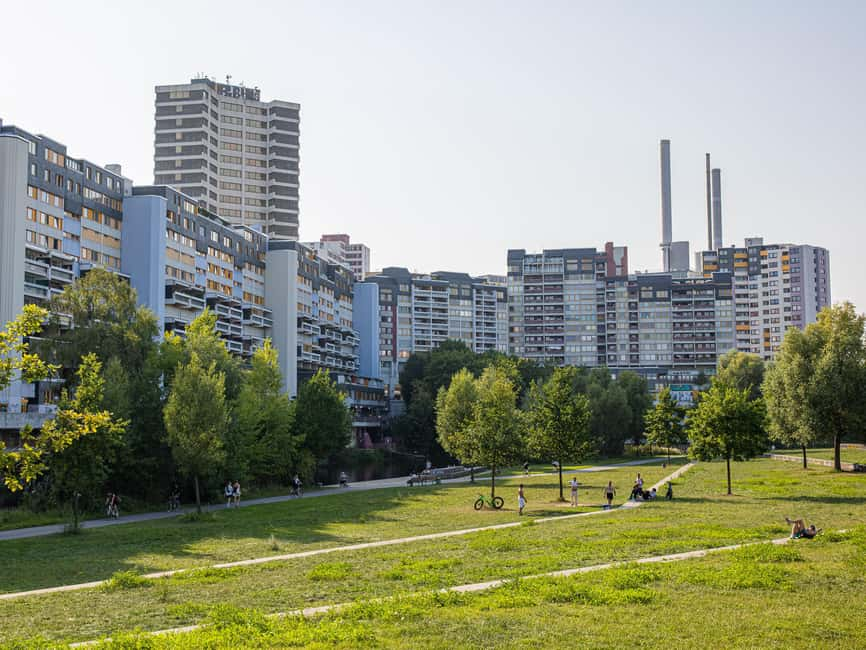
The cases include a fatal attack on a police officer, security-related incidents at the main train station, and a high-profile robbery. The route also visits or discusses the Ihme Center, which became associated in the 1980s with the possibility that it could serve as a retreat or temporary storage site for the Red Army Faction, commonly known as the RAF.
The wording matters here. The Ihme Center connection is presented as something discussed or suspected, not as a confirmed fact. That makes it a good example of the careful line this tour needs to walk. You are looking at the stories that circulate around a place, while still separating rumor, security concern, and proven event.
Tour 2 also brings in the Steintorviertel district. The area is described as colorful and lively, but the route also exposes its rougher side. That contrast may be one of the most interesting parts of the walk. You see a district as it functions today, then learn about the incidents that shaped its reputation.
If you have already explored Hannover’s main sights, Tour 2 may give you a fresher perspective than another standard city overview. It is particularly suited to people interested in how recent events, policing, and public memory affect the feel of an urban district.
Why the German-language guide matters

The tour is offered in German, and that is not a minor detail. Crime stories depend on tone, timing, wordplay, and small distinctions between fact and legend. If your German is limited, you may understand the broad subject but miss the humor or the fine points that make one case different from another.
On the other hand, German-speaking visitors can get more from the live format than from a translated pamphlet. The guide can respond to the group, explain local references, and adjust the telling of a case as questions arise.
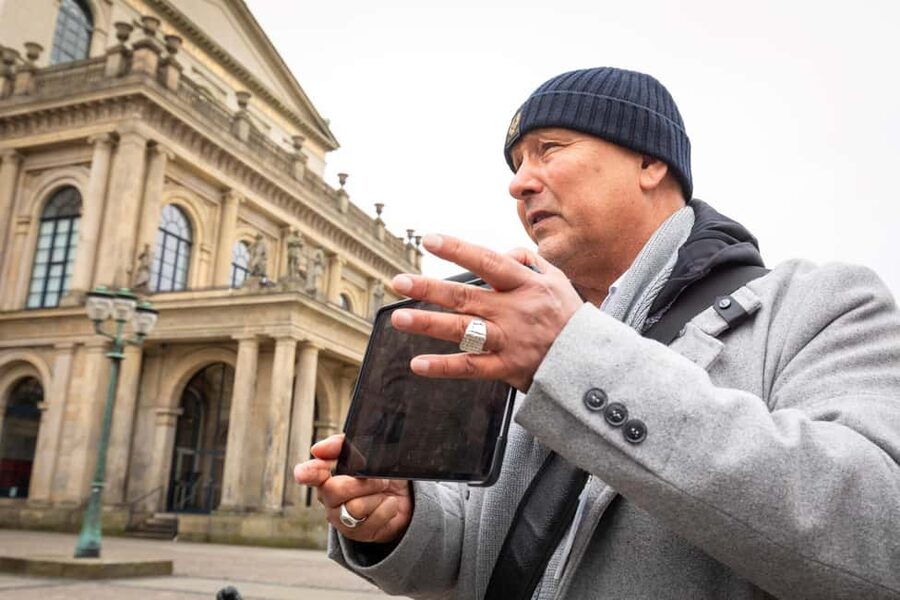
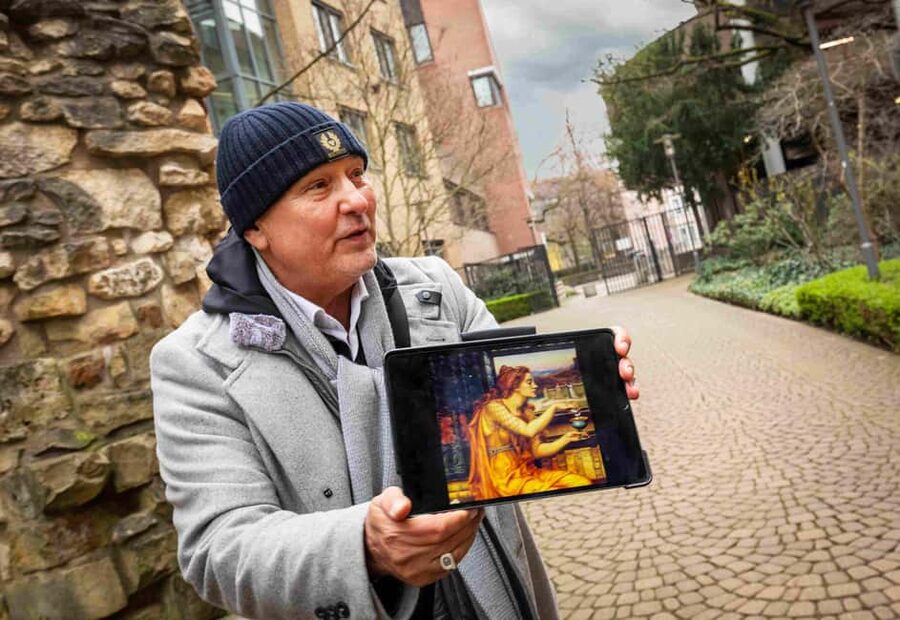
Recent departures led by Thomas Ganz were praised for humor, detail, and audience involvement. Participants were given roles and included in the action, which suggests a more theatrical approach than a standard walking lecture. I would not assume every departure uses exactly the same method, but if Thomas Ganz is leading your date, you can expect an especially active style.
That participation may sound minor, but it changes the pace. Two hours on foot can feel long if you only listen. Taking a role or answering a prompt gives you a reason to stay alert, and it can make the stories easier to remember.
Two hours, $22, and the practical value
The price is $22 per person for two hours, with a guided tour included. I consider that reasonable if you enjoy live storytelling and want a focused look at Hannover beyond standard sightseeing.
The value is strongest when you care about place. You are paying for a guide who connects cases to streets, squares, a prison site, and districts you can continue exploring on your own. It is less of a bargain if you want a broad survey of Hannover’s art, architecture, or major landmarks.
The walk takes place rain or shine. Wear comfortable shoes, and check the forecast before you leave the hotel. Hannover can be cold even when the subject is lively, as one January group found, so a warm coat matters in winter. You may also want an umbrella or waterproof layer, since the experience does not move indoors simply because the weather turns poor.
The tour is wheelchair accessible, which is useful information for many people planning a city visit. Still, the route is a walking experience, and the claustrophobia restriction deserves attention. The best practical step is to ask about any enclosed areas if that is a concern for you.
Free cancellation is available up to 24 hours before the start for a full refund. You can also reserve now and pay later, which helps if your Hannover plans are still shifting.
Who will get the most from this crime walk?
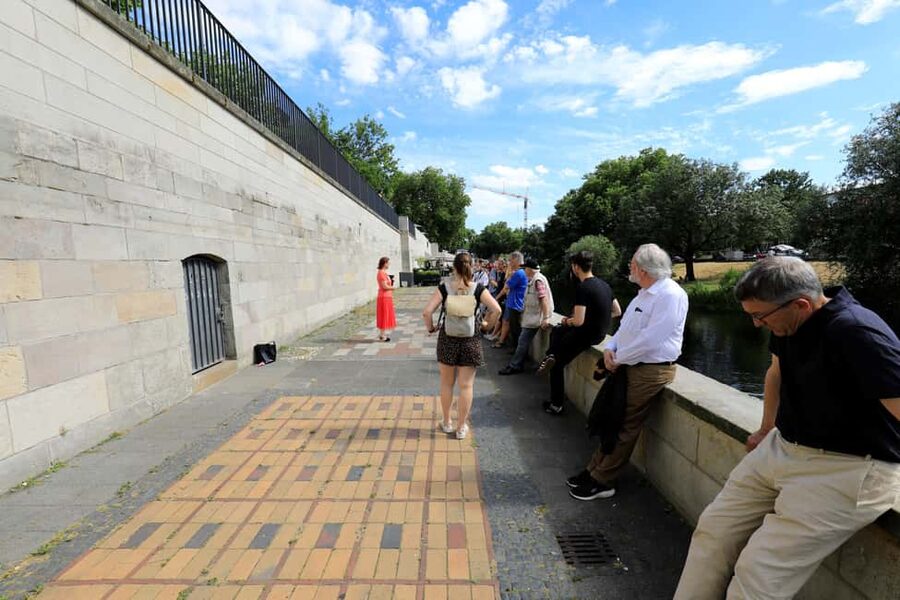
I would choose this tour if you like local stories, police cases, urban legends, and the less polished side of city history. It is also a good fit if you have already seen the main sights and want a fresh reason to walk through the center and old town.
The interactive approach suits people who enjoy joining in. If you prefer to remain silent at the back of a group, the role-playing element may feel less comfortable, though you can still listen and learn.
This is not a family activity for younger children. The minimum age is 16, and the subject matter includes murder, violent attacks, and disturbing cases. Teenagers and adults who can handle those themes may find the unusual details compelling, but I would not book it as a lighthearted outing.
You should also have enough German to follow the guide without constant translation. There is no English option listed, so language ability is the clearest deciding factor for international visitors.
Should you book the Hannover Crime Walking Tour?
Book it if you want Hannover presented through its odd cases, local legends, and real crime locations rather than through a standard list of monuments. At $22, the two-hour walk offers solid value, especially with a lively guide such as Thomas Ganz and the possibility of audience roles.
Choose Tour 1 for Haarmann, Hanebuth, Königsmarck, and older criminal cases. Choose Tour 2 for police incidents, the main station, the Ihme Center’s RAF connection, and the Steintorviertel district. Skip it if you need English, dislike grim subjects, or want a conventional sightseeing tour. For the right audience, this is a memorable way to see Hannover’s streets with a few more questions in mind.
FAQ
Where does the Hannover Crime Walking Tour begin?
The meeting point is the Hannover Tourism information point.
How long does the tour last?
The tour lasts two hours.
What language is the tour offered in?
The live tour guide speaks German.
Which places are included on Tour 1?
Tour 1 passes Georgsplatz, Leibnizufer, Hanebuth-Gang, Clevertor Prison, and Kröpcke.
What criminal cases are covered on Tour 1?
The tour covers the jeweler Düe and Mauss case, Christine Fricke, the Königsmarck affair, Jasper Hanebuth, Fritz Haarmann, and Christian Friedrich Lorenz.
Is the tour suitable for children?
No. The tour is not suitable for children under 16.
What should I bring, and does the tour run in bad weather?
Bring comfortable shoes. The tour takes place rain or shine.
New walking tours around Germany
- Mystical Hamburg – Walking Tour in German★ 4.6 · 168 reviews
- Munich : Private Walking Tour with A Guide (Private tour)★ 4.5 · 85 reviews
- Munich: Raven Black Witches and Executioners Walking Tour★ 4.7 · 294 reviews
- Munich: Guided Food Walking Tour with Beer Tasting★ 4.7 · 183 reviews
- Munich Old Town – Guided Walking Tour in English★ 4.7 · 153 reviews
- Munich: Old Town Guided Walking Tour★ 4.6 · 479 reviews
- Munich: Old Town Walking Tour★ 4.7 · 589 reviews
- Munich: Birthplace of the Third Reich Guided Walking Tour★ 4.6 · 771 reviews
Germany Walking Tours, side by side.

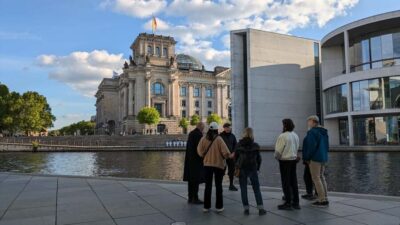
Berlin City walk Government District and Places of Democracy
Read our review →
Berlin: Third Reich & Cold War Guided Walking Tour
Read our review →
Berlin’s Best: 2 Hour Walking Tour Third Reich and the Cold War
Read our review →

Explore Berlin: See All The Iconic Sights & Some Hidden Gems
Read our review →Lists this walk sits on