
Review · KYOTO
Kyoto Gion Geisha District Walking Tour – The Stories of Geisha
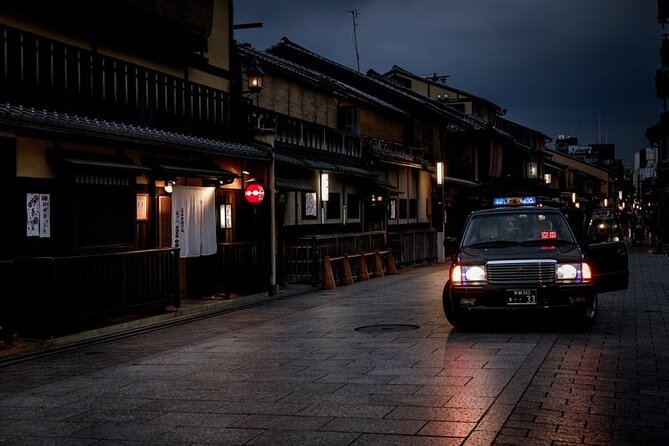
Gion changes after sunset. Lanterns glow along narrow lanes, traditional wooden houses become easier to appreciate, and the district feels less crowded than it does in daylight. This tour gives you that evening setting while explaining the customs and working life of Kyoto’s geiko and maiko.
I like the small group limit of 15, which makes it easier to hear the guide and ask questions. I also like the route’s mix of famous sights and less obvious details, including the buildings and signs that can look ordinary until someone explains their connection to the old entertainment districts.
The main drawback is that this is a walking introduction, not a geisha performance or a visit inside a teahouse. The tour lasts about two hours, but winter evenings can feel cold, and the amount of walking may surprise you if you expect a short stroll.
Key points to know before booking
- Evening timing matters: Gion is generally calmer and more atmospheric after the largest daytime crowds have gone.
- The subject goes beyond costumes: Guides explain geiko, maiko, entertainment districts, Japanese theater, and modern practice.
- Expect a compact route: The walk connects Shijo with Yasaka Shrine, with stops around Minamiza, Tatsumi Bridge, Hanamikoji Street, and Gion Corner.
- Guide quality is central: Ben, Nami, Shin, Melanie, Kenji, Deborah, Joy, Manuel, and others are praised for clear explanations and easy conversation.
- It is good value at $25: You get about two hours of guided context, all fees and taxes, and a maximum group size of 15.
- Dress for the forecast: Water is not supplied, and poor weather can lead to a rescheduled tour or full refund.
Why Gion makes sense after dark
Gion is one of Kyoto’s best-known geisha districts, but daytime crowds can make it hard to notice the details. People arrive to photograph the old streets, gather around popular corners, and move on before understanding what they are seeing.
An evening walk gives the district a different pace. You may see geiko or maiko making their way to appointments, but there is no promise of a sighting. The real value is learning how to read the neighborhood respectfully, rather than treating it as a stage set.
Your guide explains the difference between geiko and maiko, the training and presentation associated with each, and how the old entertainment districts functioned. The explanations also reach into broader Japanese culture, which helps place Gion in context instead of reducing it to makeup, kimono, and photographs.
I would book this early in a Kyoto visit. The route helps you get your bearings in Gion, and the background can make later walks, meals, and visits to nearby shrines more meaningful.
More walking tours around Kyoto:
- Kyoto Geisha Walking Tour: Gion District & Hidden Gems
★ 4.7 · 3,273 reviews - Kyoto: Gion Magical Night Walking Tour with Geisha Trivia
★ 4.9 · 2,393 reviews - Kyoto: Gion Geisha District Walking Tour – Stories of Geisha
★ 4.7 · 2,187 reviews
Starting near Shijo and the Izumo-no-Okuni statue
The meeting point is Ben’s Cookies Kyoto Shijo at 89 Shinchō, in Shimogyo Ward. From there, the walk begins near the statue of Izumo-no-Okuni, a bronze figure honoring the founder of kabuki theater.
This is a smart opening because it connects Gion’s geisha culture with Japan’s wider history of public entertainment. Izumo-no-Okuni is associated with the beginnings of kabuki, and the statue gives the guide a clear way to discuss how performance traditions developed in Kyoto.
The stop lasts about 10 minutes and has no admission charge. You should arrive with your mobile ticket ready and allow enough time to locate the meeting point, particularly if you are unfamiliar with Shijo.
This opening stop is brief, so do not expect a museum-style explanation or a long look at the statue. Its purpose is to set the theme: Gion is not only about geisha, but also about theater, music, dance, and the long connection between performance and city life.
Minamiza and Kyoto’s stage traditions
The route also takes in Minamiza, the historic kabuki theater in Kyoto. Kabuki is known for elaborate costumes, stylized movement, and dramatic storytelling, so the theater provides a useful link between the statue at the start and the entertainment culture of Gion.
The theater may be viewed from outside as part of the walk. The important point is the setting and its role in Kyoto’s performing arts, not admission to a show. If you want to attend kabuki, that is a separate plan and is not included in the $25 tour.
I like this part of the route because it keeps the subject from becoming too narrow. A good guide can show how geisha traditions fit into a larger world of professional performance, rather than presenting them as an isolated curiosity.
Tatsumi Bridge and the Gion Shinbashi lanes
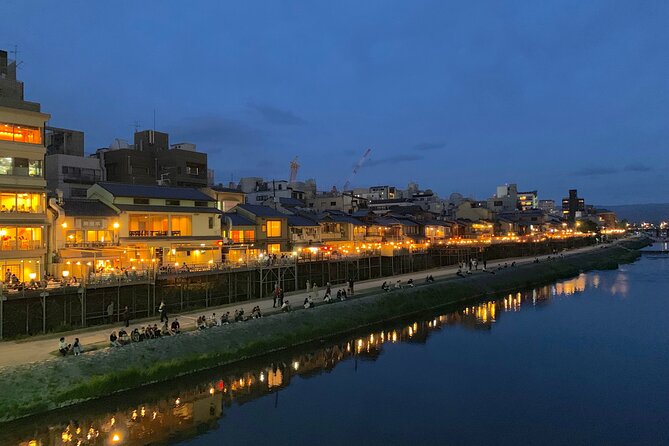
Tatsumi Bridge sits in the Gion Shinbashi area, one of the most photogenic parts of the district. Traditional buildings, narrow streets, and tea houses create a more refined setting than the busier main roads.
The stop is scheduled for about 10 minutes. That is enough time for the guide to point out the neighborhood and explain why it matters, though it is not long enough for a full architectural tour.
This is one of the places where an informed guide earns the fee. Buildings that look closed or private may have a role in Gion’s traditional entertainment world, but their purpose is not always obvious from the street. The guide can explain the codes and customs without requiring you to guess.
Please keep your camera in check here. The tour is about understanding the district, not chasing people for photographs. You should follow the guide’s instructions and respect private entrances, working businesses, and anyone heading to an appointment.
Same streets, a different story:
- Best of Kyoto: Gion, Geisha, Pagodas & Cobblestones
★ 4.9 · 2,058 reviews - Night Walk in Gion: Kyoto’s Geisha District
★ 4.5 · 2,003 reviews - Nishiki Market Brunch Walking Tour (7 Tastings + Brunch)
★ 5.0 · 1,355 reviews - Kyoto Gion: 2-Hour Geisha Culture & History Walking Tour
★ 5.0 · 1,186 reviews
Hanamikoji Street and the visible side of Gion
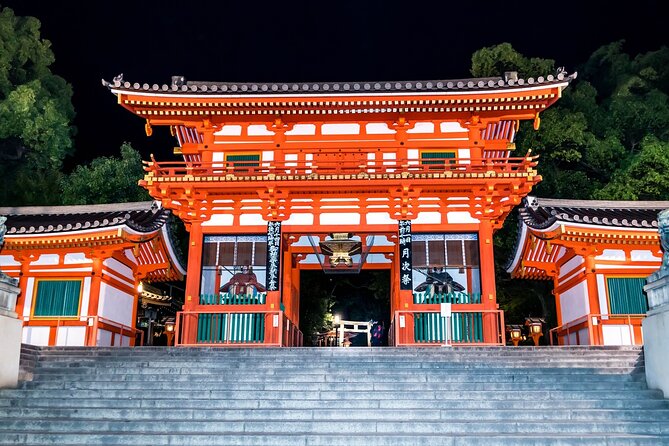
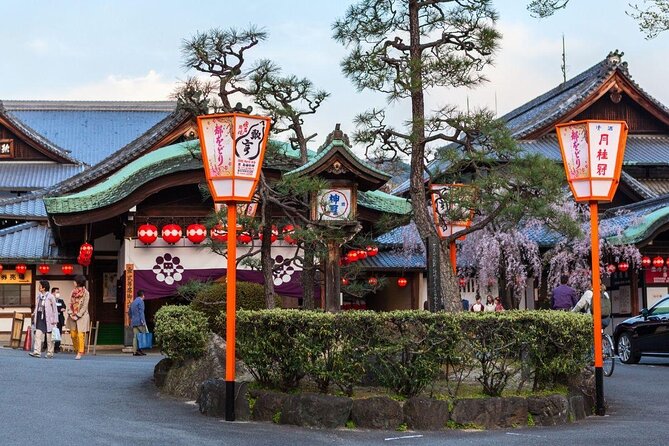
Hanamikoji Street is the name most people associate with classic Gion. Its machiya houses, restaurants, tea houses, and carefully maintained facades make it a natural centerpiece of the walk.
At night, the street can feel especially attractive under lantern light. It is also an active neighborhood, not a theme park. Some buildings are restaurants or businesses, some are private, and many are not open for casual inspection.
The guide’s explanation matters here because the street can be easy to photograph but hard to understand. You learn about the role of tea houses, the difference between public-facing venues and private entertainment spaces, and the etiquette expected from visitors.
The itinerary allows roughly 10 minutes at Hanamikoji. That is a short stop for such a famous street, but the walk between locations adds more time in the surrounding lanes. One lower rating specifically suggested that the route could use more content, so keep your expectations realistic: this is a focused overview, not an exhaustive study of every corner of Gion.
Gion Corner and a wider look at traditional arts
Gion Corner is a cultural center and performance venue offering a condensed presentation of traditional Japanese arts. The tour includes it as a point of reference, but the walking experience does not include a performance ticket.
That distinction matters when you compare this tour with an evening cultural show. Here, you receive explanations while moving through the district. If you want to watch a formal performance, you will need to arrange that separately.
I see Gion Corner as a useful bridge between the street and the stage. It reinforces the idea that geisha culture includes several arts and skills, not just appearance. Depending on the guide and the pace of the group, this part may be more of an explanation from outside than a lengthy stop.
Yasaka Shrine and the walk’s natural finish
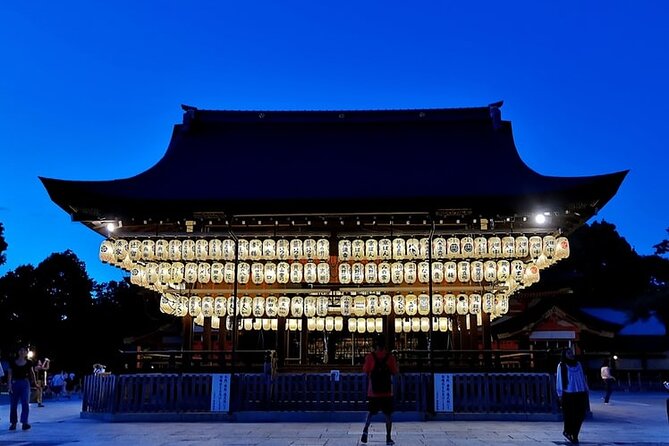
The tour ends at Yasaka Shrine, also called Yasaka Jinja or Gion Shrine. This major Shinto shrine sits at the edge of the Gion district and is known for its festivals and long connection with the area.
Ending here works well. After learning about the entertainment quarter, you finish in a religious and civic space that shows another side of Kyoto’s identity. The shrine is free to enter, and the end point at 625 Gionmachi Kitagawa gives you a useful base for continuing your evening.
The route does not return to the starting point. That is convenient if you plan to keep exploring Gion or visit nearby sights, but you should remember that you will need to make your own way back to your hotel or next reservation.
What the guides add to the walk
This tour depends heavily on the person leading it. The strongest part of the experience is the explanation, not admission to a site or a special activity.
Ben is praised for explaining hidden codes in the old flower towns and for answering questions. Shin is described as clear and friendly, with useful information about the area in general. Nami receives praise for her explanations of geisha history, while Melanie is noted for linking geisha life with Japanese culture in a relaxed way.
Other named guides include Kenji, Deborah, Joy, Manuel, Sakuri, Adrian, Tommy, Manny, Ikari, and Nikki. The common thread is a conversational approach, with room for questions and small historical details that are easy to miss in a guidebook.
The guide you receive will depend on the date and schedule, so you cannot select a particular person from the information provided. Still, the range of positive guide comments suggests that the company places real weight on explanation and personal interaction.
Is $25 a fair price?
At $25 per person, I consider this good value if you want context rather than a paid attraction. The price includes all fees and taxes, and you receive about two hours with a guide in a group capped at 15.
That works out well for first-time visitors who might otherwise walk through Gion, take a few photographs, and miss the meaning behind the streets. You are paying for interpretation, route planning, and the chance to ask questions.
The price does not include bottled water, a meal, a kabuki ticket, or a geisha performance. It also does not promise a private meeting with a geiko or maiko. If your main goal is to see a live cultural show, compare this with a performance-based experience instead.
The rating is 4.8 from 1,441 ratings, with 96 percent recommending the activity. Those numbers point to steady satisfaction, but they should not hide the tour’s limits: the route is short, the itinerary is an introduction, and the quality depends on the guide’s ability to make brief stops useful.
Practical details for a comfortable evening
You receive confirmation when you book, and the ticket is mobile, so you do not need to print anything. The tour operates near public transportation, and most people can take part.
Wear shoes suited to walking and check the forecast before leaving. Winter conditions can be especially cold, and one account describes the evening as arctic, with a warm coat making a major difference. Water is not provided, so carry your own bottle.
The activity requires good weather. If poor weather causes cancellation, you are offered another date or a full refund. You can cancel for a full refund up to 24 hours before the start time, but cancellations or changes made within 24 hours are not refunded or accepted.
Families can consider this walk, including those with older children and teenagers. It also suits couples, solo visitors, and anyone who wants a calm first look at Gion. The maximum group size helps, though 15 people can still feel busy in narrow streets.
Who should book this Gion walk?
I would choose this tour if you want to understand what you are seeing in Gion and prefer a guide who can explain customs in plain language. It is particularly useful on a first Kyoto visit, or at the beginning of a longer stay when you want local orientation.
It suits you if you enjoy history, cultural explanation, evening photography, and a moderate amount of walking. It also works well for a family group because the subject can interest adults and teenagers alike.
I would think twice if you want a formal geisha performance, a meal in a tea house, or a private encounter. This walk takes you through the setting and explains the culture, but it does not provide those activities.
Should you book it?
Book it if $25 feels like a sensible price for two hours of guided context, especially if this is your first visit to Kyoto. The evening timing, compact group, and strong guide focus make it a useful way to see Gion with more respect and understanding.
Skip it only if you already know the district well or want a longer, more specialized cultural program. Bring a coat in cold weather, wear comfortable shoes, and treat any geiko or maiko sighting as a possibility rather than the main promise. The real payoff is learning how to look at Gion with better eyes.
FAQ
How long does the Kyoto Gion Geisha District Walking Tour last?
The tour lasts approximately two hours.
Where does the tour begin?
The meeting point is Ben’s Cookies Kyoto Shijo, at 89 Shinchō, Shimogyo Ward, Kyoto, 600-8001, Japan.
Where does the tour end?
The tour ends at Yasaka Shrine, at 625 Gionmachi Kitagawa, Higashiyama Ward, Kyoto, 605-0073, Japan.
How large is the group?
The tour has a maximum of 15 participants.
Is a geisha performance included?
No. The tour explains geisha and maiko culture while walking through Gion, but a formal performance is not included.
What happens if bad weather cancels the tour?
If the tour is canceled because of poor weather, you are offered a different date or a full refund. You can also cancel at least 24 hours before the start time for a full refund.
New walking tours around Kyoto
- Kyoto: Private Walking Tour with a Local★ 4.6 · 118 reviews
- Kyoto: Private 2.5 Hour Historical Walking Tour★ 4.9 · 121 reviews
- Kyoto: Imperial Palace & Nijo Castle Guided Walking Tour★ 4.7 · 453 reviews
- Kyoto: Izakaya Bars Guided Walking Tour★ 4.9 · 815 reviews
- Kyoto: Gion Sunset Walking Tour with Local Guide★ 4.7 · 351 reviews
- Kyoto: Gion Walking Tour★ 5.0 · 195 reviews
- Kyoto: Geisha Dinner & Gion Cultural Walk★ 5.0 · 73 reviews
- Kyoto: Gion Hidden Gems & Geisha Culture Tour★ 4.9 · 126 reviews
Kyoto Walking Tours, side by side.
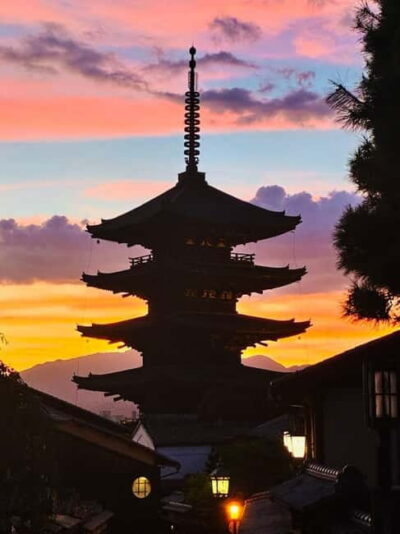
Kyoto Geisha Walking Tour: Gion District & Hidden Gems
Read our review →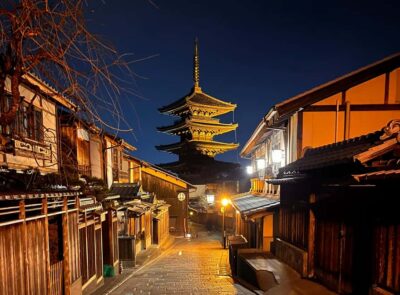
Kyoto: Gion Magical Night Walking Tour with Geisha Trivia
Read our review →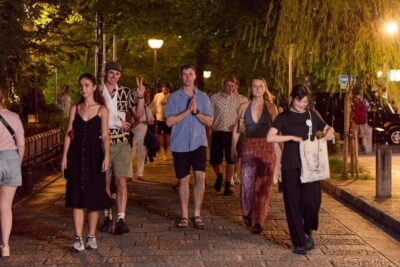
Kyoto: Gion Geisha District Walking Tour – Stories of Geisha
Read our review →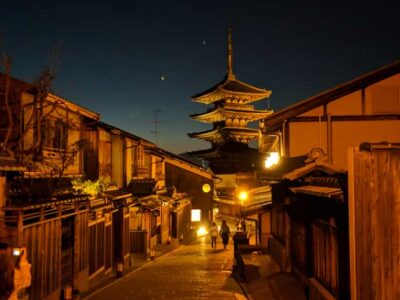
Best of Kyoto: Gion, Geisha, Pagodas & Cobblestones
Read our review →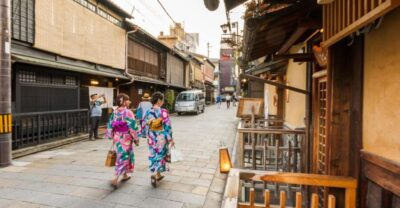
Nishiki Market Brunch Walking Tour (7 Tastings + Brunch)
Read our review →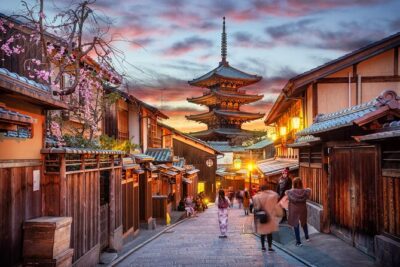
Kyoto Gion: 2-Hour Geisha Culture & History Walking Tour
Read our review →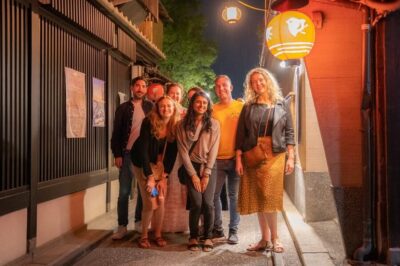
Lists this walk sits on