
Review · KYOTO
Kyoto: Gion Geisha District Walking Tour – Stories of Geisha
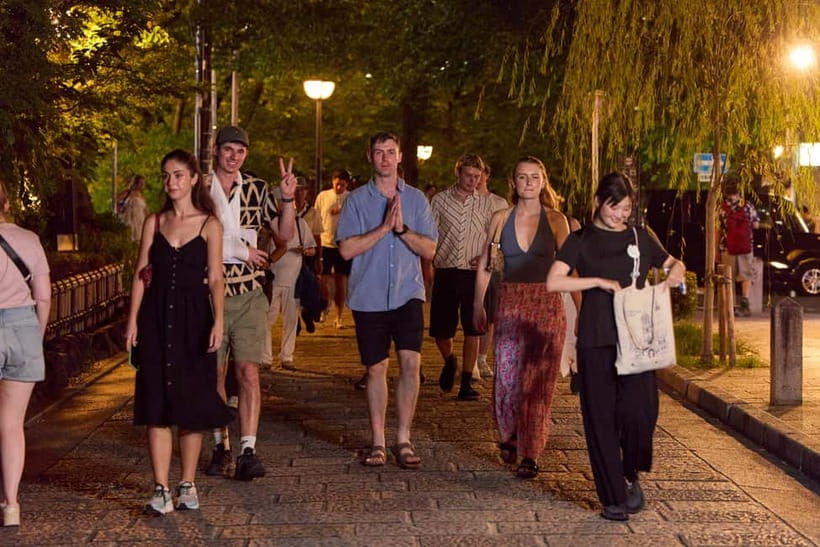
Kyoto’s geisha districts are best understood on foot, after sunset, when the old wooden teahouses begin to glow and maiko hurry toward evening appointments. This two-hour walk takes you through Pontocho and Gion, with stories about geiko, maiko, training, etiquette, and the business behind the painted faces and elaborate kimono. You may spot one on the way, but sightings are never guaranteed.
I like the route’s excellent value at $20, and I like that it visits real streets and historic meeting places rather than keeping you inside a staged cultural show. Guides including Yuki, Nami, Deborah, Manuel, and Yukari have earned praise for clear explanations and an easy pace. The main drawback is that a nighttime walk can limit what you see, especially in poor weather, and the tour may finish away from its starting point.
Key points to know before you book
- Pontocho Alley after dark: Walk one of Kyoto’s best-known dining lanes, lined with traditional eateries, teahouses, and private clubs.
- Gion’s working streets: Learn how the district functions today while walking past old wooden buildings and appointment houses.
- Geiko and maiko explained: Get clear guidance on their training, clothing, roles, and place in Kyoto culture.
- Local guides with personality: Yuki, Nami, Deborah, Manuel, Yukari, and others bring different stories and teaching styles.
- A chance, not a promise, to see one: You may encounter geiko or maiko en route, but the tour does not guarantee sightings.
- Easy two-hour introduction: The walk suits first-time visitors who want context before exploring Kyoto on their own.
Why this nighttime walk works so well
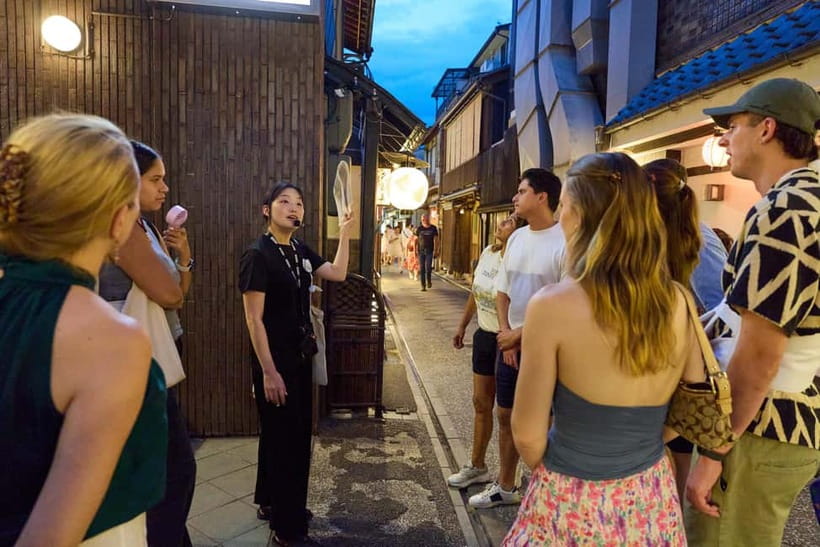
I like this tour because it gives you a useful frame for seeing Gion. Without some background, it is easy to mistake every woman in kimono for a geisha, treat a private teahouse like a tourist attraction, or assume the district is simply an old-fashioned photo set.
Your guide explains the difference between a geiko, Kyoto’s term for a fully trained geisha, and a maiko, an apprentice. You learn about training, dance, music, conversation, dress, and the strict customs that shape their work. The point is not just to spot someone in a dramatic kimono. It is to understand the skill and discipline behind the appearance.
The nighttime setting also matters. Pontocho’s narrow lane and Gion’s side streets feel more atmospheric once restaurants open and lanterns shine. You see the districts as working entertainment quarters, not only as daytime heritage areas.
The rating of 4.7 from 2,187 bookings reflects the tour’s broad appeal, but I would still set realistic expectations. The walk offers an introduction, not access to a teahouse or a private geisha performance. You observe from public streets and learn from your guide.
More walking tours around Kyoto:
- Kyoto Geisha Walking Tour: Gion District & Hidden Gems
★ 4.7 · 3,273 reviews - Kyoto: Gion Magical Night Walking Tour with Geisha Trivia
★ 4.9 · 2,393 reviews - Night Walk in Gion: Kyoto’s Geisha District
★ 4.5 · 2,003 reviews
Meeting at Ben’s Cookies Kyoto Shijo
The tour begins in front of Ben’s Cookies Kyoto Shijo, where your guide holds a sign board. This is a central meeting point, but give yourself time to find the shop. Arriving a few minutes early is sensible, especially if you are unfamiliar with Kyoto’s busy Shijo area.
The first ten minutes are spent getting oriented. Your guide sets up the evening and explains what you will see. This opening is brief, which is helpful. You do not spend a large part of a two-hour tour listening to an introduction before reaching the old districts.
English and Spanish tours are available. Guide assignments can vary, so you may meet Yuki, Nami, Deborah, Manuel, Yukari, Kenji, Akari, Michael, Adrian, Shin, Melanie, or another member of the local guiding team. The strongest guide comments are consistent on a few points: clear explanations, warmth, patience with questions, and a good walking pace.
Pontocho Alley and Kyoto’s evening entertainment world
Pontocho Alley is the first major stop, with about 15 minutes for a guided visit. This narrow lane is one of Kyoto’s most memorable streets. Traditional wooden fronts line the route, and restaurants and elite clubs open onto a passage that can feel private even when other people are walking through.
Your guide helps explain what these buildings represent. Pontocho is not merely a pretty lane for photographs. It is part of Kyoto’s entertainment culture, where dining, hospitality, music, and formal social customs have long overlapped.
The lane is narrow, so you should keep moving with the group and avoid blocking doorways. This is also a working neighborhood. Some businesses serve a private clientele, and the respectful approach is to look, listen, and photograph carefully rather than treat every entrance as a public attraction.
I find this part especially useful for setting expectations. You see why geisha culture is connected to food, performance, conversation, and discretion. The district makes more sense once you know that the elegant exterior is backed by a highly structured professional world.
The Izumo-no-Okuni statue and the origins of kabuki
After Pontocho, the route crosses the river and stops at the statue of Izumo-no-Okuni for roughly 15 minutes. She is associated with the creation of kabuki, one of Japan’s best-known performing arts.
This stop adds a welcome layer to the walk. The tour is not only about geisha. It places Kyoto’s entertainment traditions within a wider story of performance, dance, costume, and public spectacle. Your guide can connect the statue and the surrounding area to the development of popular theater.
For me, this is the kind of short stop that makes a walking tour worthwhile. You might pass the statue on your own without knowing why it matters. With an explanation, an ordinary urban landmark becomes part of the evening’s story.
Same streets, a different story:
- Best of Kyoto: Gion, Geisha, Pagodas & Cobblestones
★ 4.9 · 2,058 reviews - Kyoto Gion Geisha District Walking Tour – The Stories of Geisha
★ 5.0 · 1,441 reviews - Nishiki Market Brunch Walking Tour (7 Tastings + Brunch)
★ 5.0 · 1,355 reviews - Kyoto Gion: 2-Hour Geisha Culture & History Walking Tour
★ 5.0 · 1,186 reviews
Entering Gion, Kyoto’s best-known geisha district
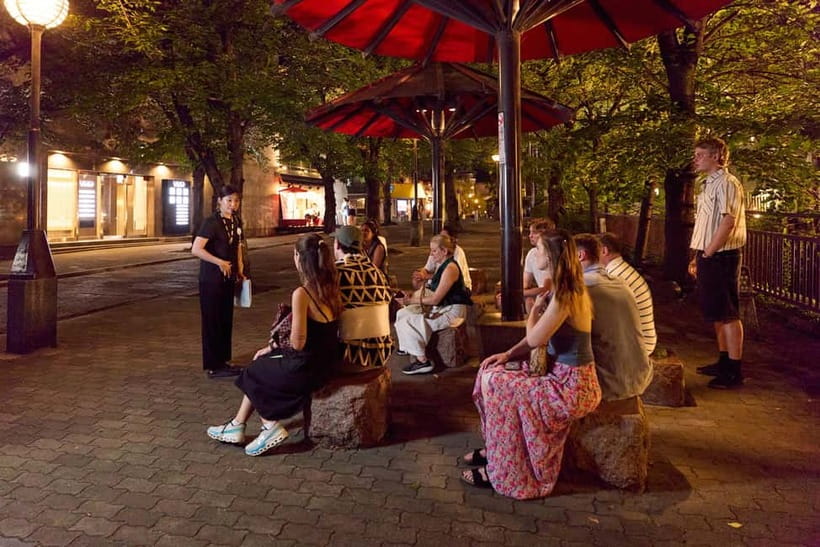
The tour then spends about 30 minutes in Gion. This is where the old wooden buildings, narrow lanes, and working teahouses come together most clearly.
Your guide explains how the district operates and how geiko and maiko fit into it. You learn about their years of preparation and the customs surrounding an evening appointment. The emphasis is on understanding the profession, not on chasing people for photographs.
Several guides have used photographs to explain clothing and stages of training, which can help you identify what you are seeing. Details such as hairstyle, ornament, kimono, and footwear can tell you more than a quick glance at makeup alone.
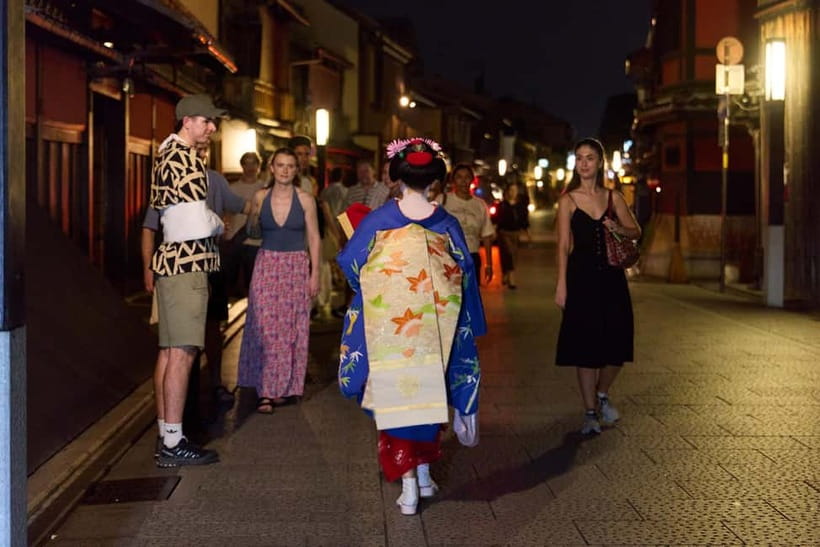
You might see a geiko or maiko moving between locations. Some groups have encountered a maiko, while others have seen a fully trained geiko or none at all. The timing of appointments, weather, season, and sheer luck all matter. I would book this walk for the stories and setting, then treat a sighting as a bonus.
Your guide may also point out less obvious corners of Gion. These quieter lanes can be more rewarding than the famous photo spots because they show the district’s scale and layout. Keep voices low, stay out of doorways, and follow any local signs about photography.
Yasaka Shrine after sunset
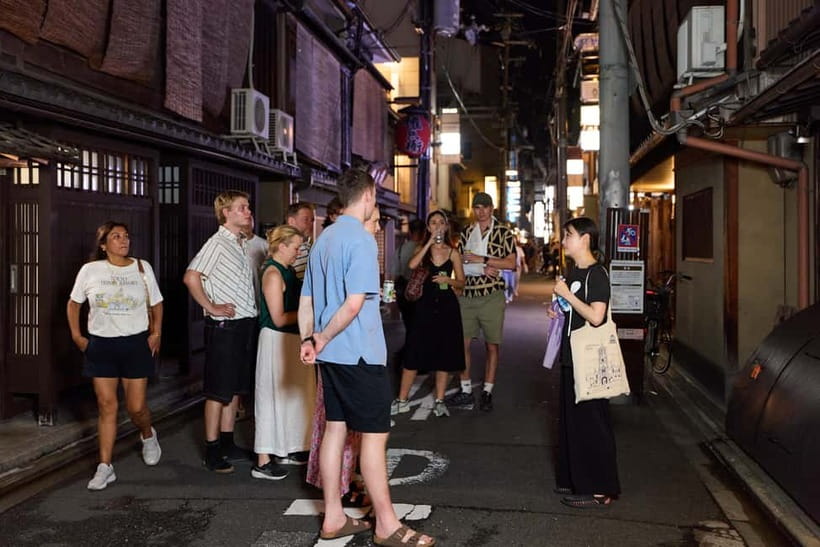
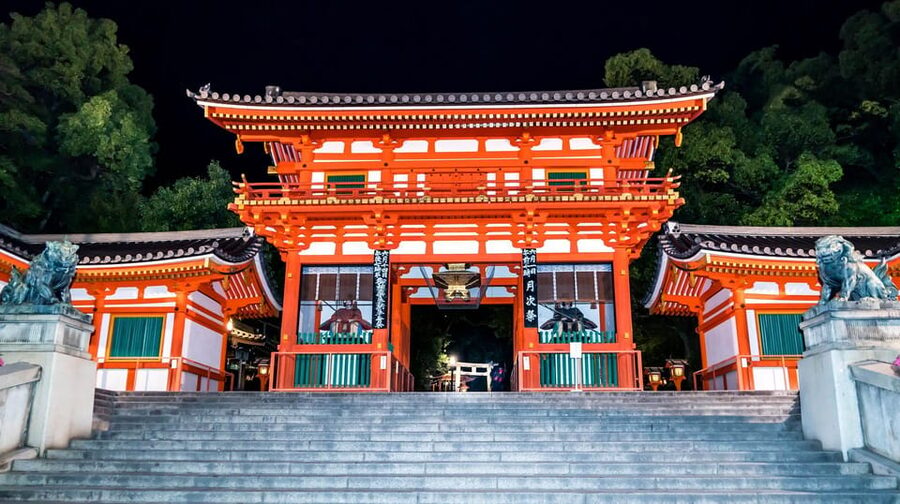
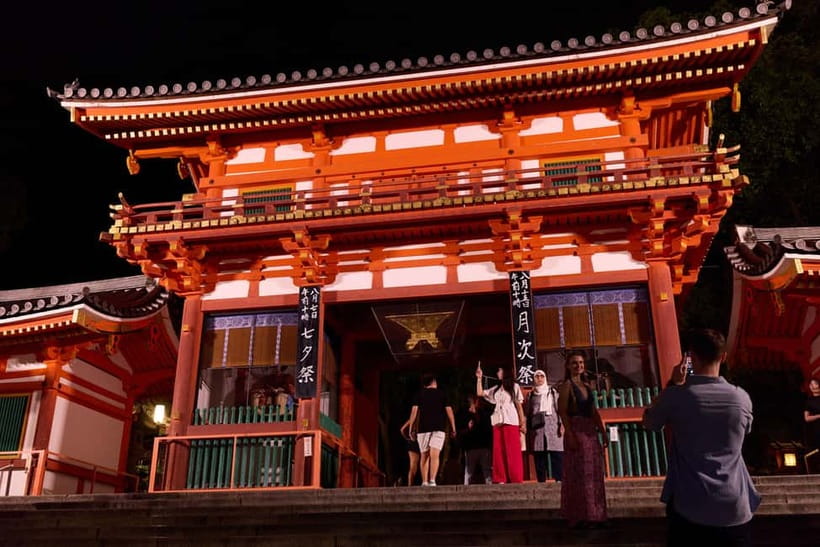
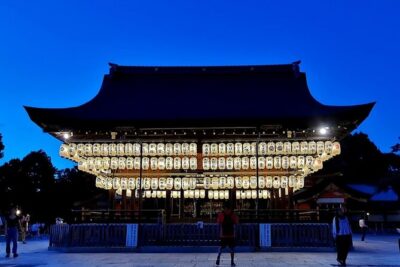
The walk continues to Yasaka Shrine, with about 25 minutes for a guided visit. This is one of Kyoto’s important religious sites and a useful contrast to the private world of the teahouses.
Here, the guide can explain how public religious spaces sit beside entertainment districts. You get a chance to see the shrine’s gates, grounds, and night atmosphere while learning how it fits into the city’s traditions.
The shrine stop also gives the group a change of pace. Much of Gion involves narrow lanes and close-up details. Yasaka offers more room to pause, ask questions, and take photographs. Bring water, as the tour is on foot and includes continuous walking.
The amount you see may depend on the season and the hour. In autumn, darkness arrives early, and some architectural details are easier to appreciate in daylight. The tradeoff is that evening gives you a better chance of seeing the districts functioning as night-time entertainment quarters.
Gion Corner and the challenge of seeing a show
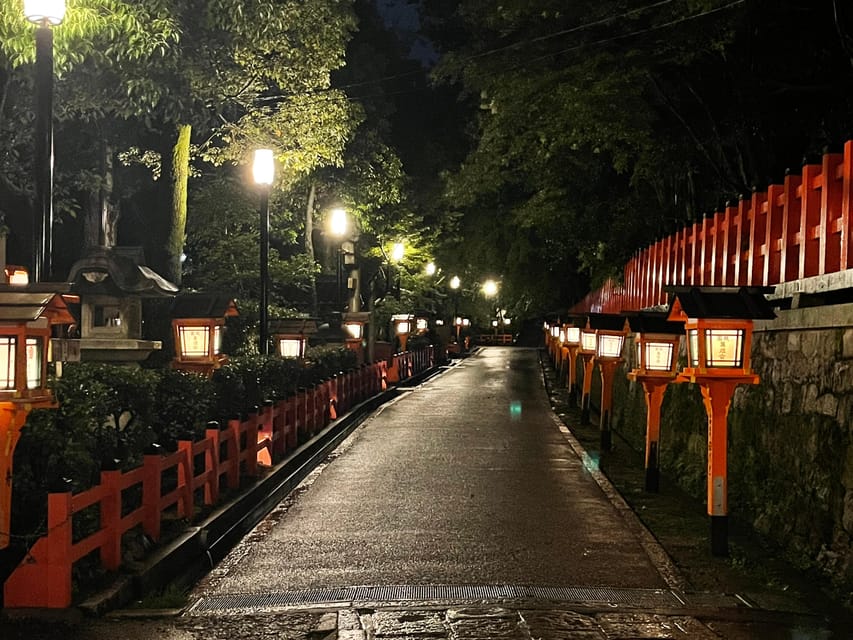
The route includes a short, roughly 10-minute visit to Gion Corner. This venue is associated with traditional Japanese performing arts and helps place geisha culture within Kyoto’s wider arts scene.
Be careful about what this stop means. It is part of the walking route, not a ticketed performance included in the $20 price. You are visiting and receiving an explanation, not attending a full stage program.
That distinction is important when comparing this tour with a geisha dinner, cultural demonstration, or theater ticket. This experience is cheaper and more flexible, but it does not provide a formal performance or a private meeting. I see that as a strength if you want a short orientation before making other plans.
Hanamikoji Street and the final walk
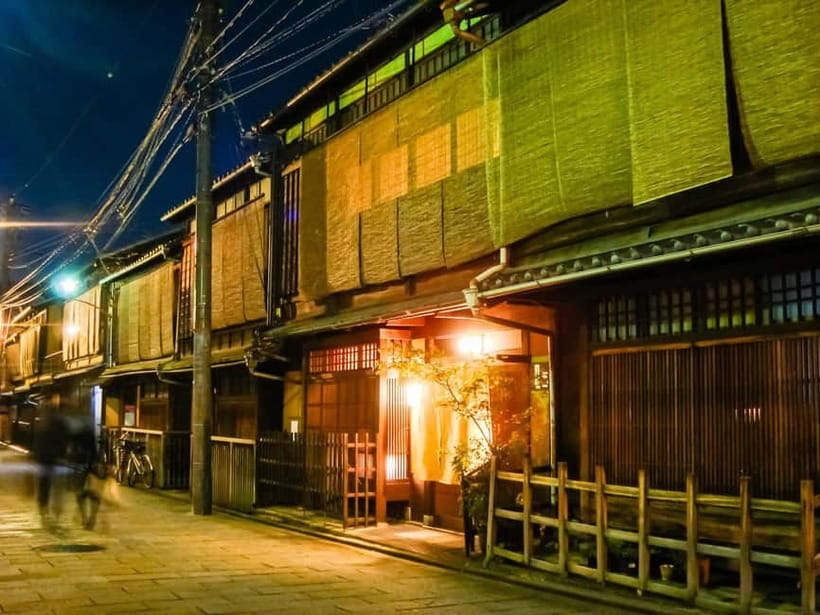
Hanamikoji Street is the final major stop, with about 15 minutes of guided exploration. It is one of Gion’s most recognizable streets, known for traditional architecture and teahouse entrances.
Your guide helps you read the street with more care. The wooden facades are attractive, but their real value comes from the customs and work connected to them. You may hear more about appointments, training, the role of the teahouse, and why access is limited.
The walking route generally finishes around Hanamikoji rather than returning to Ben’s Cookies Kyoto Shijo. That can be convenient if you want dinner in Gion or Pontocho, but it means you should know how you will continue your evening. One useful tip is to save the meeting-point map before setting out, even though the ending area is still central.
What the $20 price really buys you
At $20 per person, this is one of the more affordable ways to add context to a Kyoto evening. You are paying for a local guide, a planned route, and two hours of explanation across several districts. There are no extra admissions listed, and the value comes from interpretation rather than included food or entertainment.
I think the price works best for first-time visitors. A guide can explain details that would otherwise require a book, museum visit, or several hours of independent research. You also avoid wandering aimlessly through Gion while missing the meaning behind what you see.
The price does not cover a geisha encounter, meal, drink, performance, or private teahouse access. If those are your main goals, you need a different type of experience. If you want a well-priced introduction to the streets and traditions, this walk makes sense.
Free cancellation is available up to 24 hours before the start, and you can reserve while paying later. That is useful when your Kyoto schedule is still shifting.
Group size, pace, weather, and age limits
The walking pace is generally easy, with time for explanations, photographs, and questions. Several guides, including Nami, Deborah, Yuki, and Yukari, are praised for checking that everyone is keeping up and for adjusting explanations to the group.
Group size can vary. Some departures are small, while one account describes a group of about 13. A smaller group makes it easier to hear and ask questions, but you should not assume every departure will feel private.
The tour runs in the evening, so bring water and wear comfortable shoes. Rain does not necessarily cancel the experience, and guides may use sheltered places for explanations, but bad weather can reduce the pleasure of walking and limit what you see.
Children under 10 are not suited to this tour. Older children may enjoy it if they can manage two hours of walking and are interested in history, performance, and local customs.
The guides make the difference
The route is good, but the guide shapes the evening. Yuki is repeatedly praised for local pride, warmth, and respect for Kyoto’s traditions. Nami is noted for clear communication, steady pacing, and lively explanations. Deborah is described as especially good at using photographs and bringing the subject to life.
Manuel, Yukari, Kenji, Michael, Adrian, Akari, Shin, and Melanie also receive strong praise for making the subject approachable. Some guides focus more on history, while others add daily customs, restaurant suggestions, or personal views of Kyoto.
I would not choose this tour based on a particular guide unless the booking system lets you do so. Instead, think of the guide list as a sign that the experience can work for different learning styles. You can ask questions throughout, and that matters because geisha culture often raises basic questions about terminology, clothing, work, and modern life.
Who should book this Kyoto walk?
I would choose this tour if you are visiting Kyoto for the first time, want a low-cost evening activity, or plan to spend time in Gion but want more context before exploring alone.
It is also a good fit if you are curious about Japanese performance traditions but do not want to commit to an expensive dinner or formal show. The walk gives you a sensible foundation, then leaves the rest of your evening open.
I would skip it if you dislike walking, expect guaranteed geisha sightings, or want a performance rather than an explanation. It may also feel too basic if you already have a strong understanding of geiko, maiko, and Kyoto’s teahouse culture.
Should you book the Gion Geisha District Walking Tour?
Book it if you want two useful hours for $20, an evening route through Pontocho and Gion, and a guide who can explain what you are seeing without turning the district into a spectacle.
Go with realistic expectations. The streets are public, the teahouses are private, and a geiko or maiko may pass by or may not. The lasting value is learning how to look at Gion respectfully and understanding why its traditions still matter.
FAQ
How long is the Gion Geisha District Walking Tour?
The tour lasts two hours.
What is the price?
The price is $20 per person.
Where does the tour meet?
Meet in front of Ben’s Cookies Kyoto Shijo. The guide will be holding a sign board.
Where does the walking tour go?
The route includes Pontocho Alley, the statue of Izumo-no-Okuni, Gion, Yasaka Shrine, Gion Corner, and Hanamikoji Street.
Is the tour held at night?
Yes. This is a nighttime walking tour of Kyoto’s geisha districts.
Will I definitely see a geisha or maiko?
No. You may encounter a geiko or maiko traveling to an appointment, but sightings are not guaranteed.
What languages are available?
The live guide is available in English or Spanish.
Is food included?
No. The included services are the walking tour and local guide.
What should I bring?
Bring water. Comfortable walking shoes are also sensible for a two-hour walk.
Can children join the tour?
Children under 10 are not suitable for this activity.
Can I cancel the booking?
You can cancel up to 24 hours in advance for a full refund.
Can I reserve without paying immediately?
Yes. The reserve now and pay later option lets you hold a place without paying at the time of booking.
New walking tours around Kyoto
- Kyoto: Private Walking Tour with a Local★ 4.6 · 118 reviews
- Kyoto: Private 2.5 Hour Historical Walking Tour★ 4.9 · 121 reviews
- Kyoto: Imperial Palace & Nijo Castle Guided Walking Tour★ 4.7 · 453 reviews
- Kyoto: Izakaya Bars Guided Walking Tour★ 4.9 · 815 reviews
- Kyoto: Gion Sunset Walking Tour with Local Guide★ 4.7 · 351 reviews
- Kyoto: Gion Walking Tour★ 5.0 · 195 reviews
- Kyoto: Geisha Dinner & Gion Cultural Walk★ 5.0 · 73 reviews
- Kyoto: Gion Hidden Gems & Geisha Culture Tour★ 4.9 · 126 reviews
Kyoto Walking Tours, side by side.
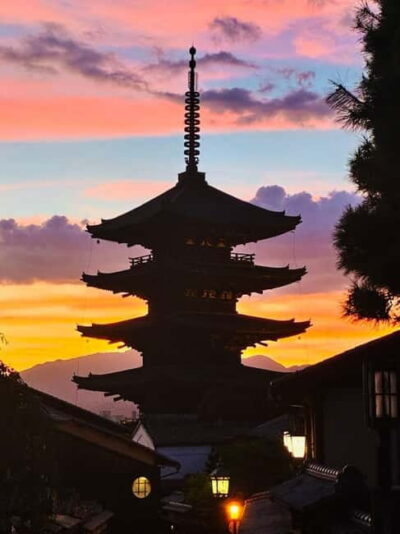
Kyoto Geisha Walking Tour: Gion District & Hidden Gems
Read our review →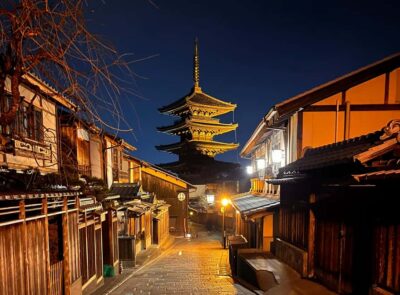
Kyoto: Gion Magical Night Walking Tour with Geisha Trivia
Read our review →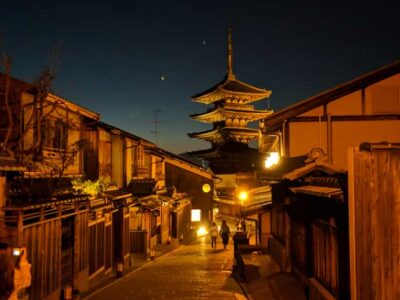
Best of Kyoto: Gion, Geisha, Pagodas & Cobblestones
Read our review →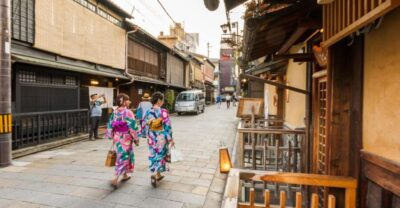
Kyoto Gion Geisha District Walking Tour – The Stories of Geisha
Read our review →
Nishiki Market Brunch Walking Tour (7 Tastings + Brunch)
Read our review →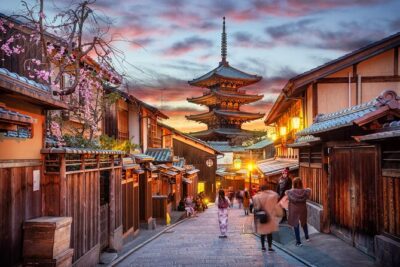
Kyoto Gion: 2-Hour Geisha Culture & History Walking Tour
Read our review →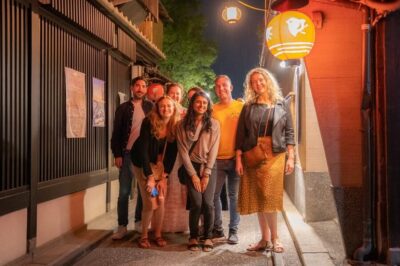
Lists this walk sits on