Review · KYOTO
Kyoto Gion: 2-Hour Geisha Culture & History Walking Tour
Gion is best understood on foot, and this tour gets quickly to the district’s most interesting question: what is real geisha culture, and what is simply a tourist image? Along Hanamikoji Street and the quieter lanes beyond it, your guide explains the demanding path from maiko to geisha, the meaning of kimono and hairstyles, and the customs that still shape this part of Kyoto.
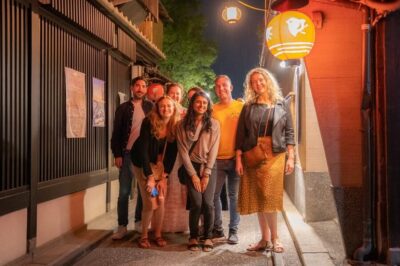
I like the small maximum group of 15, which makes it easier to hear stories in narrow streets. I also like the broad route: you get geisha culture, old townhouses, shrines, temples, the Kamogawa River, and restaurant streets in one affordable walk. The main drawback is that two hours is tightly packed, and summer heat can make the walk tiring since there is no scheduled drink stop.
Key points to know before you book
- Geisha sightings are possible, not promised: The best chance mentioned is around 5 to 6 p.m., but the tour is about understanding the district, not chasing a photograph.
- The route covers several classic Kyoto areas: Hanamikoji, Sannenzaka and Ninenzaka, Yasaka Shrine, Hokan-ji Temple, Pontocho, Gion Shirakawa, and Yasui-Konpiragu.
- Guides shape the experience: Uta, Dan, Naoya, Soyo, Kenta, Ukyo, Alex, and Oliver are among the guides praised for clear English, patience, storytelling, and local suggestions.
- Expect steady walking: The tour suits anyone with moderate physical fitness, with stops on streets, temple grounds, and shrine grounds.
- Sunset and early evening can work well: The area is attractive in softer light, and some guides suggest starting no later than 6 p.m. so more places remain open.
- The price is modest for a live cultural introduction: At $23.88 per person, the tour can be good value if you want context rather than only self-guided photographs.
Why a guide changes Gion
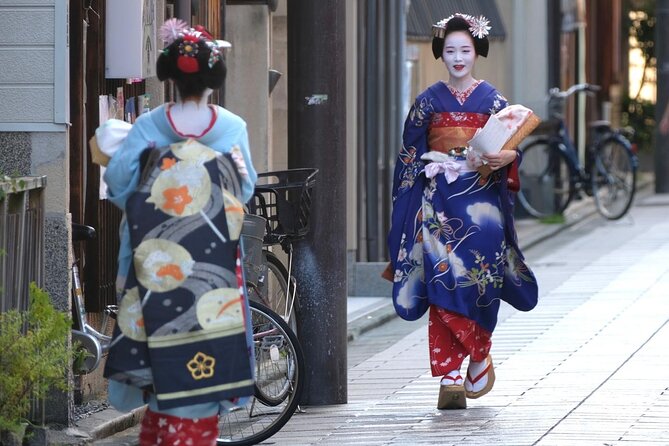
You can walk through Gion alone and still see beautiful streets. What you may miss is the reason the district looks and behaves as it does. A guide gives names and meaning to the details: the quiet entrance to a tea house, a wooden facade, a shrine custom, or the difference between a maiko and a geisha.
The tour begins at the McDonald’s near Shijo-ohashi Bridge, at 105-1 Hashibachō in Kyoto’s Shimogyo Ward. That central meeting point is near public transportation and puts you close to the river and Gion’s main streets. The walk ends back at the same meeting point, which is useful if you need to plan dinner or a later train.
The guide lineup varies. Uta is repeatedly praised for her friendly manner, strong English, and lively storytelling. Dan is described as a good storyteller with a clear grasp of Gion’s past. Naoya is noted for patience, useful explanations, and helping when someone arrived late after taking the wrong bus. Soyo, Kenta, Ukyo, Alex, and Oliver also receive strong praise for friendliness, cultural insight, and practical recommendations.
That variety matters. This is not a recorded audio route. The tone can shift with the guide, and the personal stories, restaurant advice, and photo help are part of what you are paying for.
More History Walking Tours in Japan
- Kyoto: Private 2.5 Hour Historical Walking Tour
★ 4.9 · 121 reviews - Tokyo: Imperial Palace and Shogun Historical Walking Tour
★ 5.0 · 2,251 reviews - Tokyo: Imperial Palace Japanese History Walking Tour
★ 4.9 · 987 reviews
Hanamikoji Street and the world of geisha
Hanamikoji Street is the natural opening lesson. It is often treated as the heart of Gion, with traditional buildings and tea houses lining a route that can feel especially atmospheric in the evening.
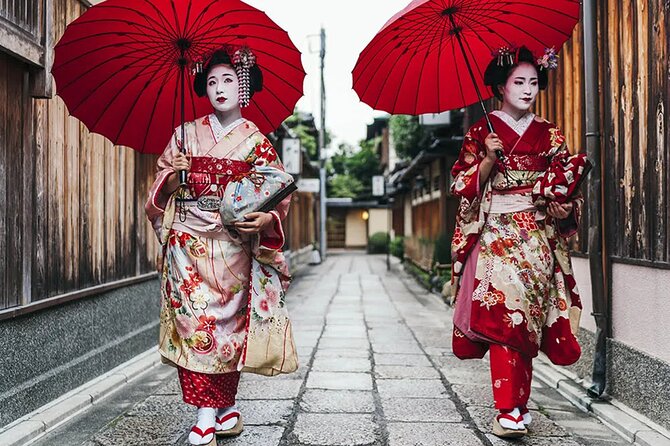
Here, your guide explains the work behind the image of a geisha. You learn about the training of maiko, the transition to geisha, traditional dance, kimono craftsmanship, and the careful styling of hair and makeup. This is useful context because the elegant appearance you see in photographs represents years of discipline, not a costume worn for a casual street performance.
You may see a geisha or maiko during the walk, and some people have been fortunate enough to do so. Still, keep your expectations sensible. The chance depends on timing and luck, and the guide’s explanation remains worthwhile even if nobody appears.
If you do see one, follow the guide’s instructions and use courtesy. Gion is a working neighborhood, not a theme park. The best photograph is never worth blocking a doorway, following someone down an alley, or treating a person on the way to work as a public attraction.
Sannenzaka, Ninenzaka, and Kyoto’s picture-book streets
The walk continues toward Sannenzaka and Ninenzaka, two of Kyoto’s most recognizable old streets. Their sloping lanes, wooden buildings, and traditional storefronts make them natural photo stops, though they can also be busy.
Your guide explains the local story that falling on the steps means you will die in two years, then separates the rumor from the truth. That small detail shows the benefit of walking with someone who can put a familiar sight into local context.
These streets are photogenic, but they are not the quietest part of the route. If you want empty lanes, this section may not deliver them, especially at popular times. The payoff is visual: old-style architecture, sloping stone streets, and classic Kyoto scenes that are easy to recognize but better understood with a little explanation.
The route includes free entry at the listed stops, so you are not paying for a series of admission tickets. You are paying mainly for the guide’s time, interpretation, and route planning.
Yasaka Shrine and the basics of Shinto worship
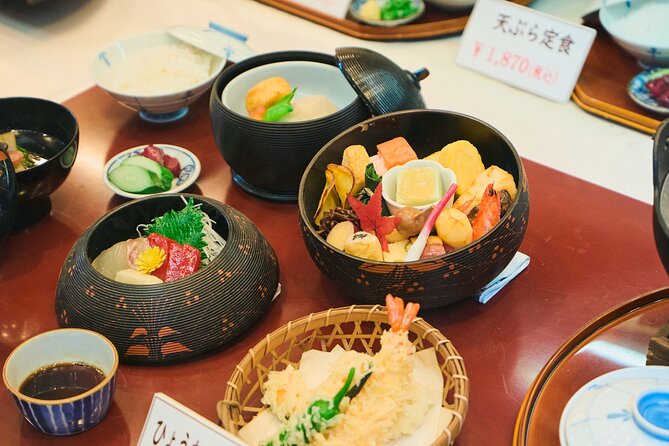
Yasaka Shrine brings a different kind of atmosphere. It is described as a 1,000-year-old shrine, and the stop lasts about 20 minutes. Your guide can show you how the site fits into Kyoto’s religious life and explain the basic steps of Shinto worship.
This is a useful pause in the tour because it shifts the focus from streets and entertainment to practice. You are not only looking at gates and buildings. You are learning how people approach a shrine, what they do at the entrance, and why these places remain part of everyday life.
The stop is short, so do not expect a long religious lecture or a detailed examination of every building. Think of it as a clear introduction that helps you make more sense of shrines you encounter elsewhere in Japan.
More History Walking Tours in Kyoto:
- History and Hauntings of Salem Guided Walking Tour
★ 5.0 · 14,564 reviews - Lisbon: History, Stories and Lifestyle Walking Tour
★ 4.8 · 10,902 reviews - Boston: Freedom Trail History Small Group Walking Tour
★ 5.0 · 6,450 reviews - Historic Charleston Guided Sightseeing Walking Tour
★ 5.0 · 6,216 reviews
Hokan-ji Temple and the famous Yasaka Pagoda view
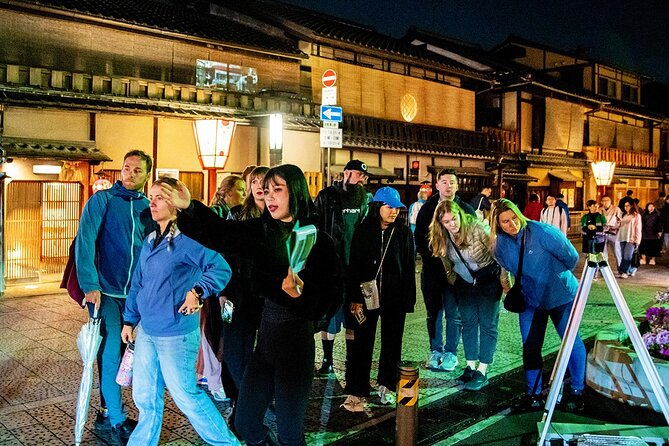
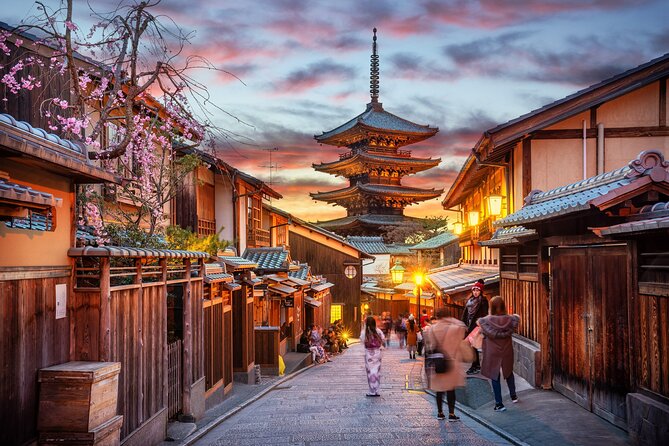
Hokan-ji Temple is one of the route’s major picture stops. Its pagoda and surrounding streets create one of Kyoto’s most familiar views, and the area is often called one of the city’s most photogenic spots.
The visual appeal is immediate, but a guide adds some discipline to the stop. You can learn how the temple fits into the older neighborhood rather than simply taking the same photograph as everyone else. Your guide may also help with pictures of your group, something Naoya was specifically praised for doing during the walk.
This part of the route can be busy and the streets are not flat. Wear shoes that feel secure on slopes and stone surfaces. The tour does not call for athletic ability, but it is not a seated sightseeing experience either.
Pontocho and the Kamogawa River pause
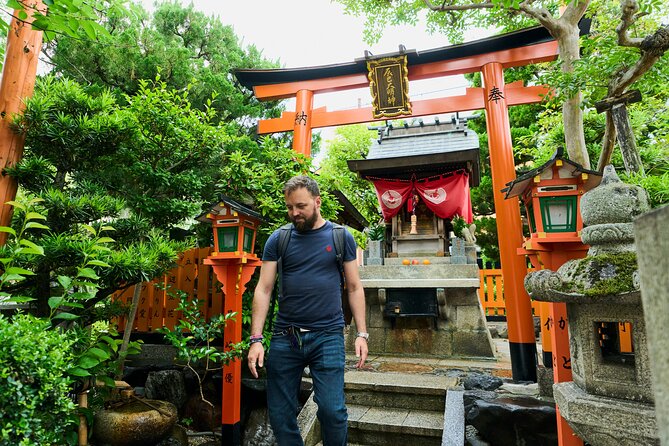
Pontocho is introduced as a historic gourmet street. Its narrow passage is closely tied to Kyoto’s dining and evening culture, making it a useful counterpoint to the geisha lessons in Gion.
You are also taken to a local relaxing spot beside the Kamogawa River. The exact pause may feel less formal than the shrine and temple stops, which is a good thing after walking through crowded streets. It gives you a chance to breathe, look across the river, and ask your guide where to eat or what to see later.
Restaurant advice is a repeated strength of this experience. Guides have pointed people toward restaurants and rooftop bars, though the tour does not include food or drinks. If you hope for a refreshment break, plan to buy something before or after the walk. One person found the heat difficult and wished there had been a scheduled drink stop.
Gion Shirakawa and Edo-period townhouses
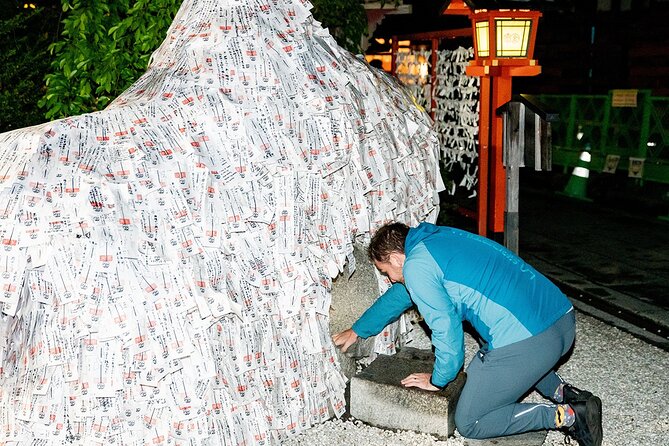
Gion Shirakawa is one of the more rewarding sections for anyone interested in old Kyoto buildings. Here, you see wooden townhouses associated with the Edo period and quieter streets that feel removed from the main tourist flow.
The value of this stop is not only the age of the buildings. Your guide explains how the structures and lanes relate to the district’s social and working life. Look at the woodwork, narrow fronts, and restrained design. These details are easy to pass without comment, yet they help explain why Gion has a different feel from a modern shopping street.
The quieter lanes are also where a respectful pace matters most. Keep your voice down, avoid stepping into private areas, and let residents go about their business. The tour’s promise of less crowded backstreets should not be confused with access to private homes or restricted areas.
Yasui-Konpiragu and a final look at local belief
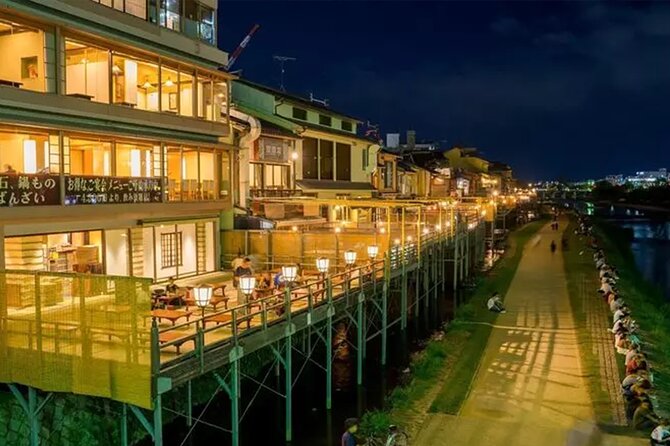
The final named stop is Yasui-Konpiragu, where you experience Shinto worship. The shrine is known in the route for its distinctive religious practice, and the stop gives you one more chance to ask questions about Japanese customs.
By this point, the tour has moved through entertainment culture, architecture, old streets, shrines, temples, food lanes, and the river. That range is its real strength. You are not spending two hours on one narrow subject. You are building a picture of how Gion’s traditional culture fits into modern Kyoto.
The tour then returns to the original meeting point. Because the route includes several areas, the return is helpful for anyone who wants a fixed endpoint rather than being left at an unfamiliar shrine or side street.
Timing, group size, and physical effort
The experience lasts about two hours and accepts up to 15 people. That is small enough for a personal feel, though not private. If everyone has questions or stops often for photographs, the pace may feel brisk.
Early evening is the most useful timing if seeing a geisha is important to you. One guide suggestion places the best chance around 5 to 6 p.m. Sunset can also make the streets and temple views more attractive. At the same time, one practical note is to avoid starting too late, since some sites and businesses may be closed by then.
The walk requires moderate physical fitness. You should be ready for sustained walking, some slopes, stone streets, and standing at several stops. In hot weather, bring water and dress for the conditions. The experience does not include a drink stop, so do not assume refreshments will be provided.
Public transportation is nearby at the meeting point, but the supplied details do not specify a recommended train or bus route. Check your route before leaving and allow enough time to reach the McDonald’s near Shijo-ohashi Bridge.
Is $23.88 good value?
At $23.88 per person, this is a low-cost way to add structure to a first visit to Gion. The shrines, streets, and temple areas are free to enter, so the price is not buying access to expensive attractions. It is buying two hours of explanation, local orientation, cultural background, and help finding quieter corners.
I see the strongest value for people who would otherwise wander through Gion without understanding what they are seeing. It is also useful early in a Kyoto stay, since the restaurant suggestions and neighborhood tips can shape the rest of your visit.
The value is weaker if you want a slow photographic walk with long pauses. The route covers a lot in two hours, and the chance of a geisha sighting is uncertain. You also should not book it expecting a meal, drink, private access to tea houses, or a formal geisha performance.
Free cancellation is available if you cancel at least 24 hours before the start time. Changes or cancellations inside that window are not refunded, and poor weather can lead to a different date or a full refund.
Who should book this Gion walk?
I would choose this tour for a first-time Kyoto visitor who wants a readable introduction to Gion without paying for a long, formal program. It suits couples, families with older children, and solo visitors who like asking questions while walking.
It is also a good fit if you have already seen Gion but found it hard to understand. The route connects places that can otherwise feel like separate photo stops. The explanations about maiko and geisha, the old houses, and shrine customs give the district a clearer shape.
I would think twice if heat is a serious concern, if you need frequent seating, or if you prefer complete independence. The group can include up to 15 people, and the route covers a fair amount of ground in a short time.
FAQ
How long does the Gion walking tour last?
The tour lasts approximately two hours.
Where does the tour start?
It starts at the McDonald’s near Shijo-ohashi Bridge, at 105-1 Hashibachō, Shimogyo Ward, Kyoto, 600-8011, Japan.
Where does the tour end?
The walk ends back at the meeting point.
Can I see a real geisha?
You might see a geisha or maiko, but a sighting is not guaranteed. The chance may be better around 5 to 6 p.m.
What places are included?
The route includes Hanamikoji Street, Sannenzaka and Ninenzaka, Yasaka Shrine, Hokan-ji Temple, Pontocho, a local spot beside the Kamogawa River, Gion Shirakawa, and Yasui-Konpiragu.
Is there an admission fee for the stops?
The listed stops have free admission.
How large is the group?
The tour has a maximum of 15 people.
What happens if the weather is poor?
The experience requires good weather. If it is canceled because of poor weather, you are offered another date or a full refund. You can also cancel for a full refund up to 24 hours before the start time.
Should you book it?
Book this walk if you want Gion to make sense, not merely look pretty. For $23.88, you get a compact introduction to geisha culture, old Kyoto architecture, shrine customs, and several classic neighborhoods, with guides such as Uta, Dan, and Naoya adding personal stories and practical advice.
Choose an early evening departure if seeing a geisha matters to you, bring water in warm weather, and wear comfortable shoes. If you accept that the sighting is luck and the route is active, this is a sensible, well-priced first step into Gion.
More two-hour walks around Kyoto
- Berlin’s Best: 2 Hour Walking Tour Third Reich and the Cold War
★ 5.0 · 5,486 reviews - Budapest City Landmarks Walking Tour in 2 Hours
★ 5.0 · 2,048 reviews - Leipzig: 2-Hour Guided Walking Tour in German
★ 4.8 · 1,612 reviews - Lucca: 2-Hour City Center Walking Tour
★ 4.7 · 1,314 reviews
More Cultural Walking Tours around Kyoto
- Kyoto Gion Cultural Walk & Geisha Show with Dining Options
★ 5.0 · 518 reviews - Kyoto: Gion Hidden Gems & Geisha Culture Tour
★ 4.9 · 126 reviews - Kyoto: Geisha Dinner & Gion Cultural Walk
★ 5.0 · 73 reviews - Savannah First Squares Culinary & Cultural Walking Food Tour
★ 5.0 · 3,229 reviews
New walking tours around Kyoto
- Kyoto: Private Walking Tour with a Local★ 4.6 · 118 reviews
- Kyoto: Private 2.5 Hour Historical Walking Tour★ 4.9 · 121 reviews
- Kyoto: Imperial Palace & Nijo Castle Guided Walking Tour★ 4.7 · 453 reviews
- Kyoto: Izakaya Bars Guided Walking Tour★ 4.9 · 815 reviews
- Kyoto: Gion Sunset Walking Tour with Local Guide★ 4.7 · 351 reviews
- Kyoto: Gion Walking Tour★ 5.0 · 195 reviews
- Kyoto: Geisha Dinner & Gion Cultural Walk★ 5.0 · 73 reviews
- Kyoto: Gion Hidden Gems & Geisha Culture Tour★ 4.9 · 126 reviews
Kyoto Walking Tours, side by side.
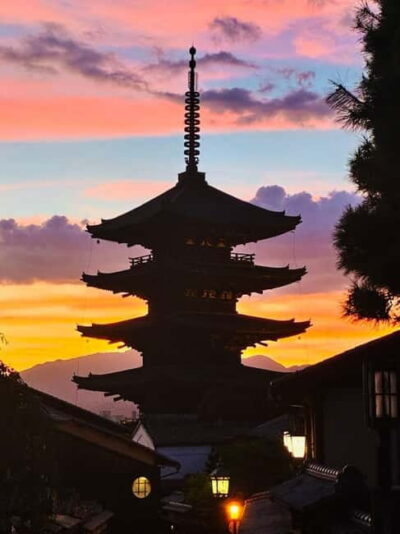
Kyoto Geisha Walking Tour: Gion District & Hidden Gems
Read our review →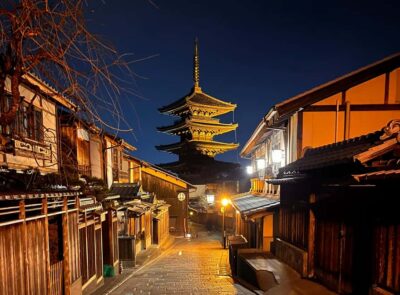
Kyoto: Gion Magical Night Walking Tour with Geisha Trivia
Read our review →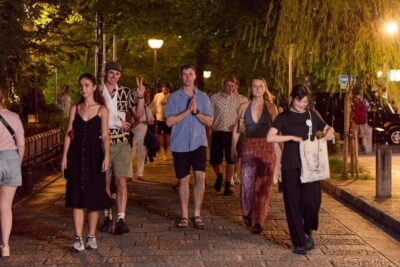
Kyoto: Gion Geisha District Walking Tour – Stories of Geisha
Read our review →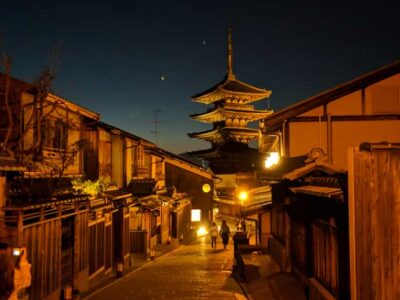
Best of Kyoto: Gion, Geisha, Pagodas & Cobblestones
Read our review →
Nishiki Market Brunch Walking Tour (7 Tastings + Brunch)
Read our review →