
Review · JAPAN
Hiroshima Historical Walking Tour – Why A-Bomb was Dropped
Hiroshima’s A-bomb story makes more sense when you begin before the blast. This 150-minute walk starts at Gokoku Shrine and Hiroshima Castle, where military history gives you the setting, then moves toward the human cost at the Peace Memorial Park.
I like the clear story line and the chance to ask questions as you walk. I also like the local touch from guides such as Chihiro and Emi, who have shared family connections to Hiroshima, while guides such as Thomas bring an outside perspective shaped by years living in Japan. The main drawback is the subject itself: this can be emotional, and the pace leaves little time for long independent visits before the tour ends at the museum.
Key points at a glance
- The route begins with military context: Gokoku Shrine and Hiroshima Castle help explain Hiroshima’s wartime role before the tour reaches the memorial sites.
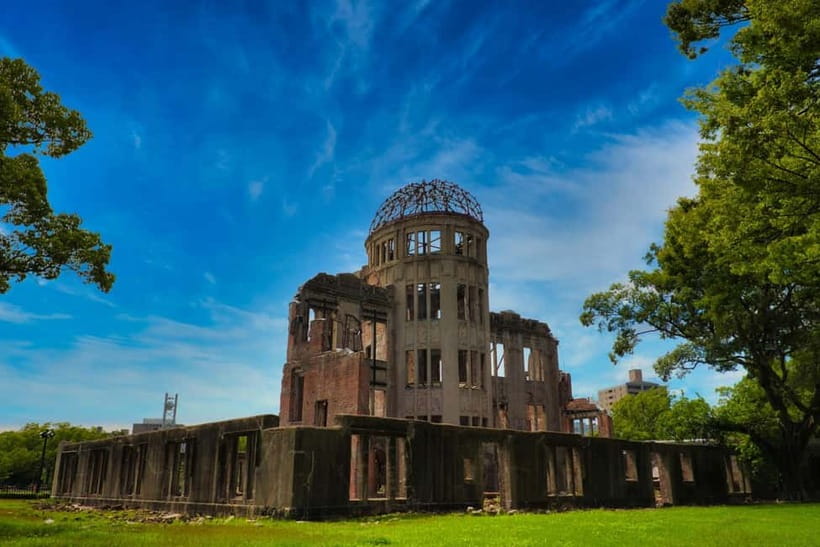
- The A-Bomb Dome comes late: You approach the most recognizable symbol of the bombing after building up the story behind it.
- The guides shape the experience: Chihiro, Emi, Emmy, Thomas, and other English-speaking guides are praised for clear explanations, patience, and personal insight.
- You finish at the Peace Memorial Museum: The timing makes this a useful introduction before you explore the museum on your own.
- The 150-minute walk is thoughtfully paced: Sitting breaks are included, and the route is described as manageable rather than exhausting.
- The $35 price offers solid value: You get a live English guide, historical interpretation, local tips, and a route connecting several major Hiroshima sites.
Why the story starts at Gokoku Shrine
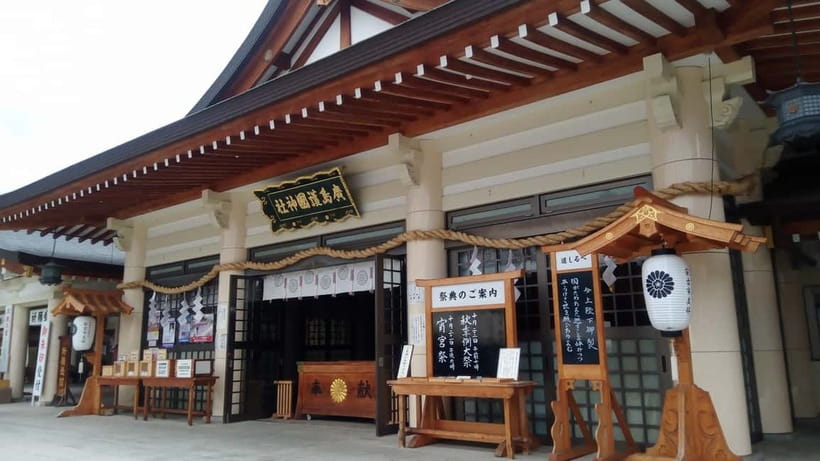
The meeting point is in front of the torii gate of Hiroshima Gokoku-jinja, near the main hall. This is a practical starting place because the tour does not open with the most familiar image of Hiroshima. Instead, you begin with the city’s political, military, and cultural setting.
Gokoku Shrine is associated with those who died in service, so it helps frame Hiroshima as more than a memorial destination. You start by considering the people and institutions connected with wartime Japan. That opening matters because the tour’s central question is not treated as a single-sentence answer.
I appreciate this choice. If you begin only at the Peace Park, it is easy to see Hiroshima solely through the lens of August 6, 1945. Starting at the shrine gives you a wider frame and prepares you for the difficult questions that follow.
Your guide may explain how Hiroshima developed before the bombing and why its military role mattered. The experience is not simply a walk from monument to monument. It builds a sequence, moving from the city’s earlier identity toward the decision to target it and then to the consequences.
More History Walking Tours in Japan
- Tokyo: Imperial Palace and Shogun Historical Walking Tour
★ 5.0 · 2,251 reviews - Kyoto Gion: 2-Hour Geisha Culture & History Walking Tour
★ 5.0 · 1,186 reviews - Tokyo: Imperial Palace Japanese History Walking Tour
★ 4.9 · 987 reviews
Hiroshima Castle and the city before 1945
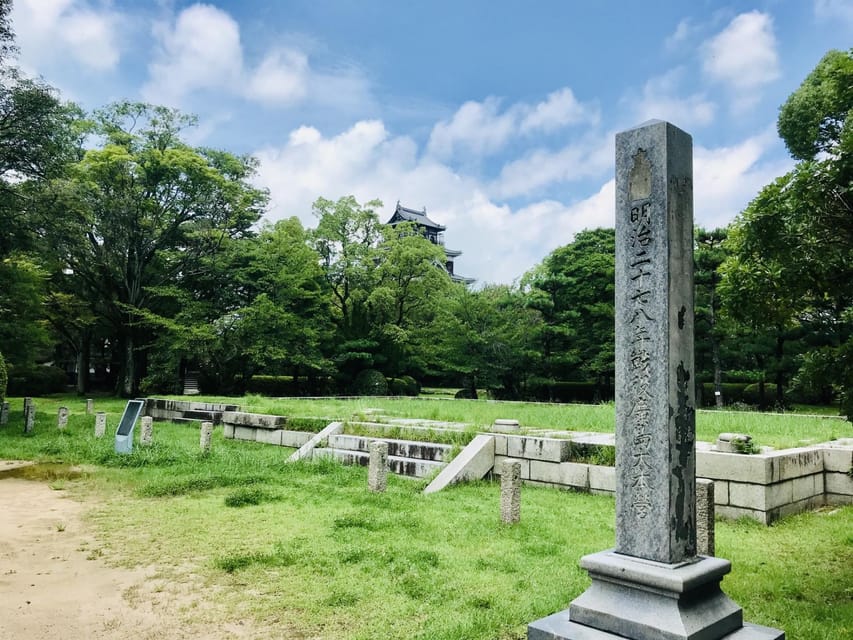
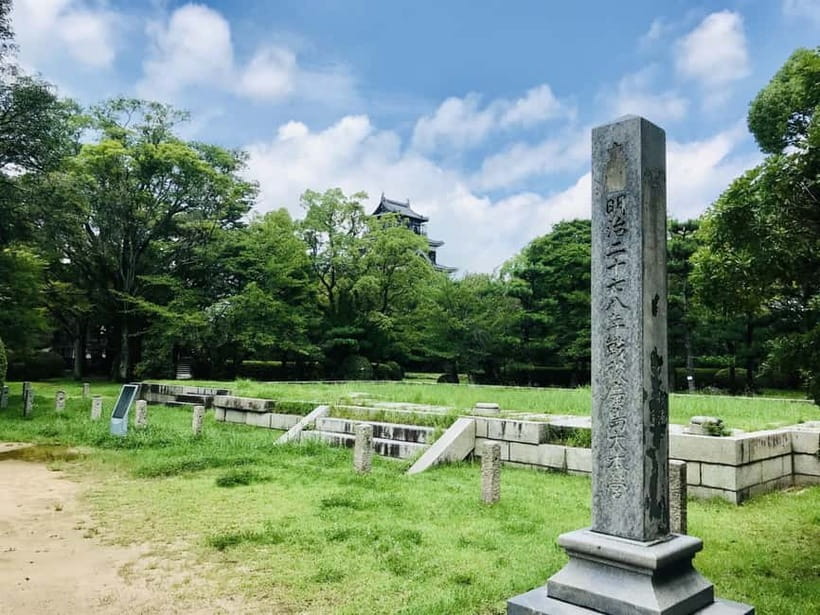
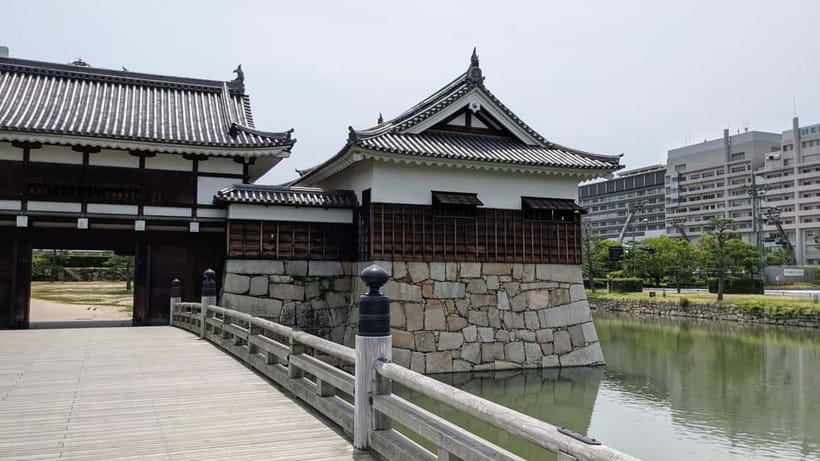
The next main stop is Hiroshima Castle, with about 20 minutes for a visit, guided explanation, and photos. The castle is important here not just as an attractive Japanese landmark, but as a way to understand Hiroshima’s place in regional power and military administration.
The stop gives you a chance to look at the city through a different lens. Hiroshima had a long history before the bomb, and the castle helps bring that earlier period into the conversation. Your guide may also connect the castle area with the city’s role during World War II.
This is one of the strongest parts of the route for anyone who wants context. The tour does not present Hiroshima as an isolated target chosen at random. It explains the strategic reasoning and military background that shaped the decision.
The castle stop is fairly short, so I would not expect an extended castle tour. You get a guided visit and photo opportunity rather than a full architectural study. That limitation is reasonable, since the main purpose is to place the bombing within Hiroshima’s wider story.
Keep your camera ready, but give your attention to the guide. The most useful material here is spoken: how Hiroshima changed over time, what made it important, and how the pre-bomb city fits into the events of 1945.
The shorter stops and the route toward the river
The schedule includes another guided visit of about 10 minutes before the tour reaches Hiroshima Gate Park, where you spend around 30 minutes. The supplied information does not identify the 10-minute stop in detail, so you should expect a brief site visit rather than a long indoor session.
Hiroshima Gate Park adds another layer to the city’s modern memory. The stop helps bridge the gap between the military setting around the castle and the memorial area closer to the river.
I like this gradual movement. The route does not rush you straight to the A-Bomb Dome. It lets the story gather weight as the surroundings change. You receive historical explanations, then encounter places that make those explanations more immediate.
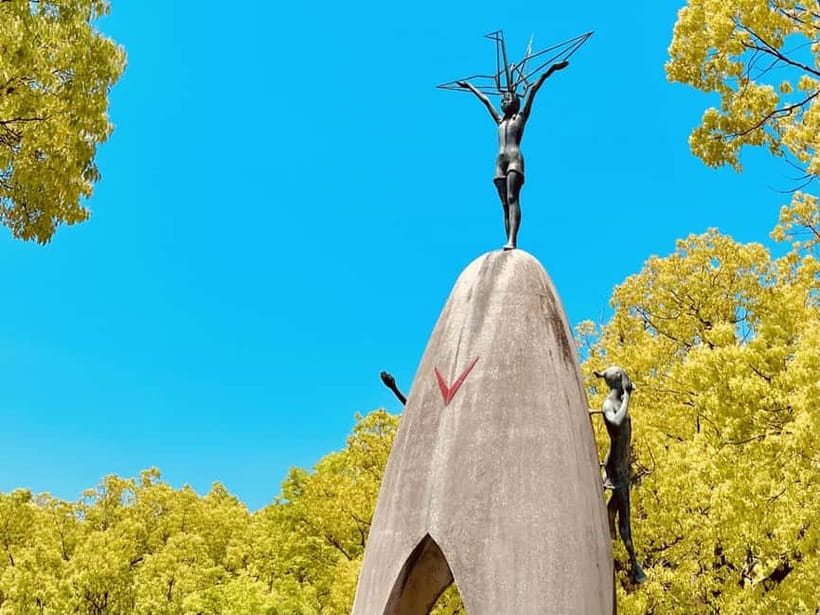
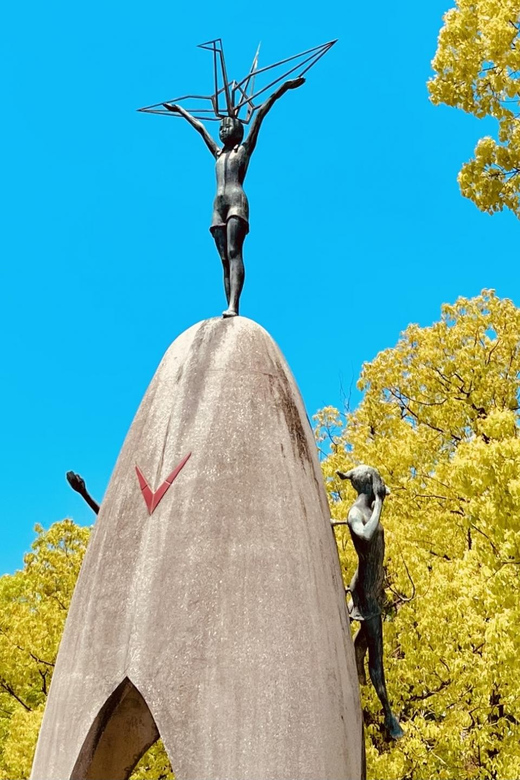
The tour also includes Hiroshima Orizuru Tower in the broader route described by the guide experience. One especially memorable detail is the chance to see folded paper cranes descend at the tower. Paper cranes connect directly with the city’s message of peace and with the Children’s Peace Monument, where millions of cranes have been placed.
You should treat these middle stops as part of the emotional preparation for the Peace Park. Some are less famous than the Dome, but they help show how Hiroshima remembers, teaches, and communicates its message today.
Meeting the A-Bomb Dome after the background
The A-Bomb Dome receives about 20 minutes of guided attention. This is the point where the earlier military and political discussion meets the physical remains of the bombing.
The building is powerful because it is not presented as an abstract symbol. It is a surviving structure in the middle of a rebuilt city. Your guide can explain what the building represents and why it has become one of the defining images of Hiroshima.
The timing works well. By this point, you have heard about Hiroshima’s earlier history, its military importance, and the reasoning behind its selection. The Dome then becomes more than a photograph. You can connect the structure to the people, buildings, and city life that existed before the blast.
I would not expect to stand at the Dome for the entire 20 minutes in silence. The guide uses the time to explain, answer questions, and connect the site with the nearby memorial grounds. The experience remains a walking tour, so the information comes in a flowing, conversational way.
This can be a confronting stop. The tour deals directly with destruction and loss, but it also avoids reducing Hiroshima to tragedy alone. That balance is one reason the experience works well for people who want serious history without a purely bleak presentation.
Same streets, a different story:
- Kyoto Geisha Walking Tour: Gion District & Hidden Gems
★ 4.7 · 3,273 reviews - Tokyo Tsukiji Fish Market Food and Culture Walking Tour
★ 5.0 · 3,184 reviews - Kyoto: Gion Magical Night Walking Tour with Geisha Trivia
★ 4.9 · 2,393 reviews - Kyoto: Gion Geisha District Walking Tour – Stories of Geisha
★ 4.7 · 2,187 reviews
Peace Memorial Park and the meaning of the cranes
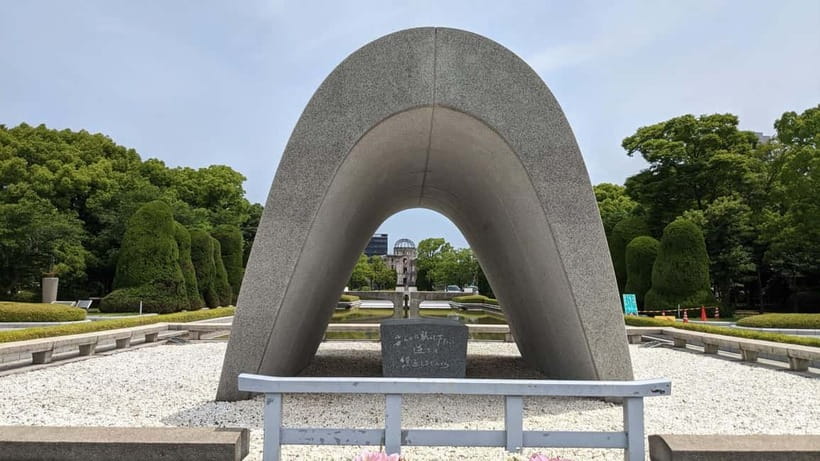
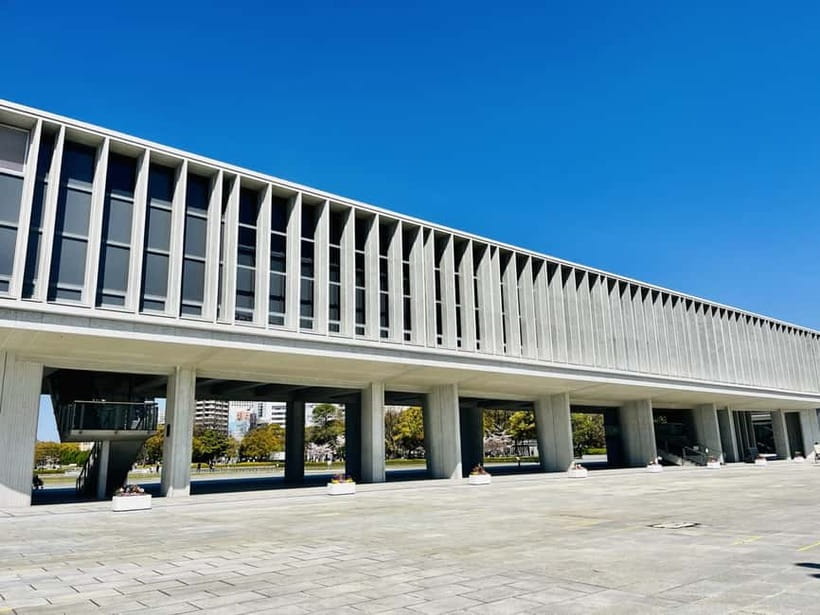
The Peace Memorial Park is the longest major stop, with roughly 30 minutes of guided time. It is where the tour’s themes come together: the bombing, its human consequences, the city’s rebuilding, and Hiroshima’s continuing call for peace.
Your guide can explain the meaning behind monuments and memorial features, including the Children’s Peace Monument and the paper cranes associated with it. You may also hear a personal perspective from a Hiroshima-born guide such as Chihiro or Emi, including family experiences and a personal commitment to peace education.
That local connection is valuable, but it does not define every departure. Some guides, including Thomas, are from outside Japan and bring a different view shaped by living in the country for years. The important point is that the guides are described as clear, patient, and willing to discuss difficult questions.
I like that the tour gives you time to ask side questions. You can ask about Japanese culture, Hiroshima food, the memorials, or the history leading to the bombing. Guides are also reported to offer restaurant suggestions and other local advice after the historical discussion.
The Peace Park is not a place to rush. Thirty minutes is enough for a guided introduction, but not enough for every monument or personal reflection. You will want to return to parts of it after the tour, especially if you plan to visit the museum at the finish.
Why ending at the Peace Memorial Museum works
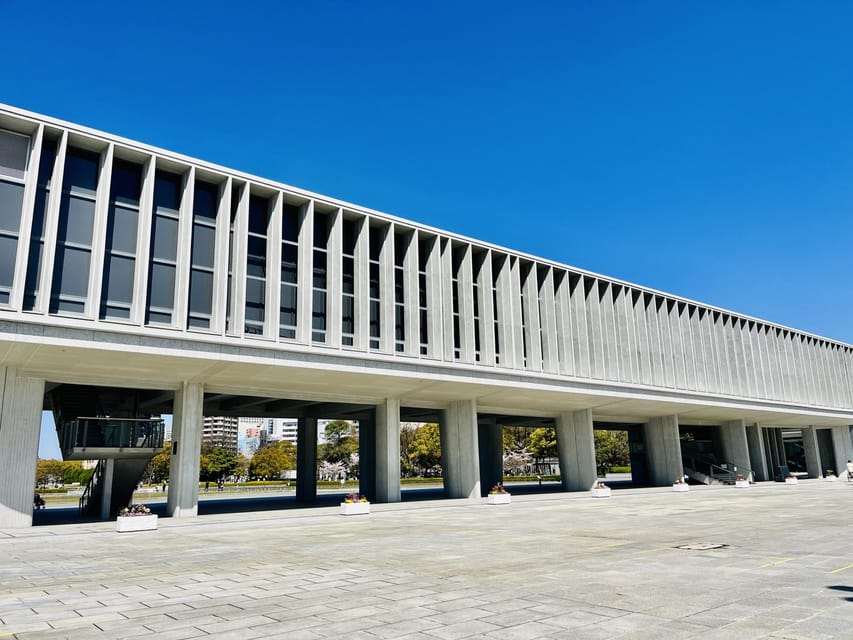
The walk finishes at the Hiroshima Peace Memorial Museum. This is one of the most useful details of the experience because you arrive with a framework for what you are about to see.
The museum can be intense. Displays about the bombing and its victims carry more weight when you understand Hiroshima’s prewar history, military role, and the questions surrounding the target selection. The walking tour helps you organize that information before you enter.
You should not expect the guided experience to include a full museum tour. The stated finish is at the museum, and the guided stops are outdoors and around the city. This gives you flexibility to continue at your own speed and spend as much time as you need inside.
For many people, doing the walk before the museum is the best order. The guide can clarify terms, locations, and historical sequence, while the museum provides its own detailed material. I would allow extra time afterward if your schedule permits.
The ending also keeps the tour from feeling like a closed loop. You finish at the place where you can continue learning independently, rather than ending at a restaurant or transportation hub and losing the thread.
The guides are the heart of the experience
The strongest praise centers on the guides. Chihiro is repeatedly described as friendly, passionate, and closely connected to Hiroshima. She has shared family experiences and explained her personal commitment to peace, giving the history a human voice without turning the tour into a private family story.
Emi and Emmy are also praised for strong English, clear storytelling, and an ability to handle a heavy subject with warmth. One guide kept a 12-year-old engaged, which suggests the presentation can work for families, provided children are ready for serious material.
Thomas receives especially strong marks for his organization, clear English, patience, and broad command of the subject. His perspective as someone from Europe who has lived in Japan for years can help you compare Japanese and outside views without making the discussion feel argumentative.
Guide names and availability can vary, so you should not book solely in the hope of getting one particular person. Still, the repeated pattern is useful: the experience depends heavily on who leads your group, and the available guides appear to put real care into explaining both facts and feeling.
You can also expect practical help beyond the formal route. Several guides have offered food recommendations, helped with restaurant reservations, pointed out smoking booths, and suggested other museums or places of interest. Those small touches can make the tour more useful during a short Hiroshima stay.
Pace, walking, language, and comfort
The experience lasts 150 minutes, or two and a half hours. That is long enough to establish a clear story but short enough to fit into a busy day in Hiroshima.
The route includes several outdoor sites, photo stops, and guided explanations. The pace is generally described as comfortable, with sitting breaks included. You should still wear sensible shoes and dress for the weather, since much of the experience takes place outside.
The tour is conducted in English with a live guide. English ability is repeatedly praised, including the explanation of complex history and emotional subjects. If you have detailed questions, the format allows you to ask them rather than simply listen to a recorded commentary.
The activity is listed as wheelchair accessible. Since the route includes several sites and outdoor walking, I would still confirm any personal access needs when booking, but the stated accessibility is an important advantage.
The emotional pace matters as much as the walking pace. The guide moves between military history, cultural context, destruction, and peace. Sitting breaks and changes of location help, but this is not a light sightseeing stroll.
What $35 buys you
At $35 per person, the tour is priced below many full-day guided experiences, yet it covers two and a half hours and several of Hiroshima’s most important historical sites. You are paying mainly for interpretation and structure, not admission-heavy attractions.
That distinction matters. You could walk around the Peace Park and see the Dome without a guide. What you would miss is the explanation linking Gokoku Shrine, Hiroshima Castle, the target decision, and the memorial sites into one story.
The value is strongest if this is your first visit to Hiroshima or if you feel unsure how to approach the subject. A guide saves you from piecing together the timeline alone and gives you a chance to ask questions in the moment.
The value is lower if you already have strong background knowledge and prefer to read every monument at your own pace. In that case, the fixed route and 150-minute schedule may feel structured. Still, the museum finish and local food advice add practical value.
Tips for the guide are not included, so plan for that separately if you choose to leave one. Cancellation is free up to 24 hours before the start, and you can reserve now and pay later, which helps if your Japan schedule is still changing.
Who should book this Hiroshima walk
I would recommend it to first-time visitors, history-minded travelers, families with older children, and anyone who wants a respectful introduction before entering the Peace Memorial Museum.
It also suits you if you want to understand the question in the title without expecting a simple answer. The tour covers military strategy, Hiroshima’s history, Japanese culture, the human cost of the bombing, and the city’s peace message.
I would be more cautious if you want a relaxed sightseeing walk with only light historical commentary. The subject is serious, and some parts may be upsetting. I would also avoid scheduling it immediately before another emotionally demanding activity.
Should you book it?
I think you should book this tour if you want context before the museum and value a guide who can explain difficult history in plain English. The route is well arranged, the price is fair, and the walk connects places that can otherwise feel like separate stops.
Choose it especially if you appreciate personal perspective, room for questions, and useful local suggestions after the formal tour. Skip it only if you prefer complete independence or already know Hiroshima’s history well. For most first-time visitors, it offers a thoughtful and efficient way to begin.
FAQ
How long does the Hiroshima Historical Walking Tour last?
The tour lasts 150 minutes, or two and a half hours.
What is the price?
The listed price is $35 per person.
Where does the tour meet?
Meet in front of the torii gate of Hiroshima Gokoku-jinja, near the main hall.
Where does the tour finish?
The tour finishes at the Hiroshima Peace Memorial Museum.
Which sites are included?
The route includes Gokoku Shrine, Hiroshima Castle, Hiroshima Gate Park, the A-Bomb Dome, and Hiroshima Peace Memorial Park. The wider guided route also includes Hiroshima Orizuru Tower.
Is the tour conducted in English?
Yes. The tour has a live English-speaking guide.
Is the tour wheelchair accessible?
Yes, the activity is listed as wheelchair accessible.
Are museum admission fees included?
The included item is a guided tour. The supplied information does not state that museum admission is included, so check the current booking details before you go.
Can I cancel for a full refund?
You can cancel up to 24 hours in advance for a full refund.
Do I have to pay when I reserve?
No. The reserve now and pay later option allows you to hold a place without paying immediately.
New walking tours around Japan
- Nara: Half-Day UNESCO Heritage & Local Culture Walking Tour★ 4.8 · 250 reviews
- Nagasaki: Private Walking Tour with a Local★ 4.7 · 79 reviews
- Hiroshima: Miyajima Half-day Historical Walking Tour★ 4.7 · 100 reviews
- Kyoto: Private Walking Tour with a Local★ 4.6 · 118 reviews
- Kyoto: Private 2.5 Hour Historical Walking Tour★ 4.9 · 121 reviews
- Kyoto: Imperial Palace & Nijo Castle Guided Walking Tour★ 4.7 · 453 reviews
- Kyoto: Izakaya Bars Guided Walking Tour★ 4.9 · 815 reviews
- Kyoto: Gion Sunset Walking Tour with Local Guide★ 4.7 · 351 reviews
Japan Walking Tours, side by side.
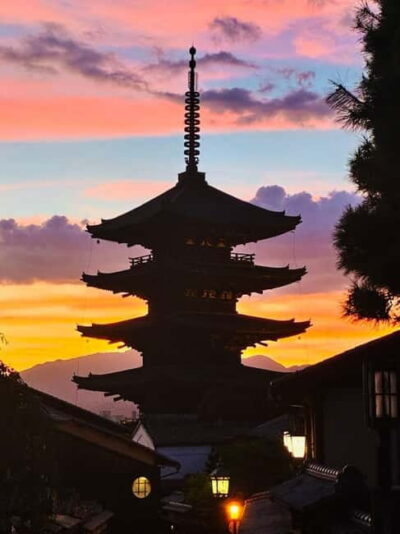
Kyoto Geisha Walking Tour: Gion District & Hidden Gems
Read our review →
Tokyo Tsukiji Fish Market Food and Culture Walking Tour
Read our review →
Kyoto: Gion Magical Night Walking Tour with Geisha Trivia
Read our review →
Tokyo: Imperial Palace and Shogun Historical Walking Tour
Read our review →
Kyoto: Gion Geisha District Walking Tour – Stories of Geisha
Read our review →
Best of Kyoto: Gion, Geisha, Pagodas & Cobblestones
Read our review →
Tokyo: Shinjuku Local Bar and Izakaya Guided Walking Tour
Read our review →Lists this walk sits on