
Review · JAPAN
Hiroshima: History of Hiroshima Group Walking Tour
Hiroshima’s Peace Memorial Park can feel calm and spacious, but nearly every path leads to a hard question. This two-hour walk connects the monuments to the people affected by the bombing, then finishes at the Atomic Bomb Dome and the exact hypocenter. It is not just a list of memorials.
I like the way the tour moves from Hiroshima’s life before the bombing to the city’s recovery afterward. I also like the human scale: guides such as Cva, Moe, Tomas, and Sada explain the memorials through survivor accounts and family stories. The main drawback is the subject itself. Some parts are emotionally heavy, and a large group can make it harder to hear or ask questions.
Key points to know before booking
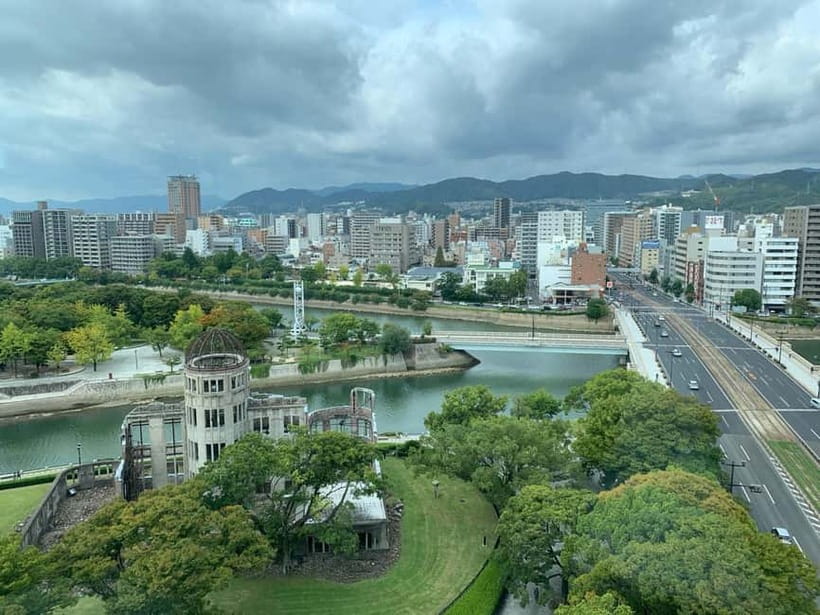
- The Atomic Bomb Dome comes near the end, after you have learned the meaning behind the park’s memorials.
- Personal stories are a major strength, with some guides sharing family connections to survivors.
- The Hiroshima National Peace Memorial Hall is included, giving the walk an indoor pause and more time for reflection.
- You visit both well-known and less familiar monuments, including the Korean Atomic Bomb Victims Cenotaph and the Burial Mound.
- The $35 price is fair for a focused introduction, especially if you want context before exploring the museum on your own.
- The walk is in English and wheelchair accessible, but comfortable shoes and weather-ready clothing still matter.
Why this Hiroshima walk works better than wandering alone
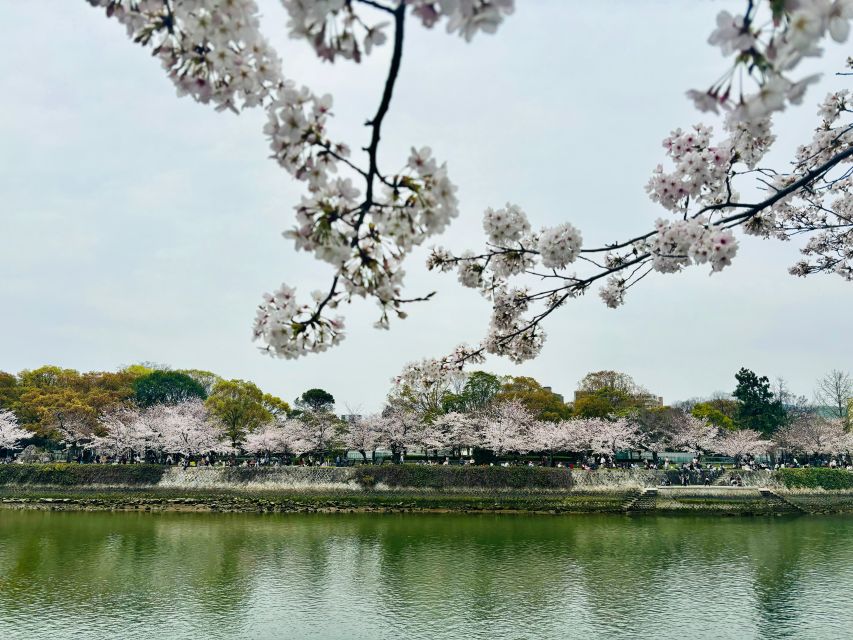
Peace Memorial Park is easy to reach and simple to walk through, but its meaning is not always obvious from a map. A bell, fountain, cenotaph, or small plaque can represent a particular group of victims, a survivor’s testimony, or an idea about peace. Without context, you can pass several important places in a few minutes.
This tour gives you a clear story. You learn what Hiroshima was like before August 6, 1945, why it became a target, what happened that morning, and how the city rebuilt itself afterward. The guide then ties those broad events to specific monuments.
I especially like that the walk does not begin and end with the most famous photographs. The Atomic Bomb Dome is powerful, but seeing it immediately can reduce the visit to a single image. Here, you reach it after hearing about the people, institutions, and memorial work connected with the park.
The guides also shape the experience. Cva is often praised for inviting questions, keeping a steady pace, and balancing warmth with the seriousness of the subject. Moe has shared family experiences connected with the bombing. Sada brings knowledge of Hiroshima’s culture, food, history, and recovery. Other guides named in the feedback include Tomas, Toma, Aya, Nisa, Ali, Han, Shiva, Syed, and Wajid.
That variety means the tone can differ from one departure to another. You should expect a trained English-speaking guide with strong subject knowledge, but the exact storytelling style and personal connection will depend on who leads your group.
More History Walking Tours in Japan
- Tokyo: Imperial Palace and Shogun Historical Walking Tour
★ 5.0 · 2,251 reviews - Kyoto Gion: 2-Hour Geisha Culture & History Walking Tour
★ 5.0 · 1,186 reviews - Tokyo: Imperial Palace Japanese History Walking Tour
★ 4.9 · 987 reviews
Starting at the Gates of Peace
Meet in front of the Gates of Peace, next to the Italian restaurant Mario. This is a practical starting point because the gates lead directly into the memorial area, and you can begin with the park’s central message rather than spending time on transport.
The opening also helps set the tone. This is not a sightseeing stroll in the usual sense. You are entering a memorial space dedicated to people killed by the atomic attack, including direct and indirect victims. A good guide needs to explain facts clearly while leaving room for silence, and the strongest feedback about this walk points to that balance.
Bring water if the weather is warm, and wear shoes you can walk in comfortably. The route is outdoors for much of the two hours, so a rain layer or warm clothing can make a real difference. One group completed the walk in heavy snow, which is a useful reminder that the tour runs in changing weather.
Mother and Baby in the Storm, then the Prayer Fountain
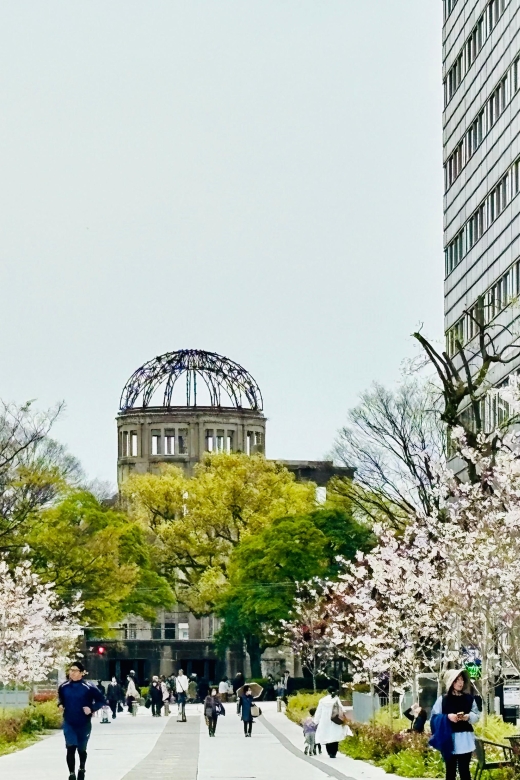
The first monument is Mother and Baby in the Storm. The name alone points toward the personal cost of the bombing, and your guide uses the sculpture to move the story away from military strategy and toward family life.
That approach matters. Hiroshima is often introduced through dates, aircraft, and political decisions. Those facts are necessary, but the monuments show how the event reached ordinary people. The guide connects the sculpture with the lives of victims and survivors, giving you a human starting point.
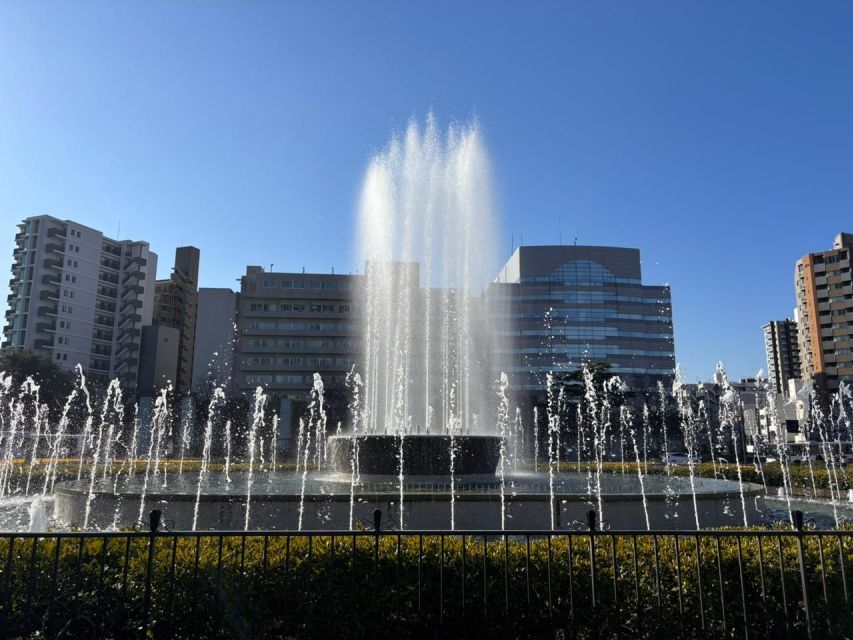
The walk continues to the Prayer Fountain, where you spend more time hearing about the park and taking in the surroundings. This is one of the easier places to pause, since the route includes scenic views along the way.
Do not expect long stretches of free sightseeing at each stop. The schedule is tight, with several visits lasting five or ten minutes. The benefit is coverage. The tradeoff is that you may want to return later for a slower look.
Cenotaph and Flame of Peace
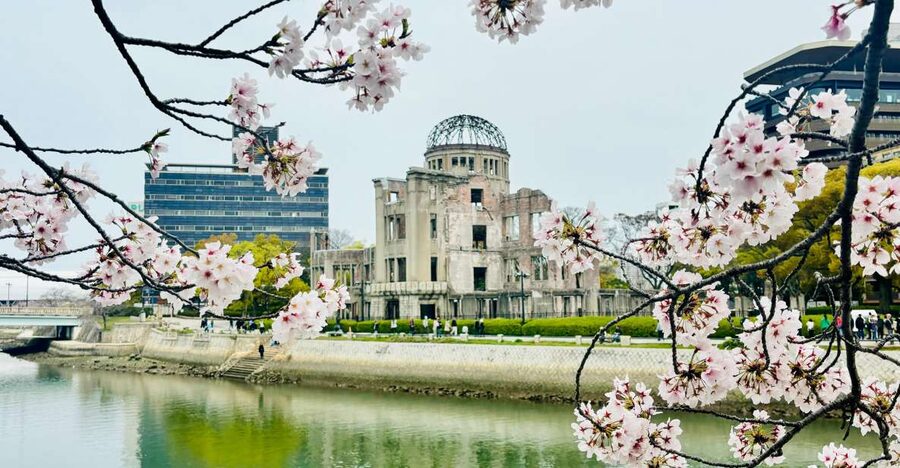
The Hiroshima Victims Memorial Cenotaph is one of the central points of the park. Your guide explains its purpose and links it to the names and testimonies associated with the bombing. This is a place where the larger history becomes more direct and personal.
Next comes the Flame of Peace. The monument carries a clear symbolic message, but the value of seeing it with a guide is understanding how it fits with the park’s other memorials. You are not simply collecting photographs. You are following a chain of ideas about remembrance, responsibility, and the hope that nuclear weapons will no longer be used.
The five-minute stop at the Flame of Peace is short. I would pay close attention here, then take your own photographs later if you want more time. The tour is designed to give you a framework, not to replace an unhurried personal visit.
Same streets, a different story:
- Kyoto Geisha Walking Tour: Gion District & Hidden Gems
★ 4.7 · 3,273 reviews - Tokyo Tsukiji Fish Market Food and Culture Walking Tour
★ 5.0 · 3,184 reviews - Kyoto: Gion Magical Night Walking Tour with Geisha Trivia
★ 4.9 · 2,393 reviews - Kyoto: Gion Geisha District Walking Tour – Stories of Geisha
★ 4.7 · 2,187 reviews
Fifteen minutes inside the National Peace Memorial Hall
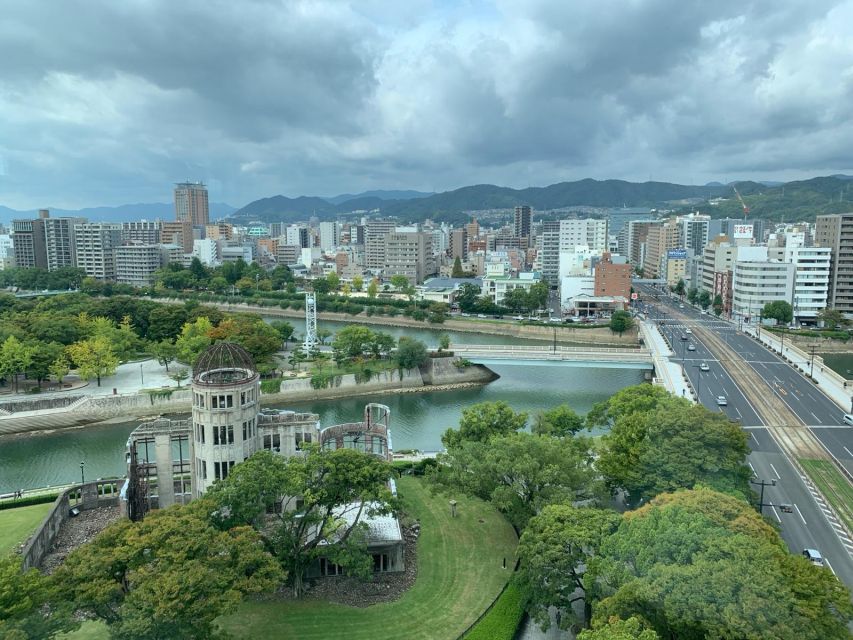
The Hiroshima National Peace Memorial Hall for Atomic Bomb Victims is included in the tour price. This is an important advantage because it gives you an indoor portion of the walk and adds personal records to the outdoor memorials.
The stop is scheduled for about fifteen minutes, followed by a period that includes guided time and free time. That split gives you a chance to take in the space without having the guide speak every second.
The hall is especially useful after the cenotaph and Flame of Peace. You have already heard the basic account of the bombing, so personal names, memories, and testimony can carry more weight. If you are sensitive to difficult material, use the free time to set your own pace. The subject is presented respectfully, but it is not light.
Children’s Peace Monument and the meaning of paper cranes
The Children’s Peace Monument is one of the park’s most recognizable sites. The guide explains its connection to children affected by the bombing and to the wider story of remembrance.
You get about ten minutes here, including a photo stop. This is a good place to ask questions because the monument often raises issues that are not covered in a basic timeline of World War II. The tour’s guides are encouraged to connect landmarks with survivor stories, and this stop benefits from that approach.
Families can take part, though parents should know that the material is serious. One guide was praised for keeping three children engaged throughout the walk, using questions and a friendly manner without making the subject feel casual.
Burial Mound and Korean Atomic Bomb Victims Cenotaph
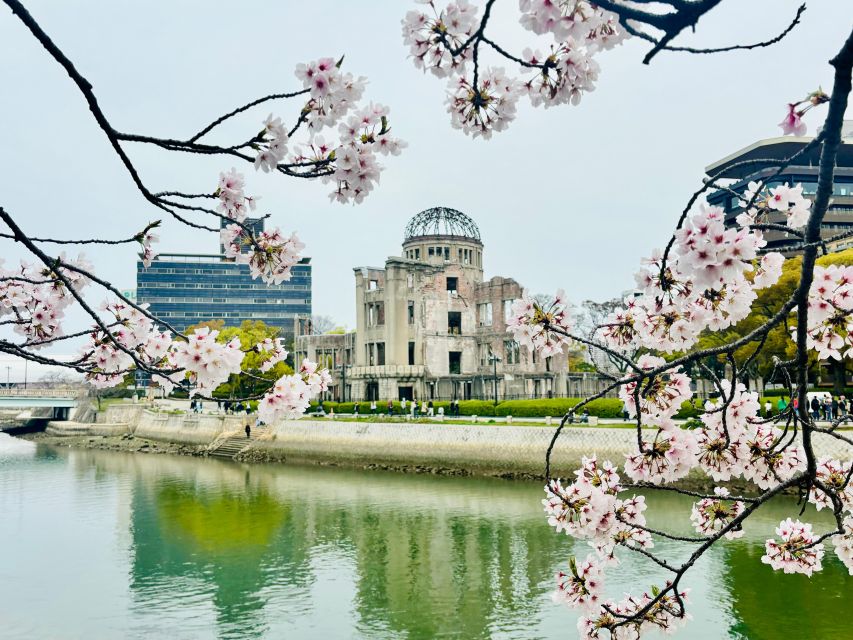
The Atomic Bomb Memorial Burial Mound is less likely to be the first image you associate with Hiroshima, which is one reason it deserves a guided visit. Your guide explains why it matters and how it fits into the wider record of the dead.
The route also includes the Korean Atomic Bomb Victims Cenotaph. This is a valuable part of the tour because it widens the story beyond a single national viewpoint. The bombing affected people from different backgrounds, and the memorial helps you consider that broader human cost.
The stop is only about five minutes, so listen carefully. You can return to the park later if you want more time at either memorial. The walk gives you the essential context, then keeps moving.
The Peace Bell and the final approach to the Dome
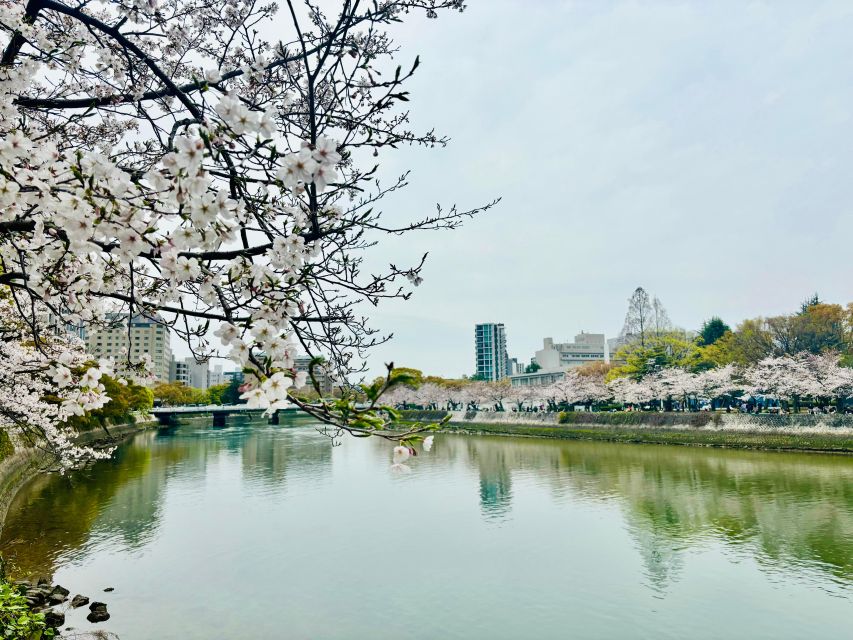
The Peace Bell provides another short photo stop and a chance to hear about the park’s symbols. The guide explains why the bell is included among the memorials and what visitors are meant to consider when they see it.
By this point, the route has shown you several forms of remembrance: public monuments, personal testimony, children’s memorials, burial sites, and symbols of peace. That buildup makes the final section more effective.
Large groups can be a concern here. One person found a particularly large group uncomfortable, even though the guide did a good job. If you arrive in a crowded departure, stay close to the guide and raise your hand clearly when you have a question. The route is open, and it can be easy to lose the speaker near popular sites.
The Atomic Bomb Dome, a ruin with a precise meaning
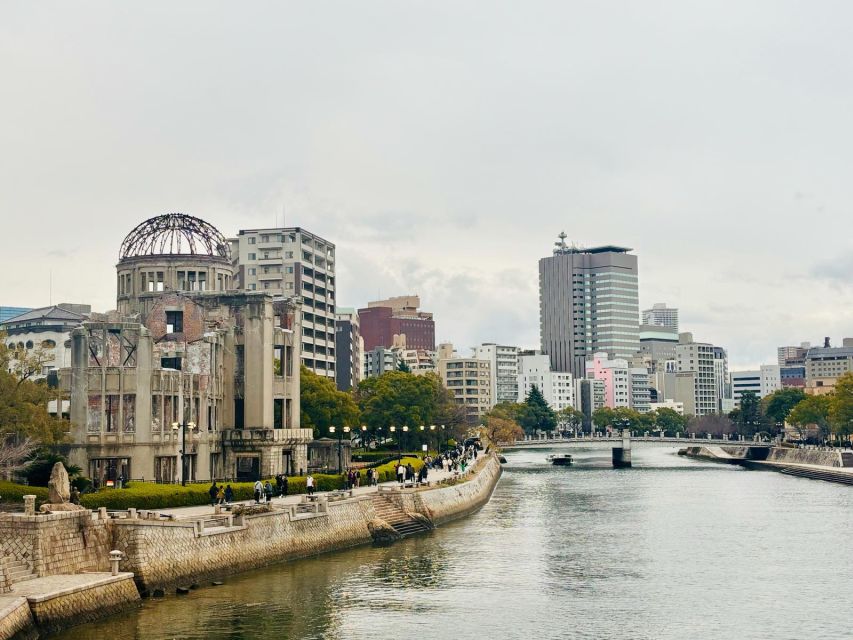
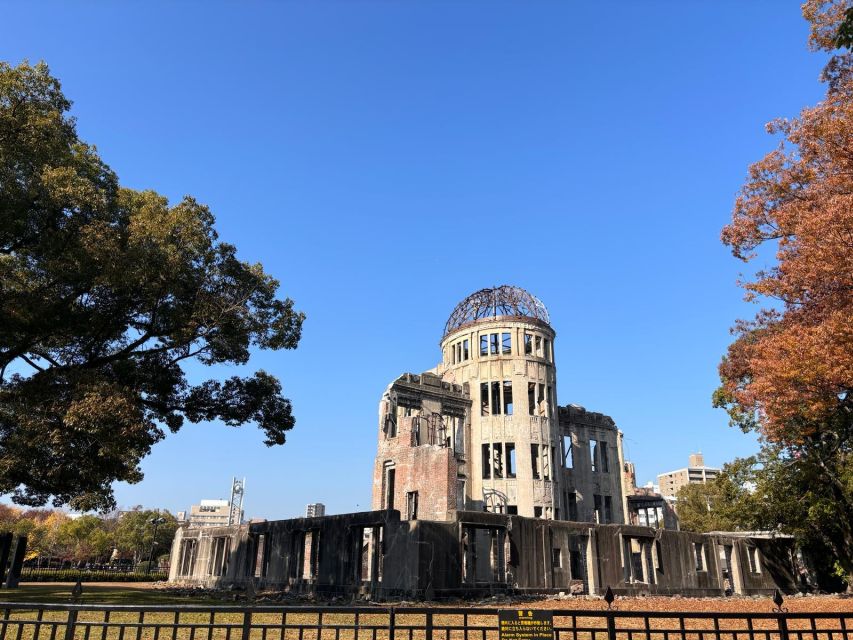
The Atomic Bomb Dome is the tour’s best-known stop. It is the only structure left standing near the blast center, and its damaged frame has become Hiroshima’s most recognizable memorial.
The guide does more than point out the ruin. You learn what the building represented before the bombing, what happened to it during the blast, and why it was preserved afterward. That context changes the way you see the exposed walls and skeletal dome.
The scheduled visit lasts about fifteen minutes, including sightseeing and photographs. This is enough time for an introduction, but not necessarily enough for every angle or reflection. I would take your main pictures with the group, then return independently if the site is important to you.
The Dome is visually striking, but avoid treating it as a dramatic backdrop. The tour’s strongest guides keep the focus on the people who died and survived, not on the ruin alone.
Finishing at the exact hypocenter
The tour ends at the Hiroshima Atomic Bomb Hypocenter Monument. This marks the location directly below the point where the bomb exploded.
Ending here is a strong choice. The park contains many memorials, and the Dome is the familiar final image, but the hypocenter gives you a precise physical reference. After two hours of walking through names, stories, and symbols, you finish at the point that anchors the event in space.
The final stop is scheduled for about ten minutes. The guide explains the significance and leaves room for reflection. From here, you can continue exploring on your own, visit other nearby sites, or return to the Peace Memorial Museum if that fits your plans. The tour does not include the museum, so allow separate time if you want a longer look at exhibits and documents.
What the $35 price gives you
At $35 per person, this is a good-value introduction to Hiroshima’s memorial district. You receive two hours with a live English guide, a structured route through many important sites, and entry to the National Peace Memorial Hall.
The value is greatest if you are visiting Hiroshima for a short time or want a clear introduction before exploring independently. The guide saves you from guessing which small monuments matter and helps connect the park to the city’s past and present.
The price is less attractive if you already have a strong grasp of Hiroshima’s memorials and prefer to move at your own speed. The walk covers a lot in two hours, so you will not linger at every stop. Still, even someone who already knows the basic history can benefit from local stories and answers to specific questions.
Free cancellation up to 24 hours before the start and the reserve-now, pay-later option make the booking fairly flexible. The tour is wheelchair accessible, though weather and the amount of outdoor walking remain practical considerations.
Who should book this walk
I would book this tour if you want the history explained with care rather than reduced to a few dates and photographs. It suits first-time visitors, families with older children, students, and anyone who wants to understand why the Peace Memorial Park contains so many different memorials.
It is also a good choice for people who value personal testimony. Several guides have family links to survivors, and those stories can add a human layer that you will not get from reading a short guidebook entry.
You may prefer to explore alone if you need a quiet, unhurried pace or want to spend a long time at each monument. The tour is also emotionally demanding. Plan something gentle afterward rather than scheduling a rushed activity across town.
Should you book the Hiroshima History of Hiroshima walk?
Yes, if you want a well-organized introduction to Hiroshima’s past and the meaning of its peace memorials. The strongest parts are the personal storytelling, the range of monuments, the included Peace Memorial Hall, and the final visit to the hypocenter.
Book it early in your Hiroshima stay if possible. The tour will give you a useful map of the park and help you decide where to return for more time. At $35, it offers solid value, especially when an engaging guide such as Cva, Moe, Tomas, or Sada turns a quiet walk into a thoughtful lesson in memory, loss, and peace.
FAQ
How long does the Hiroshima history walking tour last?
The tour lasts two hours.
Where does the tour begin?
Meet your guide at the Gates of Peace, next to the Italian restaurant Mario.
Where does the tour finish?
The tour finishes at the Hiroshima Atomic Bomb Hypocenter Monument.
Is the tour conducted in English?
Yes. The listed live tour language is English.
Is entry to the Hiroshima National Peace Memorial Hall included?
Yes. Entrance to the Hiroshima National Peace Memorial Hall for Atomic Bomb Victims is included.
Does the tour visit the Atomic Bomb Dome?
Yes. The route includes a guided visit and photo stop at the Atomic Bomb Dome.
Is the walking tour wheelchair accessible?
Yes. The activity is listed as wheelchair accessible.
What should I bring?
Bring comfortable shoes and clothing suitable for the weather. Much of the experience takes place outdoors in Peace Memorial Park.
New walking tours around Japan
- Nara: Half-Day UNESCO Heritage & Local Culture Walking Tour★ 4.8 · 250 reviews
- Nagasaki: Private Walking Tour with a Local★ 4.7 · 79 reviews
- Hiroshima: Miyajima Half-day Historical Walking Tour★ 4.7 · 100 reviews
- Kyoto: Private Walking Tour with a Local★ 4.6 · 118 reviews
- Kyoto: Private 2.5 Hour Historical Walking Tour★ 4.9 · 121 reviews
- Kyoto: Imperial Palace & Nijo Castle Guided Walking Tour★ 4.7 · 453 reviews
- Kyoto: Izakaya Bars Guided Walking Tour★ 4.9 · 815 reviews
- Kyoto: Gion Sunset Walking Tour with Local Guide★ 4.7 · 351 reviews
Japan Walking Tours, side by side.
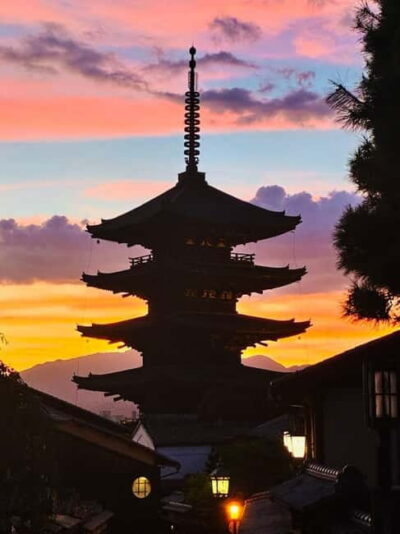
Kyoto Geisha Walking Tour: Gion District & Hidden Gems
Read our review →
Tokyo Tsukiji Fish Market Food and Culture Walking Tour
Read our review →
Kyoto: Gion Magical Night Walking Tour with Geisha Trivia
Read our review →
Tokyo: Imperial Palace and Shogun Historical Walking Tour
Read our review →
Kyoto: Gion Geisha District Walking Tour – Stories of Geisha
Read our review →
Best of Kyoto: Gion, Geisha, Pagodas & Cobblestones
Read our review →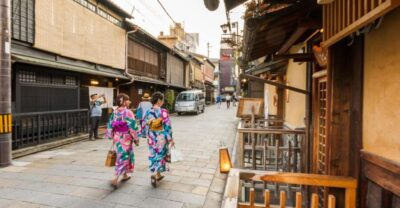
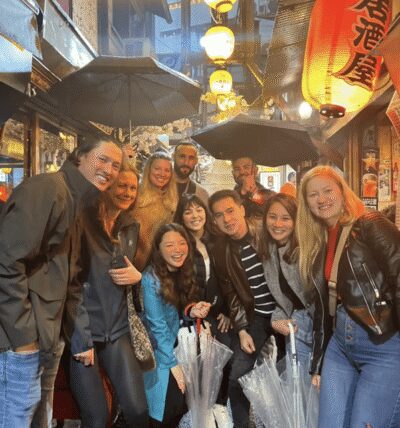
Tokyo: Shinjuku Local Bar and Izakaya Guided Walking Tour
Read our review →Lists this walk sits on