
Review · JAPAN
Hiroshima: Peace Walking Tour of World Heritage Sites
Hiroshima’s most important sights are easy to visit on your own, but they are not always easy to understand. This tour gives you a local guide to connect the museum, Peace Memorial Park, Atomic Bomb Dome, and living city around them. Guides such as Yasue, Yuji, Etsko, and Yuki bring local stories and a clear message about peace.
I like the personal local perspective and the thoughtful change of mood from the difficult museum to paper-crane making and wide city views at Orizuru Tower. I also like that lunch is included, usually featuring Hiroshima’s famous okonomiyaki, so the five-hour outing ends with conversation instead of simply stopping at the last memorial.
The main drawback is the pace. The museum can be crowded and emotionally heavy, and there is a lot to absorb in one half-day. Vegetarian choices are limited, gluten intolerance cannot be accommodated, and you must arrive on time.
Key points at a glance
- Local stories make the history personal: Guides share Hiroshima background and, in some cases, family connections to the bombing.
- The museum is the emotional center: You get a guided introduction to the exhibits and time to process what you see.
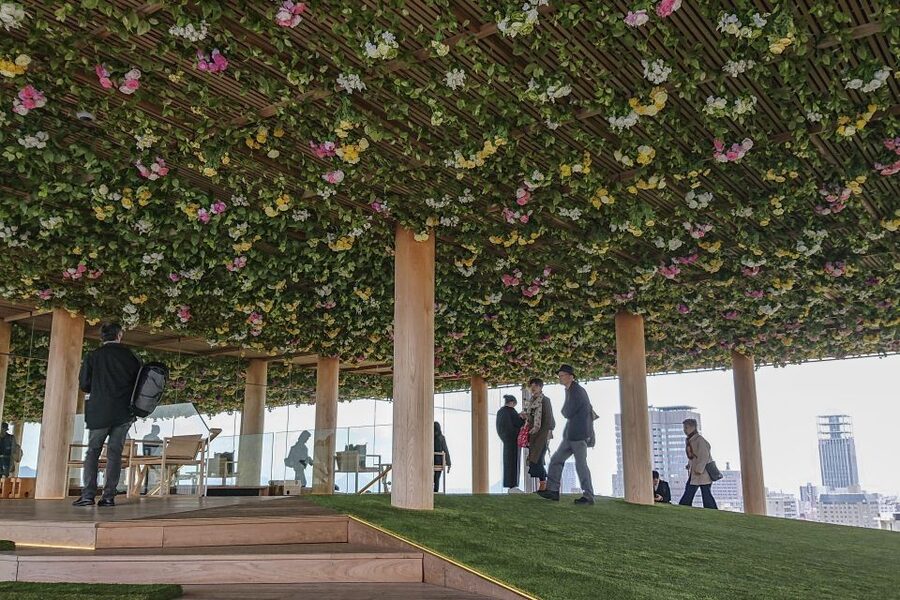
- Orizuru Tower changes the mood: Make an origami crane, enjoy the view, and see Hiroshima as a living city rather than only a memorial.
- The tour includes more than the main memorials: Shirakami-sha Shrine and the Aorigi Tree add cultural and human context.
- Lunch is part of the experience: The meal often includes Hiroshima-style okonomiyaki and gives you time to talk with your guide.
- Small groups matter here: Private and small-group formats make it easier to ask questions during a sensitive subject.
Why a guide helps in Hiroshima
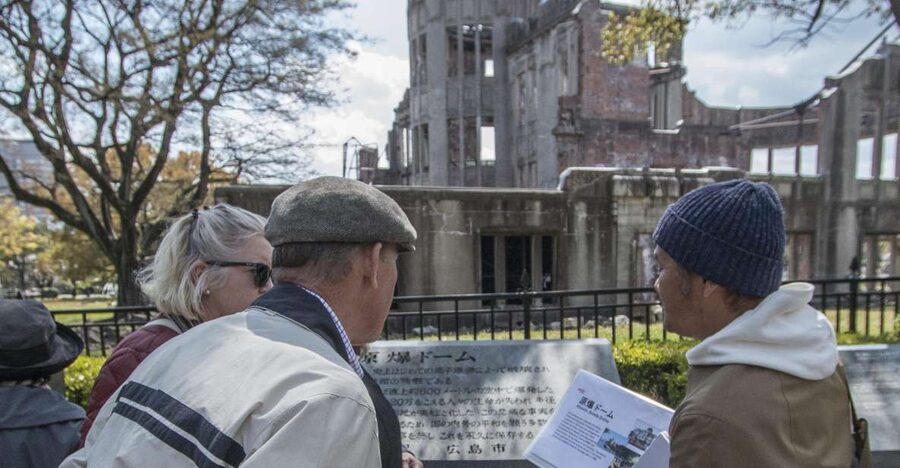
You can walk into Hiroshima’s Peace Memorial Museum, read the displays, and visit the Atomic Bomb Dome without assistance. The challenge is knowing how the separate places fit together, and how to handle a subject that can feel overwhelming.
A good guide gives the day shape. You begin with the city’s religious and everyday life, move into the bombing and its human cost, then finish with recovery, peace work, and a meal. I find that structure useful because Hiroshima is not only a place of wartime memory. It is also a functioning city that rebuilt itself and continues to ask what peace should mean.
The guides use different styles. Yuji has been praised for clear English and a calm way of explaining the day. Yasue has been especially appreciated for her passion and local connection. Etsko has offered personal insight and has been considerate when visitors became emotional in the museum. Yuki has been noted for energy, answers to questions, and family stories. Your guide will vary, but the strongest part of this experience is the human voice beside the facts.
More History Walking Tours in Japan
- Tokyo: Imperial Palace and Shogun Historical Walking Tour
★ 5.0 · 2,251 reviews - Kyoto Gion: 2-Hour Geisha Culture & History Walking Tour
★ 5.0 · 1,186 reviews - Tokyo: Imperial Palace Japanese History Walking Tour
★ 4.9 · 987 reviews
Starting at Montbell and Shirakami-sha Shrine
The meeting point is in front of the Montbell store near Kamiya-cho-nishi Station, about a one-minute walk from the station. Look for the guide holding an orange sign marked Magical Trip Tour. The tour asks you to arrive ten minutes before the start, and arrivals more than fifteen minutes late cannot join, so this is not a morning to gamble on a tight connection.
The first stop is Shirakami-sha Shrine, where you spend about 25 minutes. This gives the day a quiet beginning and introduces a piece of Japanese religious life before the tour turns to the bombing. Your guide can show you the proper way to enter and behave at the shrine, including the basic protocol for a respectful visit.
I like this opening because it avoids making Hiroshima feel like a single-issue destination. The shrine is not the main reason to book the tour, but it helps you see the city as a place with ordinary customs, worship, and daily life alongside its memorial sites.
Hiroshima Peace Memorial Museum: the hardest hour
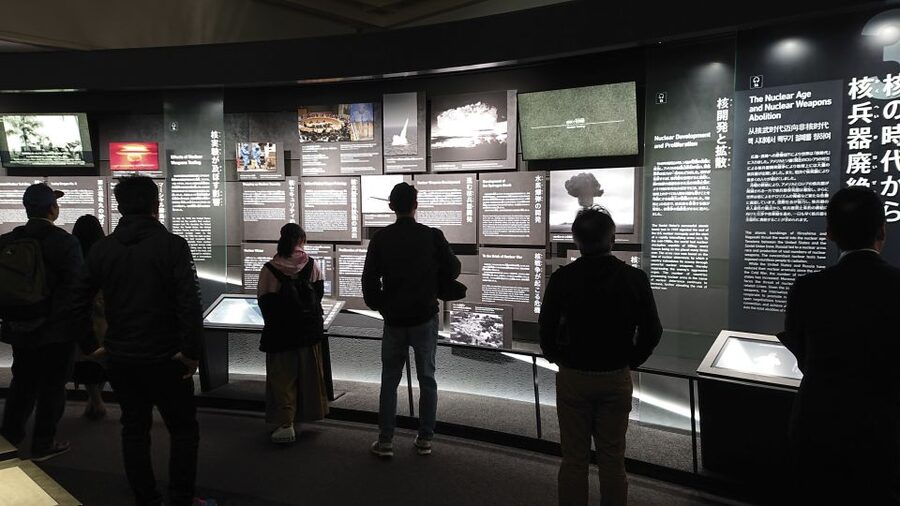
The museum is the most serious part of the tour. You spend about an hour inside with a guided introduction to the atomic bomb, its victims, and the way Hiroshima’s residents coped with the aftermath.
The exhibits include personal belongings and stories connected to real people. This is not an abstract lesson in military history. You may find the material painful, especially when objects are paired with the lives of the people who owned them. One visitor described needing to move at a slower pace and appreciated a guide who allowed time for breaks. That is worth remembering: you do not need to rush through every display to get value from the museum.
Crowds can also affect your visit. The museum may be busy, and some visitors have found themselves moving quickly through certain areas. Your guide can provide context and point out important material, but a guided hour is still a limited window. If you want to study every display in detail, plan to return independently after the tour if your schedule allows.
The emotional tone varies from person to person. You might feel sad, angry, quiet, or simply overloaded. The guides generally treat that response with care rather than trying to force a particular reaction. The purpose is not to turn suffering into a sightseeing performance. It is to help you understand what happened and why Hiroshima continues to speak about peace.
Peace Memorial Park and the Aorigi Tree
Outside the museum, the tour continues through Hiroshima Peace Memorial Park. Here, the guide connects the museum displays with the physical places around you and explains how the city remembers the bombing.
The park gives you room to breathe, but it is not a light interlude. You are still walking through a memorial space, and the guide may point out sites that you would otherwise pass without understanding. The Aorigi Tree is one of the tour’s most meaningful smaller stops. It became a symbol of hope after the atomic bomb, showing how signs of life could return amid destruction.
This is where I find the tour’s message most effective. Hiroshima’s recovery is not presented as a neat story in which everything became fine. Instead, the city’s continued life becomes part of the lesson. The tree, the park, nearby streets, and the people who rebuilt them show how memory and renewal can exist together.
The walking is manageable for most visitors, but it is still a five-hour outing with extended time on your feet. Comfortable shoes will help. Hiroshima’s weather can also change the feel of the day, so carry water and dress for the season.
Same streets, a different story:
- Kyoto Geisha Walking Tour: Gion District & Hidden Gems
★ 4.7 · 3,273 reviews - Tokyo Tsukiji Fish Market Food and Culture Walking Tour
★ 5.0 · 3,184 reviews - Kyoto: Gion Magical Night Walking Tour with Geisha Trivia
★ 4.9 · 2,393 reviews - Kyoto: Gion Geisha District Walking Tour – Stories of Geisha
★ 4.7 · 2,187 reviews
The Atomic Bomb Dome and the city’s visible memory
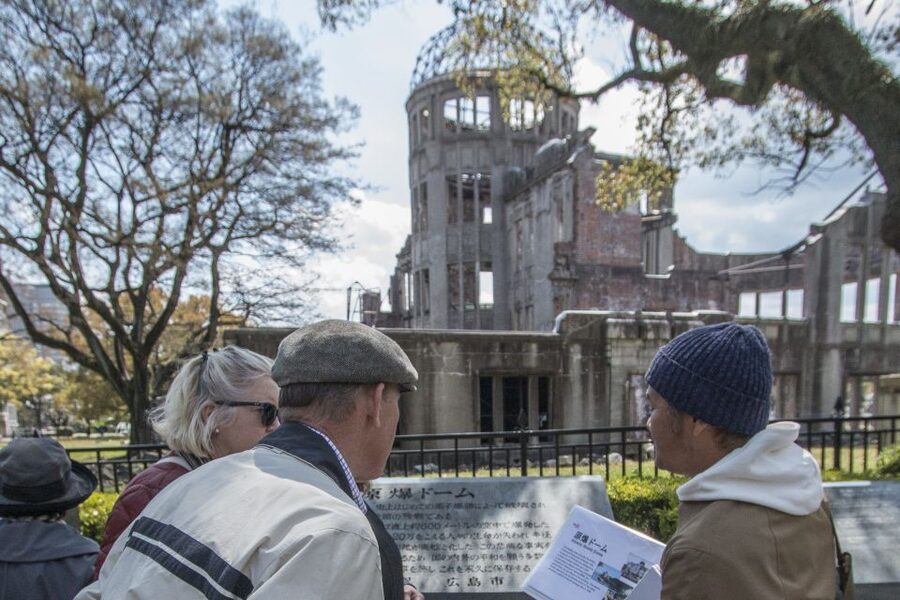
The Atomic Bomb Dome is the tour’s best-known landmark and a UNESCO World Heritage Site. Your guide explains its role in Hiroshima’s memory and the events surrounding the bombing.
Seeing the Dome in person is different from seeing a photograph. Its damaged structure sits beside a modern city, which makes the contrast impossible to miss. The building is not isolated from normal life. People pass through the area, shops and cafes operate nearby, and Hiroshima continues around it. That setting helps you understand the Dome as both a memorial and part of a living urban center.
A guide is useful here because the structure itself cannot tell you the full story. You need the historical background, the reason it was preserved, and the meaning it holds now. The Dome is also a place where your guide can answer questions about the bombing and the city’s recovery without reducing the subject to a few dates.
The tour spends roughly an hour around this portion of the memorial area, though exact pacing can depend on the group and the crowds. If you want quiet photographs, your guide may need to work around other visitors and the movement of the city.
Orizuru Tower, origami, and a wider view
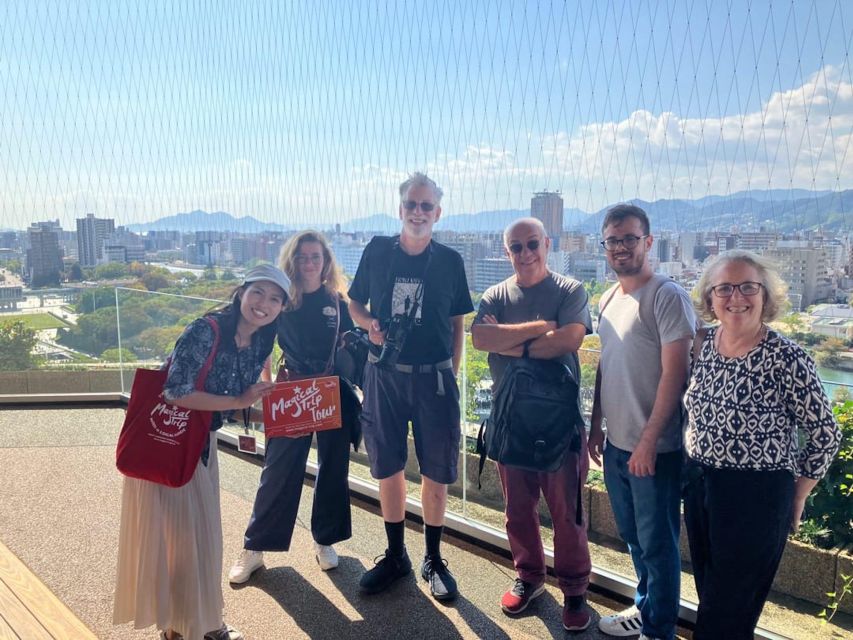
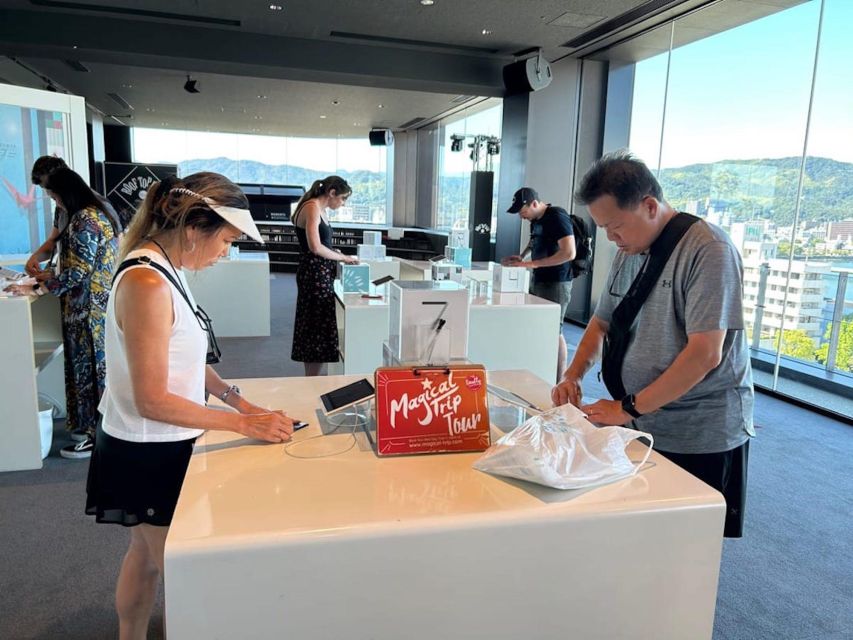
After the memorial sites, the mood shifts at Hiroshima Orizuru Tower. Entry is included, and you go up to the observatory area for broad views across Hiroshima. After the museum and park, this change of setting is welcome.
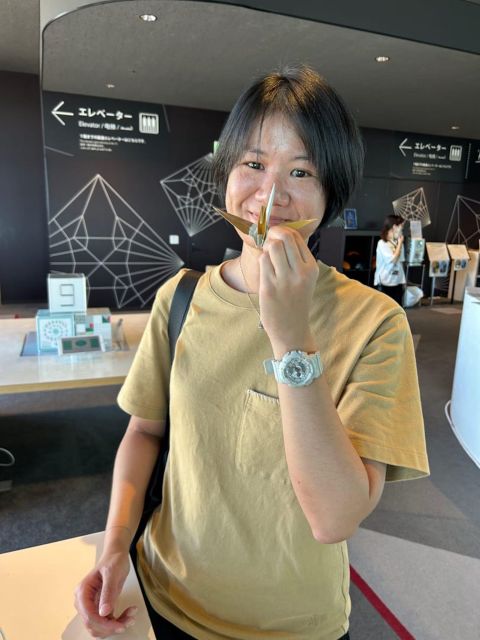
The orizuru, or paper crane, is a symbol of peace. You learn how to fold one and make a wish for peace. This is a simple activity, but it works because it gives your hands something to do after a difficult morning. It also connects the memorial message to a familiar Japanese craft rather than leaving peace as an idea only discussed by the guide.
The tower has become one of the most praised parts of the day. You get a city view, a quieter moment, and a way to see how Hiroshima has been rebuilt. One especially memorable version of the activity involves watching a completed paper crane spiral down to join the many cranes displayed in the building. Some visitors have also enjoyed having their names written in Japanese.
The included ticket may allow you to return for sunset, according to the information provided for the experience. Confirm the details with your guide or at the tower on the day, but this can add value if you have time after the tour.
Lunch and the final conversation
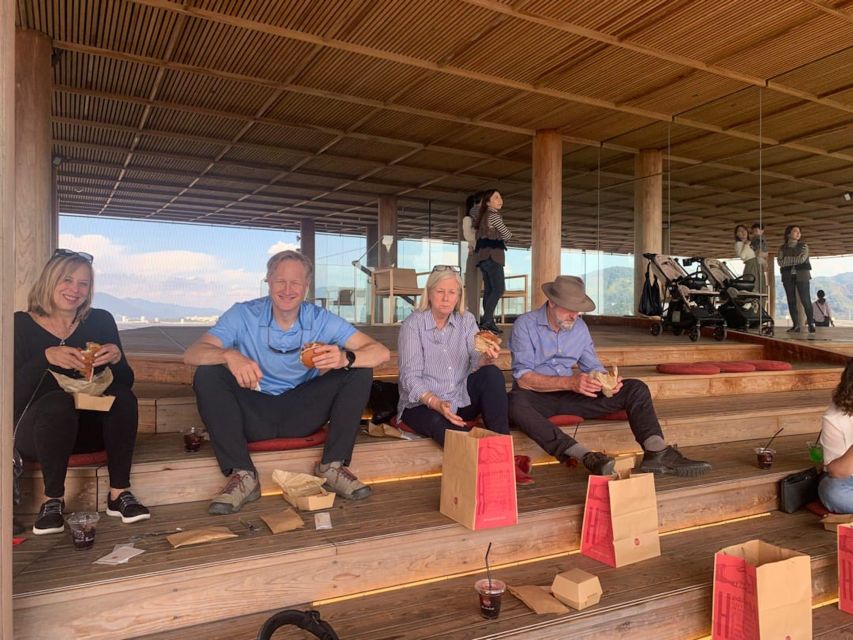
Lunch follows the Orizuru Tower visit, and the tour finishes at Akushu Cafe inside the tower. Hiroshima-style okonomiyaki is commonly served, a layered savory pancake that is one of the city’s best-known foods.
I like ending here instead of stopping at the Dome. After an intense subject, a shared meal gives you a natural chance to ask follow-up questions and talk with the guide. Several guides have used lunch as a relaxed final conversation about Hiroshima today, not just Hiroshima in 1945.
The food is not completely flexible. Vegetarian choices are limited, and people with gluten intolerance should not book this experience. You must notify the operator about allergies or dietary needs at least one day in advance, but allergy-free meals are not guaranteed because the food is prepared in kitchens outside the tour company’s control. Requests made on the day cannot be accommodated.
One small point to keep in mind is that okonomiyaki may be the main meal rather than one choice among several dishes. If you have already eaten it and want a different flavor or meal, your options may be limited.
Is $92 a fair price?
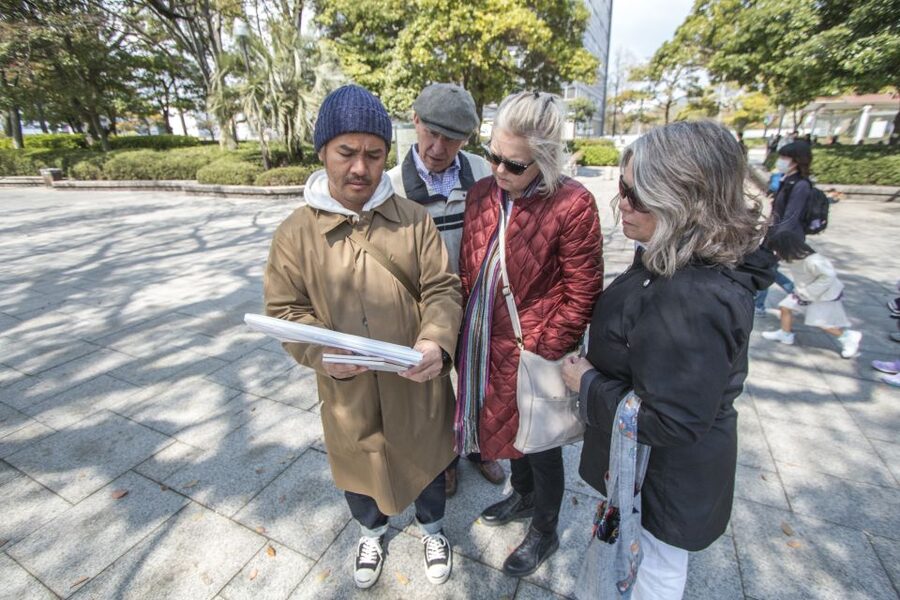
At $92 per person, this is not the cheapest way to see Hiroshima’s memorial area. You can enter the museum and walk through the park at a lower direct cost, especially if you are happy to read the displays on your own.
The value comes from what is bundled together: a five-hour English-language guide, museum admission, Orizuru Tower admission, lunch, tour photographs, the shrine visit, the Aorigi Tree, and the guided walk between the major sites. You are also paying for a guide who can explain context, answer questions, help with shrine etiquette, and handle the emotional rhythm of the day.
For a short Hiroshima stay, I think the price is reasonable. It uses one half-day efficiently and covers the central peace sites without asking you to plan every transition. If you already know the history well, prefer slow independent museum visits, or have a strict food budget, you may get better value by visiting alone.
Private and small-group options are available. A smaller group is especially useful here because the topic invites questions and because you may want a little more space during the museum visit. The exact group size and guide vary, so check the option you select before paying.
Who will get the most from this tour?
I would choose this tour if you are visiting Hiroshima for one day or if you want help understanding the memorial sites without doing all the preparation yourself. Families with older children and teenagers can also benefit, since the guides explain a difficult subject directly and make room for questions. One family described the day as a major highlight of a ten-day Japan trip.
It also suits visitors who want cultural context beyond the atomic bomb. Shirakami-sha Shrine, origami, Japanese name writing, the city view, lunch, and the Aorigi Tree give the experience more range.
I would think twice if you need a vegetarian or gluten-free meal, dislike group pacing, or want several hours to study the museum independently. The material is emotionally heavy, and the museum may be crowded. You should be ready for a serious morning, not a light sightseeing walk.
Practical details before you book
The experience lasts 270 minutes, or about four and a half hours, though the listed stop times add up to a full half-day and the pace can vary. The tour is conducted in English, with private or small-group formats available.
Meet at Montbell near Kamiya-cho-nishi Station and arrive early. The guide carries an orange Magical Trip Tour sign. Wear comfortable shoes, bring water, and allow time to pause if the museum affects you more strongly than expected.
Cancellation is free up to 24 hours before the tour for a full refund, and you can reserve now and pay later. Those flexible terms are useful if your Japan schedule is still shifting.
Should you book the Hiroshima Peace Walking Tour?
I would book it if you want Hiroshima explained by a local person rather than reduced to a list of monuments. The strongest features are the sensitive guiding, the personal stories, the carefully chosen transition from museum to Orizuru Tower, and the included lunch.
I would skip it only if you need strict dietary control or prefer complete independence. For most first-time visitors, especially those with limited time, the $92 cost buys structure, context, and a more thoughtful connection between Hiroshima’s painful past and its peaceful present.
FAQ
How long does the Hiroshima Peace Walking Tour last?
The stated duration is 270 minutes, or about four and a half hours. It is designed as a half-day walking experience.
Where does the tour begin?
You meet in front of the Montbell store near Kamiya-cho-nishi Station. The store is about a one-minute walk from the station.
How will I find the guide?
The guide will hold an orange sign marked Magical Trip Tour.
What language is the tour conducted in?
The live tour guide conducts the experience in English.
Is lunch included?
Yes. Lunch is included, and Hiroshima-style okonomiyaki is commonly served. Additional food and drinks are not included.
Are museum and Orizuru Tower admission included?
Yes. Entry to the Hiroshima Peace Memorial Museum and Hiroshima Orizuru Tower is included.
Does the tour visit the Atomic Bomb Dome?
Yes. The tour includes a guided visit to the UNESCO World Heritage Site, Atomic Bomb Dome.
Can I request vegetarian food?
Vegetarian choices are limited. You should provide dietary requests at least one day before the tour, but the operator cannot guarantee meals for allergies or dietary restrictions.
Is the tour suitable for someone with gluten intolerance?
No. The experience is not suitable for people with gluten intolerance.
What happens if I arrive late?
You should arrive ten minutes before the scheduled start. Arrivals more than fifteen minutes late cannot join the tour, and no refund or rescheduling is offered.
New walking tours around Japan
- Nara: Half-Day UNESCO Heritage & Local Culture Walking Tour★ 4.8 · 250 reviews
- Nagasaki: Private Walking Tour with a Local★ 4.7 · 79 reviews
- Hiroshima: Miyajima Half-day Historical Walking Tour★ 4.7 · 100 reviews
- Kyoto: Private Walking Tour with a Local★ 4.6 · 118 reviews
- Kyoto: Private 2.5 Hour Historical Walking Tour★ 4.9 · 121 reviews
- Kyoto: Imperial Palace & Nijo Castle Guided Walking Tour★ 4.7 · 453 reviews
- Kyoto: Izakaya Bars Guided Walking Tour★ 4.9 · 815 reviews
- Kyoto: Gion Walking Tour★ 5.0 · 195 reviews
Japan Walking Tours, side by side.
Kyoto Geisha Walking Tour: Gion District & Hidden Gems
Read our review →
Tokyo Tsukiji Fish Market Food and Culture Walking Tour
Read our review →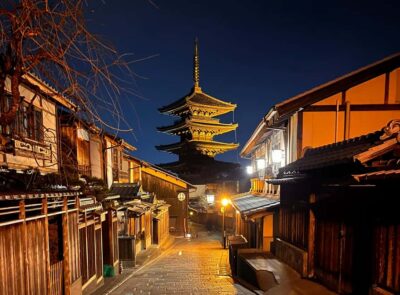
Kyoto: Gion Magical Night Walking Tour with Geisha Trivia
Read our review →
Tokyo: Imperial Palace and Shogun Historical Walking Tour
Read our review →
Kyoto: Gion Geisha District Walking Tour – Stories of Geisha
Read our review →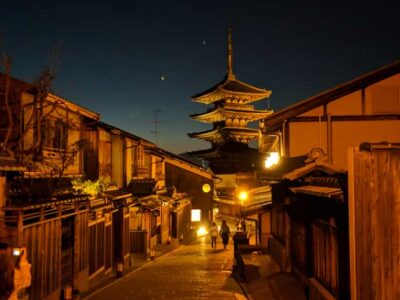
Best of Kyoto: Gion, Geisha, Pagodas & Cobblestones
Read our review →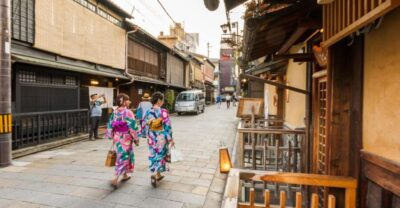
Tokyo: Shinjuku Local Bar and Izakaya Guided Walking Tour
Read our review →Lists this walk sits on