
Review · TOKYO
Tokyo: Private Custom Walking Tour with Local Guide
Tokyo is easier to understand when someone helps you connect its far-flung neighborhoods. This private custom tour lets you choose the focus, then gives you a local guide to handle the trains, timing, and small cultural details that can slow down a first visit.
I like two things most: you can learn the city’s public transport system while actually using it, and the guide can adjust the day as your interests change. Guides including Francine, Enrique, Karl, Albert, Cristiano, and Himena have helped visitors combine major sights with quieter streets and useful local tips. The main drawback is simple: the tour price does not include attraction tickets, food, or drinks, and a full day can mean a lot of walking.
Key points to know before booking
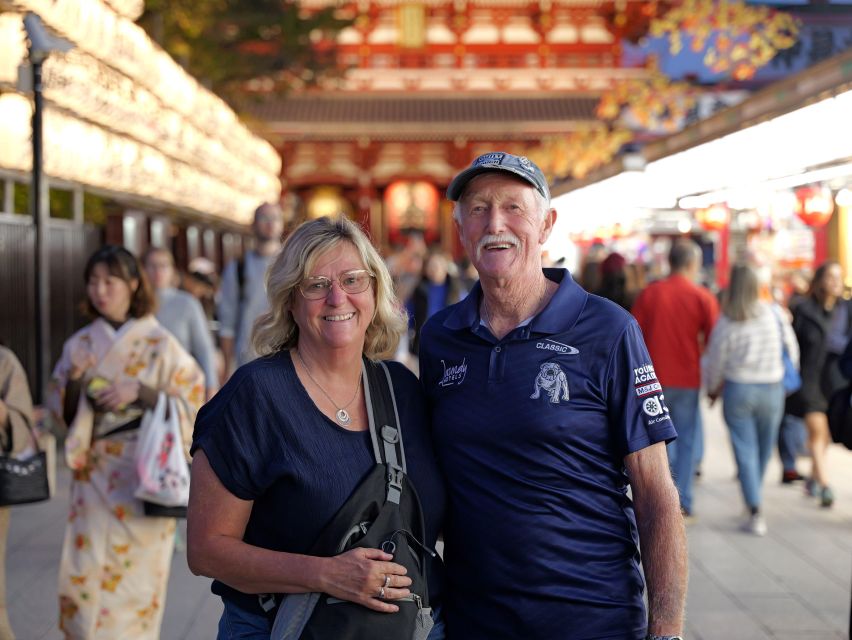
- Pick your own Tokyo: Build the route around temples, shopping, food, modern architecture, neighborhoods, or a mix.
- Learn the train system by doing: Your guide can help with public transport, train tickets, and Suica card advice.
- Start at your hotel: Pickup is available from accommodations in Tokyo, with a central meeting point used for hotels outside the city center.
- Expect a private pace: The tour is for your group only, so breaks, detours, and schedule changes are easier.
- Choose two to eight hours: A short session works for first bearings, while eight hours can link several wards.
- Ask about museums early: Museum visits can be added if arranged in advance, but entrance fees are extra.
A custom first day in Tokyo

Tokyo is not one sightseeing district. It is a vast collection of neighborhoods, each with its own mood and purpose. A temple in Asakusa, a department store in Shinjuku, a food market, and a quiet waterfront can all feel like different cities.
That is why this format works well for a first day. You tell the guide what matters to you, then meet at your Tokyo hotel or another central point. The guide can help turn a wish list into a route that fits the time available.
You might ask for classic Tokyo, modern Tokyo, local food, family-friendly stops, shopping, anime and games, architecture, or an introduction to Japanese customs. You can also mix priorities. A group might visit Senso-ji, ride the subway, see the Imperial Palace Gardens, and finish around Marunouchi. Another might focus on Shibuya and Shinjuku, with temples, city views, bars, restaurants, and karaoke suggestions along the way.
The guide contacts you before the tour, which matters more than it may sound. Tokyo has too many possible stops for a vague plan. Give your guide a short list of must-sees, plus anything you want to avoid. Mention mobility needs, children’s schedules, dietary concerns, and your preferred pace before the day begins.
More Private Walking Tours in Japan
- Osaka: Hotspots & Hidden Gems Walking Tour Private or Group
★ 4.9 · 1,300 reviews - Nara Half Day Trip Walking Tour (Private Option Available)
★ 5.0 · 937 reviews - Tokyo: Private Walking Tour with a Local Guide
★ 4.9 · 469 reviews
Asakusa, Senso-ji, and Tokyo’s traditional side
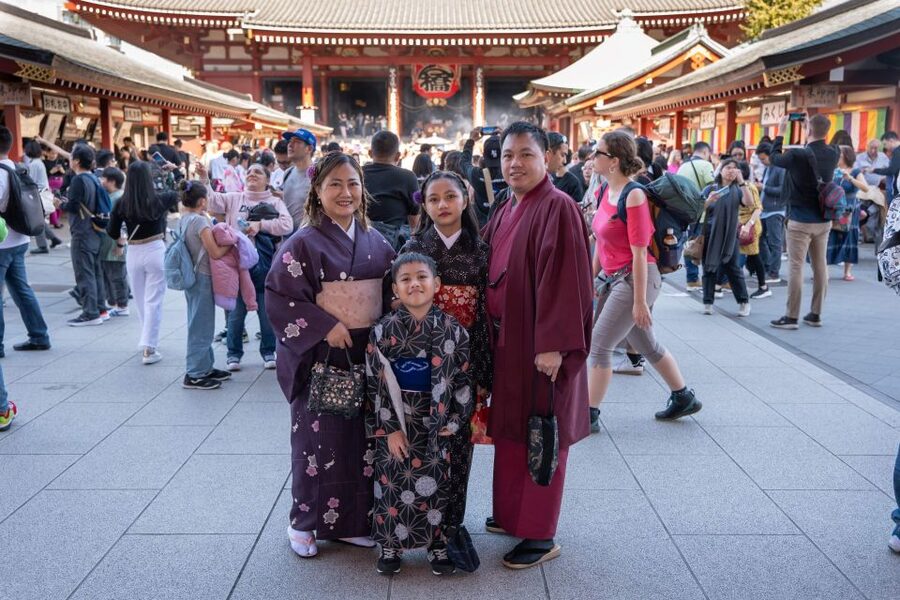
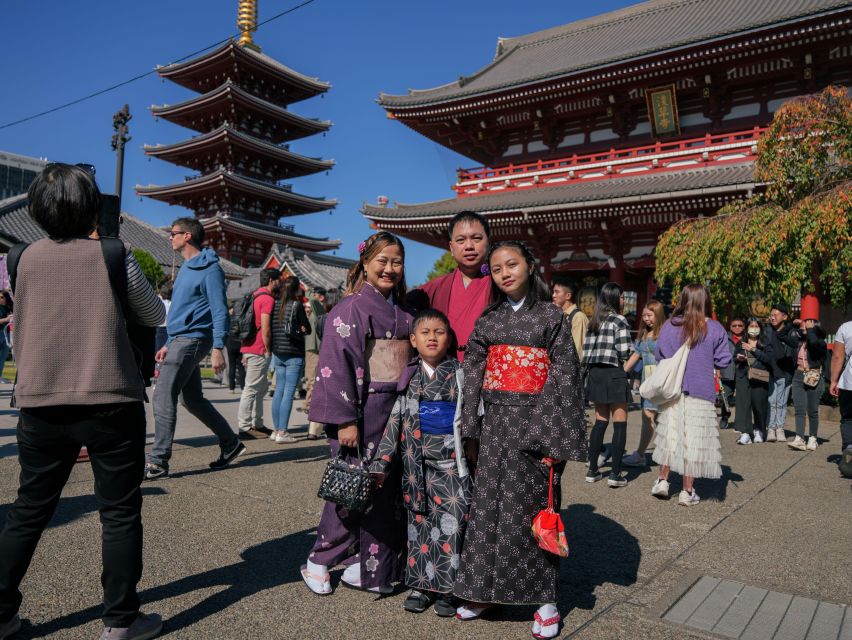
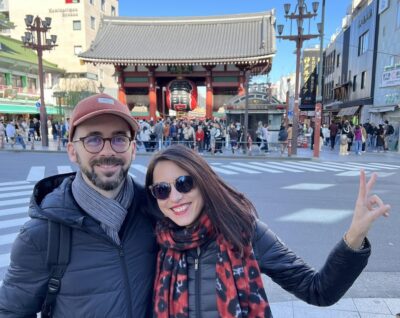
Asakusa is one of the strongest choices if you want an introduction to old Tokyo. The area around Senso-ji offers temple buildings, traditional streets, small treats, and a more historic feel than the high-rise districts.
A guide can explain how to enter shrines and temples respectfully, an especially useful lesson early in a Japan trip. You can ask about customs, daily life, and the meaning behind what you see instead of simply taking pictures and moving on.
Senso-ji also works well for families because the area offers visual variety and easy opportunities for short breaks. One guide took a family to a viewing point above the temple for a look across the streets and rooftops. Another helped a group combine Asakusa with Tokyo Skytree.
The tradeoff is distance. Asakusa and Skytree are not next to Shibuya or the Imperial Palace area, so trying to force every major district into a short tour will leave you rushing. For two hours, choose one neighborhood or two nearby stops. For four to eight hours, a guide can make a wider route practical.
Shibuya, Shinjuku, and modern Tokyo
Shibuya and Shinjuku show the city’s newer face. Expect major buildings, shopping streets, rail connections, entertainment, and many different kinds of urban life packed into a small area.
A custom guide can keep this from becoming a simple parade of famous photo stops. One itinerary included several parts of Shinjuku and Shibuya, along with temples, iconic buildings, quieter areas, and suggestions for bars, restaurants, and karaoke. That mix gives you a better sense of how Tokyo works beyond its best-known crossings.
Shinjuku is also useful for visitors who want a city view. The Tokyo Metropolitan Government Building appeared in one route, giving a broad look over the city without making the whole tour about a paid observation deck.
Shibuya and Shinjuku are busy, complex areas, so navigation help is valuable. Stations can be confusing, and the distance between an exit and your destination is not always obvious. Your guide can help you learn the practical pattern of Tokyo travel: find the right line, use the correct exit, and keep moving with the crowd.
Do not expect a slow neighborhood stroll here if your route includes both districts. You will cover ground, often by rail and on foot. Tell the guide if you want time for shopping or food, since those stops can easily stretch the schedule.
Imperial Palace Gardens and Marunouchi
The Imperial Palace area offers a calmer counterpoint to Tokyo’s shopping and entertainment districts. The gardens and Marunouchi business district can fit well into a highlights-focused day, especially for visitors who want both formal city spaces and open areas.
A guide can explain how the palace area fits into Tokyo’s development and point out the contrast between the gardens and nearby office towers. In winter, the gardens can feel especially spare and quiet. In spring, seasonal scenery may change the mood, but the exact appearance will depend on your date.
This stop is best paired with nearby central Tokyo sights rather than treated as an isolated destination. A guide who knows your interests can decide how much time to give it. If you want architecture and city planning, spend longer around Marunouchi. If temples and food matter more, use this as a shorter walk between other stops.
Same streets, a different story:
- Kyoto Geisha Walking Tour: Gion District & Hidden Gems
★ 4.7 · 3,273 reviews - Tokyo Tsukiji Fish Market Food and Culture Walking Tour
★ 5.0 · 3,184 reviews - Kyoto: Gion Magical Night Walking Tour with Geisha Trivia
★ 4.9 · 2,393 reviews - Tokyo: Imperial Palace and Shogun Historical Walking Tour
★ 5.0 · 2,251 reviews
Akihabara, Odaiba, and special interests
The custom format earns its keep when your interests do not match a standard city tour. Akihabara suits visitors interested in games, anime, electronics, and Japanese pop culture. One solo visitor used the tour to combine Akihabara and Asakusa while also learning appropriate local behavior.
Odaiba offers a different side of Tokyo. A route to the marina gave one visitor a quieter waterfront experience away from the central districts. It is a useful choice if you have already seen the classic temples and crossings, or if you want a change from dense streets.
Families can also shape the day around children. One family combined a fish market, a Pokemon Mega Center, a temple viewpoint, and other stops, while the guide adjusted the pace for different ages. Another guide regularly added breaks and quick detours when children needed them.
These examples show why you should be specific before booking. Do not simply write Tokyo highlights. Say you want anime shops, a waterfront, food markets, gardens, city views, or places suited to teenagers. The guide can then plan a route with less wasted travel.
Tokyo by train, not just by foot
The tour is described as a walking experience, but public transport is part of the practical value. The guide accompanies you on trains and other city transport, except when you select an option that changes this arrangement.
Tokyo’s rail network can feel like a test on your first morning. It is not only the number of lines. Stations have many exits, different companies operate different services, and a wrong turn can cost time.
Several guides received strong praise for teaching this system in real situations. Enrique helped explain Tokyo’s train network. Karl used the Metro with visitors so they could continue exploring on their own. Victor offered help with the Metro and Suica cards. Cristiano helped a couple collect JR rail passes while showing them major sights.
That is a practical skill you keep using after the tour ends. Ask the guide to explain the route rather than simply lead you through it. If you plan to travel independently, request help with station signs, ticket machines, transfers, and the best exits for major sights.
The transport element also helps with mobility. One guide adapted the route for a visitor with medical issues, and another was patient with mobility limitations. Tokyo still involves walking and changing trains, so explain your needs clearly before the tour. Wheelchair access is listed, but the exact route should be discussed in advance.
Food, markets, and everyday advice
Food can be part of the route, but it is not included in the price. Your guide may point out places to eat, help order a meal, or suggest food areas that match your interests. You should budget separately for anything you buy.
This can be especially useful if you have dietary needs. One guide helped locate suitable food for a visitor with celiac disease. That does not mean every guide or restaurant can meet every requirement, so give the provider clear information before the tour.
Food stops may be as simple as trying treats in Asakusa or asking for favorite restaurants and bars. A guide can also explain small points of dining etiquette and everyday behavior that are hard to pick up from a map.
A market stop can add local texture, but it may take time away from monuments. If you have only two hours, choose food or major sights rather than expecting both in depth. With a full day, the balance becomes easier.
How much can you see in two, four, or eight hours?
The length you choose should match your goals.
Two hours: Use this as a first orientation. Pick one district, learn the basics of trains and etiquette, and see a few focused sights. This is useful after arrival or during a short stop, but it is not enough for a full Tokyo overview.
Four hours: This is the most flexible middle ground. You can combine nearby areas, or connect two districts by rail. Asakusa and Skytree, or a focused Shibuya and Shinjuku route, make more sense than a race across the whole city.
Eight hours: A full day can cover several wards and include transport lessons, food, viewpoints, shopping, temples, and less obvious stops. One eight-hour group walked about 23,000 steps, so wear comfortable shoes and do not mistake private pacing for a light day.
The guide can change the order if you linger at a temple, stop for food, or find a place you want to explore longer. That flexibility is a real advantage, but it works best when your priorities are clear.
The guide makes or breaks the experience
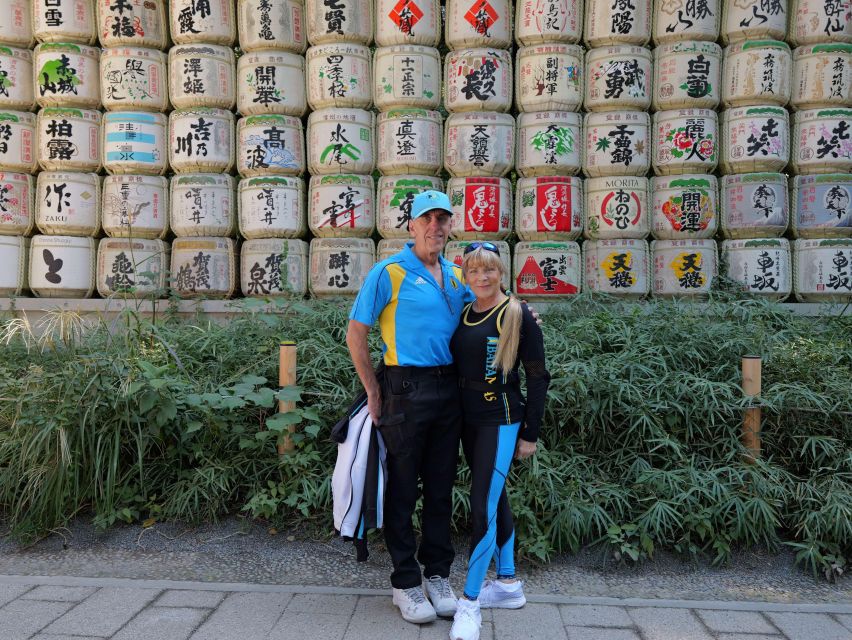
The provider assigns local guides, so you may not receive a particular person. Named guides who have led successful tours include Francine, Enrique, Karl, Albert, Cristiano, Himena, Victor, Fabian, Maria, and Shaban.
The strongest pattern is not a particular sightseeing style. It is the ability to listen, explain, navigate, and adjust. Francine prepared routes in advance and changed them during the day. Albert helped families and explained practical city tips. Himena combined major sites with places visitors would not easily find alone.
Language choices include English, French, Italian, Japanese, Spanish, and Portuguese. You should still use the pre-tour conversation to confirm that your language and interests are understood.
A private guide also gives you room to ask basic questions without slowing a group. That is helpful for solo visitors, families, and first-time visitors who want explanations of etiquette, food, transport, and daily life.
Price, inclusions, and practical value
At $53 per person, the tour can be good value if you use it as an orientation rather than just a sightseeing walk. The fee covers a private walking tour, custom planning, hotel pickup when your accommodation is in Tokyo, and public transport during the tour.
You still pay for food, drinks, and attraction tickets. If you want to enter a museum or another paid site, the guide can help arrange tickets, but the admission cost is separate. Museums also need to be requested in advance so the route and timing can be adjusted.
The value is highest for a first day, a short stay, or a group with different interests. A family may save time and stress. A solo visitor may gain confidence on the trains. A couple may build a day around food, temples, or modern architecture without joining a fixed group.
It is less useful if you already know Tokyo well, prefer to wander without a plan, or want a tour with every entry fee included. You are paying for personal planning, local context, and navigation help, not a package of admissions.
Free cancellation is available up to 24 hours before the start time, and you can reserve now and pay later. Pickup is available from hotels in Tokyo. If your hotel is outside the city center, a central meeting point is chosen. The tour can finish somewhere different from where it begins, so request a return to the starting point in advance if that matters.
Who should book this Tokyo walk?
I would choose this tour for a first visit, especially if Tokyo’s rail system feels intimidating. It also suits families who need breaks, couples with a short wish list, solo visitors wanting company, and anyone with a special interest that does not fit a standard route.
It is a good match for visitors who want to learn how to continue independently. Ask the guide to teach you the system, not just escort you from place to place.
I would be cautious about booking it without a plan. A private tour can cover almost anything, but Tokyo is too large to cover everything well in one day. Decide on two or three priorities before your guide contacts you.
Should you book it?
Book this tour if you want a flexible introduction to Tokyo, practical train help, and a guide who can adapt the day to your pace. It is especially worthwhile at the start of a longer Japan trip, when a few hours of guidance can make the rest of your stay easier.
Choose the four-hour option for a balanced introduction, two hours for one district, and eight hours only if you are ready for a long day on foot. Ask about your interests, mobility needs, food concerns, and any museum visit before arrival. If you prefer fixed sightseeing with admissions included, this is not the right format. If you want Tokyo to feel less confusing and more personal, it is a strong choice.
FAQ
How long does the private Tokyo tour last?
You can choose a tour lasting from two to eight hours. Starting times depend on availability.
What languages are available?
Guides are available in English, French, Italian, Japanese, Spanish, and Portuguese.
Is the tour private?
Yes. The tour is arranged for a private group rather than a shared group experience.
Can the itinerary be customized?
Yes. The tour is built around your interests, and the guide can adjust the plan during the day when practical.
Can I visit a museum?
You can request a museum visit, but you need to tell the provider in advance. Attraction tickets are not included.
Is hotel pickup included?
Pickup is included when your accommodation is in Tokyo. If your hotel is outside the city center, you will meet at a convenient central location.
Can the tour use Tokyo’s public transport?
Yes. Walking and public transport are included unless you select an option that changes the transport arrangement.
Are food and drinks included?
No. You pay separately for food and drinks during the tour.
Is the tour wheelchair accessible?
The activity is listed as wheelchair accessible. You should still discuss your mobility needs when arranging the route.
Can I cancel for a full refund?
Yes. You can cancel up to 24 hours in advance for a full refund. You can also reserve now and pay later.
New walking tours around Japan
- Nara: Half-Day UNESCO Heritage & Local Culture Walking Tour★ 4.8 · 250 reviews
- Nagasaki: Private Walking Tour with a Local★ 4.7 · 79 reviews
- Hiroshima: Miyajima Half-day Historical Walking Tour★ 4.7 · 100 reviews
- Kyoto: Private Walking Tour with a Local★ 4.6 · 118 reviews
- Kyoto: Private 2.5 Hour Historical Walking Tour★ 4.9 · 121 reviews
- Kyoto: Imperial Palace & Nijo Castle Guided Walking Tour★ 4.7 · 453 reviews
- Kyoto: Izakaya Bars Guided Walking Tour★ 4.9 · 815 reviews
- Kyoto: Gion Sunset Walking Tour with Local Guide★ 4.7 · 351 reviews
Tokyo Walking Tours, side by side.
Tokyo Tsukiji Fish Market Food and Culture Walking Tour
Read our review →
Tokyo: Imperial Palace and Shogun Historical Walking Tour
Read our review →
Tokyo: Shinjuku Local Bar and Izakaya Guided Walking Tour
Read our review →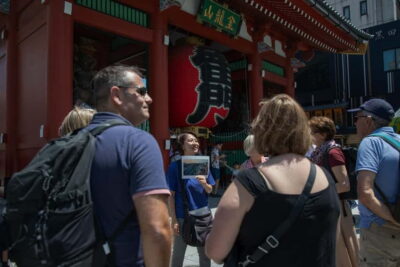
Tokyo: Asakusa Walking Tour with Sensoji Temple Visit
Read our review →
Tokyo: Tsukiji Fish Market Guided Walking Tour
Read our review →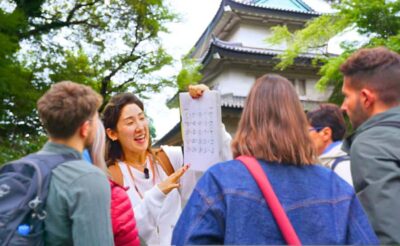
Tokyo: Imperial Palace Japanese History Walking Tour
Read our review →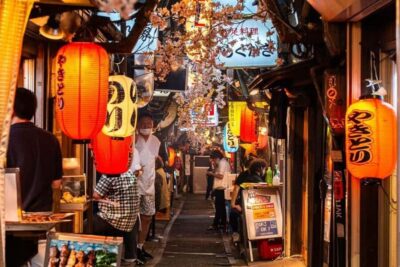
Asakusa: A Big-picture History Walk to Know Japan
Read our review →Lists this walk sits on