

Review · JAPAN
Kanazawa Private/Group Walking Tour: Local & Major Highlight
Kanazawa gives you a lot in a small area: old samurai streets, a grand castle, one of Japan’s finest gardens, a food market, shrines, and wooden geisha houses. This tour links those sights into one useful walk, with local guides such as Emi and Yu Noda explaining how the city’s past still shapes daily life.
I like the way the tour combines major sights with personal local advice, including café stops, restaurant suggestions, and practical tips for the rest of your stay. I also like its flexible approach, with guides adjusting the route for hotel location, interests, family questions, and wheelchair needs.
The main drawback is its pace. You cover many places in two to four hours, so some stops are short, and transport between sections may be needed. If you want long museum visits or detailed architectural study, you may need to explore more on your own afterward.
Key points at a glance

- Six major areas in one route: See Nagamachi, Omicho Market, Oyama Shrine, Kanazawa Castle, Kenrokuen, and Higashi Chaya.
- Local guides with strong city knowledge: Emi, Yu Noda, Aiko, and Hirofumi have guided guests in English and Japanese.
- Useful first-day orientation: The tour helps you understand Kanazawa before you explore independently.
- History tied to real places: Learn about samurai families, castle life, religious customs, gardens, markets, and geisha districts.
- Personal rather than scripted: Guides can adjust the walk to your hotel, interests, schedule, and mobility needs.
- Good value at $48: You receive a private or small-group experience lasting two to four hours, with hotel pickup available for central locations.
Why this Kanazawa walk works well
Kanazawa is easy to admire but not always easy to understand at first. Its key sights are close enough to connect, yet each one tells a different part of the city’s story. A castle alone gives you architecture. A market alone gives you food. A samurai neighborhood alone gives you old houses. This route helps you see how those pieces fit together.
I would use it as an early activity in Kanazawa, especially if you are staying only a night or two. One family did exactly that and found the tour useful before setting off independently. You leave with a clearer map of the city, ideas for lunch, and suggestions for places to return to at your own pace.
The experience is offered privately or in a small group. That matters here. The streets, market lanes, and garden paths can feel crowded, and a smaller group makes it easier to ask questions or pause for photos. The guides are praised for explaining both formal history and ordinary life in Japan, rather than simply reciting dates.
The tour costs $48 per person. That is fair value if you want a guide who can connect several sights and help you use the rest of your time well. Food, drinks, and transport are not included, so the final cost will be higher if you buy lunch, café items, or bus rides.
More Private Walking Tours in Japan
- Osaka: Hotspots & Hidden Gems Walking Tour Private or Group
★ 4.9 · 1,300 reviews - Nara Half Day Trip Walking Tour (Private Option Available)
★ 5.0 · 937 reviews - Tokyo: Private Custom Walking Tour with Local Guide
★ 4.8 · 533 reviews
Nagamachi: samurai walls and a quieter start
The tour often begins in the Nagamachi Samurai District. This area is known for preserved samurai residences and earthen walls, giving you an immediate sense of how the city was organized during the Edo period.
The guide can explain more than what you see from the street. You learn about the families who lived here, the role of samurai households, and the way the district has been preserved. The walls and narrow lanes are especially useful for photographs, but the real value comes from having someone explain what made a samurai residence different from an ordinary home.
The stop is scheduled for about 20 minutes, so expect an introduction rather than a full house-by-house visit. If you are fascinated by samurai architecture, note the locations you want to revisit later. The short visit works well as a starting point because it sets up the historical themes that appear again at the castle.
Omicho Market: Kanazawa through food

Next comes Omicho Market, where seafood and local foods provide a direct link to modern Kanazawa. The smell of fresh fish, prepared dishes, and market snacks gives this part of the walk a different feel from the quiet samurai lanes.
Your guide can help you understand local food customs and point out items you might otherwise pass without noticing. This is also a sensible place to ask about lunch, especially if you are unsure how to choose from the many options. Food is not included, so bring cash or a card and treat this as a chance to buy something if time allows.
The planned visit is about 20 minutes. That is enough for an introduction and a few tastes or photos, but not enough for a leisurely meal. I would avoid arriving hungry and expecting a full market lunch during the tour. Instead, use the guide’s advice to plan a return visit after the walk.
Oyama Shrine and the link between faith and power
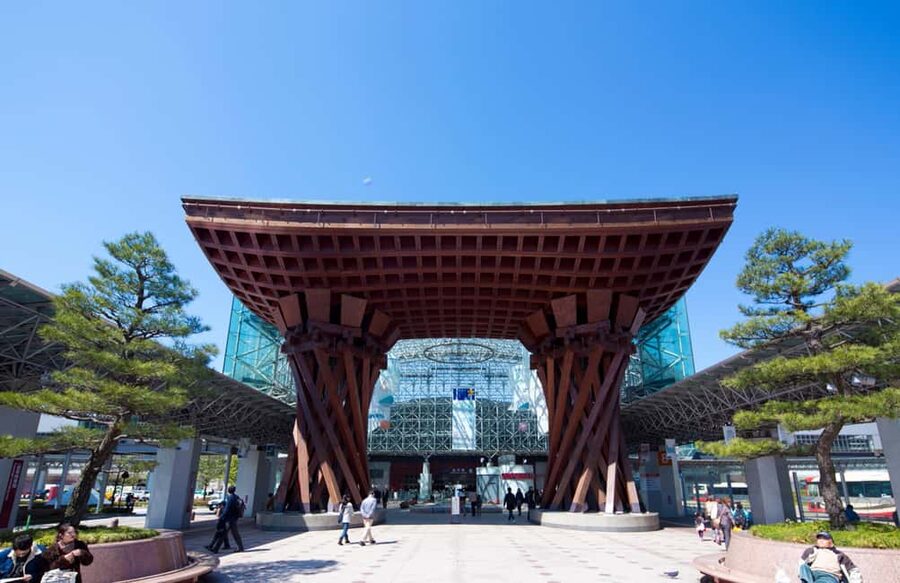
Oyama Shrine offers one of the tour’s most distinctive history lessons. The guide explains its connection to the samurai leader associated with Kanazawa Castle and his wife, adding a human side to the city’s ruling family.
This is also where the tour examines the relationship between Shinto and Buddhism in Japan. That subject can be confusing when you only visit shrines and temples on your own. A local explanation helps you understand why religious spaces developed as they did and how traditions overlap in Japanese life.
The visit lasts about 20 minutes. Look closely at the shrine entrance and architectural details, but give your attention to the explanation too. The point is not simply to collect another photograph. It is to understand how Kanazawa’s political history and religious customs meet in one place.
Same streets, a different story:
- Kyoto Geisha Walking Tour: Gion District & Hidden Gems
★ 4.7 · 3,273 reviews - Tokyo Tsukiji Fish Market Food and Culture Walking Tour
★ 5.0 · 3,184 reviews - Kyoto: Gion Magical Night Walking Tour with Geisha Trivia
★ 4.9 · 2,393 reviews - Tokyo: Imperial Palace and Shogun Historical Walking Tour
★ 5.0 · 2,251 reviews
Kanazawa Castle Park: the city’s ruling center

From Oyama Shrine, the route continues to Kanazawa Castle Park. The walk is short, and the park gives you a sense of the scale and importance of the former castle grounds.
You spend about 30 minutes here, with time for views, photographs, and a visit inside the castle area. The guide brings the Edo period into focus by explaining the castle’s role and the people who controlled Kanazawa. This is a useful follow-up to Nagamachi because you have already seen where samurai families lived. Here, you see the center of power that shaped their lives.
The castle visit is not designed as a slow architectural study. If you want to read every display or inspect every building at length, you will need to return later. Still, the guided walk gives you a strong framework, and you can explore with more purpose when you come back.
A café break with a view

A short café stop follows the castle. The guide chooses a favorite local café, where you have about 20 minutes to rest with tea or coffee and look toward the castle scenery.
This small pause is one of the practical strengths of the route. Kanazawa walking tours can involve a fair amount of pavement, and the break keeps the afternoon from becoming a history lecture on tired feet. Some guides have arranged special tea experiences, including matcha or a Sakura latte, while other stops may depend on the day.
Drinks are not included, so plan to pay for your own order. The café is also a good moment to ask for restaurant suggestions or adjust the rest of the walk. Guides have helped with meal planning and, in some cases, restaurant reservations after the tour.
Kenrokuen: garden design in every season

Kenrokuen is one of Japan’s three most beautiful gardens, and it is the visual high point of the route for many people. Its paths, plantings, water features, and carefully framed views show how Japanese garden design creates variety within a controlled space.
The guide does more than point out attractive scenery. You can learn why particular features matter and how the garden reflects older ideas about balance, seasonal change, and careful maintenance. Plum blossoms can add color in the right season, while other months bring their own patterns of flowers and foliage.
The planned visit lasts about 30 minutes. That gives you a useful introduction but not enough time to wander every path. I recommend treating the tour as your orientation to Kenrokuen, then returning independently if the garden interests you. You will know which areas deserve more time and can explore without trying to absorb the guide’s explanations while rushing for photographs.
Higashi Chaya: wooden teahouses and the final stroll
The last major stop is Higashi Chaya District, one of Kanazawa’s traditional geisha areas. Its preserved wooden teahouses create a strong contrast with the market and castle. The streets are photogenic, but it is important to remember that this is also a real district, not only a backdrop.
The guide provides an introduction, then leaves some time for free exploration and self-guided wandering. The scheduled visit is about 20 minutes, so you should not expect a full performance or a long visit inside every teahouse. Use this part of the tour to notice the buildings, ask about geisha traditions, and mark places you might revisit.
Ending here works well because the district gives you time to slow down after the castle and garden. You may also have free time afterward for lunch or further sightseeing, depending on the day’s route and your selected drop-off point.
What the guides add
The strongest part of this experience is the guide. Emi is praised for warmth, humor, and clear explanations, with several tours built around her personal pride in Kanazawa. Yu Noda is also frequently described as personable, patient, and strong in English, with a gift for connecting historical facts to everyday Japanese life.
Aiko has been noted for her friendly manner and local pride, while Hirofumi has contacted guests before the tour and shaped the route around their hotel and later plans. Guide quality can vary by language comfort and personality, so it is worth checking the selected guide and language when booking.
One useful point is the amount of help beyond the formal route. Guides have suggested restaurants, helped with bookings, answered questions after the tour, and even sent photographs in one case. That support can be especially useful on a national holiday, when restaurants and attractions may have unusual opening hours.
English is generally available, along with Japanese. One guest found the guide’s English somewhat difficult to understand, so if precise English explanations are important to you, confirm the language arrangement in advance. Most of the available feedback points to clear and engaging communication, but no tour can guarantee the same guide every time.
Walking, transport, and mobility
This is mainly a walking experience. A short bus or coach section of about 10 minutes may be used, and local public transport can be part of the route, but transport is not included in the price.
The full route links many locations, so comfortable shoes are sensible. You may walk through market lanes, historic streets, garden paths, and castle grounds in one outing. Since the experience lasts two to four hours, check the duration you select and consider your energy level.
The activity is listed as wheelchair accessible, and one guide adjusted the route for a guest using a wheelchair. Another guide helped a couple arriving from a cruise terminal and made small changes to reduce difficulty. Still, because the route includes several outdoor historic areas and transport may vary, discuss your needs with the provider before arrival.
Hotel meet-up is available on request for central locations. The starting point depends on the option booked, so do not assume the tour begins at your hotel or at Kanazawa Station.
Who should book this tour
I would recommend it most strongly to first-time visitors, short-stay guests, families, and anyone who wants history explained in plain language. It is also a good fit if you prefer conversation over a large group lecture.
Families may appreciate the flexible style. Yu Noda has answered many questions from children, including an 11-year-old, and adjusted the pace to keep the conversation useful. Couples and solo visitors can benefit from the personal advice, especially when deciding where to eat or what to revisit.
You may want a different option if your priority is shopping, a long food tasting, or detailed visits inside historic buildings. The tour samples many parts of Kanazawa rather than spending an hour at one location. Its strength is connection and orientation, not exhaustive coverage.
Practical details before you reserve
The tour costs $48 per person and lasts two to four hours. Private and small-group formats are available, with live guiding in English or Japanese.
Bring a credit card and cash. You will need to pay separately for food, drinks, and any public transport. Start times vary, so check availability for the day you want.
You can cancel up to 24 hours before the activity for a full refund. Reserve-now, pay-later booking is available, which helps if your Japan schedule is still changing.
Should you book it?
Book this tour if you want a friendly local guide to connect Kanazawa’s main sights and explain why they matter. The mix of samurai homes, market food, shrine traditions, castle grounds, garden design, and geisha streets gives you a strong first look at the city.
At $48, the value is best when you use the advice beyond the scheduled stops. Ask where to eat, what to revisit, and how to shape the rest of your day. I would choose it early in a Kanazawa stay, then return to Kenrokuen, Omicho Market, or Higashi Chaya with more time.
Skip it if you prefer to move slowly and read every display yourself. For most first-time visitors, though, the combination of local stories, flexible pacing, and practical help makes this a sensible way to get oriented.
FAQ
How long does the Kanazawa walking tour last?
The tour lasts between two and four hours, depending on the option booked and the day’s route.
How much does the tour cost?
The listed price is $48 per person.
Which places are included?
The example route includes Nagamachi Samurai District, Omicho Market, Oyama Shrine, Kanazawa Castle Park, a local café, Kenrokuen Garden, and Higashi Chaya District.
Is the tour private or shared?
You can book a private tour or join a small group, depending on the available option.
Which languages are available?
Live guiding is available in English and Japanese.
Can the guide meet me at my hotel?
Hotel meet-up is available on request for central locations. The exact meeting point depends on the option booked.
Are food, drinks, and transport included?
No. Food, drinks, and transportation are not included. The experience is mainly on foot, though public transport may be used.
Is the tour wheelchair accessible?
The activity is listed as wheelchair accessible. Guides have adjusted routes and pacing for guests using wheelchairs, but you should discuss your needs before booking because the route includes historic outdoor areas and possible public transport.
Can I cancel the tour?
Yes. You can cancel up to 24 hours in advance for a full refund. Reserve-now, pay-later booking is also available.
New walking tours around Japan
- Nara: Half-Day UNESCO Heritage & Local Culture Walking Tour★ 4.8 · 250 reviews
- Nagasaki: Private Walking Tour with a Local★ 4.7 · 79 reviews
- Hiroshima: Miyajima Half-day Historical Walking Tour★ 4.7 · 100 reviews
- Kyoto: Private Walking Tour with a Local★ 4.6 · 118 reviews
- Kyoto: Private 2.5 Hour Historical Walking Tour★ 4.9 · 121 reviews
- Kyoto: Imperial Palace & Nijo Castle Guided Walking Tour★ 4.7 · 453 reviews
- Kyoto: Izakaya Bars Guided Walking Tour★ 4.9 · 815 reviews
- Kyoto: Gion Walking Tour★ 5.0 · 195 reviews
Japan Walking Tours, side by side.
Kyoto Geisha Walking Tour: Gion District & Hidden Gems
Read our review →
Tokyo Tsukiji Fish Market Food and Culture Walking Tour
Read our review →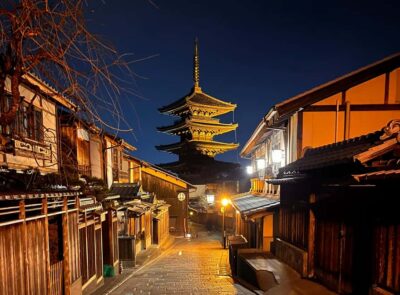
Kyoto: Gion Magical Night Walking Tour with Geisha Trivia
Read our review →
Tokyo: Imperial Palace and Shogun Historical Walking Tour
Read our review →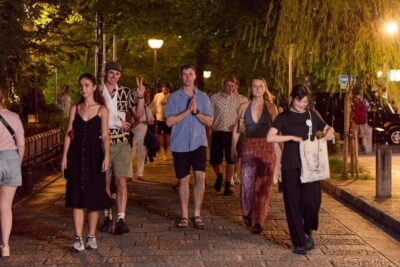
Kyoto: Gion Geisha District Walking Tour – Stories of Geisha
Read our review →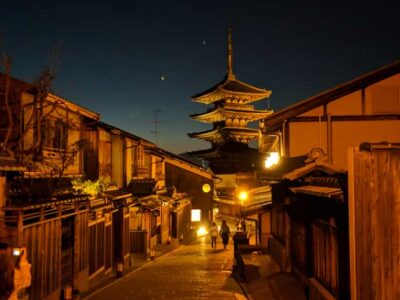
Best of Kyoto: Gion, Geisha, Pagodas & Cobblestones
Read our review →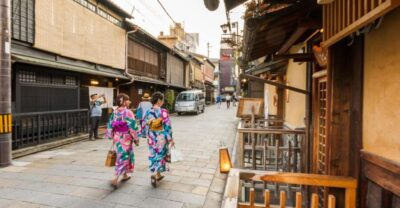
Tokyo: Shinjuku Local Bar and Izakaya Guided Walking Tour
Read our review →Lists this walk sits on