
Review · TOKYO
Tokyo: Tsukiji Fish Market Guided Walking Tour
Tsukiji is best understood with someone who knows where to pause. In two hours, you visit the striking Tsukiji Hongwan-ji Temple, then work through the outer market for seafood, wagyu beef, tamago, eel, sweets, and plenty of small tastes. I like the clear history lesson and the way guides such as Jim, Rie, Yayoi, and Haydn help you order without guessing.
I also like that food remains your choice, rather than arriving as one fixed menu. That helps with allergies, appetites, and budgets. The tradeoff is simple: food costs extra, and some market items can be pricey, so bring cash and decide how much you want to spend before the first tempting stall.
Key points at a glance
- Start with a temple: Tsukiji Hongwan-ji gives the tour a useful cultural beginning before the food stops.
- A guide cuts through the confusion: The market has many small stalls, and your guide points out what is worth trying.
- Choose your own food: Buy only what appeals to you, from sushi and oysters to wagyu, tamago, eel, and sweets.
- Small groups help: The group is limited to 10 people, making questions and stall visits easier.
- Bring cash: Food and drinks are not included, and several appealing items are paid for at the stall.
- Good value for food-curious visitors: At $22, the fee mainly pays for direction, context, and help navigating the market.
Why Tsukiji works better with a guide
Tsukiji Outer Market is easy to reach, but not always easy to read. Small shops sell fresh seafood, dried goods, produce, seasonings, sweets, and cooked snacks. You can walk through on your own, yet it is hard to know which ingredients matter, how they are used, or where to stop when several stalls look similar.
That is where this tour earns its fee. The guide explains the market’s place in Tokyo’s food culture and gives you a practical introduction to Japanese ingredients. You are not simply shown a row of seafood counters. You learn why certain foods matter, what makes one ingredient different from another, and how the items connect to everyday Japanese cooking.
I especially like the balance between explanation and eating. Guides including Rie, Yayoi, Jim, Sayaka, Minori, and Haydn have taken groups through the market with a mix of food advice and cultural background. The exact guide varies, but the experience is designed around a local person helping you make sense of the area.
The tour has a 4.9 rating from 1,397 ratings, which fits its main strength: it makes a potentially confusing market feel manageable without turning it into a rigid food crawl.
More Market Walking Tours around Japan:
- Tokyo Tsukiji Fish Market Food and Culture Walking Tour
★ 5.0 · 3,184 reviews - Tokyo: Tsukiji Fish Market Food and Walking tour
★ 5.0 · 1,724 reviews - Nishiki Market Brunch Walking Tour (7 Tastings + Brunch)
★ 5.0 · 1,355 reviews
Meeting at Tsukiji Station
The meeting point is the Starbucks in front of Tsukiji Station. Your guide waits near the bench outside, so look for the person holding the tour details rather than wandering into the market first.
This is a practical starting point. You begin near public transport, and the opening walk to the temple takes about five minutes. There are two possible starting arrangements connected with the same Starbucks location, so check your booking details for the exact meeting instructions.
The tour lasts two hours. That is enough time for a short temple visit and a substantial market walk, but it is not a slow, all-day food expedition. You will need to keep moving, especially if the market is crowded.
The group limit is 10 people. That size matters here. A large group would be awkward at narrow stalls, while a small group lets you stay close to the guide and ask questions as ingredients appear.
Tsukiji Hongwan-ji, a useful cultural opening
The first stop is Tsukiji Hongwan-ji, a temple known for its detailed carvings and calm interior. The guided visit lasts about 15 minutes.
This opening is more than a quick photo stop. It gives you a cultural frame before you start eating. Guides explain the temple and its role in the neighborhood, helping you see Tsukiji as more than a place to buy fish.
One of the tour’s appealing features is the contrast between the quiet temple and the crowded food streets that follow. You begin with architecture, religious tradition, and a short introduction to the area. Then you shift into the practical, noisy business of buying ingredients and snacks.
Do not expect a long temple tour. Fifteen minutes is enough for a focused introduction, not a full study of the building. Still, it is a smart use of the first part of the morning and helps the market feel connected to Tokyo life rather than isolated from it.
Entering the Outer Market

After another five-minute walk, you reach Tsukiji Outer Market. This is where most of the tour takes place, with roughly 100 minutes devoted to guided market exploration and shopping.
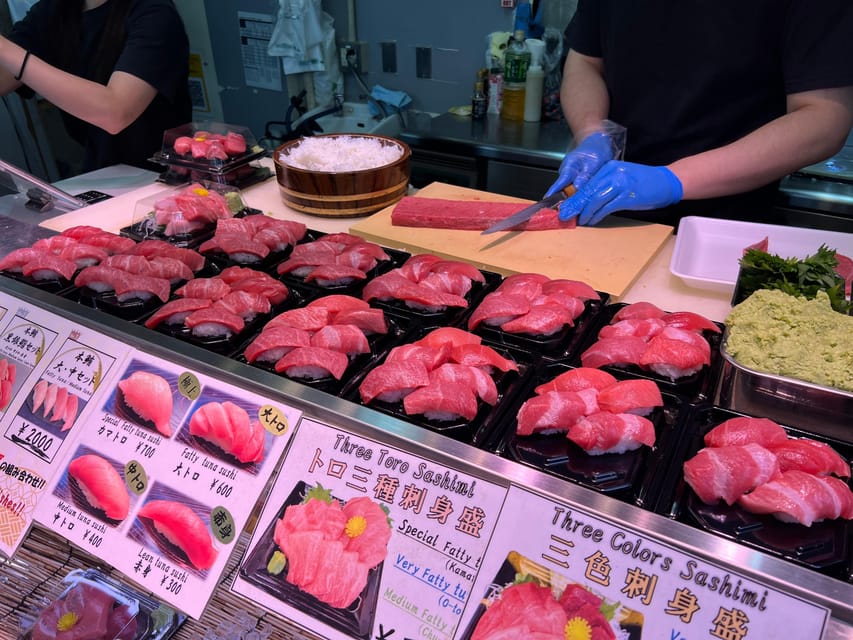
The market sells far more than fish. You might see fresh seafood, vegetables, dried fish, shrimp, scallops, nuts, sweets, spices, and other ingredients used in Japanese cooking. Guides explain what the products are and how they fit into meals and food traditions.
The setting can feel crowded and confusing, particularly when several stalls are serving food at once. That is the moment when the guide is most useful. Instead of stopping at the first attractive counter, you are led toward places selected for their food, local character, or suitability for the group.
Several people have found this guidance especially helpful when ordering. Your guide can explain choices, help with payment, and point out food that might otherwise be missed. This is not a luxury in Tsukiji. It saves time and removes much of the uncertainty.
You should still expect a market, not a polished restaurant district. Stalls may be small, standing space may be limited, and the pace depends on the crowd. Stay close to your guide and keep your belongings secure while moving through busy lanes.
More walks with a guide around Japan:
- Tokyo: Shinjuku Local Bar and Izakaya Guided Walking Tour
★ 4.9 · 1,794 reviews - Kyoto: Izakaya Bars Guided Walking Tour
★ 4.9 · 815 reviews - Kyoto Gion Night Walk & Geisha District Guided Tour
★ 5.0 · 786 reviews - Tokyo: Private Custom Walking Tour with Local Guide
★ 4.8 · 533 reviews
How the food stops work
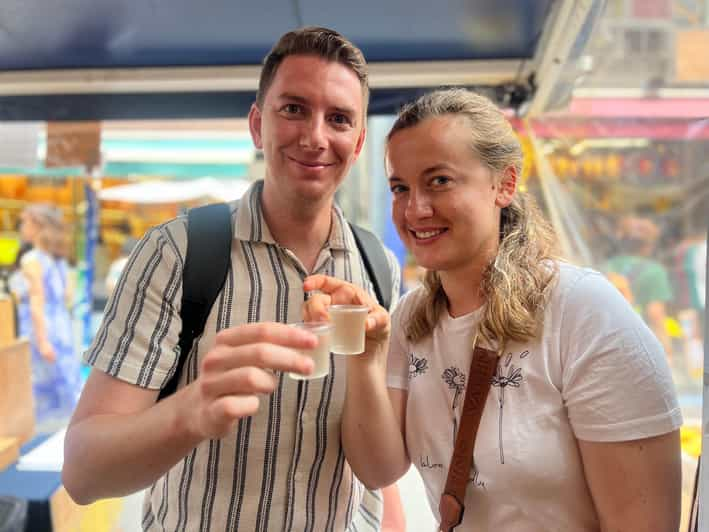
Food is not included in the $22 tour price. Instead, you buy what you want at each stall. I consider this a strength, provided you understand the arrangement before you arrive.
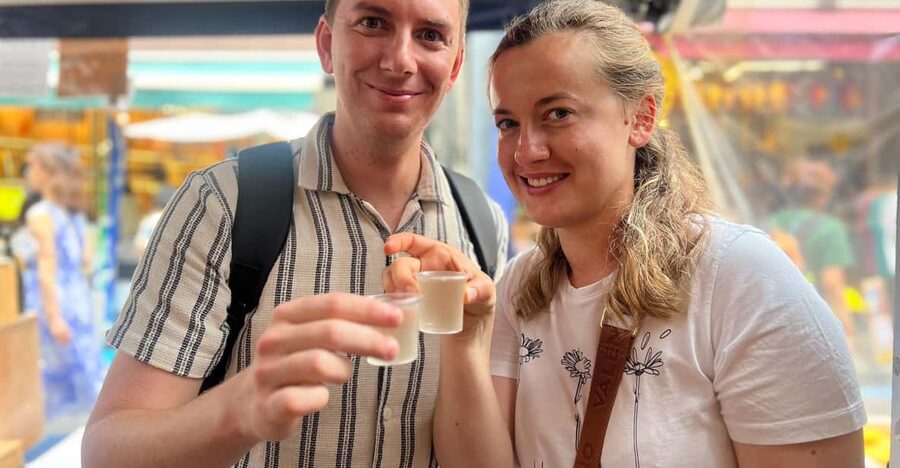
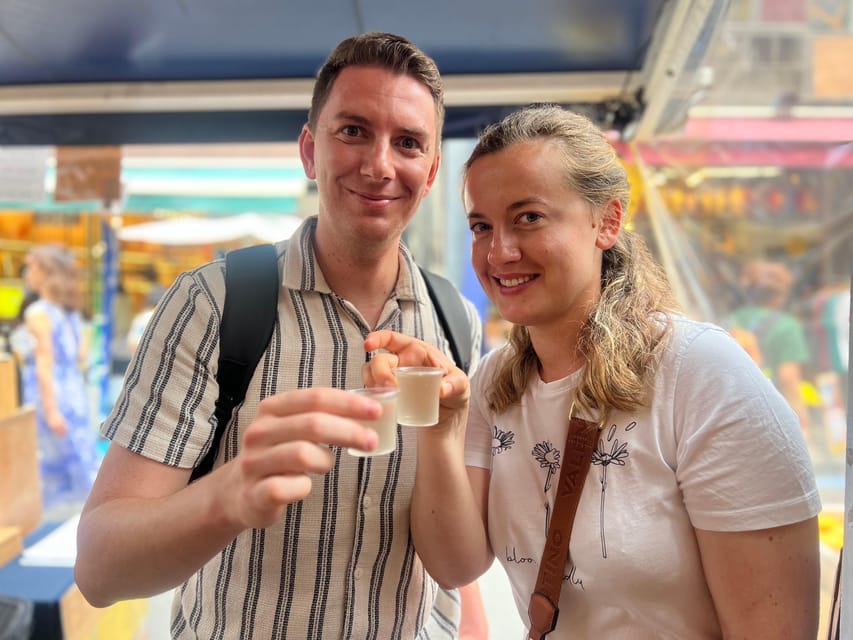
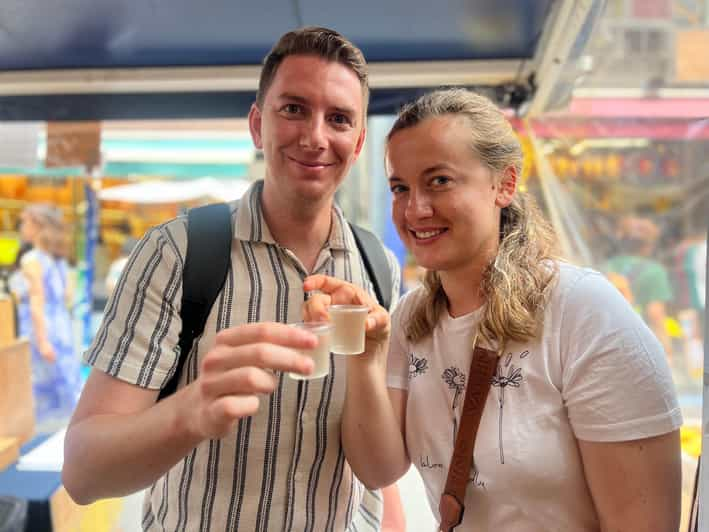
A fixed tasting menu can be wasteful. You might dislike seafood, have an allergy, want only a snack, or prefer to spend more on one special item than on several small samples. Here, you can choose. People have selected items such as tamago, oysters, sushi, fatty tuna, sea urchin, wagyu beef, eel, nuts, sweets, and sake.
The selection depends on the stalls open that day and the guide’s route. You are not promised every food named above. Think of those foods as examples of what can appear during the market walk, not as a set menu.
The flexible approach also helps mixed groups. One person can try seafood while another chooses beef or a sweet. Guides have helped groups make choices around food preferences, and the optional buying system makes it easier to skip anything that does not appeal.
Bring cash. This is the clearest practical point in the whole experience. The tour fee covers the guided walk, but not food or drinks. Some items cost more than you might expect, especially premium seafood and wagyu, so ask the price before ordering if you are watching your budget.
Free samples may appear along the way, but do not count on them as your meal. If you want to try several items, carry enough cash for small purchases and one or two higher-priced tastes.
What you learn about Japanese food
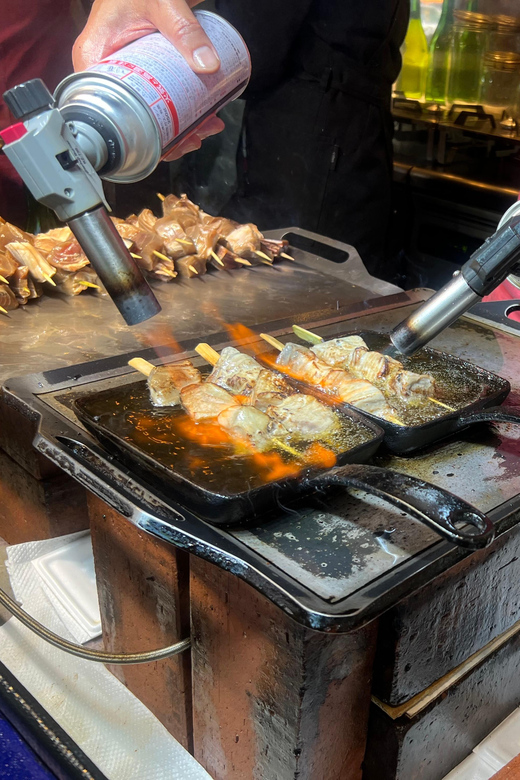
The tour’s strongest educational feature is its connection between ingredients and culture. You learn about the market’s role in Japanese cuisine and get explanations of products that may be unfamiliar outside Japan.
That can include seafood traditions, dried ingredients, seasonings, sweets, and the way food is presented. The guide may explain the difference between products, how they are used, or why a particular stall is worth your attention.
The best guides also make the information practical. Haydn, Jim, and Rie have been praised for explaining food and culture in a clear, approachable way. Sayaka has helped groups move through crowded lanes and order at several stops, while other guides have added nearby temple or shrine details to the route.
The experience is especially useful early in your Tokyo visit. You gain vocabulary, food ideas, and a better sense of what to look for during the rest of your time in Japan. One useful tip is to book it near the start of your stay if you want market and restaurant suggestions for later meals.
The guide makes the biggest difference
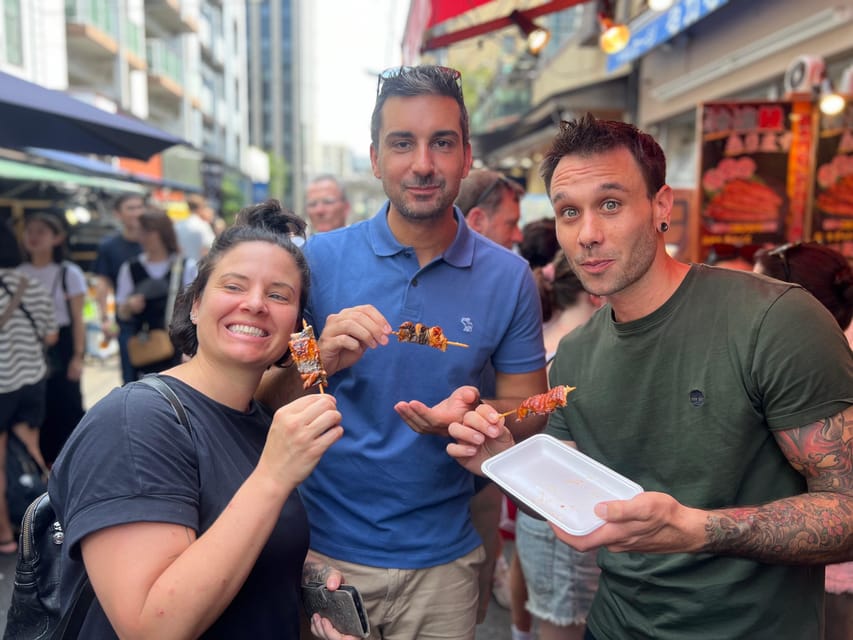
The exact character of the tour depends on who leads it. Named guides have included Jim, Rie, Yayoi, Haydn, Nicolas, Sayaka, Minori, Shino, Miko, and Kiwa.
That list tells you something useful: this is not built around one single host or one scripted performance. The guide may be local or a foreign resident with strong knowledge of Japanese food and culture. English is the tour language.
The praised qualities are consistent. Guides explain the temple, answer questions, choose sensible food stops, and help groups move through the market. Some add humor and personal recommendations. Others focus more on history, ingredients, or ordering.
You should not expect every guide to follow an identical food route. Market stock changes, stalls have their own schedules, and crowd levels affect the pace. The value comes from having an informed companion who can adapt the route rather than from a guaranteed list of dishes.
Is $22 good value?
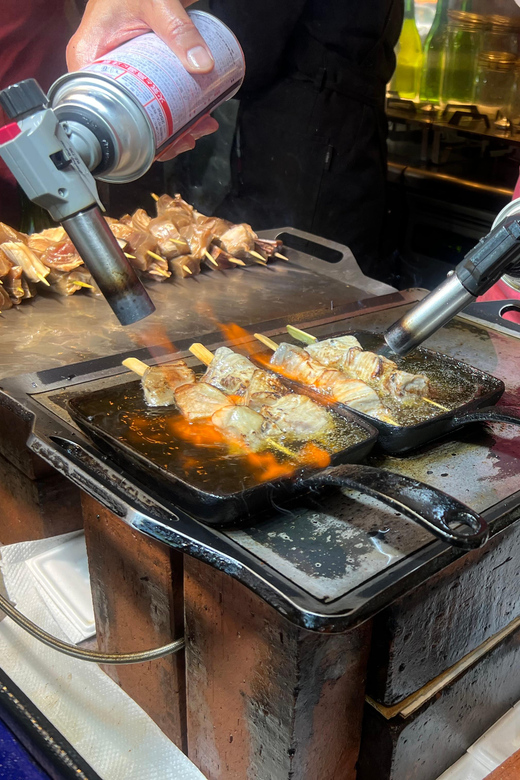
At $22 per person, the price is modest for a two-hour guided experience in central Tokyo. Entry to the market and temple is free, so you are paying for the guide’s time, explanations, route planning, and help with food purchases.
That distinction matters. If you only want to walk through Tsukiji and take photos, you can visit without paying for a tour. If you want to understand what you are seeing, find worthwhile stalls, and try foods without making every decision alone, the fee is easier to justify.
Your total spending depends on your appetite. A light tasting can remain fairly controlled, while premium seafood, wagyu, or several purchases can raise the cost quickly. I would treat the $22 as the navigation and education fee, then set a separate food budget.
The value is strongest for first-time visitors, people curious about Japanese cuisine, and anyone who feels uneasy ordering at small stalls. It is less useful for an experienced Tokyo food shopper who already knows Tsukiji well and prefers to explore alone.
Timing, pace, and practical comfort
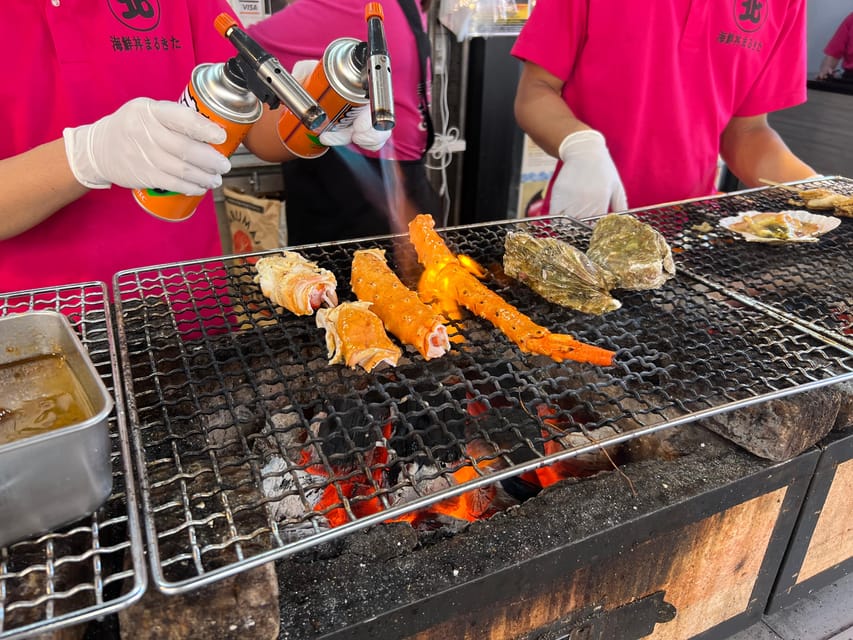
Two hours goes quickly. The temple receives about 15 minutes, the walks take about five minutes each, and most of the remaining time is spent in the outer market. Expect a walking tour with repeated stops, not a seated meal.
Wear comfortable shoes and keep your hands free where possible. The supplied information specifically asks you to bring cash, and that is more important than bringing elaborate gear. You may also want room in your schedule afterward, since the tour can serve as a substantial breakfast or early lunch depending on how much you buy.
The market may feel busy even on a weekday morning. A guide helps you stay together and reach stalls efficiently, but the group cannot control every delay caused by crowds. If you dislike close quarters or quick decisions at food counters, the pace may feel demanding.
The tour includes photos taken during the walk. That is a nice extra, though the main benefit remains the guide’s help and the food context.
Who should book this experience?
I would recommend it to first-time visitors to Tokyo who want an easy introduction to Japanese food. It is also a strong choice for families or mixed groups, since everyone can choose different foods rather than accept one shared menu.
People who do not usually eat seafood can still get value from it. Beef, tamago, sweets, nuts, and other foods may be available, and the optional buying system lets you skip anything you dislike. Still, because this is a fish market tour, seafood is naturally part of the setting and conversation.
It suits curious eaters who want to try something unfamiliar, but it does not force adventurous choices. If you are interested in sea urchin, eel, fatty tuna, or unusual local specialties, the guide can make that first attempt less intimidating.
I would be more cautious about booking if you want a quiet, private food tasting or a formal sit-down meal. This is a small-group walk through working market streets. The atmosphere is active, the stops are casual, and you pay for food as you go.
Should you book the Tsukiji walking tour?
Book it if you want context with your food. The temple visit, ingredient explanations, and hands-on market route give you more than an unstructured stroll. The $22 fee is reasonable when you consider how much time it can save and how much guesswork it removes.
Book it early in your Tokyo stay if you want ideas for later meals. Bring cash, keep your food budget separate, and arrive ready to choose rather than receive a fixed menu.
Skip it if you already know Tsukiji well, dislike crowded market streets, or want all food included in the ticket. For most first-time visitors who want a friendly introduction to Japanese food culture, this is a practical and enjoyable way to begin.
FAQ
How long does the Tsukiji Fish Market tour last?
The tour lasts two hours.
Where do I meet the guide?
You meet at the Starbucks located in front of Tsukiji Station. The guide waits near the bench outside the Starbucks.
What language is the tour conducted in?
The live tour guide speaks English.
How large is the group?
The tour is limited to 10 participants.
Is food included in the price?
No. Food and drinks are not included. You choose and pay for any items you want at the market stalls.
How much does the tour cost?
The listed price is $22 per person.
Do I need to bring cash?
Yes. Cash is listed as an important item to bring, especially because food purchases are paid for separately.
What places are included in the tour?
The route includes Tsukiji Hongwan-ji Temple and Tsukiji Outer Market. Entry fees for the temple and market are free.
New walking tours around Japan
- Nara: Half-Day UNESCO Heritage & Local Culture Walking Tour★ 4.8 · 250 reviews
- Nagasaki: Private Walking Tour with a Local★ 4.7 · 79 reviews
- Hiroshima: Miyajima Half-day Historical Walking Tour★ 4.7 · 100 reviews
- Kyoto: Private Walking Tour with a Local★ 4.6 · 118 reviews
- Kyoto: Private 2.5 Hour Historical Walking Tour★ 4.9 · 121 reviews
- Kyoto: Imperial Palace & Nijo Castle Guided Walking Tour★ 4.7 · 453 reviews
- Kyoto: Izakaya Bars Guided Walking Tour★ 4.9 · 815 reviews
- Kyoto: Gion Sunset Walking Tour with Local Guide★ 4.7 · 351 reviews
Tokyo Walking Tours, side by side.
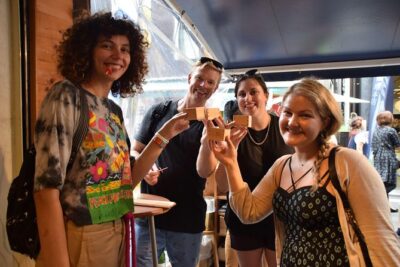
Tokyo Tsukiji Fish Market Food and Culture Walking Tour
Read our review →
Tokyo: Imperial Palace and Shogun Historical Walking Tour
Read our review →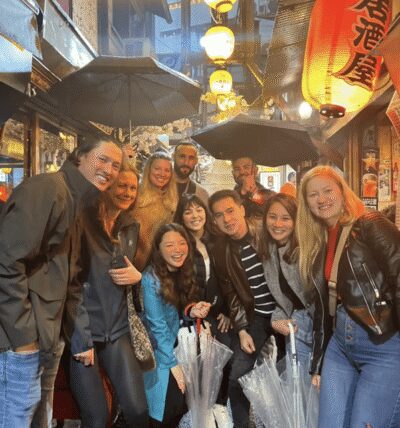
Tokyo: Shinjuku Local Bar and Izakaya Guided Walking Tour
Read our review →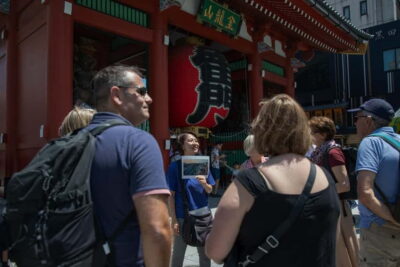
Tokyo: Asakusa Walking Tour with Sensoji Temple Visit
Read our review →
Tokyo: Imperial Palace Japanese History Walking Tour
Read our review →
Tokyo: Private Custom Walking Tour with Local Guide
Read our review →
Asakusa: A Big-picture History Walk to Know Japan
Read our review →Lists this walk sits on