
Review · TOKYO
Tokyo: Asakusa Walking Tour with Sensoji Temple Visit
Asakusa gives you Tokyo at its most recognizable and traditional: a giant red gate, incense smoke, temple roofs, souvenir stalls, and old food streets, all within a compact walk. I like the clear cultural introduction and the fact that the guide explains what you are seeing rather than leaving you to guess. I also like the route’s mix of major sights and everyday streets, from Sensoji Temple to Hoppy Street.
The main consideration is pace. Two hours covers a lot, but the tour is an orientation rather than a detailed study of every building. Asakusa can also be crowded, and you will need to arrive on time at Kaminarimon Gate because the guide cannot wait long for late arrivals.
Key points to know before booking
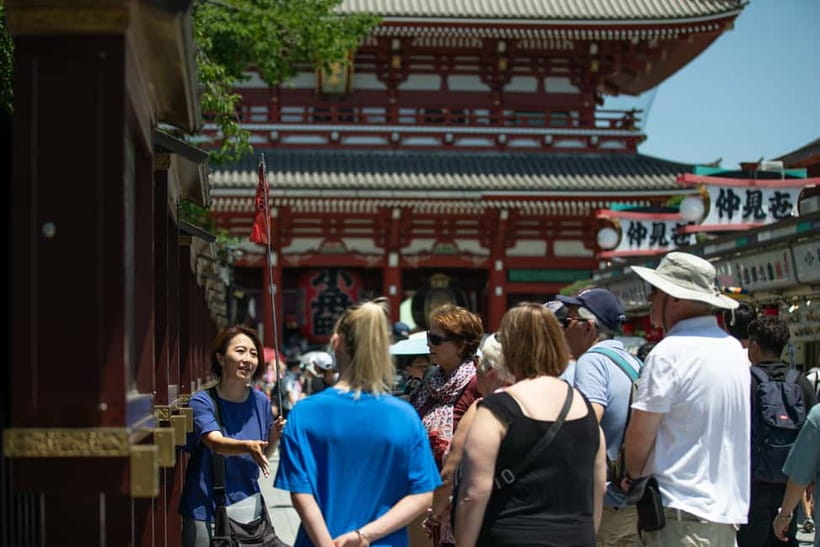
- Kaminarimon is an easy, memorable starting point: Meet on the left side of the Thunder Gate, near Tokiwado Kaminari-okoshi Honpo, where the guide holds a tour sign.
- Sensoji is the heart of the walk: You get time to look around, take photos, learn temple customs, and try the incense ritual.
- You see both Buddhist and Shinto sites: Sensoji Temple and nearby Asakusa Shrine offer a useful introduction to two important Japanese traditions.
- Local guides add practical value: Aya, Keiko, Hiroko, Glenda, Loc, Miyu, and others are praised for clear English, humor, patience, and food suggestions.
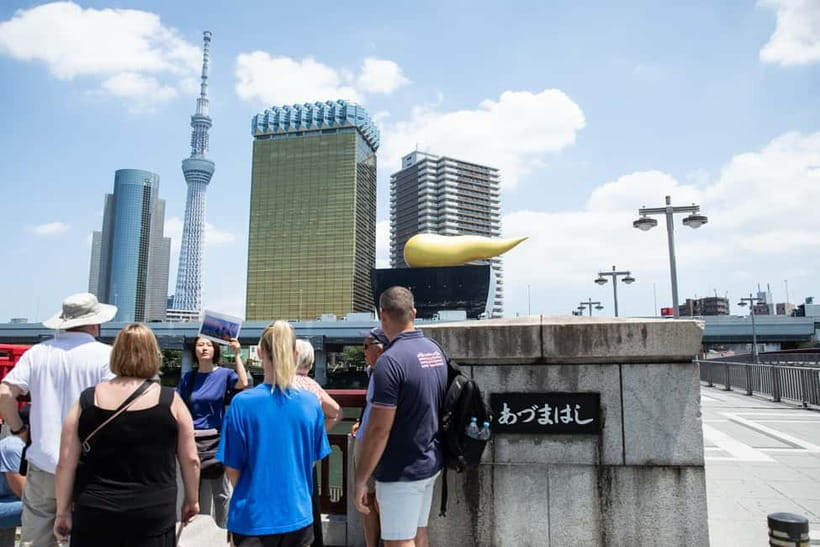
- The route ends near Azuma Bridge: That gives you a useful next stop after the tour, with Asakusa’s restaurants nearby for lunch.
- The price is modest for a guided introduction: At $22 per person, the tour is good value if you want context, not just photographs.
Why Asakusa is a smart first stop in Tokyo
Tokyo can feel enormous and hard to read during your first day. Asakusa solves that problem by putting several important parts of Japanese culture within walking distance. You get a temple, shrine, shopping streets, local food, old neighborhood lanes, and a major riverfront landmark in one short outing.
I especially like this tour for an early day in Tokyo. You learn basic customs before visiting other temples and shrines, and the guide can help you make sense of what you see later in your trip. Several guides also offer suggestions for places to eat and things to do around Tokyo, which adds value beyond the formal two-hour route.
The tour costs $22 per person. That is not the cheapest way to walk through Asakusa, since you can visit the public areas on your own, but the fee buys interpretation. You do not have to work out the meaning of the gates, incense, temple buildings, or shrine rituals from a guidebook while a crowd moves around you.
The experience is offered with an English-speaking guide and is listed as wheelchair accessible. Since the route runs through public shopping streets and temple grounds, you should still consider your own comfort with a busy walking route and ask the operator about any specific mobility needs before booking.
More walking tours around Japan:
- Kyoto Geisha Walking Tour: Gion District & Hidden Gems
★ 4.7 · 3,273 reviews - Tokyo Tsukiji Fish Market Food and Culture Walking Tour
★ 5.0 · 3,184 reviews - Kyoto: Gion Magical Night Walking Tour with Geisha Trivia
★ 4.9 · 2,393 reviews
Meeting beneath the Kaminarimon Thunder Gate
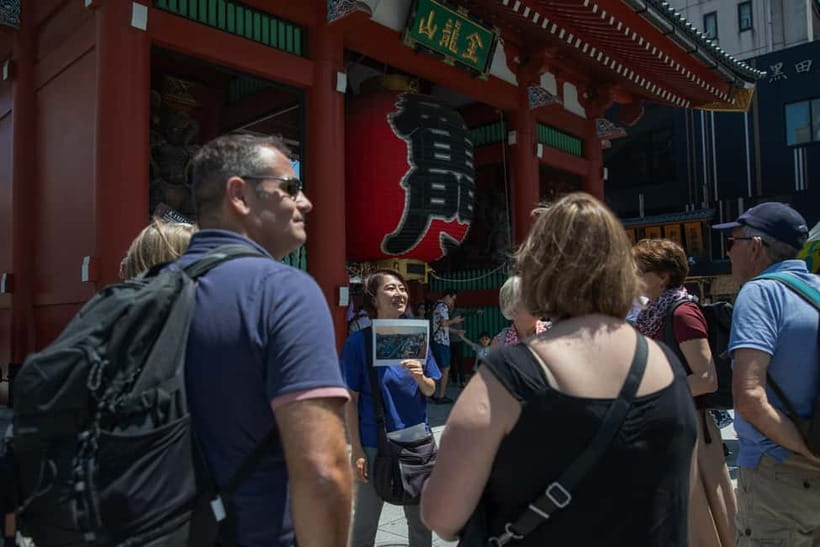
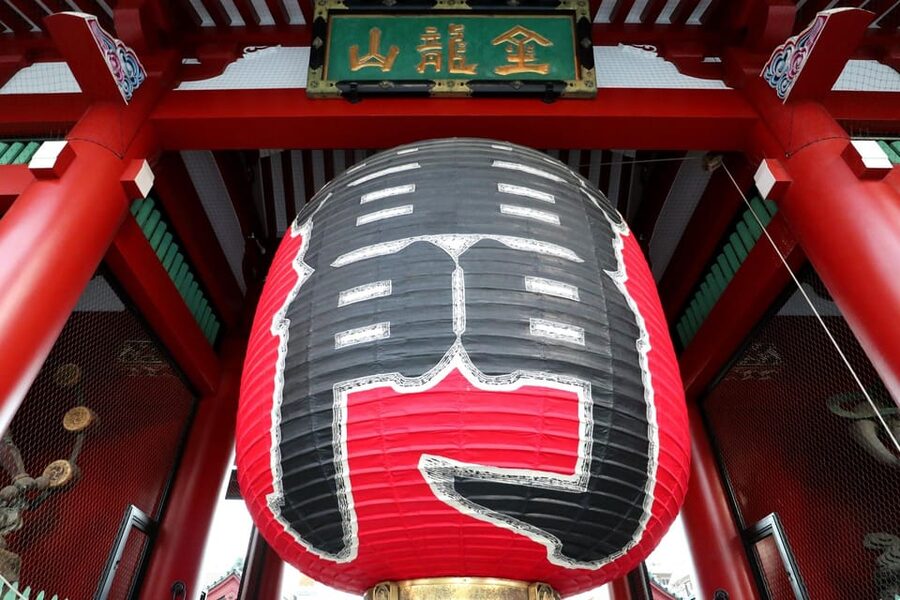
The tour begins at Kaminarimon, the famous entrance to Sensoji. Look for the guide on the left side of the gate, near Tokiwado Kaminari-okoshi Honpo. The guide will be holding a sign, which matters in a crowded area where several groups may gather.
Give yourself enough time to reach the meeting point. The instruction is firm: the guide cannot hold up the whole group for late arrivals. This is one of those small Tokyo logistics details worth taking seriously. The tour is only two hours, so even a short delay can cut into the main sights.
Kaminarimon itself makes a strong opening. The gate is known as the Thunder Gate and creates an immediate sense of arrival. Your guide spends about 10 minutes here, explaining its role and pointing out details that are easy to miss when you are focused on getting a photograph.
I like starting here because it gives the tour a clear visual center. You are not wandering around trying to find the first stop. You meet beneath one of Tokyo’s best-known landmarks, then move straight into the historic approach to Sensoji.
Nakamise Street, Japan’s old shopping approach
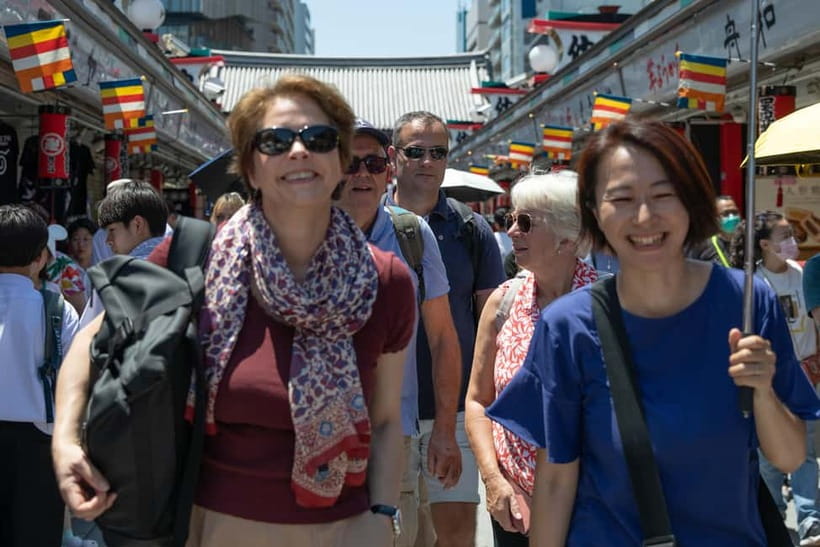
From Kaminarimon, the route follows Nakamise Shopping Street for about 15 minutes. This is one of Japan’s oldest shopping centers, lined with stalls and small shops selling traditional crafts, snacks, souvenirs, and other goods connected with Asakusa.
Nakamise can be crowded, especially when visitors gather around the most famous shops. The guide helps you keep moving while explaining what belongs to the area and what might be worth remembering for a later visit. You will not have time to shop carefully during every stop, so note the shops or foods you want to revisit after the tour.
This section is useful because it connects the grand entrance with the temple ahead. It is not simply a corridor for photographs. It shows how religious sites and local commerce have long worked together in Japanese city life.
I would not plan to buy everything during the guided walk. Instead, use the first pass to get your bearings and spot possible gifts or snacks. The guide’s suggestions may also help you avoid spending your limited time on random purchases.
Sensoji Temple and the incense ritual
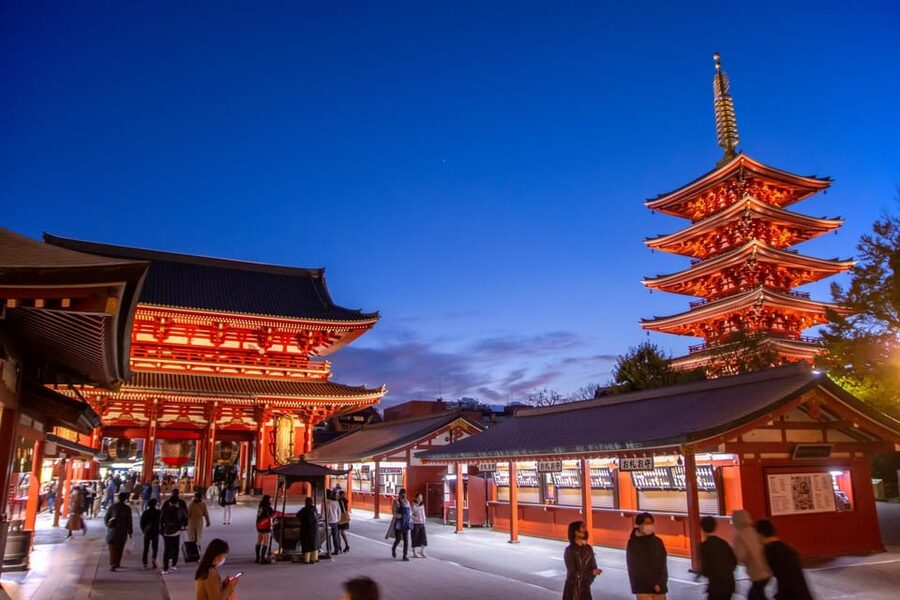
Sensoji, also called Asakusa Kannon, is Tokyo’s oldest Buddhist temple and the central stop of the experience. The visit lasts about 30 minutes, including guided time, photographs, and free time.
This is where the tour earns its price. Sensoji is visually impressive, but its details mean more when someone explains the customs and stories connected with them. Your guide points out architectural features, explains the temple’s religious importance, and helps you understand how to behave respectfully.
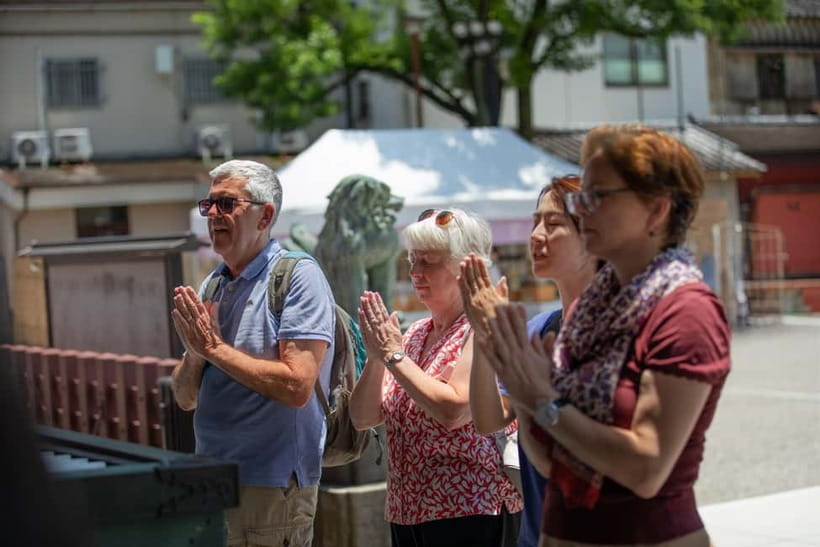
You can also take part in the incense-burning ritual. The activity gives you a hands-on connection to the place, rather than just another quick stop for pictures. Your guide can explain what you are doing and why it matters within the temple setting.
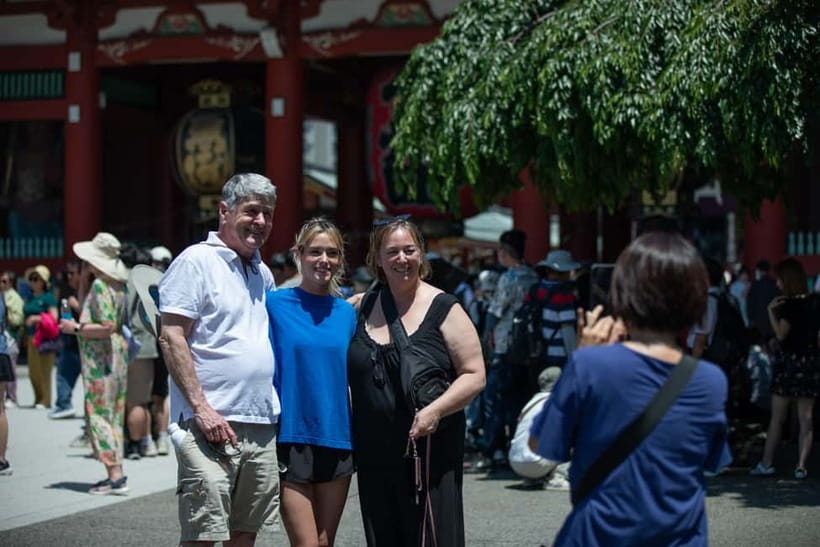
The temple area can be crowded, and the 30-minute visit will feel short if you want extensive photographs or quiet time. Still, the schedule gives you enough space to look closely, ask questions, and take in the main buildings without turning the visit into a rushed photo stop.
Guides receive the strongest praise for this part of the walk. Aya is described as especially good at explaining the temple’s architecture, traditions, and stories. Other guides, including Keiko, Hiroko, Glenda, Miyu, and Loc, are also praised for clear explanations and friendly conversation.
Do not expect every tour to feel identical. The guide changes, and each person brings a different style. The consistent strength is the focus on history, religious practice, and local customs.
Same streets, a different story:
- Tokyo: Imperial Palace and Shogun Historical Walking Tour
★ 5.0 · 2,251 reviews - Kyoto: Gion Geisha District Walking Tour – Stories of Geisha
★ 4.7 · 2,187 reviews - Best of Kyoto: Gion, Geisha, Pagodas & Cobblestones
★ 4.9 · 2,058 reviews - Night Walk in Gion: Kyoto’s Geisha District
★ 4.5 · 2,003 reviews
Asakusa Shrine and the difference between temple and shrine
The next major stop is Asakusa Shrine, where the tour spends about 20 minutes. This is a valuable addition because it lets you see a Shinto shrine after visiting a Buddhist temple.
For many first-time visitors, Buddhist temples and Shinto shrines can look confusingly similar. Having both places explained on the same walk gives you a simple point of comparison. Your guide can help you notice the different religious settings and customs without turning the lesson into a lecture.
The shrine is also a quieter change of mood after the busy approach to Sensoji. You get another photo opportunity and more time to ask questions. Guides are repeatedly praised for including everyone, answering questions patiently, and adjusting their pace when needed.
I particularly like this part for families and visitors who want cultural context. Children may remember the large gate and incense, but the contrast between the temple and shrine gives the adults something more lasting to take away.
Hoppy Street and the food side of Asakusa
Hoppy Street takes about 10 minutes of the walk. This stop shifts attention from formal religious sites to Asakusa’s casual food and drink culture.
The tour does not present Hoppy Street as a full meal stop. Instead, the guide introduces the area and gives you a sense of where local dining fits into the neighborhood. Since the walk finishes near lunchtime, this is a good place to pay attention to restaurant suggestions.
Several guides are praised for useful food advice. Keiko, Aya, Rio, and Loc are among those who point people toward places to eat after the tour. That practical help can be worth more than a long list of historical facts when you are hungry and facing a maze of choices.
Keep your expectations realistic. Ten minutes is enough for an introduction, not enough for a leisurely meal. If you see a restaurant you like, save it for later or return after the tour.
Shin-Nakamise and the final walk to Azuma Bridge
The route then reaches Shin-Nakamise Shopping Street for about 10 minutes. This area adds another look at Asakusa’s shopping culture, with more shops and places to eat beyond the better-known Nakamise approach.
The two shopping streets serve different purposes in the flow of the tour. Nakamise connects Kaminarimon with Sensoji and feels closely tied to the temple approach. Shin-Nakamise gives you a broader look at the commercial side of the neighborhood, including places you may want to explore later.
The tour ends at Azuma Bridge. This is a practical finish because you are not dropped back at the same crowded gate with no idea what to do next. You can continue exploring Asakusa, look for lunch, or use the bridge as your next orientation point.
The route is compact enough to fit into a morning or afternoon plan. Many people will find the lunchtime finish especially convenient, since Asakusa has many places to eat nearby.
What the guides add to the experience
The guide is the main reason to book this walk instead of simply following a map. The most praised qualities are clear English, patience, humor, and a willingness to answer questions.
Aya appears often among the strongest guide experiences. She is noted for local insight, temple explanations, restaurant advice, and attention to each person in the group. Keiko is praised for humor, patience, clear English, and for making sure everyone can hear and keep up.
Hiroko is frequently described as warm, careful, and good at answering questions. Glenda receives praise for making history easy to follow and keeping the walk fun. Loc, Miyu, Rio, Mei, Augustina, Paulina, and others are also singled out for friendly delivery and useful explanations.
You should expect a live guide, not an audio tour or a formal academic lecture. The tone is conversational. That works well in Asakusa, where you may have questions about a ritual, a shop, a building, or something happening beside you.
The guides also seem comfortable with mixed groups. One guide is specifically praised for engaging a fourteen-year-old, while other comments describe patient pacing and attention to children. That makes this a sensible choice for families, provided everyone is comfortable walking through crowded streets.
Is two hours enough for Asakusa?
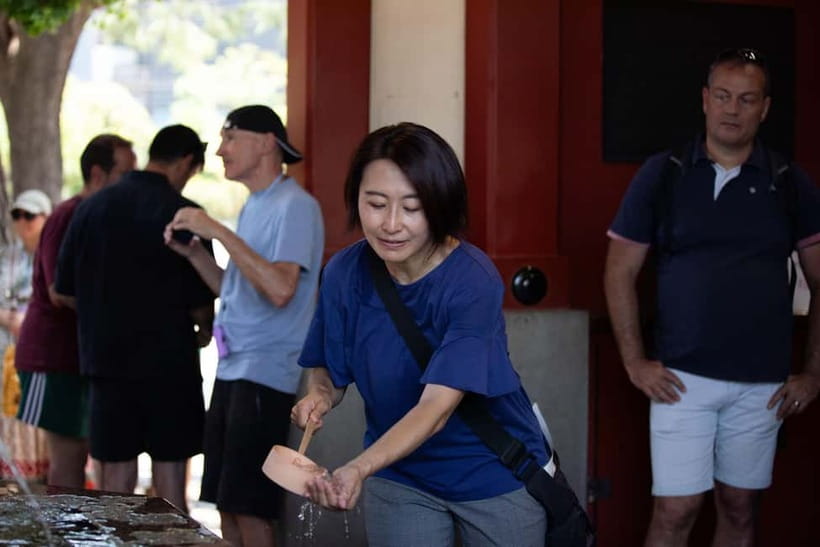
Two hours is enough to understand the layout and see the main points, but not enough to explore every side street. The time is divided across seven stops, with the longest blocks at Sensoji and Asakusa Shrine.
That short length is a strength if you are fitting Asakusa between other Tokyo plans. You get a focused introduction without giving up half a day. It is also useful on your first morning, when you want someone to explain the area before returning on your own.
The tradeoff is limited free time. You will not have long for shopping, a full meal, or quiet temple photography during the guided walk. I suggest treating the tour as your first pass, then staying in Asakusa afterward for anything that caught your eye.
Wear comfortable shoes and keep your belongings manageable. The tour is not described as strenuous, but it is a walking experience through active streets and public sites. If you use a wheelchair, the activity is listed as wheelchair accessible, though it is sensible to confirm the details that matter to you before arrival.
Is the $22 price fair?
At $22, this is good value for a guided introduction to one of Tokyo’s most important historic districts. Sensoji itself does not require this fee, and you can walk through Nakamise and the surrounding streets independently.
The value comes from the guide’s explanations and route planning. In two hours, you see the Thunder Gate, two religious sites, two shopping streets, Hoppy Street, and Azuma Bridge. You also learn basic customs and receive food and sightseeing suggestions for the rest of your stay.
The price is especially fair if you are new to Japan, traveling with family, or unsure how to read temple and shrine spaces. Independent visitors who already know Asakusa well may prefer to spend the money on food or shopping instead.
Flexible booking also helps. You can reserve and pay later, and cancellation is allowed up to 24 hours in advance for a full refund. Starting times vary, so check availability when choosing your date.
Who should book this Asakusa walking tour?
I would book it for a first visit to Tokyo, especially if Asakusa is unfamiliar to you. It gives you a simple cultural framework that makes later visits to Japanese temples and shrines easier.
Families should find the format manageable. The route is short, the guides are described as patient with children, and the mix of photos, stories, shopping, and food streets keeps the walk from feeling like a long history lesson.
It also suits solo visitors and couples who want local suggestions. A guide can point out places to eat and help you notice details you might miss alone.
I would think twice if you want a slow photography session or a long temple visit. The group moves through a fixed two-hour route, and crowded streets may make lingering difficult. In that case, use the tour for orientation, then return independently.
Should you book it?
Book this tour if you want clear cultural context in a short format. The route covers the essential Asakusa sights, and the guide’s explanations turn a famous photo stop into a more meaningful visit.
The best plan is to schedule it early in your Tokyo stay, then keep time afterward for lunch, shopping, or a second look at Sensoji. At $22, it is a practical way to get your bearings, learn the basic customs, and start exploring Asakusa with better questions.
FAQ
Where does the Asakusa walking tour begin?
The tour begins in front of Kaminarimon Gate. The guide waits on the left side, near Tokiwado Kaminari-okoshi Honpo, and holds a sign for the tour.
Where does the tour finish?
The tour finishes at Azuma Bridge.
How long does the tour last?
The walking tour lasts two hours.
What language is the tour offered in?
The live tour guide speaks English.
What places are included in the route?
The route includes Kaminarimon, Nakamise Shopping Street, Sensoji Temple, Asakusa Shrine, Hoppy Street, Shin-Nakamise Shopping Street, and Azuma Bridge.
Is Sensoji Temple included?
Yes. The tour includes a visit, guided explanation, photo time, and free time at Sensoji Temple.
Does the tour include Asakusa Shrine?
Yes. Asakusa Shrine is included with a visit, guided explanation, and time for photographs.
Is the activity wheelchair accessible?
Yes. The activity is listed as wheelchair accessible.
Can I cancel the tour for a full refund?
Yes. You can cancel up to 24 hours in advance for a full refund. You can also reserve now and pay later.
New walking tours around Japan
- Nara: Half-Day UNESCO Heritage & Local Culture Walking Tour★ 4.8 · 250 reviews
- Nagasaki: Private Walking Tour with a Local★ 4.7 · 79 reviews
- Hiroshima: Miyajima Half-day Historical Walking Tour★ 4.7 · 100 reviews
- Kyoto: Private Walking Tour with a Local★ 4.6 · 118 reviews
- Kyoto: Private 2.5 Hour Historical Walking Tour★ 4.9 · 121 reviews
- Kyoto: Imperial Palace & Nijo Castle Guided Walking Tour★ 4.7 · 453 reviews
- Kyoto: Izakaya Bars Guided Walking Tour★ 4.9 · 815 reviews
- Kyoto: Gion Sunset Walking Tour with Local Guide★ 4.7 · 351 reviews
Tokyo Walking Tours, side by side.
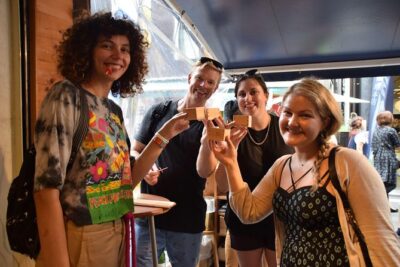
Tokyo Tsukiji Fish Market Food and Culture Walking Tour
Read our review →
Tokyo: Imperial Palace and Shogun Historical Walking Tour
Read our review →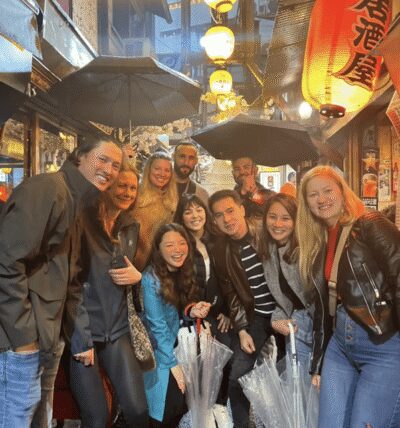
Tokyo: Shinjuku Local Bar and Izakaya Guided Walking Tour
Read our review →
Tokyo: Tsukiji Fish Market Guided Walking Tour
Read our review →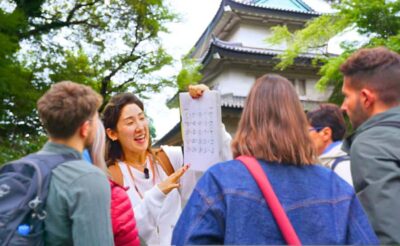
Tokyo: Imperial Palace Japanese History Walking Tour
Read our review →
Tokyo: Private Custom Walking Tour with Local Guide
Read our review →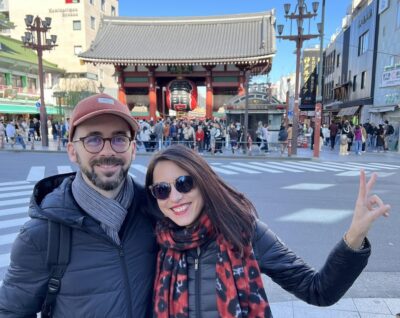
Asakusa: A Big-picture History Walk to Know Japan
Read our review →Lists this walk sits on