
Review · BERLIN
Berlin: The Time of National Socialism Walking Tour
Berlin’s Nazi past is not tucked away in a distant museum. It is marked across the center of town, beside the Brandenburg Gate, beneath modern government buildings, and in the open spaces around Potsdamer Platz. This two-hour walking tour connects those places into one clear story.
I like the route for two reasons: it shows both major memorials and lesser-known traces, and it gives you a guide who can explain how Berlin’s buildings and streets were used by the Nazi regime. Guides Carlo and Carlos are singled out for lively explanations, careful pacing, and helpful answers.
The main consideration is the subject itself. This is serious material, and the walk continues in cold, wet, or otherwise poor weather. The tour is also listed in German, so check the language before booking if you need an English guide.
Key points at a glance
- Start at Brandenburg Gate: See how Berlin’s best-known landmark was used for Nazi propaganda marches.
- Visit the former power center: Connect the Reichstag, government district, Reich Chancellery, and Hitler’s bunker site.
- See surviving war traces: Find Soviet T-34 tanks and artillery at the Tiergarten memorial.
- Pause at major memorials: The Holocaust Memorial and Johann Georg Elser Memorial add different views of persecution and resistance.
- Finish at the Topography of Terror: Learn where the SS, Gestapo, Reich Security Main Office, and Reich Aviation Ministry operated.
- Small-group format: The group is limited to 10 people, with a professional guide and wheelchair-accessible route.
Why this Berlin history walk matters
A tour about National Socialism can easily become a list of dates, names, and grim places. This route has a better shape. It begins with the symbols of power, moves through the government quarter, then turns toward victims, resistance, and the machinery of terror.
That order helps you understand how the dictatorship worked. The Brandenburg Gate was not simply a handsome 18th-century monument. The Reichstag was not just a grand parliament building. Government offices, party institutions, police agencies, and military departments occupied the center of Berlin, often close to places you might otherwise pass without a second thought.
I also like that the tour does not focus only on Adolf Hitler. You hear about the wider system, including the SS, the Secret State Police, the Reich Security Main Office, and the Reich Aviation Ministry. The stories of German resistance add another necessary layer. They show that opposition existed, even though it faced enormous danger.
At $43 per person, the cost is reasonable if you want a guide to connect several important sites in a short time. You are not paying for entry to a major museum or a special interior visit. You are paying for a focused route, context, and the chance to ask questions as you walk. For a first visit to Berlin, that can save you from seeing each memorial as an isolated stop.
More walking tours around Berlin:
- Discover Berlin Half-Day Walking Tour
★ 5.0 · 9,624 reviews - Berlin City walk Government District and Places of Democracy
★ 4.7 · 8,467 reviews - Berlin: Third Reich & Cold War Guided Walking Tour
★ 4.9 · 8,378 reviews
Meeting your guide near Pariser Platz
The tour begins at the exit of the S+U Brandenburger Tor station, exit B, in the direction of Pariser Platz and Straße des 17. Juni. Look for the guide holding a GetYourGuide, You in Berlin flag.
This is a practical starting point. Brandenburger Tor station puts you directly beside one of Berlin’s key historic spaces, so you do not waste time crossing town before the walk begins. Arrive ready to walk, since the route uses city streets, open spaces, and memorial areas rather than remaining indoors.
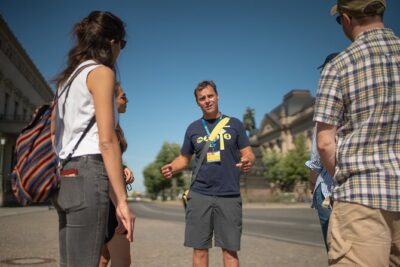
The group can include no more than 10 people. That is a useful size for this subject. A large group can make questions awkward, while a smaller group lets the guide adjust explanations and point out details that might otherwise be missed.
The listed tour language is German. The experience is described as led by a certified, multilingual guide, but the specific operating language is German. If you are booking from outside Germany, confirm this point before paying.
Brandenburg Gate and Pariser Platz: propaganda in plain sight
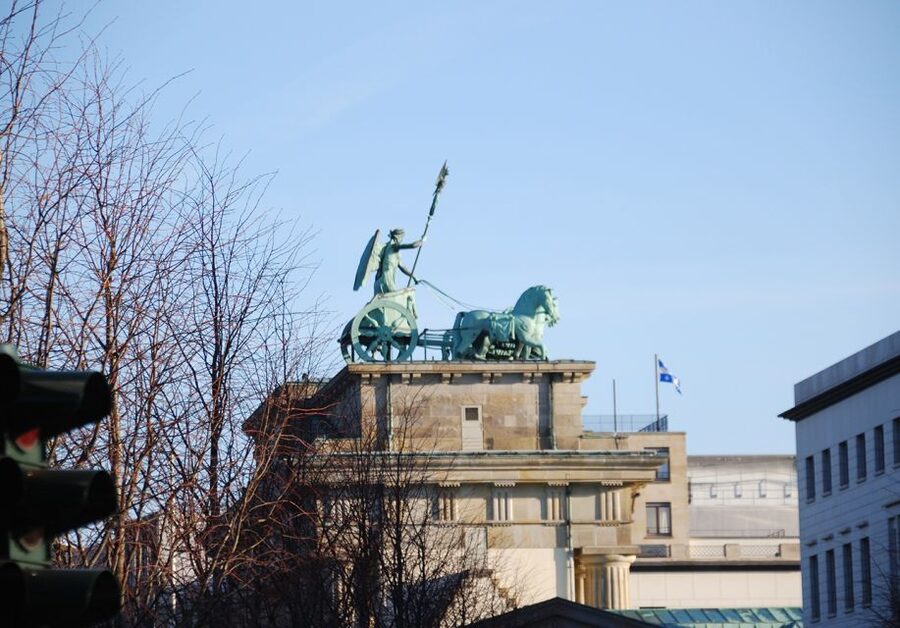
The first stops at Pariser Platz and Brandenburg Gate set up the central idea of the walk: familiar Berlin landmarks can carry very different meanings depending on who controls them.
Brandenburg Gate was used for propaganda marches during the Nazi period. The guide can explain how a national symbol became part of the regime’s public image and political theater. You will not simply hear that the gate was important. You will see why its position and visual power made it useful for mass displays.
This opening also gives the tour an immediate sense of place. Pariser Platz is now associated with a polished, formal section of central Berlin, but the walk asks you to picture it as part of a city shaped by dictatorship, war, and political spectacle.
There is no scheduled interior visit here. The value comes from the explanation and from seeing the site in relation to the rest of the route.
The Reichstag and the Nazi rise to power
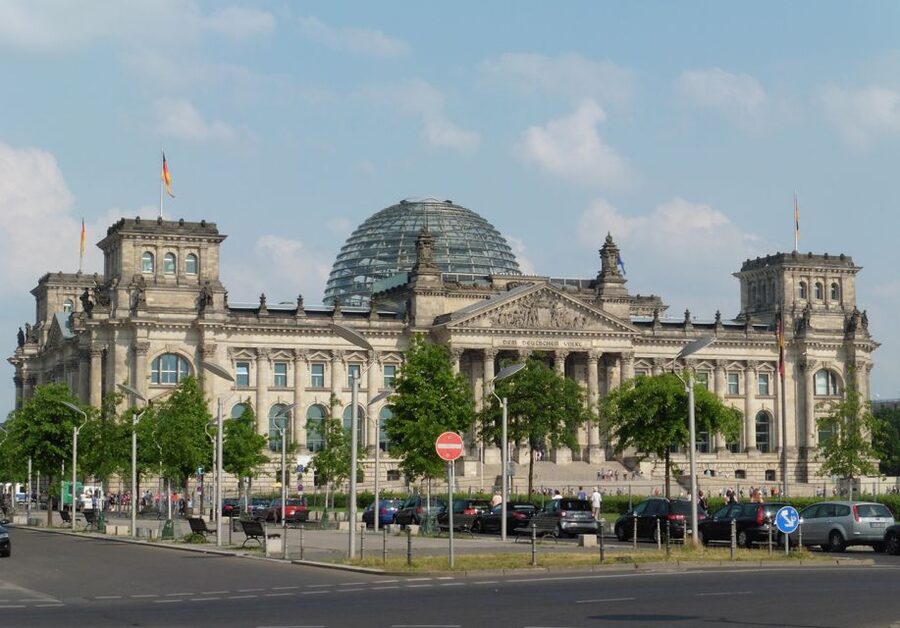
From Brandenburg Gate, the route continues to the Reichstag, now the seat of Germany’s Parliament. The stop links the building to the political events of 1933, when the Nazi Party, the NSDAP, and Adolf Hitler came to power.
That connection is important because it places the dictatorship within Berlin’s existing political center. The Nazi takeover was not something that happened in a remote fortress. It unfolded through institutions, government structures, pressure, propaganda, and the destruction of democratic opposition.
The Reichstag stop is mainly exterior sightseeing and guided explanation. You should not book this walk expecting a tour inside the parliament building. Instead, you get a short lesson in how the building fits into the larger story of political control.
Same streets, a different story:
- Berlin: Discover Berlin Walking Tour
★ 4.9 · 5,998 reviews - Berlin’s Best: 2 Hour Walking Tour Third Reich and the Cold War
★ 5.0 · 5,486 reviews - Berlin: Hidden Backyards Guided Walking Tour
★ 4.8 · 5,360 reviews - Explore Berlin: See All The Iconic Sights & Some Hidden Gems
★ 5.0 · 4,429 reviews
Tiergarten and the Soviet War Memorial
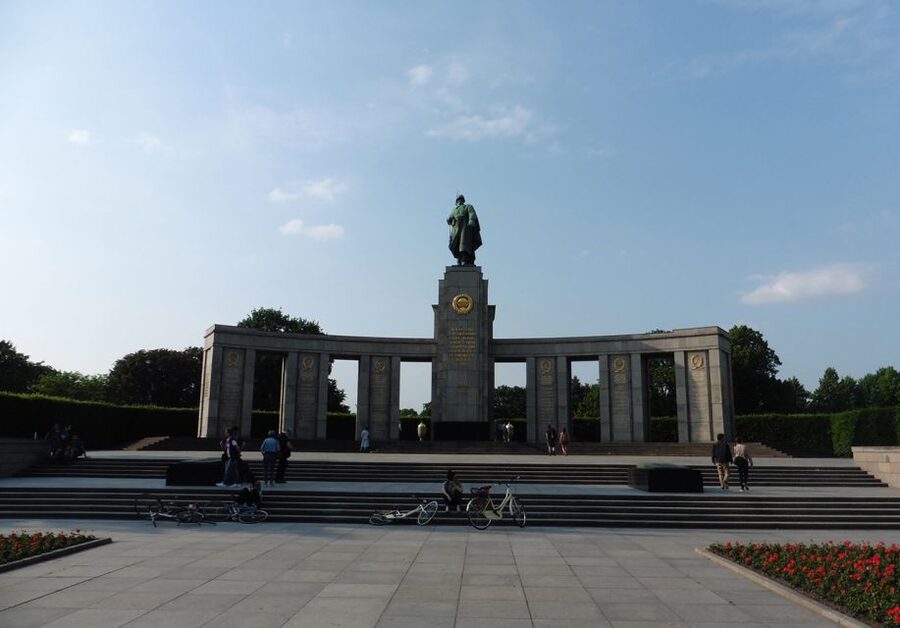
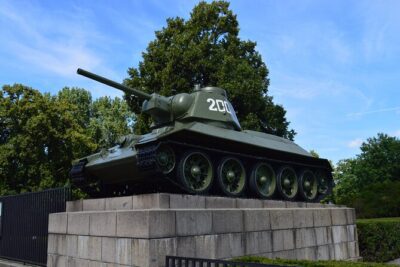
The route then enters the Tiergarten, Berlin’s large inner-city park, to reach the Soviet War Memorial. Here you can see Soviet T-34 tanks and artillery from World War II.
This is one of the walk’s most concrete reminders of the war. The equipment is not an abstract symbol. It gives you a physical sense of the military conflict that reached Berlin and the Soviet role in the defeat of Nazi Germany.
The memorial also shifts the mood. At Brandenburg Gate and the Reichstag, the focus is power and politics. In Tiergarten, the focus turns toward the war’s cost and the forces that fought their way into the city.
Open park paths can be especially exposed in cold or wet weather. Wear proper shoes and a coat suited to the forecast. The tour operates in all weather and on public holidays, so do not assume that a rainy day will bring an automatic cancellation.
The Holocaust Memorial and the human cost
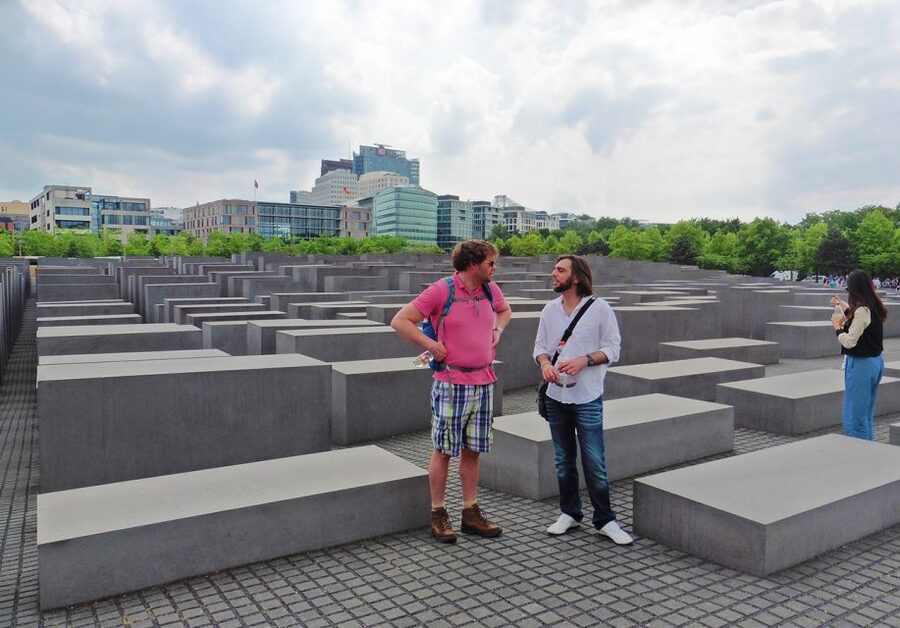
The next major stop is the Memorial to the Murdered Jews of Europe, commonly called the Holocaust Memorial. This is one of Berlin’s most important places for remembering the Jewish victims of the Nazi genocide.
A guided explanation helps place the memorial within the wider route. After hearing about government buildings, police agencies, and propaganda spaces, you confront the human result of that system. The stop gives the tour emotional weight without turning the whole walk into a visit to one memorial alone.
You will have to bring your own attention and respect here. This is not a light sightseeing stop or a place for casual rushing. The guide’s role is to provide historical context, while the memorial itself gives you space to think about the scale of the crime.
The route does not list an indoor museum visit at the memorial. If you want a longer museum presentation on the Jewish victims, you may need to make separate plans.
Hitler’s bunker site and the former government quarter
The walk continues to the location of Hitler’s bunker and the New Reich Chancellery. The bunker itself is not presented as a preserved attraction. That is part of the point. You are shown where these places were located and how the former Nazi government center fits into today’s Berlin.
For many people, this is a useful correction to the way Nazi history is often presented in films and books. The bunker was not an isolated lair cut off from the city. It belonged to a larger government district, surrounded by offices and institutions that helped run the regime.
The guide also introduces the former government district of Berlin. This section helps you connect individual sites into a working system. You learn not only where Hitler was, but also where decisions were made, orders were managed, and state power was organized.
Much of this portion is about locations that changed or disappeared. Do not expect grand ruins at every stop. The guide’s explanation is what makes the places legible.
Johann Georg Elser and the difficult story of resistance
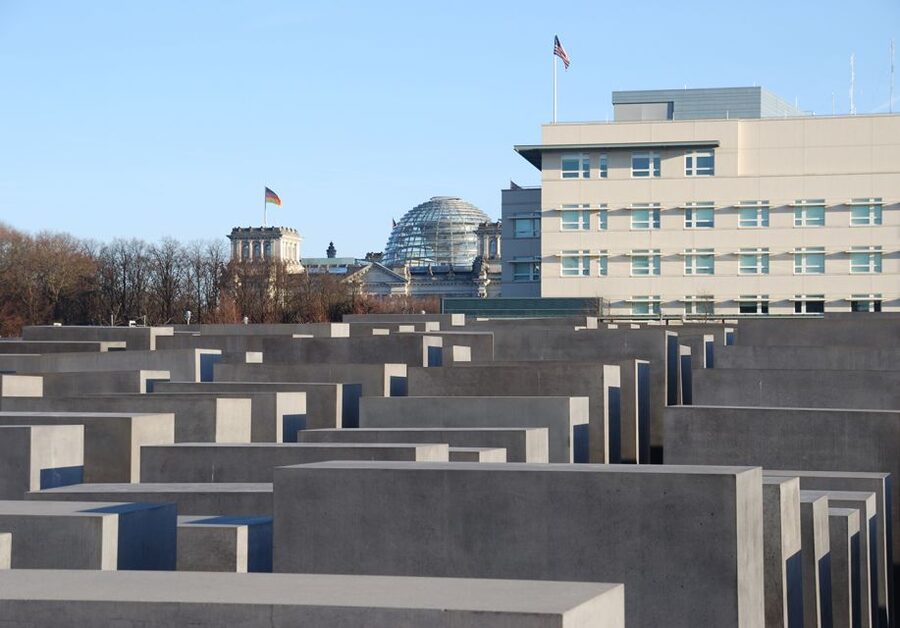
The Johann Georg Elser Memorial adds a personal story of resistance. Elser attempted to kill Hitler in 1939, acting before the war had reached its later scale and before the Nazi regime’s crimes had fully unfolded in the way many people now remember them.
This stop matters because it prevents the tour from presenting German society as a single block of willing supporters. The walk includes stories of resistance against the dictatorship and shows that some people recognized the danger and acted against it.
Resistance stories can also be morally complicated. Individual attempts did not end the regime, and many people who opposed it paid with their lives. A short stop cannot cover every resistance group or political debate, but it gives you a human point of entry into that part of the story.
Detlev-Rohwedder-Haus and the marks of changing Berlin
The route includes the Detlev-Rohwedder-Haus, another important building connected with Berlin’s government history. The stop helps you see how buildings can survive while their political meaning changes.
This part of the walk is especially useful if you like architecture and urban history. Berlin often presents its past through layers rather than untouched monuments. A building may have one role during the Nazi era, another after the war, and a new place in unified Germany.
The information provided does not promise an interior visit, so expect to view the site from outside. Its value comes from the guide’s account of the building and its place in the former government district.
The Topography of Terror: a strong finish
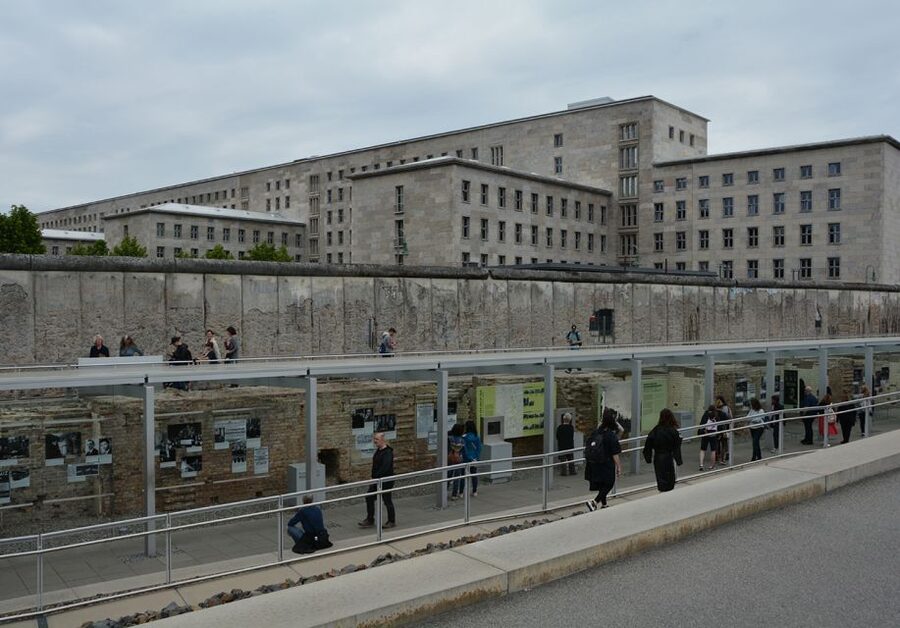
The tour ends at the Topography of Terror Documentation Center, located on the former site of the SS, the Secret State Police, the Reich Security Main Office, and the Reich Aviation Ministry.
This is a fitting final stop because it gathers the themes of the walk in one place. You have seen public propaganda at Brandenburg Gate, political power near the Reichstag, military remains in Tiergarten, memorials to victims, the bunker area, and a resistance memorial. At the Topography of Terror, the focus turns directly to the institutions that enforced terror.
The center is a documentation site, but this two-hour experience is described as a walking tour rather than a full museum visit. If you want to study the exhibitions, allow separate time after the tour. Ending here gives you a clear next step for further reading and viewing.
The final location is also practical. You can continue exploring central Berlin from here, or make your way to another museum or memorial without retracing the entire route.
Pace, weather, accessibility, and group size
Two hours is enough to cover the route, but it requires steady walking and focused listening. You will pass through busy central areas, open parkland, memorial spaces, and government districts. The tour does not appear designed for long pauses at every stop.
Wear comfortable shoes and suitable clothes. The tour runs in all weather, including cold and rain, and one particularly cold outing required the guide to watch the group carefully on icy streets. That detail tells you what to expect: the guide may help with pacing and safety, but you still need to dress for the day.
The tour is listed as wheelchair accessible. Since the route includes public streets, a park, and memorial areas, anyone with specific mobility needs should still confirm the day’s conditions and route details before booking.
A group limited to 10 is a real advantage here. The subject benefits from questions, and the guide can keep the discussion personal. If only one or two people book, the experience may feel close to a private tour. Carlo and Carlos are noted for answering questions, explaining buildings in context, and offering further Berlin tips.
Who should book this tour?
I would choose this walk if you want a clear introduction to Nazi-era Berlin before visiting museums on your own. It suits adults, older teenagers, and anyone who wants to understand how the city’s central landmarks fit together.
It is also a good option for repeat visitors. You may already know Brandenburg Gate and the Holocaust Memorial, but the route connects them with the Reichstag, the bunker location, the former government quarter, the Soviet memorial, and the Topography of Terror.
The tour is less suited to anyone looking for a relaxed sightseeing stroll or an English-language experience. The subject is heavy, the pace covers several sites, and the listed language is German. It is also not the right pick if you want extended indoor time or a museum guide.
Should you book it?
Book this tour if you want a compact, serious introduction to Berlin under National Socialism, with a guide who can tie major landmarks to less obvious locations. The small group, central route, and $43 price make sense for a focused two-hour lesson in the city itself.
Skip it if you need English, dislike walking in poor weather, or prefer detailed museum exhibitions to outdoor site visits. If German works for you and the subject is part of your Berlin plans, this is a practical way to see the city with more awareness and fewer disconnected facts.
FAQ
Where does the tour begin?
Meet at the exit of S+U Brandenburger Tor station, exit B, toward Pariser Platz and Straße des 17. Juni. Look for the guide with the GetYourGuide, You in Berlin flag.
Where does the tour finish?
The tour finishes at the Topography of Terror Documentation Center.
How long does the walking tour last?
The tour lasts two hours.
What is the price?
The listed price is $43 per person.
What language is the tour in?
The live tour guide language is German.
How large is the group?
The tour is limited to 10 participants.
Is the tour wheelchair accessible?
Yes, the activity is listed as wheelchair accessible.
Does the tour visit Hitler’s bunker?
The route reaches the location where Hitler’s bunker and the New Reich Chancellery were located. The information provided does not describe an interior visit to the bunker.
Can I see World War II military equipment?
Yes. The route includes the Soviet War Memorial in Tiergarten, where you can see Soviet T-34 tanks and artillery from World War II.
Does the tour run in bad weather?
Yes. The tour takes place in all weather conditions and on public holidays. Suitable clothing and walking shoes are recommended.
New walking tours around Berlin
- Berlin: 2.5-Hour Walking Tour through Kreuzberg 61★ 4.9 · 525 reviews
- From Berlin: Potsdam & Sanssouci half day Walking Tour★ 4.9 · 85 reviews
- East Berlin and the Wall: Walking Tour★ 4.9 · 407 reviews
- Cold War, Berlin Wall, Spies and the East Side Gallery★ 4.8 · 254 reviews
- Berlin: Walking Tour of the Top 10 Sightseeing Attractions★ 4.7 · 150 reviews
- Berlin: walking tour about Charité★ 4.4 · 537 reviews
- Berlin: Kreuzberg Guided Walking Evening Tour★ 4.7 · 555 reviews
- Berlin : Must-see attractions Walking Tour★ 4.8 · 83 reviews
Berlin Walking Tours, side by side.
Berlin City walk Government District and Places of Democracy
Read our review →
Berlin: Third Reich & Cold War Guided Walking Tour
Read our review →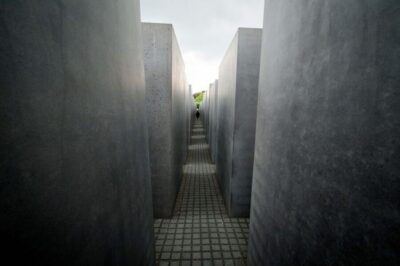
Berlin’s Best: 2 Hour Walking Tour Third Reich and the Cold War
Read our review →
Explore Berlin: See All The Iconic Sights & Some Hidden Gems
Read our review →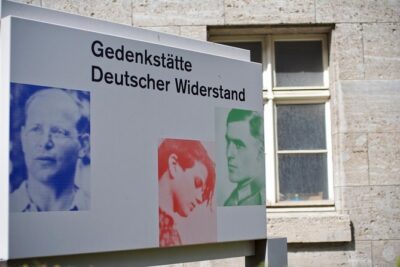
Third Reich Berlin: Hitler and WWII Walking Tour
Read our review →Lists this walk sits on