
Review · BERLIN
From Berlin: Potsdam & Sanssouci half day Walking Tour
Potsdam is where Prussian kings, German emperors, Soviet agents, and Cold War diplomats all left their mark. This six-hour walking tour from Berlin links Sanssouci Palace, royal gardens, Cecilienhof, the Dutch Quarter, and the former KGB zone into one long day outside the capital.
I like the easy train connection and the way the tour mixes grand palaces with spy-era stories. I also like the strong guide lineup: Miguel, Katia, Patrick, Roshana, and others are praised for bringing royal personalities and twentieth-century politics to life. The main catch is simple: you do not enter the palaces, and the walking is heavy.
Key points to know before you book
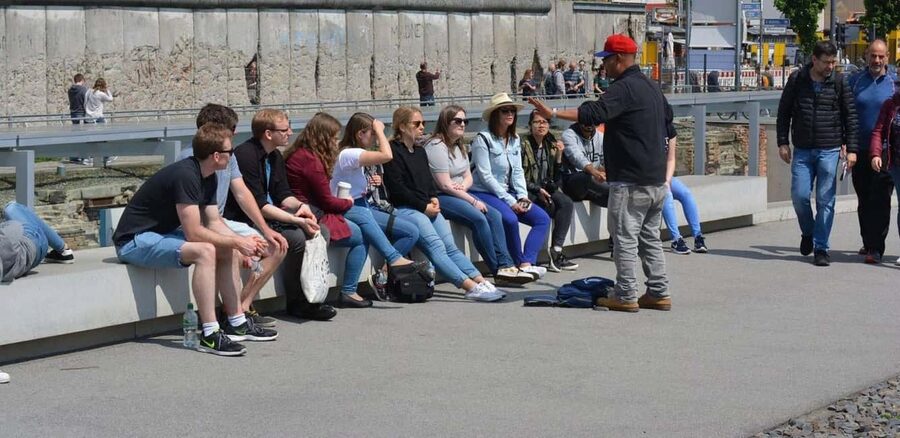
- The train ride is part of the experience: Meet outside Generator Berlin Alexanderplatz and travel to Potsdam by public transport with your guide.
- Sanssouci is seen from the outside: You explore the palace grounds and gardens, but indoor rooms and museum visits are not included.
- Cold War history adds bite: The route includes the former forbidden sector, the KGB area, and the bridge linked with spy exchanges.
- Expect a full day on your feet: Comfortable shoes, water, snacks, and weather-ready clothing matter.
- The guides make the difference: Miguel, Katia, and Patrick receive repeated praise for clear stories, humor, and personal help.
- Check the transport details: An ABC public transport ticket may be needed and is not included in the price.
Why Potsdam makes a strong Berlin day trip
Berlin can feel like a city of fragments. Potsdam gives you a different setting, with broad parks, lakes, royal residences, quiet streets, and a slower rhythm. It is close enough to reach by train, yet it feels far removed from central Berlin.
The town served as a playground for Prussian rulers and later became a key Cold War location. That combination gives the tour unusual range. One moment you are hearing about Frederick the Great and his palace gardens. Later, you are standing near places shaped by Soviet control and postwar diplomacy.
I especially like this contrast. A palace tour alone can feel polished and predictable. A Cold War tour alone can feel stark. Potsdam brings both together, along with the Dutch Quarter and grand private houses. You get architecture, politics, gardens, and local streets in one outing.
The tour costs $57 per person. That is a reasonable price if you want a guide to handle the route, the train journey, and the historical explanation. You are paying for six hours of company and interpretation, not for palace admission or a private vehicle. If you only want to see Sanssouci from the outside, you could explore independently for less, but you would need to plan the public transport and connect the sites yourself.
More walking tours around Berlin:
- Discover Berlin Half-Day Walking Tour
★ 5.0 · 9,624 reviews - Berlin City walk Government District and Places of Democracy
★ 4.7 · 8,467 reviews - Berlin: Third Reich & Cold War Guided Walking Tour
★ 4.9 · 8,378 reviews
Meeting in Alexanderplatz and taking the train
The meeting point is in front of Generator Berlin Alexanderplatz at Otto-Braun-Straße 65. This is useful if you are staying near Alexanderplatz, though you should allow time to find the exact spot and identify the guide before departure.
The train ride to Potsdam is not dead time. It gives your guide a chance to set up the story and explain how Potsdam fits into the wider history of Berlin and Brandenburg. The trip also helps you see how quickly the urban center gives way to a quieter setting.
A public transport ABC ticket may be required for parts of the route. It is not included in the $57 price, so check the day’s transport needs before meeting the group. One of the nice features of this tour is that you learn to reach Potsdam by the same public system you can use during the rest of your stay.
The group size can vary. Some departures have been small, even private-feeling, while other outings include more people. A small group makes it easier to ask questions and keep a steady pace. The tradeoff is that the tour depends on the guide keeping everyone together through stations, streets, and large park grounds.
The Dutch Quarter and Potsdam’s town center
Potsdam is not only a collection of palaces. The Dutch Quarter gives the day a more ordinary town setting, with a distinctive architectural character and a chance to see how the city works beyond its royal estates.
This part helps balance the grander stops. You are not simply moving from one royal facade to another. You see a town shaped by rulers, residents, military power, and changing political systems.
Guides often add small stories about the people who lived around these buildings, not only the dates and names. That human touch matters. Katia, Patrick, and Miguel are repeatedly praised for explaining the people behind the architecture and for answering questions about royal life, German culture, and the city’s past.
The pace is worth noting. You are not given a long block of free time to wander the town alone. The day is built around a guided route, so you should expect to keep moving. A short break for food, drinks, or a toilet stop may be built into the day, but this is not a leisurely café crawl.
Sanssouci Palace and Frederick the Great’s gardens
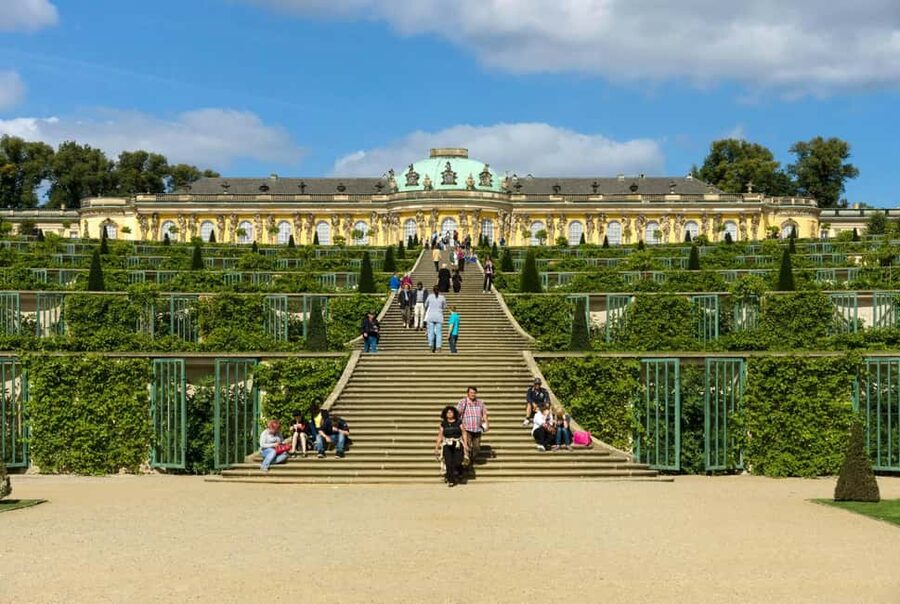
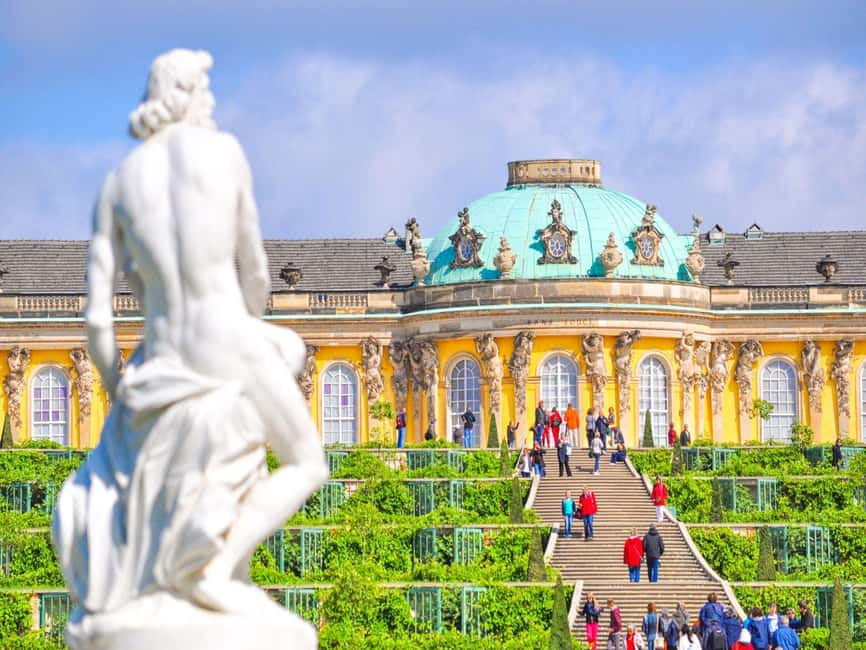
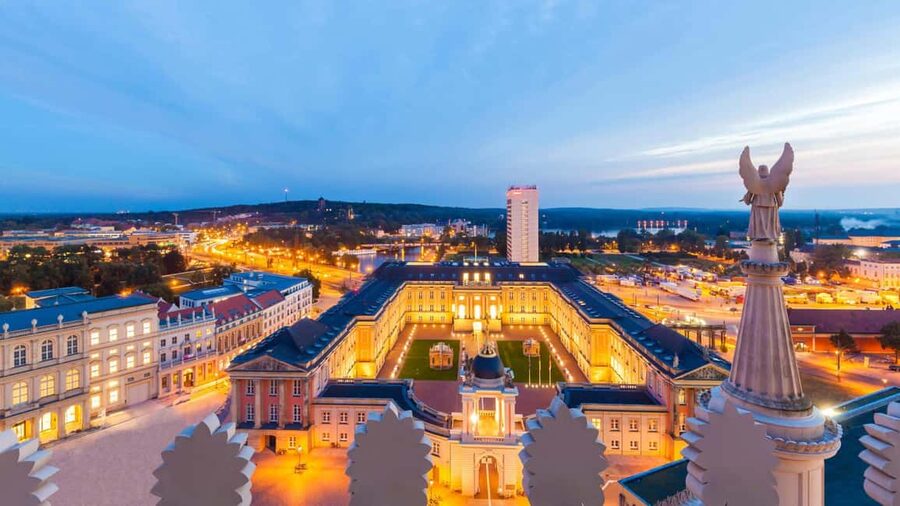
Sanssouci is the visual center of the tour. Frederick the Great used the palace as a retreat, and its name is often translated as without worries. The setting is designed for pleasure, with formal gardens, royal buildings, paths, terraces, and carefully planned views.
The tour focuses on the grounds rather than the interior. This distinction is crucial. You can see Sanssouci Palace from outside, learn why Frederick favored the site, and walk through the surrounding gardens, but you do not tour the palace rooms.
For many people, that is still enough to make the visit worthwhile. The gardens are extensive, and the outdoor setting gives you time to see how the palace relates to the rest of the estate. You are not standing in a queue before rushing through a handful of rooms. Instead, the guide explains the buildings and royal setting as you move through the grounds.
If your main goal is to see the famous interior of Sanssouci, this is not the right product by itself. You would need to arrange a separate palace visit. One traveler expected a Sanssouci museum tour and found that it was not included, so read the outdoor-only detail carefully before booking.
The site is also a good test of your footwear. The gardens cover a wide area, and the full route includes much more than one palace facade. In warm weather, bring water and a hat or other sun protection. In cool or wet weather, the same open grounds can feel exposed.
Same streets, a different story:
- Berlin: Discover Berlin Walking Tour
★ 4.9 · 5,998 reviews - Berlin’s Best: 2 Hour Walking Tour Third Reich and the Cold War
★ 5.0 · 5,486 reviews - Berlin: Hidden Backyards Guided Walking Tour
★ 4.8 · 5,360 reviews - Explore Berlin: See All The Iconic Sights & Some Hidden Gems
★ 5.0 · 4,429 reviews
Cecilienhof and the Potsdam Conference
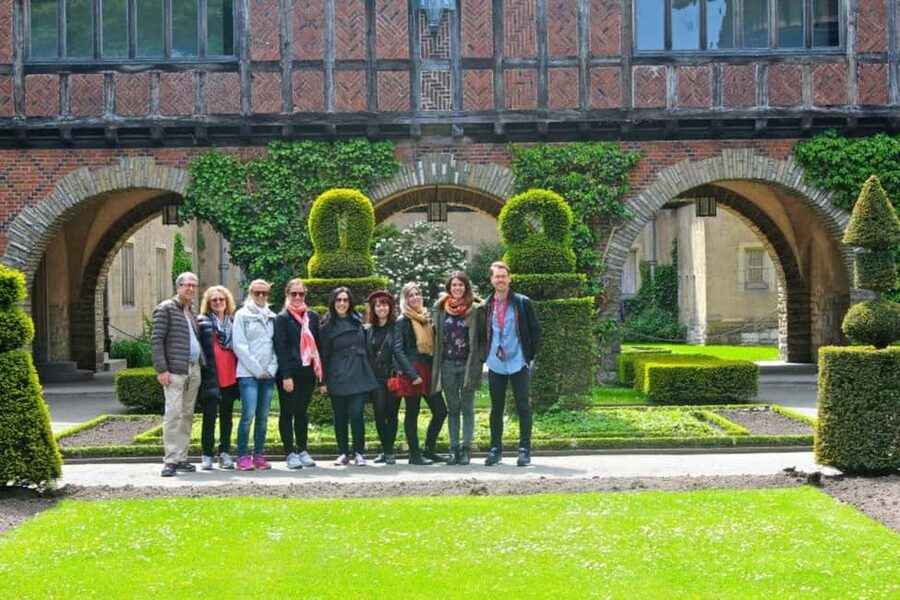
Cecilienhof gives the tour its strongest link to modern world affairs. The palace hosted the Potsdam Conference in 1945, where Joseph Stalin, Harry Truman, and Winston Churchill met after the Second World War.
The value here is not just the building. It is the sense of place. You are looking at the setting connected with decisions that helped shape postwar Europe. Guides explain the political background and point out details linked with the meeting.
Again, this is an exterior visit. You do not enter Cecilienhof as part of the tour. That limits the architectural experience, but the historical setting still carries weight, especially when the guide explains who met there and why the conference mattered.
This is one of the places where a good guide can change the day. A bare list of dates would be dry. Patrick is praised for making German history vivid, while Miguel is often singled out for his Cold War and Prussian history. Katia is valued for connecting buildings with the people and events behind them.
Marble Palace, royal estates, and the last German Kaiser
The Marble Palace adds another layer to Potsdam’s royal story. It is part of the wider collection of residences and parks around the city, showing how the Prussian court used the area as a place for private retreats, display, and summer life.
The route also visits the grounds of an aristocratic mansion connected with the last German Kaiser. This stop helps you understand the final years of the German monarchy and the scale of the estates used by the ruling class.
You should think of these visits as an outdoor history walk, not a sequence of museum admissions. The guide points out the buildings, explains their occupants, and places them within the changing story of Prussia and Germany.
I like this format for a first visit because it gives you a map in your head. You see where the palaces sit, how the parks connect, and how Potsdam’s royal past fits with its later political role. If you are a serious interiors fan, you may want a second visit focused on one palace in greater detail.
The Cold War side of Potsdam
Potsdam was not only a royal retreat. During the Cold War, parts of the city were restricted and used by the KGB. The tour introduces the former forbidden sector and explains how security shaped daily life and movement.
You also learn about the bridge where spies were exchanged. This is the Glienicke Bridge, a familiar Cold War symbol, and its story gives the day a sharper edge. The location connects Potsdam with the tense world of intelligence operations, divided Europe, and superpower rivalry.
This section is especially useful if you have already seen Berlin’s Wall memorials and want another angle on the Cold War. Berlin often tells the story through streets, checkpoints, and the Wall itself. Potsdam adds diplomatic meetings, intelligence work, restricted zones, and the contrast between elegant estates and military suspicion.
The guide’s storytelling matters most here. Miguel receives particular praise for his Cold War knowledge, energy, humor, and recommendations for further reading. If that subject interests you, ask questions as you go. The tour has enough historical range to support a conversation rather than just a fixed script.
What the walking pace is really like
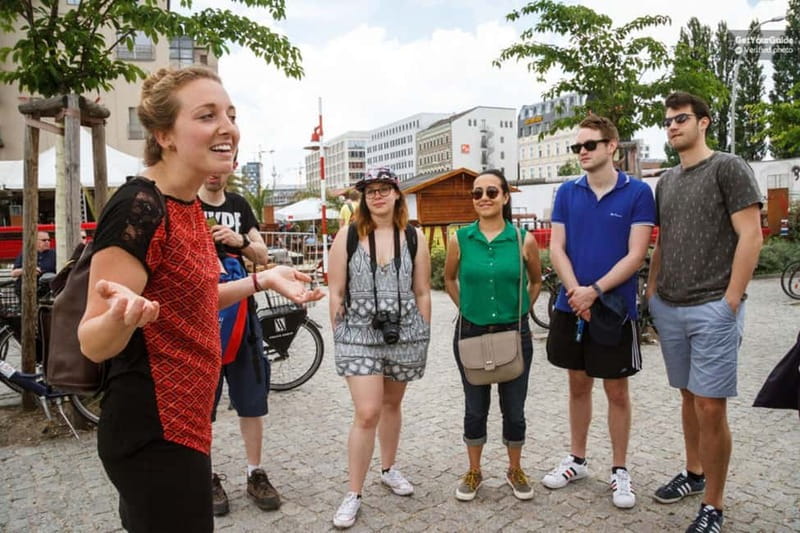
Six hours sounds manageable until you add the train stations, town streets, palace grounds, and large parks. This is a physically active day. The information specifically advises comfortable shoes, and that advice is not decorative.
You should bring water and snacks. A lunch stop of about 30 minutes may be included, with nearby options, but you should not expect a long restaurant meal. Eating something before departure is sensible, especially if you prefer not to rely on a short break.
The route is not suitable for wheelchair users or people with mobility impairments. The long distances and park paths make this a poor fit if you need frequent seating or an easily accessible route.
Weather can change the feel of the day. Sunshine makes the gardens wonderful, but hot weather can make the walking tiring. Cold, rain, or wind can make the open spaces less pleasant. Check the forecast and dress for several hours outdoors.
There is conflicting information about backpacks. One instruction says backpacks are not allowed, while another says they are allowed during the tour. I would confirm the current rule with the operator before arriving, especially if you plan to carry a larger daypack. Flash photography is not allowed, and security checks may take place at palace entrances or controlled sites.
The guides and the value of the commentary
The strongest pattern in the feedback is the quality of the guides. Miguel is praised for enthusiasm, humor, Cold War knowledge, and personal help at the end of the day. Katia is noted for turning kings and historical dates into lively stories. Patrick receives high marks for passion, clear answers, and a strong command of German history. Roshana is praised for adding context about how Potsdam’s buildings and parks developed.
That range matters because Potsdam can otherwise become a blur of names and facades. The guide gives each stop a reason to matter. You hear about rulers, diplomats, spies, and residents, not simply construction dates.
There have been occasional service imperfections. One person found the guide late and not very welcoming at the start, though the historical explanation remained strong. This is a useful reminder that the experience depends heavily on the individual guide and the group dynamic.
Some guides also help with practical matters after the tour. Miguel has walked with a participant to help with directions, and several guides have offered suggestions for other places to see or books to read. That is not a guaranteed extra service, but it shows the kind of personal support that can make a group tour feel more useful.
Who should book this Potsdam tour?
I would choose this tour if you want to see the major outdoor sights in one organized day and prefer stories to silent sightseeing. It suits first-time visitors to Potsdam, history fans, and anyone who wants royal architecture and Cold War politics in the same outing.
It is also a good choice if public transport in Germany feels confusing. You meet in central Berlin, travel by train with the guide, and follow a planned route rather than working out every connection yourself.
I would hesitate if you mainly want palace interiors, a relaxed garden visit, or a short half-day outing. The title may suggest a simple half-day experience, but the advertised duration is six hours, and the walking is substantial.
The tour works well for couples, solo visitors, and small groups who enjoy asking questions. It may be less suitable for young children who tire easily, people with limited mobility, or anyone who dislikes moving at a steady pace.
Should you book it?
Book it if your ideal Berlin side trip includes royal gardens, political history, and a lot of walking. The $57 price is fair for six hours of guided sightseeing and the train journey, especially if you want the main Potsdam highlights explained in one go.
Skip it if entering Sanssouci or Cecilienhof is essential. In that case, arrange a separate palace visit and allow more time for one site. For most first visits, though, this tour gives you a useful overview, strong historical context, and a welcome change from Berlin’s city streets.
FAQ
Where does the tour meet in Berlin?
The meeting point is in front of Generator Berlin Alexanderplatz, Otto-Braun-Straße 65, 10178 Berlin.
How long does the Potsdam tour last?
The tour lasts six hours, including the journey from Berlin to Potsdam and the guided walking route.
What language is the tour offered in?
The live guided tour is offered in English.
Does the tour enter Sanssouci Palace?
No. The tour focuses on the parks and outdoor areas, and palace interiors are not included.
Does the tour enter Cecilienhof or the Marble Palace?
No. The itinerary includes these sites as outdoor stops, but the tour does not enter buildings or palaces.
Is public transport included in the price?
A public ABC transportation ticket may be required for parts of the tour, and it is not included in the tour price.
What should I bring?
Bring comfortable shoes, water, snacks, a camera, and clothing suited to the weather. Check the backpack rule before departure because the provided instructions give conflicting information.
Is the tour suitable for wheelchair users?
No. The tour is not suitable for wheelchair users or people with mobility impairments because it involves substantial walking.
New walking tours around Berlin
- Berlin: 2.5-Hour Walking Tour through Kreuzberg 61★ 4.9 · 525 reviews
- East Berlin and the Wall: Walking Tour★ 4.9 · 407 reviews
- Cold War, Berlin Wall, Spies and the East Side Gallery★ 4.8 · 254 reviews
- Berlin: Walking Tour of the Top 10 Sightseeing Attractions★ 4.7 · 150 reviews
- Berlin: The Time of National Socialism Walking Tour★ 5.0 · 220 reviews
- Berlin: walking tour about Charité★ 4.4 · 537 reviews
- Berlin : Must-see attractions Walking Tour★ 4.8 · 83 reviews
- Berlin: Sightseeing Walking Tour of the Top 20 Attractions★ 4.5 · 196 reviews
Berlin Walking Tours, side by side.
Berlin City walk Government District and Places of Democracy
Read our review →
Berlin: Third Reich & Cold War Guided Walking Tour
Read our review →
Berlin’s Best: 2 Hour Walking Tour Third Reich and the Cold War
Read our review →
Explore Berlin: See All The Iconic Sights & Some Hidden Gems
Read our review →
Third Reich Berlin: Hitler and WWII Walking Tour
Read our review →Lists this walk sits on