
Review · TOKYO
Tokyo: Private Walking Tour with a Local Guide
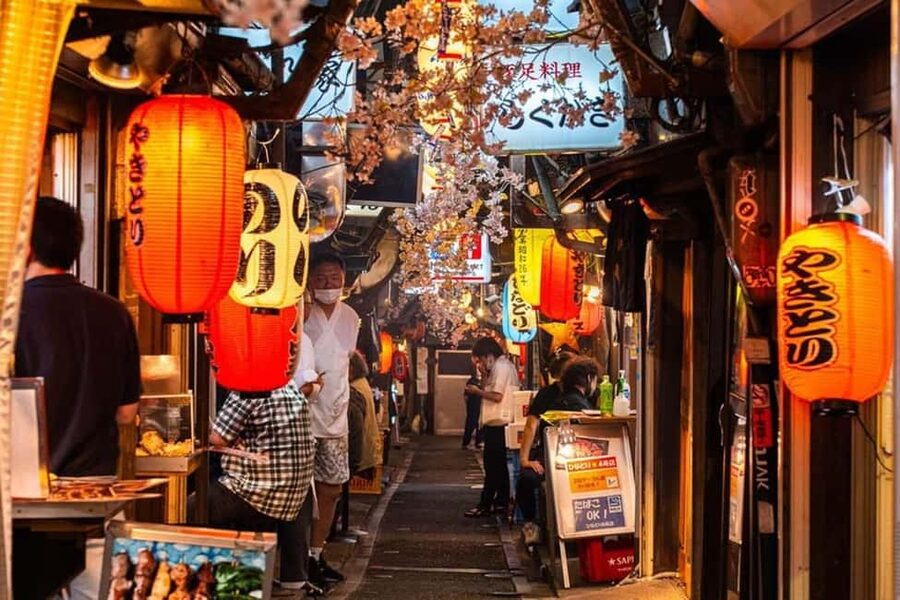
Tokyo is easiest to enjoy when someone helps you make smart choices. This private, custom-built tour lets you spend your time on the city you actually want to see, from Sensō-ji and Meiji Shrine to Tsukiji Market, Akihabara, or a quiet neighborhood alley.
I like the local guidance and the practical help with Tokyo’s rail system. I also like the way guides such as Momo, Miwa, Rika, and Hina adjust the pace, stop for photos, explain daily life, and point out places you might miss alone. The main drawback is distance: Tokyo is enormous, so trying to pack too many districts into one day can mean long train rides and crowded platforms.
Key points to know before booking
- Your guide shapes the day with you: You share your interests before the tour, then settle the final plan with your guide about 24 hours before departure.
- The tour works especially well on your first day: Guides can explain trains, neighborhood layout, customs, food choices, and basic Tokyo etiquette while showing you the sights.
- You can mix famous sights with local corners: Choose major places such as Shibuya Crossing, or ask for quieter streets, small eateries, markets, and less touristy areas.
- Public transport is part of the experience: Your guide meets you at your hotel or chosen location and helps you move around Tokyo by train and subway.
- The price is strong for private help: At $53 per person, the tour can be good value for couples, families, and small groups, though transport, meals, and extra attraction tickets cost more.
- Plan for a lot of walking: This tour is not suitable for wheelchair users or people with mobility impairments, and crowded trains can make a full day tiring.
Why a private Tokyo tour can be worth the money
Tokyo is not one compact sightseeing center. It is a collection of districts spread across a huge rail network, each with its own mood and history. You can lose a surprising amount of time crossing the city between places that look close together on a map.
That is where this tour earns its keep. Your guide can help you choose a sensible route instead of simply checking every famous name on a list. Miwa, for example, has helped visitors select districts that fit together and avoid wasting the day in transit. Rika has been praised for making efficient use of the railway system, while Momo has helped first-time visitors feel comfortable with trains, food stops, and local customs.
At $53 per person, the price is modest for a private guide, especially if two or more people share the booking. You are paying for planning, navigation, cultural explanation, and personal attention, not just a standard walk. The value is greatest if you are new to Tokyo, have only a few days, or feel unsure about using the train system.
The price does not cover meals, beverages, train fares, private cars, airport transfers, or tickets for extra attractions. Temple and shrine entrance fees are covered, but if you add another paid attraction, you must also pay for your guide’s ticket. Keep a credit card and some cash with you.
More Private Walking Tours in Japan
- Osaka: Hotspots & Hidden Gems Walking Tour Private or Group
★ 4.9 · 1,300 reviews - Nara Half Day Trip Walking Tour (Private Option Available)
★ 5.0 · 937 reviews - Tokyo: Private Custom Walking Tour with Local Guide
★ 4.8 · 533 reviews
A flexible itinerary instead of a fixed checklist
The places shown for this experience are possibilities, not a promise that you will visit every one. Your guide contacts you through WhatsApp within 24 hours before the tour, asks what matters to you, and sends a final plan based on your time and interests.
That flexibility is a major strength. You can focus on old Tokyo, modern Tokyo, shopping, food, anime, photography, spiritual sites, or a mixture of several themes. You can also ask for a gentler pace, though the number of districts you cover will need to shrink.
The available planning notes describe 4, 6, or 8-hour versions, while the overall activity information lists a duration of 2 to 8 hours. Confirm the exact length and starting time when you book. A four-hour outing is best for one compact area or two nearby districts. Six hours gives you room to combine old and new Tokyo. Eight hours can cover more ground, but it will feel like a full day of walking and public transport.
Sensō-ji and Asakusa: the best old-Tokyo pairing
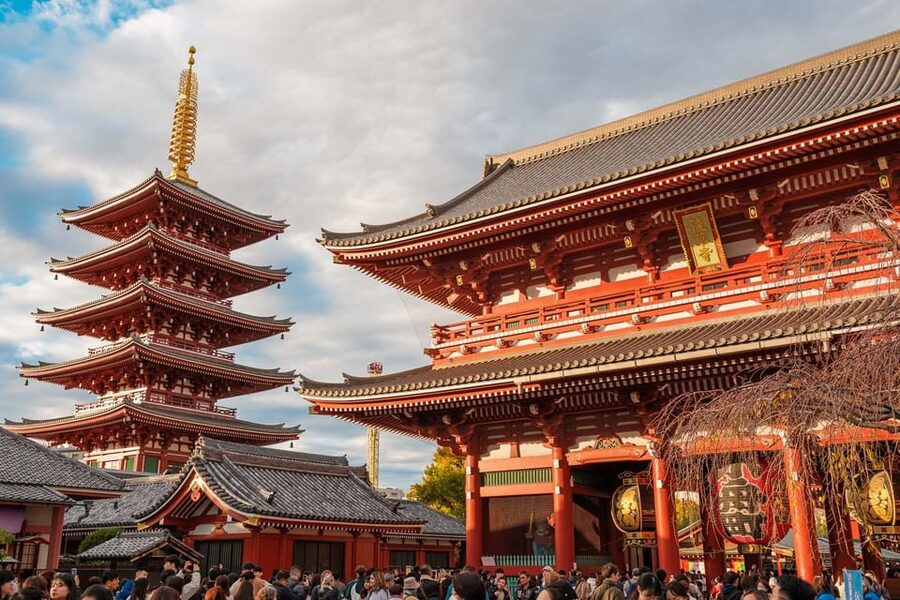
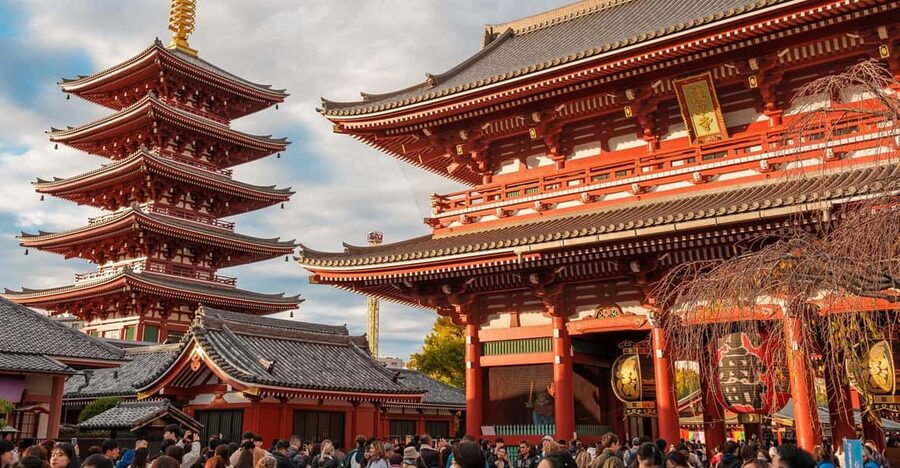
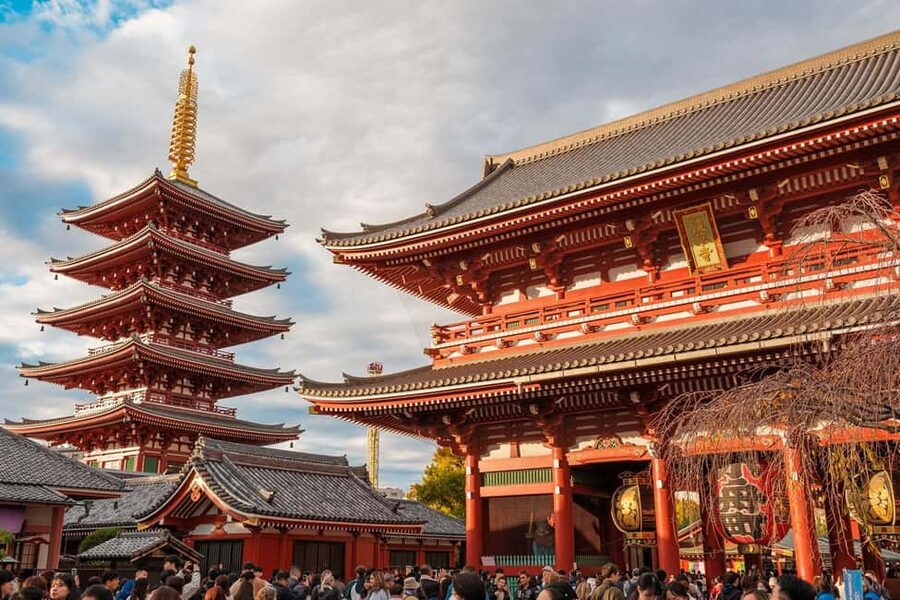
Sensō-ji is one of the strongest choices for a first visit. The temple gives you an introduction to Buddhist worship, traditional architecture, incense, and the customs surrounding a major religious site. Your guide can explain what you are seeing rather than leaving you to guess at the rituals.
Asakusa adds the surrounding streets and neighborhood character. This is a good place to ask questions about everyday Japanese customs, local food, souvenirs, and the difference between a Buddhist temple and a Shinto shrine. Several guides have paired temples, shrines, markets, and small lanes in this part of the city.
The caution is pace. Asakusa can fill quickly, and the approach to Sensō-ji is busy. If you want quiet photographs or a slower visit, tell your guide in advance. Do not expect this stop to feel like an undiscovered corner of Tokyo.
Ueno and Ameya-Yokocho: markets, food, and local movement
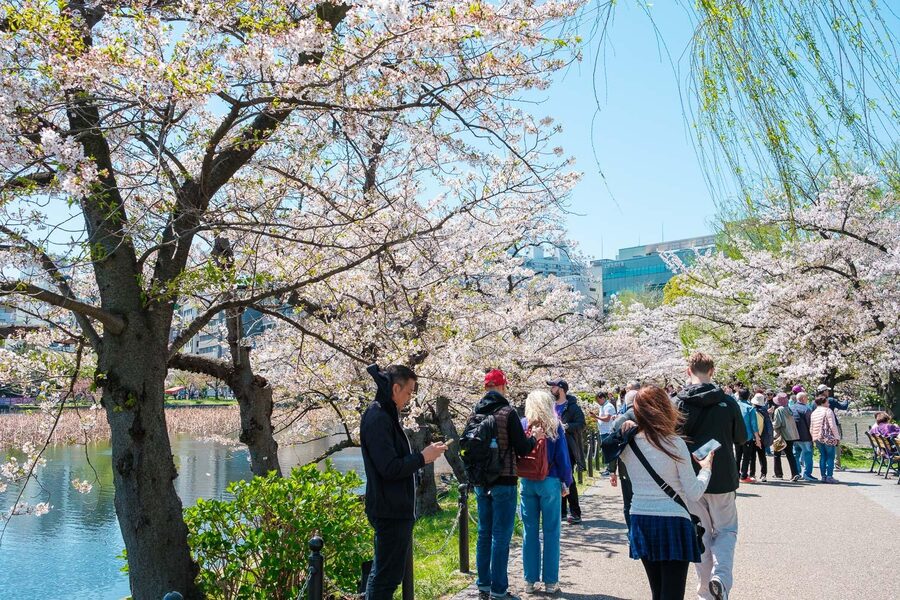
Ueno gives your day a different feel. It is a useful choice if you want a mix of neighborhood life, shopping, food, and cultural sights. Ameya-Yokocho, often called Ameyoko, is especially suited to travelers who prefer browsing market stalls and trying snacks over visiting another formal monument.
A guide is useful here because food displays and market habits can be unfamiliar. You can ask what is worth sampling, how to order, and which foods fit your preferences. The tour does not include meals, so any food or drink you choose is your own expense.
Ueno and Asakusa work well together because they are close enough to limit wasted travel. Pairing them with Shibuya or Shinjuku is possible on a long day, but you will spend more time on trains.
Same streets, a different story:
- Kyoto Geisha Walking Tour: Gion District & Hidden Gems
★ 4.7 · 3,273 reviews - Tokyo Tsukiji Fish Market Food and Culture Walking Tour
★ 5.0 · 3,184 reviews - Kyoto: Gion Magical Night Walking Tour with Geisha Trivia
★ 4.9 · 2,393 reviews - Tokyo: Imperial Palace and Shogun Historical Walking Tour
★ 5.0 · 2,251 reviews
Akihabara: Tokyo’s modern pop culture side
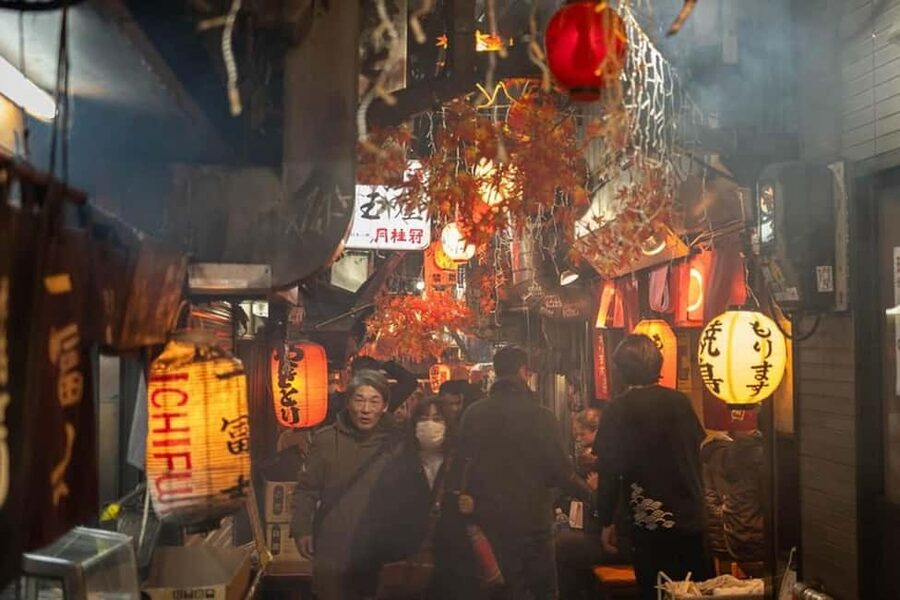
Akihabara is the clear choice if you are interested in electronics, anime, games, manga, or modern Japanese pop culture. It gives the tour a sharp contrast with Sensō-ji and Meiji Shrine.
Your guide can help you decide how much time to spend here and may be able to explain the district in a way that connects shops and street scenes to wider Tokyo culture. The exact experience depends on your interests. Someone focused on temples may need only a short visit, while a pop culture fan could reasonably make it a main stop.
Do not add Akihabara simply because it is famous. Tokyo is too large for random collecting. Tell your guide what you hope to see so the district earns its place in your route.
Shibuya Crossing and Harajuku: famous Tokyo, carefully timed
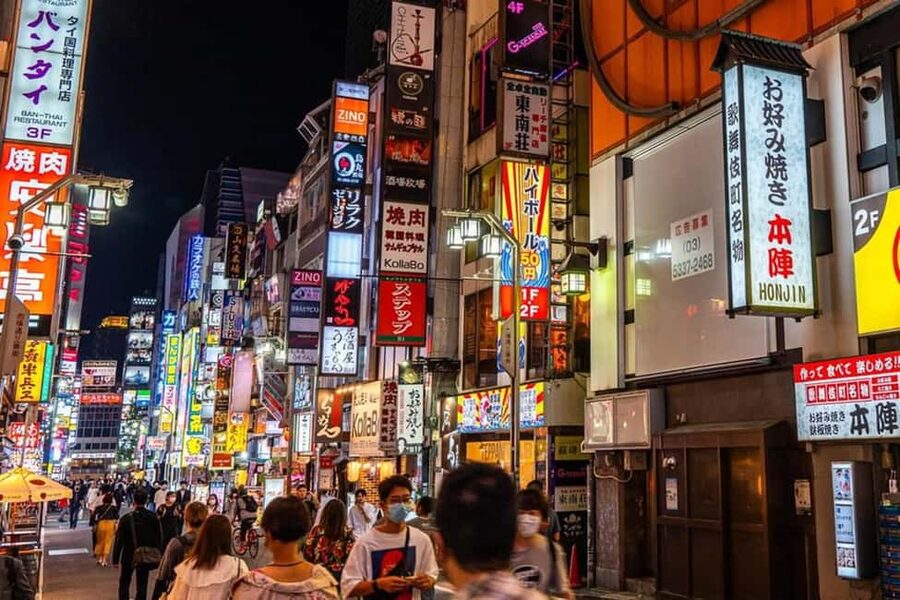
Shibuya Crossing is one of Tokyo’s best-known sights. It is exciting to watch the streams of pedestrians move through the intersection, and it gives you an immediate sense of the city’s modern energy. It also takes little time compared with a temple or market visit.
That can be both its strength and its weakness. One visitor later felt Shibuya Crossing was the one stop they would have left out, because it did not feel as worthwhile as other choices. If you want photographs, shopping, or a quick first look at contemporary Tokyo, include it. If you prefer food, history, or quieter streets, use that time elsewhere.
Harajuku can add youth culture, shopping, and access to Meiji Shrine. The area is a useful bridge between modern Tokyo and one of the city’s most important Shinto sites. Again, ask your guide to keep the route realistic. Shibuya, Harajuku, Meiji Shrine, and Shinjuku can fill much of a day on foot.
Meiji Shrine: a calmer change of pace
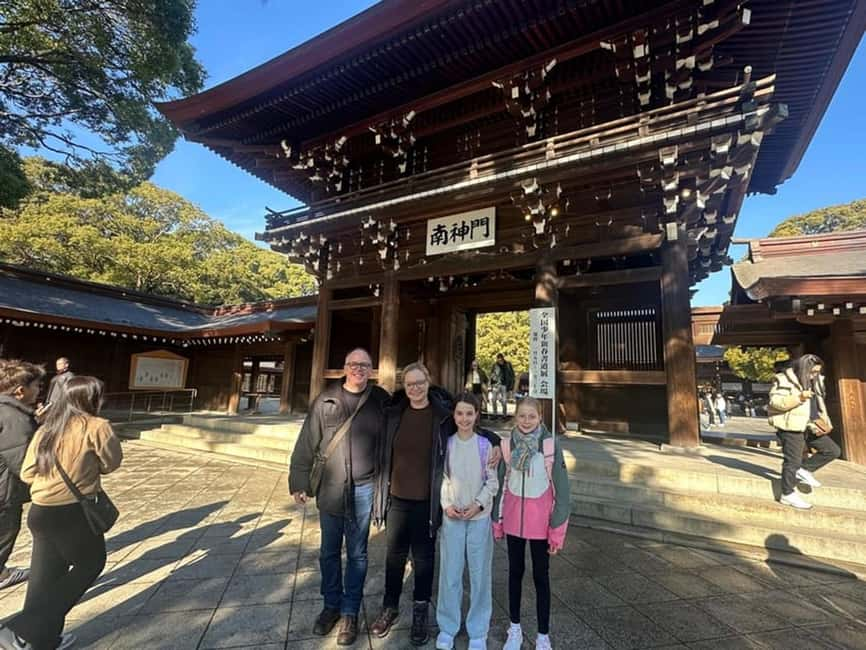
Meiji Shrine provides a welcome pause from Tokyo’s traffic and commercial districts. It is a Shinto shrine set in a wooded setting, and it offers a chance to learn how shrine visits work, including the respectful behavior expected at the entrance and worship area.
This is one of the stops where a guide adds real value. The setting may look peaceful and simple, but the meaning behind the gates, purification practices, offerings, and ceremonies is not always obvious. Guides such as Momo and Miwa have been praised for explaining spiritual customs in clear, friendly language.
Wear comfortable shoes. Even when the route feels relaxed, the tour involves walking and standing, and a full day can be demanding.
Tsukiji Outer Market: a strong choice for food lovers
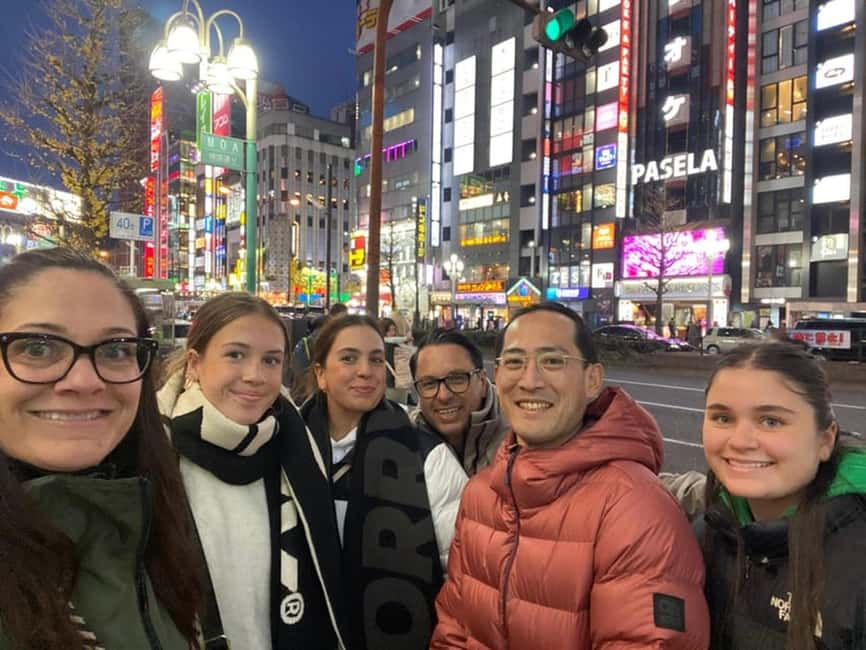
Tsukiji Outer Market is one of the most useful choices if you want tastes as well as sights. Rika has taken visitors through the market, where free samples and grilled seafood can be part of the experience. The market also works well for a morning tour or a stop before visiting nearby temples and shrines.
You pay for your own food, and you should expect to buy only what appeals to you. If you plan to eat with your guide, the tour asks you to cover the guide’s meal as well. Tell the operator ahead of time if you do not want your guide to join you for lunch or dinner, so expectations are clear.
This is a practical place to discuss dietary needs before the tour. One visitor specifically appreciated being asked about food preferences in advance. That kind of communication can make a market visit much easier.
Ginza and the Imperial Palace: polished Tokyo and national history
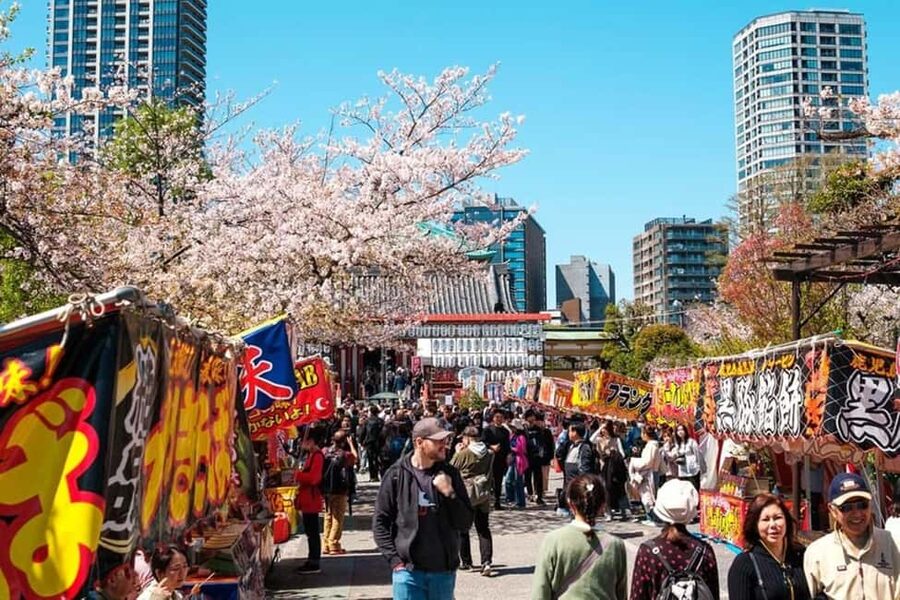
Ginza is the place to choose for department stores, polished shopping streets, and a more formal side of the capital. It may not be the best use of time if you are focused on small local shops, but it suits visitors who want Japanese design, retail, and city-center atmosphere.
The Tokyo Imperial Palace provides historical context and a change from commercial Tokyo. Depending on your selected route and access, you may view palace grounds or surrounding areas rather than enter every interior space. Ask your guide exactly what is planned if palace access is important to you.
Ginza, the Imperial Palace, and Tokyo Station can make a sensible central Tokyo route. Adding western districts on the same short tour may leave you spending too much time underground.
Shinjuku: a useful finish for city orientation
Shinjuku gives you neon, high-rise streets, shopping, restaurants, and one of Tokyo’s major transport hubs. It is a practical final stop because your guide can help you understand the station area and suggest places to return to later.
Guides have also taken visitors to restaurants with city views and helped with shopping requests. Those extras are not guaranteed, so mention them when you share your preferences. A good guide can often adjust the day around your priorities, but time and distance still set limits.
Shinjuku is especially helpful for first-time visitors who want to understand how Tokyo’s districts connect. It is less useful if you already have a detailed plan for the area or want a quiet historical day.
The guides are the heart of the experience
The strongest pattern across this tour is the personal quality of the guides. Momo is frequently praised for warmth, humor, clear explanations, and the ability to make a day feel like time spent with a well-informed local friend. Miwa is noted for thoughtful answers, careful planning, and help with future independent travel. Rika is valued for rail navigation, photos, and a cheerful, organized approach.
Hina has been praised for adapting plans and explaining history and local life in clear English. Kanako has shown patience with older visitors, replacing trains with taxis when needed. Yossy, Yoshie, Nao, Saya, and other guides are also available depending on the booking.
The guide you receive is not selected from a fixed menu, so you should not book expecting one particular person unless the operator confirms that in writing. Still, the repeated strengths are clear: friendly communication before the tour, good English, flexibility, cultural explanation, and practical help.
Getting around Tokyo without wasting the day
Your guide meets you at a central Tokyo hotel or another preferred meeting point, then accompanies you by public transport and on foot. This is useful, but it is not a private car tour. You will use trains and subway lines, walk through stations, and sometimes stand on crowded platforms.
A Suica or other transit card can save time. One visitor specifically recommended having a loaded Suica card ready, and another noted that packed trains and too much walking can become tiring. If you prefer taxis, say so before the tour. Taxis can raise the cost, but they may be worthwhile for older travelers, families, or anyone who wants to limit station changes.
Bring comfortable shoes, cash, a credit card, and your passport or ID. Strollers and baby carriages are not allowed, and the activity is not suitable for wheelchair users or people with mobility impairments. Smoking, drones, and littering are also prohibited.
Who should book this private Tokyo experience?
I would choose this tour if you are visiting Tokyo for the first time, have only one to three days, or want help turning a long wish list into a workable day. It is also a good fit for couples and families who prefer private attention over a large group.
It suits independent-minded people too. A guide can teach you enough about trains, neighborhoods, food, and customs to help you continue on your own afterward. Several guides have gone beyond the booked hours with useful suggestions for the rest of a Japan trip.
I would think twice if you want a fixed, highly scripted sightseeing program, a private vehicle, or a slow day with little walking. The tour is flexible, but flexibility does not remove Tokyo’s size. Choose fewer districts and enjoy them properly.
Should you book this Tokyo walking tour?
Book it if you want a personal introduction, local guidance, and a day shaped around your own priorities. The $53 price is particularly attractive for small private groups, and the strongest value comes from avoiding wrong turns, poor route choices, and uncertainty on the train system.
Before booking, decide what matters most: temples, food, pop culture, shopping, photography, or neighborhood life. Share that list early, ask for a realistic route, and confirm the duration, transport costs, and any extra admission fees. If you do that, this tour can give you both a memorable day and the confidence to explore the rest of Tokyo on your own.
FAQ
How much does the private Tokyo walking tour cost?
The listed price is $53 per person. Meals, beverages, train fares, private cars, airport transfers, and tickets for additional attractions are not included.
How long does the tour last?
The activity information lists durations from 2 to 8 hours. The planning information refers to 4, 6, or 8-hour options, so confirm the exact duration when you book.
Can I choose the places I visit?
Yes. You should share your interests and preferred places after booking. Your guide contacts you through WhatsApp within 24 hours before the tour, and the final itinerary is set with you then.
Does the tour include hotel pickup?
Yes. Your guide can meet you at your hotel in central Tokyo or at another preferred meeting point in Tokyo. Airport pickup and drop-off are not included.
Are temple and shrine entry fees included?
Temple and shrine entrance fees are included. Additional attractions are not included, and you may need to pay admission for both yourself and your guide if a paid attraction is added.
Do I need to pay for my guide’s meal?
If you choose to have lunch or dinner during the tour and want your guide to join you, you are asked to cover the guide’s meal. Tell the operator ahead of time if you prefer your guide not to join the meal.
Is the tour suitable for wheelchair users or people with mobility impairments?
No. The activity is listed as unsuitable for people with mobility impairments and wheelchair users. It also involves walking, standing, and public transport, so comfortable shoes are important.
New walking tours around Japan
- Nara: Half-Day UNESCO Heritage & Local Culture Walking Tour★ 4.8 · 250 reviews
- Nagasaki: Private Walking Tour with a Local★ 4.7 · 79 reviews
- Hiroshima: Miyajima Half-day Historical Walking Tour★ 4.7 · 100 reviews
- Kyoto: Private Walking Tour with a Local★ 4.6 · 118 reviews
- Kyoto: Private 2.5 Hour Historical Walking Tour★ 4.9 · 121 reviews
- Kyoto: Imperial Palace & Nijo Castle Guided Walking Tour★ 4.7 · 453 reviews
- Kyoto: Izakaya Bars Guided Walking Tour★ 4.9 · 815 reviews
- Kyoto: Gion Walking Tour★ 5.0 · 195 reviews
Tokyo Walking Tours, side by side.
Tokyo Tsukiji Fish Market Food and Culture Walking Tour
Read our review →
Tokyo: Imperial Palace and Shogun Historical Walking Tour
Read our review →
Tokyo: Shinjuku Local Bar and Izakaya Guided Walking Tour
Read our review →
Tokyo: Asakusa Walking Tour with Sensoji Temple Visit
Read our review →
Tokyo: Tsukiji Fish Market Guided Walking Tour
Read our review →
Tokyo: Imperial Palace Japanese History Walking Tour
Read our review →
Tokyo: Private Custom Walking Tour with Local Guide
Read our review →
Asakusa: A Big-picture History Walk to Know Japan
Read our review →Lists this walk sits on